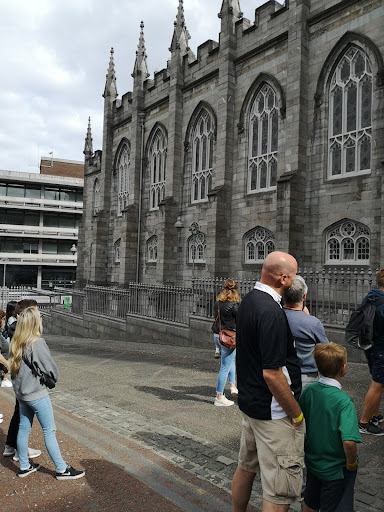
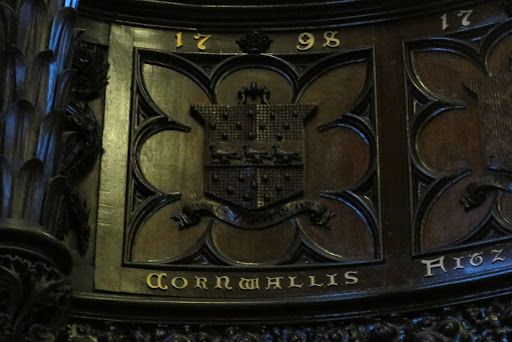
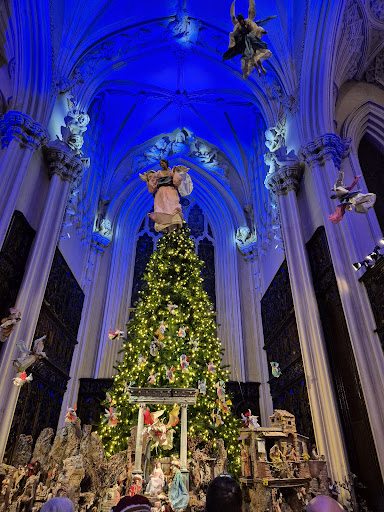
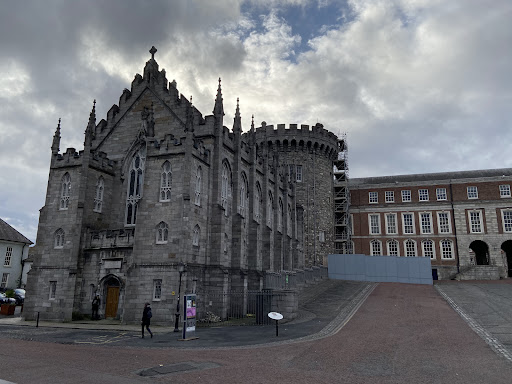
The Chapel Royal things to do, attractions, restaurants, events info and trip planning
Basic Info
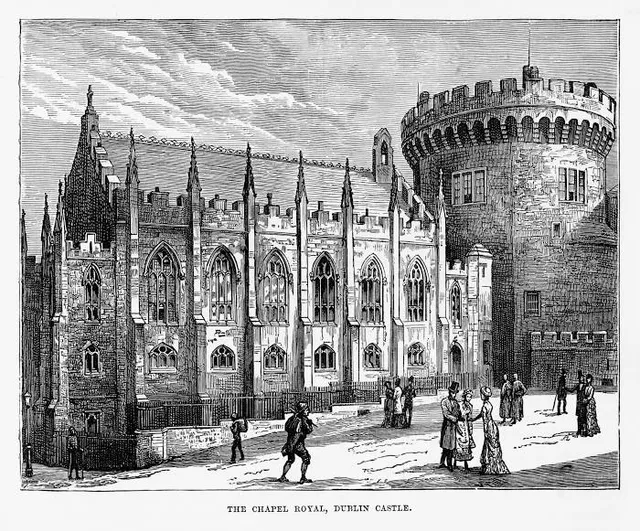
The Chapel Royal
Dublin Castle, Castle St, Dublin 2, Ireland
4.5(69)
Open until 5:45 PM
Save
spot
spot
Ratings & Description
Info
A chapel royal is an establishment in the British and Canadian royal households serving the spiritual needs of the sovereign and the royal family. Historically, the chapel royal was a body of priests and singers that travelled with the monarch.
Cultural
Scenic
Accessibility
attractions: Dublin Castle, 3Olympia Theatre, Chester Beatty, Dubh Linn Garden, Christ Church Cathedral, Dublin Tourist Information Centre Barnardo Square, City Hall, Molly Malone Statue, The Irish Rock 'n' Roll Museum Experience, The Garda Museum, restaurants: Cantina Valentina Dublin, Yamamori South City, NoLIta, PI George's Street, Pitt Bros BBQ, Yamamori Izakaya - Japas & Sake, Sano Pizza, Forno 500, 777, Diwali Restaurant, local businesses: George's Street Arcade, The Long Hall, Asia Market, The Workman's Club, Down to Earth, Stephen's Green Shopping Centre, The RAGE - Record, Art and Game Emporium, The Boilerhouse, The Temple Bar Trading Company, Brown Thomas Dublin
 Learn more insights from Wanderboat AI.
Phone
+353 1 645 8813
Open hoursSee all hours
Mon9:45 AM - 5:45 PMOpen
Plan your stay

Pet-friendly Hotels in Dublin
Find a cozy hotel nearby and make it a full experience.

Affordable Hotels in Dublin
Find a cozy hotel nearby and make it a full experience.

The Coolest Hotels You Haven't Heard Of (Yet)
Find a cozy hotel nearby and make it a full experience.

Trending Stays Worth the Hype in Dublin
Find a cozy hotel nearby and make it a full experience.
Reviews
Live events
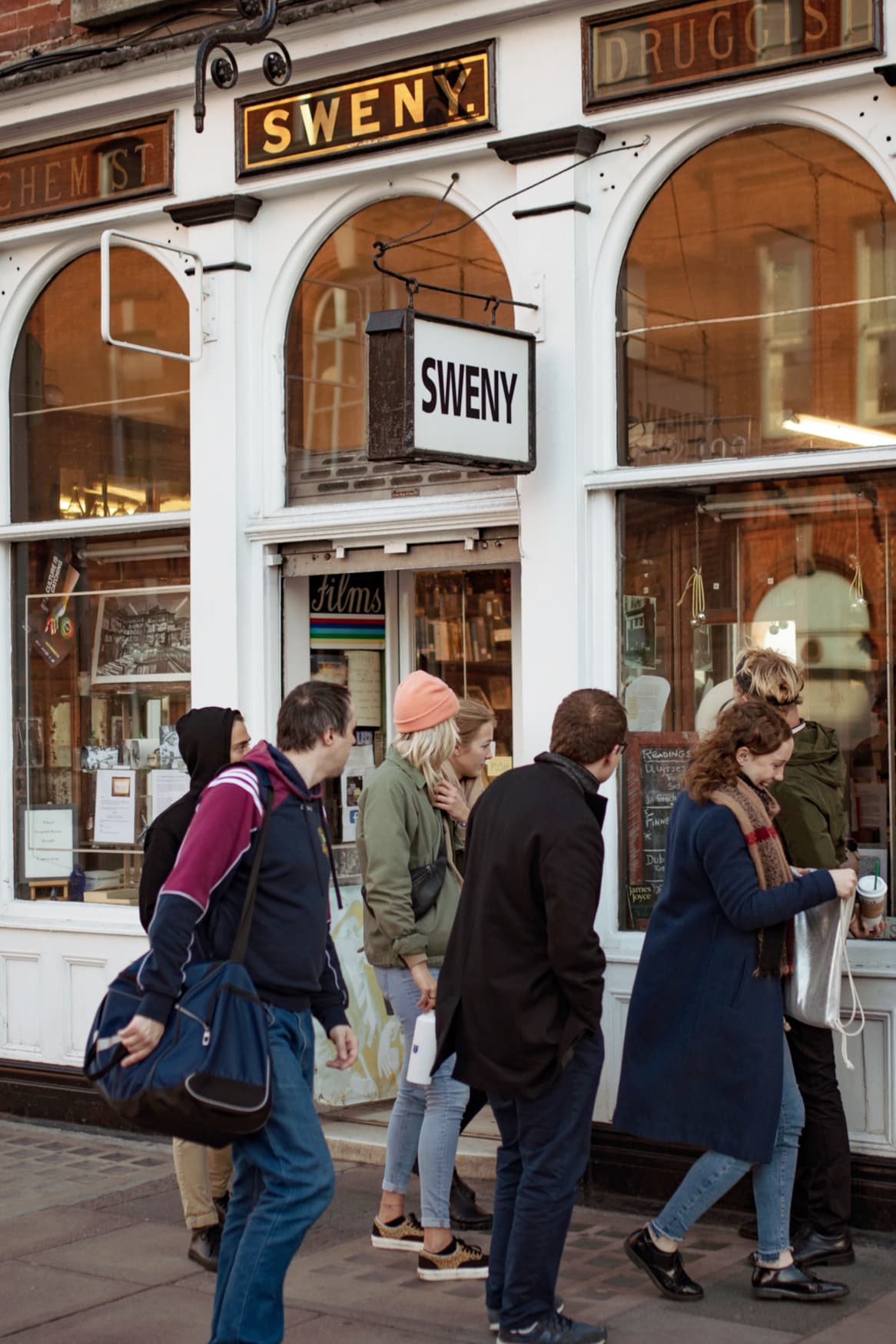
Dublins bestkept secrets tour…
Fri, Feb 13 • 11:30 AM
Dublin, County Dublin, D02 HX65, Ireland
View details

Forge a silver ring workshop
Mon, Feb 9 • 12:00 PM
Dublin, County Dublin, D02 V658, Ireland
View details
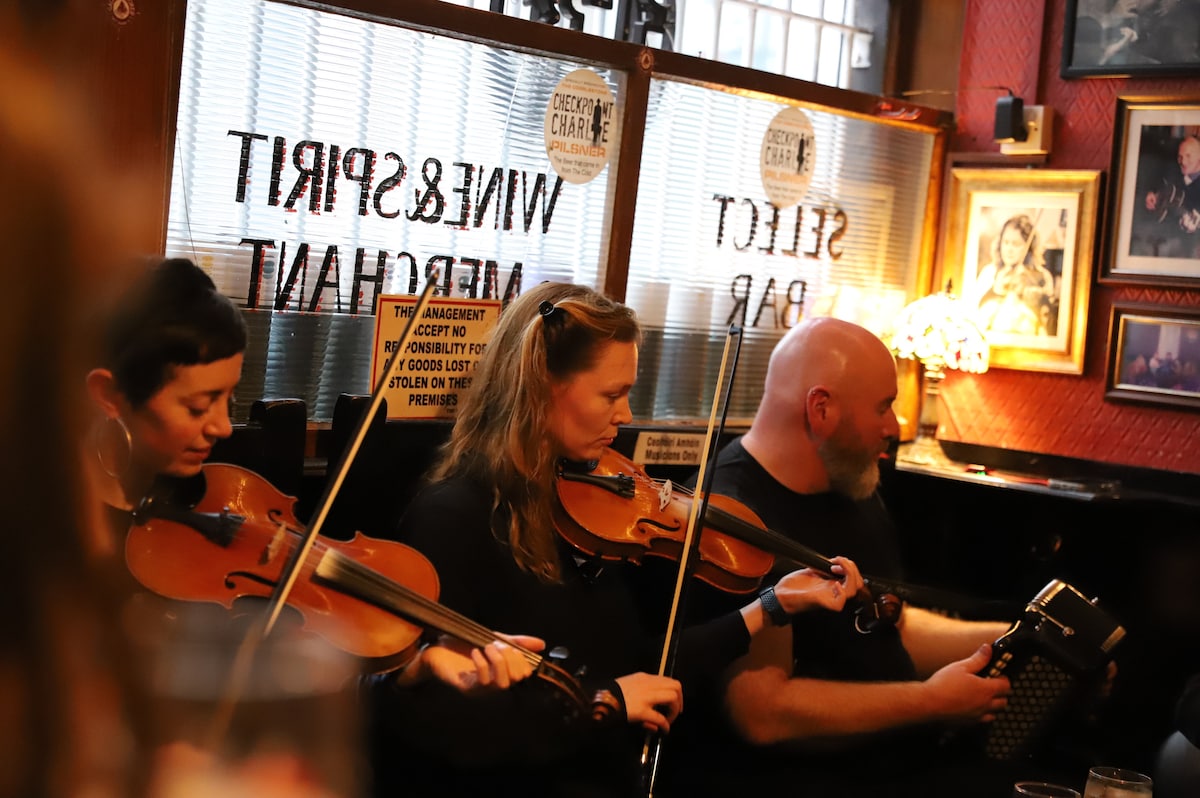
Real Dublin Traditional Music Pub Tour
Mon, Feb 9 • 7:30 PM
Dublin, County Dublin, d7, Ireland
View details
Nearby attractions of The Chapel Royal
Dublin Castle
3Olympia Theatre
Chester Beatty
Dubh Linn Garden
Christ Church Cathedral
Dublin Tourist Information Centre Barnardo Square
City Hall
Molly Malone Statue
The Irish Rock 'n' Roll Museum Experience
The Garda Museum
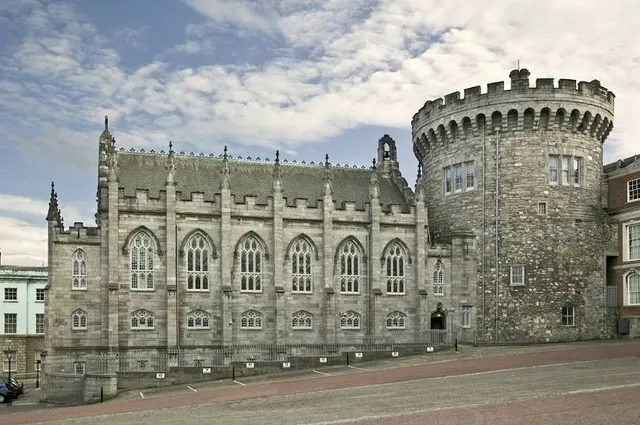
Dublin Castle
4.3
(13.4K)
Open until 5:15 PM
Click for details
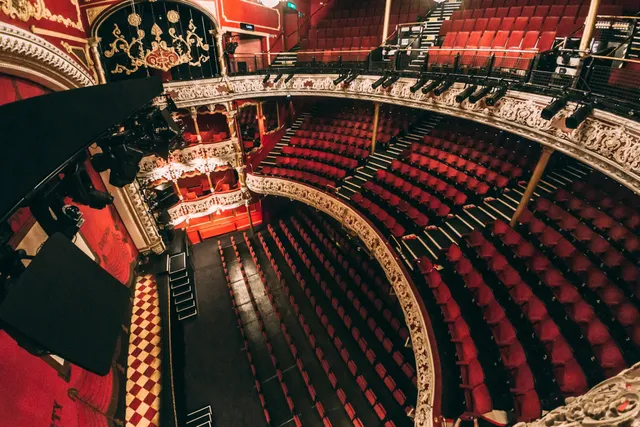
3Olympia Theatre
4.5
(2.8K)
Open 24 hours
Click for details
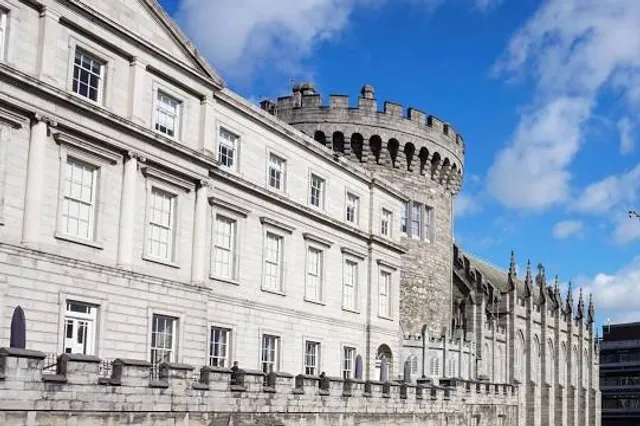
Chester Beatty
4.7
(1.7K)
Open until 12:00 AM
Click for details
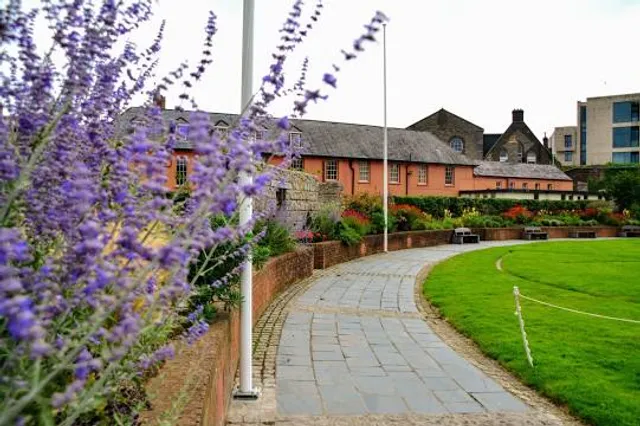
Dubh Linn Garden
4.6
(757)
Open until 7:00 PM
Click for details
Nearby restaurants of The Chapel Royal
Cantina Valentina Dublin
Yamamori South City
NoLIta
PI George's Street
Pitt Bros BBQ
Yamamori Izakaya - Japas & Sake
Sano Pizza
Forno 500
777
Diwali Restaurant

Cantina Valentina Dublin
4.4
(31)
Open until 12:00 AM
Click for details
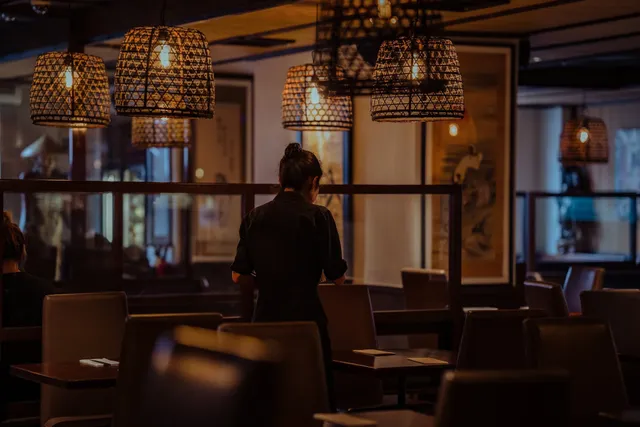
Yamamori South City
4.4
(1.6K)
$$
Open until 9:30 PM
Click for details
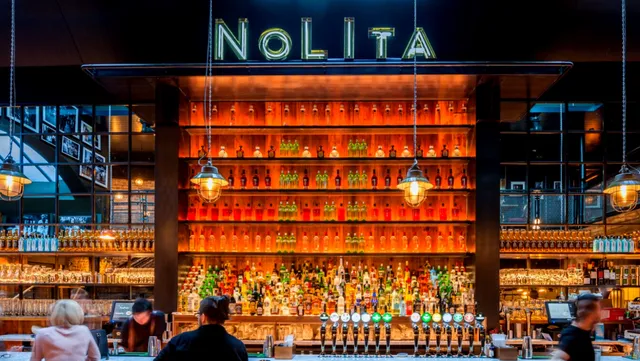
NoLIta
4.2
(1.6K)
$$
Open until 12:00 AM
Click for details
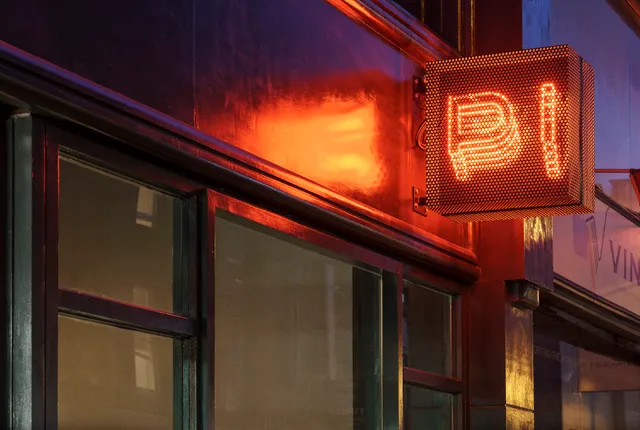
PI George's Street
4.6
(1.2K)
Open until 9:30 PM
Click for details
Nearby local services of The Chapel Royal
George's Street Arcade
The Long Hall
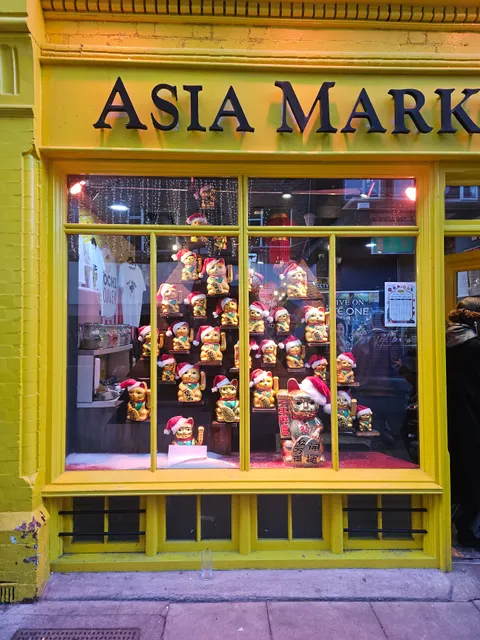
Asia Market
The Workman's Club
Down to Earth
Stephen's Green Shopping Centre
The RAGE - Record, Art and Game Emporium
The Boilerhouse
The Temple Bar Trading Company
Brown Thomas Dublin
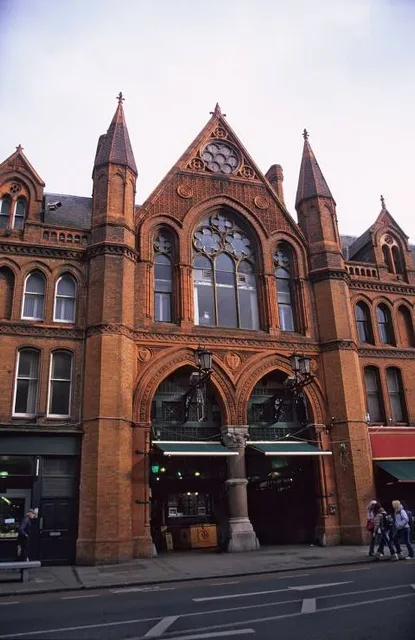
George's Street Arcade
4.3
(3.1K)
Click for details
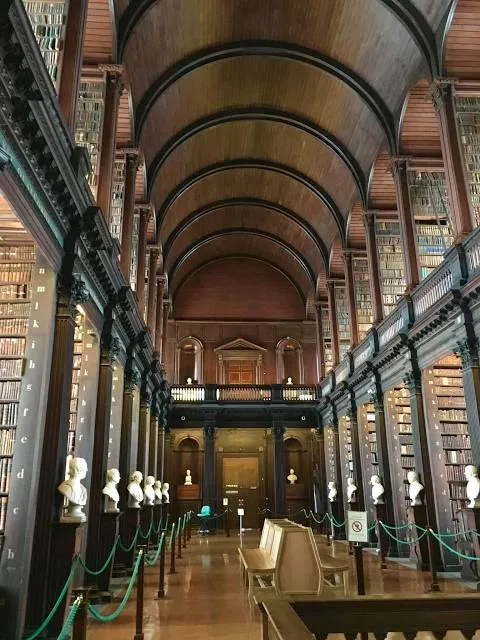
The Long Hall
4.6
(2K)
Click for details
Asia Market
4.5
(1.4K)
Click for details
The Workman's Club
4.1
(1.5K)
Click for details