Chiesa della Badia di Sant'Agata things to do, attractions, restaurants, events info and trip planning
Basic Info
Chiesa della Badia di Sant'Agata
Via Vittorio Emanuele II, 182, 95131 Catania CT, Italy
4.7(596)
Closed


tickets
Save
spot
spot
Ratings & Description
Info
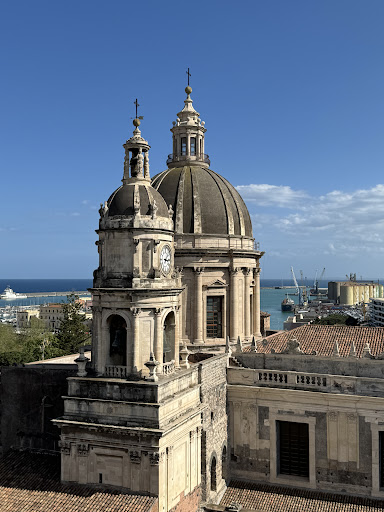
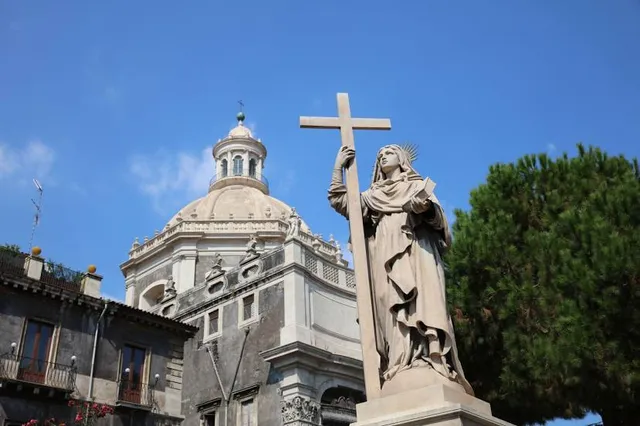
Badia di Sant'Agata or Abbey of St Agatha refers to an 18th-century Roman Catholic church and attached female convent located on Via Vittorio Emanuele #182 in the center of Catania, region of Sicily, southern Italy.
Cultural
Scenic
Accessibility
attractions: Basilica Cattedrale di Sant'Agata, Fountain of the Elephant, Piazza Università, Free Tour Catania (Free walking tour Catania), Teatro Massimo Bellini, Informazioni Turistiche Catania, Palazzo degli Elefanti, Palazzo Platamone, Palazzo Biscari, Basilica della Collegiata, restaurants: Don Peppinu | Catania, Catania Social Club | Ristorante, Pizzeria & Cocktail Bar, Trattoria U Fucularu, Ciauru i mari, Prestipino Cafè, Trattoria La Canonica, Prestipino Duomo, Il Borgo di Federico, Cu A Voli Cotta & Cu A Voli Crura, Barrique Bistrot, local businesses: Via Etnea, Storico mercato del pesce di Catania, Fuente del Amenano, Rent Car Al Nuovo Baretto, R-Store Catania | Apple Premium Reseller e Centro Assistenza Autorizzato Apple, Colori del Sole | Catania, Mizzica, Arena Biscotti, Agathae - Prodotti Tipici Siciliani, Palazzo San Giuliano
 Learn more insights from Wanderboat AI.
Phone
+39 340 423 8663
Website
badiasantagata.wordpress.com
Open hoursSee all hours
Mon9:30 AM - 12:30 PM, 4:30 - 8 PMClosed
Plan your stay

Pet-friendly Hotels in Catania
Find a cozy hotel nearby and make it a full experience.

Affordable Hotels in Catania
Find a cozy hotel nearby and make it a full experience.

The Coolest Hotels You Haven't Heard Of (Yet)
Find a cozy hotel nearby and make it a full experience.

Trending Stays Worth the Hype in Catania
Find a cozy hotel nearby and make it a full experience.
Reviews
Live events
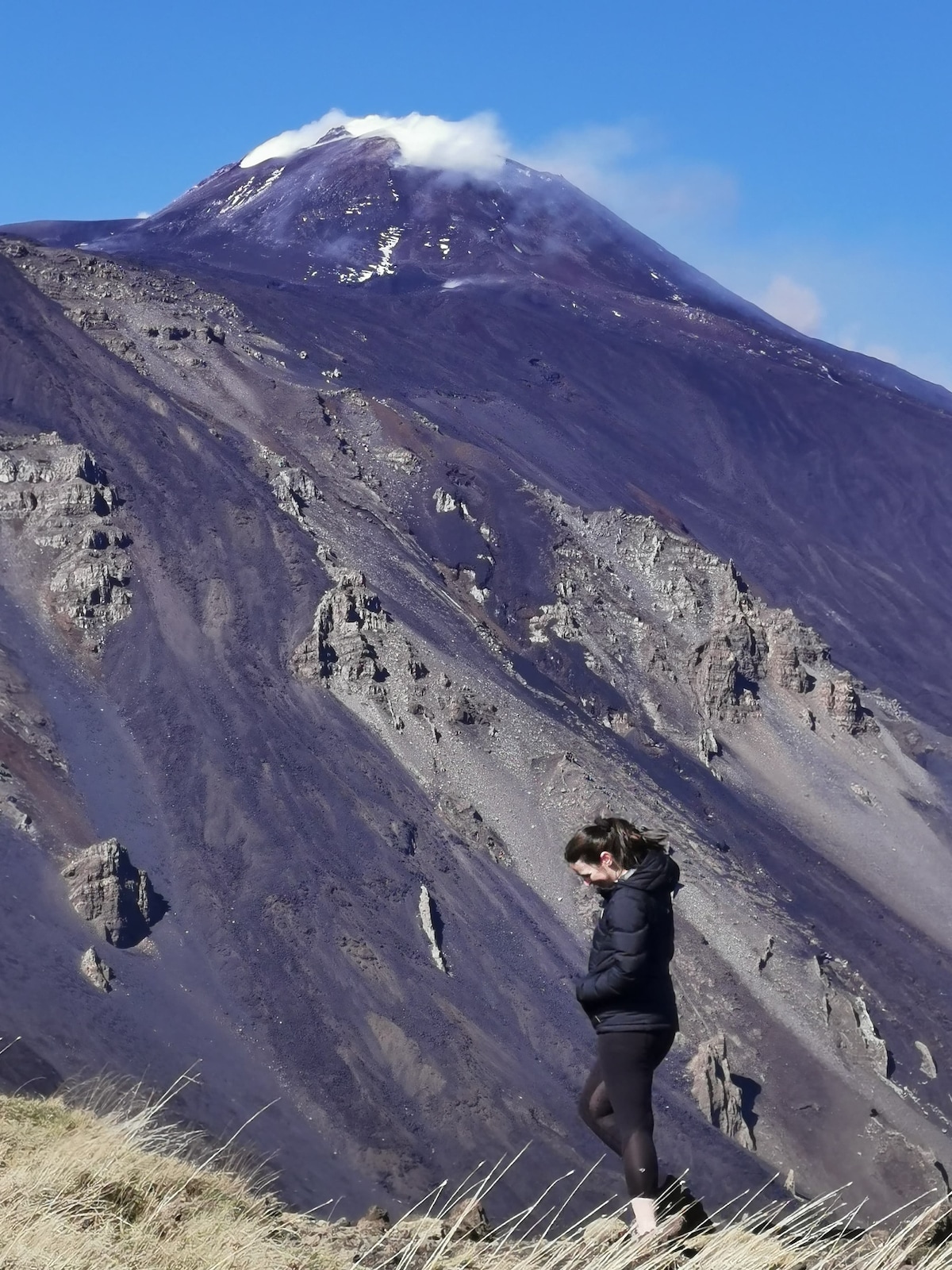
Mount Etna Hike Tour Off the Tourists Path
Mon, Feb 16 • 8:15 AM
95131, Catania, Sicily, Italy
View details

Costruire con lAI: dal lavoro quotidiano a un nuovo business
Tue, Feb 17 • 7:00 PM
29 Via dei Piccioni #Palazzina D 95123 Catania
View details

Presentazione del romanzo La vita giovane di Mattia Insolia
Thu, Feb 19 • 6:45 PM
13 Via Biblioteca 95124 Catania
View details
Nearby attractions of Chiesa della Badia di Sant'Agata
Basilica Cattedrale di Sant'Agata
Fountain of the Elephant
Piazza Università
Free Tour Catania (Free walking tour Catania)
Teatro Massimo Bellini
Informazioni Turistiche Catania
Palazzo degli Elefanti
Palazzo Platamone
Palazzo Biscari
Basilica della Collegiata
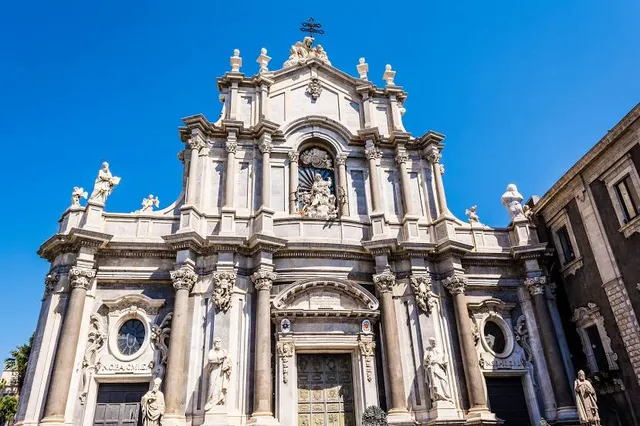
Basilica Cattedrale di Sant'Agata
4.7
(4.1K)
Open until 7:00 PM
Click for details
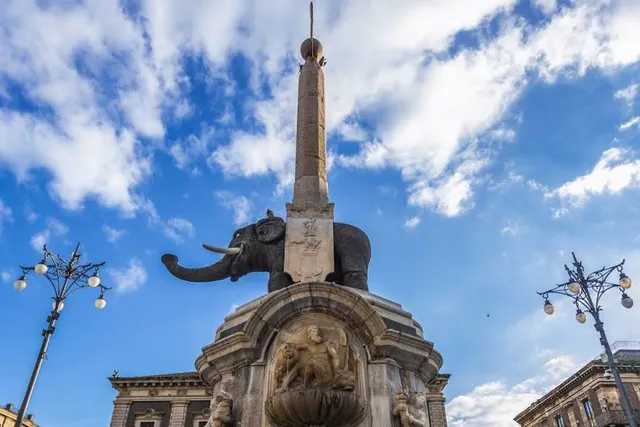
Fountain of the Elephant
4.7
(4.4K)
Open until 12:00 AM
Click for details
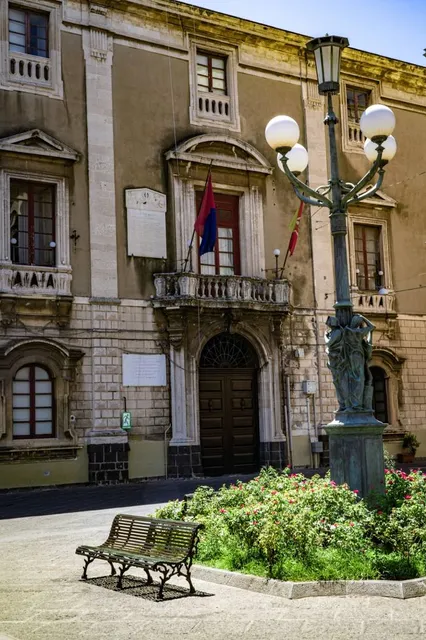
Piazza Università
4.6
(3.4K)
Open 24 hours
Click for details

Free Tour Catania (Free walking tour Catania)
5.0
(329)
Open until 12:00 AM
Click for details
Nearby restaurants of Chiesa della Badia di Sant'Agata
Don Peppinu | Catania
Catania Social Club | Ristorante, Pizzeria & Cocktail Bar
Trattoria U Fucularu
Ciauru i mari
Prestipino Cafè
Trattoria La Canonica
Prestipino Duomo
Il Borgo di Federico
Cu A Voli Cotta & Cu A Voli Crura
Barrique Bistrot
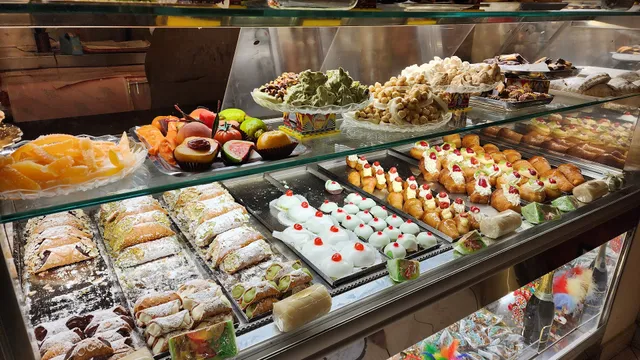
Don Peppinu | Catania
4.5
(1.6K)
$$
Closed
Click for details
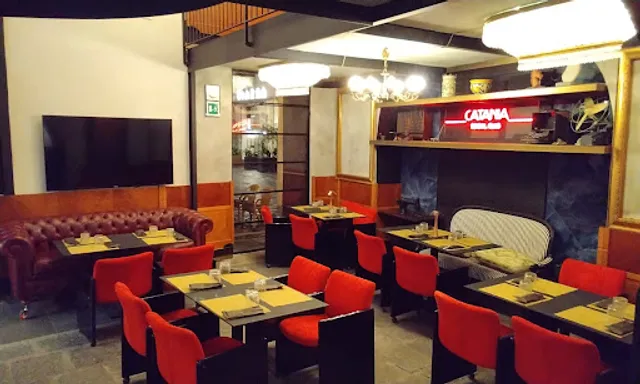
Catania Social Club | Ristorante, Pizzeria & Cocktail Bar
4.8
(1.1K)
Click for details
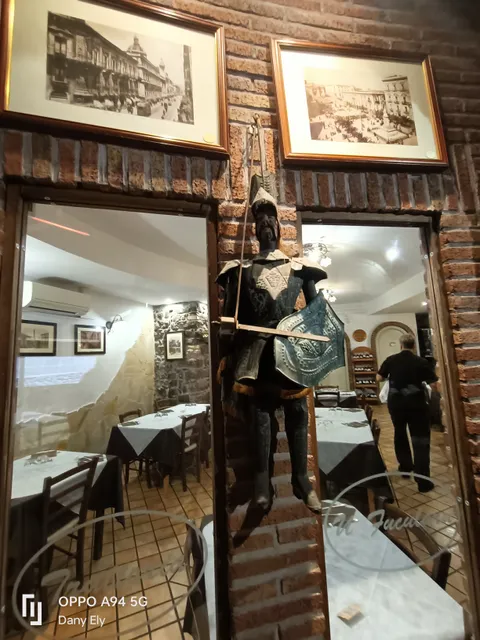
Trattoria U Fucularu
4.6
(1.3K)
Closed
Click for details
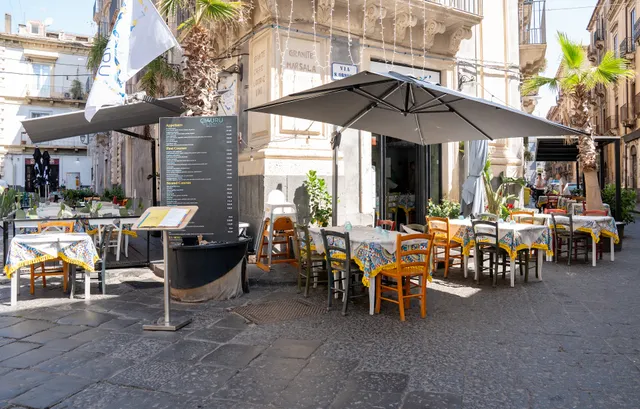
Ciauru i mari
4.8
(1.2K)
Closed
Click for details
Nearby local services of Chiesa della Badia di Sant'Agata
Via Etnea
Storico mercato del pesce di Catania
Fuente del Amenano
Rent Car Al Nuovo Baretto
R-Store Catania | Apple Premium Reseller e Centro Assistenza Autorizzato Apple
Colori del Sole | Catania
Mizzica
Arena Biscotti
Agathae - Prodotti Tipici Siciliani
Palazzo San Giuliano

Via Etnea
4.6
(516)
Click for details

Storico mercato del pesce di Catania
4.6
(423)
Click for details
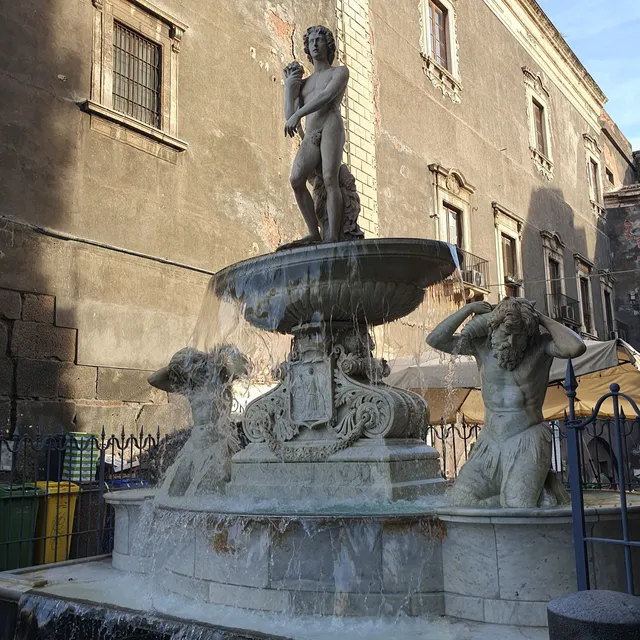
Fuente del Amenano
4.6
(175)
Click for details

Rent Car Al Nuovo Baretto
4.9
(282)
Click for details