Accademia Etrusca things to do, attractions, restaurants, events info and trip planning
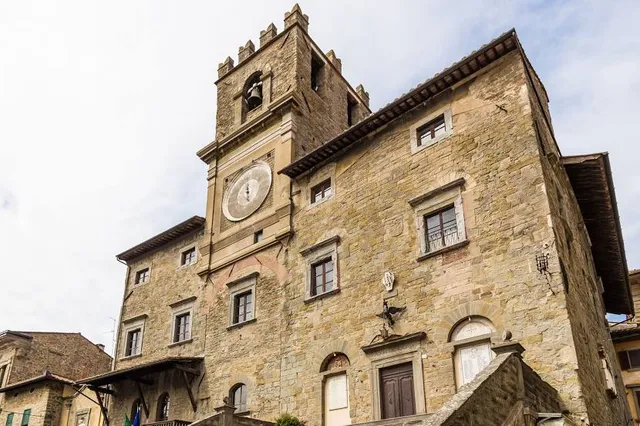
Basic Info
Accademia Etrusca
Piazza Luca Signorelli, 9, 52044 Cortona AR, Italy
4.6(430)
Open until 12:00 AM

tickets
Save
spot
spot
Ratings & Description
Info
Cultural
Family friendly
Accessibility
attractions: Piazza della Repubblica, Cortona Cathedral, Porta Bifora, Porta Santa Maria, Porta Colonia, Basilica of Saint Margaret of Cortona, Santa Maria Nuova, Cortona, Santa Maria delle Grazie al Calcinaio, Fortress of Girifalco, Tanella di Pitagora, restaurants: La Bucaccia - Da Romano, Osteria del Teatro, Ristorante Il Cacciatore, Taverna Pane e Vino, Ristorante La Loggetta Cortona, Trattoria Dardano, Preludio Restaurant, Fufluns, Nessun dorma, Trattoria Croce del Travaglio, local businesses: Convento de São Francisco, DelBrenna Jewelry Cortona, Italy - Del Brenna, Igreja de São Domingos, Casale Girifalco, Fonte al Vento, Bramasole (Private Home), Agriturismo "Il Torrino", Villa Poggio
 Learn more insights from Wanderboat AI.
Phone
+39 0575 630415
Website
cortonamaec.org
Open hoursSee all hours
Tue10 AM - 5 PMOpen
Plan your stay

Pet-friendly Hotels in Cortona
Find a cozy hotel nearby and make it a full experience.

Affordable Hotels in Cortona
Find a cozy hotel nearby and make it a full experience.

The Coolest Hotels You Haven't Heard Of (Yet)
Find a cozy hotel nearby and make it a full experience.

Trending Stays Worth the Hype in Cortona
Find a cozy hotel nearby and make it a full experience.
Reviews
Live events
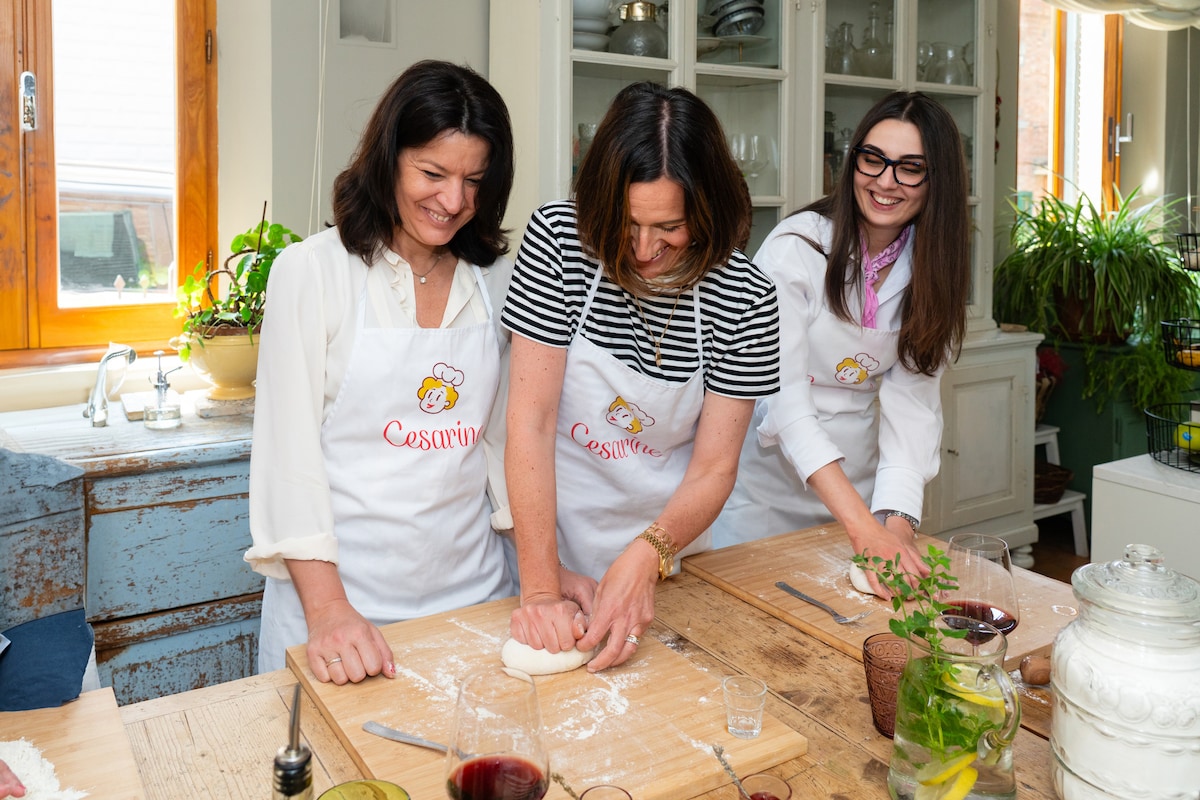
Make Italian food in Montepulciano with a chef
Tue, Feb 10 • 5:00 PM
53045, Montepulciano Stazione, Tuscany, Italy
View details
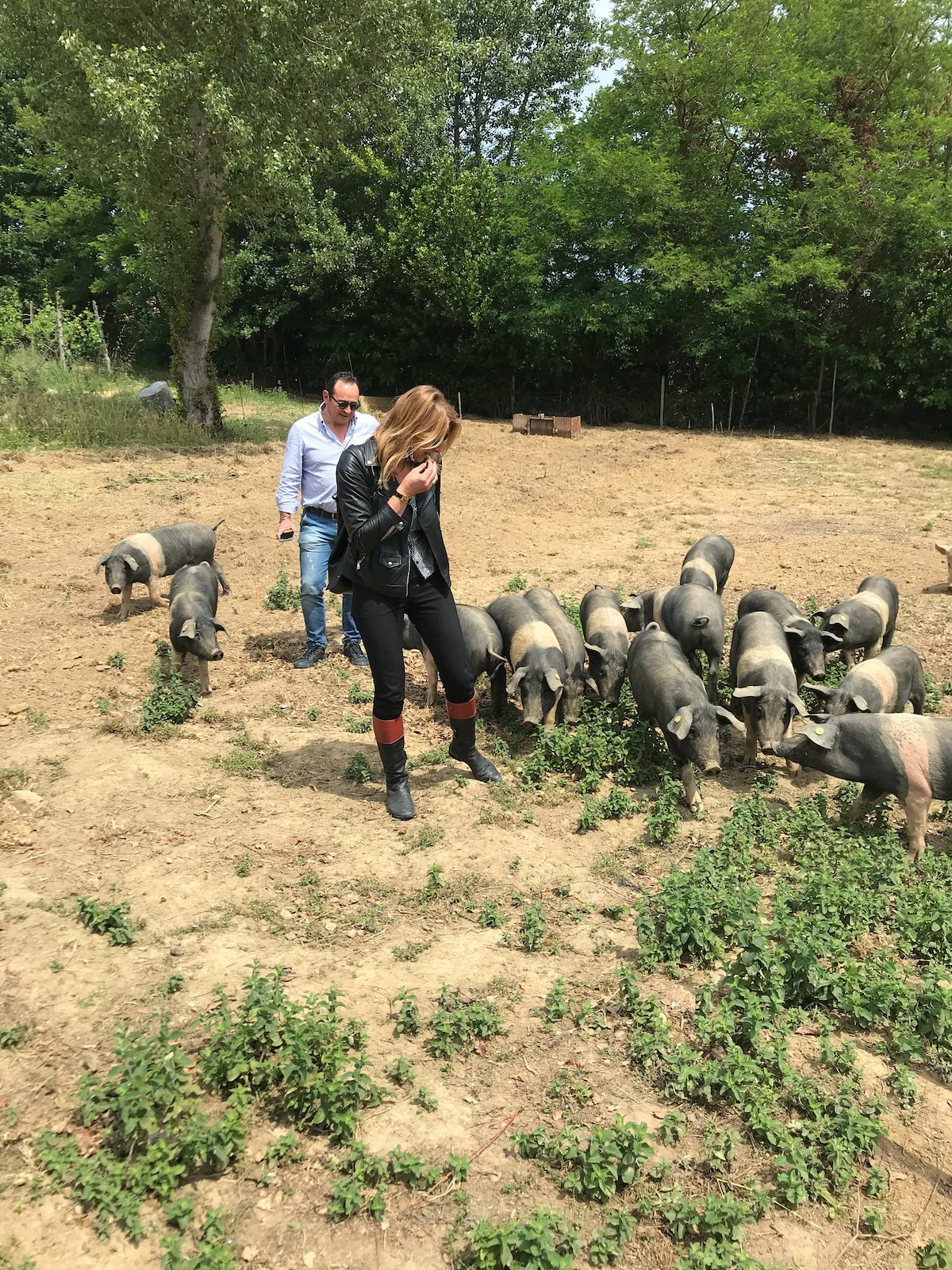
Visit the pig farm and taste the typical products
Tue, Feb 10 • 12:00 PM
53045, Montepulciano, Toscana, Italy
View details
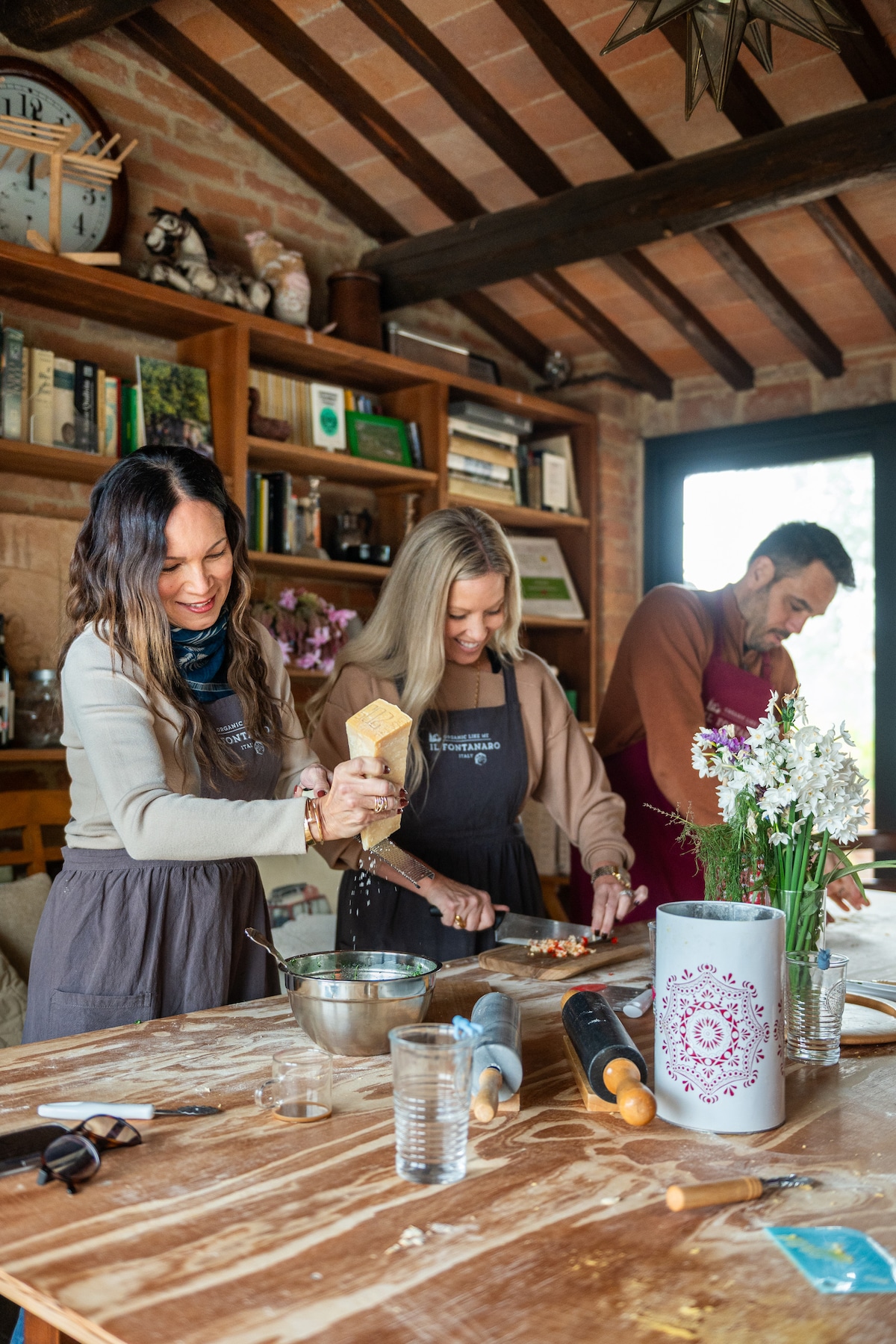
Prepare fresh Italian dishes with local chef
Tue, Feb 10 • 10:00 AM
06060, Paciano, Umbria, Italy
View details
Nearby attractions of Accademia Etrusca
Piazza della Repubblica
Cortona Cathedral
Porta Bifora
Porta Santa Maria
Porta Colonia
Basilica of Saint Margaret of Cortona
Santa Maria Nuova, Cortona
Santa Maria delle Grazie al Calcinaio
Fortress of Girifalco
Tanella di Pitagora
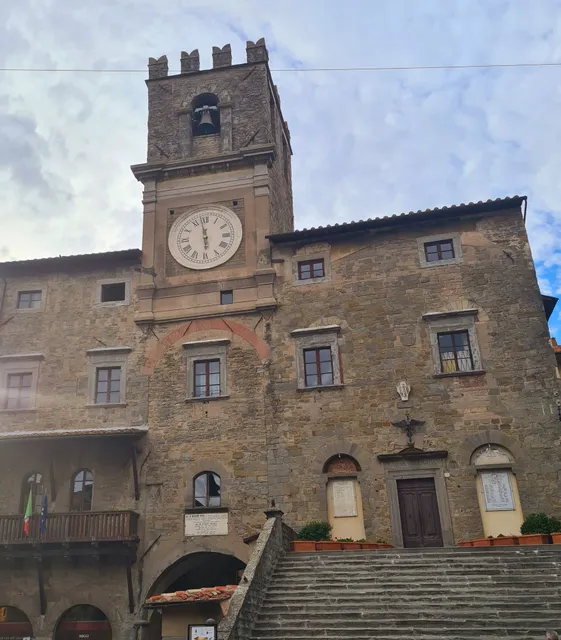
Piazza della Repubblica
4.7
(353)
Open 24 hours
Click for details
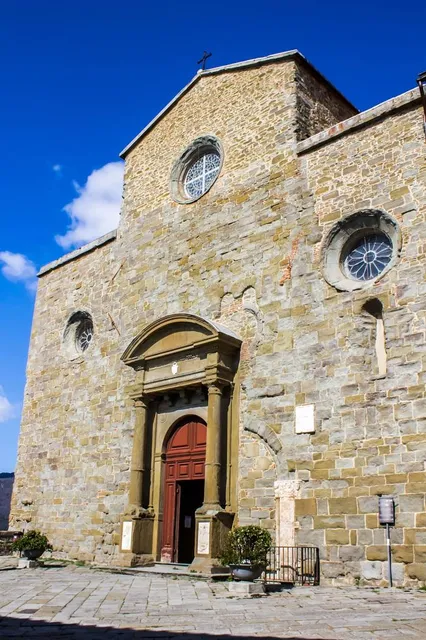
Cortona Cathedral
4.5
(361)
Open 24 hours
Click for details
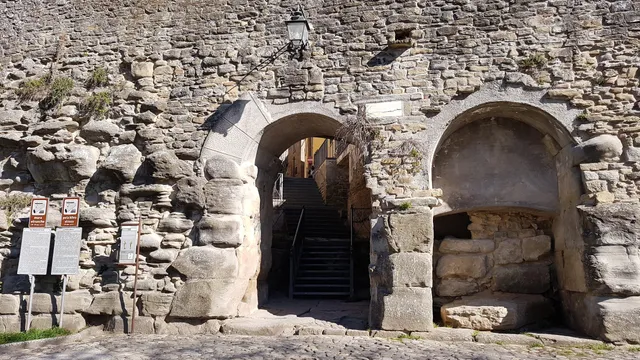
Porta Bifora
4.5
(68)
Open until 12:00 AM
Click for details
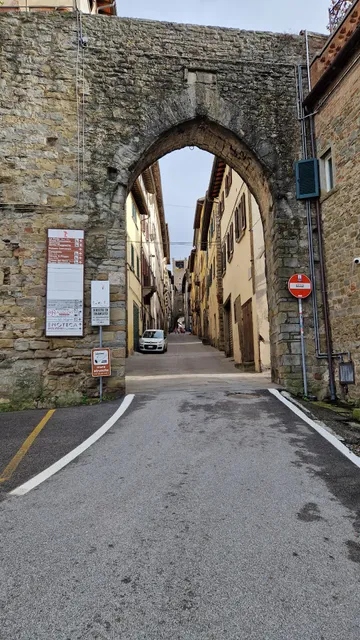
Porta Santa Maria
4.5
(38)
Open until 12:00 AM
Click for details
Nearby restaurants of Accademia Etrusca
La Bucaccia - Da Romano
Osteria del Teatro
Ristorante Il Cacciatore
Taverna Pane e Vino
Ristorante La Loggetta Cortona
Trattoria Dardano
Preludio Restaurant
Fufluns
Nessun dorma
Trattoria Croce del Travaglio
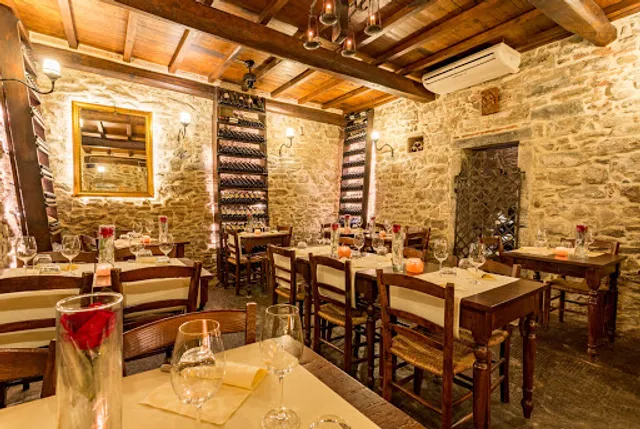
La Bucaccia - Da Romano
4.5
(781)
$$
Open until 12:00 AM
Click for details
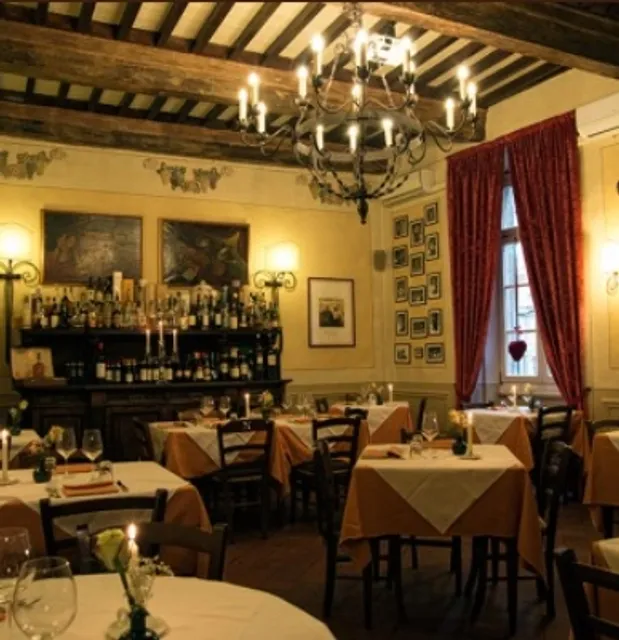
Osteria del Teatro
4.7
(845)
$$
Closed
Click for details
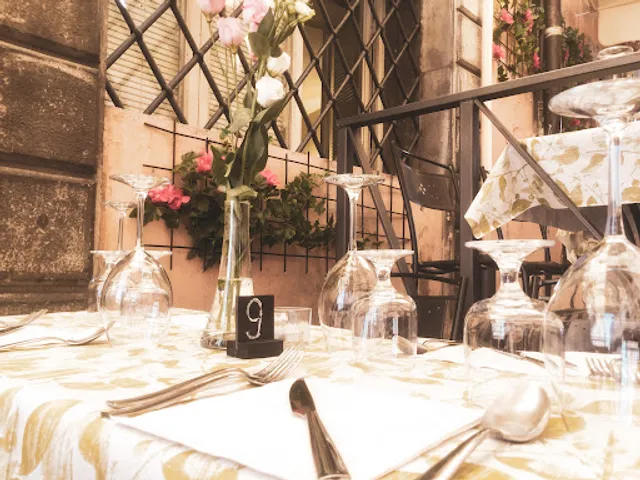
Ristorante Il Cacciatore
4.5
(343)
Click for details
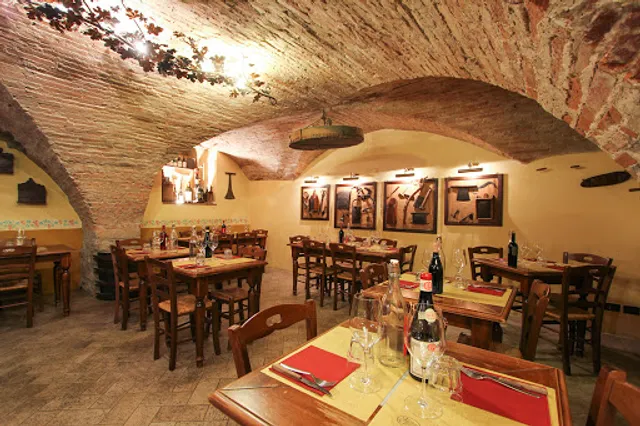
Taverna Pane e Vino
4.3
(340)
Open until 12:00 AM
Click for details
Nearby local services of Accademia Etrusca
Convento de São Francisco
DelBrenna Jewelry Cortona, Italy - Del Brenna
Igreja de São Domingos
Casale Girifalco
Fonte al Vento
Bramasole (Private Home)
Agriturismo "Il Torrino"
Villa Poggio
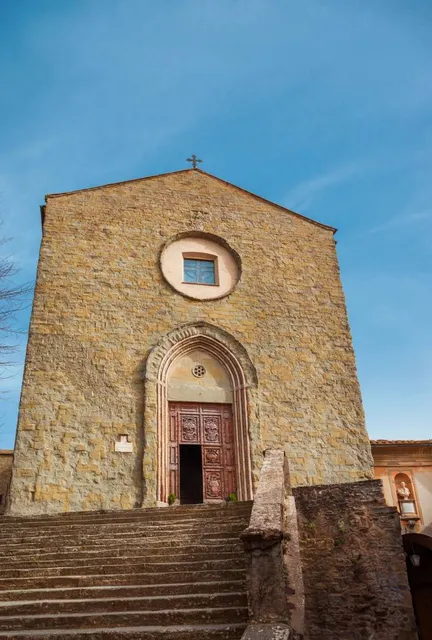
Convento de São Francisco
4.5
(136)
Click for details

DelBrenna Jewelry Cortona, Italy - Del Brenna
4.9
(22)
Click for details
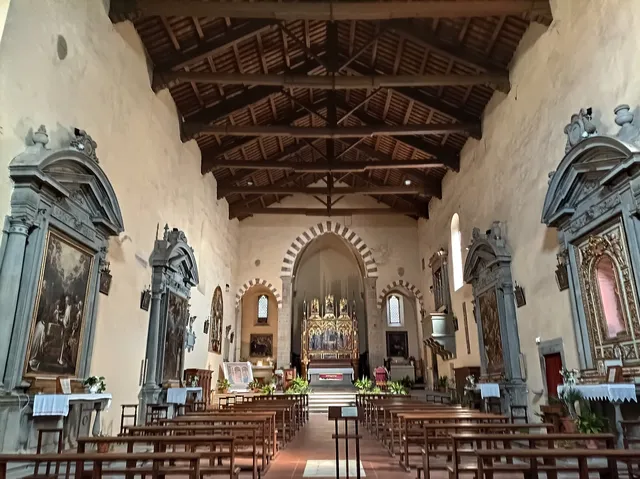
Igreja de São Domingos
4.5
(35)
Click for details
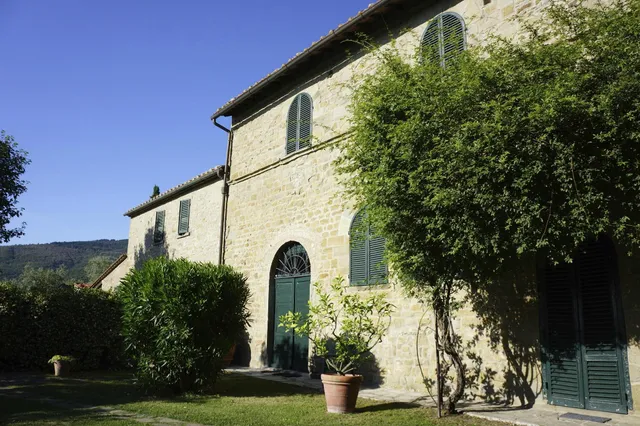
Casale Girifalco
4.8
(11)
Click for details