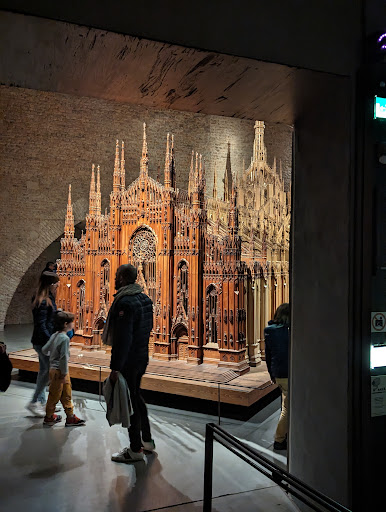
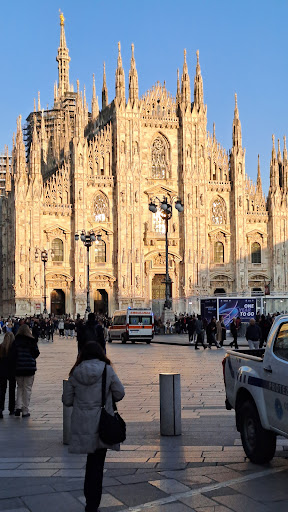
Museo del Duomo di Milano things to do, attractions, restaurants, events info and trip planning
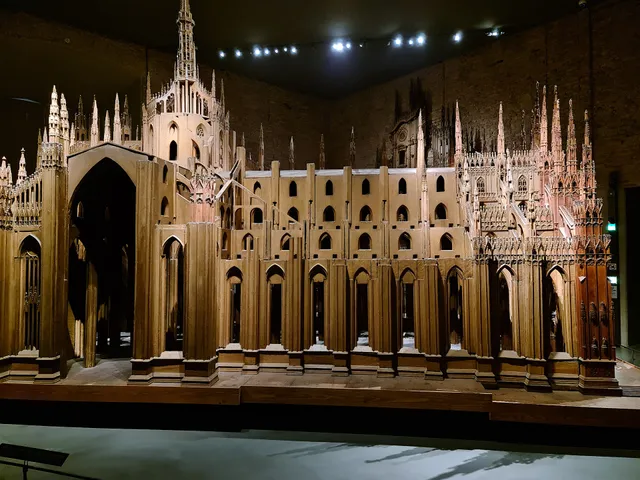
Basic Info
Museo del Duomo di Milano
P.za del Duomo, 12, 20122 Milano MI, Italy
4.5(1.1K)
Closed


tickets
Save
spot
spot
Ratings & Description
Info
Cultural
Family friendly
Accessibility
attractions: Duomo di Milano, Palazzo Reale di Milano, Museo del Novecento, Cathedral Square, Terrazza del Duomo, InfoPoint Ufficio Informazioni Turistiche Milano, Casa Cardinale Ildefonso Schuster, Statua di Vittorio Emanuele II, Madonnina, Chiesa di Santa Maria presso San Satiro, restaurants: Giacomo Caffè, Doppio Malto Milano Duomo, Giacomo Arengario, Ca'puccino Piazza Diaz, Vero Sapore Greco - Milano (Duomo) - La Cucina Greca a Milano! Speciale pita gyros!, Temakinho, Il Priscio, Signorvino Milano, Fresco & Cimmino, Terrazza Aperol, local businesses: Palacio Real de Milán, Musée de la cathédrale de Milan, Con mollica o senza? - Milan, Arengario, La Feltrinelli, ODStore, Santuario di San Bernardino alle Ossa, Il Giardino di Palazzo Reale, Merry Go Round, Duomo Shop
 Learn more insights from Wanderboat AI.
Phone
+39 02 7202 3375
Website
duomomilano.it
Open hoursSee all hours
Sun10 AM - 6 PMClosed
Plan your stay

Pet-friendly Hotels in Milan
Find a cozy hotel nearby and make it a full experience.

Affordable Hotels in Milan
Find a cozy hotel nearby and make it a full experience.

The Coolest Hotels You Haven't Heard Of (Yet)
Find a cozy hotel nearby and make it a full experience.

Trending Stays Worth the Hype in Milan
Find a cozy hotel nearby and make it a full experience.
Reviews
Live events
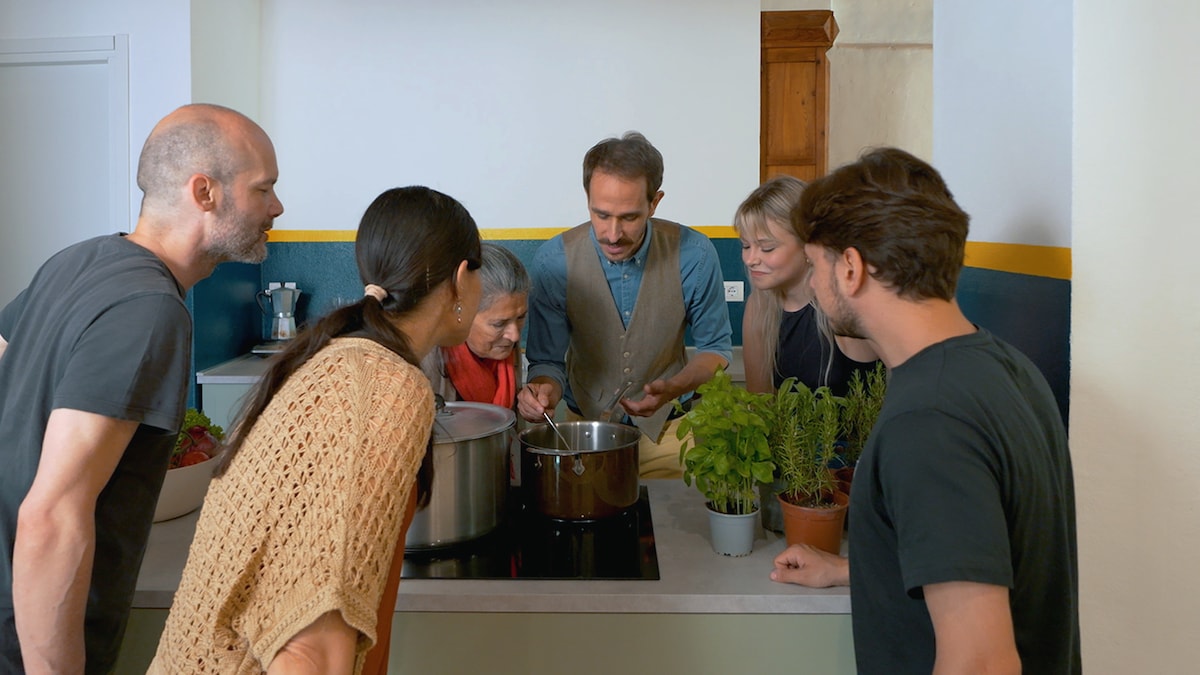
Make pasta and tiramisù in an Italian home
Sun, Feb 8 • 5:30 PM
20159, Milan, Lombardy, Italy
View details
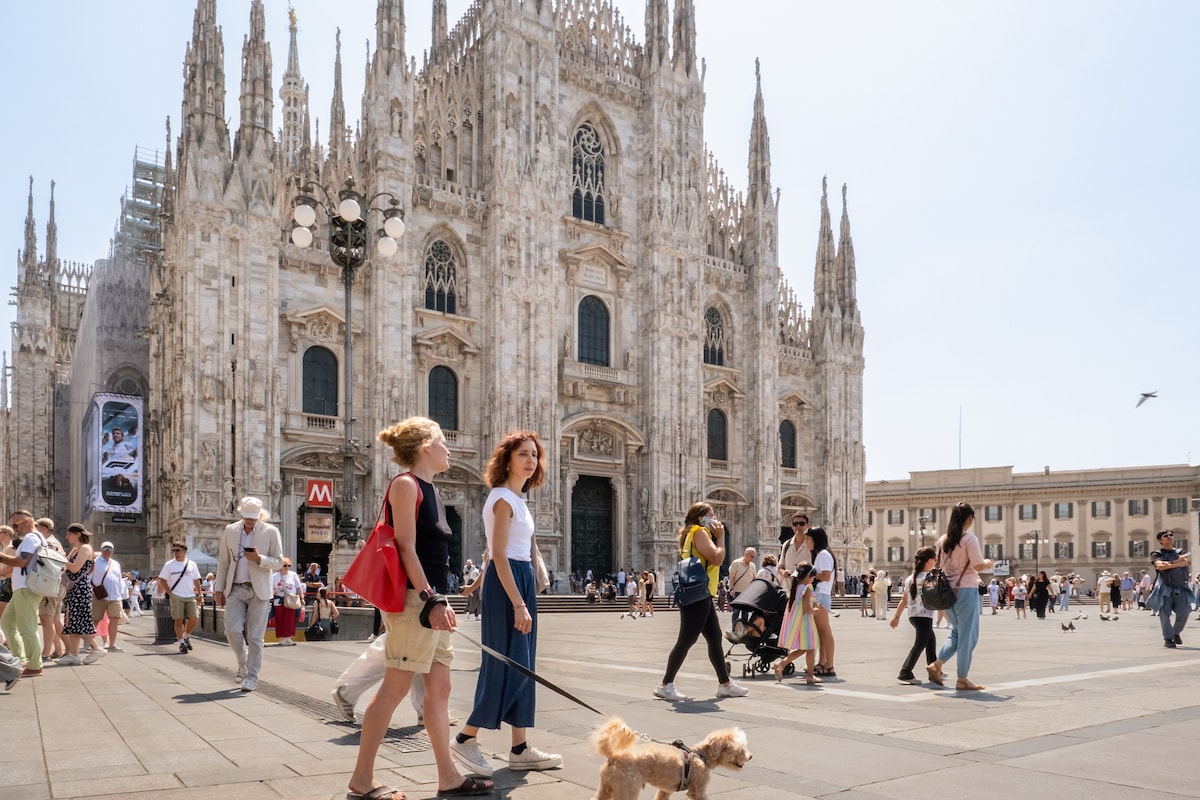
The Total tour of Milan: be a local
Mon, Feb 9 • 9:30 AM
20122, Milan, Lombardy, Italy
View details

VINTAGE MARKET, CERTOSA DISTRIC MILANO 8 Febbraio
Sun, Feb 8 • 10:30 AM
184 Via Varesina 20156 Milano
View details
Nearby attractions of Museo del Duomo di Milano
Duomo di Milano
Palazzo Reale di Milano
Museo del Novecento
Cathedral Square
Terrazza del Duomo
InfoPoint Ufficio Informazioni Turistiche Milano
Casa Cardinale Ildefonso Schuster
Statua di Vittorio Emanuele II
Madonnina
Chiesa di Santa Maria presso San Satiro
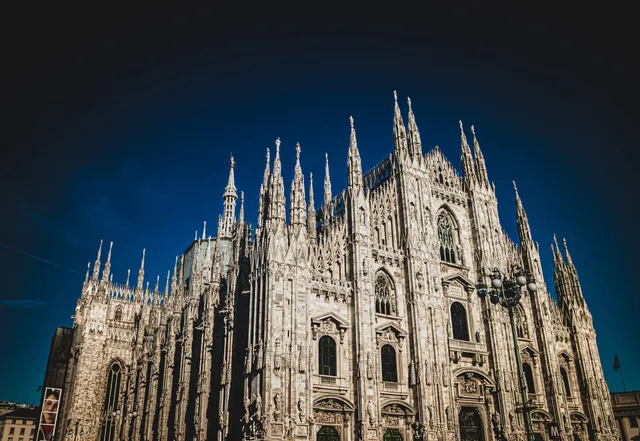
Duomo di Milano
4.8
(61K)
Closed
Click for details
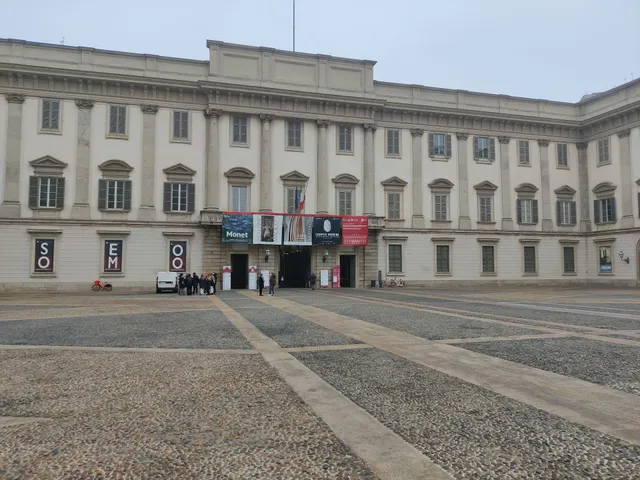
Palazzo Reale di Milano
4.6
(7.9K)
Closed
Click for details
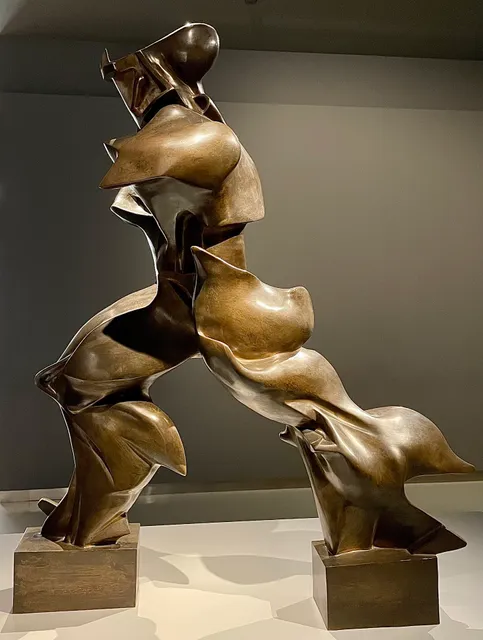
Museo del Novecento
4.5
(2.7K)
Closed
Click for details
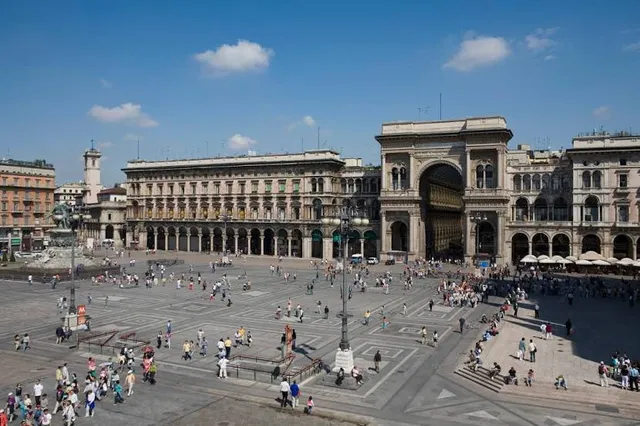
Cathedral Square
4.8
(5.5K)
Open until 12:00 AM
Click for details
Nearby restaurants of Museo del Duomo di Milano
Giacomo Caffè
Doppio Malto Milano Duomo
Giacomo Arengario
Ca'puccino Piazza Diaz
Vero Sapore Greco - Milano (Duomo) - La Cucina Greca a Milano! Speciale pita gyros!
Temakinho
Il Priscio
Signorvino Milano
Fresco & Cimmino
Terrazza Aperol

Giacomo Caffè
4.1
(481)
Closed
Click for details
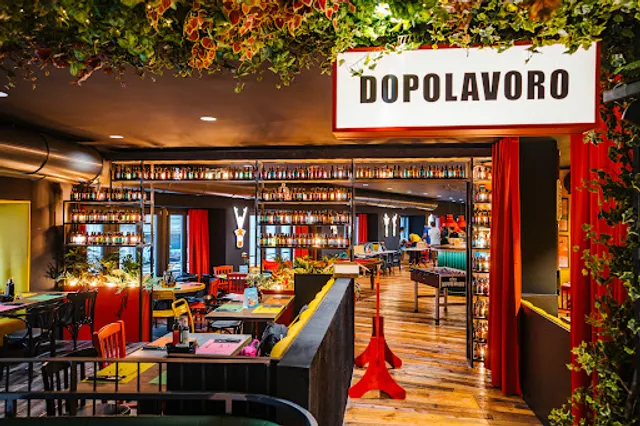
Doppio Malto Milano Duomo
4.4
(1.6K)
Open until 12:00 AM
Click for details
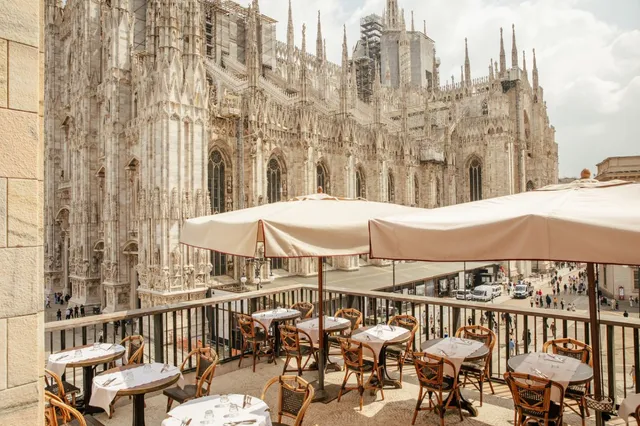
Giacomo Arengario
4.1
(875)
Open until 12:00 AM
Click for details
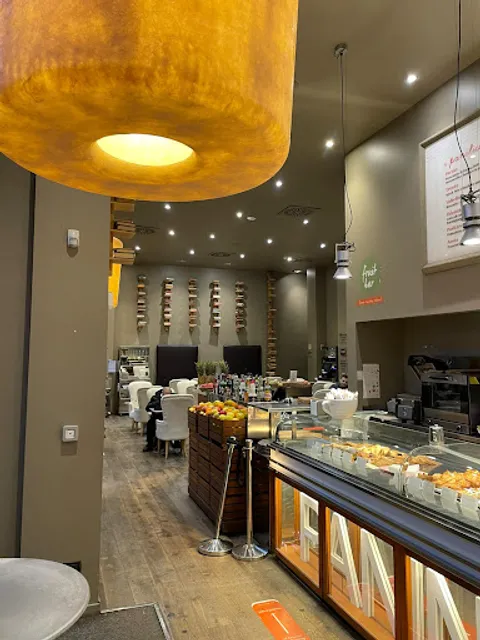
Ca'puccino Piazza Diaz
3.4
(1.1K)
Open until 9:00 PM
Click for details
Nearby local services of Museo del Duomo di Milano
Palacio Real de Milán
Musée de la cathédrale de Milan
Con mollica o senza? - Milan
Arengario
La Feltrinelli
ODStore
Santuario di San Bernardino alle Ossa
Il Giardino di Palazzo Reale
Merry Go Round
Duomo Shop
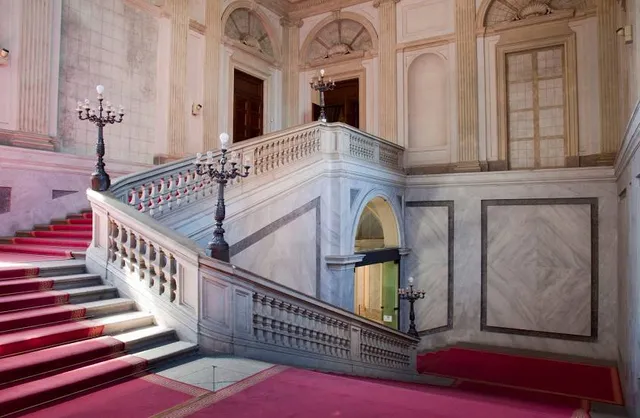
Palacio Real de Milán
4.6
(7.2K)
Click for details
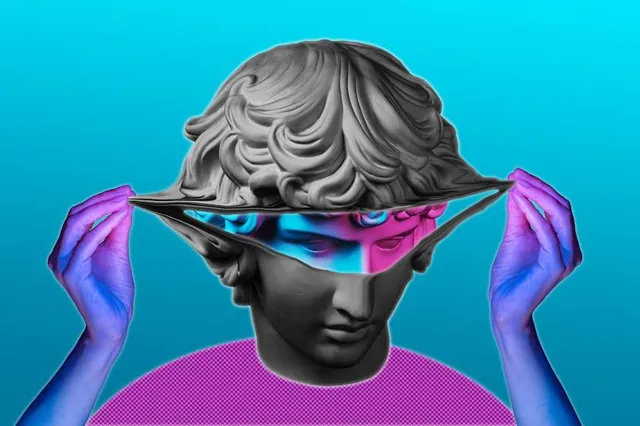
Musée de la cathédrale de Milan
4.5
(597)
Click for details
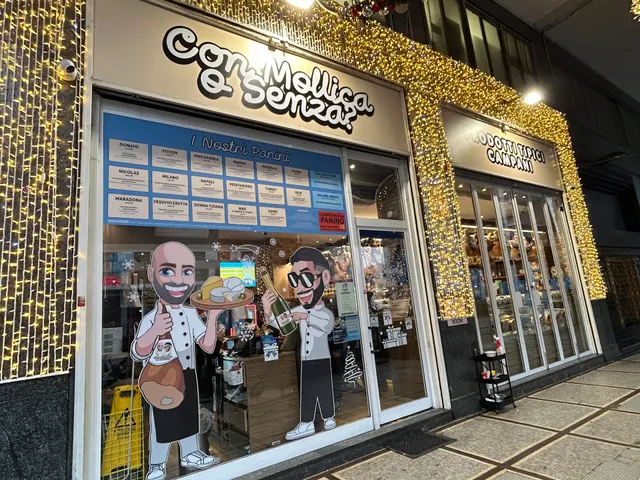
Con mollica o senza? - Milan
4.5
(1.9K)
Click for details
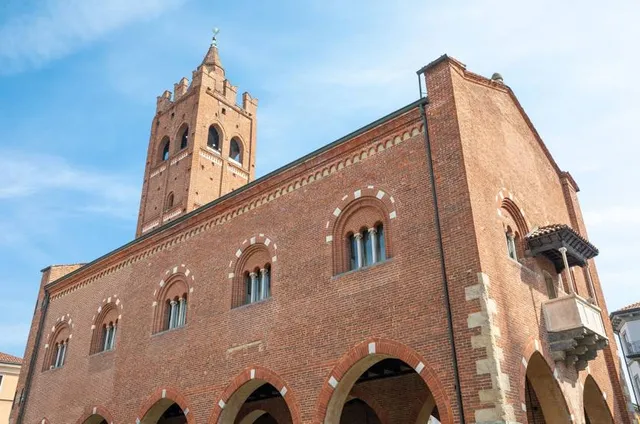
Arengario
4.4
(1.3K)
Click for details