Castello a Mare things to do, attractions, restaurants, events info and trip planning
Basic Info
Castello a Mare
Via Filippo Patti, 25, 90133 Palermo PA, Italy
4.1(467)
Closed
Save
spot
spot
Ratings & Description
Info
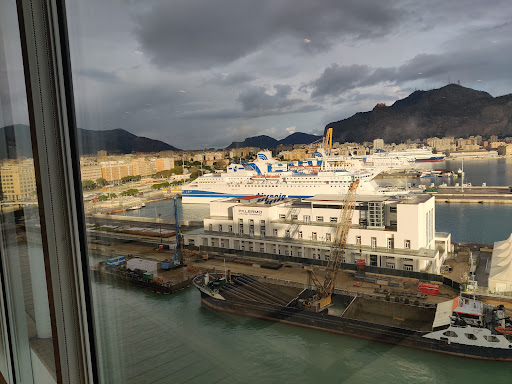
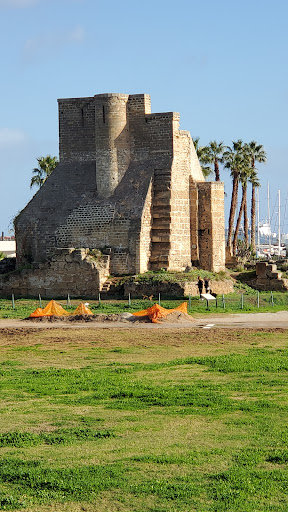
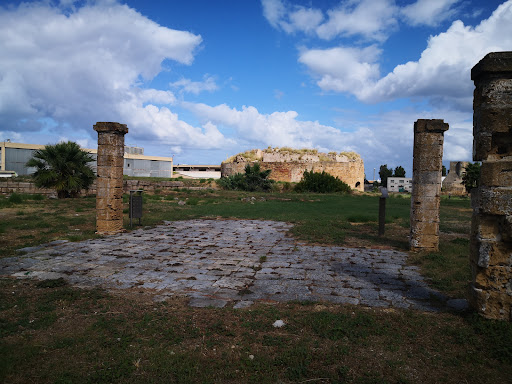
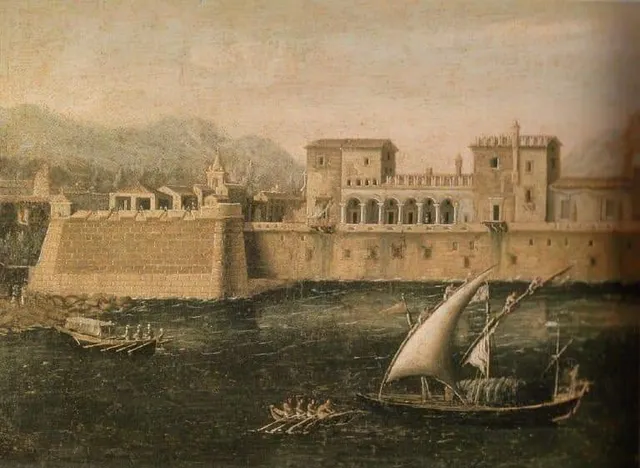
Castello a Mare or Castellammare is an ancient fortress that guarded the entrance to the port at Palermo in La Cala. Extensive remains are visible, some of which are open to the public. There is a Norman keep, a fortified gate or entrance, and remains of a sophisticated Renaissance star-shaped defence.
Cultural
Scenic
Outdoor
Family friendly
attractions: Fontana Marina, Chiesa di San Giorgio dei Genovesi, La Cala, Giardino Garibaldi, Museo Palazzo Branciforte, Chiesa di Santa Maria in Valverde, il Parco della Salute, Porta Felice, Museo internazionale delle marionette Antonio Pasqualino, Palazzo Butera, restaurants: Ristorante Castello a Mare, Calamida, Cala Pollo & Co., Fúnnaco PizzaLab, Ciurma Palermo Marina Yachting - Molo Trapezoidale, Ristorante A’Cala, CiCala, Osteria Mangia e Bevi, Night and day Ganci, La Kala, local businesses: Oratorio del SS. Rosario in Santa Cita, Palermo Experiences | Boat e Quad Tour a Palermo, CIPOLLA DAL 1950 GIOIELLIERI, Rinascente Palermo, Chiesa di San Domenico, Prezzemolo & Vitale, Santa Maria Della Catena, La Bella Palermo (HomeMUSEUM), Maxximum Pleasure Sex Shop, Oratorio del SS. Rosario in San Domenico
 Learn more insights from Wanderboat AI.
Phone
+39 091 611 6807
Open hoursSee all hours
Sat9 AM - 5:30 PMClosed
Plan your stay

Pet-friendly Hotels in Palermo
Find a cozy hotel nearby and make it a full experience.

Affordable Hotels in Palermo
Find a cozy hotel nearby and make it a full experience.

The Coolest Hotels You Haven't Heard Of (Yet)
Find a cozy hotel nearby and make it a full experience.

Trending Stays Worth the Hype in Palermo
Find a cozy hotel nearby and make it a full experience.
Reviews
Live events
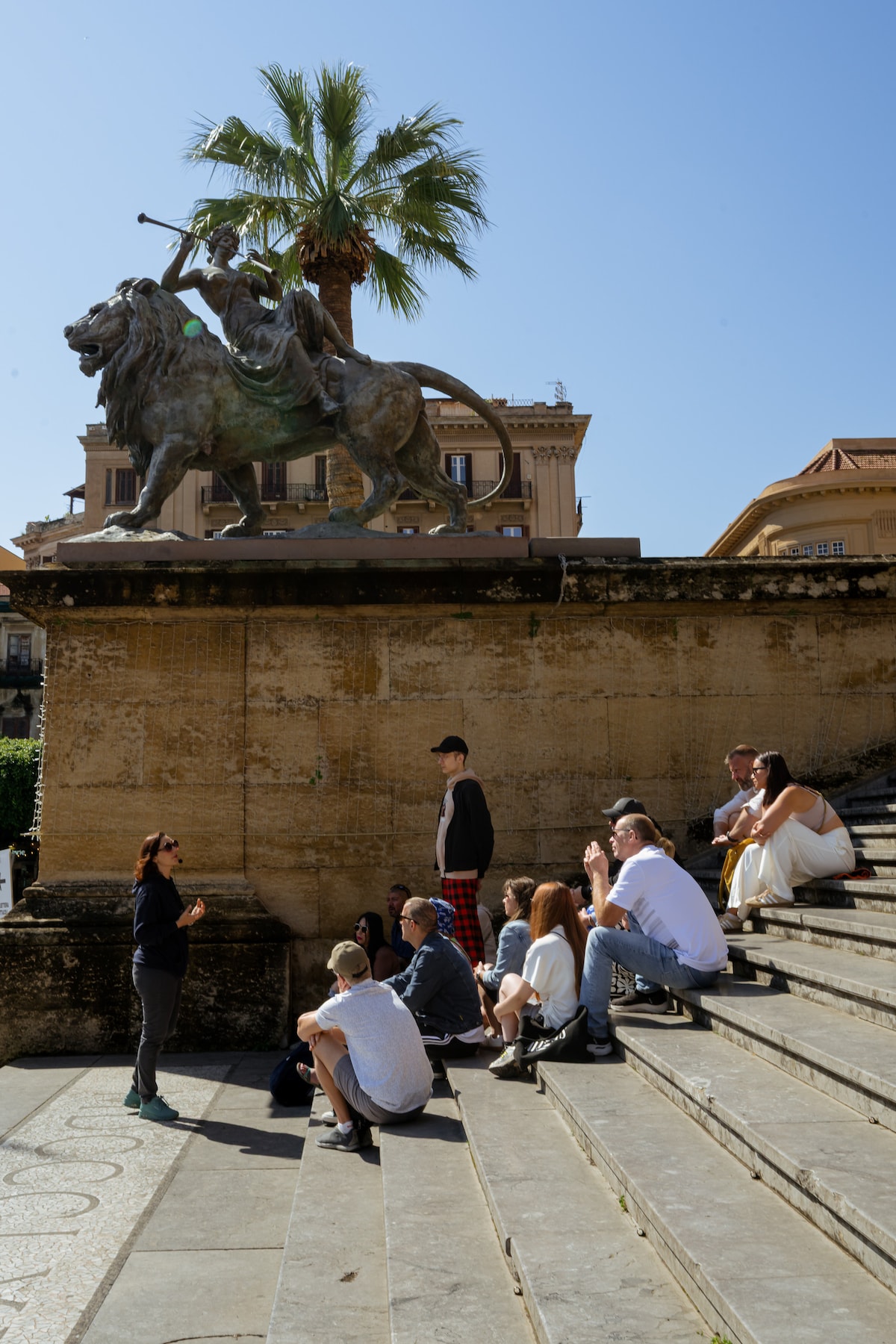
Discovering the anti-mafia rebellion - English
Sat, Feb 21 • 10:00 AM
90138, Palermo, Sicily, Italy
View details
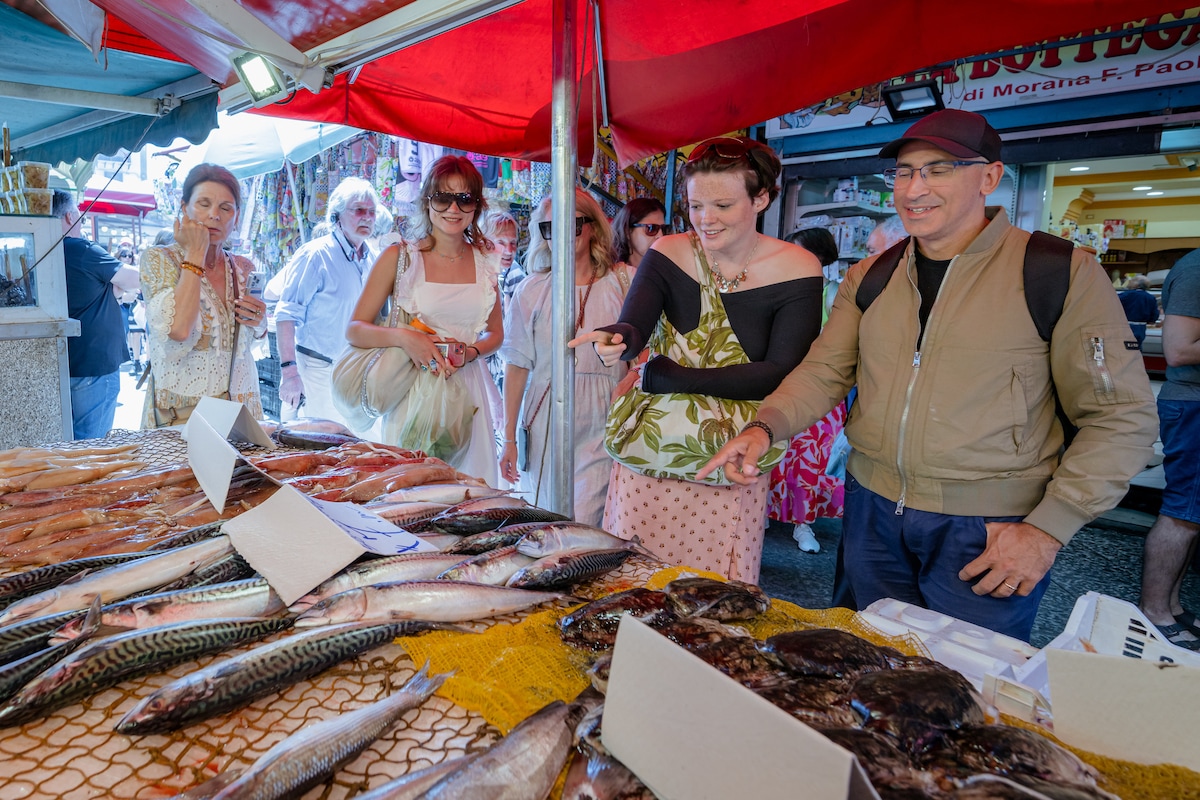
Walking Tour Palermo: history and street food
Mon, Feb 23 • 9:30 AM
90133, Palermo, Sicily, Italy
View details
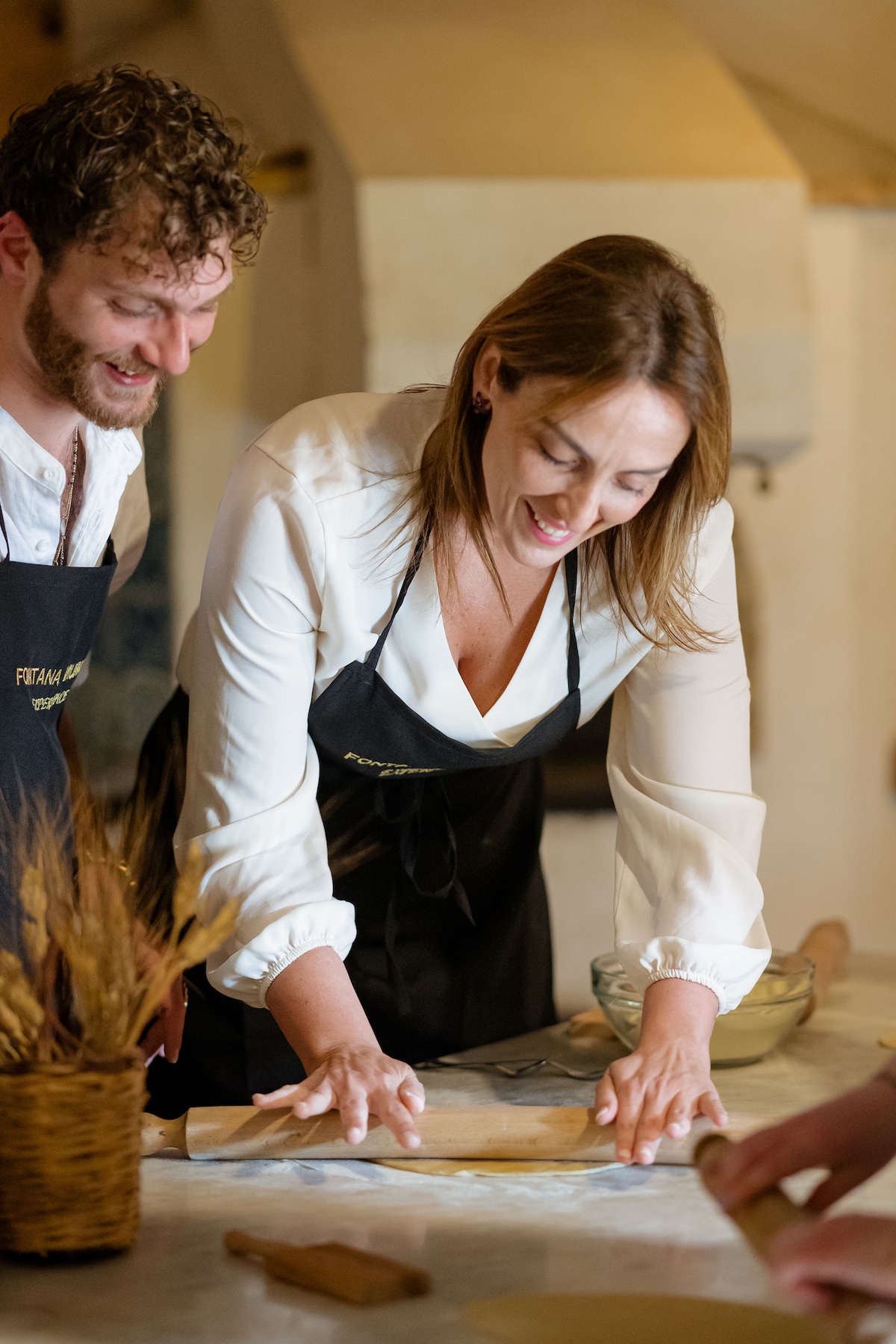
Cook and enjoy Sicilian cuisine
Mon, Feb 23 • 8:30 AM
Palermo, Sicily, Italy
View details
Nearby attractions of Castello a Mare
Fontana Marina
Chiesa di San Giorgio dei Genovesi
La Cala
Giardino Garibaldi
Museo Palazzo Branciforte
Chiesa di Santa Maria in Valverde
il Parco della Salute
Porta Felice
Museo internazionale delle marionette Antonio Pasqualino
Palazzo Butera
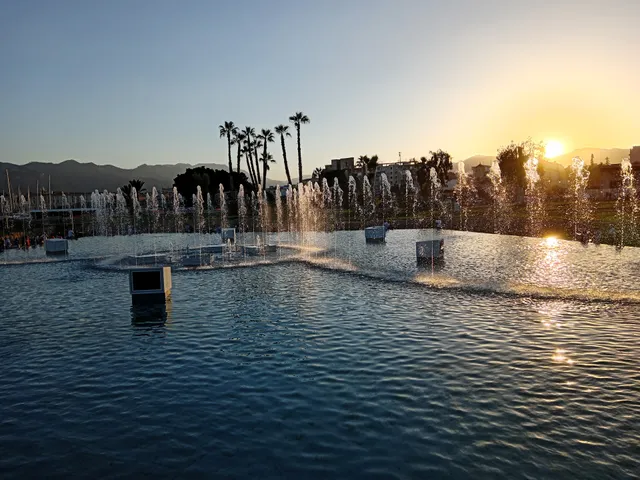
Fontana Marina
4.6
(374)
Closed
Click for details
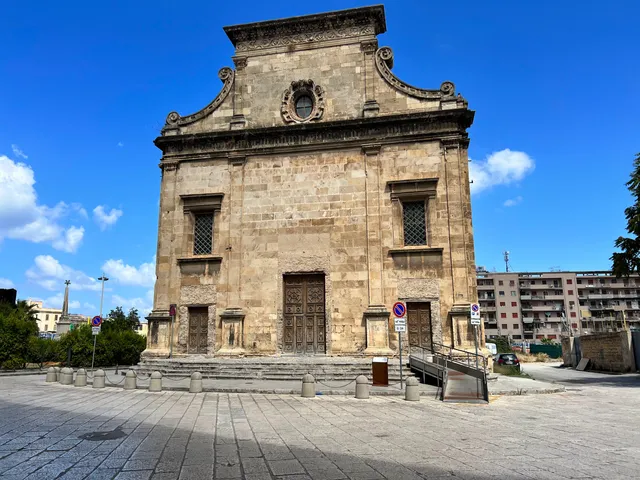
Chiesa di San Giorgio dei Genovesi
4.4
(74)
Open 24 hours
Click for details
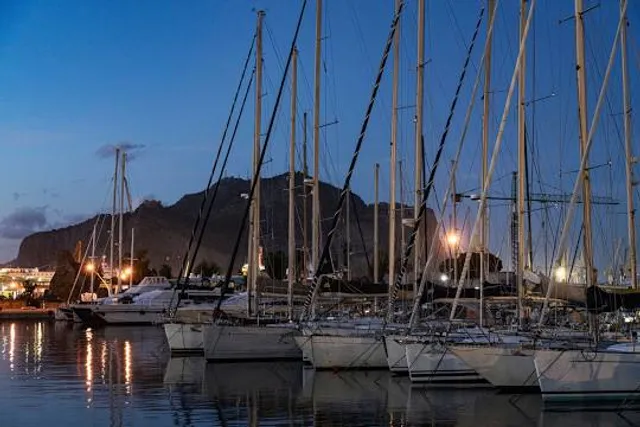
La Cala
4.5
(65)
Open 24 hours
Click for details
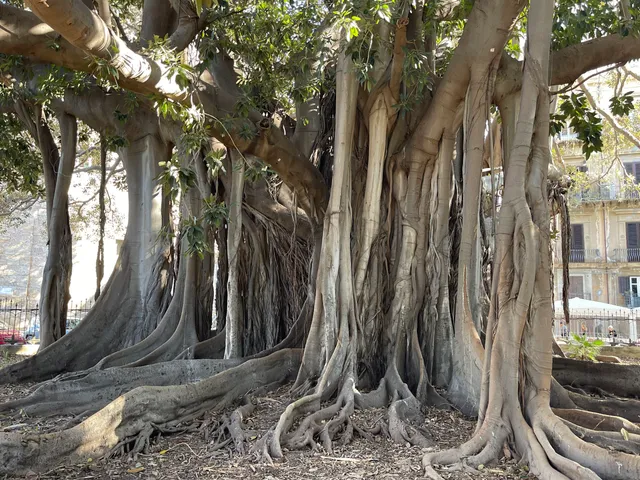
Giardino Garibaldi
4.5
(2.5K)
Closed
Click for details
Nearby restaurants of Castello a Mare
Ristorante Castello a Mare
Calamida
Cala Pollo & Co.
Fúnnaco PizzaLab
Ciurma Palermo Marina Yachting - Molo Trapezoidale
Ristorante A’Cala
CiCala
Osteria Mangia e Bevi
Night and day Ganci
La Kala
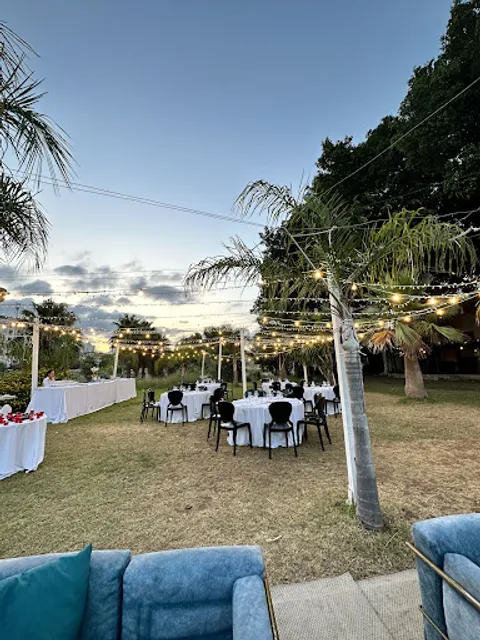
Ristorante Castello a Mare
4.2
(438)
$$$
Closed
Click for details
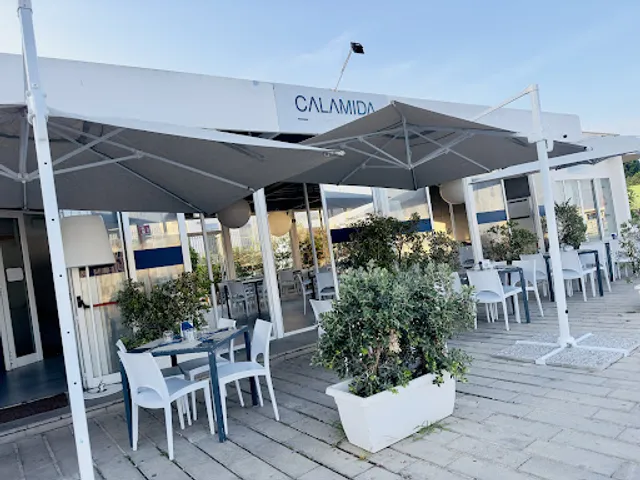
Calamida
3.9
(655)
Click for details
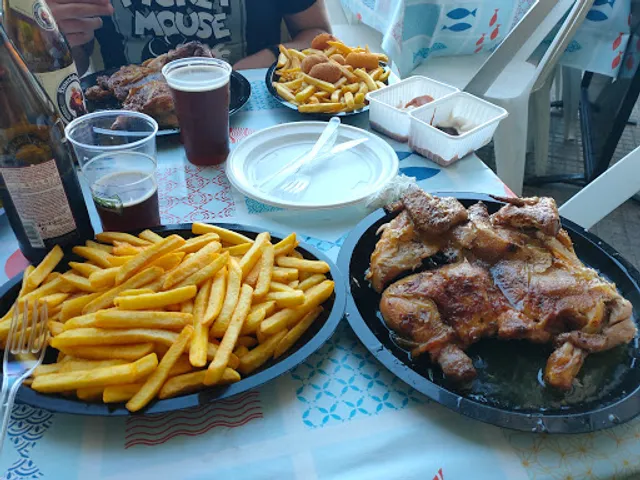
Cala Pollo & Co.
4.3
(490)
Closed
Click for details
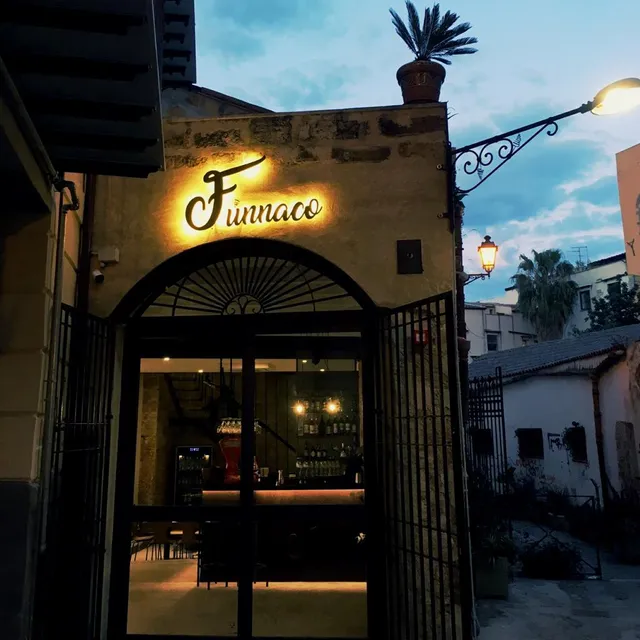
Fúnnaco PizzaLab
4.6
(1.4K)
Open until 12:00 AM
Click for details
Nearby local services of Castello a Mare
Oratorio del SS. Rosario in Santa Cita
Palermo Experiences | Boat e Quad Tour a Palermo
CIPOLLA DAL 1950 GIOIELLIERI
Rinascente Palermo
Chiesa di San Domenico
Prezzemolo & Vitale
Santa Maria Della Catena
La Bella Palermo (HomeMUSEUM)
Maxximum Pleasure Sex Shop
Oratorio del SS. Rosario in San Domenico
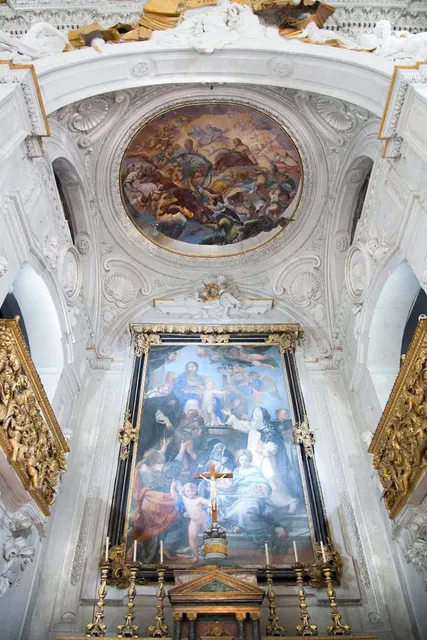
Oratorio del SS. Rosario in Santa Cita
4.7
(429)
Click for details
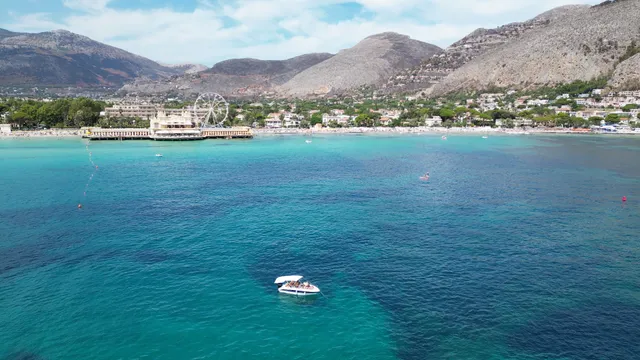
Palermo Experiences | Boat e Quad Tour a Palermo
4.9
(115)
Click for details
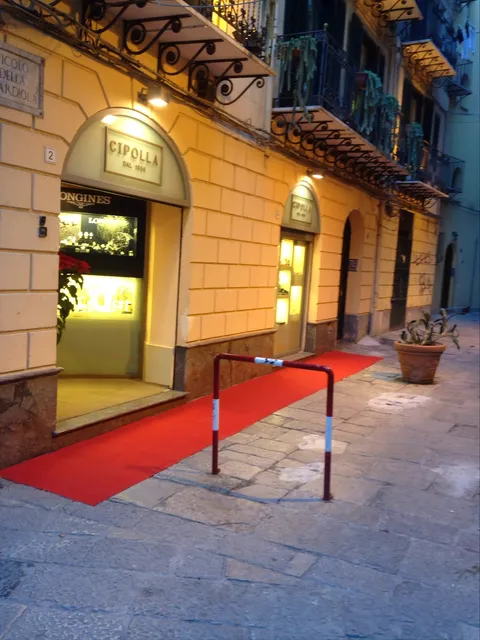
CIPOLLA DAL 1950 GIOIELLIERI
4.9
(650)
Click for details
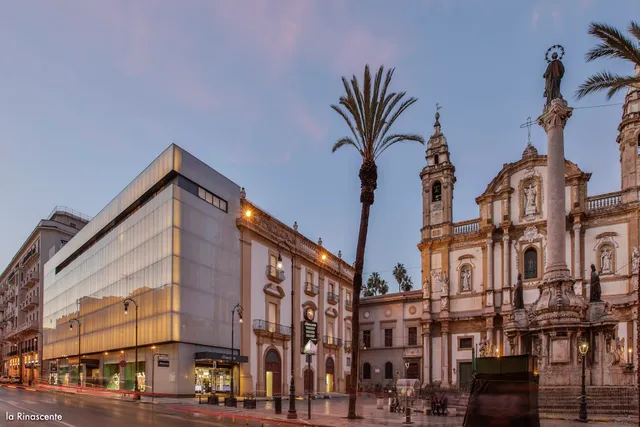
Rinascente Palermo
4.3
(771)
Click for details