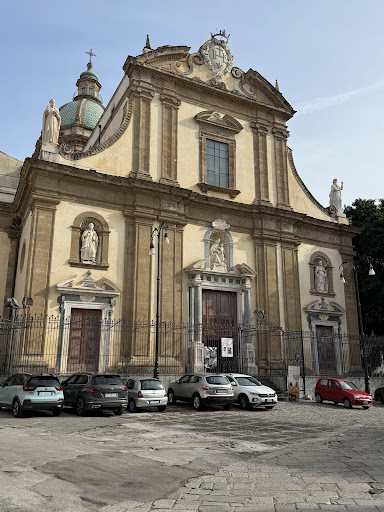
Chiesa del Gesù things to do, attractions, restaurants, events info and trip planning
Basic Info
Chiesa del Gesù
Piazza del Gesù, 00186 Roma RM, Italy
4.8(2.9K)
Closed
Save
spot
spot
Ratings & Description
Info
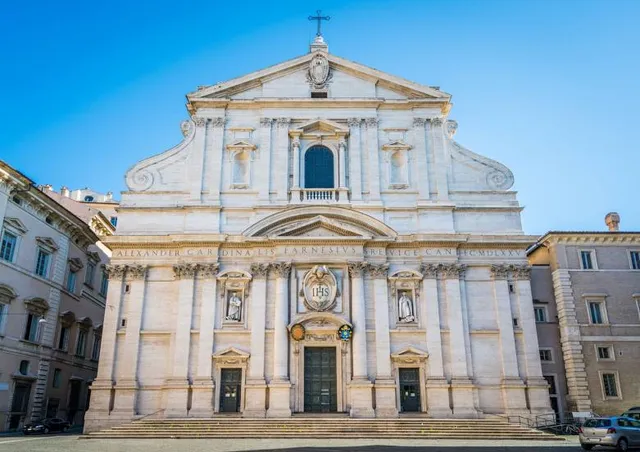
The Church of the Gesù is the mother church of the Society of Jesus, a Catholic religious order. Officially named Chiesa del Santissimo Nome di Gesù all'Argentina, its façade is "the first truly baroque façade", introducing the baroque style into architecture.
Cultural
Accessibility
attractions: Largo di Torre Argentina, Piazza Venezia, Pantheon, Altare della Patria, Monument to Victor Emmanuel II, National Museum of the Palazzo di Venezia, Palazzo Bonaparte, Crypta Balbi - Museo Nazionale Romano, Turtle Fountain, Exhibition of Models Built with LEGO® Bricks, restaurants: Scholars Lounge Irish Pub, Grano Trattoria, Pastaeat, Bona | Pizza Roma [ Corso Vittorio Emanuele ], Enoteca Corsi, Pizza e Mozzarella, Trentaquattro Roma - Largo Argentina, Bibliothè, Escopazzo, Vale Gelato, local businesses: laFeltrinelli Books and Music, Fox gallery, Crypta Balbi, Doria Pamphili Gallery, Flying Tiger Copenhagen, Bassetti Tessuti Roma, Calamo, Pam Local, Campidoglio, Ditta G.Poggi
 Learn more insights from Wanderboat AI.
Phone
+39 06 697001
Website
chiesadelgesu.org
Open hoursSee all hours
Thu7:30 AM - 12 PM, 4:30 - 7:30 PMClosed
Plan your stay

Pet-friendly Hotels in Rome
Find a cozy hotel nearby and make it a full experience.

Affordable Hotels in Rome
Find a cozy hotel nearby and make it a full experience.

The Coolest Hotels You Haven't Heard Of (Yet)
Find a cozy hotel nearby and make it a full experience.

Trending Stays Worth the Hype in Rome
Find a cozy hotel nearby and make it a full experience.
Reviews
Live events

Passioni, simpatia e convenzioni: la natura umana in Hume e Darwin
Thu, Feb 26 • 6:00 PM
Via Plebiscito 118 00186 Roma
View details
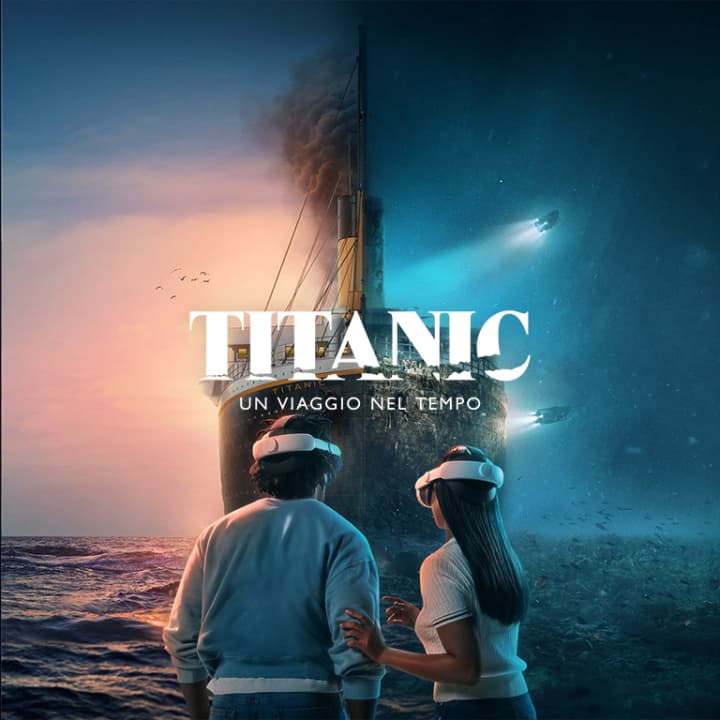
Titanic - Un viaggio nel tempo
Fri, Feb 27 • 4:00 PM
Via Trionfale, 7400, Roma, 00136
View details
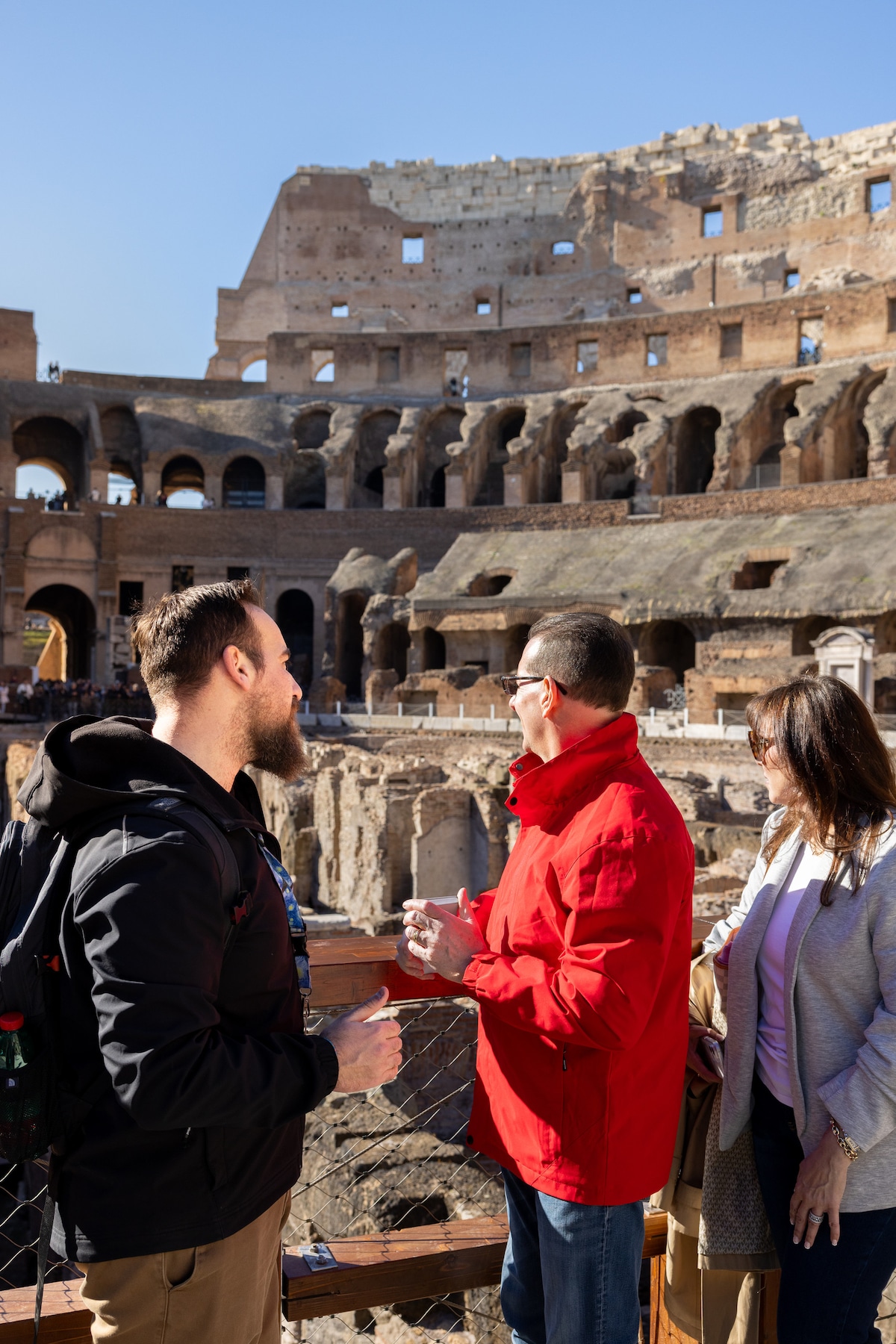
Step onto the arena floor at the Colosseum
Sat, Feb 28 • 11:30 AM
00184, Rome, Lazio, Italy
View details
Nearby attractions of Chiesa del Gesù
Largo di Torre Argentina
Piazza Venezia
Pantheon
Altare della Patria
Monument to Victor Emmanuel II
National Museum of the Palazzo di Venezia
Palazzo Bonaparte
Crypta Balbi - Museo Nazionale Romano
Turtle Fountain
Exhibition of Models Built with LEGO® Bricks
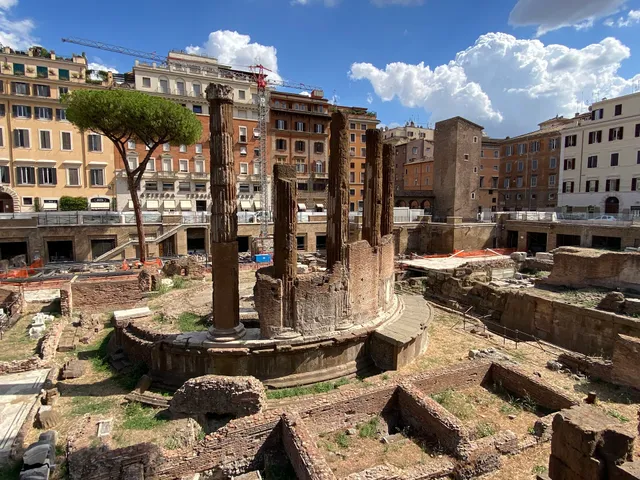
Largo di Torre Argentina
4.5
(13.2K)
Open until 4:00 PM
Click for details
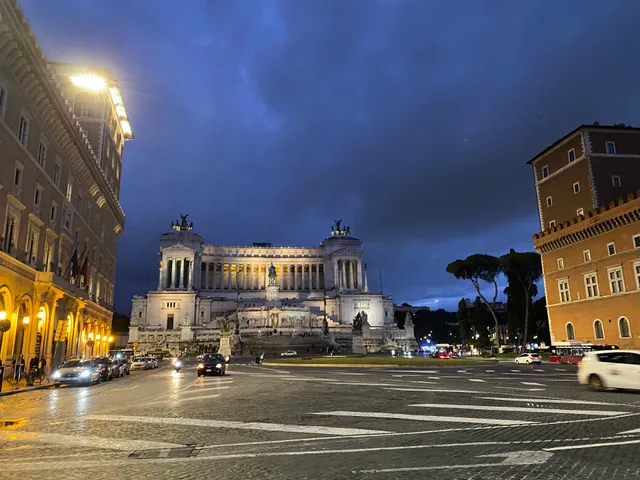
Piazza Venezia
4.7
(20.2K)
Open until 12:00 AM
Click for details
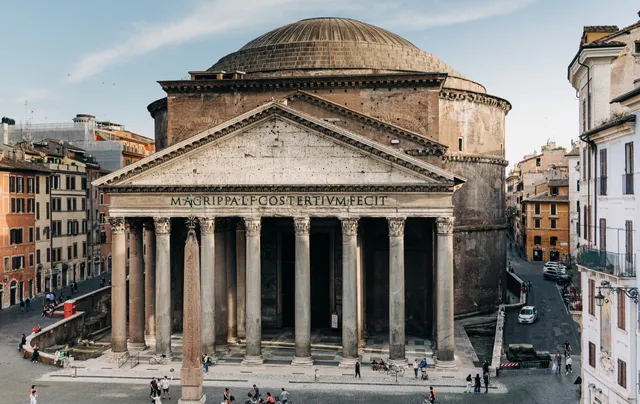
Pantheon
4.8
(82.8K)
Open until 7:00 PM
Click for details
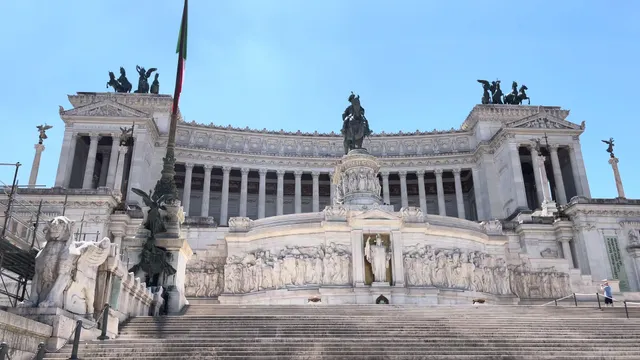
Altare della Patria
4.8
(24.7K)
Closed
Click for details
Nearby restaurants of Chiesa del Gesù
Scholars Lounge Irish Pub
Grano Trattoria
Pastaeat
Bona | Pizza Roma [ Corso Vittorio Emanuele ]
Enoteca Corsi
Pizza e Mozzarella
Trentaquattro Roma - Largo Argentina
Bibliothè
Escopazzo
Vale Gelato
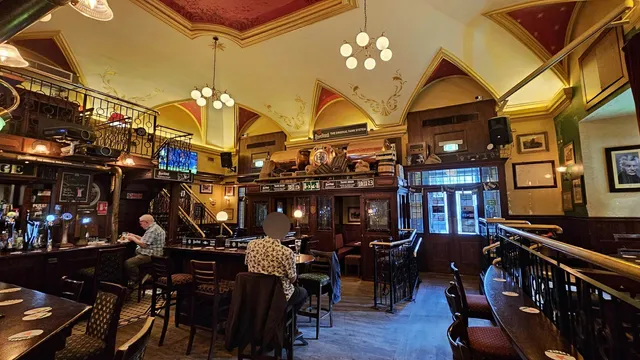
Scholars Lounge Irish Pub
4.2
(3.5K)
$
Open until 3:30 AM
Click for details
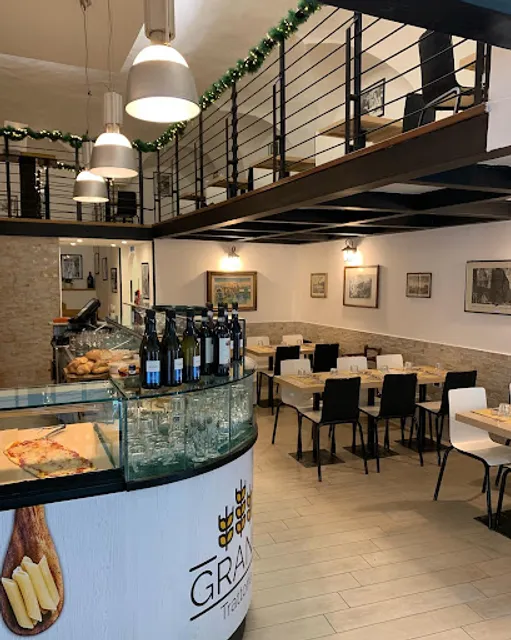
Grano Trattoria
4.6
(1.8K)
$
Open until 10:00 PM
Click for details
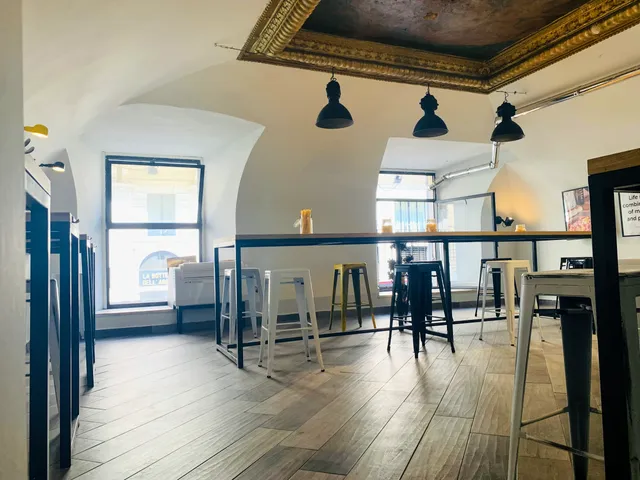
Pastaeat
4.3
(1.5K)
$
Open until 10:00 PM
Click for details
![Bona | Pizza Roma [ Corso Vittorio Emanuele ]](https://d2kihw5e8drjh5.cloudfront.net/eyJidWNrZXQiOiJ1dGEtaW1hZ2VzIiwia2V5IjoicGxhY2VfaW1nL05WUjZtUmUzUzFxTEwzcFotajdJWFEiLCJlZGl0cyI6eyJyZXNpemUiOnsid2lkdGgiOjY0MCwiaGVpZ2h0Ijo2NDAsImZpdCI6Imluc2lkZSJ9LCJyb3RhdGUiOm51bGwsInRvRm9ybWF0IjogIndlYnAifX0=)
Bona | Pizza Roma [ Corso Vittorio Emanuele ]
4.0
(712)
Open until 9:30 PM
Click for details
Nearby local services of Chiesa del Gesù
laFeltrinelli Books and Music
Fox gallery
Crypta Balbi
Doria Pamphili Gallery
Flying Tiger Copenhagen
Bassetti Tessuti Roma
Calamo
Pam Local
Campidoglio
Ditta G.Poggi
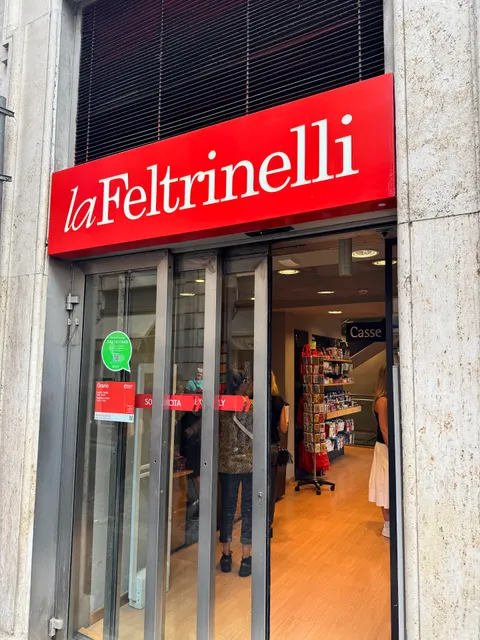
laFeltrinelli Books and Music
4.5
(2.5K)
Click for details

Fox gallery
4.6
(164)
Click for details
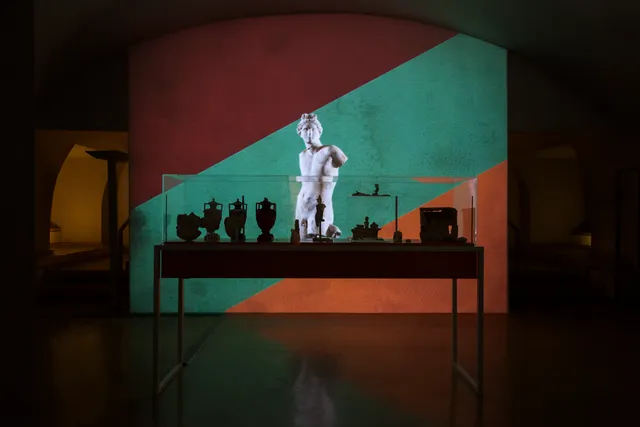
Crypta Balbi
4.1
(465)
Click for details
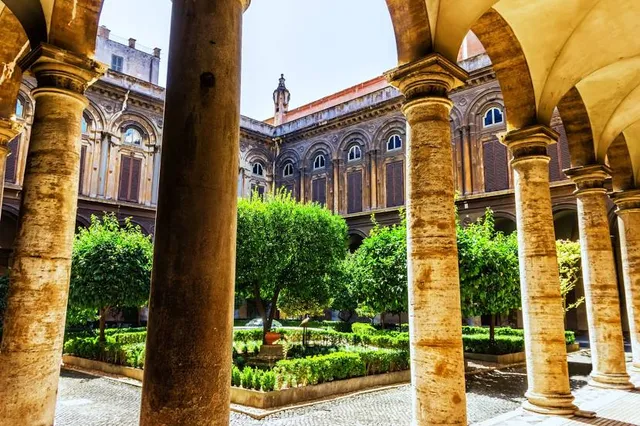
Doria Pamphili Gallery
4.6
(2.5K)
Click for details


The hit list
Plan your trip with Wanderboat
Welcome to Wanderboat AI, your AI search for local Eats and Fun, designed to help you explore your city and the world with ease.
Powered by Wanderboat AI trip planner.