HTML SitemapExplore
logo
Find Things to DoFind The Best Restaurants

Fontana dei Dioscuri — Attraction in Rome

Name
Fontana dei Dioscuri
Description
Nearby attractions
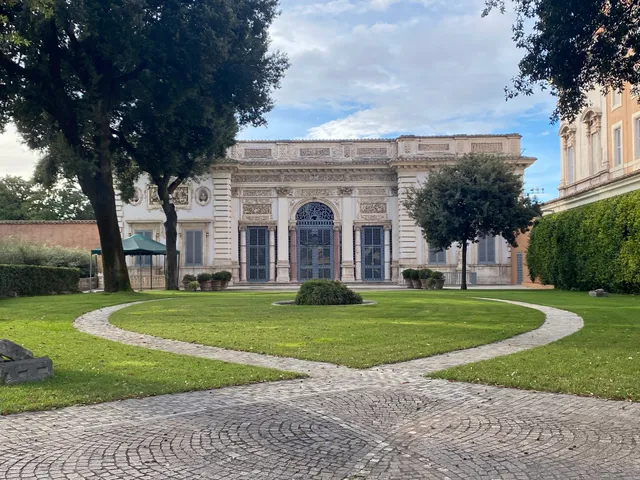
Scuderie del Quirinale
Via Ventiquattro Maggio, 16, 00186 Roma RM, Italy
Trevi Fountain
Piazza di Trevi, 00187 Roma RM, Italy
Quirinal Palace
P.za del Quirinale, 00187 Roma RM, Italy
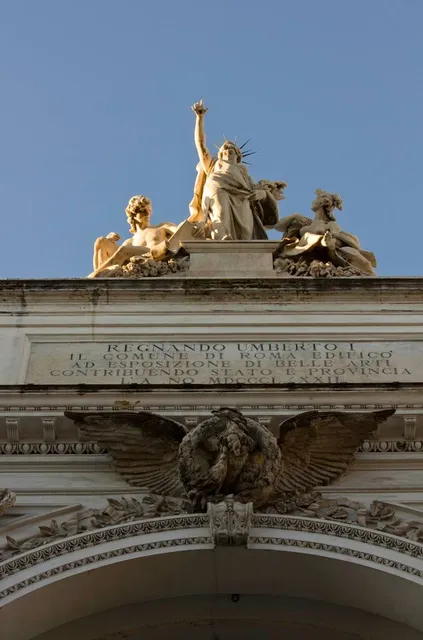
Palazzo delle Esposizioni
Via Nazionale, 194, 00184 Roma RM, Italy
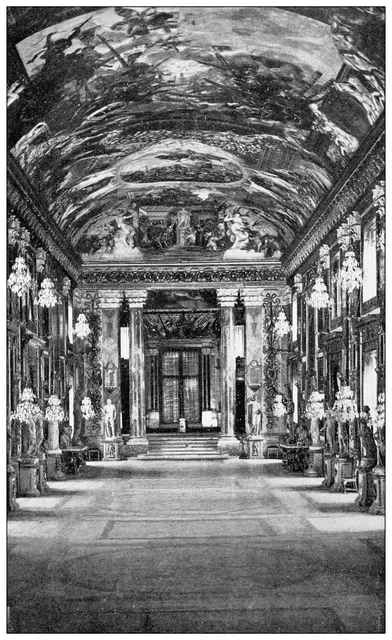
Galleria Colonna
Via della Pilotta, 17, 00187 Roma RM, Italy
Casino dell'Aurora Pallavicini Rospigliosi
Via Ventiquattro Maggio, 43, 00187 Roma RM, Italy
Vicus Caprarius - The Water City
Vicolo del Puttarello, 25, 00187 Roma RM, Italy
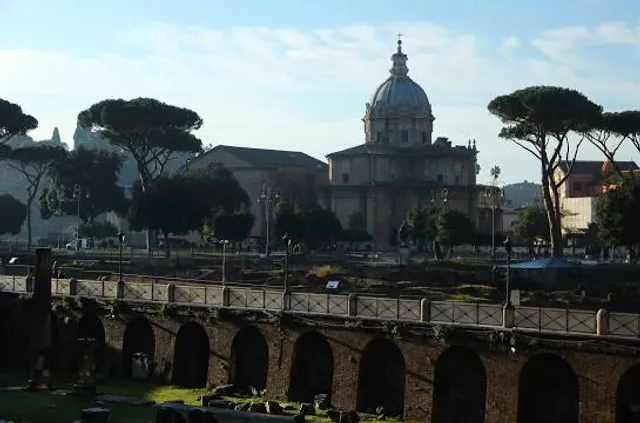
Mercati di Traiano Museo dei Fori Imperiali
Via Quattro Novembre, 94, 00187 Roma RM, Italy
Pontifical Gregorian University
Piazza della Pilotta, 4, 00187 Roma RM, Italy
Piazza Venezia
Piazza Venezia, 00187 Roma RM, Italy
Nearby restaurants
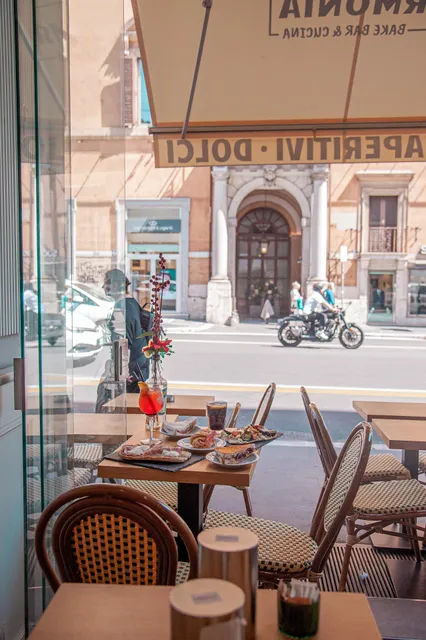
Armonia Bar & Cucina 1965
Via Nazionale, 188, 00184 Roma RM, Italy
Pizza in Trevi - Fontana di Trevi
Via di S. Vincenzo, 30/30A, 00187 Roma RM, Italy
Le Lanterne
Palazzo Colonna, Via della Pilotta, 21A, 00187 Roma RM, Italy
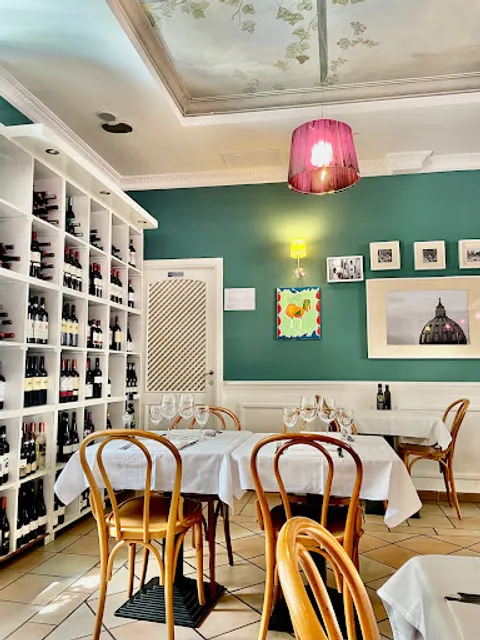
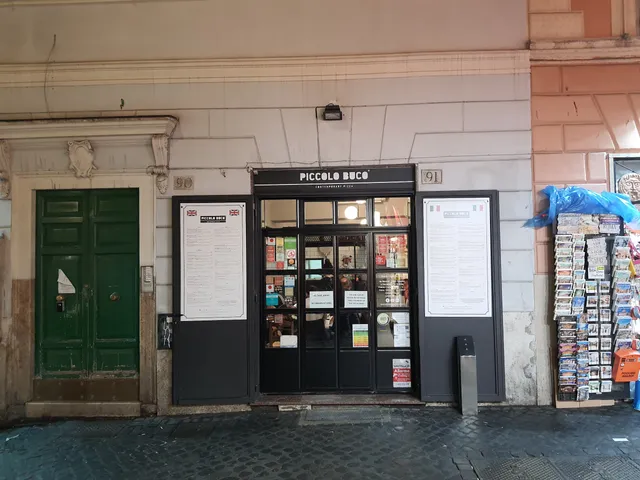
Piccolo Buco (NO PRENOTAZIONI-NO RESERVATIONS)
Via del Lavatore, 91, 00187 Roma RM, Italy
Piccolo Arancio
Vicolo Scanderbeg, 112, 00187 Roma RM, Italy
Sphaeristerium
Via dei Lucchesi, 21, 00187 Roma RM, Italy
L'antica pizzeria di Trevi
Via dei Lucchesi, 28, 00187 Roma RM, Italy
“Dal 1947 Bistrot“ Ristorante Pizzeria Fontana di Trevi
Via di San Vincenzo 17/18, Largo Pietro di Brazza', 87, 00187 Roma RM, Italy
Il Ristorante Rinaldi Al Quirinale
Via Parma, 11/A, 00184 Roma RM, Italy
L'Antica Birreria Peroni
Via di S. Marcello, 19, 00100 Roma RM, Italy
Nearby hotels
Hotel Hiberia Rome
Via Ventiquattro Maggio, 8, 00187 Roma RM, Italy
Villa Spalletti Trivelli Dimora d'Epoca
Via Piacenza, 4, 00184 Roma RM, Italy
Hotel Trevi Palace
Via Mazzarino, 2, 00184 Roma RM, Italy
Hotel Trevi
Vicolo del Babuccio, 20/21, 00187 Roma RM, Italy
Salotto Monti
Via della Consulta, 1B, 00184 Roma RM, Italy
Comfort Hotel Bolivar
Via della Cordonata, 6, 00187 Roma RM, Italy
Hotel Fiori Roma
Via Nazionale, 163, 00184 Roma RM, Italy
H10 Palazzo Galla
Via Quattro Novembre, 102, 00187 Roma RM, Italy
Hotel Pace Helvezia
Via Quattro Novembre, 104, 00187 Roma RM, Italy
Rome Times Hotel
Via Milano, 42, 00184 Roma RM, Italy
Related posts
Keywords
Fontana dei Dioscuri tourism.Fontana dei Dioscuri hotels.Fontana dei Dioscuri bed and breakfast. flights to Fontana dei Dioscuri.Fontana dei Dioscuri attractions.Fontana dei Dioscuri restaurants.Fontana dei Dioscuri travel.Fontana dei Dioscuri travel guide.Fontana dei Dioscuri travel blog.Fontana dei Dioscuri pictures.Fontana dei Dioscuri photos.Fontana dei Dioscuri travel tips.Fontana dei Dioscuri maps.Fontana dei Dioscuri things to do.
Fontana dei Dioscuri things to do, attractions, restaurants, events info and trip planning
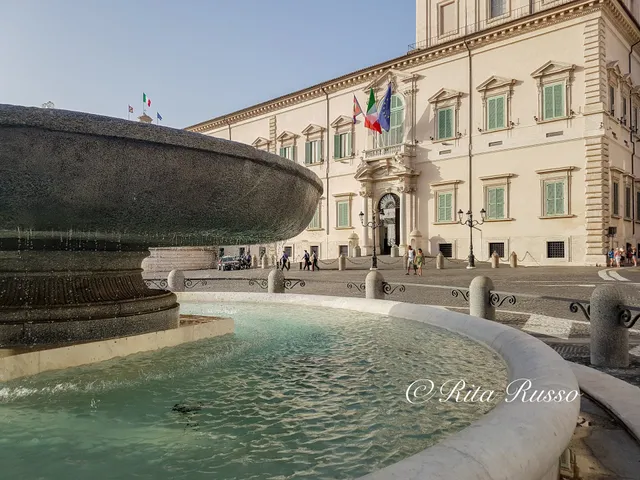
Fontana dei Dioscuri
ItalyLazioRomeFontana dei Dioscuri

Basic Info

Fontana dei Dioscuri

P.za del Quirinale, 00184 Roma RM, Italy
4.7(90)
Open 24 hours
Save
spot

Ratings & Description

Info

Cultural
Scenic
Family friendly
Accessibility
attractions: Scuderie del Quirinale, Trevi Fountain, Quirinal Palace, Palazzo delle Esposizioni, Galleria Colonna, Casino dell'Aurora Pallavicini Rospigliosi, Vicus Caprarius - The Water City, Mercati di Traiano Museo dei Fori Imperiali, Pontifical Gregorian University, Piazza Venezia, restaurants: Armonia Bar & Cucina 1965, Pizza in Trevi - Fontana di Trevi, Le Lanterne, Piccolo Buco (NO PRENOTAZIONI-NO RESERVATIONS), Piccolo Arancio, Sphaeristerium, L'antica pizzeria di Trevi, “Dal 1947 Bistrot“ Ristorante Pizzeria Fontana di Trevi, Il Ristorante Rinaldi Al Quirinale, L'Antica Birreria Peroni
logoLearn more insights from Wanderboat AI.
Phone
+39 06 0606
Website
sovraintendenzaroma.it

Plan your stay

hotel
Pet-friendly Hotels in Rome
Find a cozy hotel nearby and make it a full experience.

hotel
Affordable Hotels in Rome
Find a cozy hotel nearby and make it a full experience.

hotel
The Coolest Hotels You Haven't Heard Of (Yet)
Find a cozy hotel nearby and make it a full experience.

hotel
Trending Stays Worth the Hype in Rome
Find a cozy hotel nearby and make it a full experience.

Reviews

Nearby attractions of Fontana dei Dioscuri

Scuderie del Quirinale

Trevi Fountain

Quirinal Palace

Palazzo delle Esposizioni

Galleria Colonna

Casino dell'Aurora Pallavicini Rospigliosi

Vicus Caprarius - The Water City

Mercati di Traiano Museo dei Fori Imperiali

Pontifical Gregorian University

Piazza Venezia

Scuderie del Quirinale

Scuderie del Quirinale

4.6

(2.7K)

Open 24 hours
Click for details
Trevi Fountain

Trevi Fountain

4.7

(135.3K)

Open 24 hours
Click for details
Quirinal Palace

Quirinal Palace

4.7

(2.3K)

Open 24 hours
Click for details
Palazzo delle Esposizioni

Palazzo delle Esposizioni

4.5

(3.2K)

Open until 10:00 PM
Click for details

Things to do nearby

Catacombs: The Coolest Underground Tour in Rome
Sat, Dec 6 • 10:00 AM
00147, Rome, Lazio, Italy
View details
Pasta-making class, wine tasting and dinner
Fri, Dec 5 • 7:30 PM
00044, Frascati, Lazio, Italy
View details
Pasta and Pizza cooking class with wine and more
Sun, Dec 7 • 10:30 AM
00142, Rome, Lazio, Italy
View details

Nearby restaurants of Fontana dei Dioscuri

Armonia Bar & Cucina 1965

Pizza in Trevi - Fontana di Trevi

Le Lanterne

Piccolo Buco (NO PRENOTAZIONI-NO RESERVATIONS)

Piccolo Arancio

Sphaeristerium

L'antica pizzeria di Trevi

“Dal 1947 Bistrot“ Ristorante Pizzeria Fontana di Trevi

Il Ristorante Rinaldi Al Quirinale

L'Antica Birreria Peroni

Armonia Bar & Cucina 1965

Armonia Bar & Cucina 1965

4.7

(1.7K)

Click for details
Pizza in Trevi - Fontana di Trevi

Pizza in Trevi - Fontana di Trevi

4.6

(3.5K)

Click for details
Le Lanterne

Le Lanterne

4.3

(1.0K)

$$

Click for details
Piccolo Buco (NO PRENOTAZIONI-NO RESERVATIONS)

Piccolo Buco (NO PRENOTAZIONI-NO RESERVATIONS)

4.5

(3.1K)

Click for details
Get the Appoverlay
Get the AppOne tap to find yournext favorite spots!

The hit list

restaurant
Best 10 Restaurants to Visit in Rome
February 12 · 5 min read
attraction
Best 10 Attractions to Visit in Rome
February 12 · 5 min read
Rome

Plan your trip with Wanderboat

Welcome to Wanderboat AI, your AI search for local Eats and Fun, designed to help you explore your city and the world with ease.

Powered by Wanderboat AI trip planner.
Wanderboat LogoWanderboat

Your everyday Al companion for getaway ideas

CompanyAbout Us
InformationAI Trip PlannerSitemap
SocialXInstagramTiktokLinkedin
LegalTerms of ServicePrivacy Policy

Get the app

© 2025 Wanderboat. All rights reserved.
logo

Reviews of Fontana dei Dioscuri

4.7
(90)
avatar
5.0
16w

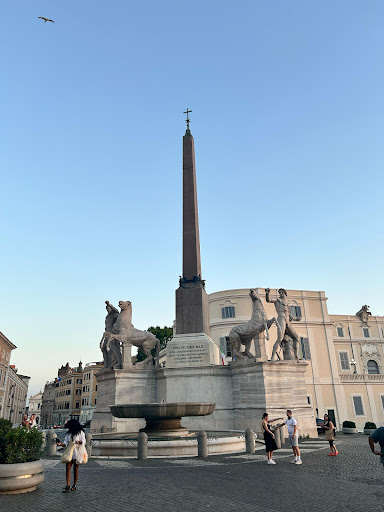
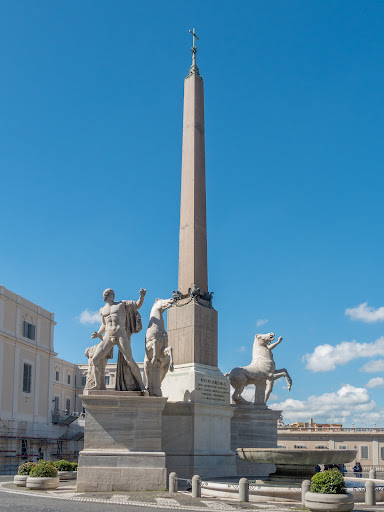
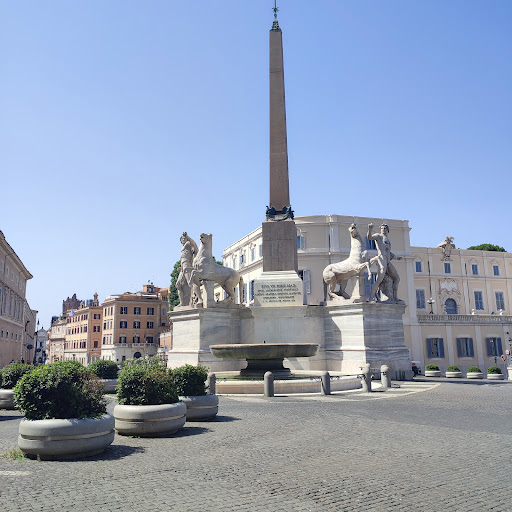
The fountain is the decoration of one of the most representative squares of the city, also called "dei Dioscuri", Zeus and Leda's sons, the two twins of Greek and Roman mythology, Castor and Pollux. They are depicted holding their horses, according to a rare iconographic scheme, which appeared from the Severian age, i.e. from the 3rd century AD. The two colossal statues, over 5 meters high, probably come from the ancient Temple of Serapis, built by Caracalla. Later, they were reused to adorn the Baths of Constantine that occupied the slopes of the Quirinal. Thanks to their grandeur, they survived the fate of many other Roman works of art: burial, destruction or displacement. The statues represented the most prominent element of the hill, which, due to their presence, soon began to be called Monte Cavallo in medieval Rome.Between 1469 and 1470, Pope Paul II commissioned the first partial restoration of the two sculptural groups, initially facing the building, now occupied by the Palazzo della Consulta and arranged parallel. In the following century, Sixtus V carried out a complete restoration of the sculptures, included in the expansion and embellishment of the square. The Dioscuri were moved to the sides of a marble basin decorated with the pope's coats of arms to form a scenographic backdrop for the Strada Pia, the current via XX Settembre, ending with the Porta Pia built by Michelangelo. The project was entrusted to Domenico Fontana, who moved the Dioscuri back by turning them towards the Quirinale Palace and aligning them a short distance from each other.In 1782, however, Pope Pius VI commissioned the architect Carlo Antinori to completely rearrange the square. The Dioscuri were rotated and separated into two blocks on the sides of the obelisk from the Mausoleum of Augustus. The fountain of Sisto V was dismantled to be replaced with a granite basin from the Roman Forum. Antinori's intervention turned out to be more demanding than expected, and the architect was the object of witty mockery. One of the talking statues, Pasquino, commented that the obelisk could not be erected by an architect whose anagrammatic surname was "Non tirai" (I didn't pull - Ed.)The works were interrupted by the Napoleonic events and resumed in 1816 when Pius VII commissioned Raffaele Stern to complete them. Stern was the well-known architect who created the New Arm of the Chiaramonti Museum in the Vatican and the restoration of the Colosseum. The large basin of the Roman Forum, unearthed and restored by Carlo Fea, was finally installed in 1818, supported by its ancient pedestal in the centre of a low basin in white marble. There are no traces of the previous fountain of Sixtus V built by Domenico Fontana; probably, it was destroyed during the interventions...

   Read more
avatar
5.0
7y

Alcuni cenni sulla Fontana dei Dioscuri. Da Wikipedia l'enciclopedia libera.

La fontana, cosiddetta, dei Dioscuri si trova a Roma, al centro della piazza del Quirinale, di fronte all'ingresso del palazzo.

Storia e descrizione

Terminato nel 1587 il restauro ed il ripristino dell'antico acquedotto alessandrino, chiamato da allora “Acqua Felice” dal nome del papa Sisto V, al secolo Felice Peretti, sotto il cui pontificato venne terminata l'opera, come era stato fatto in precedenza per l’Aqua Virgo, furono iniziati i lavori per una ramificazione sotterranea secondaria del condotto, in modo da assicurare l'approvvigionamento idrico delle zone dei colli Viminale e Quirinale, allora scarsamente serviti, e venne di conseguenza progettata anche l'edificazione di un certo numero di fontane. Dopo la mostra terminale dell'acquedotto, progettata dal fratello Giovanni, fu affidata a Domenico Fontana la realizzazione di quella posta davanti alla residenza estiva del pontefice (il palazzo del Quirinale, appunto), il cui cantiere era, all'epoca, ancora aperto. Nella piazza si trovava, proveniente dalle vicine terme di Costantino, l'imponente gruppo marmoreo dei Dioscuri (ma, secondo una recente interpretazione, si tratterebbe di gruppo scultoreo del III secolo d. C. rappresentante Alessandro Magno giovane col suo indomabile cavallo Bucefalo in duplice versione), composto dalle due figure maschili che tengono a freno i loro cavalli (probabilmente copie di originali greci), voltati verso il sito delle antiche Terme (l'inizio dell'attuale via Nazionale). Il Fontana ne dispose il restauro, li trasportò in posizione più centrale nella piazza, in modo da chiudere lo scenario della lunga via Pia (le attuali via del Quirinale e via XX Settembre) e li girò in modo che fossero rivolti verso il palazzo, quindi collocò la nuova fontana ai piedi del gruppo, posto su un alto piedistallo. Si trattava di una vasca quadrilobata, al cui centro un pilastro sorreggeva un catino da cui precipitava l'acqua. La struttura, riprendendo in parte il modello dellaportiano, poggiava su tre gradini, al cui livello più elevato era posta un'ulteriore stretta vasca interrata che circondava quella principale. Nella seconda metà del XVII secolo papa Alessandro VII pensò di trasferire la fontana in piazza Santi Apostoli, ma il progetto non venne messo in atto, così come quello, all'inizio del XVIII secolo, ideato da papa Clemente XI, di sostituire l'intera opera con la Colonna Antonina, da poco scoperta in piazza Montecitorio. Solo nel 1782 papa Pio VI attuò un progetto di risistemazione dell'intera piazza, in cui trovò posto anche un nuovo assetto della fontana, commissionato all'architetto Antinori: il blocco dei Dioscuri (?) venne separato e i due gruppi ruotati in modo da trovarsi tra di loro ad angolo retto; in mezzo venne innalzato uno dei due obelischi che ornavano la tomba dell'imperatore Augusto, recuperato alla base del cinquecentesco Ospedale di San Rocco a Ripetta. La fontana venne smantellata per essere sostituita con una vasca circolare in granito recuperata dalla zona del “Campo Vaccino”, l'area tra il Circo Massimo ed...

   Read more
avatar
5.0
2y

The Quirinal Fountain contains an assemblage of ancient sculptures. The obelisk once stood outside the Mausoleum of Augustus and was created in Egypt, when it was a Roman province.

The statues of the Dioscuri (Castor and Pollux, mythological twins famed as horse tamers) are ancient Roman copies from the 2nd-3rd century AD from Greek originals of the 5th century BC.

The granite basin was a cattle trough from the Roman Forum.

The based of the obelisk has a poetic inscription: "Now in vain has hostile time striven to bury me, overturned and shattered, in heaps of rubble, I, once hewn from the cliffs of Egypt and borne through the midst of the sea by the strength of Romulus that I might rise, mighty marvel of Augustus' tomb, where the Tiber lapped at the grove of the Caesars for Pope Pius recalls me to the light and bids me, remade, to stand tall on the summit of the hill of Quirinus, where between the mighty figures of Alexander I shall attest to the great works of...

   Read more
Page 1 of 7
Previous
Next

Posts

Misiu martinoMisiu martino
The fountain is the decoration of one of the most representative squares of the city, also called "dei Dioscuri", Zeus and Leda's sons, the two twins of Greek and Roman mythology, Castor and Pollux. They are depicted holding their horses, according to a rare iconographic scheme, which appeared from the Severian age, i.e. from the 3rd century AD. The two colossal statues, over 5 meters high, probably come from the ancient Temple of Serapis, built by Caracalla. Later, they were reused to adorn the Baths of Constantine that occupied the slopes of the Quirinal. Thanks to their grandeur, they survived the fate of many other Roman works of art: burial, destruction or displacement. The statues represented the most prominent element of the hill, which, due to their presence, soon began to be called Monte Cavallo in medieval Rome.Between 1469 and 1470, Pope Paul II commissioned the first partial restoration of the two sculptural groups, initially facing the building, now occupied by the Palazzo della Consulta and arranged parallel. In the following century, Sixtus V carried out a complete restoration of the sculptures, included in the expansion and embellishment of the square. The Dioscuri were moved to the sides of a marble basin decorated with the pope's coats of arms to form a scenographic backdrop for the Strada Pia, the current via XX Settembre, ending with the Porta Pia built by Michelangelo. The project was entrusted to Domenico Fontana, who moved the Dioscuri back by turning them towards the Quirinale Palace and aligning them a short distance from each other.In 1782, however, Pope Pius VI commissioned the architect Carlo Antinori to completely rearrange the square. The Dioscuri were rotated and separated into two blocks on the sides of the obelisk from the Mausoleum of Augustus. The fountain of Sisto V was dismantled to be replaced with a granite basin from the Roman Forum. Antinori's intervention turned out to be more demanding than expected, and the architect was the object of witty mockery. One of the talking statues, Pasquino, commented that the obelisk could not be erected by an architect whose anagrammatic surname was "Non tirai" (I didn't pull - Ed.)The works were interrupted by the Napoleonic events and resumed in 1816 when Pius VII commissioned Raffaele Stern to complete them. Stern was the well-known architect who created the New Arm of the Chiaramonti Museum in the Vatican and the restoration of the Colosseum. The large basin of the Roman Forum, unearthed and restored by Carlo Fea, was finally installed in 1818, supported by its ancient pedestal in the centre of a low basin in white marble. There are no traces of the previous fountain of Sixtus V built by Domenico Fontana; probably, it was destroyed during the interventions of Antinori.
Kent WangKent Wang
The Quirinal Fountain contains an assemblage of ancient sculptures. The obelisk once stood outside the Mausoleum of Augustus and was created in Egypt, when it was a Roman province. The statues of the Dioscuri (Castor and Pollux, mythological twins famed as horse tamers) are ancient Roman copies from the 2nd-3rd century AD from Greek originals of the 5th century BC. The granite basin was a cattle trough from the Roman Forum. The based of the obelisk has a poetic inscription: "Now in vain has hostile time striven to bury me, overturned and shattered, in heaps of rubble, I, once hewn from the cliffs of Egypt and borne through the midst of the sea by the strength of Romulus that I might rise, mighty marvel of Augustus' tomb, where the Tiber lapped at the grove of the Caesars for Pope Pius recalls me to the light and bids me, remade, to stand tall on the summit of the hill of Quirinus, where between the mighty figures of Alexander I shall attest to the great works of Pius the Sixth."
Roberto CecchiniRoberto Cecchini
È una delle più belle grazie anche alla posizione dominante che le fa conquistare l'ideale centro dello spazio sul quale si apre lo spiazzo. Aggiorno questa recensione, considerato che qualcuno ha avuto la geniale idea di togliere l'obelisco (che ho riaggiunto). La sua originalità risiede non tanto nella fattura quanto nella sua travagliata storia che ha quasi 500 anni per l'allestimento ma molti molti di più se si pensa ai pezzi che ne compongono l'assetto. Eh si perché non è una creazione ex novo ma un assemblaggio del gruppo scultoreo dei due dioscuri (qualcuno sostiene fosse la rappresentazione di Carlo Magno e del suo Bucefalo), dell'imponente obelisco egizio e della vasca di raccolta dell'acqua. I primi, copie romane di statue ellenistiche probabilmente, originariamente erano uniti e vennero solo in seguito a uno degli ultimi interventi separati e orientati diversamente. L'obelisco ornava probabilmente il mausoleo di Augusto e venne rinvenuto verso via Frattina mentre la vasca, più volte sostituita, addirittura era un abbeveratoio per bestiame proveniente dalla zona di campo vaccino. Voluta per celebrare la costruzione dell'acquedotto Felice oggi regala visioni indimenticabili soprattutto al tramonto (quindi programmate se potete una passeggiata per quando il sole comincia a calare). La bellezza delle statue si ammira meglio da vicino e da sotto. Utili info? Allora lasciate un like e guardate le altre recensioni fatte su Roma e non solo.
See more posts
See more posts
hotel
Find your stay

Pet-friendly Hotels in Rome

Find a cozy hotel nearby and make it a full experience.

The fountain is the decoration of one of the most representative squares of the city, also called "dei Dioscuri", Zeus and Leda's sons, the two twins of Greek and Roman mythology, Castor and Pollux. They are depicted holding their horses, according to a rare iconographic scheme, which appeared from the Severian age, i.e. from the 3rd century AD. The two colossal statues, over 5 meters high, probably come from the ancient Temple of Serapis, built by Caracalla. Later, they were reused to adorn the Baths of Constantine that occupied the slopes of the Quirinal. Thanks to their grandeur, they survived the fate of many other Roman works of art: burial, destruction or displacement. The statues represented the most prominent element of the hill, which, due to their presence, soon began to be called Monte Cavallo in medieval Rome.Between 1469 and 1470, Pope Paul II commissioned the first partial restoration of the two sculptural groups, initially facing the building, now occupied by the Palazzo della Consulta and arranged parallel. In the following century, Sixtus V carried out a complete restoration of the sculptures, included in the expansion and embellishment of the square. The Dioscuri were moved to the sides of a marble basin decorated with the pope's coats of arms to form a scenographic backdrop for the Strada Pia, the current via XX Settembre, ending with the Porta Pia built by Michelangelo. The project was entrusted to Domenico Fontana, who moved the Dioscuri back by turning them towards the Quirinale Palace and aligning them a short distance from each other.In 1782, however, Pope Pius VI commissioned the architect Carlo Antinori to completely rearrange the square. The Dioscuri were rotated and separated into two blocks on the sides of the obelisk from the Mausoleum of Augustus. The fountain of Sisto V was dismantled to be replaced with a granite basin from the Roman Forum. Antinori's intervention turned out to be more demanding than expected, and the architect was the object of witty mockery. One of the talking statues, Pasquino, commented that the obelisk could not be erected by an architect whose anagrammatic surname was "Non tirai" (I didn't pull - Ed.)The works were interrupted by the Napoleonic events and resumed in 1816 when Pius VII commissioned Raffaele Stern to complete them. Stern was the well-known architect who created the New Arm of the Chiaramonti Museum in the Vatican and the restoration of the Colosseum. The large basin of the Roman Forum, unearthed and restored by Carlo Fea, was finally installed in 1818, supported by its ancient pedestal in the centre of a low basin in white marble. There are no traces of the previous fountain of Sixtus V built by Domenico Fontana; probably, it was destroyed during the interventions of Antinori.
Misiu martino

Misiu martino

hotel
Find your stay

Affordable Hotels in Rome

Find a cozy hotel nearby and make it a full experience.

Get the Appoverlay
Get the AppOne tap to find yournext favorite spots!
The Quirinal Fountain contains an assemblage of ancient sculptures. The obelisk once stood outside the Mausoleum of Augustus and was created in Egypt, when it was a Roman province. The statues of the Dioscuri (Castor and Pollux, mythological twins famed as horse tamers) are ancient Roman copies from the 2nd-3rd century AD from Greek originals of the 5th century BC. The granite basin was a cattle trough from the Roman Forum. The based of the obelisk has a poetic inscription: "Now in vain has hostile time striven to bury me, overturned and shattered, in heaps of rubble, I, once hewn from the cliffs of Egypt and borne through the midst of the sea by the strength of Romulus that I might rise, mighty marvel of Augustus' tomb, where the Tiber lapped at the grove of the Caesars for Pope Pius recalls me to the light and bids me, remade, to stand tall on the summit of the hill of Quirinus, where between the mighty figures of Alexander I shall attest to the great works of Pius the Sixth."
Kent Wang

Kent Wang

hotel
Find your stay

The Coolest Hotels You Haven't Heard Of (Yet)

Find a cozy hotel nearby and make it a full experience.

hotel
Find your stay

Trending Stays Worth the Hype in Rome

Find a cozy hotel nearby and make it a full experience.

È una delle più belle grazie anche alla posizione dominante che le fa conquistare l'ideale centro dello spazio sul quale si apre lo spiazzo. Aggiorno questa recensione, considerato che qualcuno ha avuto la geniale idea di togliere l'obelisco (che ho riaggiunto). La sua originalità risiede non tanto nella fattura quanto nella sua travagliata storia che ha quasi 500 anni per l'allestimento ma molti molti di più se si pensa ai pezzi che ne compongono l'assetto. Eh si perché non è una creazione ex novo ma un assemblaggio del gruppo scultoreo dei due dioscuri (qualcuno sostiene fosse la rappresentazione di Carlo Magno e del suo Bucefalo), dell'imponente obelisco egizio e della vasca di raccolta dell'acqua. I primi, copie romane di statue ellenistiche probabilmente, originariamente erano uniti e vennero solo in seguito a uno degli ultimi interventi separati e orientati diversamente. L'obelisco ornava probabilmente il mausoleo di Augusto e venne rinvenuto verso via Frattina mentre la vasca, più volte sostituita, addirittura era un abbeveratoio per bestiame proveniente dalla zona di campo vaccino. Voluta per celebrare la costruzione dell'acquedotto Felice oggi regala visioni indimenticabili soprattutto al tramonto (quindi programmate se potete una passeggiata per quando il sole comincia a calare). La bellezza delle statue si ammira meglio da vicino e da sotto. Utili info? Allora lasciate un like e guardate le altre recensioni fatte su Roma e non solo.
Roberto Cecchini

Roberto Cecchini

See more posts
See more posts