Vicus Caprarius - The Water City things to do, attractions, restaurants, events info and trip planning
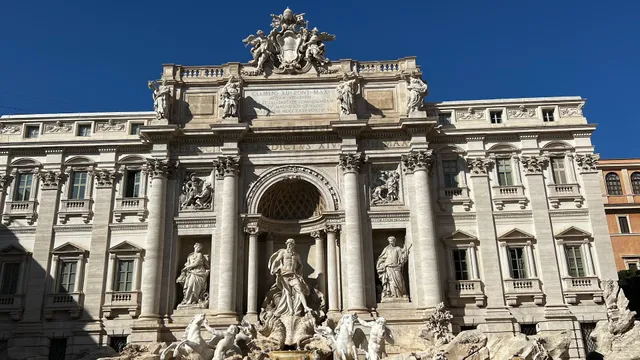
Basic Info
Vicus Caprarius - The Water City
Vicolo del Puttarello, 25, 00187 Roma RM, Italy
4.2(843)
Open until 12:00 AM


tickets
Save
spot
spot
Ratings & Description
Info
attractions: Trevi Fountain, Chiesa dei Santi Vincenzo e Anastasio - Rettoria, Quirinal Palace, Scuderie del Quirinale, Galleria Sciarra, Chiesa di Sant'Ignazio di Loyola, Events Rome Trevi Fountain, Chiesa di San Marcello al Corso, National Academy of San Luca, Pontifical Gregorian University, restaurants: Pizza in Trevi - Fontana di Trevi, “Dal 1947 Bistrot“ Ristorante Pizzeria Fontana di Trevi, Piccolo Buco (NO PRENOTAZIONI-NO RESERVATIONS), Il Chianti Osteria Toscana dal 1960, Piccolo Arancio, Ristorante Taberna Patrizi e Plebei, L' Antico Forno Di Fontana Di Trevi, Pastasciutta, L'antica pizzeria di Trevi, Gelato in Trevi, local businesses: RINASCENTE Rome Via del Tritone, Galleria Alberto Sordi, Captain Candy, Leather Craftsman, Palazzo Poli, ODStore, Yum Yum Style, Doria Pamphili Gallery, Limon'è, Souvenirs Shop - Best Price Souvenirs in Rome
 Learn more insights from Wanderboat AI.
Phone
+39 339 778 6192
Website
vicuscaprarius.com
Open hoursSee all hours
Tue11 AM - 5 PMOpen
Plan your stay

Pet-friendly Hotels in Rome
Find a cozy hotel nearby and make it a full experience.

Affordable Hotels in Rome
Find a cozy hotel nearby and make it a full experience.

The Coolest Hotels You Haven't Heard Of (Yet)
Find a cozy hotel nearby and make it a full experience.

Trending Stays Worth the Hype in Rome
Find a cozy hotel nearby and make it a full experience.
Reviews
Live events

LUNA: A Journey to the Moon – un’esperienza immersiva in realtà virtuale a Roma
Wed, Feb 25 • 4:00 PM
Via Trionfale, 7400, Roma, 00136
View details
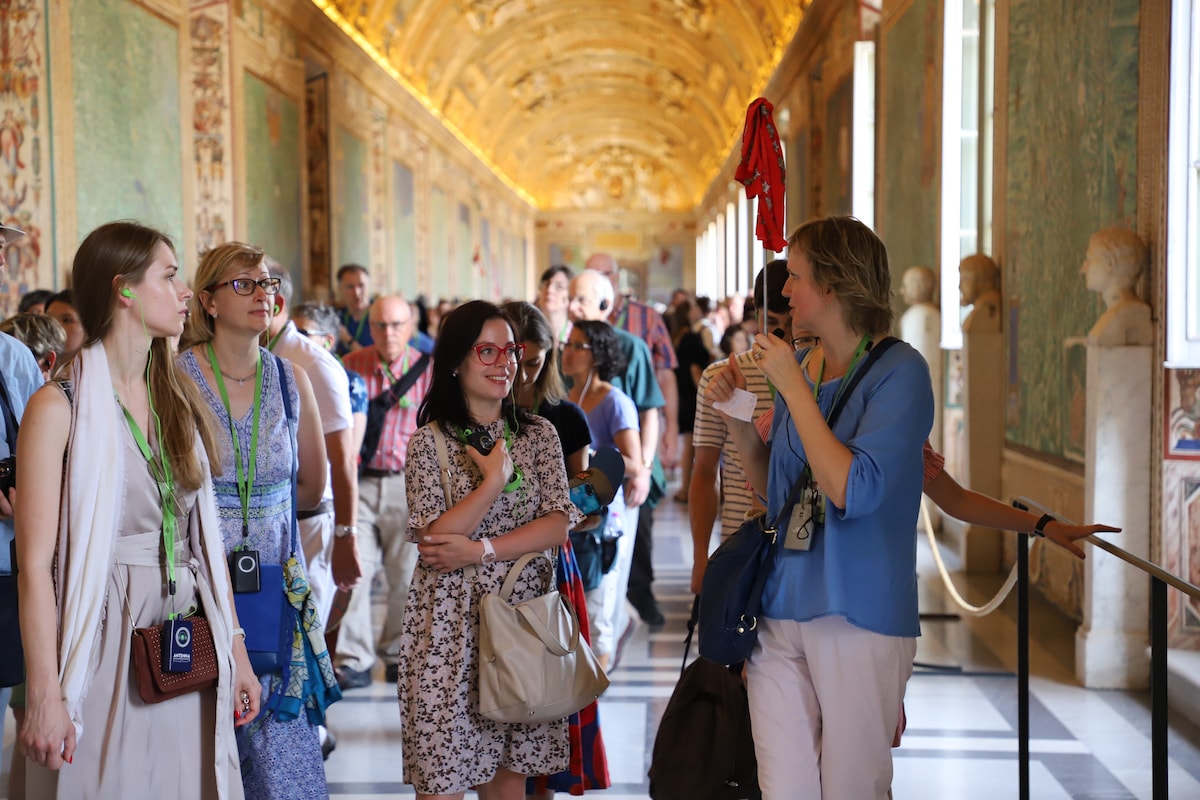
Vatican & St Peters Basilica: unlock the wonders
Wed, Feb 25 • 1:00 PM
00192, Rome, Lazio, Italy
View details

Make Pasta & Tiramisù with Wine and Limoncello
Tue, Feb 24 • 7:30 PM
00186, Rome, Lazio, Italy
View details
Nearby attractions of Vicus Caprarius - The Water City
Trevi Fountain
Chiesa dei Santi Vincenzo e Anastasio - Rettoria
Quirinal Palace
Scuderie del Quirinale
Galleria Sciarra
Chiesa di Sant'Ignazio di Loyola
Events Rome Trevi Fountain
Chiesa di San Marcello al Corso
National Academy of San Luca
Pontifical Gregorian University
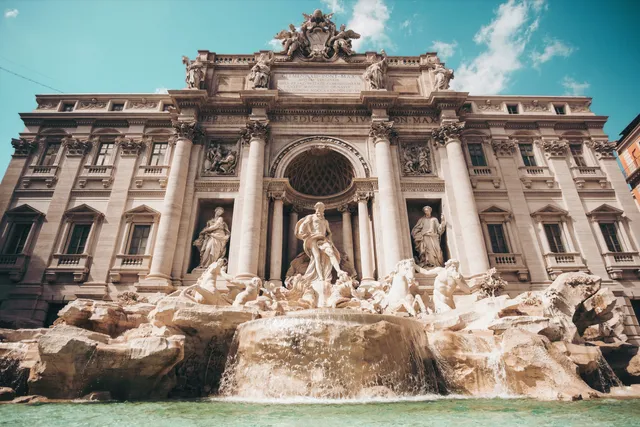
Trevi Fountain
4.7
(144.9K)
Open until 10:00 PM
Click for details
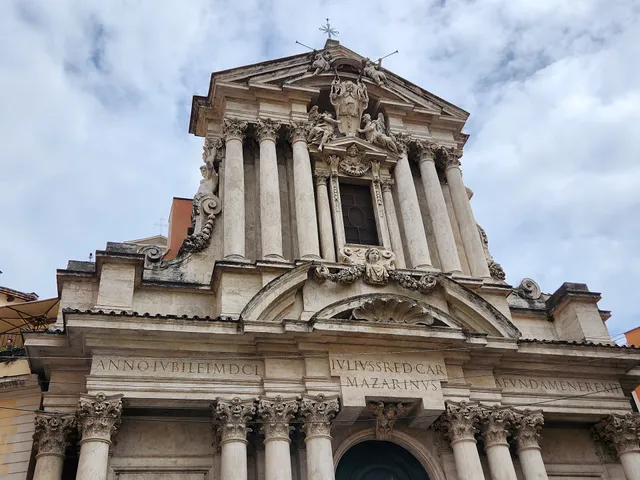
Chiesa dei Santi Vincenzo e Anastasio - Rettoria
4.6
(250)
Open until 8:00 PM
Click for details
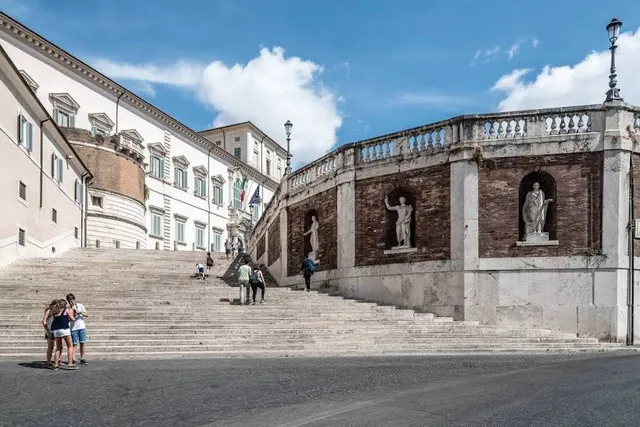
Quirinal Palace
4.7
(2.3K)
Open until 12:00 AM
Click for details
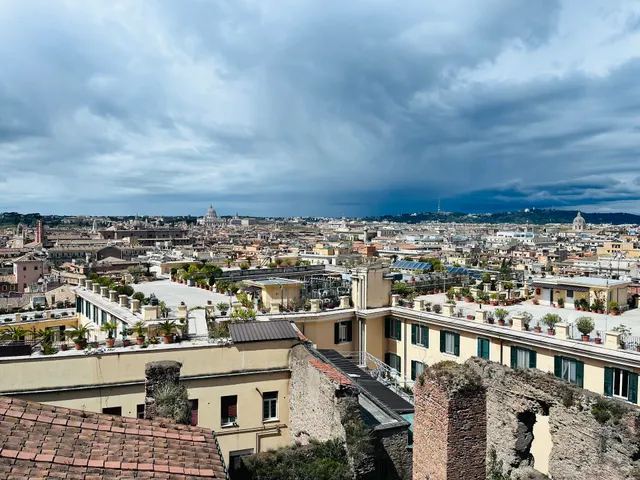
Scuderie del Quirinale
4.7
(2.8K)
Open until 8:00 PM
Click for details
Nearby restaurants of Vicus Caprarius - The Water City
Pizza in Trevi - Fontana di Trevi
“Dal 1947 Bistrot“ Ristorante Pizzeria Fontana di Trevi
Piccolo Buco (NO PRENOTAZIONI-NO RESERVATIONS)
Il Chianti Osteria Toscana dal 1960
Piccolo Arancio
Ristorante Taberna Patrizi e Plebei
L' Antico Forno Di Fontana Di Trevi
Pastasciutta
L'antica pizzeria di Trevi
Gelato in Trevi
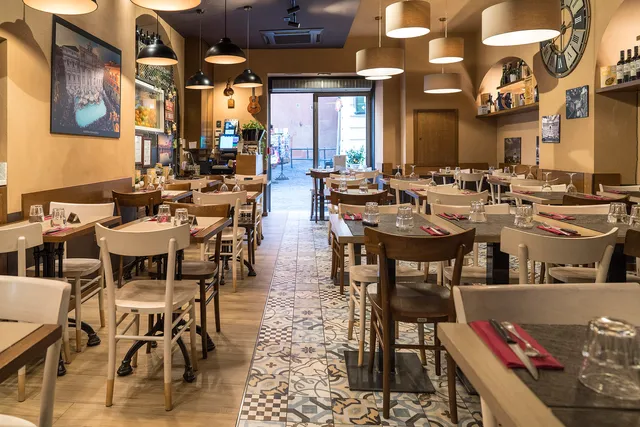
Pizza in Trevi - Fontana di Trevi
4.6
(3.6K)
Click for details
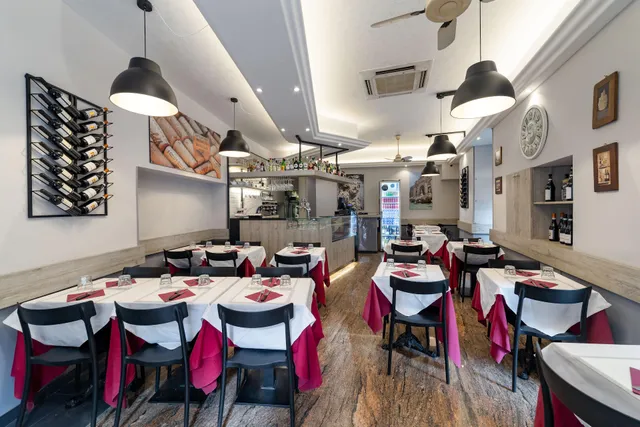
“Dal 1947 Bistrot“ Ristorante Pizzeria Fontana di Trevi
4.5
(1.5K)
Open until 10:30 PM
Click for details
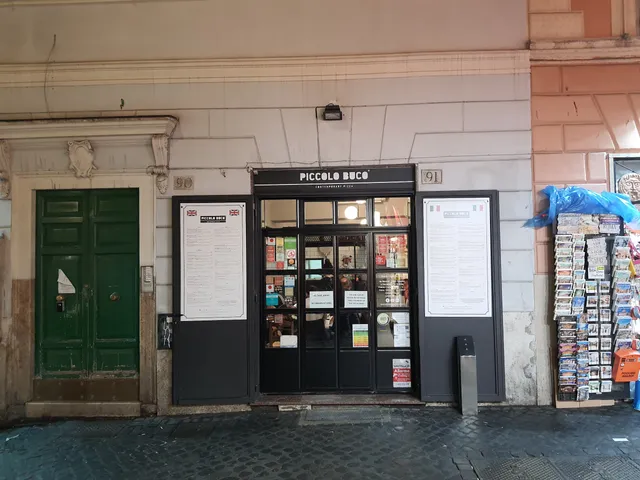
Piccolo Buco (NO PRENOTAZIONI-NO RESERVATIONS)
4.5
(3.1K)
Click for details
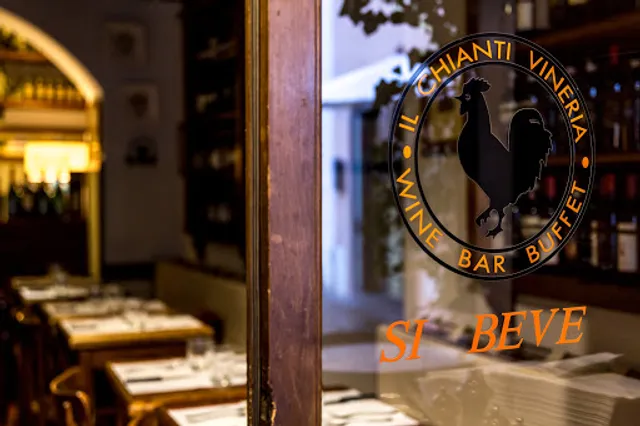
Il Chianti Osteria Toscana dal 1960
4.3
(2K)
Open until 1:00 AM
Click for details
Nearby local services of Vicus Caprarius - The Water City
RINASCENTE Rome Via del Tritone
Galleria Alberto Sordi
Captain Candy
Leather Craftsman
Palazzo Poli
ODStore
Yum Yum Style
Doria Pamphili Gallery
Limon'è
Souvenirs Shop - Best Price Souvenirs in Rome

RINASCENTE Rome Via del Tritone
4.4
(6.6K)
Click for details

Galleria Alberto Sordi
4.3
(6.3K)
Click for details
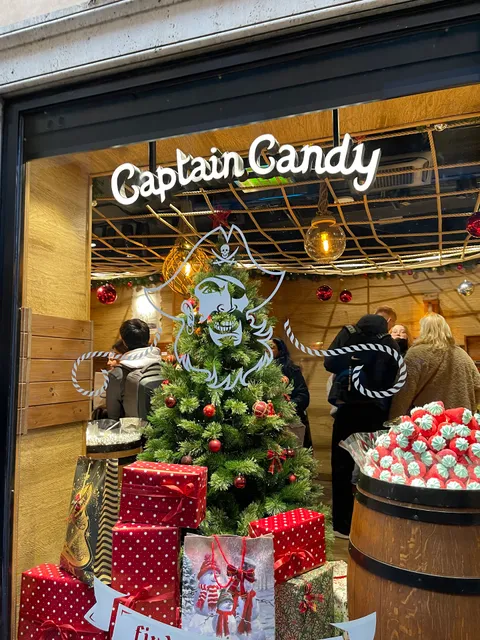
Captain Candy
4.0
(236)
Click for details
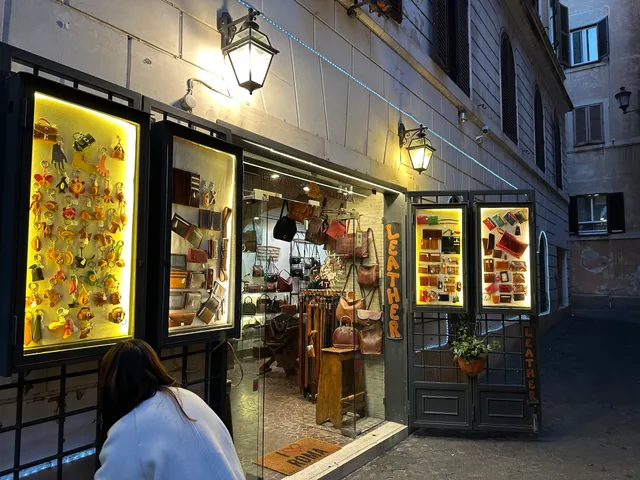
Leather Craftsman
4.6
(256)
Click for details


The hit list

Plan your trip with Wanderboat
Welcome to Wanderboat AI, your AI search for local Eats and Fun, designed to help you explore your city and the world with ease.
Powered by Wanderboat AI trip planner.



