Temples of Apollo Sosiano & Bellona things to do, attractions, restaurants, events info and trip planning
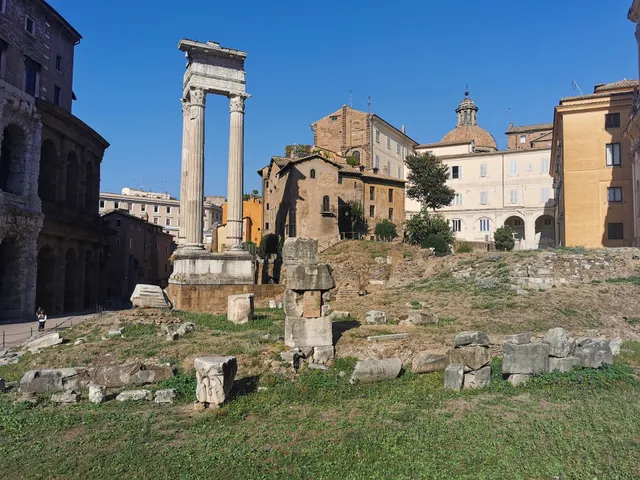
Basic Info
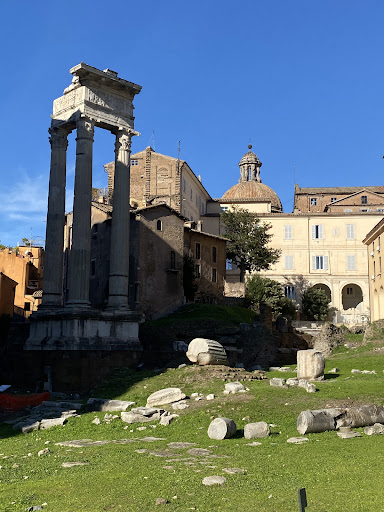
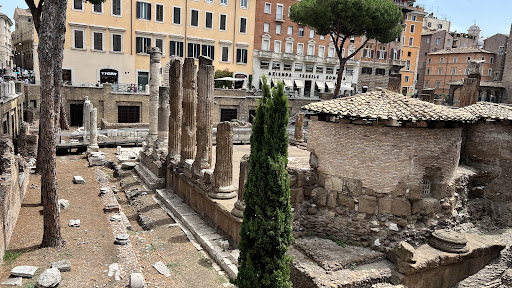
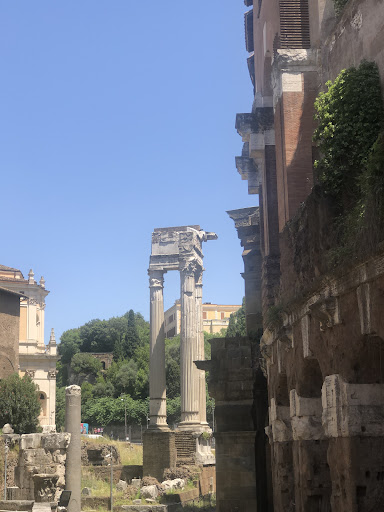
Temples of Apollo Sosiano & Bellona
Via del Teatro di Marcello, 42, 00186 Roma RM, Italy
4.7(128)
Open 24 hours
Save
spot
spot
Ratings & Description
Info
Cultural
Scenic
attractions: Teatro di Marcello, Portico of Octavia, Tempio Maggiore, Jewish Museum, Capitoline Museums, Chiesa di Santa Maria in Portico in Campitelli, Piazza del Campidoglio, Ponte Fabricio, Monument to Victor Emmanuel II, Turtle Fountain, restaurants: Giggetto, BaGhetto Ristorante Kosher-Portico d'Ottavia, Antico caffè del teatro di Marcello, Nonna Betta, Il Giardino Romano, Taverna del Ghetto, Tiberino Ristorante, Ristorante Vecchia Roma, Bona | Pizza Roma [ Portico D'Ottavia ], Antica Trattoria Angelino, local businesses: Food Tours of Rome, laFeltrinelli Books and Music, Calamo, Blanc Mariclo Rome, Novamobili | Veneta Cucine - FATTORINI Roma Centro, Circo Massimo Farmers Market, 104 Pandemonium, Terme di Trastevere - Massage Wellness Center and Spa Rome, Magia a Campo de' Fiori, Souvenir Roma
 Learn more insights from Wanderboat AI.
Phone
+39 06 0608
Plan your stay

Pet-friendly Hotels in Rome
Find a cozy hotel nearby and make it a full experience.

Affordable Hotels in Rome
Find a cozy hotel nearby and make it a full experience.

The Coolest Hotels You Haven't Heard Of (Yet)
Find a cozy hotel nearby and make it a full experience.

Trending Stays Worth the Hype in Rome
Find a cozy hotel nearby and make it a full experience.
Reviews
Live events
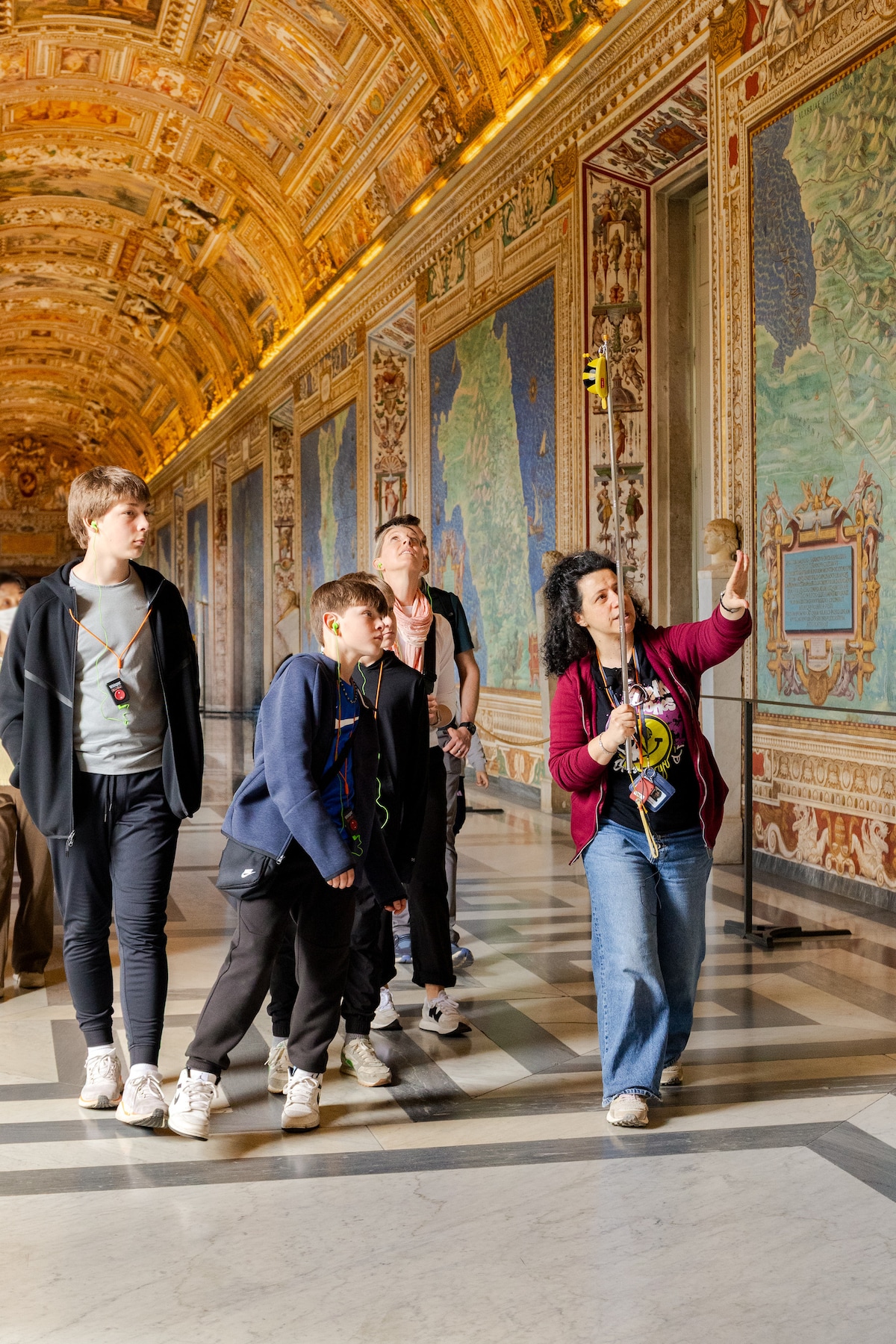
See behind-the-scenes at the Vatican
Thu, Jan 15 • 9:30 AM
00192, Rome, Lazio, Italy
View details
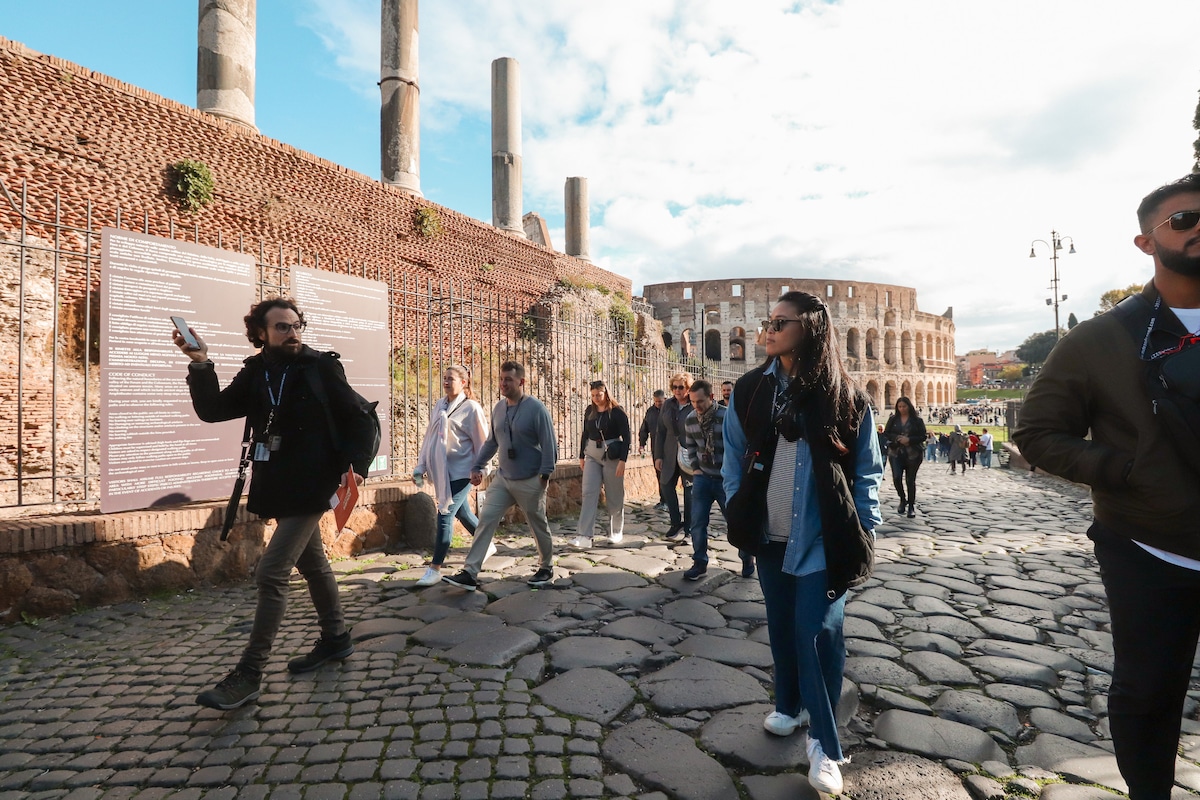
Colosseum, Forum, and Palatine Hill Guided Tour
Thu, Jan 15 • 9:00 AM
00184, Rome, Lazio, Italy
View details
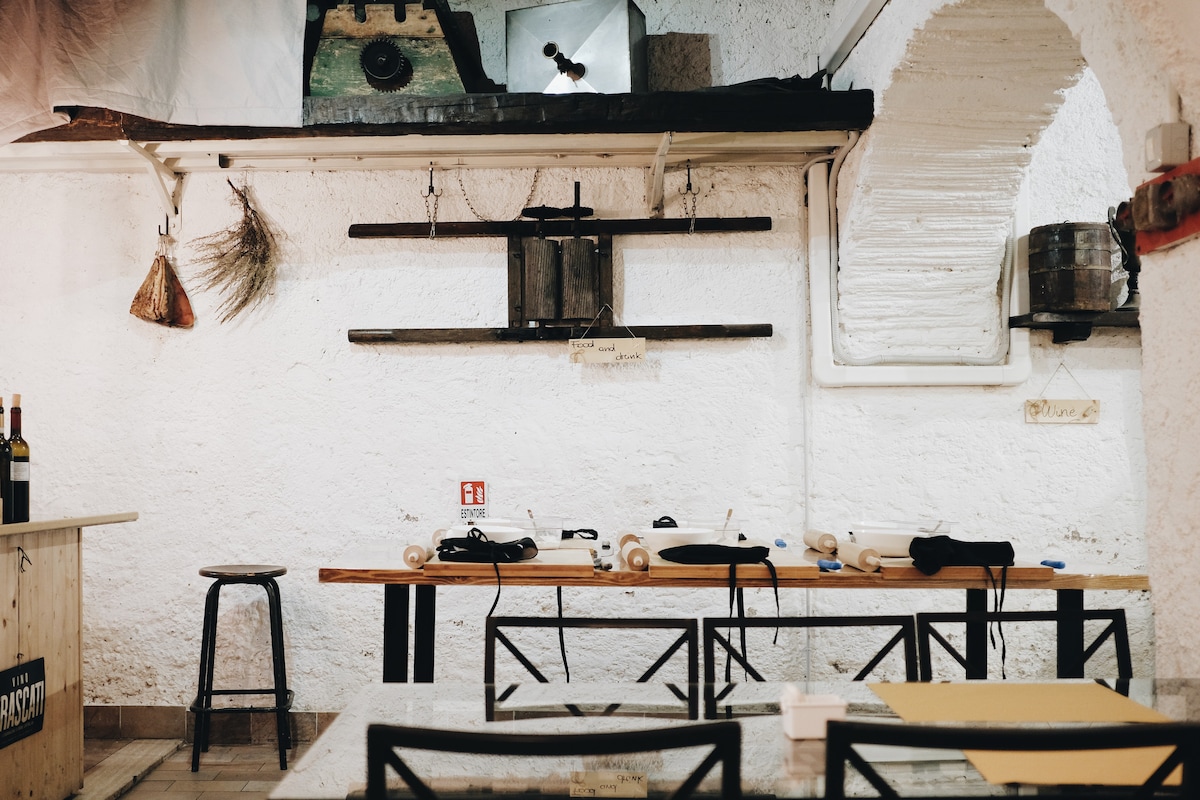
Pasta-making class, wine tasting and dinner
Thu, Jan 15 • 10:30 AM
00044, Frascati, Lazio, Italy
View details
Nearby attractions of Temples of Apollo Sosiano & Bellona
Teatro di Marcello
Portico of Octavia
Tempio Maggiore
Jewish Museum
Capitoline Museums
Chiesa di Santa Maria in Portico in Campitelli
Piazza del Campidoglio
Ponte Fabricio
Monument to Victor Emmanuel II
Turtle Fountain
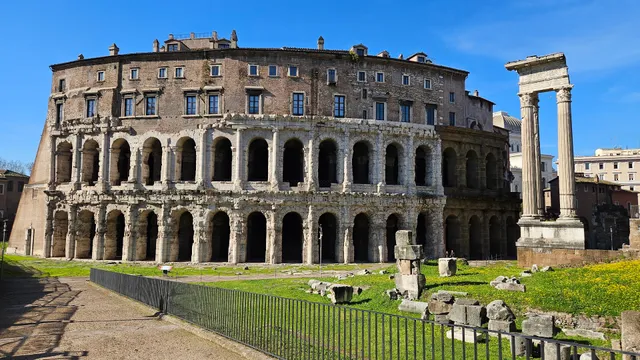
Teatro di Marcello
4.6
(4.5K)
Closed
Click for details
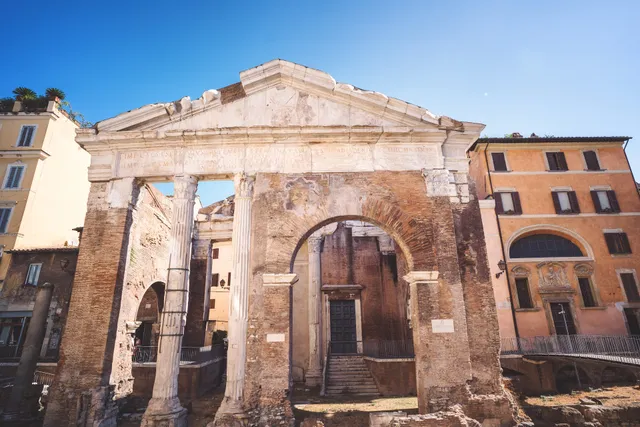
Portico of Octavia
4.7
(1.3K)
Open 24 hours
Click for details
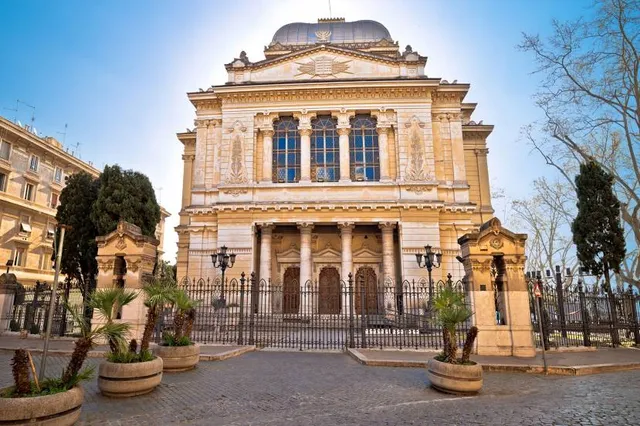
Tempio Maggiore
4.6
(1.7K)
Closed
Click for details
Jewish Museum
4.6
(1.0K)
Open 24 hours
Click for details
Nearby restaurants of Temples of Apollo Sosiano & Bellona
Giggetto
BaGhetto Ristorante Kosher-Portico d'Ottavia
Antico caffè del teatro di Marcello
Nonna Betta
Il Giardino Romano
Taverna del Ghetto
Tiberino Ristorante
Ristorante Vecchia Roma
Bona | Pizza Roma [ Portico D'Ottavia ]
Antica Trattoria Angelino
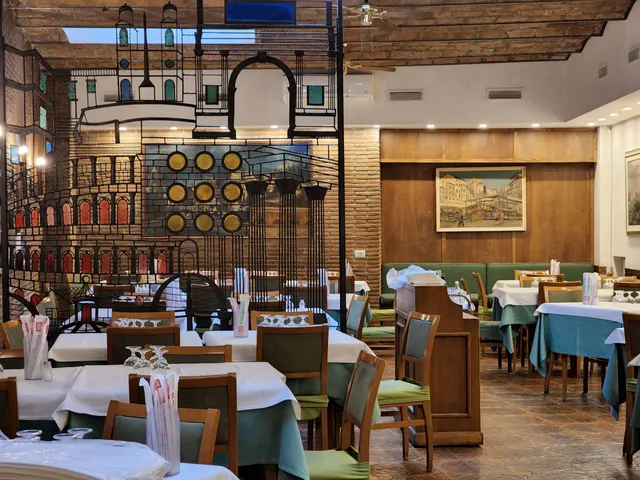
Giggetto
3.9
(2.1K)
Closed
Click for details
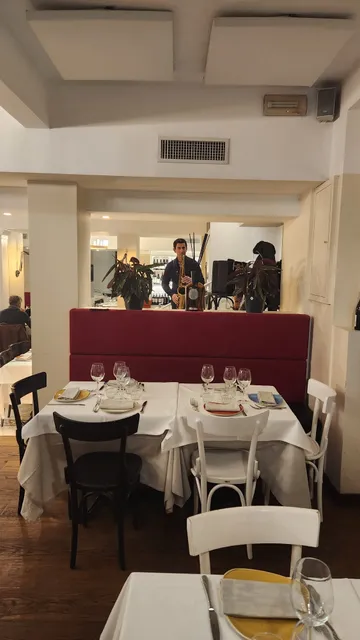
BaGhetto Ristorante Kosher-Portico d'Ottavia
4.0
(2.4K)
Closed
Click for details
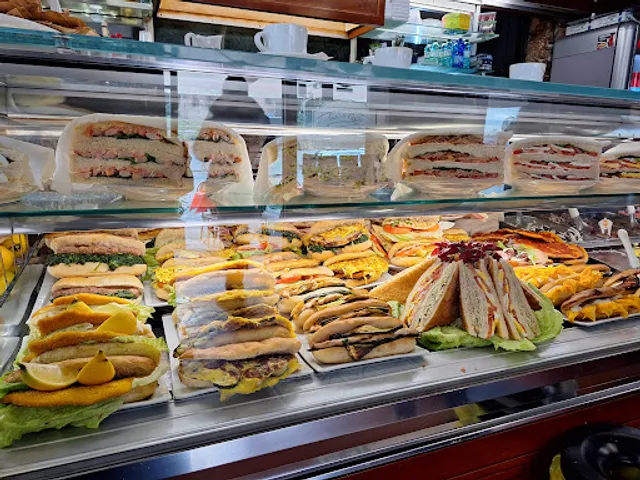
Antico caffè del teatro di Marcello
3.3
(738)
Closed
Click for details
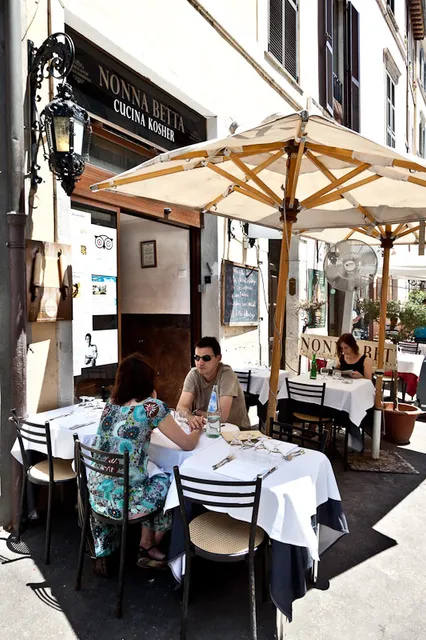
Nonna Betta
4.0
(1.4K)
Open until 12:00 AM
Click for details
Nearby local services of Temples of Apollo Sosiano & Bellona
Food Tours of Rome
laFeltrinelli Books and Music
Calamo
Blanc Mariclo Rome
Novamobili | Veneta Cucine - FATTORINI Roma Centro
Circo Massimo Farmers Market
104 Pandemonium
Terme di Trastevere - Massage Wellness Center and Spa Rome
Magia a Campo de' Fiori
Souvenir Roma
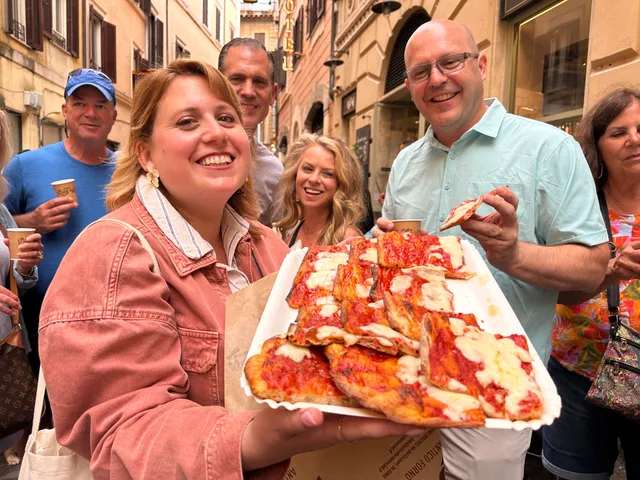
Food Tours of Rome
5.0
(206)
Click for details
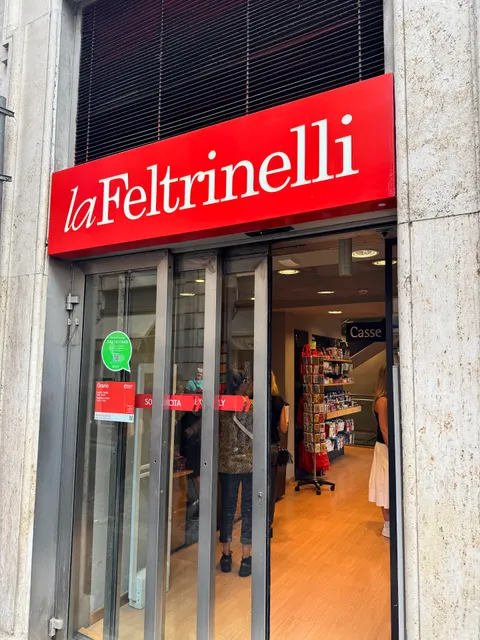
laFeltrinelli Books and Music
4.5
(2.4K)
Click for details
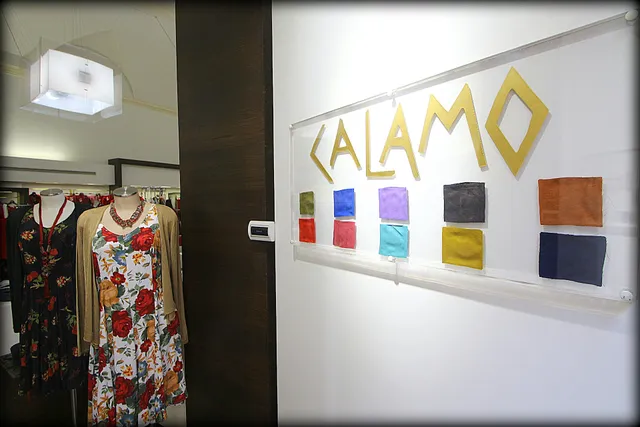
Calamo
4.5
(51)
Click for details
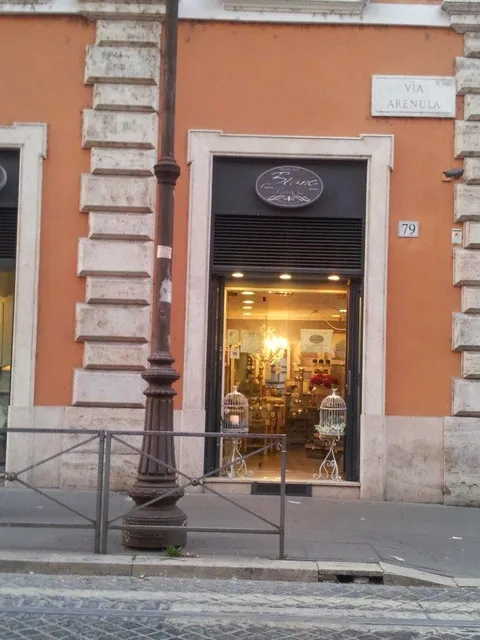
Blanc Mariclo Rome
4.3
(22)
Click for details


The hit list
Plan your trip with Wanderboat
Welcome to Wanderboat AI, your AI search for local Eats and Fun, designed to help you explore your city and the world with ease.
Powered by Wanderboat AI trip planner.