Trinità dei Monti things to do, attractions, restaurants, events info and trip planning
Basic Info
Trinità dei Monti
Piazza della Trinità dei Monti, 3, 00187 Roma RM, Italy
4.6(1.5K)
Closed

tickets
Save
spot
spot
Ratings & Description
Info
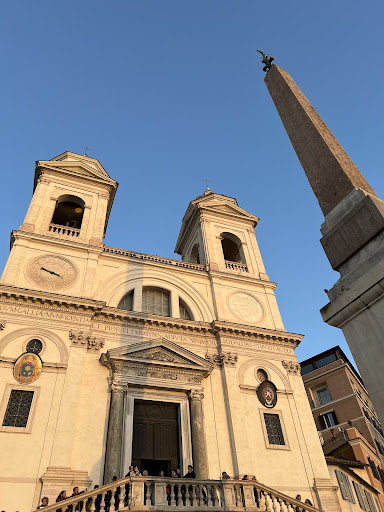
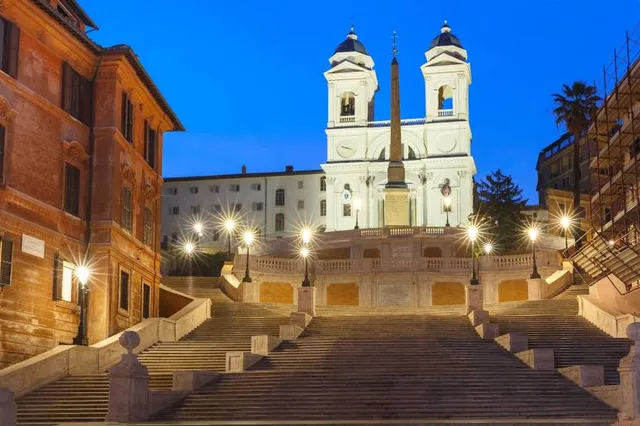
The Church of Santissima Trinità dei Monti, often called simply Trinità dei Monti, is a Roman Catholic late Renaissance titular church in Rome, central Italy. It is best known for its position above the Spanish Steps which lead down to the famous Piazza di Spagna.
Cultural
Outdoor
Accessibility
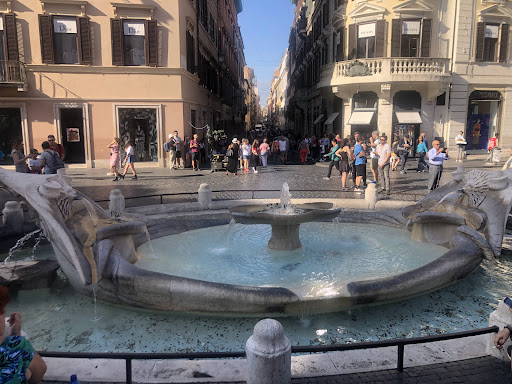
attractions: Spanish Steps, Piazza di Spagna, Fontana della Barcaccia, Sallustian Obelisk, Column of the Immaculate Conception, Villa Medici, The Keats - Shelley House, Piazza della Trinità dei Monti, Trevi Fountain, Giorgio de Chirico House Museum, restaurants: Alla Rampa, Angie’s Restaurant, Babington's tea room, Antico Caffè Greco, Pompi, Ristorante Trinità de' Monti, Imàgo, Pastificio Guerra, Venchi Cioccolato e Gelato, Roma Via della Croce, Piazza di Spagna, Il Gianfornaio - Piazza di Spagna, local businesses: ODStore, Gucci - Roma Flagship, Global Blue - VIP Lounge, RINASCENTE Rome Via del Tritone, Murano Sirius Glass, Vertecchi Roma - Centro storico, BVLGARI, Via dei Condotti, Hogan, De La Ville Spa
 Learn more insights from Wanderboat AI.
Phone
+39 06 679 4179
Website
trinitadeimonti.net
Open hoursSee all hours
Wed12 - 7:45 PMClosed
Plan your stay

Pet-friendly Hotels in Rome
Find a cozy hotel nearby and make it a full experience.

Affordable Hotels in Rome
Find a cozy hotel nearby and make it a full experience.

The Coolest Hotels You Haven't Heard Of (Yet)
Find a cozy hotel nearby and make it a full experience.

Trending Stays Worth the Hype in Rome
Find a cozy hotel nearby and make it a full experience.
Reviews
Live events
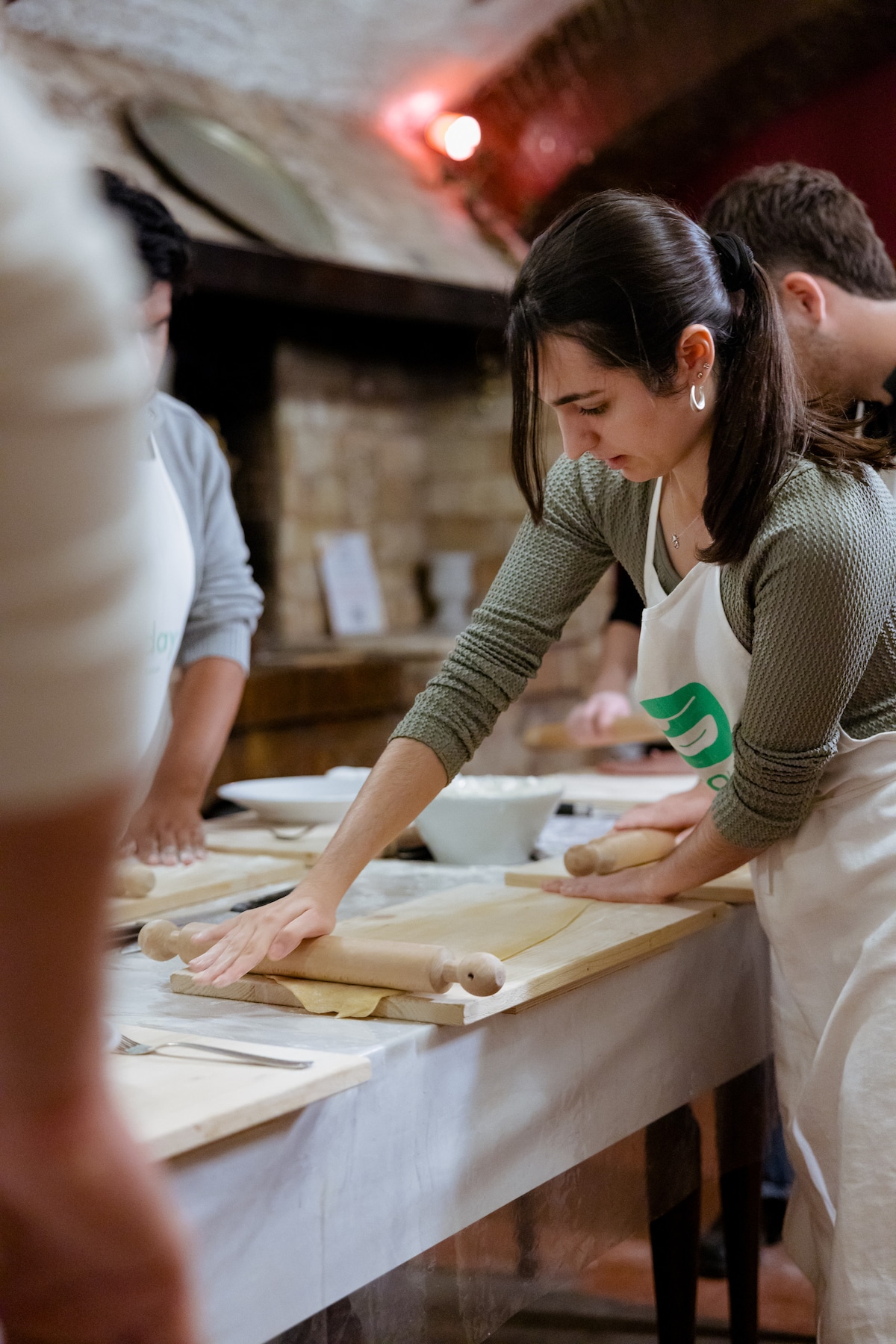
Make handmade fettuccine and tiramisu with a local
Wed, Feb 25 • 10:15 AM
00187, Rome, Lazio, Italy
View details
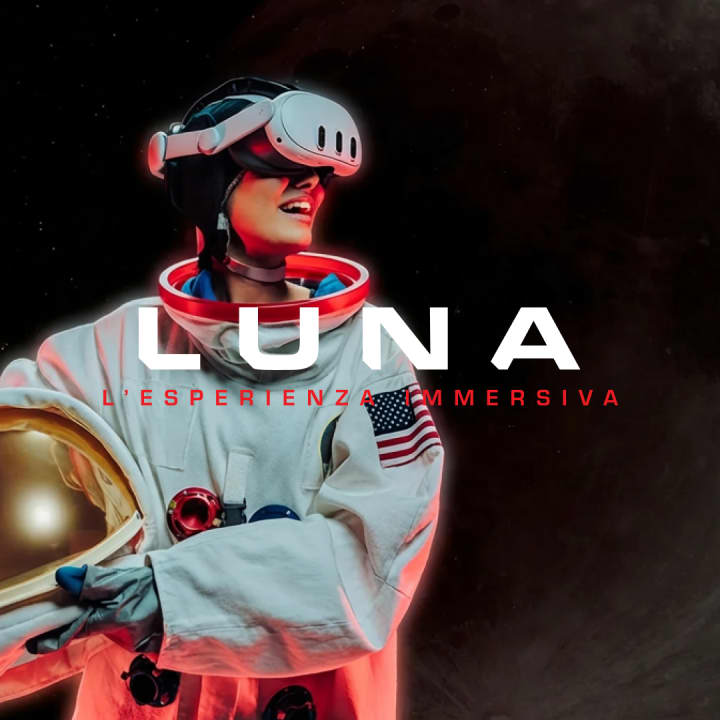
LUNA: A Journey to the Moon – un’esperienza immersiva in realtà virtuale a Roma
Wed, Feb 25 • 4:00 PM
Via Trionfale, 7400, Roma, 00136
View details

Passioni, simpatia e convenzioni: la natura umana in Hume e Darwin
Thu, Feb 26 • 6:00 PM
Via Plebiscito 118 00186 Roma
View details
Nearby attractions of Trinità dei Monti
Spanish Steps
Piazza di Spagna
Fontana della Barcaccia
Sallustian Obelisk
Column of the Immaculate Conception
Villa Medici
The Keats - Shelley House
Piazza della Trinità dei Monti
Trevi Fountain
Giorgio de Chirico House Museum
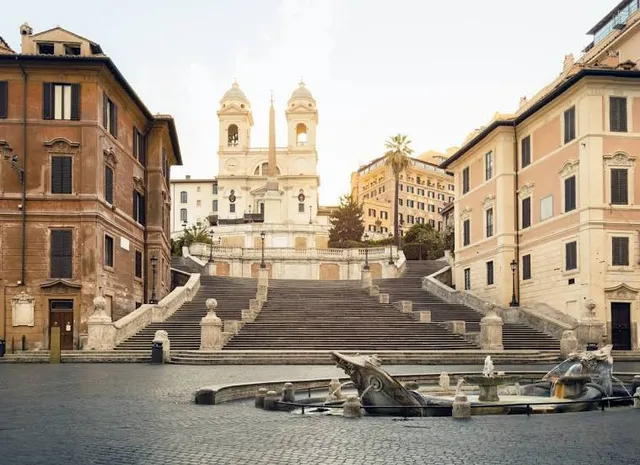
Spanish Steps
4.6
(35.2K)
Open 24 hours
Click for details
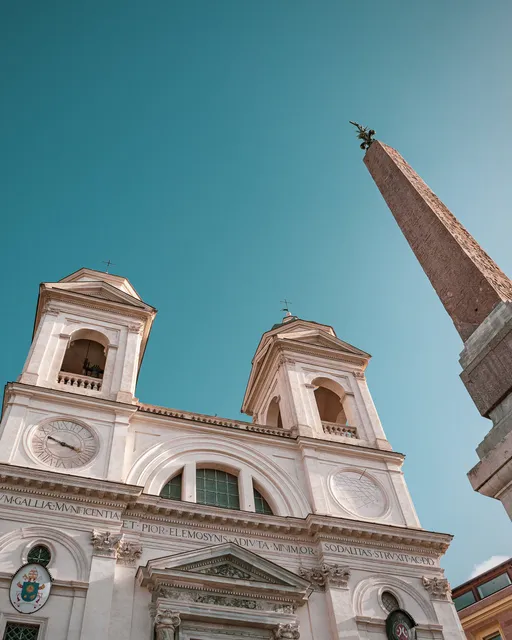
Piazza di Spagna
4.7
(47.2K)
Open until 12:00 AM
Click for details
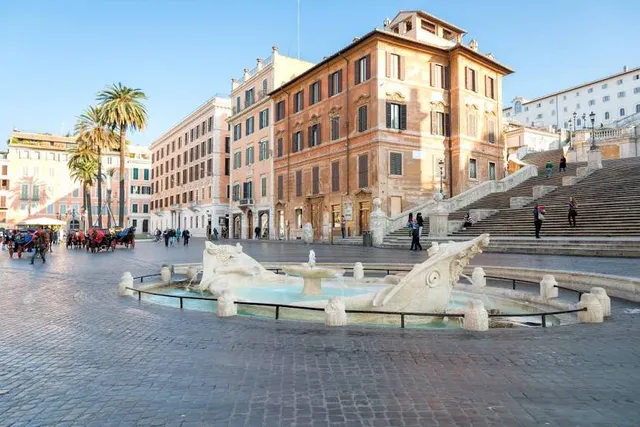
Fontana della Barcaccia
4.7
(1.2K)
Open until 12:00 AM
Click for details
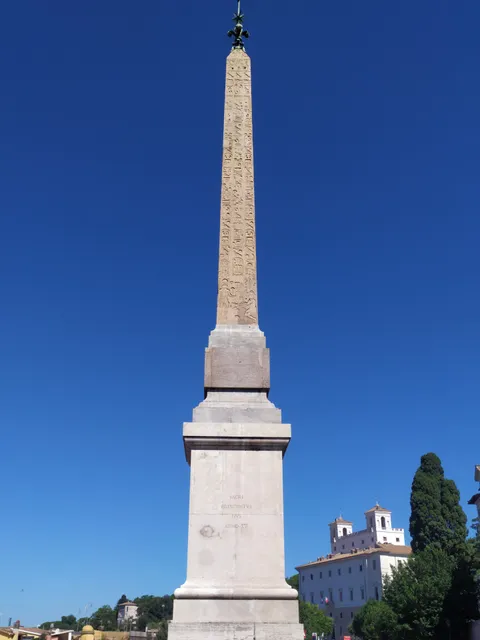
Sallustian Obelisk
4.5
(229)
Open until 12:00 AM
Click for details
Nearby restaurants of Trinità dei Monti
Alla Rampa
Angie’s Restaurant
Babington's tea room
Antico Caffè Greco
Pompi
Ristorante Trinità de' Monti
Imàgo
Pastificio Guerra
Venchi Cioccolato e Gelato, Roma Via della Croce, Piazza di Spagna
Il Gianfornaio - Piazza di Spagna
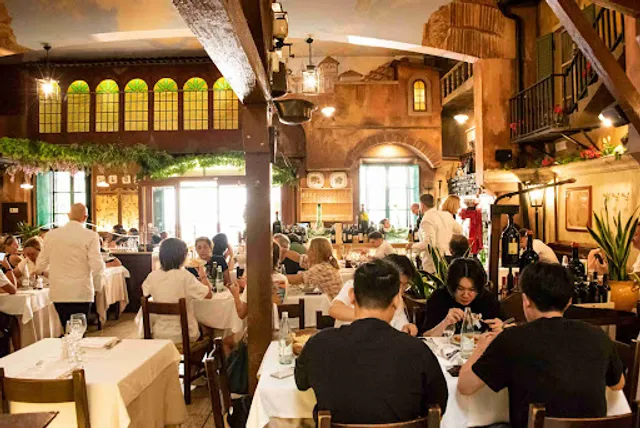
Alla Rampa
4.4
(3K)
$$
Closed
Click for details
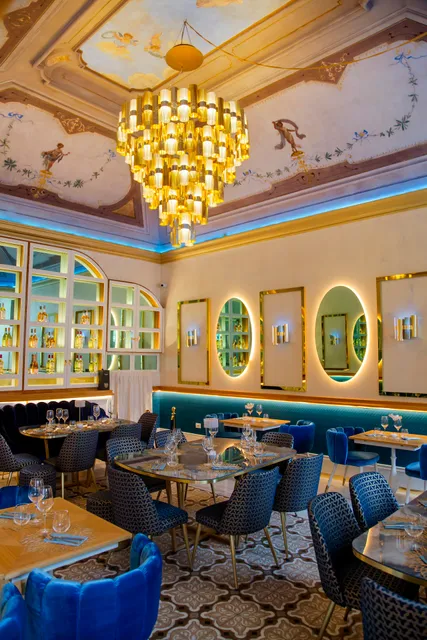
Angie’s Restaurant
4.6
(1.5K)
Closed
Click for details
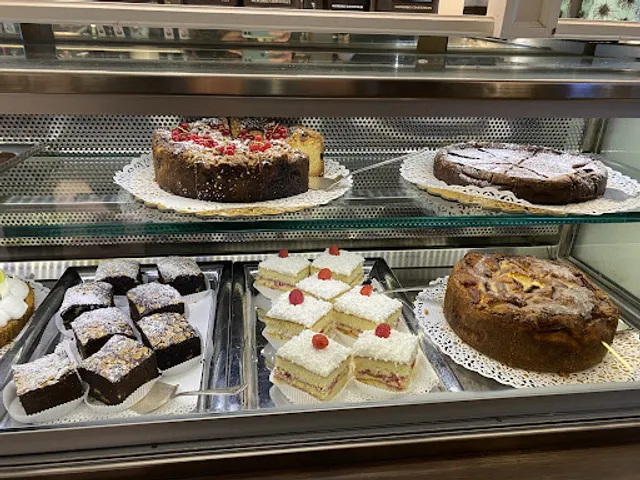
Babington's tea room
4.1
(651)
$$$$
Closed
Click for details
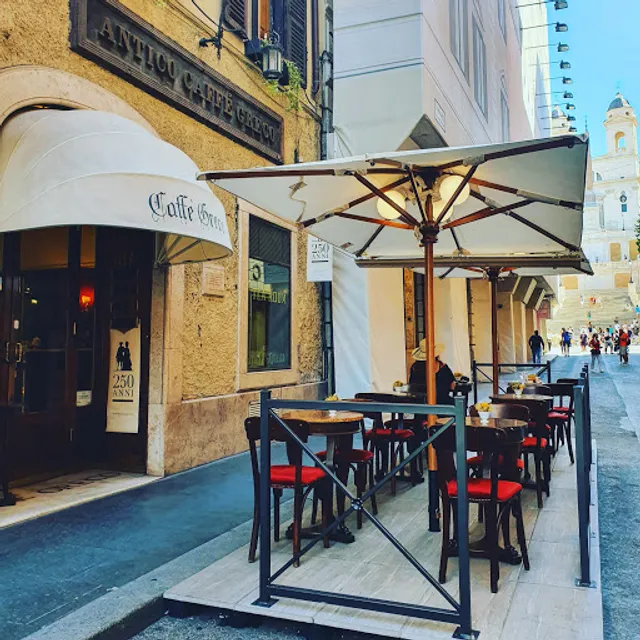
Antico Caffè Greco
3.9
(1.8K)
Click for details
Nearby local services of Trinità dei Monti
ODStore
Gucci - Roma Flagship
Global Blue - VIP Lounge
RINASCENTE Rome Via del Tritone
Murano Sirius Glass
Vertecchi Roma - Centro storico
BVLGARI
Via dei Condotti
Hogan
De La Ville Spa
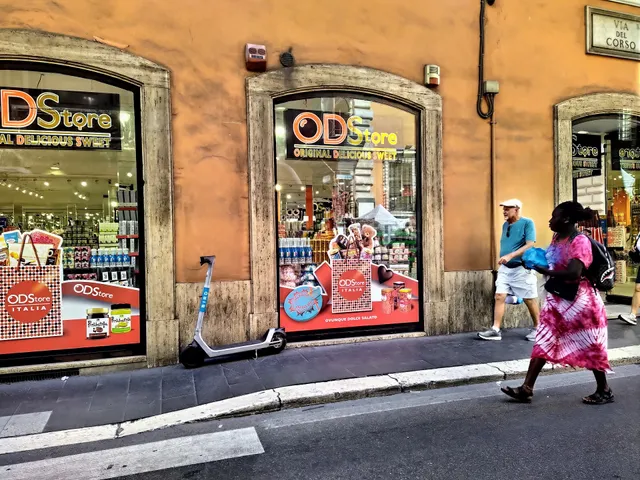
ODStore
4.3
(336)
Click for details
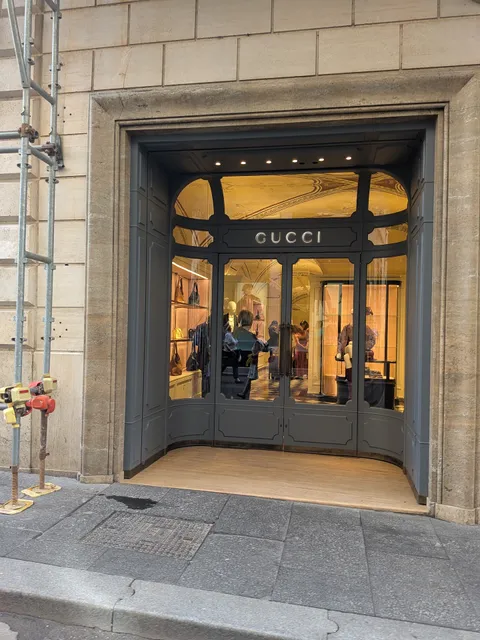
Gucci - Roma Flagship
4.3
(464)
Click for details
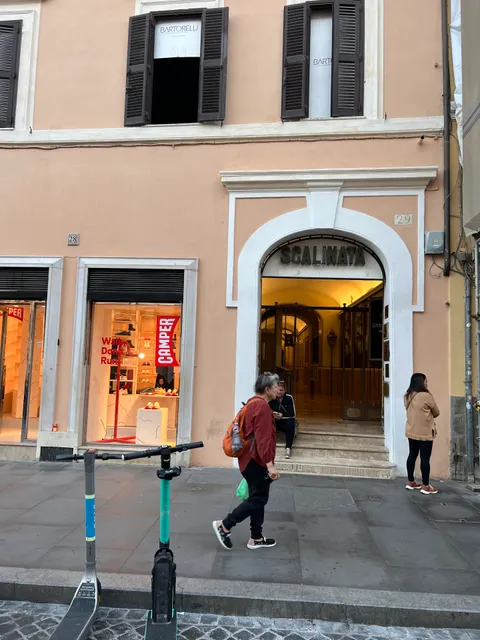
Global Blue - VIP Lounge
3.8
(165)
Click for details
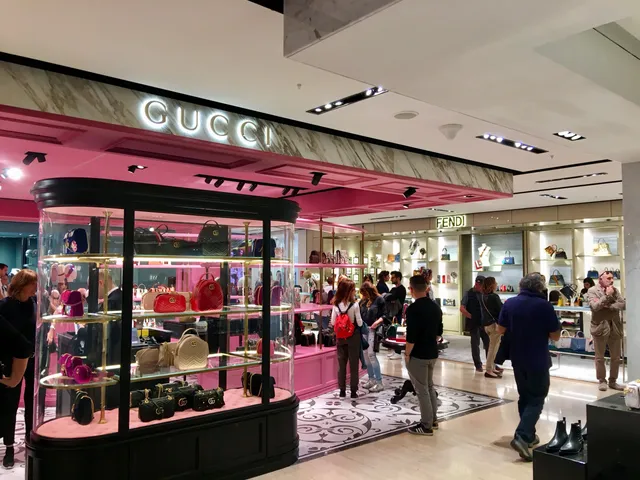
RINASCENTE Rome Via del Tritone
4.4
(6.1K)
Click for details


The hit list
Plan your trip with Wanderboat
Welcome to Wanderboat AI, your AI search for local Eats and Fun, designed to help you explore your city and the world with ease.
Powered by Wanderboat AI trip planner.