HTML SitemapExplore
logo
Find Things to DoFind The Best Restaurants

Via Sacra — Attraction in Rome

Name
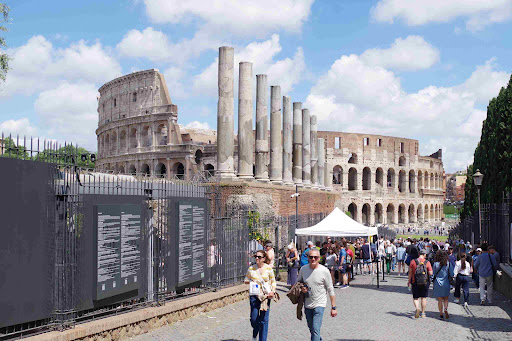
Via Sacra
Description
Nearby attractions
Colosseum
Piazza del Colosseo, 1, 00184 Roma RM, Italy
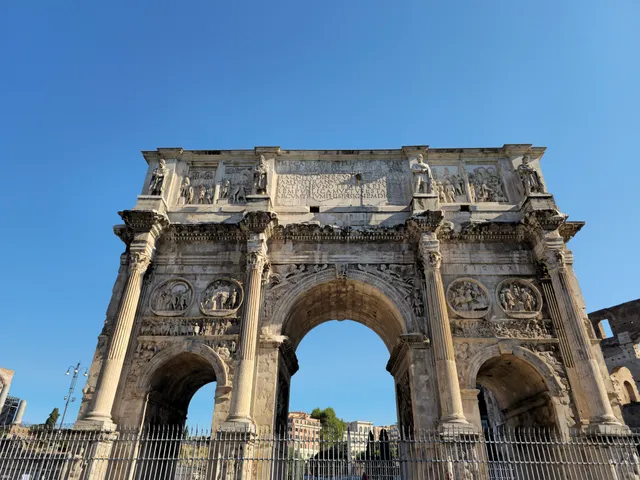
Arch of Constantine
Piazza del Colosseo, 00184 Roma RM, Italy
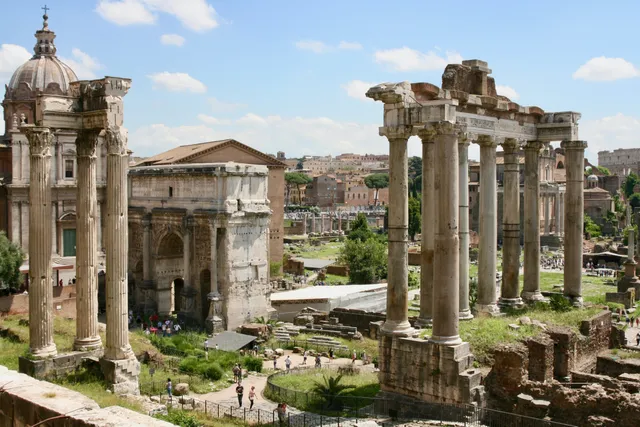
Roman Forum
00186 Rome, Metropolitan City of Rome Capital, Italy
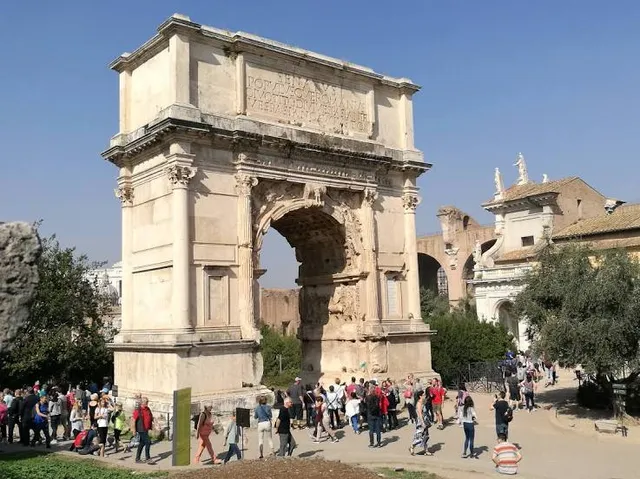
Arch of Titus
Via Sacra, 00186 Roma RM, Italy
Temple of Venus and Rome
Piazza di Santa Maria Nova, 53, 00186 Roma RM, Italy
Basilica di Santa Francesca Romana
Piazza di Santa Francesca Romana, 4, 00186 Roma RM, Italy
Parco archeologico del Colosseo
Piazza S. Maria Nova, 53, 00186 Roma RM, Italy
Santi Cosma e Damiano
Via dei Fori Imperiali, 1, 00186 Roma RM, Italy
Basilica of Maxentius
Clivo di Venere Felice, 00186 Roma RM, Italy
Meta sudans
00186 Rome, Metropolitan City of Rome Capital, Italy
Nearby restaurants
La Nuova Piazzetta
Vicolo del Buon Consiglio, 23/a, 00184 Roma RM, Italy
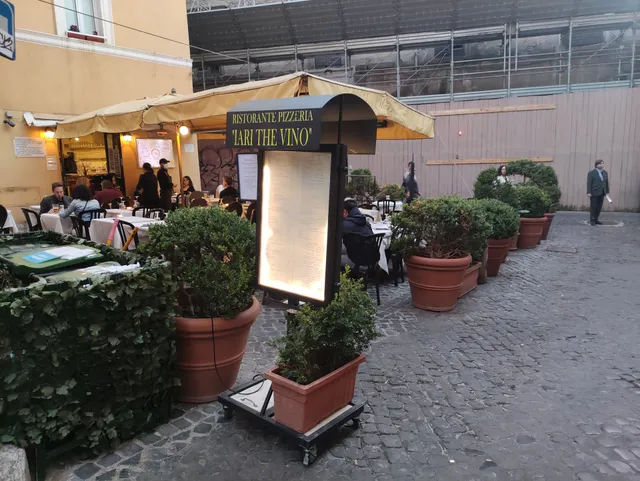
Iari The Vino
Via Frangipane, 27, 00184 Roma RM, Italy
Angelino "ai Fori" dal 1947
Largo Corrado Ricci, 40, Via dei Fori Imperiali, 25/42 43, 00184 Roma RM, Italy
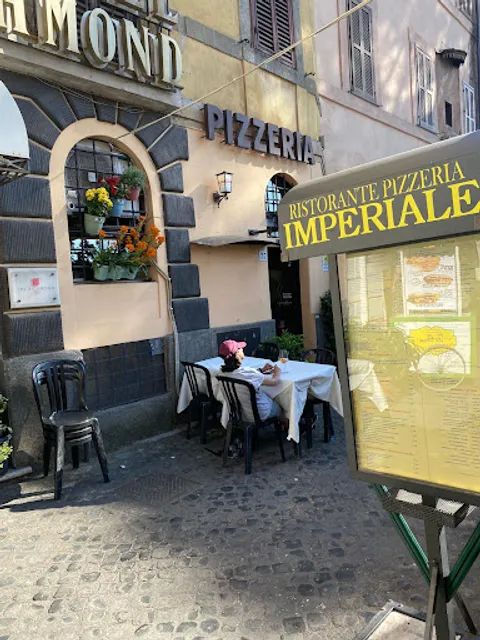
Ristorante Pizzeria Imperiale
Largo Corrado Ricci, 37, 00184 Roma RM, Italy
Ristoro Della Salute
Piazza del Colosseo, 2A, 00184 Roma RM, Italy
Il Giardino ai Fori
Largo Corrado Ricci, 37A, 00184 Roma RM, Italy
La Prezzemolina
Via del Colosseo, 1 E/F, 00184 Roma RM, Italy
Oppio Caffè
Via delle Terme di Tito, 72, 00184 Roma RM, Italy
OSTERIA DA SAMU
Via del Colosseo, 72, 00184 Roma RM, Italy
La Base Ristorante
Via Cavour, 272, 00185 Roma RM, Italy
Nearby hotels
Palm Suite
Via del Colosseo, 20, 00184 Roma RM, Italy
Hotel Fori Imperiali Cavalieri
Via Frangipane, 34, 00184 Roma RM, Italy
Hotel Romano
Largo Corrado Ricci, 32, 00184 Roma RM, Italy
Hotel Labelle
Via Cavour, 310, 00184 Roma RM, Italy
Hotel Forum
Via Tor de' Conti, 25-30, 00184 Roma RM, Italy
Colosseo Panoramic Rooms
Via Nicola Salvi, 68, 00184 Roma RM, Italy
Domus Real Cardello
Via del Cardello, 14, 00184 Roma RM, Italy
Residenze Argileto
Via della Madonna dei Monti, 108, 00184 Roma RM, Italy
Colosseum Corner
Via del Monte Oppio, 12, 00184 Roma RM, Italy
Grand Hotel Palatino
Via Cavour, 213/M, 00184 Roma RM, Italy
Related posts
Keywords
Via Sacra tourism.Via Sacra hotels.Via Sacra bed and breakfast. flights to Via Sacra.Via Sacra attractions.Via Sacra restaurants.Via Sacra travel.Via Sacra travel guide.Via Sacra travel blog.Via Sacra pictures.Via Sacra photos.Via Sacra travel tips.Via Sacra maps.Via Sacra things to do.
Via Sacra things to do, attractions, restaurants, events info and trip planning
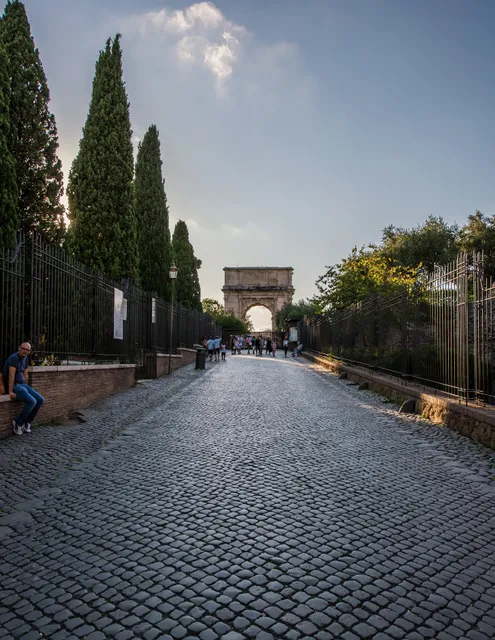
Via Sacra
ItalyLazioRomeVia Sacra

Basic Info

Via Sacra

Via Sacra, 00186 Roma RM, Italy
4.7(203)
Open until 12:00 AM
Save
spot

Ratings & Description

Info

Cultural
Scenic
Outdoor
Family friendly
attractions: Colosseum, Arch of Constantine, Roman Forum, Arch of Titus, Temple of Venus and Rome, Basilica di Santa Francesca Romana, Parco archeologico del Colosseo, Santi Cosma e Damiano, Basilica of Maxentius, Meta sudans, restaurants: La Nuova Piazzetta, Iari The Vino, Angelino "ai Fori" dal 1947, Ristorante Pizzeria Imperiale, Ristoro Della Salute, Il Giardino ai Fori, La Prezzemolina, Oppio Caffè, OSTERIA DA SAMU, La Base Ristorante
logoLearn more insights from Wanderboat AI.
Phone
+39 06 6998 4443
Website
colosseo.it
Open hoursSee all hours
FriOpen 24 hoursOpen

Plan your stay

hotel
Pet-friendly Hotels in Rome
Find a cozy hotel nearby and make it a full experience.

hotel
Affordable Hotels in Rome
Find a cozy hotel nearby and make it a full experience.

hotel
The Coolest Hotels You Haven't Heard Of (Yet)
Find a cozy hotel nearby and make it a full experience.

hotel
Trending Stays Worth the Hype in Rome
Find a cozy hotel nearby and make it a full experience.

Reviews

Nearby attractions of Via Sacra

Colosseum

Arch of Constantine

Roman Forum

Arch of Titus

Temple of Venus and Rome

Basilica di Santa Francesca Romana

Parco archeologico del Colosseo

Santi Cosma e Damiano

Basilica of Maxentius

Meta sudans
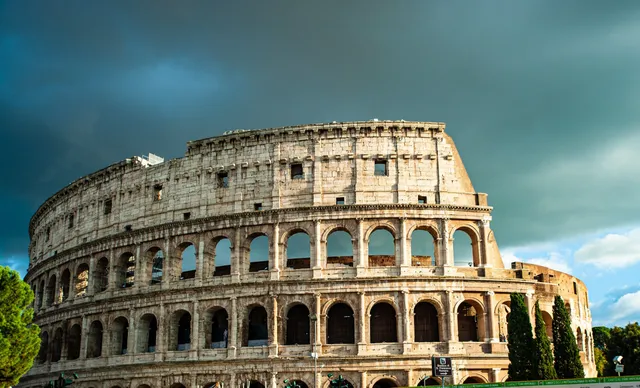
Colosseum

Colosseum

4.8

(134.8K)

Open 24 hours
Click for details
Arch of Constantine

Arch of Constantine

4.7

(2.9K)

Open 24 hours
Click for details
Roman Forum

Roman Forum

4.8

(44.8K)

Open 24 hours
Click for details
Arch of Titus

Arch of Titus

4.7

(1.2K)

Open 24 hours
Click for details

Things to do nearby

Catacombs: The Coolest Underground Tour in Rome
Fri, Dec 5 • 3:00 PM
00147, Rome, Lazio, Italy
View details
Pasta-making class, wine tasting and dinner
Fri, Dec 5 • 3:30 PM
00044, Frascati, Lazio, Italy
View details
Pasta and Pizza cooking class with wine and more
Sun, Dec 7 • 10:30 AM
00142, Rome, Lazio, Italy
View details

Nearby restaurants of Via Sacra

La Nuova Piazzetta

Iari The Vino

Angelino "ai Fori" dal 1947

Ristorante Pizzeria Imperiale

Ristoro Della Salute

Il Giardino ai Fori

La Prezzemolina

Oppio Caffè

OSTERIA DA SAMU

La Base Ristorante
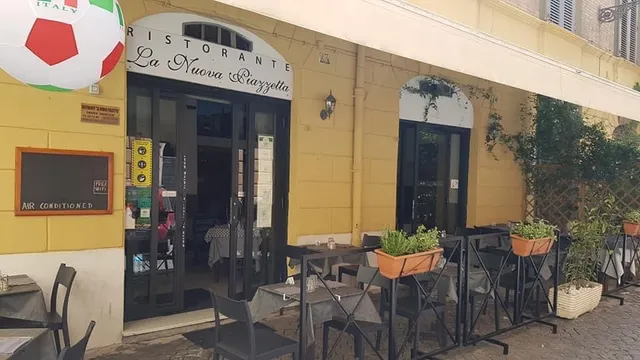
La Nuova Piazzetta

La Nuova Piazzetta

4.8

(15.4K)

$$

Click for details
Iari The Vino

Iari The Vino

4.7

(3.8K)

Click for details
Angelino "ai Fori" dal 1947

Angelino "ai Fori" dal 1947

4.5

(4.4K)

$$

Click for details
Ristorante Pizzeria Imperiale

Ristorante Pizzeria Imperiale

4.6

(4.3K)

$$

Click for details
Get the Appoverlay
Get the AppOne tap to find yournext favorite spots!

The hit list

restaurant
Best 10 Restaurants to Visit in Rome
February 12 · 5 min read
attraction
Best 10 Attractions to Visit in Rome
February 12 · 5 min read
Rome

Plan your trip with Wanderboat

Welcome to Wanderboat AI, your AI search for local Eats and Fun, designed to help you explore your city and the world with ease.

Powered by Wanderboat AI trip planner.
Wanderboat LogoWanderboat

Your everyday Al companion for getaway ideas

CompanyAbout Us
InformationAI Trip PlannerSitemap
SocialXInstagramTiktokLinkedin
LegalTerms of ServicePrivacy Policy

Get the app

© 2025 Wanderboat. All rights reserved.
logo

Reviews of Via Sacra

4.7
(203)
avatar
5.0
2y

La via Sacra è l'asse stradale più importante e più antico della valle del Foro, a Roma, così chiamato dopo che Romolo e Tito Tazio vi ebbero firmato la pace della guerra, causata dal Ratto delle Sabine. In età regia era un percorso sacro che collegava la Regia, il Comizio e l'Arx Capitolina. Il tratto dalla Velia alla Regia si chiamava Sacra via summa. Il percorso, monumentalizzato in età imperiale, anche a seguito di vari incendi, fu più volte regolarizzato e in alcuni tratti forse modificato. L'appellativo Via indicava che in principio la strada era esterna alla città, e quindi al Palatino, e che solo successivamente venne inglobata nel pomerium. Il percorso più antico collegava infatti il nucleo Veliense del primitivo insediamento con la valle del Foro e con la vetta dell'Arx sul Campidoglio. A sostegno di questa ipotesi, delle indicazioni di Varrone e Festo, portano a pensare che la Via fosse non quella che costeggia la Basilica Giulia, nel foro romano, ma quella più esterna che costeggiava la basilica Fulvia-Emilia per giungere al Comizio e all'Arx. L'appellativo sacra può riferirsi a diversi aspetti. La via aveva e mantenne un importante ruolo cerimoniale per l'investitura del potere in quasi tutta la storia di Roma antica. Era la via per le cerimonie sacre e gli atti augurali portati a termine sull'Arx Capitolina. Secondo una leggenda, la Via, assunse invece l'epiteto di Sacra poiché qui Romolo e Tito Tazio si riappacificarono sancendo il patto con dei sacrifici agli dei. Secondo un'altra teoria la strada assunse questo nome perché conduceva dal Rex sacrorum alla Regia, oltre al fatto che molti santuari erano accessibili da essa. Il percorso della Via Sacra nel periodo compreso tra la fine della Repubblica e l'inizio dell'impero, cioè prima dell'incendio di Nerone, ci viene descritto dalle fonti, in primo luogo Varrone, che ci dice che l'antico nome della via si è conservato solo nel tratto che collega il foro all'Arx Capitolina. Lasciando ad intendere che la parte superiore del percorso, quello che portava alla Velia aveva perso il suo nome e forse anche la sua importanza. La pavimentazione attuale è di epoca augustea, rialzata rispetto a quella originale di epoca regia. Il tracciato della via Sacra solca interamente la valle su cui successivamente andò a costituirsi il Foro Romano. La zona solcata dalla via Sacra venne destinata al commercio e ai culti e bonificata con la costruzione della Cloaca Massima da parte di Tarquinio Prisco o Tarquinio il Superbo. L'area venne scelta da alcuni dei primi re di Roma per costruire le proprie abitazioni: oltre al già citato Tarquinio il Superbo anche Numa Pompilio e Anco Marzio, secondo la leggenda, ebbero una dimora in questo luogo. In epoca repubblicana invece vi abitarono importante gentes, tra cui gli Scipioni, i Domizi, i Valeri e gli Ottavi. In epoca imperiale perse la funzione di zona residenziale e ai suoi lati si insediarono esercizi commerciali, che lasciarono spazio a partire dal I secolo ad edifici monumentali quali il tempio della Pace, sulle cui rovine verrà costruita nel IV secolo la Basilica di Massenzio, il tempio di Antonino e Faustina, il tempio di Venere e Roma, che occupò totalmente la Velia, e il tempio del Divo Romolo. Sulla via si affacciavano anche il tempio di Vesta e il santuario dei Lari e dei Penati, andato perduto. Alcune chiese sorte nell'area del foro, tra cui la basilica dei Santi Cosma e Damiano che aveva riutilizzato il tempio di Romolo come vestibolo e la chiesa dei Santi Pietro e Paolo, ora scomparsa, mantennero il titolo 'in sacra via' fino al Medioevo. La strada, oltre a collegare il Palatino con il Campidoglio, era di grande monumentalità. Lungo questa via sfilavano infatti i carri del trionfo, dall'area dell'Arco di Tito, dove la via ha tutt'oggi inizio, sino all'Arco di Settimio Severo. Queste sfilate venivano concesse dal Senato a quei generali che si erano distinti durante le campagne militari. Veniva inoltre utilizzata durante le...

   Read more
avatar
5.0
1y

The Via Sacra is the most important and oldest road axis of the Foro valley, in Rome, which lead travellers and citizens into the main center of business, known as the Forum. It was also used to establish the religious faith of Roman people to any newcomers, by displaying their temples at the Forum’s entrance. The street hosted celebrations for Roman victories, with triumphal marches following any war conquests. In the royal age it was a sacred path that connected the Regia, the Comitium and the Arx Capitolina. As part of his rebuilding program following the fire, Nero essentially straightened the road by redirecting it between the Velian and Palatine Hills, creating grand colonnades on either side for shop stalls and commerce. In the Republican era they lived along the Via Sacra nobilis, including the Scipioni, the Domiti, the Valeri and...

   Read more
avatar
5.0
2y

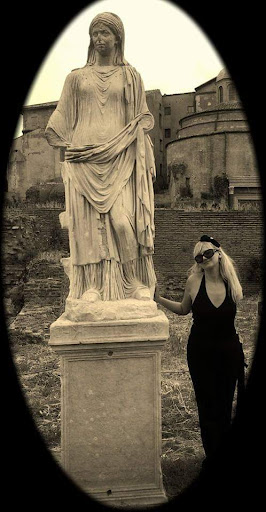
World Heritage, Rome's Empire Heart: Via Sacra It represents the centre of the religious and civil power of the Empire and the celebration of Emperors' reign , as it is the most beautiful and important street of ancient Rome, rich in temples and monuments and the Curia Iulia: law, politics and culture debate of the senators of ancient Rome. At the highest point of the Capitol Hill you can admire the direction of the victorious triumph of the Roman conquerors from the Colosseum through the Arch of Titus past the House of the Vestals to the Capitol of today's capital Rome. My greatest remembrance as cinema documentary short film director was the "Vestals' House" as you may see marble statues living even today as real women in their eternity beauty and culture. Alexandra d'Epiro...

   Read more
Page 1 of 7
Previous
Next

Posts

antonios varzakisantonios varzakis
The Via Sacra is the most important and oldest road axis of the Foro valley, in Rome, which lead travellers and citizens into the main center of business, known as the Forum. It was also used to establish the religious faith of Roman people to any newcomers, by displaying their temples at the Forum’s entrance. The street hosted celebrations for Roman victories, with triumphal marches following any war conquests. In the royal age it was a sacred path that connected the Regia, the Comitium and the Arx Capitolina. As part of his rebuilding program following the fire, Nero essentially straightened the road by redirecting it between the Velian and Palatine Hills, creating grand colonnades on either side for shop stalls and commerce. In the Republican era they lived along the Via Sacra nobilis, including the Scipioni, the Domiti, the Valeri and the Eightess.
Alexandra d'Epiro Dusmet de BeaulieuAlexandra d'Epiro Dusmet de Beaulieu
World Heritage, Rome's Empire Heart: Via Sacra It represents the centre of the religious and civil power of the Empire and the celebration of Emperors' reign , as it is the most beautiful and important street of ancient Rome, rich in temples and monuments and the Curia Iulia: law, politics and culture debate of the senators of ancient Rome. At the highest point of the Capitol Hill you can admire the direction of the victorious triumph of the Roman conquerors from the Colosseum through the Arch of Titus past the House of the Vestals to the Capitol of today's capital Rome. My greatest remembrance as cinema documentary short film director was the "Vestals' House" as you may see marble statues living even today as real women in their eternity beauty and culture. Alexandra d'Epiro Dusmet de Beaulieu
Roberto CecchiniRoberto Cecchini
Si tratta di una specie di biglietto da visita per l'ingresso al foro essendo l'asse viario più importante e antico del Foro Romano stesso che venne chiamato così secondo la tradizione dopo la pace stipulata tra Romolo e Tito Tazio a seguito della guerra iniziata a causa del “Ratto delle Sabine” (il rapimento delle donne sabine per farne delle spose per i latini). La percorrerete se provenite dal Colosseo ma il tracciato è ancora incerto. Questa via in età regia - quando venne costituita - doveva connettere il Comitium (ovvero il centro politico di Roma), la dimora dei re e l’Arx (la cima nord del Campidoglio dove ora ci sono le due scalinate). La ricostruzione del percorso costituisce comunque un problema aperto e un argomento molto dibattuto e controverso essendo numerose e profonde le trasformazioni urbanistiche, avvenute nel corso dei secoli nella città e che hanno modificato ripetutamente gli assi viari e anche il tracciato di questa strada (che secondo alcuni iniziava all'altezza del tempio di Romolo e del Tempio delle vestali). Oggi ne vediamo buoni tratti ben conservati e comunque sono solo per tutti un camminamento tra le meraviglie del foro ma invito tutti ad approfondirne il significato e arrivare fino in fondo al foro, sotto il Campidoglio, dove esistono monumenti importantissimi per la nascita di Roma. Utili info? Allora lasciate un like e guardate le altre recensioni fatte su Roma e non solo.
See more posts
See more posts
hotel
Find your stay

Pet-friendly Hotels in Rome

Find a cozy hotel nearby and make it a full experience.

The Via Sacra is the most important and oldest road axis of the Foro valley, in Rome, which lead travellers and citizens into the main center of business, known as the Forum. It was also used to establish the religious faith of Roman people to any newcomers, by displaying their temples at the Forum’s entrance. The street hosted celebrations for Roman victories, with triumphal marches following any war conquests. In the royal age it was a sacred path that connected the Regia, the Comitium and the Arx Capitolina. As part of his rebuilding program following the fire, Nero essentially straightened the road by redirecting it between the Velian and Palatine Hills, creating grand colonnades on either side for shop stalls and commerce. In the Republican era they lived along the Via Sacra nobilis, including the Scipioni, the Domiti, the Valeri and the Eightess.
antonios varzakis

antonios varzakis

hotel
Find your stay

Affordable Hotels in Rome

Find a cozy hotel nearby and make it a full experience.

Get the Appoverlay
Get the AppOne tap to find yournext favorite spots!
World Heritage, Rome's Empire Heart: Via Sacra It represents the centre of the religious and civil power of the Empire and the celebration of Emperors' reign , as it is the most beautiful and important street of ancient Rome, rich in temples and monuments and the Curia Iulia: law, politics and culture debate of the senators of ancient Rome. At the highest point of the Capitol Hill you can admire the direction of the victorious triumph of the Roman conquerors from the Colosseum through the Arch of Titus past the House of the Vestals to the Capitol of today's capital Rome. My greatest remembrance as cinema documentary short film director was the "Vestals' House" as you may see marble statues living even today as real women in their eternity beauty and culture. Alexandra d'Epiro Dusmet de Beaulieu
Alexandra d'Epiro Dusmet de Beaulieu

Alexandra d'Epiro Dusmet de Beaulieu

hotel
Find your stay

The Coolest Hotels You Haven't Heard Of (Yet)

Find a cozy hotel nearby and make it a full experience.

hotel
Find your stay

Trending Stays Worth the Hype in Rome

Find a cozy hotel nearby and make it a full experience.

Si tratta di una specie di biglietto da visita per l'ingresso al foro essendo l'asse viario più importante e antico del Foro Romano stesso che venne chiamato così secondo la tradizione dopo la pace stipulata tra Romolo e Tito Tazio a seguito della guerra iniziata a causa del “Ratto delle Sabine” (il rapimento delle donne sabine per farne delle spose per i latini). La percorrerete se provenite dal Colosseo ma il tracciato è ancora incerto. Questa via in età regia - quando venne costituita - doveva connettere il Comitium (ovvero il centro politico di Roma), la dimora dei re e l’Arx (la cima nord del Campidoglio dove ora ci sono le due scalinate). La ricostruzione del percorso costituisce comunque un problema aperto e un argomento molto dibattuto e controverso essendo numerose e profonde le trasformazioni urbanistiche, avvenute nel corso dei secoli nella città e che hanno modificato ripetutamente gli assi viari e anche il tracciato di questa strada (che secondo alcuni iniziava all'altezza del tempio di Romolo e del Tempio delle vestali). Oggi ne vediamo buoni tratti ben conservati e comunque sono solo per tutti un camminamento tra le meraviglie del foro ma invito tutti ad approfondirne il significato e arrivare fino in fondo al foro, sotto il Campidoglio, dove esistono monumenti importantissimi per la nascita di Roma. Utili info? Allora lasciate un like e guardate le altre recensioni fatte su Roma e non solo.
Roberto Cecchini

Roberto Cecchini

See more posts
See more posts