Castello del Valentino things to do, attractions, restaurants, events info and trip planning
Basic Info
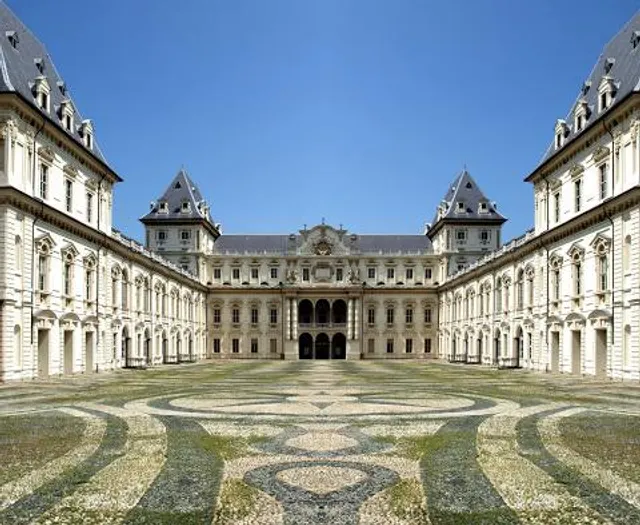
Castello del Valentino
Viale Pier Andrea Mattioli, 39, 10125 Torino TO, Italy
4.7(780)
Open until 9:00 PM
Save
spot
spot
Ratings & Description
Info
The Valentino Castle is a historic building in the northwestern Italian city of Turin. It is located in Parco del Valentino, and is the seat of the Architecture Faculty of the Polytechnic University of Turin.
Cultural
Scenic
Accessibility
attractions: Botanical Garden of Turin - University of Turin, Parco del Valentino, Promotrice delle Belle Arti, Borgo Medievale, Teatro Colosseo, Giardino Roccioso, Museo di Antropologia Criminale Cesare Lombroso, Monument to Amadeus of Savoy, Museo di Anatomia Umana Luigi Rolando, Rage Room Torino, restaurants: Al Pero Imbarco sul Po, Imbarchino, Società Canottieri Armida, Villa Glicini Torino, Cibo Container, Beena, Ristorante Da Angelino, Caffetteria dell'Università, Maxelâ Chalet, Bar Angelo e Galia Specialità Sarda, local businesses: Museum of the Botanical Garden, Papalele - San Salvario, La Casa degli Enigmi - Torino, Peyrano Torino dal 1915, Istanbul Santasophia, Mercato di Piazza Madama Cristina, Cahuachi Market, El Shesh Kebab, Carrefour Market - Supermarket, Consolato del Vietnam
 Learn more insights from Wanderboat AI.
Phone
+39 011 090 6655
Website
castellodelvalentino.polito.it
Open hoursSee all hours
Tue7:30 AM - 9 PMOpen
Plan your stay

Pet-friendly Hotels in Turin
Find a cozy hotel nearby and make it a full experience.

Affordable Hotels in Turin
Find a cozy hotel nearby and make it a full experience.

The Coolest Hotels You Haven't Heard Of (Yet)
Find a cozy hotel nearby and make it a full experience.

Trending Stays Worth the Hype in Turin
Find a cozy hotel nearby and make it a full experience.
Reviews
Live events

Opening – ARCANA – MALLEUS’ TAROT
Sun, Mar 1 • 6:00 PM
Via della Consolata 1bis 10122 TORINO
View details
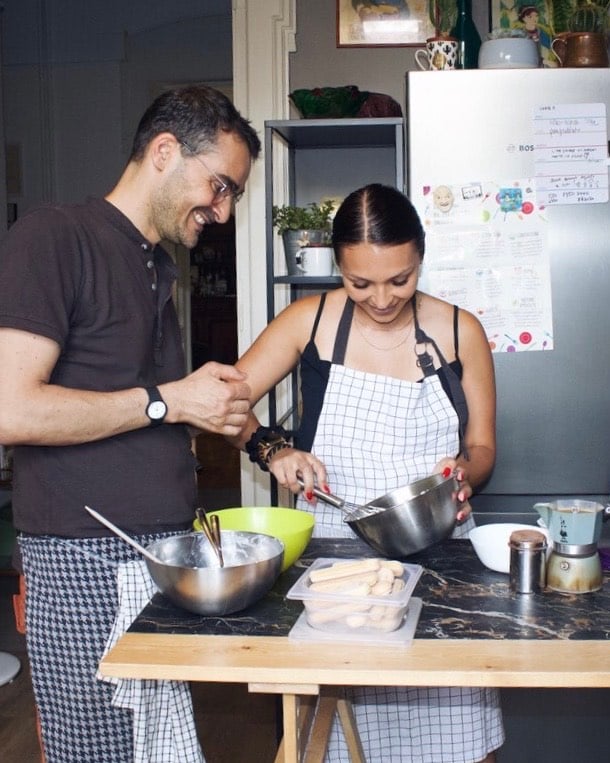
Cooking class in Turin
Wed, Feb 25 • 10:30 AM
10143, Turin, Piedmont, Italy
View details
Candlelight: Ennio Morricone e altre colonne sonore di film
Thu, Feb 26 • 7:30 PM
Via Antonio Bertola, 40, Torino, 10122
View details
Nearby attractions of Castello del Valentino
Botanical Garden of Turin - University of Turin
Parco del Valentino
Promotrice delle Belle Arti
Borgo Medievale
Teatro Colosseo
Giardino Roccioso
Museo di Antropologia Criminale Cesare Lombroso
Monument to Amadeus of Savoy
Museo di Anatomia Umana Luigi Rolando
Rage Room Torino
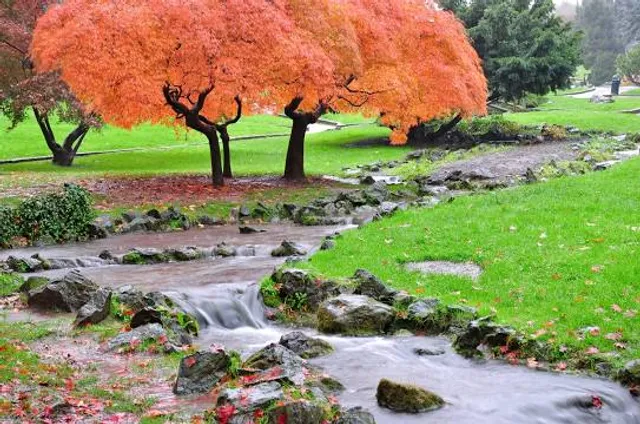
Botanical Garden of Turin - University of Turin
4.4
(636)
Open until 12:00 AM
Click for details
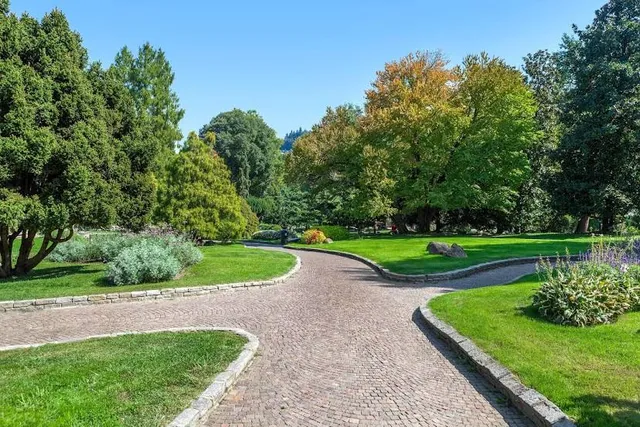
Parco del Valentino
4.6
(17.4K)
Open until 12:00 AM
Click for details
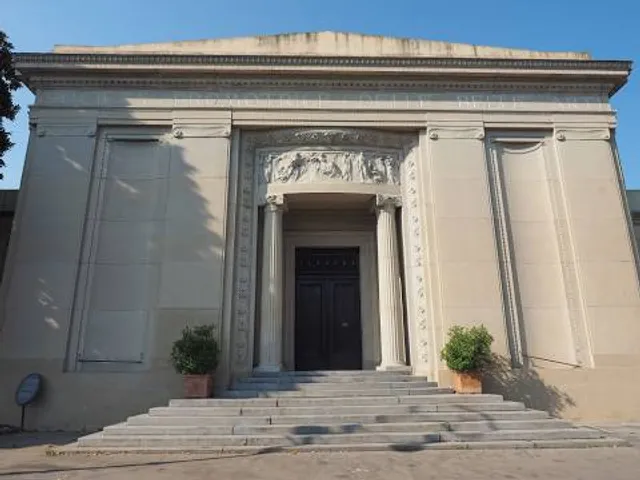
Promotrice delle Belle Arti
4.4
(660)
Open until 12:00 AM
Click for details
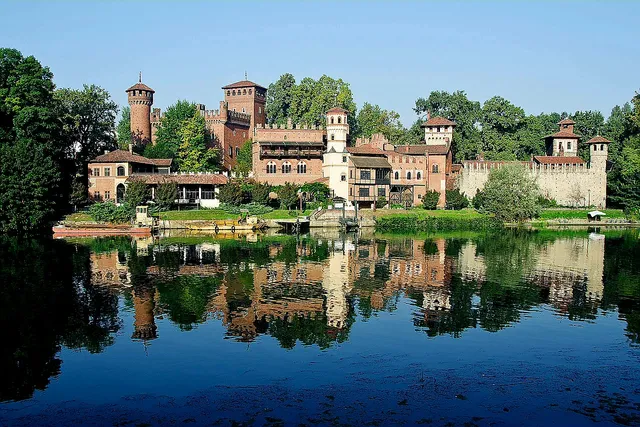
Borgo Medievale
4.5
(4.7K)
Open 24 hours
Click for details
Nearby restaurants of Castello del Valentino
Al Pero Imbarco sul Po
Imbarchino
Società Canottieri Armida
Villa Glicini Torino
Cibo Container
Beena
Ristorante Da Angelino
Caffetteria dell'Università
Maxelâ Chalet
Bar Angelo e Galia Specialità Sarda
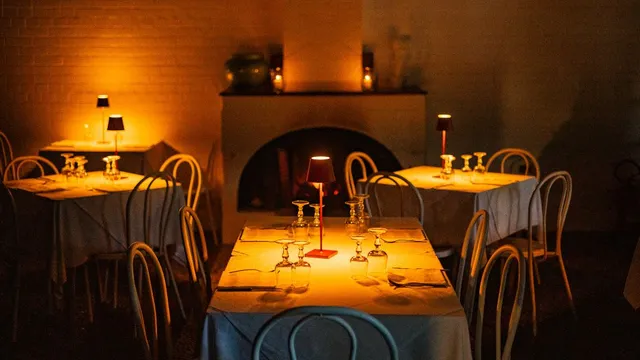
Al Pero Imbarco sul Po
4.2
(204)
Closed
Click for details
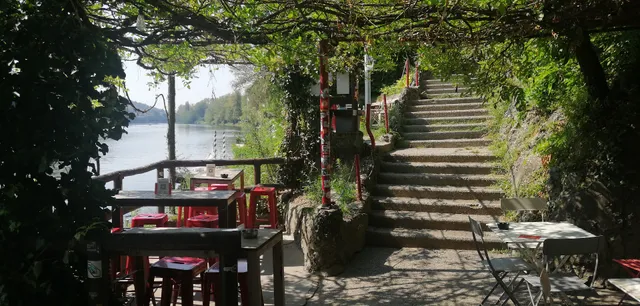
Imbarchino
4.4
(1.4K)
Open until 1:00 AM
Click for details
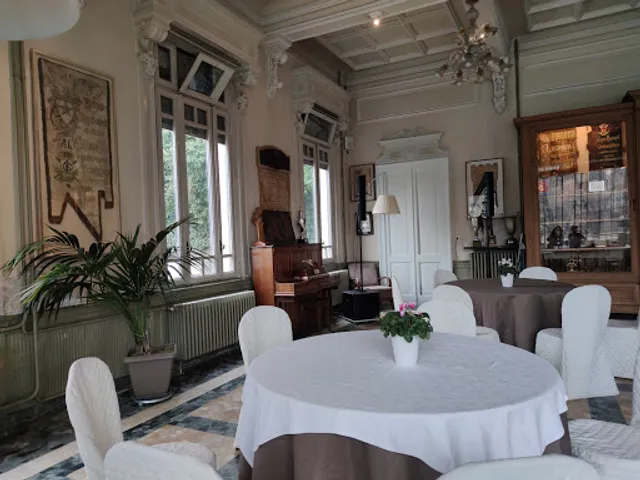
Società Canottieri Armida
4.4
(336)
$$
Open until 8:30 PM
Click for details
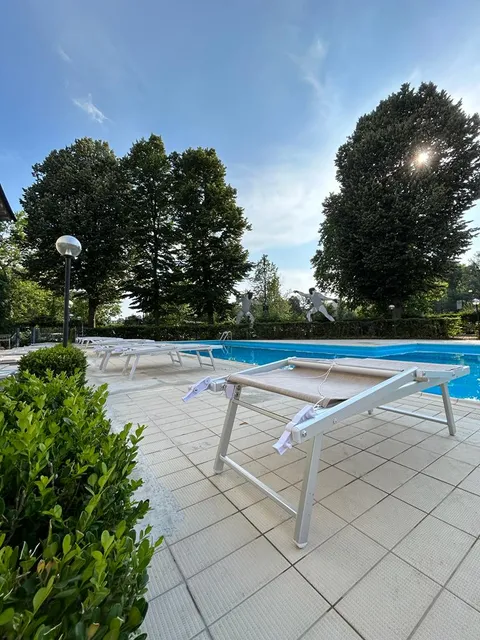
Villa Glicini Torino
4.5
(173)
Open until 10:00 PM
Click for details
Nearby local services of Castello del Valentino
Museum of the Botanical Garden
Papalele - San Salvario
La Casa degli Enigmi - Torino
Peyrano Torino dal 1915
Istanbul Santasophia
Mercato di Piazza Madama Cristina
Cahuachi Market
El Shesh Kebab
Carrefour Market - Supermarket
Consolato del Vietnam
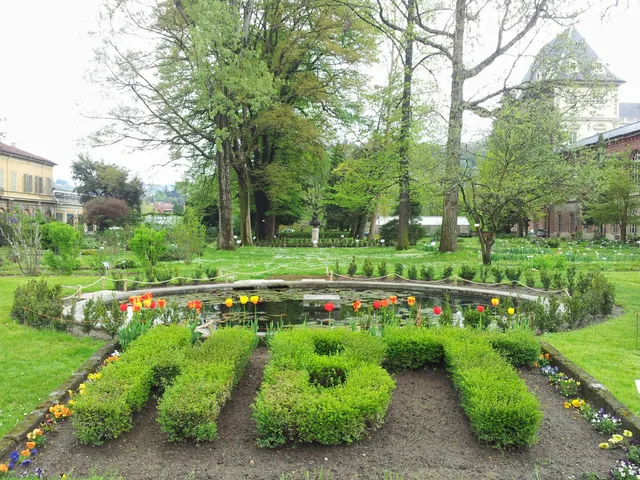
Museum of the Botanical Garden
4.3
(29)
Click for details

Papalele - San Salvario
4.5
(335)
Click for details
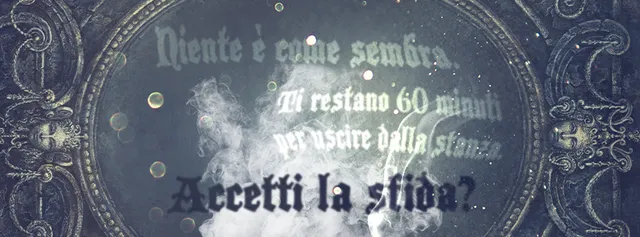
La Casa degli Enigmi - Torino
4.3
(213)
Click for details
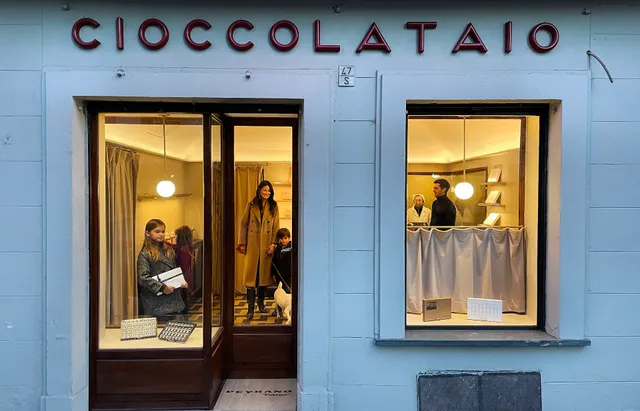
Peyrano Torino dal 1915
4.3
(120)
Click for details