HTML SitemapExplore
logo
Find Things to DoFind The Best Restaurants

Awataguchi — Attraction in Kyoto

Name
Awataguchi
Description
Nearby attractions
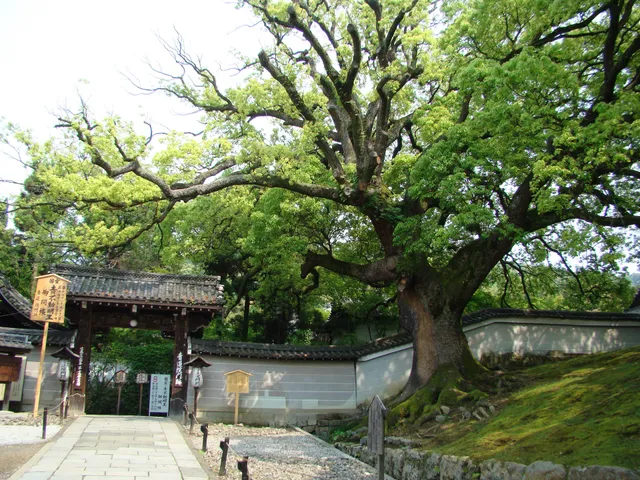
Shōrenin Temple
69-1 Awadaguchi Sanjobocho, Higashiyama Ward, Kyoto, 605-0035, Japan
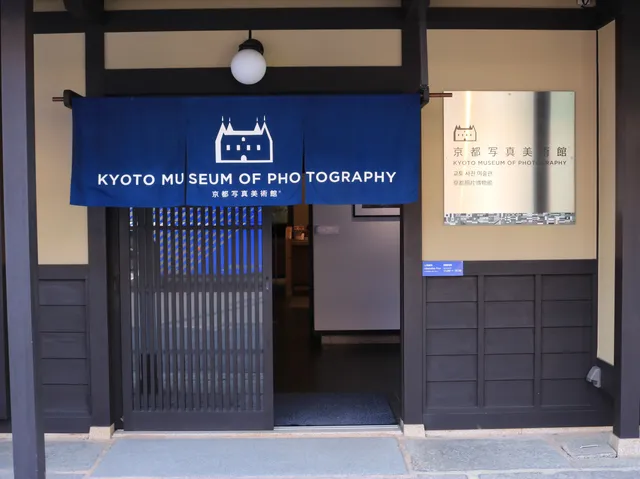
Kyoto Museum of Photography
374-2 Horiikecho, Higashiyama Ward, Kyoto, 605-0038, Japan
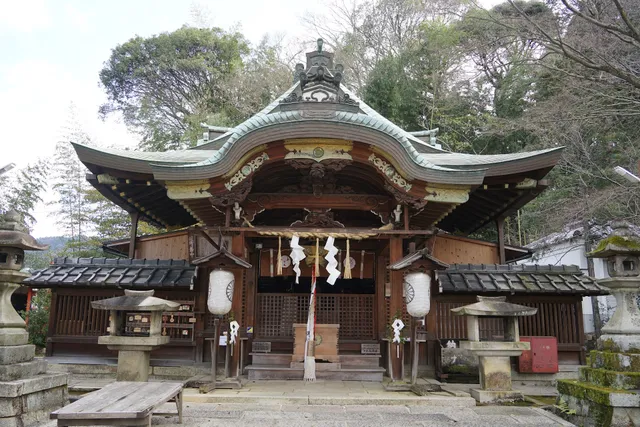
Awata Shrine
1 Awadaguchi Kajicho, Higashiyama Ward, Kyoto, 605-0051, Japan
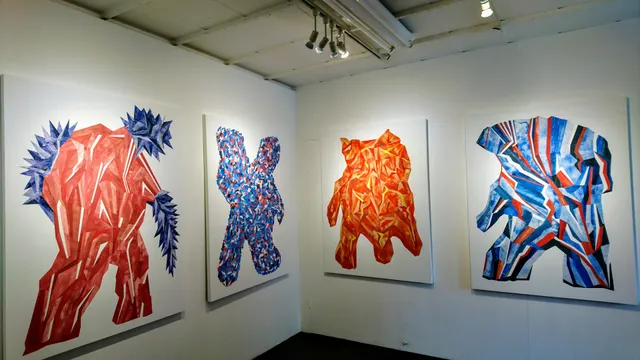
KUNST ARZT
155-7 Ebisucho, Higashiyama Ward, Kyoto, 605-0033, Japan
Chion-in Temple
400 Rinkacho, Higashiyama Ward, Kyoto, 605-8686, Japan
Namikawa Cloisonne Museum of Kyoto
Japan, 〒605-0038 Kyoto, Higashiyama Ward, Horiikecho, 388
The National Museum of Modern Art, Kyoto
26-1 Okazaki Enshojicho, Sakyo Ward, Kyoto, 606-8344, Japan
Awataguchi Aokusu Garden
Awadaguchi Sanjobocho, Higashiyama Ward, Kyoto, 605-0035, Japan
Kyoto City KYOCERA Museum of Art
124 Okazaki Enshojicho, Sakyo Ward, Kyoto, 606-8344, Japan
Shoren-in Garden
Awadaguchi Sanjobocho, Higashiyama Ward, Kyoto, 605-0035, Japan
Nearby restaurants
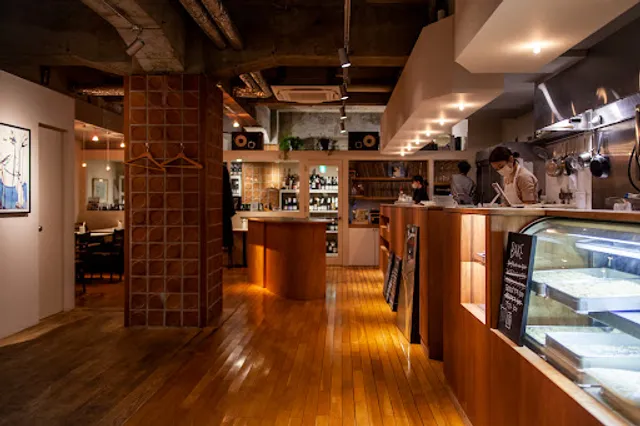
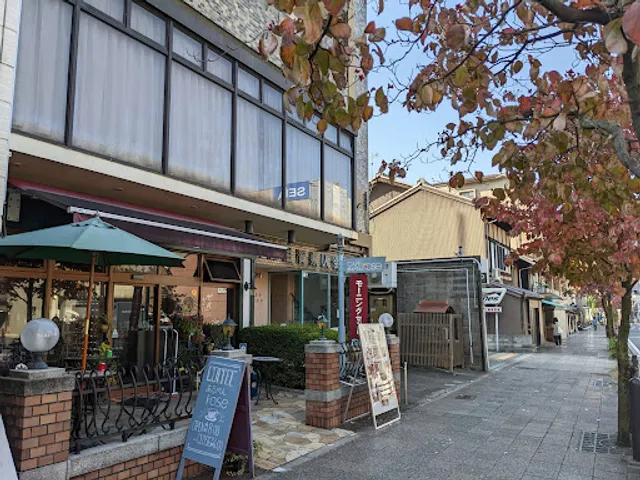
Cafe Alpen Rose
Japan, 〒605-0037 Kyoto, Higashiyama Ward, Nishimachi, 二丁目126 京都滋賀県人会館 1F
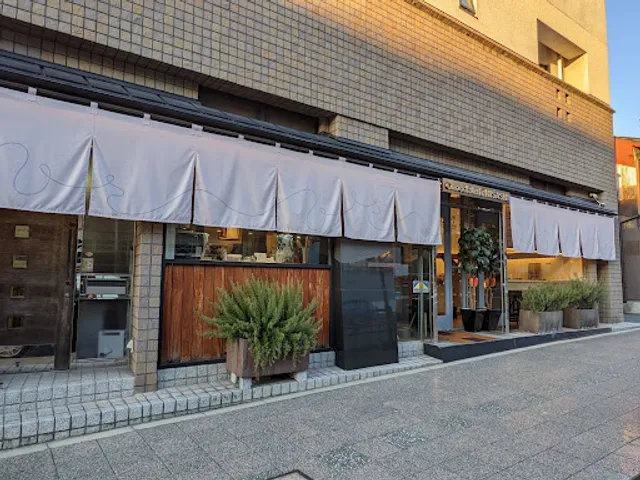
Nananoichi
Japan, 〒605-0033 Kyoto, Higashiyama Ward, Ebisucho, 三丁目175-2 THE HOTEL TOKYU, A Pan Pacific Hotel B1F
Kojiya Cafe
181 Nakanocho, Higashiyama Ward, Kyoto, 605-0034, Japan
Tan
106-13 Gokencho, Higashiyama Ward, Kyoto, 605-0036, Japan
和洋割烹 竹泉
Japan, 〒605-0033 Kyoto, Higashiyama Ward, 三条通神宮道東入 夷町160-1 春秋ビル1F
京都ジェラート&カフェ えびす町
166-2 Ebisucho, Higashiyama Ward, Kyoto, 605-0033, Japan
Shuiro eat&craft
368-1 Johojicho, Kyoto, 605-0031, Japan
Hatsune Sushi
Japan, 〒605-0021 Kyoto, Higashiyama Ward, Sekisenincho, 394 初音鮨
Usagi No Ippo
91-23 Okazaki Enshojicho, Sakyo Ward, Kyoto, 606-8344, Japan
Kyōtomi
393-3 Sekisenincho, Higashiyama Ward, Kyoto, 605-0021, Japan
Nearby hotels
THE HOTEL HIGASHIYAMA KYOTO TOKYU, A Pan Pacific Hotel
Japan, 〒605-0033 Kyoto, Higashiyama Ward, Ebisucho, 三丁目175-2
Guesthouse Gajyun
165 Ebisucho, Higashiyama Ward, Kyoto, 605-0033, Japan
HOTEL MASTAY jingumichi
159 Ebisucho, Higashiyama Ward, Kyoto, 605-0033, Japan
THE MACHIYA VILLA 三条しらかわ小路
32-2 Awadaguchi Sanjobocho, Higashiyama Ward, Kyoto, 605-0035, Japan
The Westin Miyako Kyoto
Japan, 〒1 Kyoto, Awadaguchi Kachocho, JP 605-0052, Keage Sanjo, Higashiyaman-Ku
TASSEL HOTEL Sanjo Shirakawa
Japan, 〒605-0022 Kyoto, Higashiyama Ward, Oidecho, 103-3
Tokyu Vacations Kyoto
Japan, 〒605-0023 Kyoto, Higashiyama Ward, Imakojicho, 92-1
ホテルマテリアル - Hotel MATERIAL -
210-4 Nakanocho, Higashiyama Ward, Kyoto, 605-0034, Japan
Koke-an
151-11 Nishimachi, Higashiyama Ward, Kyoto, 605-0037, Japan
Waka Heian Shirakawa Hotel
394-8 Sekisenincho, Higashiyama Ward, Kyoto, 605-0021, Japan
Related posts
Keywords
Awataguchi tourism.Awataguchi hotels.Awataguchi bed and breakfast. flights to Awataguchi.Awataguchi attractions.Awataguchi restaurants.Awataguchi travel.Awataguchi travel guide.Awataguchi travel blog.Awataguchi pictures.Awataguchi photos.Awataguchi travel tips.Awataguchi maps.Awataguchi things to do.
Awataguchi things to do, attractions, restaurants, events info and trip planning
Awataguchi
JapanKyoto PrefectureKyotoAwataguchi

Basic Info

Awataguchi

147 Nishimachi, Higashiyama Ward, Kyoto, 605-0035, Japan
3.9(15)
Open until 12:00 AM
Save
spot

Ratings & Description

Info

Cultural
Scenic
Off the beaten path
attractions: Shōrenin Temple, Kyoto Museum of Photography, Awata Shrine, KUNST ARZT, Chion-in Temple, Namikawa Cloisonne Museum of Kyoto, The National Museum of Modern Art, Kyoto, Awataguchi Aokusu Garden, Kyoto City KYOCERA Museum of Art, Shoren-in Garden, restaurants: Cafe Alpen Rose, Nananoichi, Kojiya Cafe, Tan, 和洋割烹 竹泉, 京都ジェラート&カフェ えびす町, Shuiro eat&craft, Hatsune Sushi, Usagi No Ippo, Kyōtomi
logoLearn more insights from Wanderboat AI.
Website
city.kyoto.lg.jp
Open hoursSee all hours
SatOpen 24 hoursOpen

Plan your stay

hotel
Pet-friendly Hotels in Kyoto
Find a cozy hotel nearby and make it a full experience.

hotel
Affordable Hotels in Kyoto
Find a cozy hotel nearby and make it a full experience.

hotel
The Coolest Hotels You Haven't Heard Of (Yet)
Find a cozy hotel nearby and make it a full experience.

hotel
Trending Stays Worth the Hype in Kyoto
Find a cozy hotel nearby and make it a full experience.

Reviews

Nearby attractions of Awataguchi

Shōrenin Temple

Kyoto Museum of Photography

Awata Shrine

KUNST ARZT

Chion-in Temple

Namikawa Cloisonne Museum of Kyoto

The National Museum of Modern Art, Kyoto

Awataguchi Aokusu Garden

Kyoto City KYOCERA Museum of Art

Shoren-in Garden

Shōrenin Temple

Shōrenin Temple

4.5

(1.2K)

Open 24 hours
Click for details
Kyoto Museum of Photography

Kyoto Museum of Photography

4.2

(137)

Open 24 hours
Click for details
Awata Shrine

Awata Shrine

4.2

(430)

Open 24 hours
Click for details
KUNST ARZT

KUNST ARZT

4.3

(26)

Open 24 hours
Click for details

Things to do nearby

Hike to Fushimi Inari along hidden scenic trails
Sat, Dec 6 • 9:00 AM
605-0981, Kyoto, Kyoto, Japan
View details
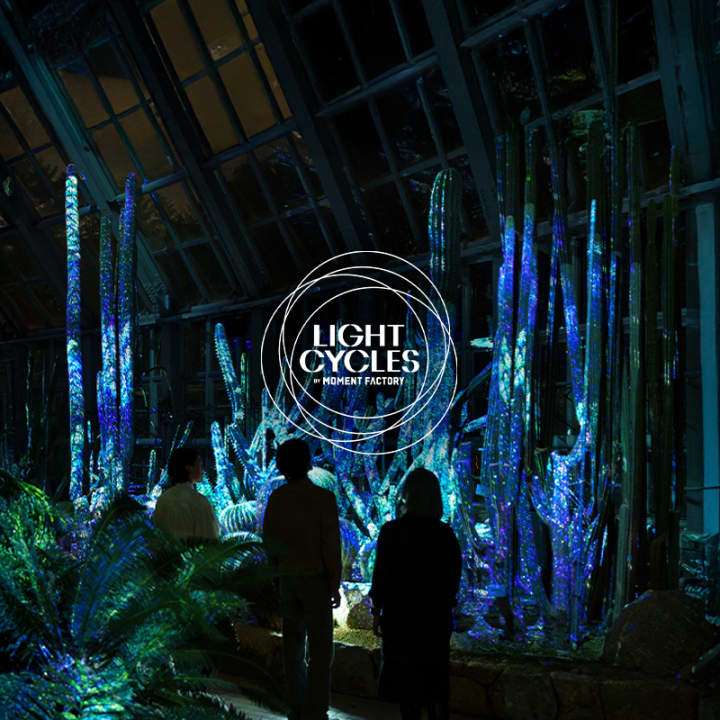
京都府立植物園:LIGHT CYCLES KYOTO (ライトサイクル京都)
Sat, Dec 6 • 6:00 PM
京都市左京区下鴨半木町, 606-0823
View details
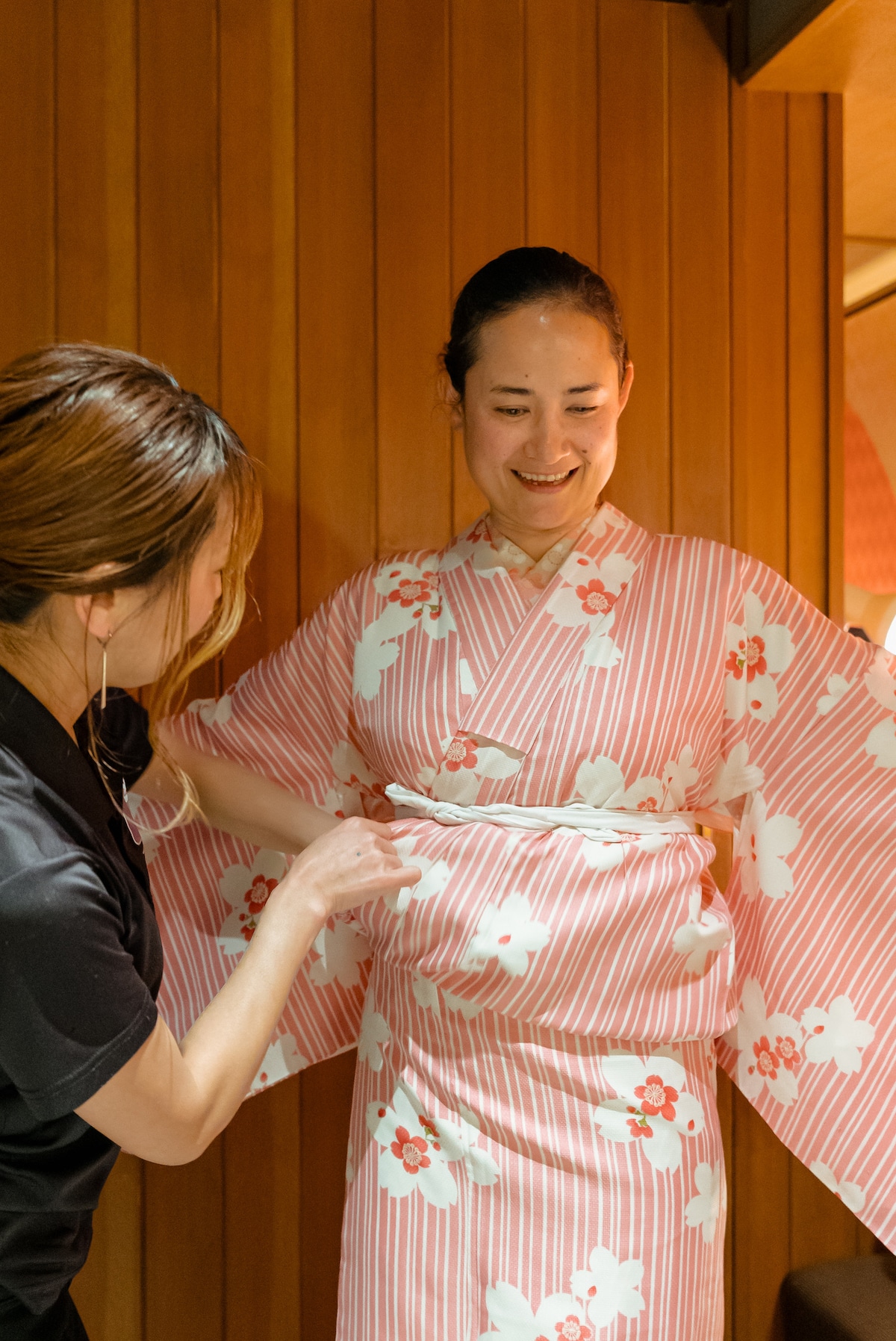
Kyoto Photo Tour with a Professional Photographer
Sat, Dec 6 • 10:30 AM
605-0073, Kyoto, Kyoto, Japan
View details

Nearby restaurants of Awataguchi

Cafe Alpen Rose

Nananoichi

Kojiya Cafe

Tan

和洋割烹 竹泉

京都ジェラート&カフェ えびす町

Shuiro eat&craft

Hatsune Sushi

Usagi No Ippo

Kyōtomi

Cafe Alpen Rose

Cafe Alpen Rose

4.4

(135)

Click for details
Nananoichi

Nananoichi

4.4

(56)

Closed
Click for details
Kojiya Cafe

Kojiya Cafe

4.4

(120)

Click for details
Tan

Tan

4.2

(174)

$$$

Click for details
Get the Appoverlay
Get the AppOne tap to find yournext favorite spots!
Wanderboat LogoWanderboat

Your everyday Al companion for getaway ideas

CompanyAbout Us
InformationAI Trip PlannerSitemap
SocialXInstagramTiktokLinkedin
LegalTerms of ServicePrivacy Policy

Get the app

© 2025 Wanderboat. All rights reserved.
logo

Reviews of Awataguchi

3.9
(15)
avatar
5.0
1y

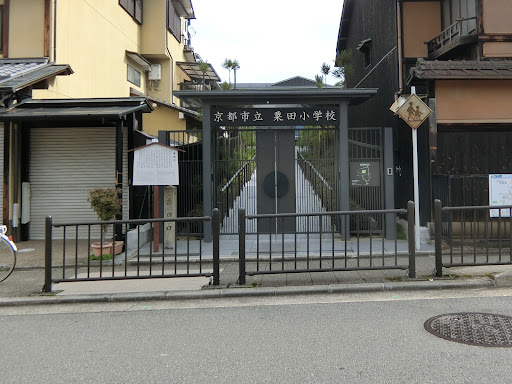
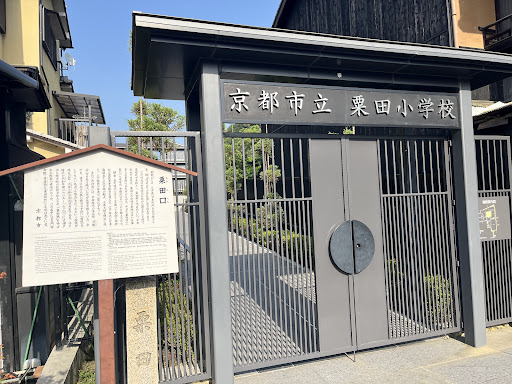
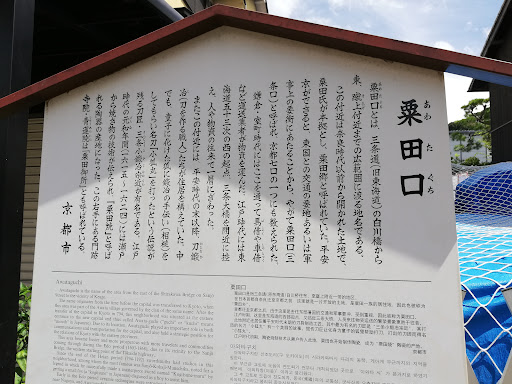
石碑:粟田口 粟田口は,三条通の白川橋以東,蹴上附近までの地名。平安遷都以前から粟田郷と呼ばれ粟田氏が本拠としていた。遷都後は,東海・東山・北陸三道から京都への入口として交通の要衝となった。京の七口の一つで,三条口・三条橋口・大津口ともいわれた。近世には,東海道五十三次の終点近くとして賑わった。平安末期以来この附近には刀鍛冶が住み,また陶磁器粟田焼の産地として知られた。この石標は粟田口を示すものである。 建立年 1970年 建立者 京都市 寸 法 高113×幅18×奥行18cm 碑 文 [西] 粟田口 [北] 昭和四十五年三月 京都市 (京都市)

駒札: 粟田口(あわたぐち) 粟田口とは、三条通(旧東海道)の白川橋から東、蹴上付近までの広範囲にわたる地名である。 この付近は奈良時代以前から開かれた土地で、粟田氏が本拠とし、粟田郷と呼ばれていた。平安京ができると、東国との交通の要地あるいは軍事上の要衝にあたることから、やがて粟田口(三条口)と呼ばれ、京都七口の一つにも数えられた。 鎌倉・室町時代にはここを通って馬車や車借など運送業者が物資を運んだ。江戸時代には東海道五十三次の西の起点、三条大橋を間近に控え、人や物資の往来で一層にぎわった。 またこの付近には、平安時代の末以降、刀鍛冶(刀を作る職人)たちが住居を構えていた。中でも、同士に化けた狐に鍛冶の手伝い(相槌)をしてもらい名刀「小狐丸」を打ったという伝説が残る刀匠・三条小鍛冶宗近が有名である。江戸時代の元和年間(1615~1624)には瀬戸から焼き物の技術が伝えられ、「粟田焼」と呼ばれる陶器の産地になった。この右手にある門跡寺院・青蓮院は「粟田御所」とも呼ばれている。 京都市 Stone monument: Awataguchi Awataguchi is the name of the area east of Shirakawabashi Bridge on Sanjo-dori Street, up to the vicinity of Keage. Before the capital was moved to Heian, it was called Awata-go and was the base of the Awata clan. After the capital was moved, it became a key transportation point as an entrance to Kyoto from the three roads of Tokai, Tosan, and Hokuriku. It was one of the seven entrances to Kyoto, and was also called Sanjoguchi, Sanjobashiguchi, and Otsuguchi. In the early modern period, it was bustling as it was near the end of the Fifty-three Stations of the Tokaido. Since the end of the Heian period, swordsmiths have lived in this area, and it was also known as a production area for Awata ware ceramics. This stone marker indicates Awataguchi. Year of construction: 1970

Builder: Kyoto City

Dimensions: Height 113 x Width 18 x Depth 18 cm

Inscription on monument:

[West] Awataguchi

[North] March 1970, Kyoto City

(Kyoto City)

Plate:

Awataguchi

Awataguchi is the name of a wide area extending from Shirakawabashi Bridge on Sanjo Street (old Tokaido) to the east, near Keage.

This area was developed before the Nara period, and was the base of the Awata clan, and was called Awata-go. After Heian-kyo was established, it was called Awataguchi (Sanjoguchi) because it was a key transportation point with the eastern provinces and a strategic military point, and was counted as one of the Seven Entrances to Kyoto.

During the Kamakura and Muromachi periods, transporters such as horse-drawn carriages and car hire companies transported goods through here. During the Edo period, the area was bustling with the traffic of people and goods, as it was close to Sanjo Ohashi Bridge, the western starting point of the Fifty-three Stations of the Tokaido.

Furthermore, from the end of the Heian period onwards, swordsmiths (artisans who make swords) have made their homes in this area. One of the most famous is the swordsmith Sanjo Kokaji Munechika, who is said to have forged the famous sword "Kogitsunemaru" with the help of a fox disguised as his comrade. During the Genna era (1615-1624) of the Edo period, pottery techniques were introduced from Seto, and the area became a production area for the pottery known as "Awata ware." Shoren-in Temple, a temple to the right of this temple, is also known as the "Awata...

   Read more
avatar
4.0
28w

【粟田口】 田口とは、三条通(旧東海道)の白川橋から東、焼上付近までの広範囲に渡る地名である。 この付近は奈良時代以前から開かれた土地で、粟田氏が本拠とし、粟田郷と呼ばれていた。平安京ができると、東国との交通の要地あるいは軍事上の要衝にあたることから、やがて栗田口(ハ条口)と呼ばれ、京都七口の一つにも数えられた。 鎌倉・室町時代にはここを通って馬借や車借などの運送業者が物資を運んだ。 江戸時代には東海道五十三次の西の超点、三条大橋を間近に控え、人や物資の往来で一層にぎわった。 またこの付近には、平安時代の末以降、が銀治(刀を作る職人)たちが住居を構えていた。 中でも、童子に化けた狐に鍛治の手伝い(相槌)をしてもらい名刀「子狐丸」を打ったという伝説が残る刀匠・三条小鉄谷道が有名である。江戸 時代の元純年間(一六一五~一六二四)には演戸 から焼き物の技術が伝えられ、「粟田焼」と呼ばれる陶器の産地になった。 この右手にある門跡寺院・青道院は「粟田...

   Read more
avatar
2.0
3y

その昔、都と周辺地域とを結んだ「京の七口」のひとつだったところです。 丹波口や貴船口、荒神口などは駅やバス停の名前等で今でも身近に使われていますが、ここ粟田口は住所名として残っているだけで、現地は案内の立て札以外...

   Read more
Page 1 of 3
Previous
Next

Posts

Hiroshi KyotoHiroshi Kyoto
石碑:粟田口 粟田口は,三条通の白川橋以東,蹴上附近までの地名。平安遷都以前から粟田郷と呼ばれ粟田氏が本拠としていた。遷都後は,東海・東山・北陸三道から京都への入口として交通の要衝となった。京の七口の一つで,三条口・三条橋口・大津口ともいわれた。近世には,東海道五十三次の終点近くとして賑わった。平安末期以来この附近には刀鍛冶が住み,また陶磁器粟田焼の産地として知られた。この石標は粟田口を示すものである。 建立年 1970年 建立者 京都市 寸 法 高113×幅18×奥行18cm 碑 文 [西] 粟田口 [北] 昭和四十五年三月 京都市 (京都市) 駒札: 粟田口(あわたぐち) 粟田口とは、三条通(旧東海道)の白川橋から東、蹴上付近までの広範囲にわたる地名である。 この付近は奈良時代以前から開かれた土地で、粟田氏が本拠とし、粟田郷と呼ばれていた。平安京ができると、東国との交通の要地あるいは軍事上の要衝にあたることから、やがて粟田口(三条口)と呼ばれ、京都七口の一つにも数えられた。 鎌倉・室町時代にはここを通って馬車や車借など運送業者が物資を運んだ。江戸時代には東海道五十三次の西の起点、三条大橋を間近に控え、人や物資の往来で一層にぎわった。 またこの付近には、平安時代の末以降、刀鍛冶(刀を作る職人)たちが住居を構えていた。中でも、同士に化けた狐に鍛冶の手伝い(相槌)をしてもらい名刀「小狐丸」を打ったという伝説が残る刀匠・三条小鍛冶宗近が有名である。江戸時代の元和年間(1615~1624)には瀬戸から焼き物の技術が伝えられ、「粟田焼」と呼ばれる陶器の産地になった。この右手にある門跡寺院・青蓮院は「粟田御所」とも呼ばれている。 京都市 Stone monument: Awataguchi Awataguchi is the name of the area east of Shirakawabashi Bridge on Sanjo-dori Street, up to the vicinity of Keage. Before the capital was moved to Heian, it was called Awata-go and was the base of the Awata clan. After the capital was moved, it became a key transportation point as an entrance to Kyoto from the three roads of Tokai, Tosan, and Hokuriku. It was one of the seven entrances to Kyoto, and was also called Sanjoguchi, Sanjobashiguchi, and Otsuguchi. In the early modern period, it was bustling as it was near the end of the Fifty-three Stations of the Tokaido. Since the end of the Heian period, swordsmiths have lived in this area, and it was also known as a production area for Awata ware ceramics. This stone marker indicates Awataguchi. Year of construction: 1970 Builder: Kyoto City Dimensions: Height 113 x Width 18 x Depth 18 cm Inscription on monument: [West] Awataguchi [North] March 1970, Kyoto City (Kyoto City) Plate: Awataguchi Awataguchi is the name of a wide area extending from Shirakawabashi Bridge on Sanjo Street (old Tokaido) to the east, near Keage. This area was developed before the Nara period, and was the base of the Awata clan, and was called Awata-go. After Heian-kyo was established, it was called Awataguchi (Sanjoguchi) because it was a key transportation point with the eastern provinces and a strategic military point, and was counted as one of the Seven Entrances to Kyoto. During the Kamakura and Muromachi periods, transporters such as horse-drawn carriages and car hire companies transported goods through here. During the Edo period, the area was bustling with the traffic of people and goods, as it was close to Sanjo Ohashi Bridge, the western starting point of the Fifty-three Stations of the Tokaido. Furthermore, from the end of the Heian period onwards, swordsmiths (artisans who make swords) have made their homes in this area. One of the most famous is the swordsmith Sanjo Kokaji Munechika, who is said to have forged the famous sword "Kogitsunemaru" with the help of a fox disguised as his comrade. During the Genna era (1615-1624) of the Edo period, pottery techniques were introduced from Seto, and the area became a production area for the pottery known as "Awata ware." Shoren-in Temple, a temple to the right of this temple, is also known as the "Awata Palace." Kyoto City
あおあお
【粟田口】 田口とは、三条通(旧東海道)の白川橋から東、焼上付近までの広範囲に渡る地名である。 この付近は奈良時代以前から開かれた土地で、粟田氏が本拠とし、粟田郷と呼ばれていた。平安京ができると、東国との交通の要地あるいは軍事上の要衝にあたることから、やがて栗田口(ハ条口)と呼ばれ、京都七口の一つにも数えられた。 鎌倉・室町時代にはここを通って馬借や車借などの運送業者が物資を運んだ。 江戸時代には東海道五十三次の西の超点、三条大橋を間近に控え、人や物資の往来で一層にぎわった。 またこの付近には、平安時代の末以降、が銀治(刀を作る職人)たちが住居を構えていた。 中でも、童子に化けた狐に鍛治の手伝い(相槌)をしてもらい名刀「子狐丸」を打ったという伝説が残る刀匠・三条小鉄谷道が有名である。江戸 時代の元純年間(一六一五~一六二四)には演戸 から焼き物の技術が伝えられ、「粟田焼」と呼ばれる陶器の産地になった。 この右手にある門跡寺院・青道院は「粟田御所」とも呼ばれている。
カ号観測機カ号観測機
粟田神社の人が下の道が昔の「東海道」だと教えてくれました。
See more posts
See more posts
hotel
Find your stay

Pet-friendly Hotels in Kyoto

Find a cozy hotel nearby and make it a full experience.

石碑:粟田口 粟田口は,三条通の白川橋以東,蹴上附近までの地名。平安遷都以前から粟田郷と呼ばれ粟田氏が本拠としていた。遷都後は,東海・東山・北陸三道から京都への入口として交通の要衝となった。京の七口の一つで,三条口・三条橋口・大津口ともいわれた。近世には,東海道五十三次の終点近くとして賑わった。平安末期以来この附近には刀鍛冶が住み,また陶磁器粟田焼の産地として知られた。この石標は粟田口を示すものである。 建立年 1970年 建立者 京都市 寸 法 高113×幅18×奥行18cm 碑 文 [西] 粟田口 [北] 昭和四十五年三月 京都市 (京都市) 駒札: 粟田口(あわたぐち) 粟田口とは、三条通(旧東海道)の白川橋から東、蹴上付近までの広範囲にわたる地名である。 この付近は奈良時代以前から開かれた土地で、粟田氏が本拠とし、粟田郷と呼ばれていた。平安京ができると、東国との交通の要地あるいは軍事上の要衝にあたることから、やがて粟田口(三条口)と呼ばれ、京都七口の一つにも数えられた。 鎌倉・室町時代にはここを通って馬車や車借など運送業者が物資を運んだ。江戸時代には東海道五十三次の西の起点、三条大橋を間近に控え、人や物資の往来で一層にぎわった。 またこの付近には、平安時代の末以降、刀鍛冶(刀を作る職人)たちが住居を構えていた。中でも、同士に化けた狐に鍛冶の手伝い(相槌)をしてもらい名刀「小狐丸」を打ったという伝説が残る刀匠・三条小鍛冶宗近が有名である。江戸時代の元和年間(1615~1624)には瀬戸から焼き物の技術が伝えられ、「粟田焼」と呼ばれる陶器の産地になった。この右手にある門跡寺院・青蓮院は「粟田御所」とも呼ばれている。 京都市 Stone monument: Awataguchi Awataguchi is the name of the area east of Shirakawabashi Bridge on Sanjo-dori Street, up to the vicinity of Keage. Before the capital was moved to Heian, it was called Awata-go and was the base of the Awata clan. After the capital was moved, it became a key transportation point as an entrance to Kyoto from the three roads of Tokai, Tosan, and Hokuriku. It was one of the seven entrances to Kyoto, and was also called Sanjoguchi, Sanjobashiguchi, and Otsuguchi. In the early modern period, it was bustling as it was near the end of the Fifty-three Stations of the Tokaido. Since the end of the Heian period, swordsmiths have lived in this area, and it was also known as a production area for Awata ware ceramics. This stone marker indicates Awataguchi. Year of construction: 1970 Builder: Kyoto City Dimensions: Height 113 x Width 18 x Depth 18 cm Inscription on monument: [West] Awataguchi [North] March 1970, Kyoto City (Kyoto City) Plate: Awataguchi Awataguchi is the name of a wide area extending from Shirakawabashi Bridge on Sanjo Street (old Tokaido) to the east, near Keage. This area was developed before the Nara period, and was the base of the Awata clan, and was called Awata-go. After Heian-kyo was established, it was called Awataguchi (Sanjoguchi) because it was a key transportation point with the eastern provinces and a strategic military point, and was counted as one of the Seven Entrances to Kyoto. During the Kamakura and Muromachi periods, transporters such as horse-drawn carriages and car hire companies transported goods through here. During the Edo period, the area was bustling with the traffic of people and goods, as it was close to Sanjo Ohashi Bridge, the western starting point of the Fifty-three Stations of the Tokaido. Furthermore, from the end of the Heian period onwards, swordsmiths (artisans who make swords) have made their homes in this area. One of the most famous is the swordsmith Sanjo Kokaji Munechika, who is said to have forged the famous sword "Kogitsunemaru" with the help of a fox disguised as his comrade. During the Genna era (1615-1624) of the Edo period, pottery techniques were introduced from Seto, and the area became a production area for the pottery known as "Awata ware." Shoren-in Temple, a temple to the right of this temple, is also known as the "Awata Palace." Kyoto City
Hiroshi Kyoto

Hiroshi Kyoto

hotel
Find your stay

Affordable Hotels in Kyoto

Find a cozy hotel nearby and make it a full experience.

Get the Appoverlay
Get the AppOne tap to find yournext favorite spots!
【粟田口】 田口とは、三条通(旧東海道)の白川橋から東、焼上付近までの広範囲に渡る地名である。 この付近は奈良時代以前から開かれた土地で、粟田氏が本拠とし、粟田郷と呼ばれていた。平安京ができると、東国との交通の要地あるいは軍事上の要衝にあたることから、やがて栗田口(ハ条口)と呼ばれ、京都七口の一つにも数えられた。 鎌倉・室町時代にはここを通って馬借や車借などの運送業者が物資を運んだ。 江戸時代には東海道五十三次の西の超点、三条大橋を間近に控え、人や物資の往来で一層にぎわった。 またこの付近には、平安時代の末以降、が銀治(刀を作る職人)たちが住居を構えていた。 中でも、童子に化けた狐に鍛治の手伝い(相槌)をしてもらい名刀「子狐丸」を打ったという伝説が残る刀匠・三条小鉄谷道が有名である。江戸 時代の元純年間(一六一五~一六二四)には演戸 から焼き物の技術が伝えられ、「粟田焼」と呼ばれる陶器の産地になった。 この右手にある門跡寺院・青道院は「粟田御所」とも呼ばれている。
あお

あお

hotel
Find your stay

The Coolest Hotels You Haven't Heard Of (Yet)

Find a cozy hotel nearby and make it a full experience.

hotel
Find your stay

Trending Stays Worth the Hype in Kyoto

Find a cozy hotel nearby and make it a full experience.

粟田神社の人が下の道が昔の「東海道」だと教えてくれました。
カ号観測機

カ号観測機

See more posts
See more posts