Kyoto Railway Museum things to do, attractions, restaurants, events info and trip planning
Basic Info
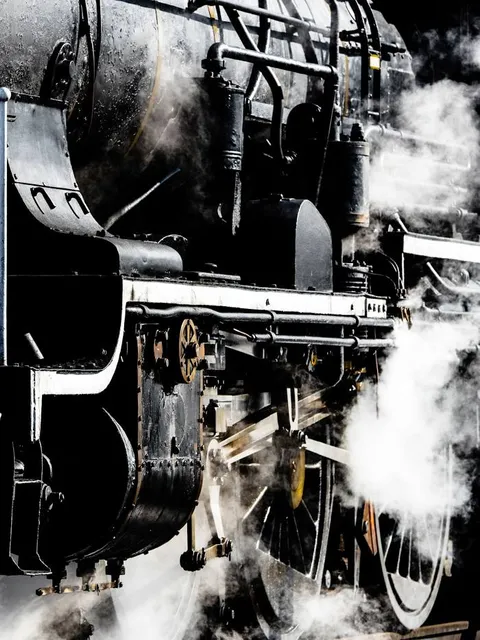
Kyoto Railway Museum
Kankijicho, Shimogyo Ward, Kyoto, 600-8835, Japan
4.5(7.7K)
Open until 5:00 PM


tickets
Save
spot
spot
Ratings & Description
Info
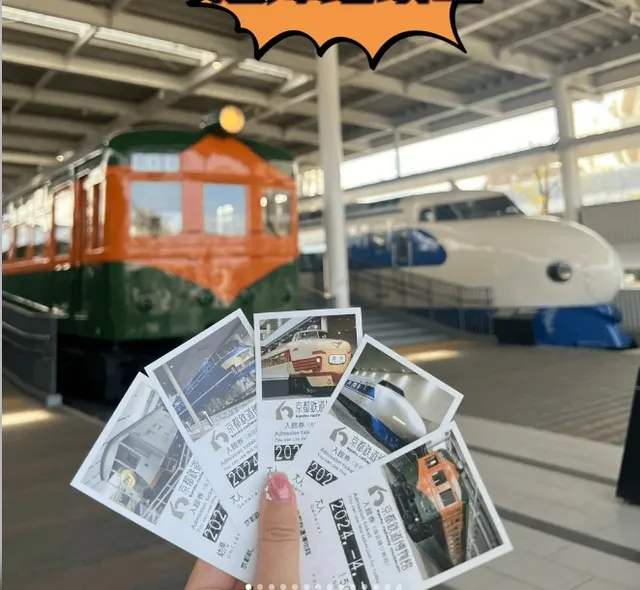
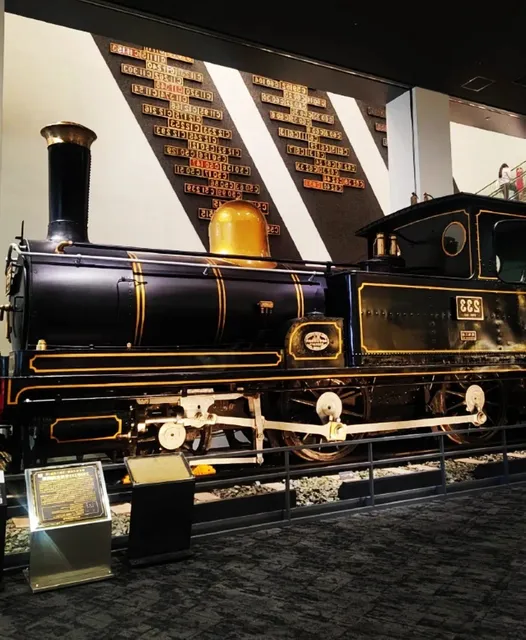
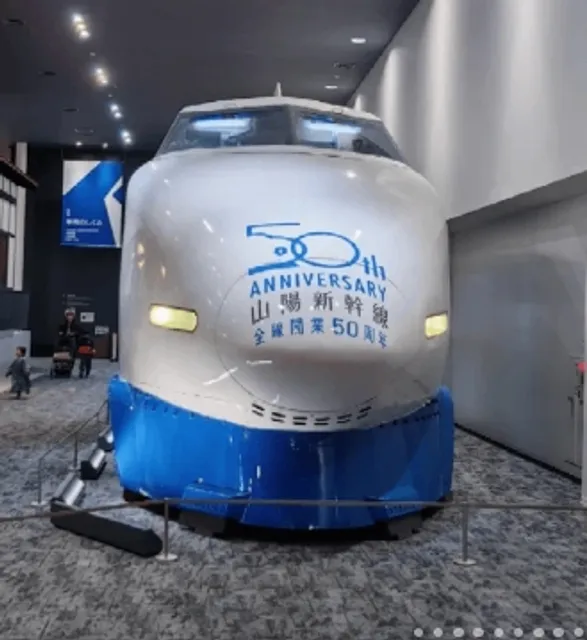
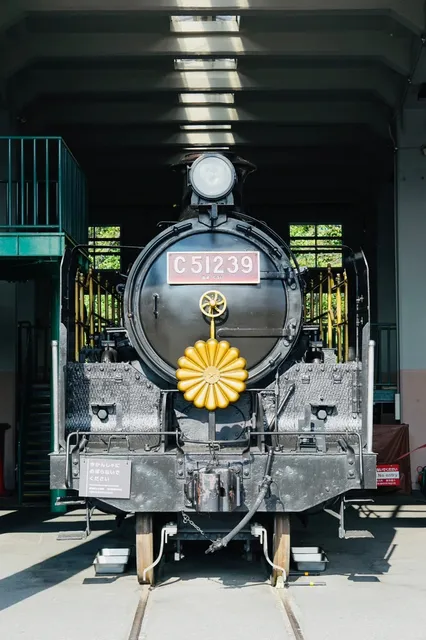
The Kyoto Railway Museum is a railway museum in Shimogyō-ku, Kyoto, Japan. The original Umekoji Steam Locomotive Museum opened in 1972, but was expanded and modernized in 2016, becoming the Kyoto Railway Museum.
Cultural
Family friendly
Accessibility
attractions: Umekoji Park, Former Nijo Station Building, Viva Square Kyoto, Kyoto Aquarium, Suzaku Yume Square, Suzaku Garden, Rokusonnō Shrine, Kyoto Central Wholesale Market Observation Area, Forest of Life, Lawn Field, restaurants: Restaurant / Rest Area, Starbucks Coffee - Viva Square Kyoto, Umekoji Park, FUTURE TRAIN KYOTO DINER & CAFE, Kobushi Ramen, Umekoji Park Cafe, Yakiniku no Bun-ya, Honke Sankyū, Boulangerie Cherish, Hamburg & Steak Pound - Umekoji, こらく, local businesses: Museum Shop, Taisho-yu, Umekōji-Kyōtonishi Station, Sasaya Iori Bettei, Kyomachi Yakojuku nao Takenoza Bettei Umekoji, 胡蝶蘭 専門店 フルール ド ロアン, Kyototoyopetto Shichijo Honten, 梅小路公園手づくり市, Sujaku Matsuo So-jinja Shrine, Suzaku-Matsunoo-Satoshi-Jinja Shrine
 Learn more insights from Wanderboat AI.
Website
kyotorailwaymuseum.jp
Open hoursSee all hours
Mon10 a.m. - 5 p.m.Open
Plan your stay

Pet-friendly Hotels in Kyoto
Find a cozy hotel nearby and make it a full experience.

Affordable Hotels in Kyoto
Find a cozy hotel nearby and make it a full experience.

The Coolest Hotels You Haven't Heard Of (Yet)
Find a cozy hotel nearby and make it a full experience.

Trending Stays Worth the Hype in Kyoto
Find a cozy hotel nearby and make it a full experience.
Reviews
Live events
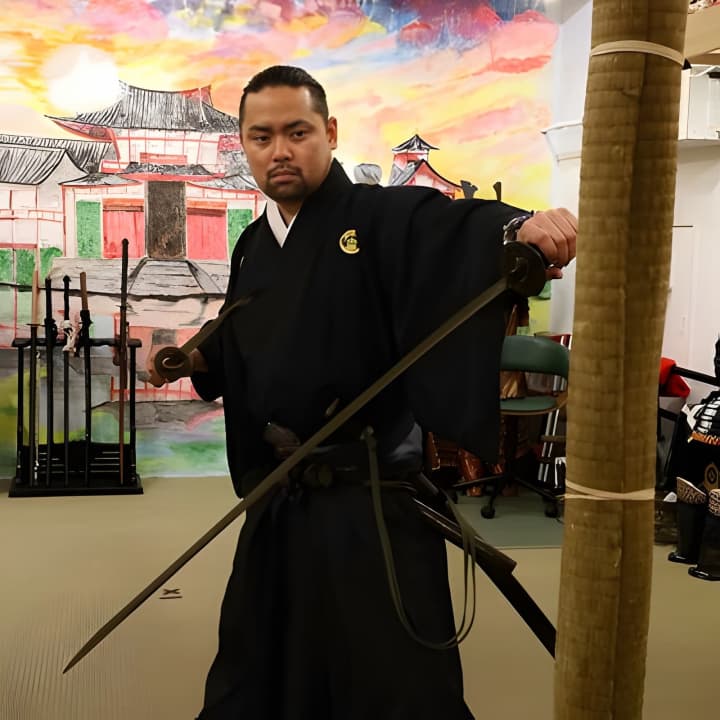
完全プライベート・サムライ・トレーニング
Mon, Feb 23 • 11:30 AM
京都市中京区松ケ枝町452−4 スーパーグランドビル, 604-8034
View details

Craft postcards in a 94-year-old family paper shop
Tue, Feb 24 • 3:00 PM
604-8205, Kyoto, Kyoto, Japan
View details
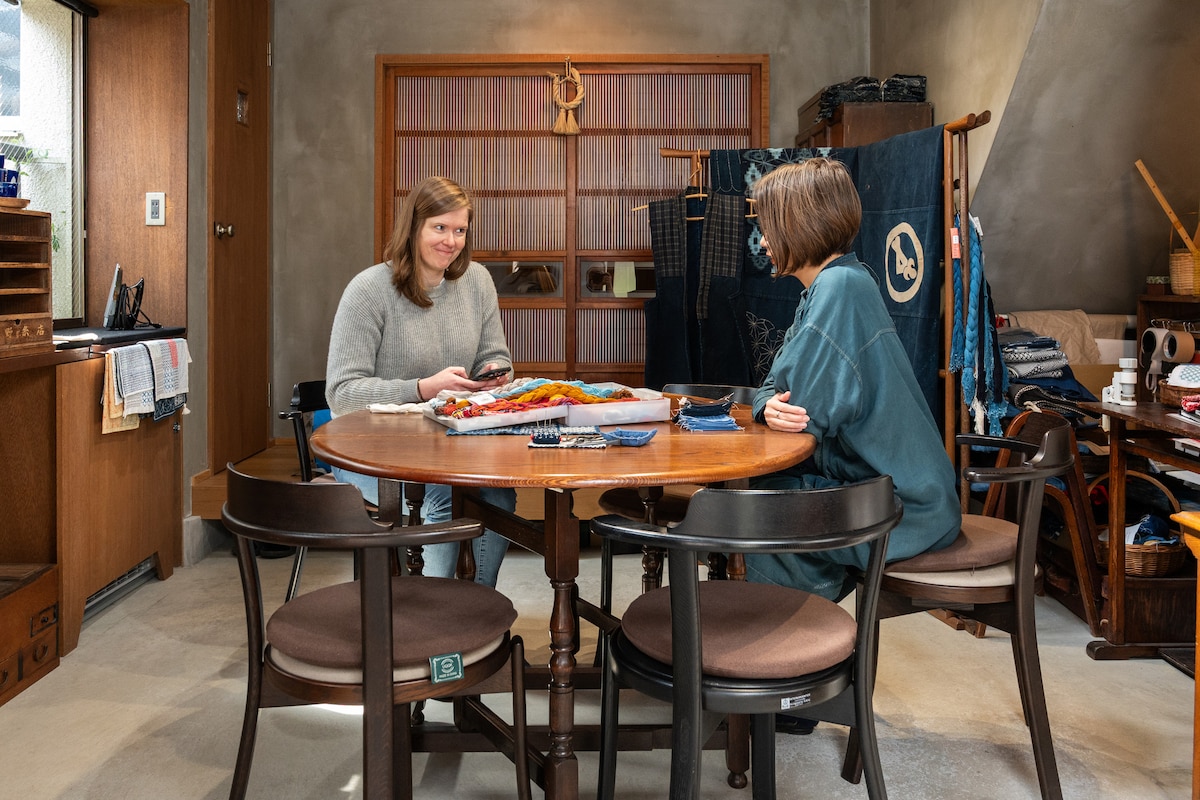
Stitch Sashiko art in a Kyoto embroidery atelier
Fri, Feb 27 • 10:00 AM
605-0976, Kyoto, Kyoto, Japan
View details
Nearby attractions of Kyoto Railway Museum
Umekoji Park
Former Nijo Station Building
Viva Square Kyoto
Kyoto Aquarium
Suzaku Yume Square
Suzaku Garden
Rokusonnō Shrine
Kyoto Central Wholesale Market Observation Area
Forest of Life
Lawn Field
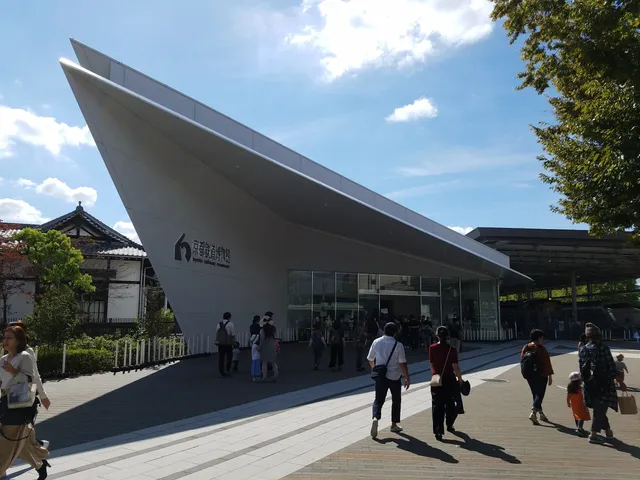
Umekoji Park
4.2
(4.2K)
Open until 12:00 AM
Click for details
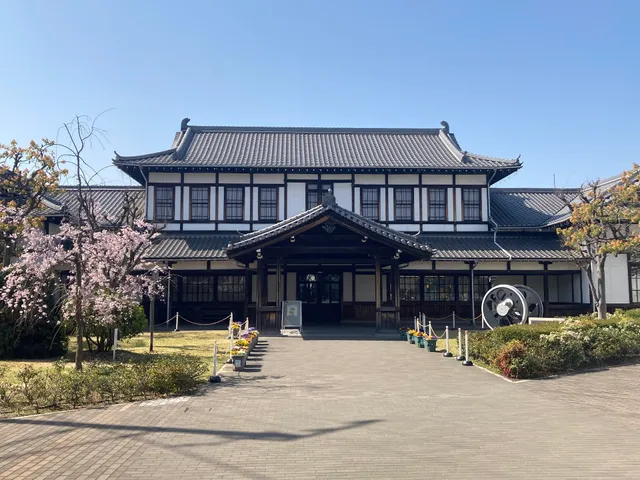
Former Nijo Station Building
4.3
(36)
Open until 5:00 PM
Click for details
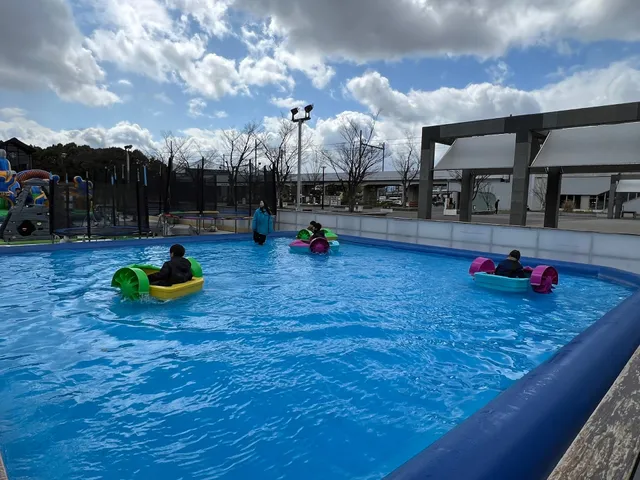
Viva Square Kyoto
4.0
(188)
Closed
Click for details
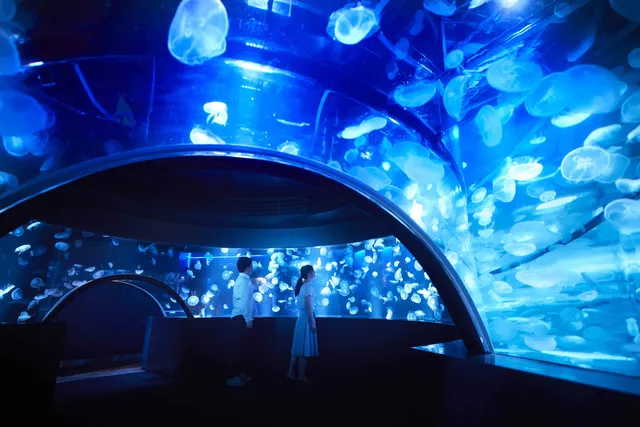
Kyoto Aquarium
4.2
(5.7K)
Open until 5:00 PM
Click for details
Nearby restaurants of Kyoto Railway Museum
Restaurant / Rest Area
Starbucks Coffee - Viva Square Kyoto, Umekoji Park
FUTURE TRAIN KYOTO DINER & CAFE
Kobushi Ramen
Umekoji Park Cafe
Yakiniku no Bun-ya
Honke Sankyū
Boulangerie Cherish
Hamburg & Steak Pound - Umekoji
こらく
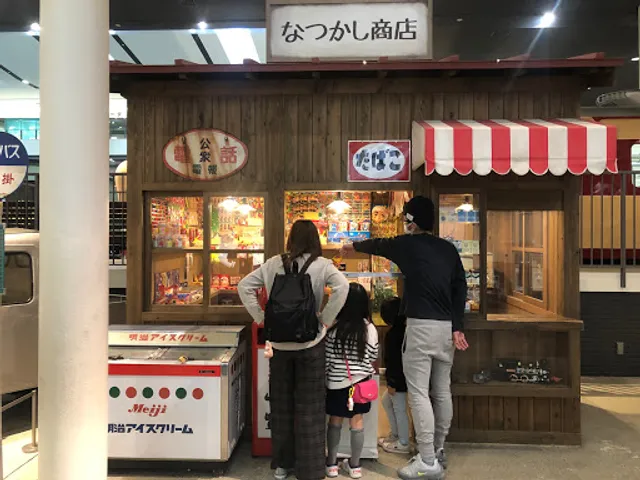
Restaurant / Rest Area
3.6
(133)
Open until 5:00 PM
Click for details
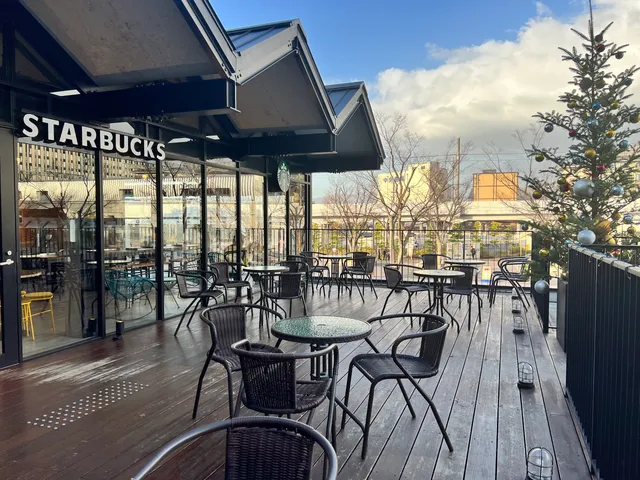
Starbucks Coffee - Viva Square Kyoto, Umekoji Park
4.1
(189)
Open until 9:00 PM
Click for details
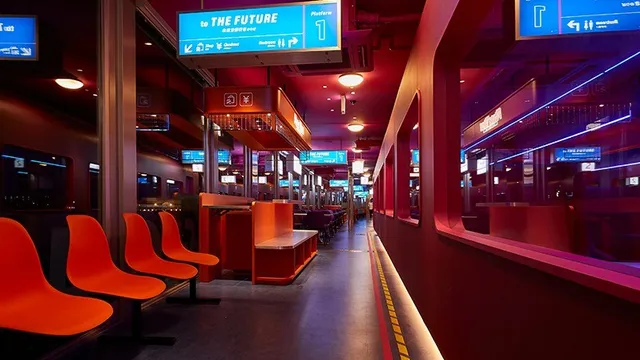
FUTURE TRAIN KYOTO DINER & CAFE
4.2
(69)
Open until 4:00 PM
Click for details
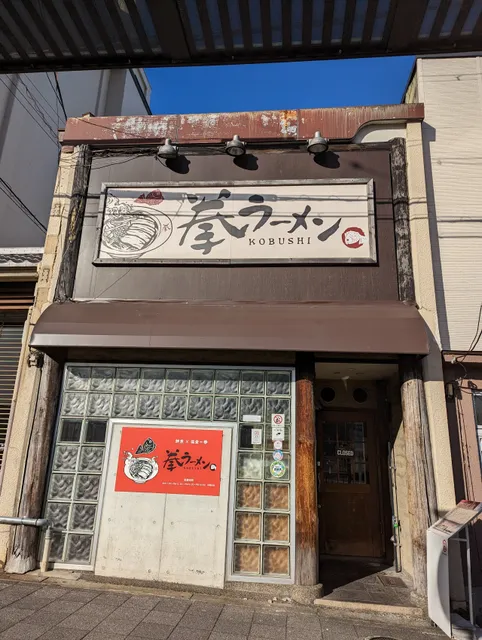
Kobushi Ramen
3.7
(480)
Open until 2:30 PM
Click for details
Nearby local services of Kyoto Railway Museum
Museum Shop
Taisho-yu
Umekōji-Kyōtonishi Station
Sasaya Iori Bettei
Kyomachi Yakojuku nao Takenoza Bettei Umekoji
胡蝶蘭 専門店 フルール ド ロアン
Kyototoyopetto Shichijo Honten
梅小路公園手づくり市
Sujaku Matsuo So-jinja Shrine
Suzaku-Matsunoo-Satoshi-Jinja Shrine
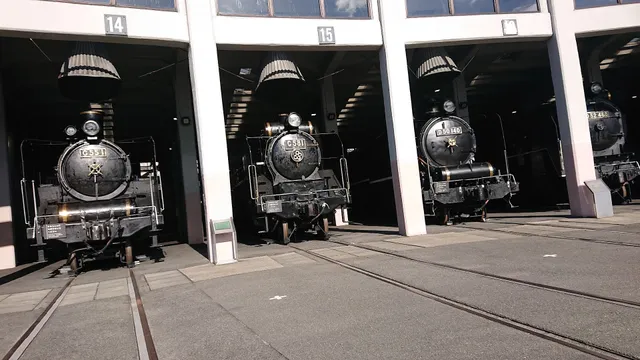
Museum Shop
4.3
(80)
Click for details
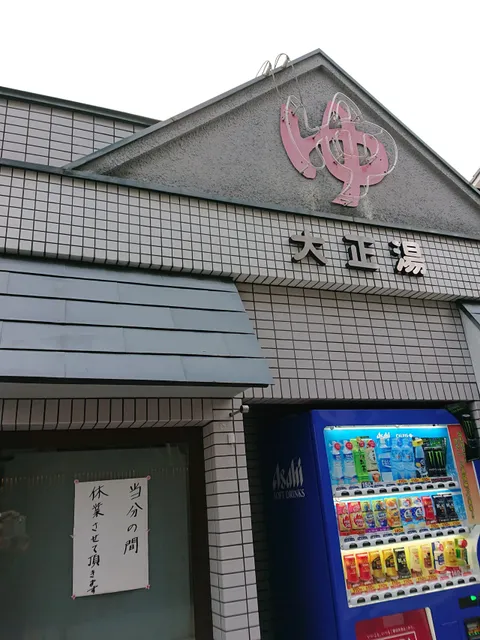
Taisho-yu
4.1
(187)
Click for details
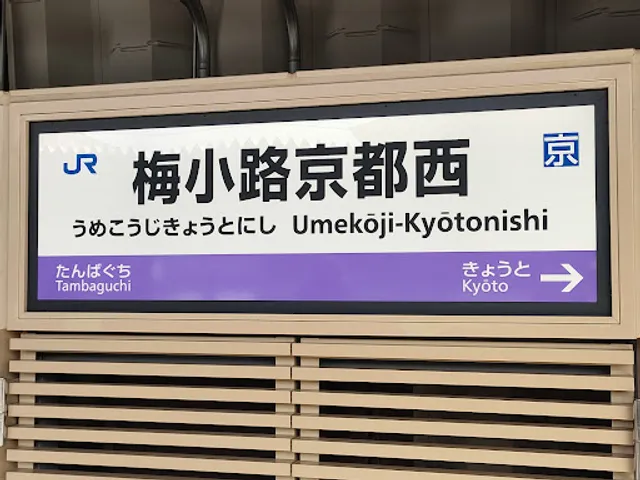
Umekōji-Kyōtonishi Station
4.0
(133)
Click for details
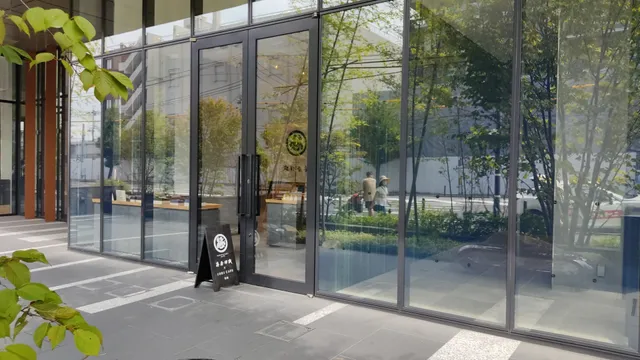
Sasaya Iori Bettei
4.0
(140)
Click for details