Ho Phrakeo Museum things to do, attractions, restaurants, events info and trip planning
Basic Info
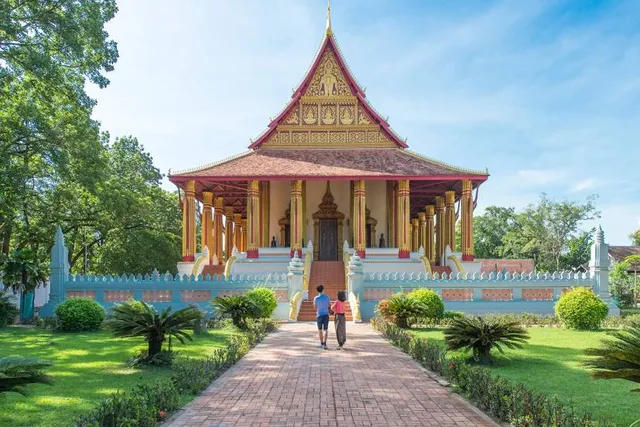
Ho Phrakeo Museum
XJ66+QG5, Vientiane, Laos
4.3(652)
Open until 12:00 PM
Save
spot
spot
Ratings & Description
Info
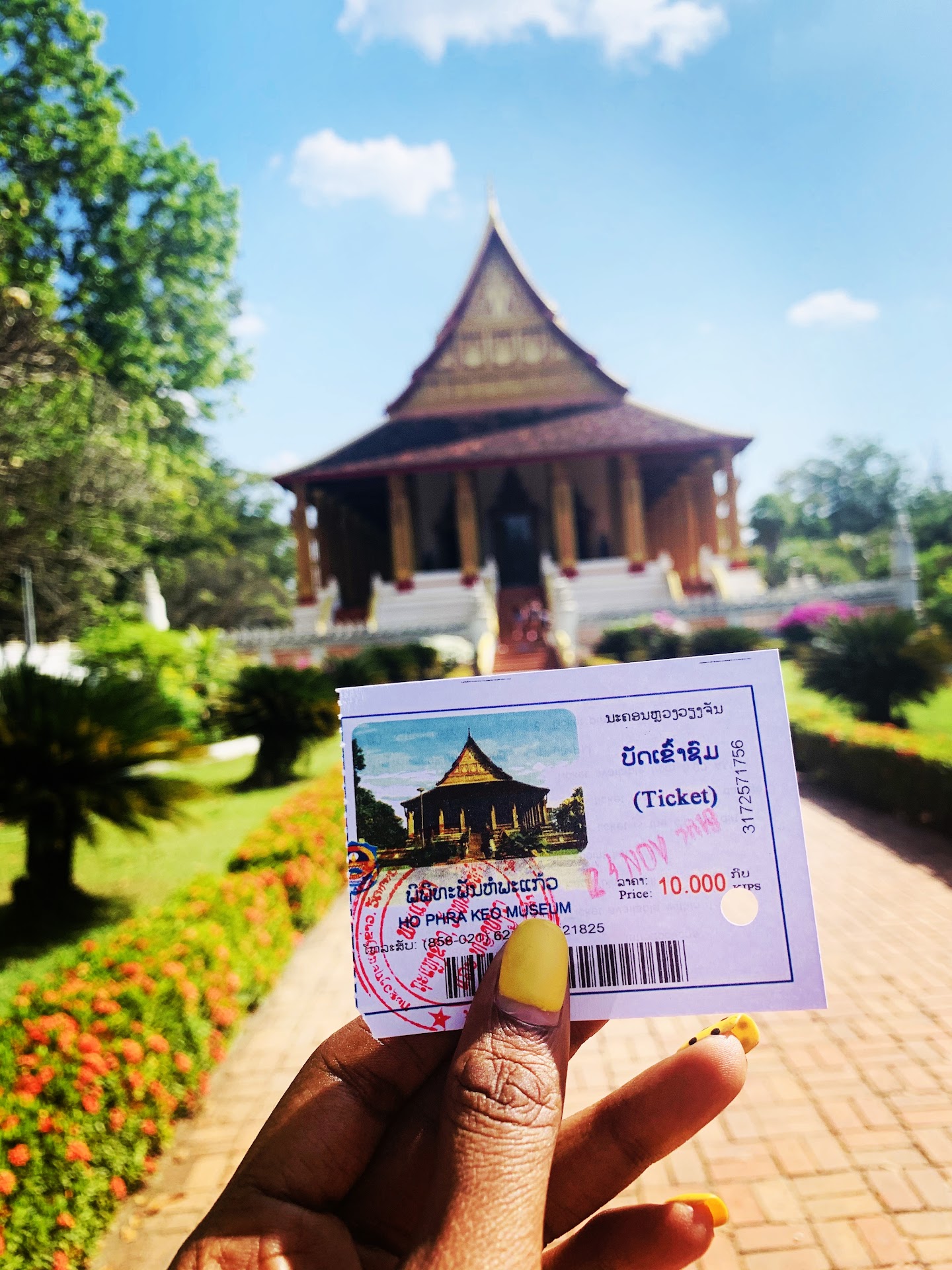
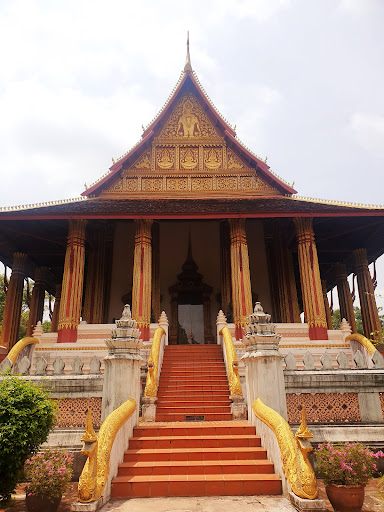
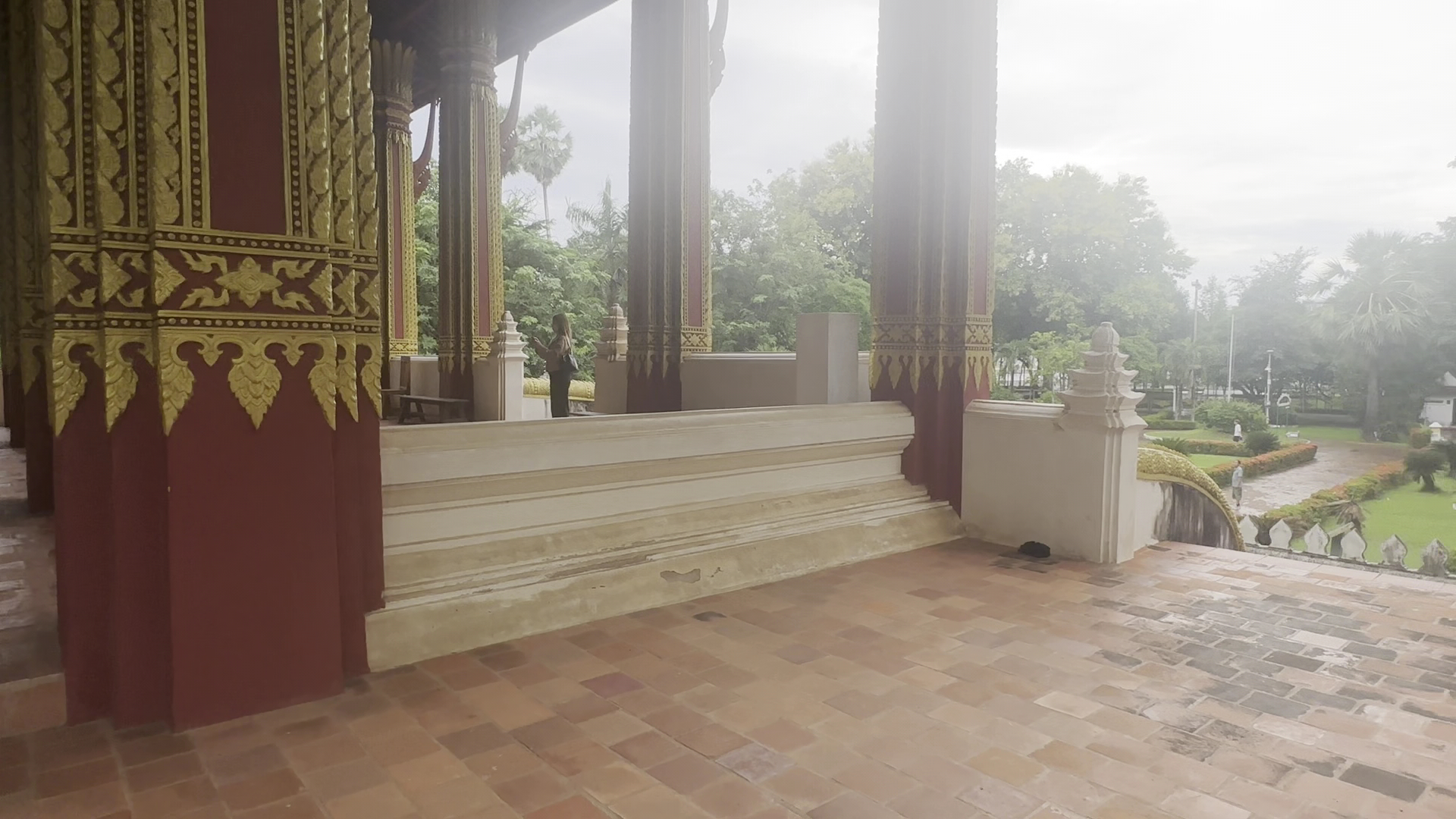
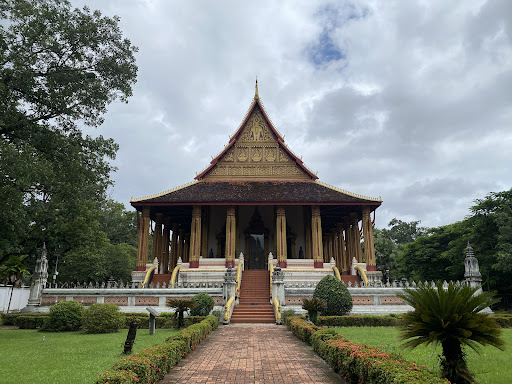
Haw Phra Kaew, also written as Ho Prakeo, Hor Pha Keo and other similar spellings, is a former temple in Vientiane, Laos. It is situated on Setthathirath Road, to the southeast of Wat Si Saket. It was first built in 1565 to house the Emerald Buddha, but has been rebuilt several times.
Cultural
Scenic
Family friendly
Accessibility
attractions: Wat Sisaket, Chao Anouvong Park, That Dam Stupa, Statue of Chao Anouvong, Sacred Heart Cathedral, Nam Phou Park, Wat Si Muang, Lao National Cultural Hall, Wat Mixai Temple, Wat Ong Teu Temple, restaurants: Kualao Restaurant, House of Fruit Shakes, Khop Chai Deu, Moonlight Lounge Namphou, Joma Bakery Café Nam Phou Joma Bakery & Cafe ໂຈມາ ເບເກີຣີ ແລະ ຄາເຟ່, Minnano cafe, Samsenthai, PVO Vietnamese Food, Bistro 22, Le Cattitude Cafe, NUAN, local businesses: Presidential Palace ທຳນຽບປະທານາທິບໍດີ, Vientiane Night Market, Talat Sao Shopping Mall 1, Walking Street Roller Skate Park, Vientiane Khua Din, Vientiane Center Shopping Mall, American Center Vientiane, The First, Vientiane Night Food Market, Wat Ong Teu
 Learn more insights from Wanderboat AI.
Website
wikip.one
Open hoursSee all hours
Mon8 AM - 12 PM, 1 - 4 PMOpen
Plan your stay

Pet-friendly Hotels in Vientiane Capital
Find a cozy hotel nearby and make it a full experience.

Affordable Hotels in Vientiane Capital
Find a cozy hotel nearby and make it a full experience.

The Coolest Hotels You Haven't Heard Of (Yet)
Find a cozy hotel nearby and make it a full experience.

Trending Stays Worth the Hype in Vientiane Capital
Find a cozy hotel nearby and make it a full experience.
Reviews
Nearby attractions of Ho Phrakeo Museum
Wat Sisaket
Chao Anouvong Park
That Dam Stupa
Statue of Chao Anouvong
Sacred Heart Cathedral
Nam Phou Park
Wat Si Muang
Lao National Cultural Hall
Wat Mixai Temple
Wat Ong Teu Temple
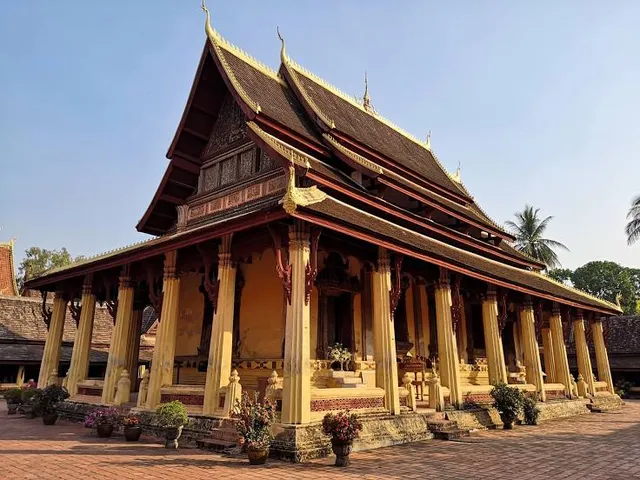
Wat Sisaket
4.4
(1.3K)
Open until 5:00 PM
Click for details
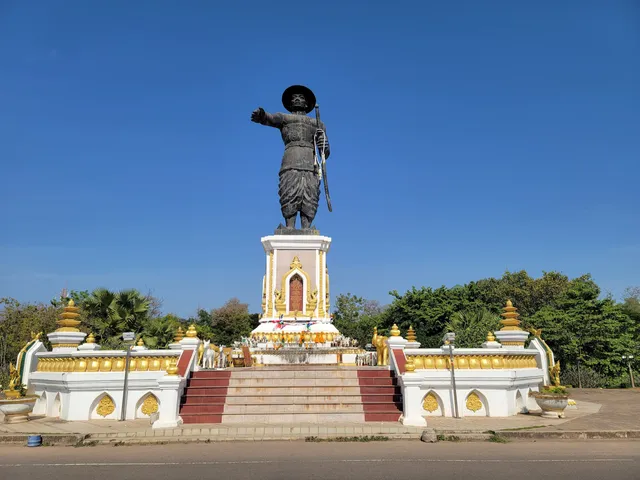
Chao Anouvong Park
4.2
(2.8K)
Open until 12:00 AM
Click for details
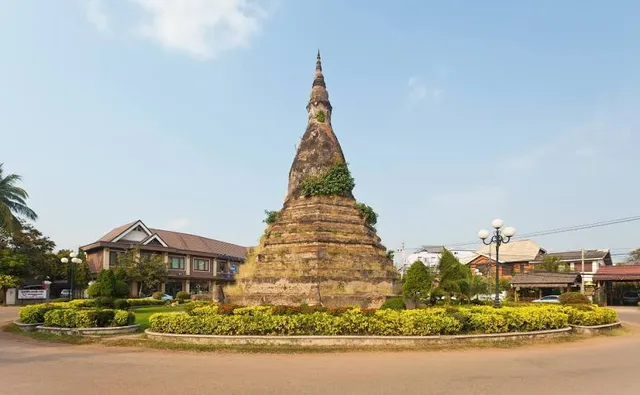
That Dam Stupa
4.0
(735)
Open until 12:00 AM
Click for details
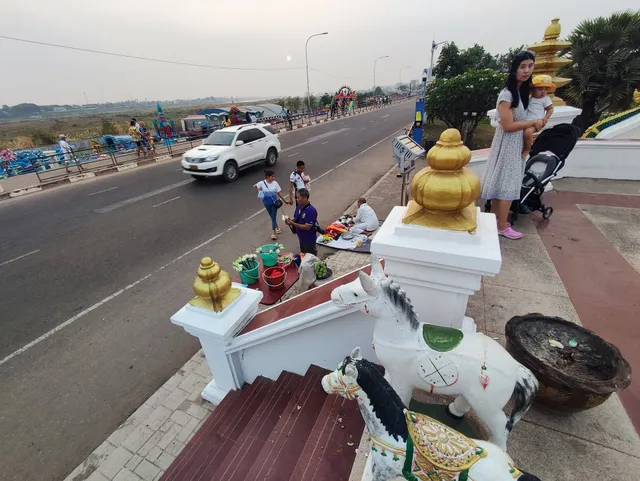
Statue of Chao Anouvong
4.3
(160)
Open until 12:00 AM
Click for details
Nearby restaurants of Ho Phrakeo Museum
Kualao Restaurant
House of Fruit Shakes
Khop Chai Deu
Moonlight Lounge Namphou
Joma Bakery Café Nam Phou Joma Bakery & Cafe ໂຈມາ ເບເກີຣີ ແລະ ຄາເຟ່
Minnano cafe, Samsenthai
PVO Vietnamese Food
Bistro 22
Le Cattitude Cafe
NUAN
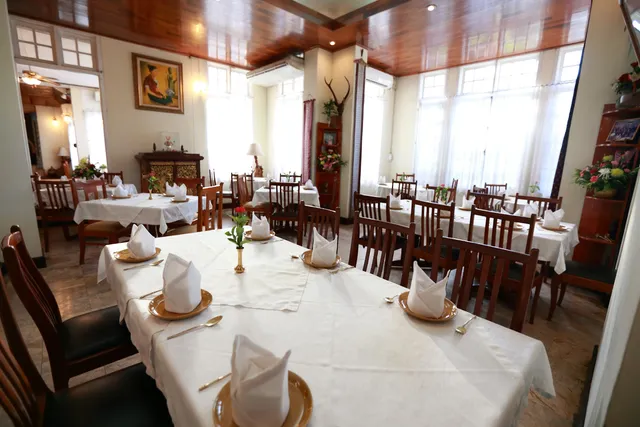
Kualao Restaurant
4.1
(444)
Closed
Click for details
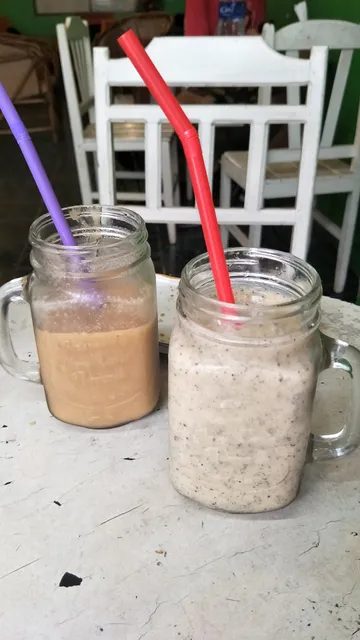
House of Fruit Shakes
4.8
(225)
$
Open until 12:00 AM
Click for details
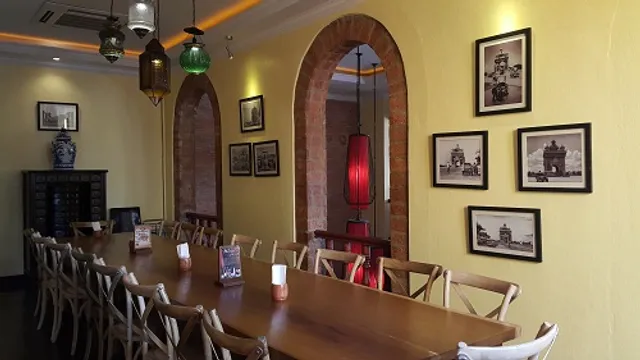
Khop Chai Deu
4.1
(1.2K)
$$
Closed
Click for details
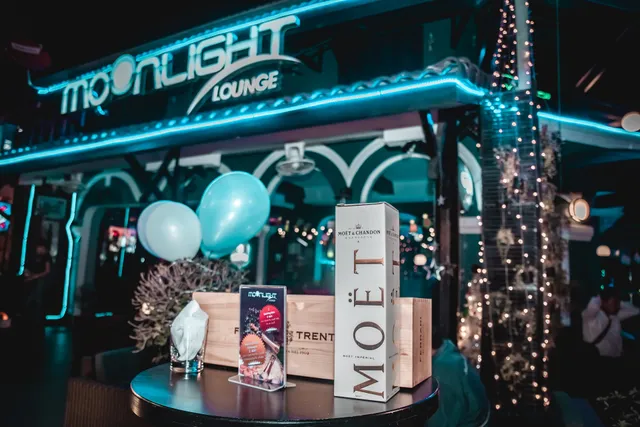
Moonlight Lounge Namphou
4.3
(263)
$$
Closed
Click for details
Nearby local services of Ho Phrakeo Museum
Presidential Palace ທຳນຽບປະທານາທິບໍດີ
Vientiane Night Market
Talat Sao Shopping Mall 1
Walking Street Roller Skate Park
Vientiane Khua Din
Vientiane Center Shopping Mall
American Center Vientiane
The First
Vientiane Night Food Market
Wat Ong Teu
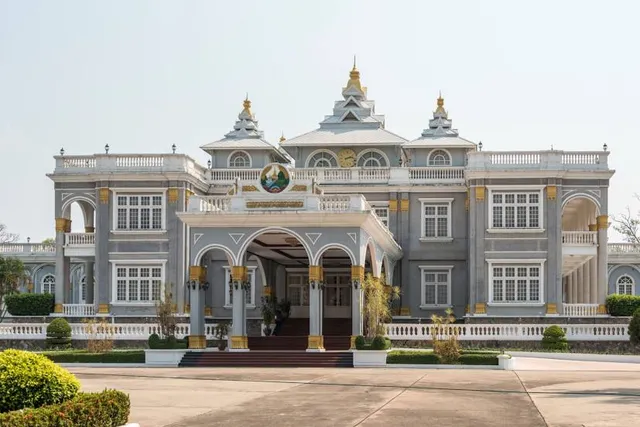
Presidential Palace ທຳນຽບປະທານາທິບໍດີ
4.0
(91)
Click for details
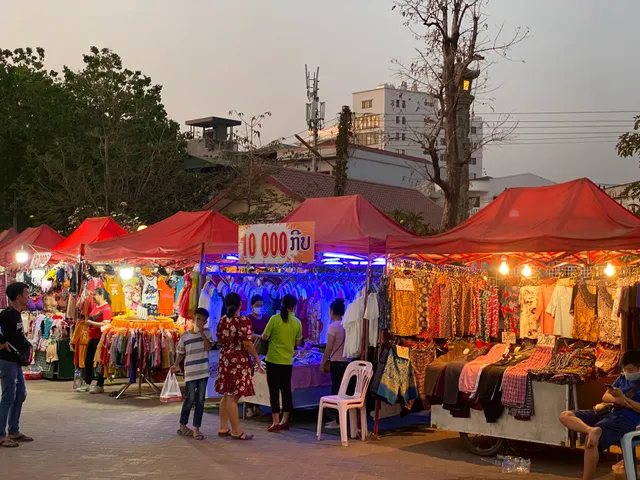
Vientiane Night Market
4.0
(1.4K)
Click for details
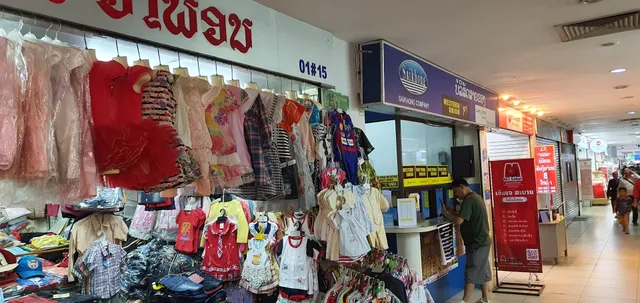
Talat Sao Shopping Mall 1
3.9
(134)
Click for details
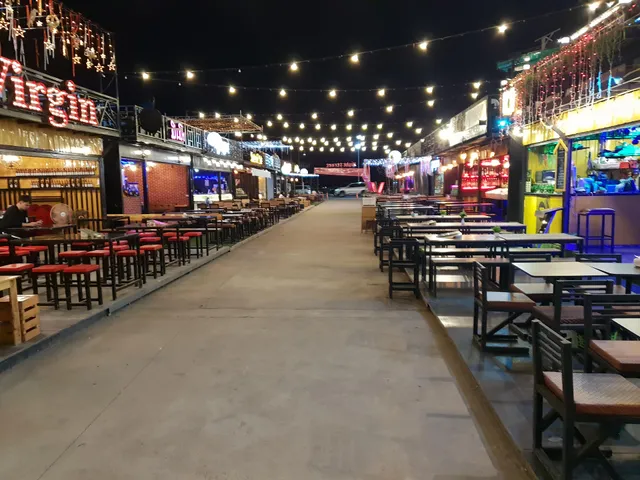
Walking Street Roller Skate Park
3.6
(25)
Click for details