The Royal Palace things to do, attractions, restaurants, events info and trip planning
Basic Info
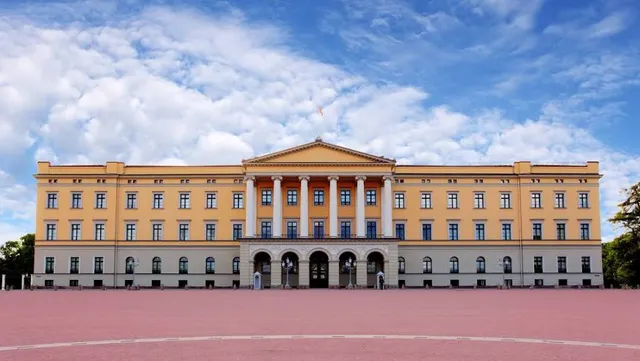
The Royal Palace
Slottsplassen 1, 0010 Oslo, Norway
4.5(6K)
Open 24 hours
Save
spot
spot
Ratings & Description
Info
Cultural
Accessibility
attractions: Slottsplassen, Slottsparken, Karl Johan Monument, IBSEN Museum & Theatre, Dronning Sonja KunstStall, Kunstnernes Hus, National Theatre, Historical Museum, Oslo Concert Hall, The National Museum, restaurants: Ruffino, Den Glade Gris, Lorry Restaurant, Sabi Sushi Vika, Valentes, Sabi Omakase Oslo, Bar Bardot, Park 29, Summit Bar, Vinland Brasserie, local businesses: Vika Movie Theater, Nationaltheatret, Parkveien 25, Dronningparken, Hegdehaugsveien 2, The Room Oslo, Paleet, Henrik Ibsens gate 100, Oslo City Hall, Rådhuset
 Learn more insights from Wanderboat AI.
Phone
+47 22 04 87 00
Website
kongehuset.no
Plan your stay

Pet-friendly Hotels in Oslo
Find a cozy hotel nearby and make it a full experience.

Affordable Hotels in Oslo
Find a cozy hotel nearby and make it a full experience.

The Coolest Hotels You Haven't Heard Of (Yet)
Find a cozy hotel nearby and make it a full experience.

Trending Stays Worth the Hype in Oslo
Find a cozy hotel nearby and make it a full experience.
Reviews
Live events
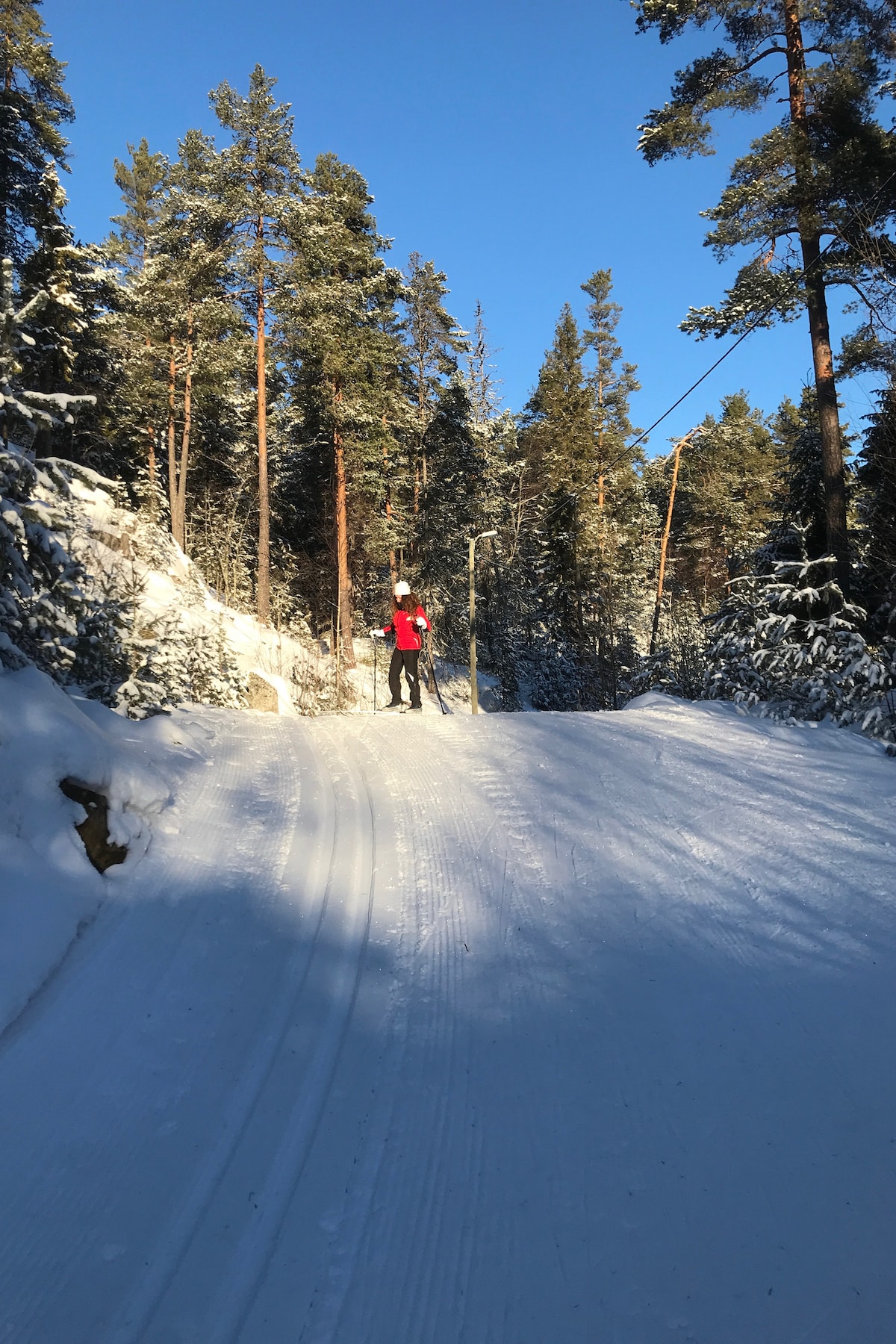
The Norwegian Skiing Experience
Sat, Feb 28 • 12:00 PM
0694, Oslo, Norway
View details
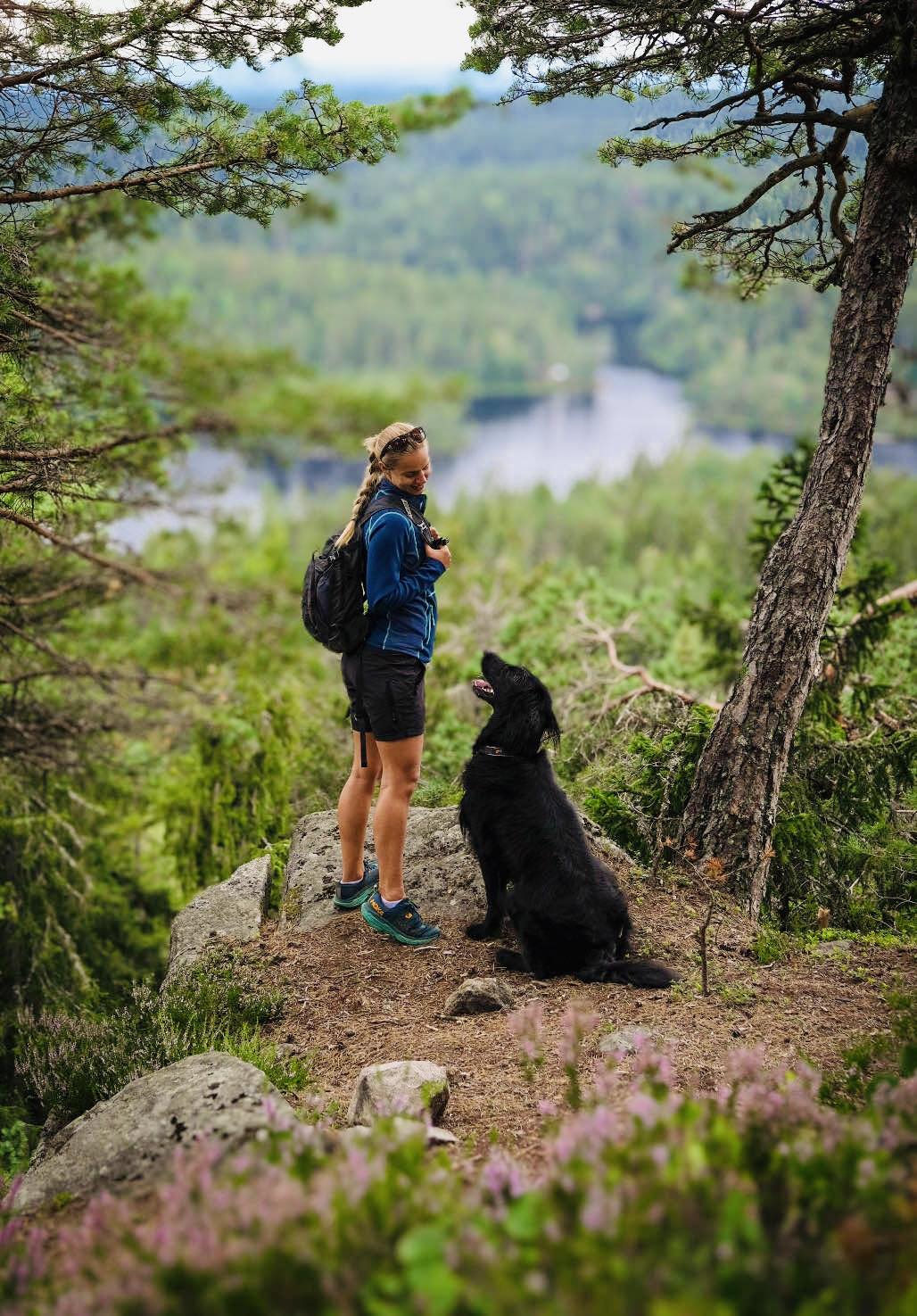
Winter wonderland forest hike & campfire with dog
Sat, Feb 28 • 10:00 AM
1410, Nordre Follo, Norway
View details
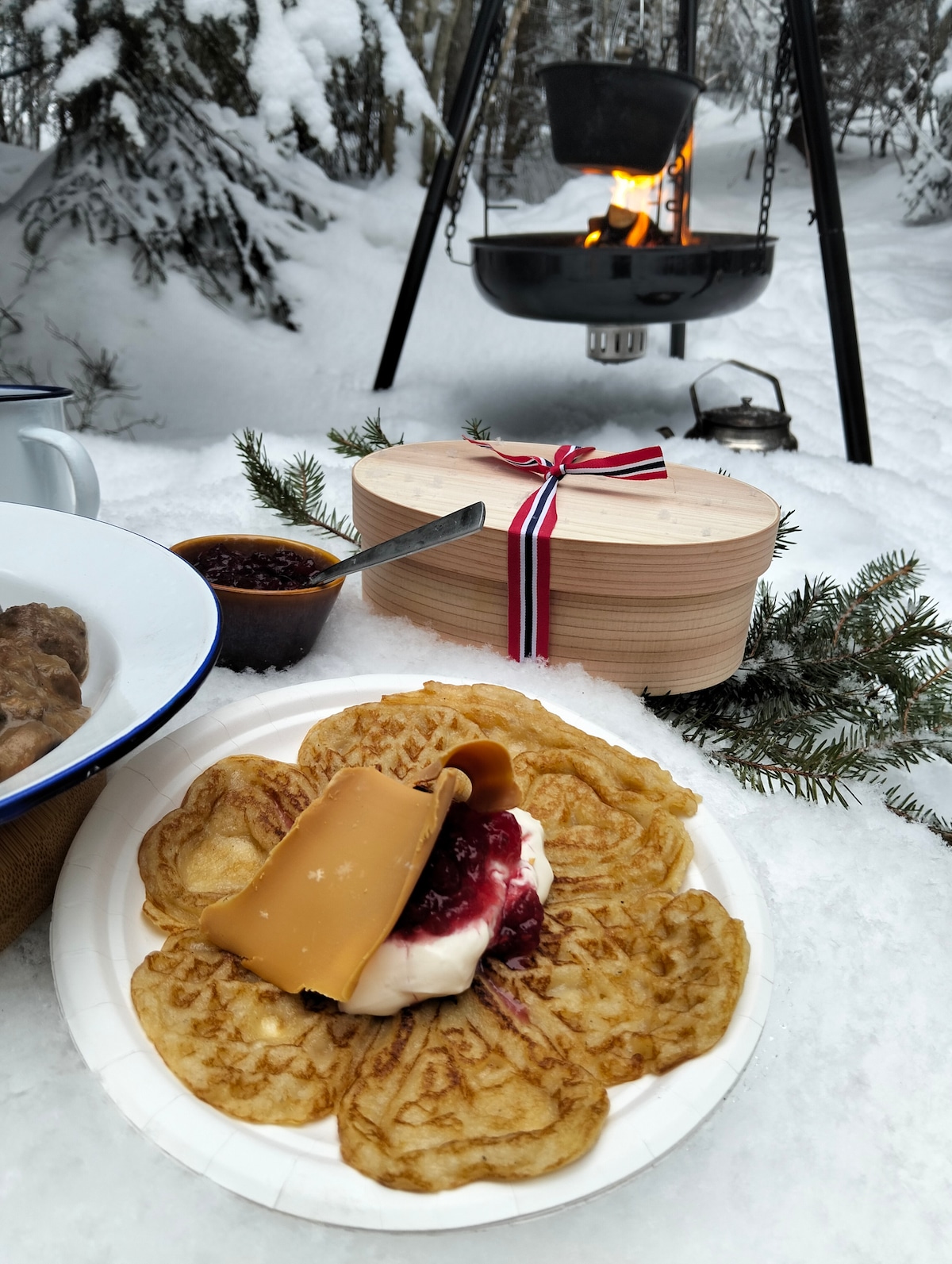
Oslo’s Food Tour: Nature Walk and Forest Feast
Fri, Feb 27 • 2:00 PM
0791, Oslo, Norway
View details
Nearby attractions of The Royal Palace
Slottsplassen
Slottsparken
Karl Johan Monument
IBSEN Museum & Theatre
Dronning Sonja KunstStall
Kunstnernes Hus
National Theatre
Historical Museum
Oslo Concert Hall
The National Museum
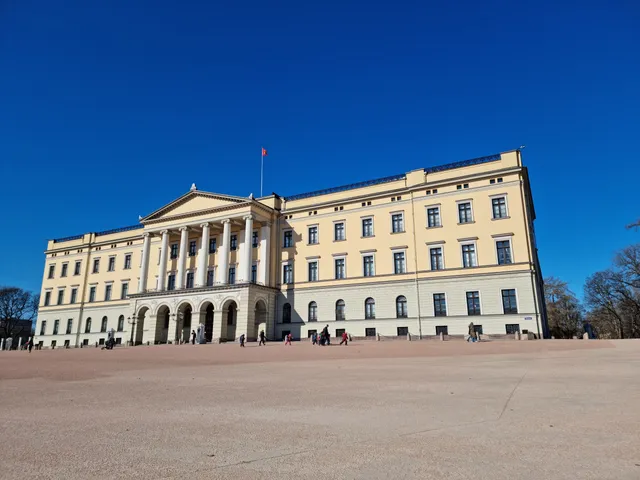
Slottsplassen
4.6
(5.5K)
Open until 12:00 AM
Click for details
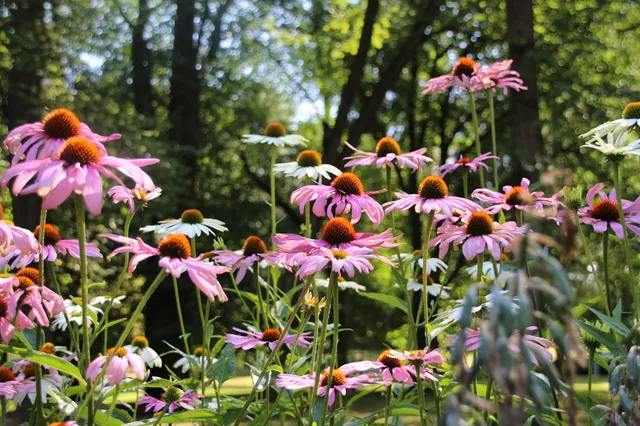
Slottsparken
4.6
(1.4K)
Open until 12:00 AM
Click for details
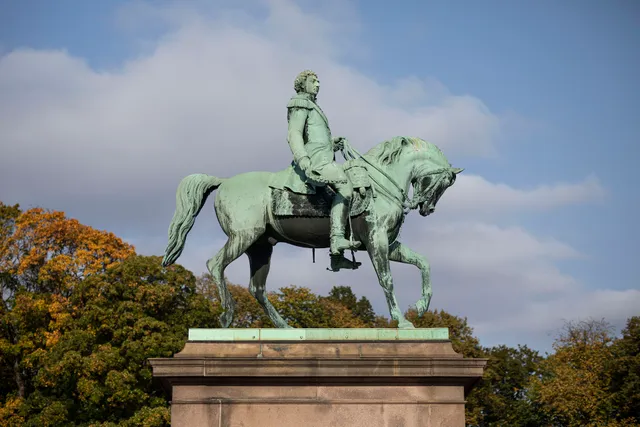
Karl Johan Monument
4.5
(85)
Open 24 hours
Click for details
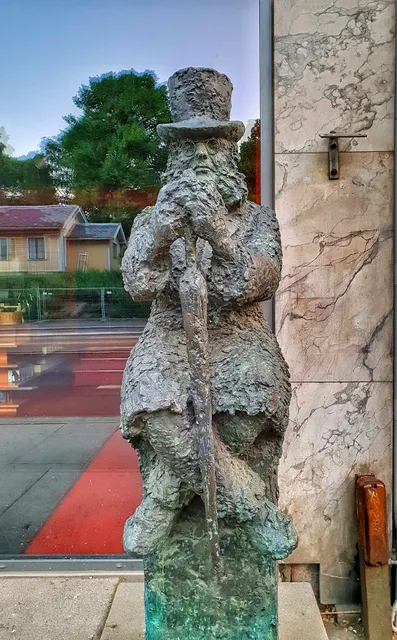
IBSEN Museum & Theatre
4.5
(162)
Closed
Click for details
Nearby restaurants of The Royal Palace
Ruffino
Den Glade Gris
Lorry Restaurant
Sabi Sushi Vika
Valentes
Sabi Omakase Oslo
Bar Bardot
Park 29
Summit Bar
Vinland Brasserie
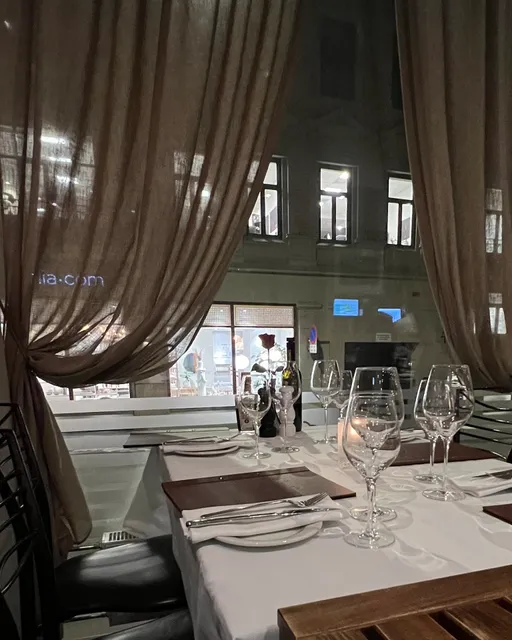
Ruffino
4.6
(472)
$$$
Open until 11:00 PM
Click for details
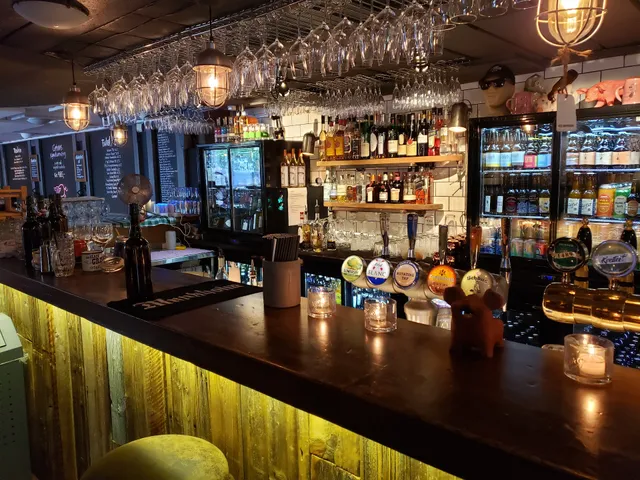
Den Glade Gris
4.6
(2.2K)
$$
Open until 9:30 PM
Click for details
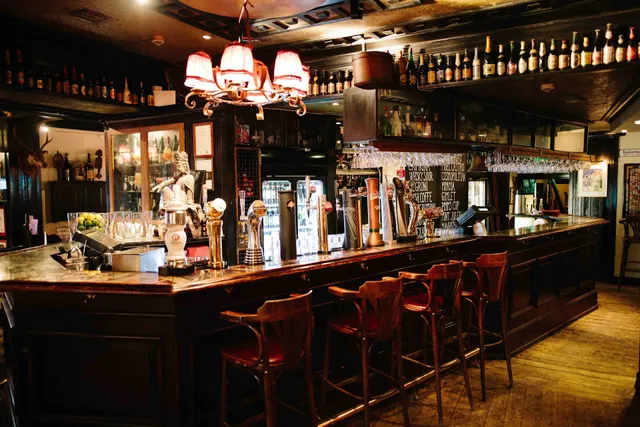
Lorry Restaurant
4.1
(1.6K)
$$
Open until 3:30 AM
Click for details
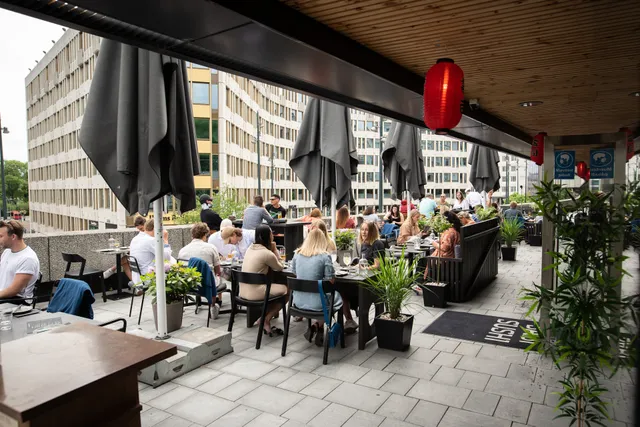
Sabi Sushi Vika
4.4
(299)
$$
Open until 10:00 PM
Click for details
Nearby local services of The Royal Palace
Vika Movie Theater
Nationaltheatret
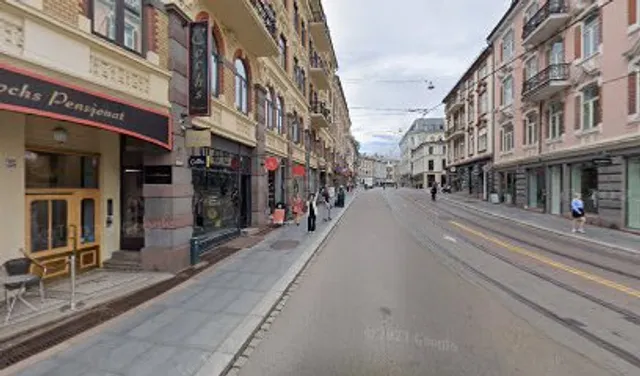
Parkveien 25
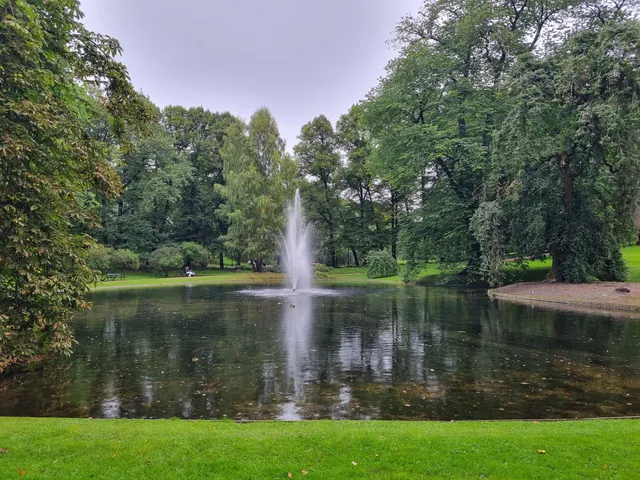
Dronningparken
Hegdehaugsveien 2
The Room Oslo
Paleet
Henrik Ibsens gate 100
Oslo City Hall
Rådhuset
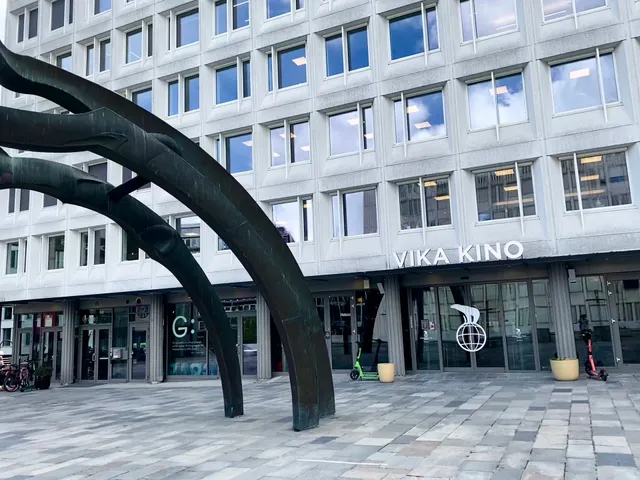
Vika Movie Theater
4.5
(764)
Click for details
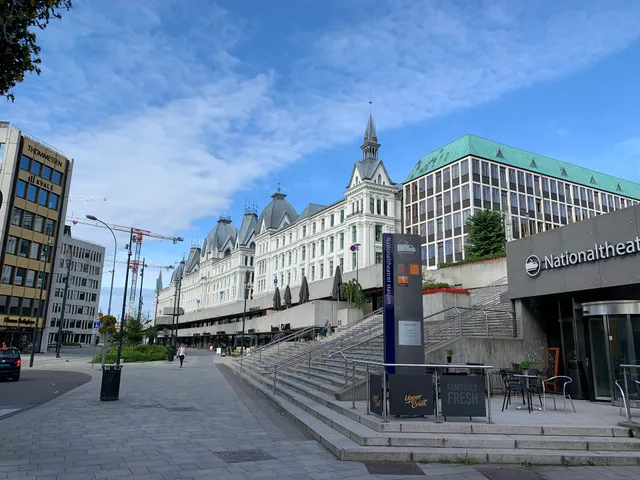
Nationaltheatret
4.4
(148)
Click for details
Parkveien 25
4.2
(501)
Click for details
Dronningparken
4.7
(14)
Click for details