The Polar Museum things to do, attractions, restaurants, events info and trip planning
Basic Info
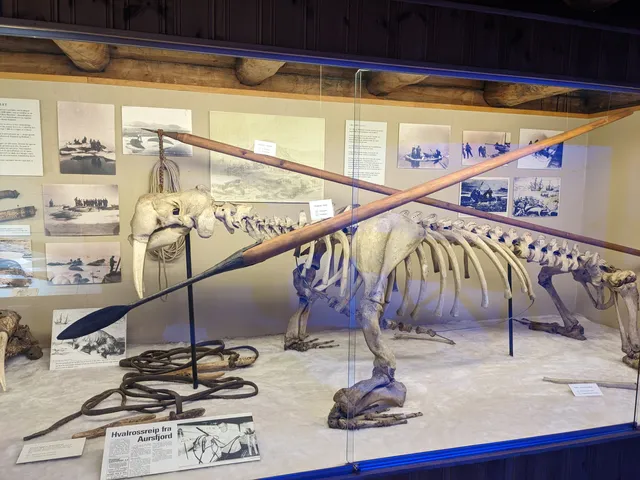
The Polar Museum
Søndre Tollbodgate 11B, 9008 Tromsø, Norway
4.4(2.1K)
Closed


tickets
Save
spot
spot
Ratings & Description
Info
The Scott Polar Research Institute is a centre for research into the polar regions and glaciology worldwide. It is a sub-department of the Department of Geography in the University of Cambridge, located on Lensfield Road in the south of Cambridge.
Cultural
Family friendly
Accessibility
attractions: Vulkana Arctic Spa And Adventure Boat, Perspective Museum, Bust of Roald Amundsen, Visit Tromsø, Tromsø Havn, Troll Museum, Cathedral of Our Lady, Tromsø, Blue Vision, Porten til Ishavet, Tromsø City Library and Archive, restaurants: Full Steam Tromsø AS, Burgr, Restaurant Skirri, Hildr Gastro Bar, Kaffebønna Stortorget, FINT kafé & bar, Maskinverkstedet, Kaia, Dragøy Coastal Mathus, HAV Sushi & Ramen, local businesses: Arctic Explorer AS, Sauna Pust Tromsø, Arctic Whale Tours - Tromsø, Polar Adventures Tromso - Northern Lights, Alanya Frisør Tromsø AS, World Sea Explorers Tromsø, Tromsø Outdoor AS, Arctic Guide Service AS, Raketten Bar & Pølse, Tourist Shop, Tromsø
 Learn more insights from Wanderboat AI.
Phone
+47 77 62 33 60
Website
uit.no
Open hoursSee all hours
Sat10 AM - 6 PMClosed
Plan your stay

Pet-friendly Hotels in Tromsø
Find a cozy hotel nearby and make it a full experience.

Affordable Hotels in Tromsø
Find a cozy hotel nearby and make it a full experience.

The Coolest Hotels You Haven't Heard Of (Yet)
Find a cozy hotel nearby and make it a full experience.

Trending Stays Worth the Hype in Tromsø
Find a cozy hotel nearby and make it a full experience.
Reviews
Live events
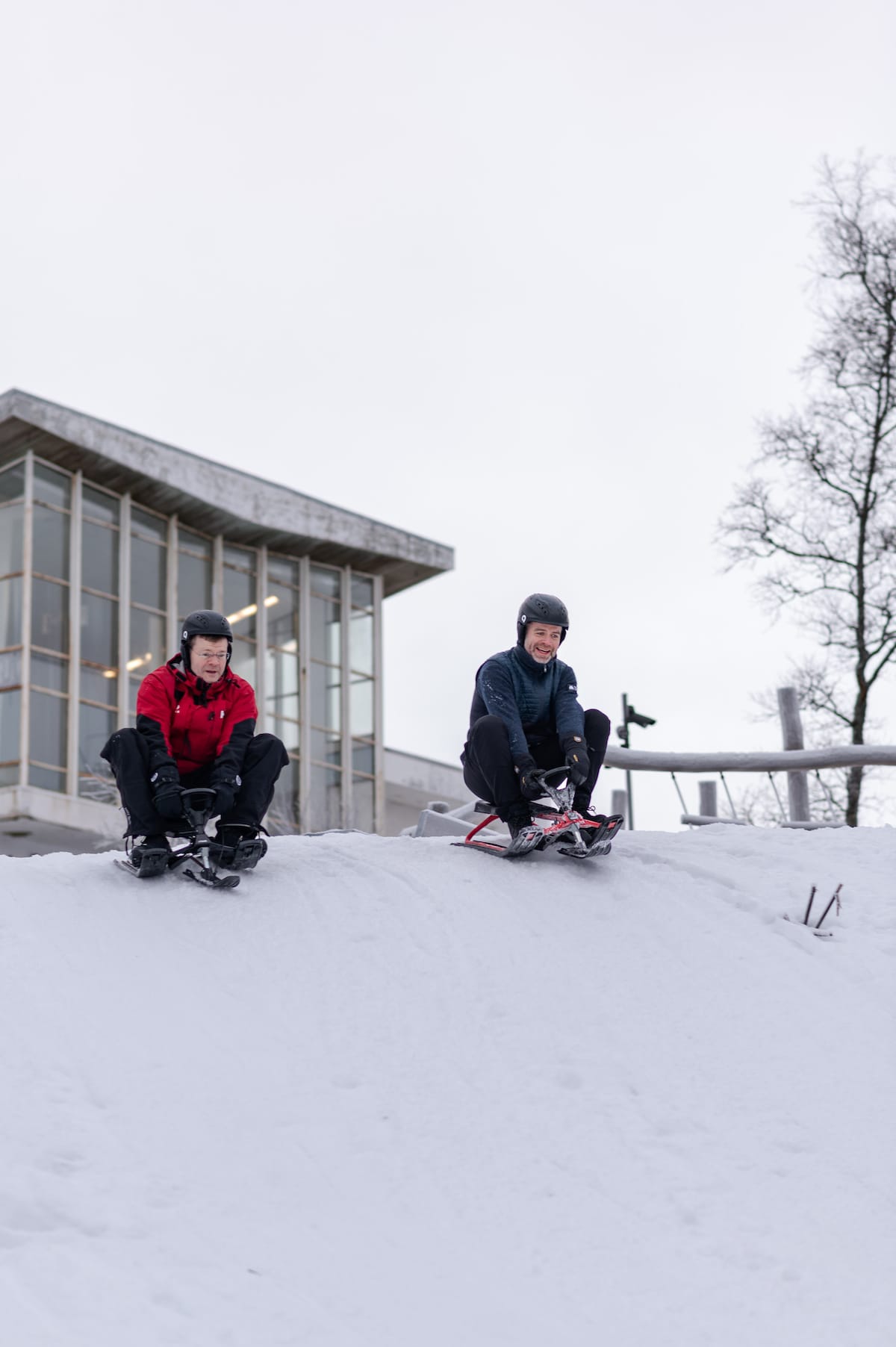
Snow sledding close to Tromsø city
Sat, Feb 21 • 12:00 PM
9009, Tromsø, Norway
View details
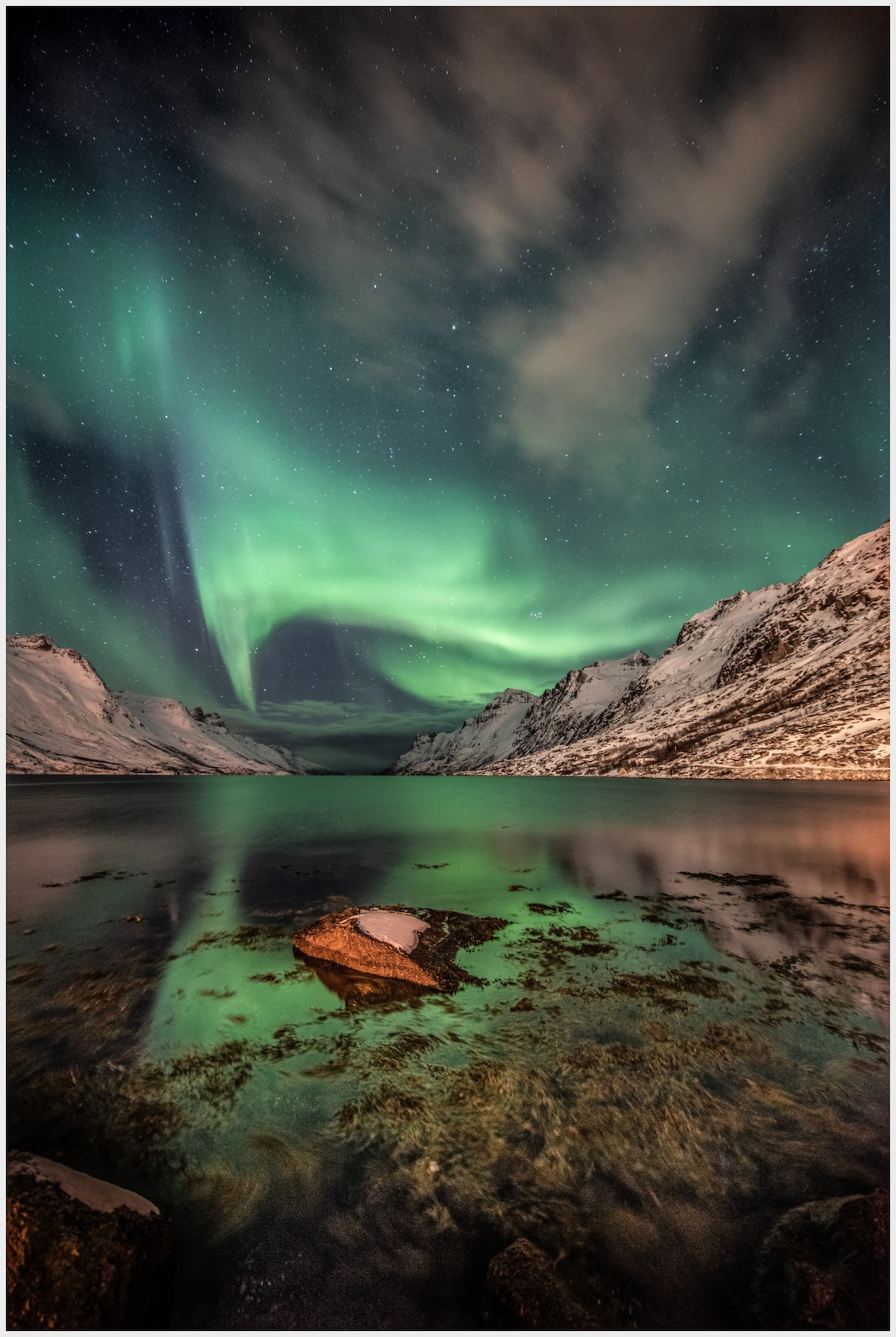
Capture the northern lights with pro-photographer
Sat, Feb 21 • 6:00 PM
9008, Tromsø, Norway
View details

Explore Tromsø’s beautiful Kaldfjord by Sail
Mon, Feb 23 • 9:30 AM
9107, Tromsø, Norway
View details
Nearby attractions of The Polar Museum
Vulkana Arctic Spa And Adventure Boat
Perspective Museum
Bust of Roald Amundsen
Visit Tromsø
Tromsø Havn
Troll Museum
Cathedral of Our Lady, Tromsø
Blue Vision
Porten til Ishavet
Tromsø City Library and Archive
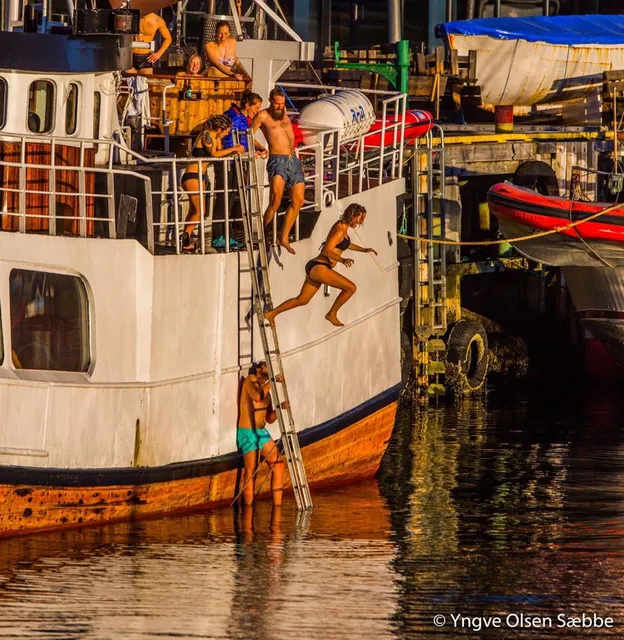
Vulkana Arctic Spa And Adventure Boat
4.7
(120)
Closed
Click for details
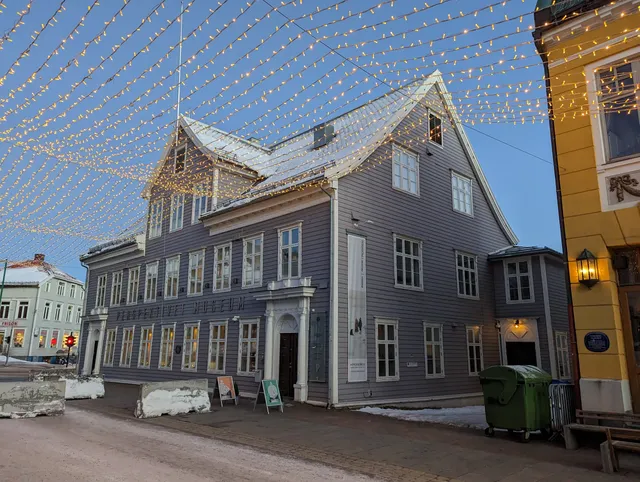
Perspective Museum
4.4
(220)
Closed
Click for details
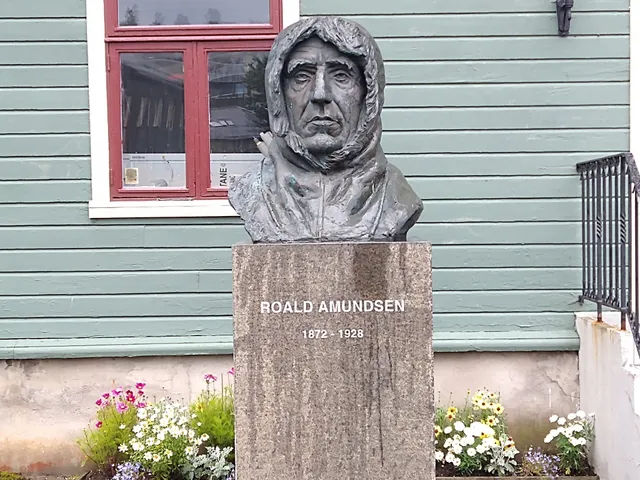
Bust of Roald Amundsen
4.7
(25)
Open until 12:00 AM
Click for details

Visit Tromsø
4.4
(599)
Closed
Click for details
Nearby restaurants of The Polar Museum
Full Steam Tromsø AS
Burgr
Restaurant Skirri
Hildr Gastro Bar
Kaffebønna Stortorget
FINT kafé & bar
Maskinverkstedet
Kaia
Dragøy Coastal Mathus
HAV Sushi & Ramen
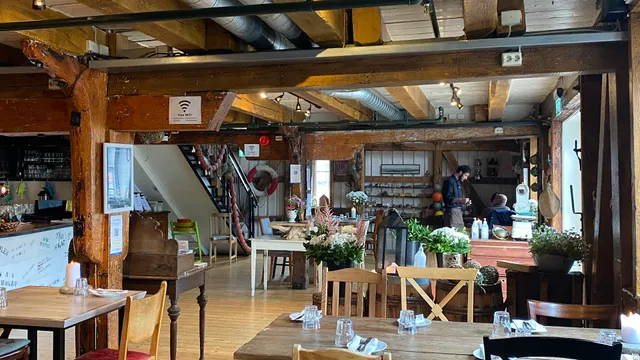
Full Steam Tromsø AS
4.1
(790)
$$
Closed
Click for details
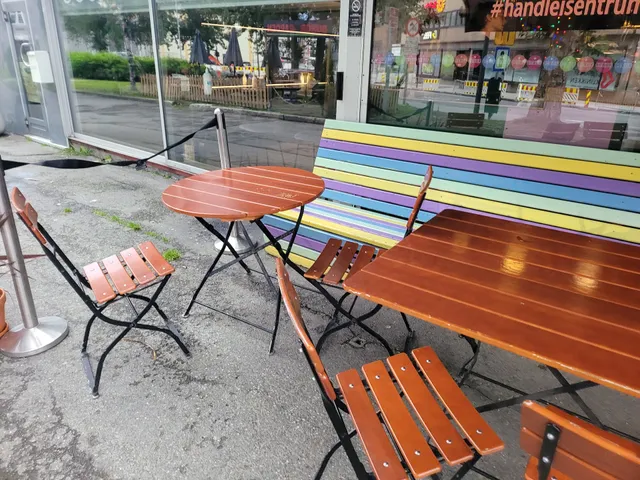
Burgr
4.6
(811)
Closed
Click for details
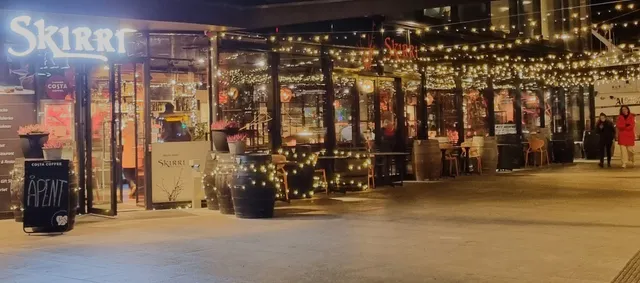
Restaurant Skirri
4.3
(620)
$$
Closed
Click for details
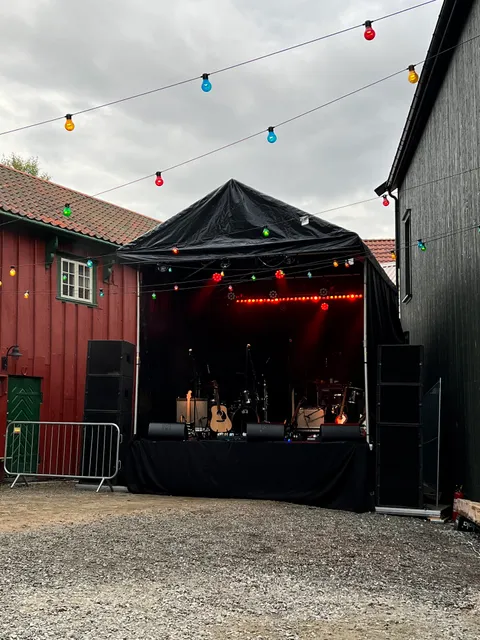
Hildr Gastro Bar
4.5
(244)
Closed
Click for details
Nearby local services of The Polar Museum
Arctic Explorer AS
Sauna Pust Tromsø
Arctic Whale Tours - Tromsø
Polar Adventures Tromso - Northern Lights
Alanya Frisør Tromsø AS
World Sea Explorers Tromsø
Tromsø Outdoor AS
Arctic Guide Service AS
Raketten Bar & Pølse
Tourist Shop, Tromsø
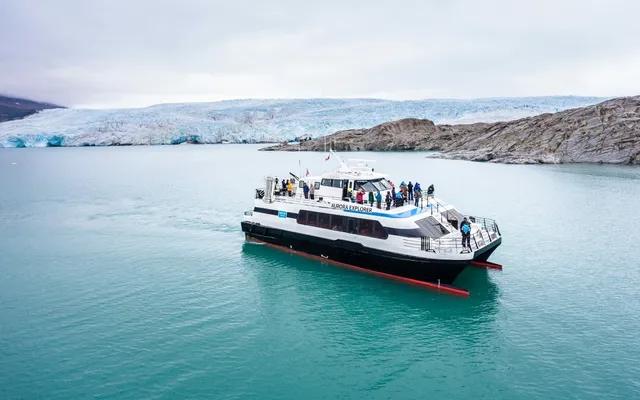
Arctic Explorer AS
4.6
(69)
Click for details
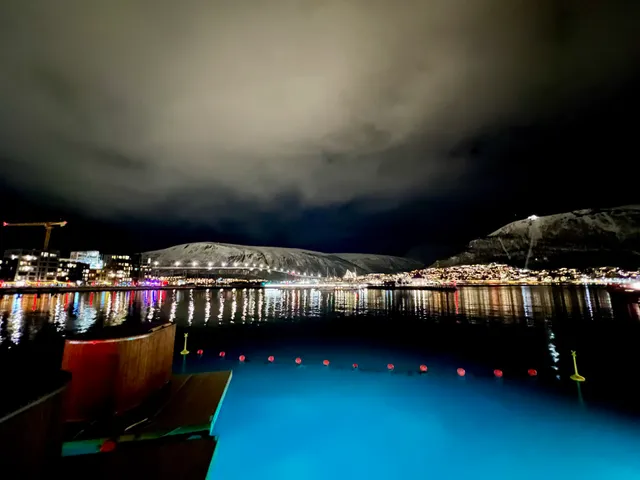
Sauna Pust Tromsø
4.5
(205)
Click for details
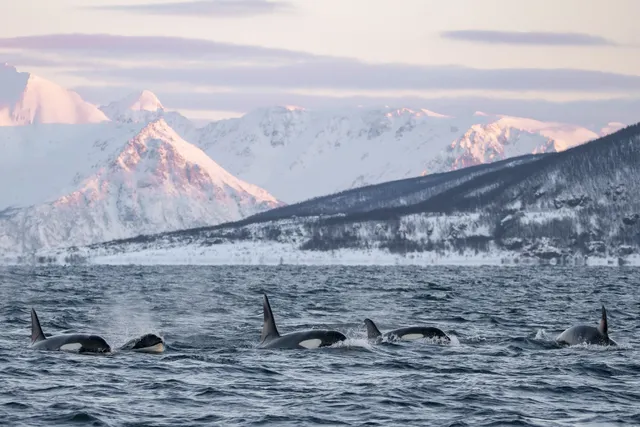
Arctic Whale Tours - Tromsø
4.8
(95)
Click for details
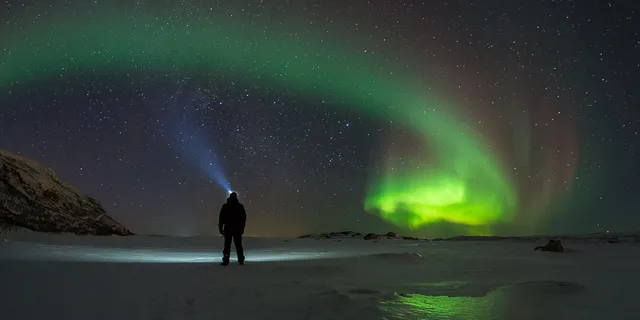
Polar Adventures Tromso - Northern Lights
4.5
(293)
Click for details