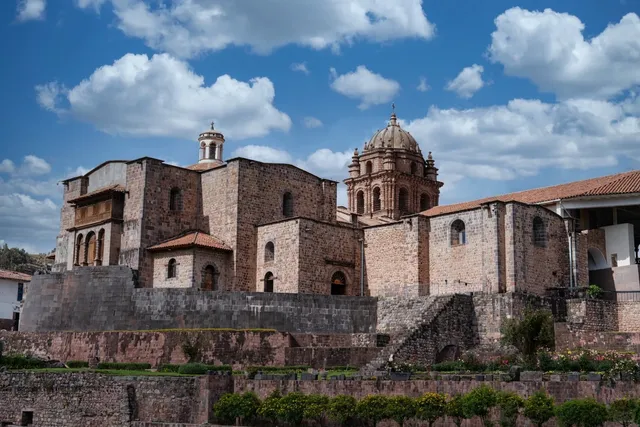
Saqsaywaman, an architectural marvel perched on the outskirts of Cusco, Peru, serves as a testament to the ingenuity and might of the Incan Empire. This grandiose fortress, often overshadowed by the fame of Machu Picchu, is an extraordinary site that demands admiration and offers a profound glimpse into the ancient Incan civilization. My experience at Saqsaywaman was nothing short of awe-inspiring, deserving of a glowing review and a strong recommendation for anyone captivated by history, architecture, and the mysteries of ancient cultures.
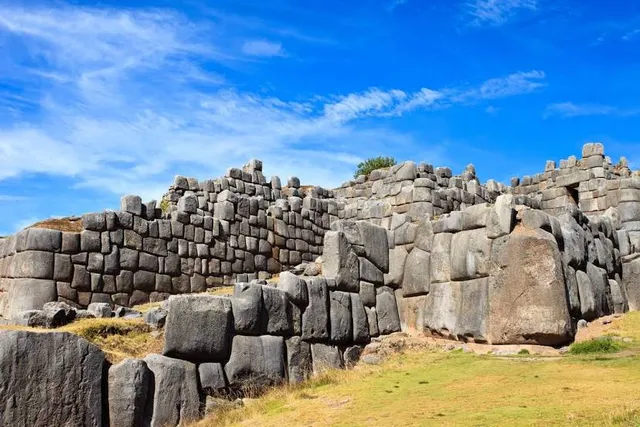
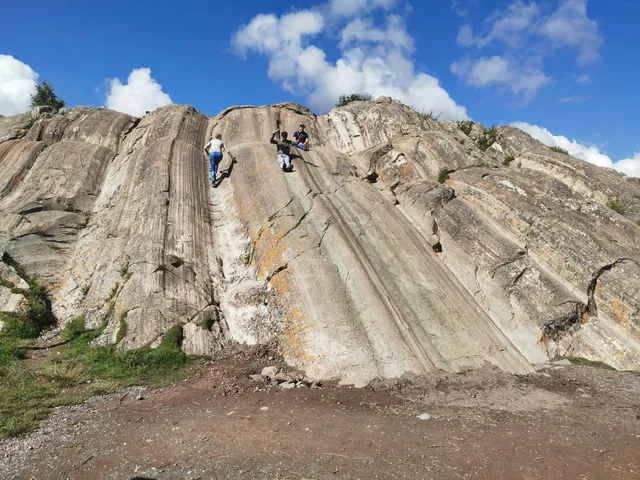
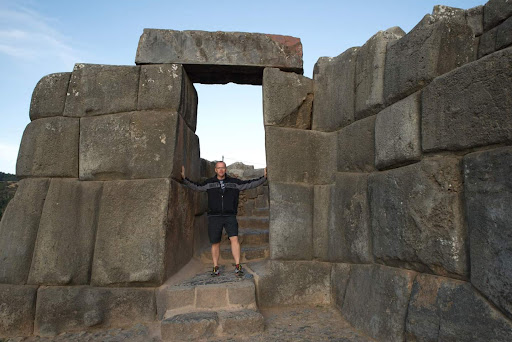
Architectural Brilliance: The first aspect of Saqsaywaman that strikes you is its monumental scale and the precision of its construction. The fortress is famed for its massive stone walls, assembled with colossal boulders that have been cut and fitted together with astonishing accuracy, without the use of mortar. The precision with which these stones are aligned, some weighing over a hundred tons, is a marvel of engineering that leaves visitors pondering the advanced techniques employed by the Incas. The zigzagging walls, believed to represent the teeth of a puma, symbolize the strength and power of the Incan Empire, adding a layer of cultural significance to the architectural wonder.
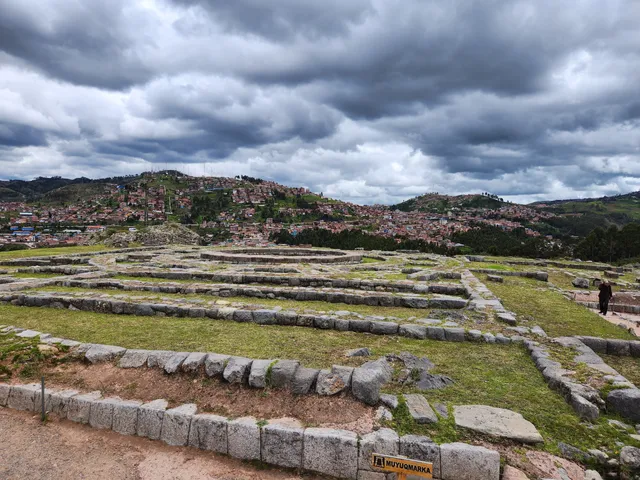
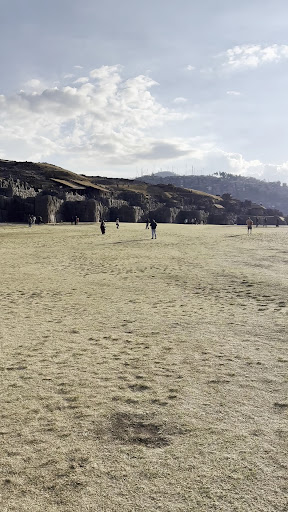
A Portal to the Past: Walking through the expansive grounds of Saqsaywaman is like stepping back in time. Each terrace, tower, and passageway tells a story of a civilization that was both formidable in war and sophisticated in its social and political structures. The strategic vantage points and the expansive plaza speak to Saqsaywaman's military importance, while the precision of its stonework reflects the Incas' deep reverence for the natural world and their dedication to harmonizing their monumental architecture with the surrounding landscape.
Cultural and Spiritual Significance: Saqsaywaman is not only a military fortress but also a site of significant cultural and spiritual importance. It is believed to have served as a ceremonial center where the Incas celebrated the sun god Inti, among other deities. The Inti Raymi festival, a reenactment of the Inca Festival of the Sun, still takes place here every year, drawing visitors from around the world to witness a spectacle that connects the present with the ancient past.
A Must-Visit Destination: For travelers seeking to immerse themselves in the world of the Incas, Saqsaywaman is an indispensable destination. Its proximity to Cusco makes it an accessible journey into the heart of Incan history and culture. I recommend dedicating enough time to explore the site thoroughly, and if possible, engage a knowledgeable guide to enhance your understanding of the historical and cultural contexts of Saqsaywaman. The experience of standing amidst the towering walls and expansive terraces, overlooking the city of Cusco, is both humbling and exhilarating.
In the end, Saqsaywaman is a remarkable testament to the architectural prowess and cultural depth of the Incan Empire. It offers visitors a unique opportunity to connect with the past, marvel at ancient engineering feats, and reflect on the enduring legacy of a civilization that continues to fascinate and inspire. Whether you are an avid historian, an architecture enthusiast, or simply someone in search of beauty and mystery, Saqsaywaman promises an unforgettable adventure into the heart of Incan...
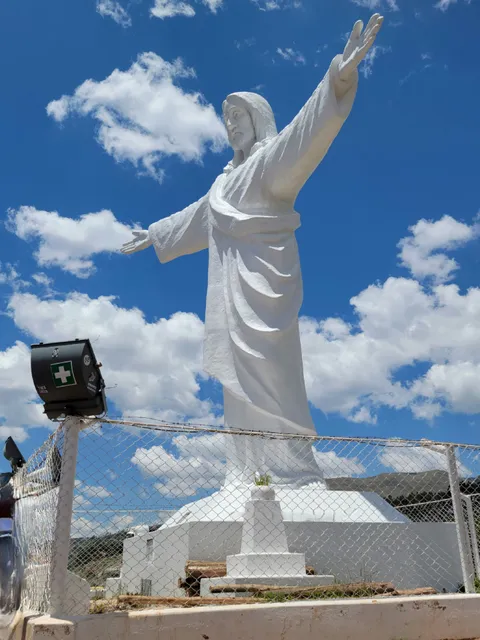
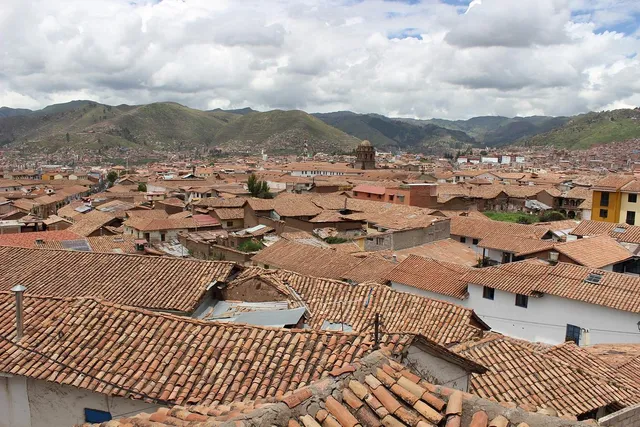
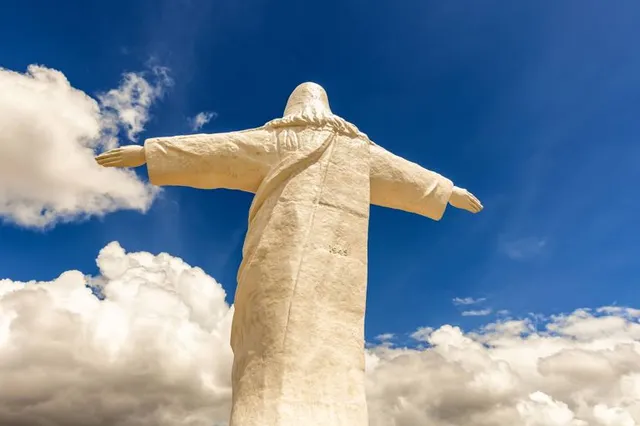
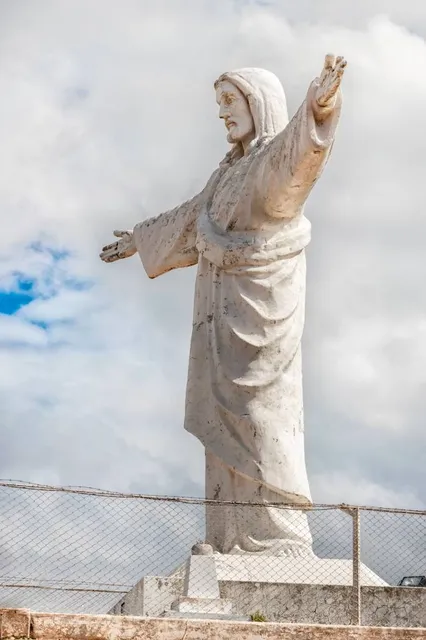
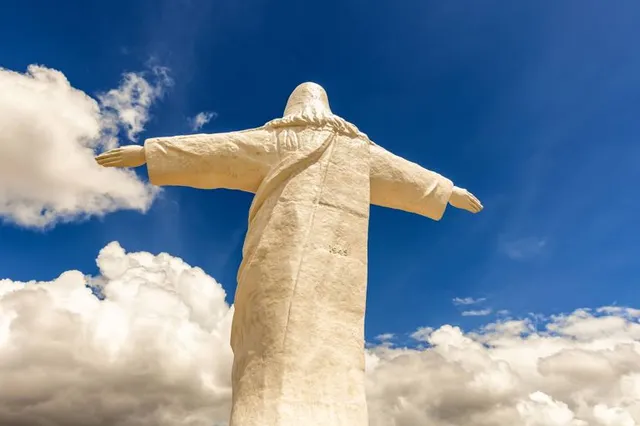
Read moreI climbed a mountain in Cusco to see an ancient Inca site, that the invading Spanish incorrectly labelled as a fortress. It was, in fact, a religious site, but the Spanish thought it was a fortress because of its structure, based on a zigzag pattern and three levels of stone terraces. At the time, it had several high towers, which no longer remain today. One of the generals of the Incas famously jumped from the top of one of these towers, to avoid being captured by the Spanish when it was clear that they would lose the battle. The Spaniards destroyed the towers and many of the buildings inside, but much of the impressive original surrounding structure remains. I walked around the site, starting at the top, where there is a great viewpoint with amazing views over Cusco. As I worked my way down, I saw bigger and bigger stones, until at the bottom, where I came across the biggest stones, which were truly enormous. It is hard to believe that these 20 tonne stones could have been moved without enormous mechanical cranes, let alone by hand. Furthermore, the stones were carved to fit together so accurately, that they did not need any mortar to stick them together. In fact, they are fitted together so perfectly, that you cannot even fit a credit card between them. They were apparently built this way, so that during earthquakes, they could shake and just fit back together in exactly the same place. Incredible ingenuity. 🥰👌 There were also some adorable alpacas grazing on the site, which I had to take some photos and videos of. 😅 I have to warn that, at over 3,800m above sea level, the climb to Saqsaywaman is possible, but it's very difficult. You should give yourself a few days in Cusco to acclimatise before attempting the ascent. Take plenty of water and a raincoat, as rain can come quickly at any time. You can also take a taxi most of the way there, or to the statue of Christ next to it, to get even closer. Tickets can be purchased at the site for 70 Soles for a one day Tourist Pass, or 130 Soles for a 10 day pass to enter 16 tourist attractions, including Saqsaywaman, in and...
Read moreI have been visiting this amazing place several times. Cusco is situated high and beautiful in the Andes. The city's history goes back several millennia. Many attach the credit to the Incas for the origin, but it is quite unlikely. The Incas are only a short recent time bracket in South American history. Cusco was the headquarters of the Incas for over a century before the Spaniards came and burned down the city.
Above the city is the giant rouin Sacsayhuamán. It is known for its walls with carefully sized stones of mega size. The largest weigh over 150 tons. Everyone is so fine and beautifully matched that it is not possible to squeeze just a piece of paper into the spaces. The work has been carried out with such an unprecedented precision, that no one today knows how the walls were constructed. Many have made tenacious but pitiful attempts to imitate the building. The on-site guides tell imaginative stories of how maybe 60,000 men worked on the project, and how the use of rope and primitive tools formed these giant stones and dragged them many miles, eventually joining them with immense precision.
The problem is that in a modern technological world we cannot accept anything we cannot explain and which do not fit with our preconceived notions. The Spaniards couldn't do that either. They were impressed with the facility, but it could not be the primitive, ignorant Indians who had performed this. Animal creatures do not own the ability to logically think. Therefore, the fanatic priests declared that it was demons who had been responsible for the construction, and then commanded destruction. For four centuries, the plant has been vigorously sought to be destroyed. Sacsayhuamán's stone has been used for churches and cathedrals in Cusco. The city's inhabitants were allowed to use the site as quarries for their houses in the city. Still, it is impressive what remains. I do not know who or when Sacsayhuamán was created, but the creators were not at least neither primitive nor...
Read more