Ayala Museum in Makati, Philippines, is a cultural gem that offers visitors a rich and immersive experience into the country's history, art, and heritage. Nestled in the bustling Ayala Center, the museum stands as a serene and enlightening oasis amidst the vibrant city life.
One of the most compelling aspects of Ayala Museum is its extensive and meticulously curated collection of exhibits. The museum is renowned for its historical dioramas, which depict significant events in Philippine history. These dioramas are incredibly detailed and provide a comprehensive overview of the country's journey from pre-colonial times to the modern era. Each diorama is accompanied by informative descriptions, making it an educational experience for visitors of all ages.
In addition to the historical dioramas, the museum houses a vast collection of pre-Hispanic gold artifacts. This collection showcases the sophisticated craftsmanship and artistry of early Filipino societies, highlighting their rich cultural heritage. The intricate designs and the sheer amount of gold on display are awe-inspiring and offer a glimpse into the opulence and advanced metallurgy of ancient Philippine civilizations.
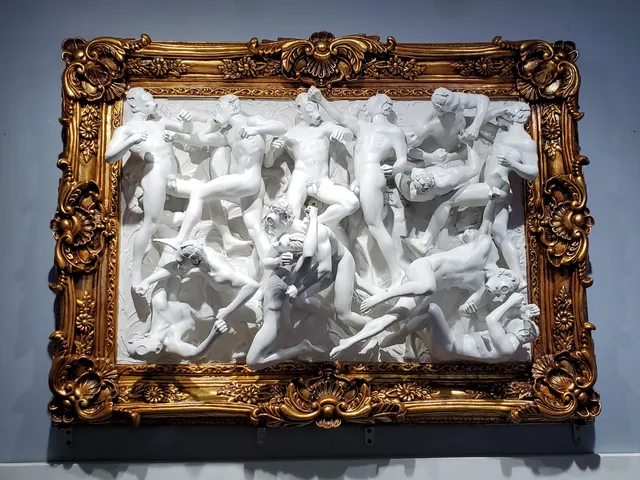
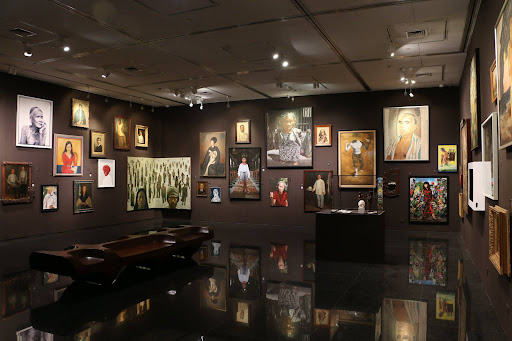
Art enthusiasts will find Ayala Museum a haven for contemporary and traditional Filipino art. The museum regularly features exhibitions from both renowned and emerging Filipino artists, providing a platform for local talent to shine. The rotating exhibits ensure that there's always something new to see, making repeat visits worthwhile. From paintings and sculptures to multimedia installations, the diversity of artistic expressions on display is impressive.
One of the highlights of Ayala Museum is its focus on maritime history through the "Maritime Vessels" exhibit. This section of the museum features scaled-down models of traditional boats and ships used throughout Philippine history. It offers insight into the seafaring traditions of the archipelago and the role of maritime trade in shaping the country's cultural and economic landscape.
The museum also places a strong emphasis on educational programs and activities. Workshops, lectures, and guided tours are regularly conducted, making it an excellent destination for students, researchers, and anyone interested in deepening their understanding of Philippine history and culture. The knowledgeable and friendly staff add to the enriching experience, providing additional context and answering any questions visitors might have.
The Ayala Museum is not just about looking back; it also embraces modern technology to enhance the visitor experience. Interactive displays and multimedia presentations make the exhibits more engaging, catering to a tech-savvy audience. The use of digital tools complements the traditional exhibits, creating a dynamic and immersive environment.
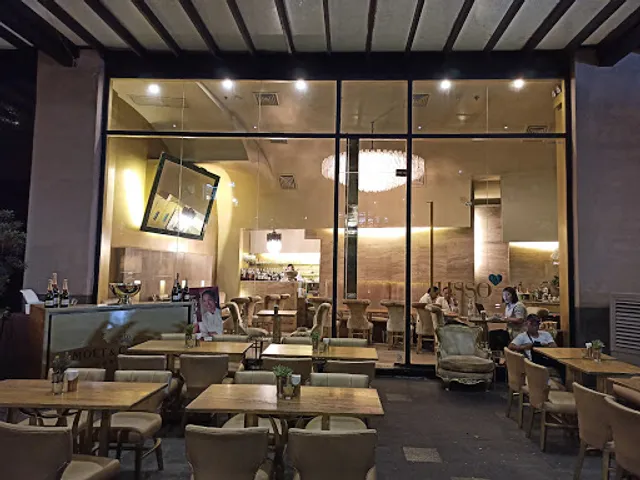
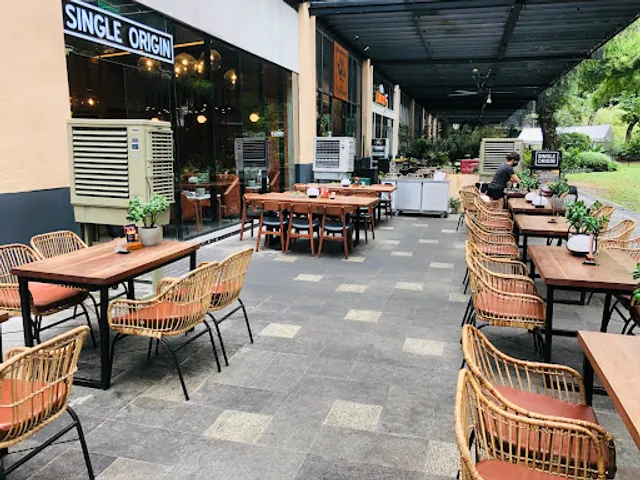
However, there are a few areas where the museum could improve. For instance, the signage and directions within the museum can sometimes be a bit confusing. Clearer signs and maps would help visitors navigate the different sections more efficiently. Additionally, while the museum has a café, expanding the menu to include more local delicacies would provide a more comprehensive cultural experience.
Another point worth noting is the need for more seating areas within the exhibit halls. Given the extensive range of displays, visitors often spend several hours exploring the museum. Additional benches or seating areas would allow guests to rest and reflect on the exhibits more
You must-visit destination for anyone interested in Philippine history, art, and culture. Its rich collection of historical artifacts, contemporary art, and educational programs offer a comprehensive and engaging experience. While there is room for improvement in terms of navigation and seating, these minor drawbacks are overshadowed by the museum's overall excellence. Whether you're a history buff, an art lover, or simply curious about Filipino heritage, Ayala Museum provides a deep and meaningful exploration of the country's past...
Read moreAyala Museum is a must-visit destination for anyone interested in Philippine history, culture, and art. From the moment you step inside, you are greeted with a sense of wonder and discovery. The museum's layout is well-designed, making it easy to navigate and explore the diverse exhibits.
One of the highlights of Ayala Museum is its comprehensive collection of artifacts and artworks that beautifully showcase the rich heritage of the Philippines. The Gold of Ancestors exhibit is particularly captivating, with its stunning display of ancient gold jewelry and ceremonial objects. It provides a glimpse into the country's pre-colonial past and the extraordinary craftsmanship of its ancestors.
The museum also offers a fascinating journey through Philippine history through its meticulously crafted dioramas. These vivid scenes transport you to pivotal moments in the nation's development, allowing you to immerse yourself in the past and gain a deeper understanding of the country's cultural identity.
Moreover, Ayala Museum embraces contemporary art, featuring a range of thought-provoking exhibitions that highlight the talent and creativity of Filipino artists. The modern art section offers a refreshing contrast to the historical exhibits and demonstrates the vibrant and evolving nature of Philippine art.
Throughout my visit, the museum staff were friendly, knowledgeable, and passionate about the exhibits. Their enthusiasm was contagious, enhancing the overall experience and creating a welcoming atmosphere.
Additionally, Ayala Museum regularly hosts educational programs, workshops, and events that further enrich visitors' understanding of Philippine culture and history. These activities provide valuable opportunities for learning and engagement, particularly for students and families.
Lastly, I appreciate the amenities provided by the museum, such as a well-stocked gift shop where you can find unique souvenirs and books related to Philippine arts and culture.
In conclusion, Ayala Museum is a gem that showcases the diverse and fascinating aspects of Philippine heritage. Its impressive collection, engaging exhibits, and knowledgeable staff make it a truly memorable destination for locals and tourists alike. I highly recommend visiting Ayala Museum to discover the beauty and depth of Philippine history...
Read moreThis is a neat little museum! The entire third floor was closed, though, so I didn’t get the full experience. The staff members were all friendly, for the most part. The man who was in charge of storing shopping bags was a little off-putting, though. I greeted him with a smile, and he gave me a blank stare and never said a word. I had the same interaction when I picked my bags up from him later.
The museum itself is interesting because they make you start from the fourth floor and work your way down. There’s a very specific way that the staff wants you to go through the museum. As I reached the fourth floor using the elevator, they immediately ushered me through the gates right across from the elevator to look at old jewelry and other artifacts. They encourage you to download the museum app for an audio tour, but I’m tired of downloading apps for everything, so I didn’t try it. They do have free wifi, though.
Upon exiting that section of the floor, I looked at the displays of weapons, art, clothing, and pottery. It was a bit warm on that floor, so I didn’t want to spend too much time there as I was a little uncomfortable. I saw some staff members setting up an additional air cooler, but I honestly wish they at least had AC since the air coolers were really struggling. So, keep that in mind if you want to visit while it’s warm out.
The second floor was my favorite of the two that I saw because of the 60 dioramas by Fernando Zobel. It was a cool crash course on major events in Philippine history starting from around 750,000 B.C. to more relatively recent events like the US’ recognition of Philippine independence. They also had full body illustrations of various Filipino figures along with their heights, so it was fun to see how I measured up against them. Aside from that, it was also very interesting to look at each diorama and appreciate all the attention to detail in each one. The artistry is honestly amazing.
I think this museum is worth visiting for the dioramas alone, but maybe go when it’s not as hot, and wait for the work on the third...
Read more