Staszic Palace things to do, attractions, restaurants, events info and trip planning
Basic Info
Staszic Palace
Nowy Świat 72, 00-330 Warszawa, Poland
4.6(262)
Open 24 hours
Save
spot
spot
Ratings & Description
Info
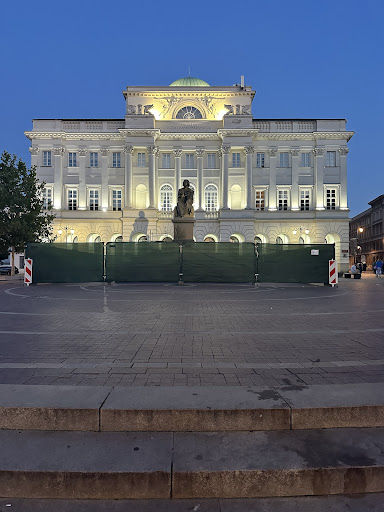
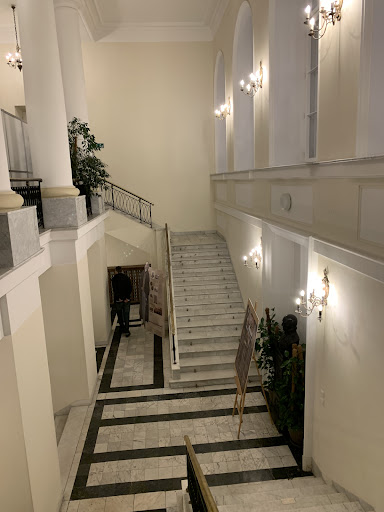
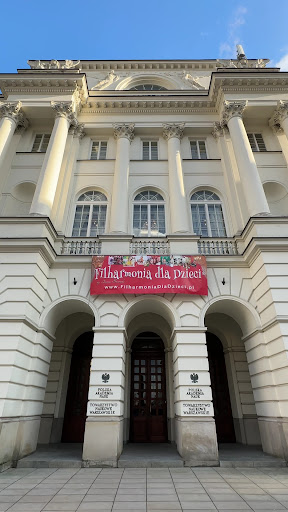
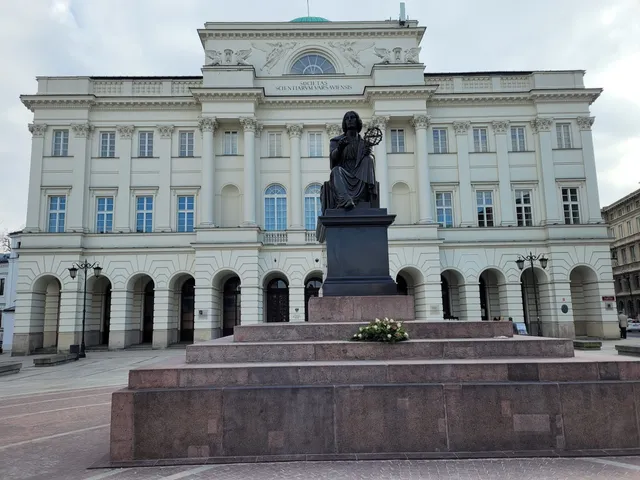
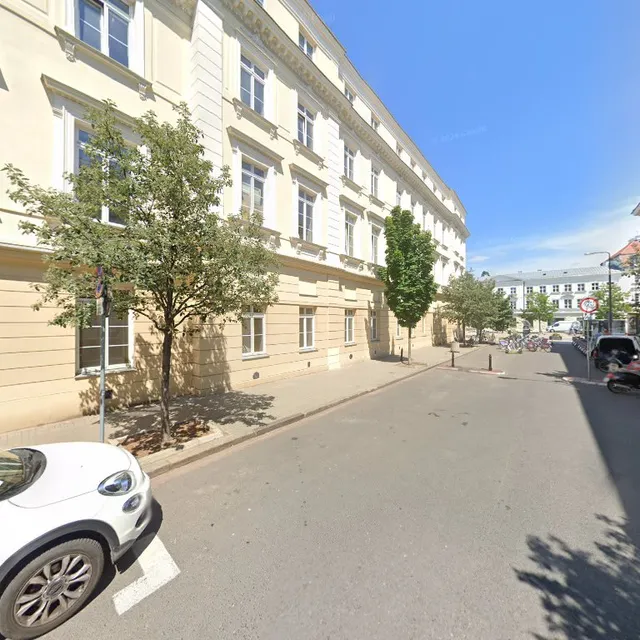
Staszic Palace is an edifice at ulica Nowy Świat 72, Warsaw, Poland. It is the seat of the Polish Academy of Sciences.
Cultural
Accessibility
attractions: Nicolaus Copernicus Monument, Holy Cross Church, Centrum Pieniądza NBP im. Sławomira S. Skrzypka, Museum of Fryderyk Chopin in Warsaw, University of Warsaw, Czapski Palace, Zachęta – National Gallery of Art, Presidential Palace, Warsaw, Tomb of the Unknown Soldier, Museum of the University of Warsaw, restaurants: Nonna Pizzeria, Zapiecek, About Matcha | Bar & Desserts, FALLA Warszawa Śródmieście, Belvedere Café, Bottegas - Pizza neapolitańska | Włoska restauracja | Śródmieście, Karmello Chocolatier, SLA Warsaw | Restaurant, Shisha, Cocktail Bar, Night Life, Restauracja Sour, Green Caffè Nero, local businesses: Nowy Świat 66, Klub Harenda, Pomnik Bartolomeo Colleoniego, Sweet Factory Store, Nowy Świat 55, Krakowskie Przedmieście 1, Warszawski Dom Technika NOT Sp. z o.o., Saxon Palace, Krakowskie Przedmieście 16/18, K. Zamoyski's Palace
 Learn more insights from Wanderboat AI.
Phone
+48 22 657 28 41
Website
zdp.pan.pl
Plan your stay

Pet-friendly Hotels in Warsaw
Find a cozy hotel nearby and make it a full experience.

Affordable Hotels in Warsaw
Find a cozy hotel nearby and make it a full experience.

The Coolest Hotels You Haven't Heard Of (Yet)
Find a cozy hotel nearby and make it a full experience.

Trending Stays Worth the Hype in Warsaw
Find a cozy hotel nearby and make it a full experience.
Reviews
Live events
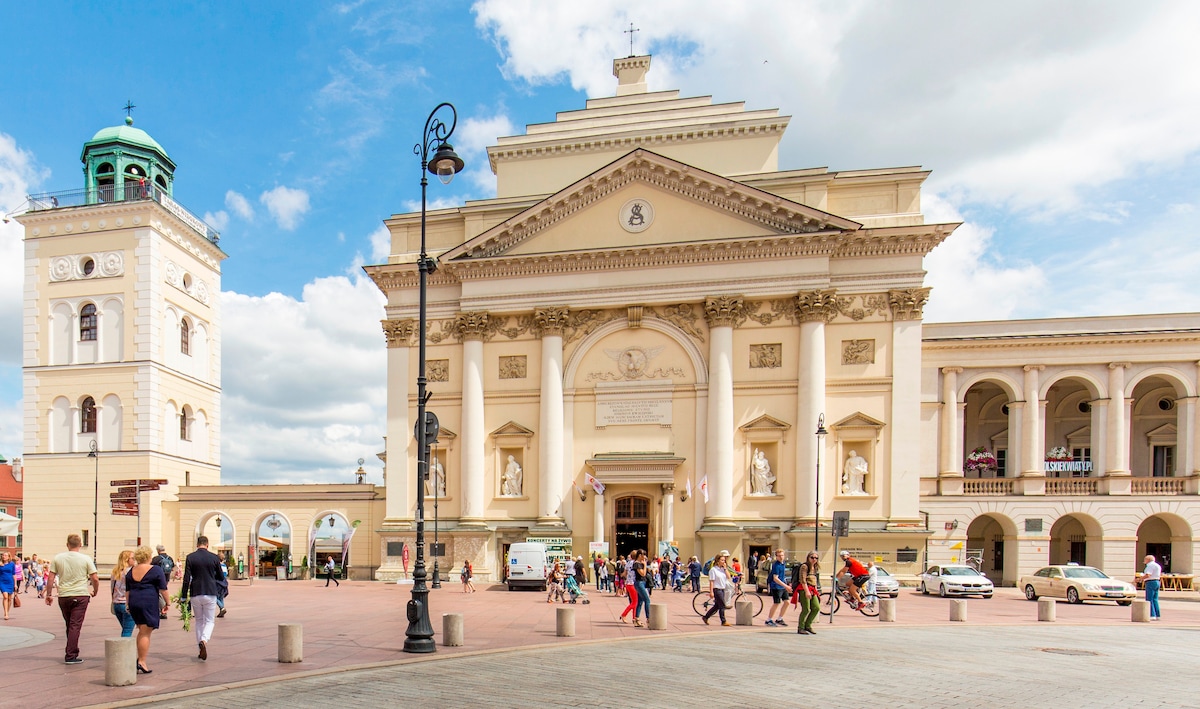
Warsaw Old Town and more with Antek and Tomek
Fri, Feb 27 • 2:00 PM
01-195, Warsaw, Masovian Voivodeship, Poland
View details
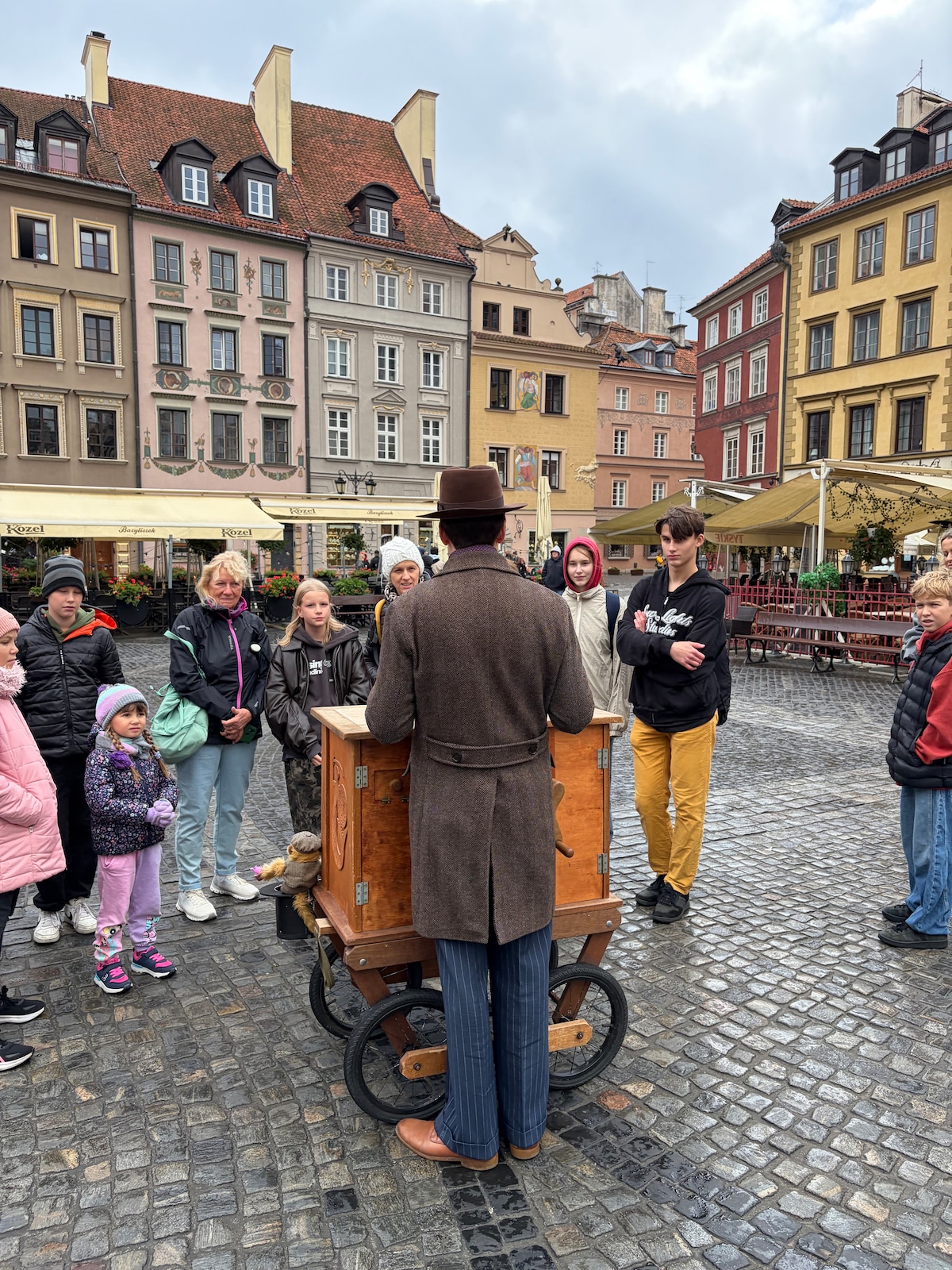
Warsaw’s Comfort Food & Hidden Stories Tour
Thu, Feb 26 • 11:00 AM
00-227, Warsaw, Masovian Voivodeship, Poland
View details

Make pierogi and try liqours with a Warsaw native
Thu, Feb 26 • 5:30 PM
02-353, Warsaw, Masovian Voivodeship, Poland
View details
Nearby attractions of Staszic Palace
Nicolaus Copernicus Monument
Holy Cross Church
Centrum Pieniądza NBP im. Sławomira S. Skrzypka
Museum of Fryderyk Chopin in Warsaw
University of Warsaw
Czapski Palace
Zachęta – National Gallery of Art
Presidential Palace, Warsaw
Tomb of the Unknown Soldier
Museum of the University of Warsaw
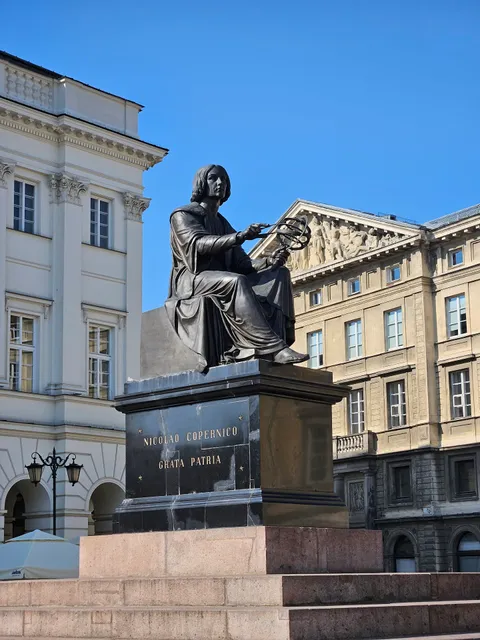
Nicolaus Copernicus Monument
4.7
(3.4K)
Open until 12:00 AM
Click for details
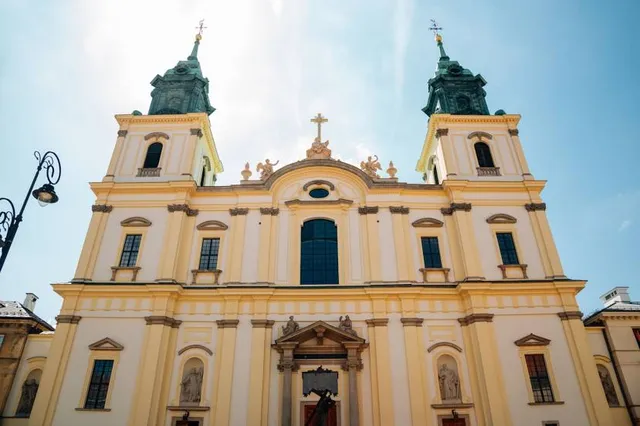
Holy Cross Church
4.7
(1.7K)
Closed
Click for details
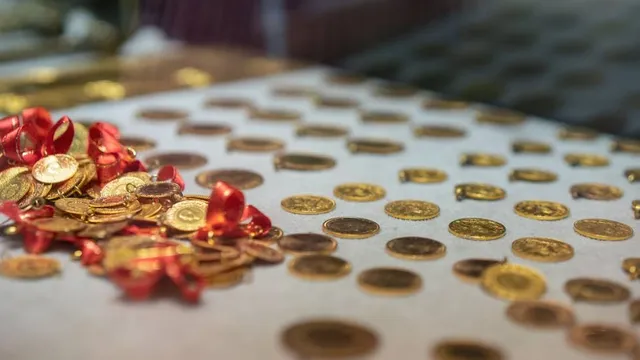
Centrum Pieniądza NBP im. Sławomira S. Skrzypka
4.7
(3.2K)
Closed
Click for details
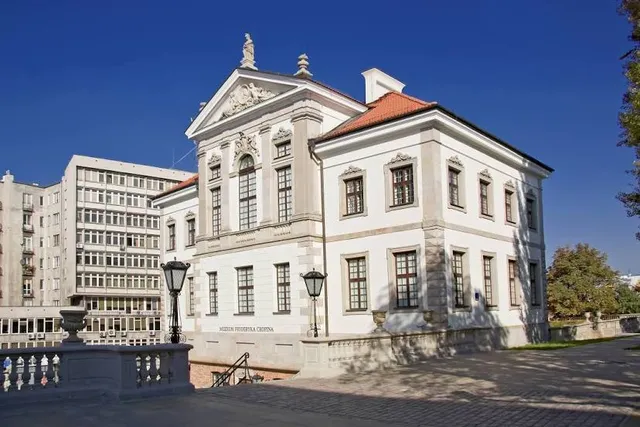
Museum of Fryderyk Chopin in Warsaw
4.5
(2.9K)
Closed
Click for details
Nearby restaurants of Staszic Palace
Nonna Pizzeria
Zapiecek
About Matcha | Bar & Desserts
FALLA Warszawa Śródmieście
Belvedere Café
Bottegas - Pizza neapolitańska | Włoska restauracja | Śródmieście
Karmello Chocolatier
SLA Warsaw | Restaurant, Shisha, Cocktail Bar, Night Life
Restauracja Sour
Green Caffè Nero
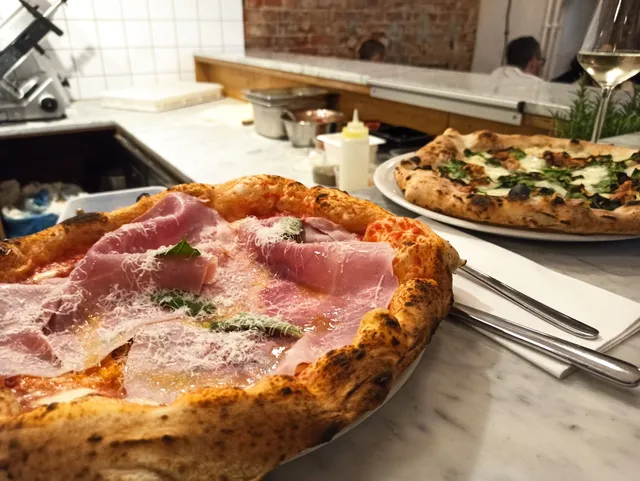
Nonna Pizzeria
4.8
(2.2K)
Closed
Click for details
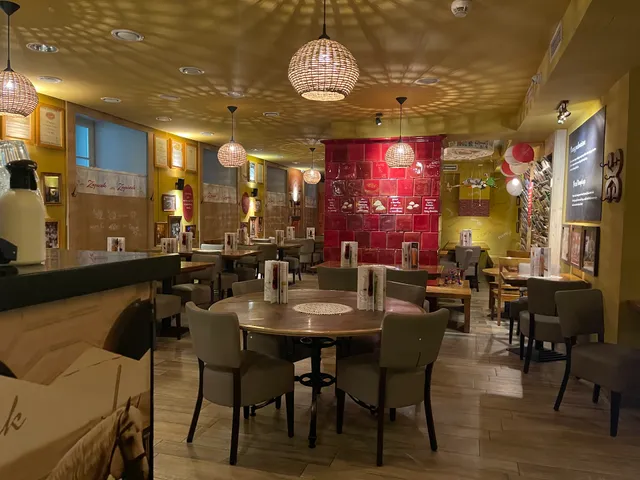
Zapiecek
4.4
(3.9K)
Closed
Click for details
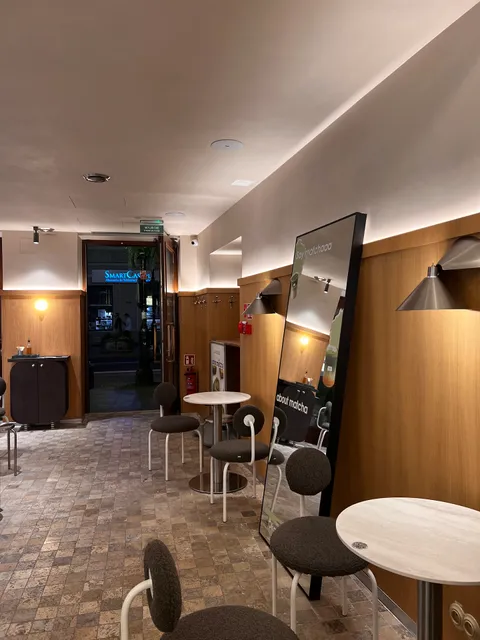
About Matcha | Bar & Desserts
4.7
(1.5K)
Closed
Click for details
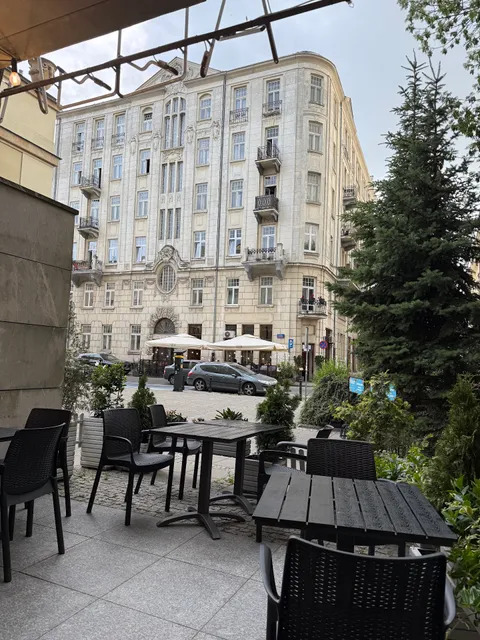
FALLA Warszawa Śródmieście
4.7
(1.3K)
Closed
Click for details
Nearby local services of Staszic Palace
Nowy Świat 66
Klub Harenda
Pomnik Bartolomeo Colleoniego
Sweet Factory Store
Nowy Świat 55
Krakowskie Przedmieście 1
Warszawski Dom Technika NOT Sp. z o.o.
Saxon Palace
Krakowskie Przedmieście 16/18
K. Zamoyski's Palace
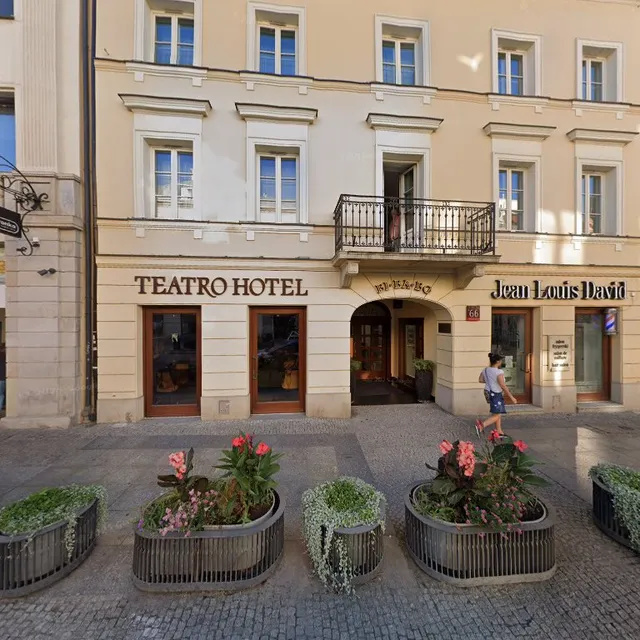
Nowy Świat 66
4.7
(1.4K)
Click for details
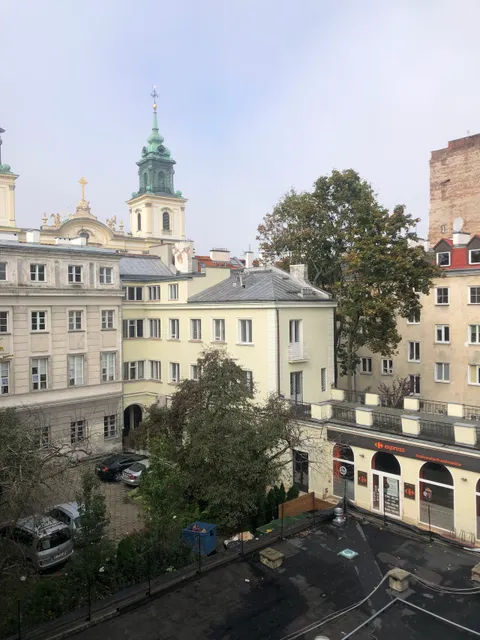
Klub Harenda
4.2
(965)
Click for details
Pomnik Bartolomeo Colleoniego
4.7
(255)
Click for details
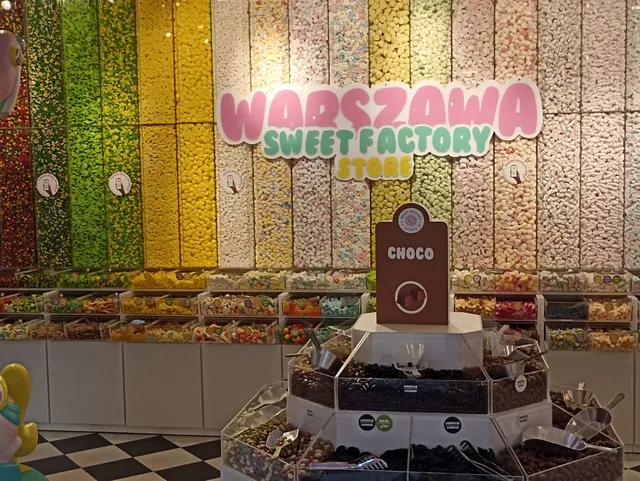
Sweet Factory Store
4.7
(590)
Click for details