Museum Aljube Resistência e Liberdade things to do, attractions, restaurants, events info and trip planning
Basic Info
Museum Aljube Resistência e Liberdade
R. Augusto Rosa 42, 1100-059 Lisboa, Portugal
4.7(774)
Open until 6:00 PM


tickets
Save
spot
spot
Ratings & Description
Info
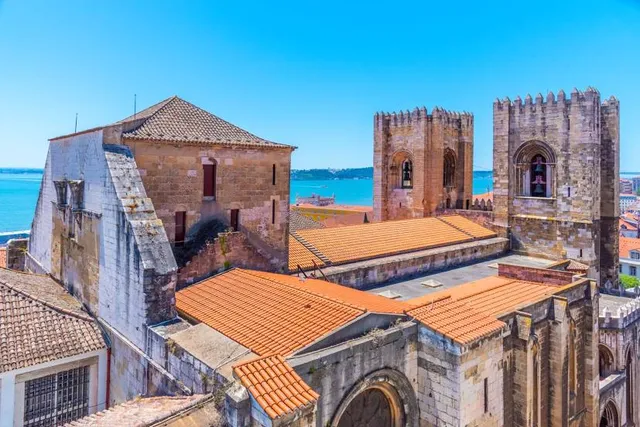
Cadeia do Aljube is a former prison in Lisbon, Portugal, now serving as a museum. Situated near the Sé Cathedral in the parish of Santa Maria Maior, the prison housed those convicted through the Ecclesiastical Forum until 1820, then women accused of common crimes until the end of the 1920s.
Cultural
Accessibility
Family friendly
attractions: Lisbon Cathedral, Museu de Lisboa - Teatro Romano, Miradouro de Santa Luzia, Casa dos Bicos / José Saramago Foundation, Castelo de S. Jorge, Praça do Comércio, Miradouro das Portas do Sol, Museum of Saint Anthony, Arco da Rua Augusta, Church of Saint Mary Magdalene, restaurants: Breakfast Lovers Alfama, Lisboa Tu e Eu 2, Alpendre, Solar dos Bicos, Rio Coura, Cais na Preguiça, Fado ao Carmo - Alfama, Break Sé, Adega do Atum, Crafty Corner, local businesses: Church of Saint Anthony of Lisbon, Teatro Romano de Lisboa, Sé, Ginjinha da Sé, Elevador da Baixa, Sé, Terreiro do Paço, Núcleo Arqueológico da Rua dos Correeiros (Fundação Millennium bcp), R. Augusta, Miradouro do Chão do Loureiro
 Learn more insights from Wanderboat AI.
Phone
+351 21 581 8535
Website
museudoaljube.pt
Open hoursSee all hours
Sat10 AM - 6 PMOpen
Plan your stay

Pet-friendly Hotels in Lisbon
Find a cozy hotel nearby and make it a full experience.

Affordable Hotels in Lisbon
Find a cozy hotel nearby and make it a full experience.

The Coolest Hotels You Haven't Heard Of (Yet)
Find a cozy hotel nearby and make it a full experience.

Trending Stays Worth the Hype in Lisbon
Find a cozy hotel nearby and make it a full experience.
Reviews
Live events
Sintra Tour from Lisbon - The True Experience
Sat, Feb 7 • 8:30 AM
1249-970, Lisbon, Portugal
View details

Bake Pastel de Nata in a real bakery in Lisbon
Sat, Feb 7 • 1:30 PM
1100-581, Lisbon, Portugal
View details
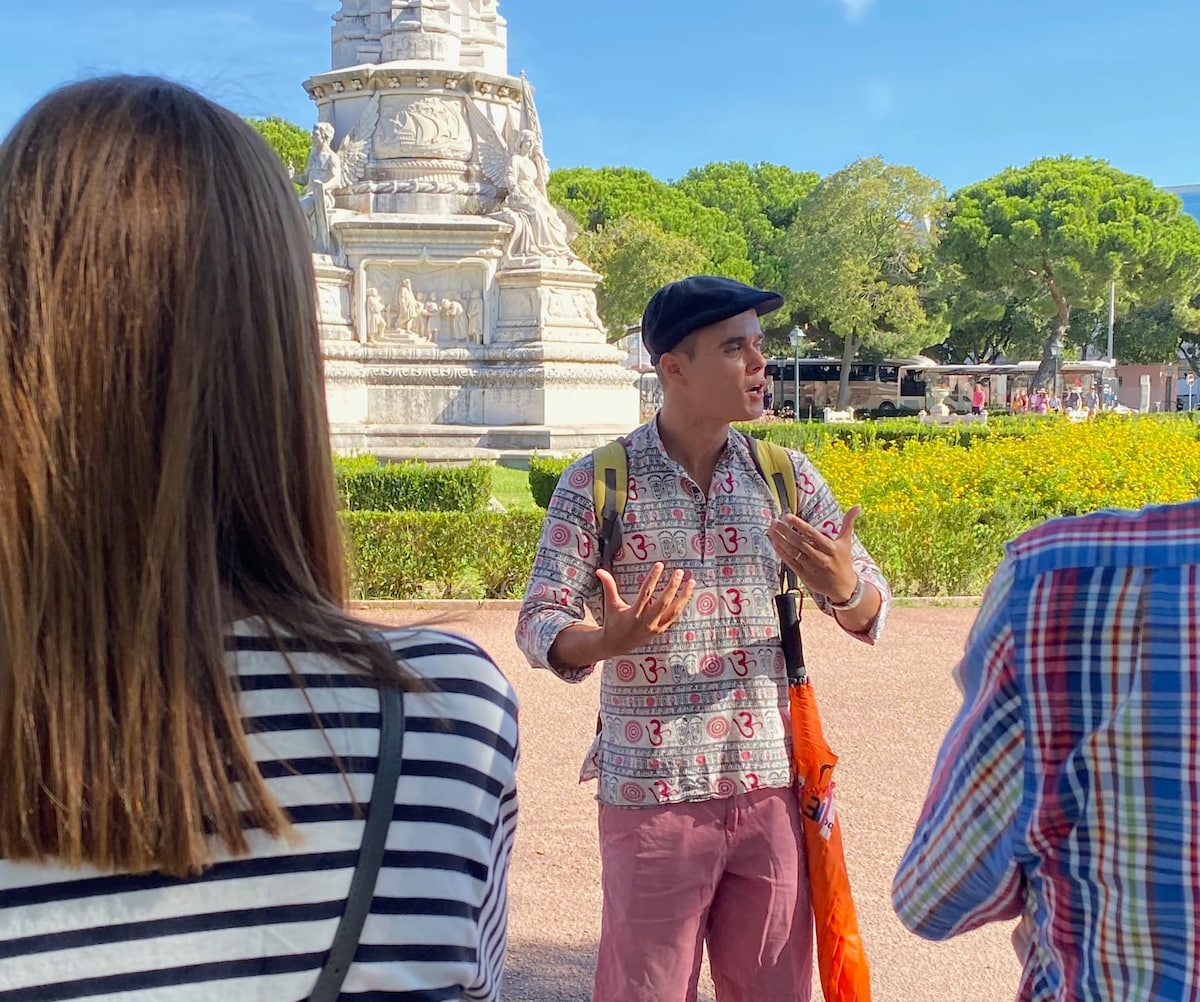
Discover Lisbons heart
Sat, Feb 7 • 11:30 AM
1100-148, Lisbon, Portugal
View details
Nearby attractions of Museum Aljube Resistência e Liberdade
Lisbon Cathedral
Museu de Lisboa - Teatro Romano
Miradouro de Santa Luzia
Casa dos Bicos / José Saramago Foundation
Castelo de S. Jorge
Praça do Comércio
Miradouro das Portas do Sol
Museum of Saint Anthony
Arco da Rua Augusta
Church of Saint Mary Magdalene
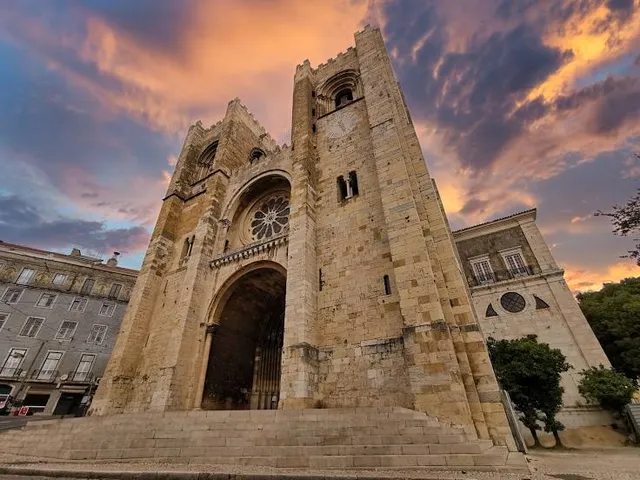
Lisbon Cathedral
4.4
(12.3K)
Open until 6:00 PM
Click for details

Museu de Lisboa - Teatro Romano
4.4
(543)
Open until 6:00 PM
Click for details
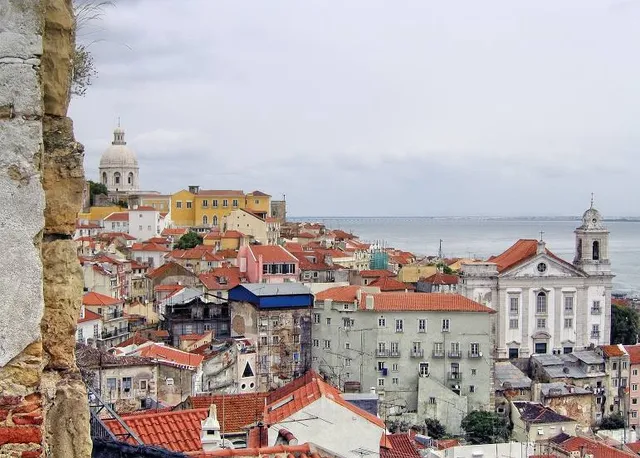
Miradouro de Santa Luzia
4.7
(14.3K)
Open until 12:00 AM
Click for details
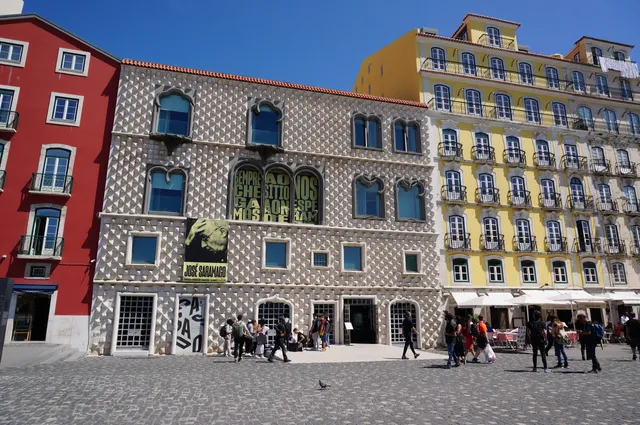
Casa dos Bicos / José Saramago Foundation
4.4
(888)
Open until 6:00 PM
Click for details
Nearby restaurants of Museum Aljube Resistência e Liberdade
Breakfast Lovers Alfama
Lisboa Tu e Eu 2
Alpendre
Solar dos Bicos
Rio Coura
Cais na Preguiça
Fado ao Carmo - Alfama
Break Sé
Adega do Atum
Crafty Corner
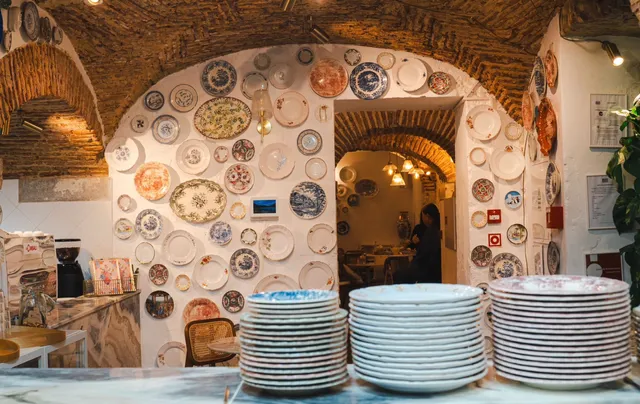
Breakfast Lovers Alfama
4.9
(2.3K)
Open until 4:00 PM
Click for details
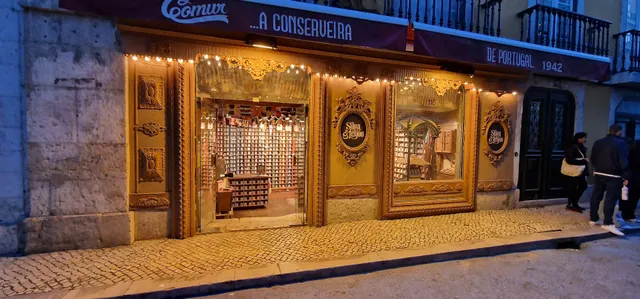
Lisboa Tu e Eu 2
4.6
(2.3K)
Open until 11:00 PM
Click for details
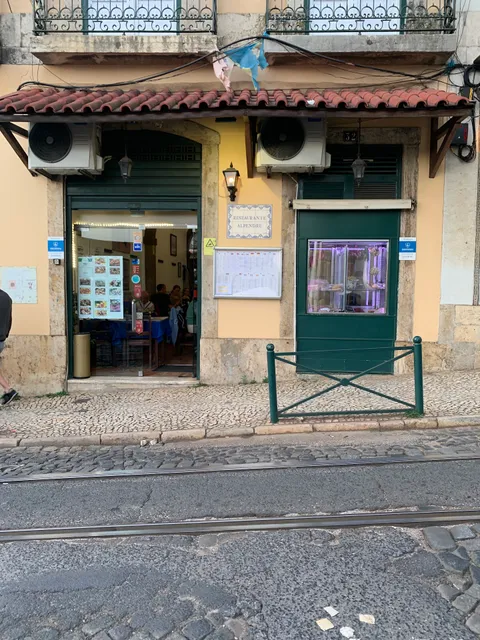
Alpendre
4.5
(1.1K)
Open until 11:00 PM
Click for details
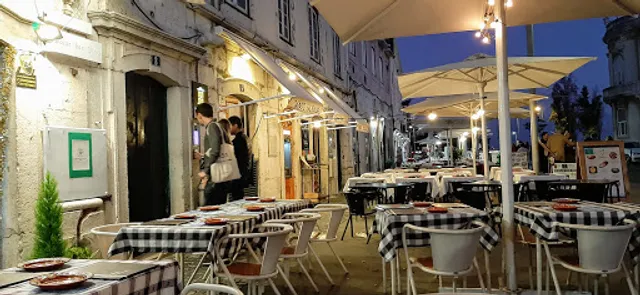
Solar dos Bicos
4.6
(2.8K)
$$
Open until 11:00 PM
Click for details
Nearby local services of Museum Aljube Resistência e Liberdade
Church of Saint Anthony of Lisbon
Teatro Romano de Lisboa
Sé
Ginjinha da Sé
Elevador da Baixa
Sé
Terreiro do Paço
Núcleo Arqueológico da Rua dos Correeiros (Fundação Millennium bcp)
R. Augusta
Miradouro do Chão do Loureiro
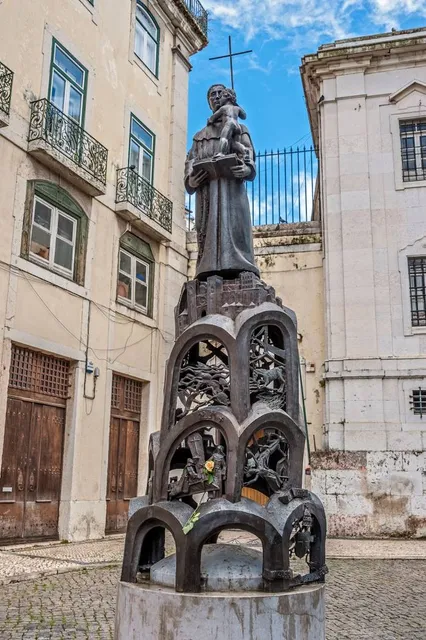
Church of Saint Anthony of Lisbon
4.7
(1.6K)
Click for details
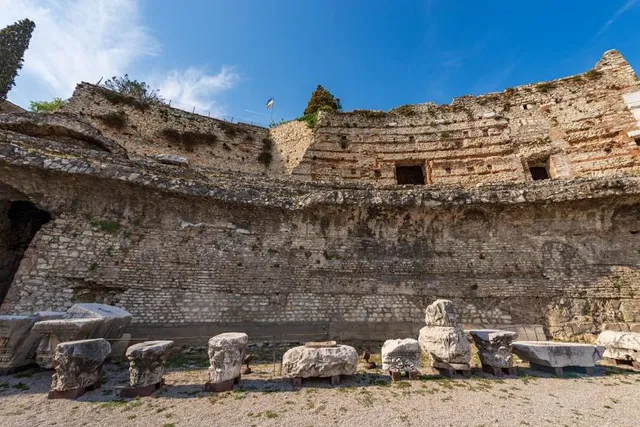
Teatro Romano de Lisboa
4.4
(456)
Click for details

Sé
4.6
(25)
Click for details
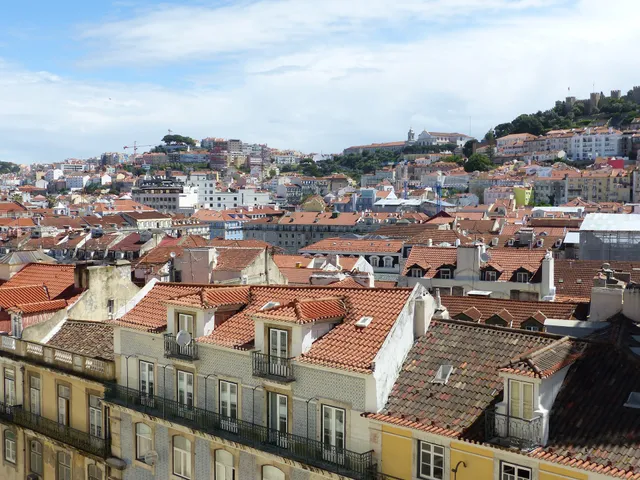
Ginjinha da Sé
4.7
(169)
Click for details