HTML SitemapExplore
logo
Find Things to DoFind The Best Restaurants

Spasskaya Bashnya — Attraction in Tverskoy District

Name
Spasskaya Bashnya
Description
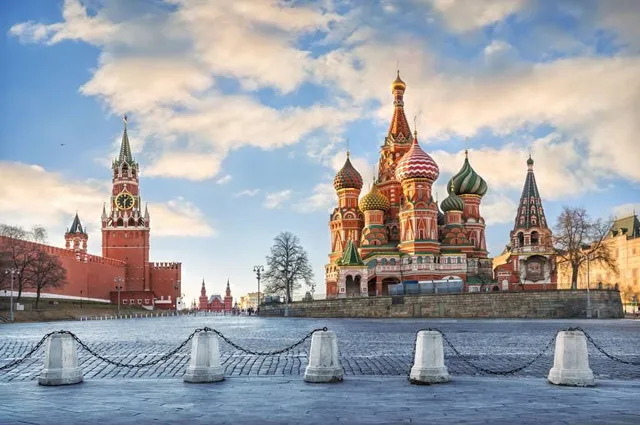
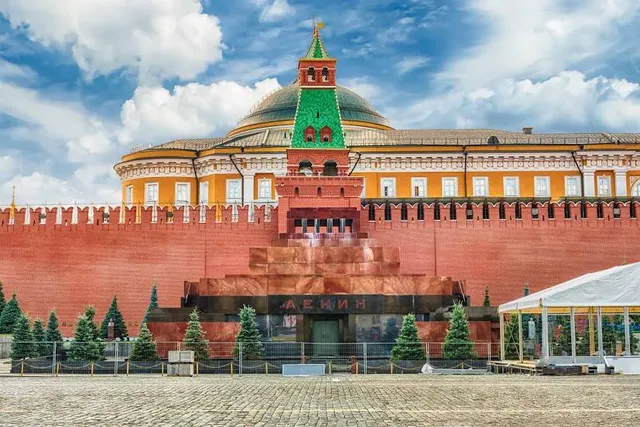
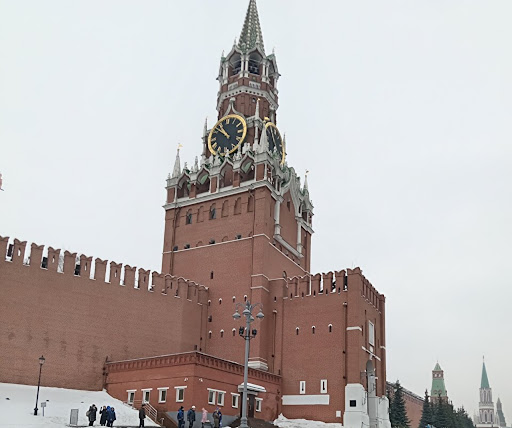
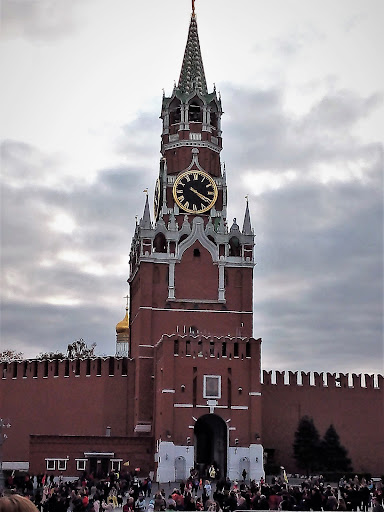
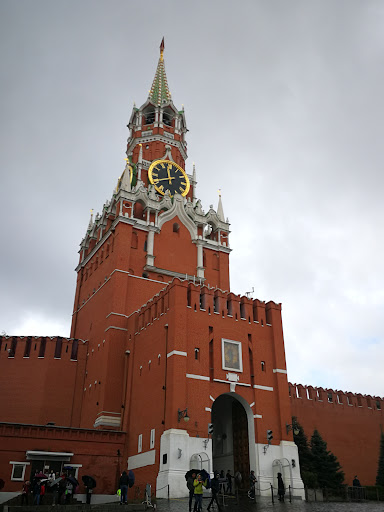
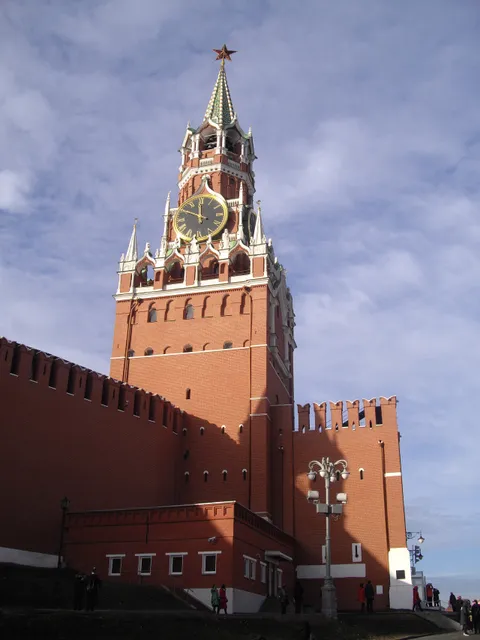
The Spasskaya Tower, also translated as the Saviour Tower, is the main tower on the eastern wall of the Moscow Kremlin which overlooks Red Square.
Nearby attractions
Red Square
Red Square, Moscow, Russia, 109012
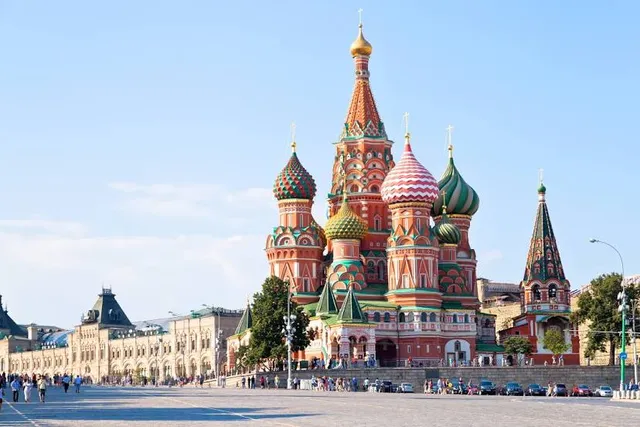
St. Basil's Cathedral
Red Square, 7, Moscow, Russia, 109012
The Moscow Kremlin
Moscow, Russia, 103132
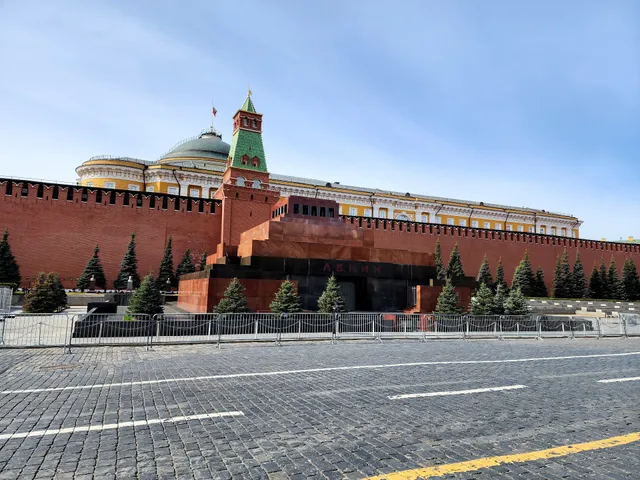
Мавзолей В.И. Ленина на Красной площади
Red Square, 1, Moscow, Russia, 109012
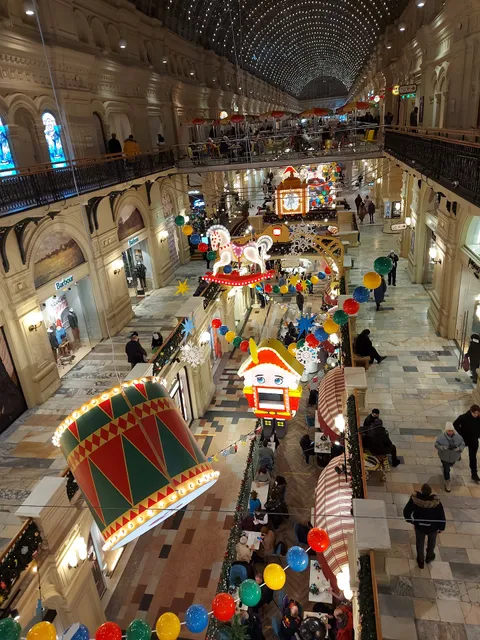
Gostinyy Dvor
Гостиный Двор, Ulitsa Il'inka, 4, Moscow, Russia, 109012
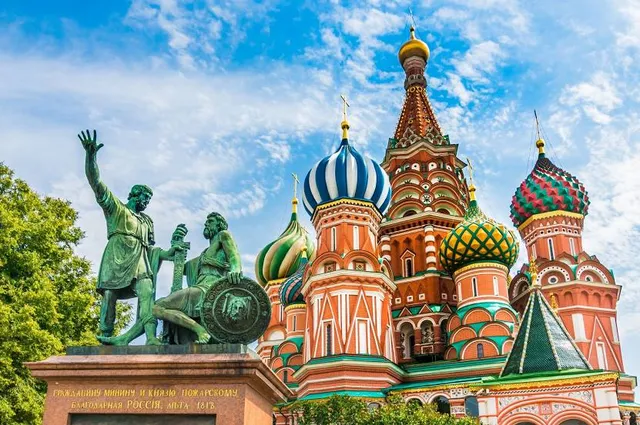
Monument to Minin and Pozharsky
Red Square, Moscow, Russia, 109012
Lobnoye Mesto
Red Square, Moscow, Russia, 109012
The State Kremlin Palace
Moscow, Russia, 103132
Zaryadye Park
улица Варварка домовладение 6, строение 1, Moscow, Russia, 109012
Tsdkh Onlayn
Ulitsa Il'inka, 4, Moscow, Russia, 109012
Nearby restaurants
Stolovaya 57
ГУМ, Red Square, 3, Moscow, Russia, 109012
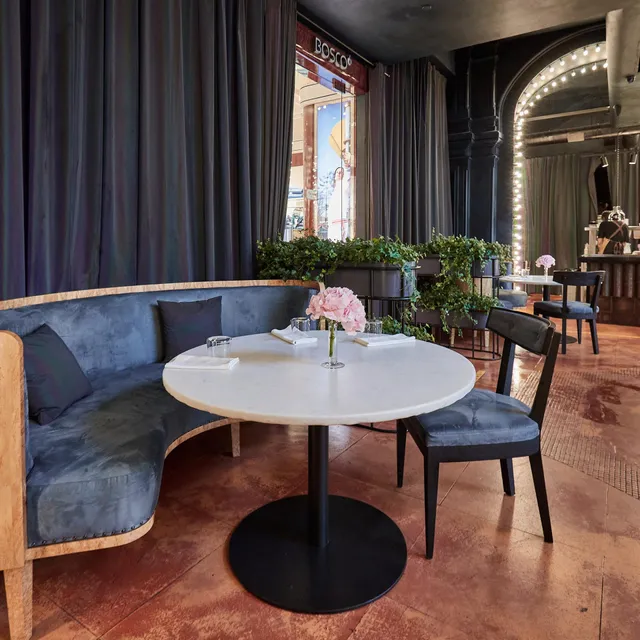
Bosco Bar
Red Square, 3, Gum, Moscow, Russia, 109012
Кофемания
Красная площадь, 3 ГУМ, второй этаж, Moscow, Russia, 109012
Zaryadye Gastronomic Сenter
Ulitsa Varvarka, 6, Moscow, Russia, 109012
Voskhod
Ulitsa Varvarka, 6с7, Moscow, Russia, 109012
Хинкальная | Грузинский ресторан Площадь Революции | Кафе, хинкали, пхали
Bogoyavlenskiy Pereulok, 6 ст2, Tsokol'nyy Etazh, Moscow, Russia, 109012
Kafe Pushkin" U Fontana
Red Square, 3, Moscow, Russia, 109012
Rukkola
Nikolskaya St, 8/1 строение 1, Moscow, Russia, 109012
Beluga Caviar Bar
Red Square, 3, 1 Gum, Moscow, Russia, 109012
TASTE
Ulitsa Il'inka, 3, 8, S 5, Moscow, Russia, 109012
Nearby hotels
Hotel Baltschug Kempinski Moscow
Balchug St, 1, Moscow, Russia, 115035
Four Seasons Hotel Moscow
Ulitsa Okhotnyy Ryad, 2, Moscow, Russia, 109012
Hotel Metropol Moscow
Teatral'nyy Proyezd, 2, Moscow, Russia, 109012
Hotel Nikolsky
Nikolskaya St, 4/5, Moscow, Russia, 109012
PEOPLE Red Square Hotel
Sofiyskaya Embankment, 30с1, Moscow, Russia, 115035
National Hotel
15/1 Mokhovaya Str. Bld. 1, Moscow, Russia, 125009
The Carlton, Moscow
Tverskaya St, 3, Moscow, Russia, 125009
Otel' "Bilibin Garden"
Sadovnicheskaya St, 5, Moscow, Russia, 115035
Seven Hills Lubyanka
Bol'shoy Cherkasskiy Pereulok, 4, стр. 1, Moscow, Russia, 109012
The St. Regis Moscow Nikolskaya
Nikol'Skaya Street, 12, Moscow, Russia, 109012
Related posts
Keywords
Spasskaya Bashnya tourism.Spasskaya Bashnya hotels.Spasskaya Bashnya bed and breakfast. flights to Spasskaya Bashnya.Spasskaya Bashnya attractions.Spasskaya Bashnya restaurants.Spasskaya Bashnya travel.Spasskaya Bashnya travel guide.Spasskaya Bashnya travel blog.Spasskaya Bashnya pictures.Spasskaya Bashnya photos.Spasskaya Bashnya travel tips.Spasskaya Bashnya maps.Spasskaya Bashnya things to do.
Spasskaya Bashnya things to do, attractions, restaurants, events info and trip planning
Spasskaya Bashnya
RussiaMoscowTverskoy DistrictSpasskaya Bashnya

Basic Info

Spasskaya Bashnya

Red Square, 3, Moscow, Russia, 103132
4.8(400)
Open 24 hours
Save
spot

Ratings & Description

Info

The Spasskaya Tower, also translated as the Saviour Tower, is the main tower on the eastern wall of the Moscow Kremlin which overlooks Red Square.

Cultural
Scenic
Family friendly
Accessibility
attractions: Red Square, St. Basil's Cathedral, The Moscow Kremlin, Мавзолей В.И. Ленина на Красной площади, Gostinyy Dvor, Monument to Minin and Pozharsky, Lobnoye Mesto, The State Kremlin Palace, Zaryadye Park, Tsdkh Onlayn, restaurants: Stolovaya 57, Bosco Bar, Кофемания, Zaryadye Gastronomic Сenter, Voskhod, Хинкальная | Грузинский ресторан Площадь Революции | Кафе, хинкали, пхали, Kafe Pushkin" U Fontana, Rukkola, Beluga Caviar Bar, TASTE
logoLearn more insights from Wanderboat AI.
Website
kreml.ru

Plan your stay

hotel
Pet-friendly Hotels in Tverskoy District
Find a cozy hotel nearby and make it a full experience.
hotel
Affordable Hotels in Tverskoy District
Find a cozy hotel nearby and make it a full experience.
hotel
The Coolest Hotels You Haven't Heard Of (Yet)
Find a cozy hotel nearby and make it a full experience.
hotel
Trending Stays Worth the Hype in Tverskoy District
Find a cozy hotel nearby and make it a full experience.

Reviews

Nearby attractions of Spasskaya Bashnya

Red Square

St. Basil's Cathedral

The Moscow Kremlin

Мавзолей В.И. Ленина на Красной площади

Gostinyy Dvor

Monument to Minin and Pozharsky

Lobnoye Mesto

The State Kremlin Palace

Zaryadye Park

Tsdkh Onlayn

Red Square

Red Square

4.8

(53.4K)

Open 24 hours
Click for details
St. Basil's Cathedral

St. Basil's Cathedral

4.8

(4.8K)

Open 24 hours
Click for details
The Moscow Kremlin

The Moscow Kremlin

4.8

(19.9K)

Open 24 hours
Click for details
Мавзолей В.И. Ленина на Красной площади

Мавзолей В.И. Ленина на Красной площади

4.4

(1.6K)

Open 24 hours
Click for details

Things to do nearby

Fogo Day: Mainnet Party in Russia!
Sat, Dec 13 • 11:00 AM
Myasnitskaya Ulitsa, 41, стр. 3, Moskva, Russia, 101000
View details

Nearby restaurants of Spasskaya Bashnya

Stolovaya 57

Bosco Bar

Кофемания

Zaryadye Gastronomic Сenter

Voskhod

Хинкальная | Грузинский ресторан Площадь Революции | Кафе, хинкали, пхали

Kafe Pushkin" U Fontana

Rukkola

Beluga Caviar Bar

TASTE

Stolovaya 57

Stolovaya 57

4.4

(1.6K)

$$

Open until 10:00 PM
Click for details
Bosco Bar

Bosco Bar

3.9

(440)

$$$

Click for details
Кофемания

Кофемания

4.5

(145)

$$$

Click for details
Zaryadye Gastronomic Сenter

Zaryadye Gastronomic Сenter

4.4

(2.2K)

$$$

Click for details
Get the Appoverlay
Get the AppOne tap to find yournext favorite spots!
Wanderboat LogoWanderboat

Your everyday Al companion for getaway ideas

CompanyAbout Us
InformationAI Trip PlannerSitemap
SocialXInstagramTiktokLinkedin
LegalTerms of ServicePrivacy Policy

Get the app

© 2025 Wanderboat. All rights reserved.
logo

Posts

CazzalCazzal
Spasskaya Bashnya, or the Spasskaya Tower, is one of the most iconic structures in Moscow, Russia. It is part of the Kremlin wall and serves as the main entrance to the Kremlin complex. Here are some key points about Spasskaya Tower: 1. **History**: The Spasskaya Tower was constructed in the late 15th century, specifically between 1491 and 1495, under the orders of Ivan III (Ivan the Great). It was designed by the Italian architect Pietro Antonio Solari. 2. **Architecture**: The tower features a distinctive design with a red-brick facade and a clock face that is visible from Red Square. It stands at a height of approximately 71 meters (233 feet). 3. **Significance**: The Spasskaya Tower is not only an architectural landmark but also a symbol of Moscow and Russian statehood. It is known for its historical significance, particularly in relation to the many events that have taken place in Red Square. 4. **Clock**: The clock on the Spasskaya Tower is one of the most famous in Russia. It was installed in the 17th century and has been a part of various ceremonies and events, including the New Year celebrations. 5. **Cultural Role**: The tower is often featured in films, literature, and art as a representation of Moscow and Russia. It is a popular tourist attraction and is an integral part of the Kremlin's UNESCO World Heritage designation. 6. **Military Parades**: The Spasskaya Tower plays a prominent role during military parades held in Red Square, especially during Victory Day celebrations on May 9..
Sin Fong ChanSin Fong Chan
Spasskaya Bashnya or Spasskay Tower in Moscow Visited on 5/10/2019 Spasskaya Bashnya is translated as 'Saviour Tower', is the main tower on the eastern wall of the Moscow Kremlin which overlooks Red Square. It is a ten-storey high clock tower, with a star on top of the tower, bringing total height to 71 metres. The clock on the Spasskaya Tower is usually referred to as the Kremlin chimes. The tower gate was once the main entrance into the Kremlin. The gate of Spasskaya Tower was used to greet foreign dignitaries. Legend has it that the tower was possessed with miraculous powers and was reputed to protect the Kremlin from enemy invasion.
גלוריאלהגלוריאלה
La Torre Spásskaya fue construida en 1491 durante el reinado de Iván III de Rusia por el arquitecto italiano Pietro Antonio Solari. Inicialmente, se llamó Torre Frólovskaya en honor a la Iglesia de Frolo y Lauro del Kremlin. El nombre actual de la torre procede del icono de Spas Nerukotvorny (Mandylion o «El Salvador No Hecho Por Mano Humana»), que fue colocado encima de la puerta de la torre, en el muro interior, en 1658 (fue retirado en 1917) y del icono de Spas Smolenski («Salvador de Smolensk»), pintado en el muro exterior de la torre en el siglo XVI (fue enyesado en 1937 y restaurado en 2010).1​ La Torre Spásskaya fue la primera torre de las muchas torres del Kremlin del Moscú que fueron coronadas con un chapitel entre 1624 y 1625 por los arquitectos Bazhén Ogurtsov y Christopher Galloway. Según varios documentos históricos, el reloj de la Torre Spásskaya se colocó entre 1491 y 1585. Es denominado usualmente Reloj del Kremlin y designa la hora de Moscú oficial. La cara del reloj tiene un diámetro de seis metros. La puerta de la torre era antiguamente la entrada principal del Kremlin. En la época de los zares, cualquiera que pasara por la puerta tenía que quitarse su sombrero y desmontar sus caballos en señal de respeto. Solo podían pasar por la puerta los jefes de estado y los altos cargos del Politburó o el gobierno.​ Sobre las puertas de la torre había la siguiente inscripción: IOANNES VASILII DEI GRATIA MAGNUS DUX VOLODIMERIAE, MOSCOVIAE, NOVOGARDIAE, TFERIAE, PLESCOVIAE, VETICIAE, ONGARIAE, PERMIAE, BUOLGARIAE ET ALIAS TOTIUSQ(UE) RAXIE D(OMI)NUS, A(N)NO 30 IMPERII SUI HAS TURRES CO(N)DERE F(ECIT) ET STATUIT PETRUS ANTONIUS SOLARIUS MEDIOLANENSIS A(N)NO N(ATIVIT) A(TIS) D(OM)INI 1491 K(ALENDIS) M(ARTIIS) I(USSIT) P(ONERE).
See more posts
See more posts
hotel
Find your stay

Pet-friendly Hotels in Tverskoy District

Find a cozy hotel nearby and make it a full experience.

Spasskaya Bashnya, or the Spasskaya Tower, is one of the most iconic structures in Moscow, Russia. It is part of the Kremlin wall and serves as the main entrance to the Kremlin complex. Here are some key points about Spasskaya Tower: 1. **History**: The Spasskaya Tower was constructed in the late 15th century, specifically between 1491 and 1495, under the orders of Ivan III (Ivan the Great). It was designed by the Italian architect Pietro Antonio Solari. 2. **Architecture**: The tower features a distinctive design with a red-brick facade and a clock face that is visible from Red Square. It stands at a height of approximately 71 meters (233 feet). 3. **Significance**: The Spasskaya Tower is not only an architectural landmark but also a symbol of Moscow and Russian statehood. It is known for its historical significance, particularly in relation to the many events that have taken place in Red Square. 4. **Clock**: The clock on the Spasskaya Tower is one of the most famous in Russia. It was installed in the 17th century and has been a part of various ceremonies and events, including the New Year celebrations. 5. **Cultural Role**: The tower is often featured in films, literature, and art as a representation of Moscow and Russia. It is a popular tourist attraction and is an integral part of the Kremlin's UNESCO World Heritage designation. 6. **Military Parades**: The Spasskaya Tower plays a prominent role during military parades held in Red Square, especially during Victory Day celebrations on May 9..
Cazzal

Cazzal

hotel
Find your stay

Affordable Hotels in Tverskoy District

Find a cozy hotel nearby and make it a full experience.

Get the Appoverlay
Get the AppOne tap to find yournext favorite spots!
Spasskaya Bashnya or Spasskay Tower in Moscow Visited on 5/10/2019 Spasskaya Bashnya is translated as 'Saviour Tower', is the main tower on the eastern wall of the Moscow Kremlin which overlooks Red Square. It is a ten-storey high clock tower, with a star on top of the tower, bringing total height to 71 metres. The clock on the Spasskaya Tower is usually referred to as the Kremlin chimes. The tower gate was once the main entrance into the Kremlin. The gate of Spasskaya Tower was used to greet foreign dignitaries. Legend has it that the tower was possessed with miraculous powers and was reputed to protect the Kremlin from enemy invasion.
Sin Fong Chan

Sin Fong Chan

hotel
Find your stay

The Coolest Hotels You Haven't Heard Of (Yet)

Find a cozy hotel nearby and make it a full experience.

hotel
Find your stay

Trending Stays Worth the Hype in Tverskoy District

Find a cozy hotel nearby and make it a full experience.

La Torre Spásskaya fue construida en 1491 durante el reinado de Iván III de Rusia por el arquitecto italiano Pietro Antonio Solari. Inicialmente, se llamó Torre Frólovskaya en honor a la Iglesia de Frolo y Lauro del Kremlin. El nombre actual de la torre procede del icono de Spas Nerukotvorny (Mandylion o «El Salvador No Hecho Por Mano Humana»), que fue colocado encima de la puerta de la torre, en el muro interior, en 1658 (fue retirado en 1917) y del icono de Spas Smolenski («Salvador de Smolensk»), pintado en el muro exterior de la torre en el siglo XVI (fue enyesado en 1937 y restaurado en 2010).1​ La Torre Spásskaya fue la primera torre de las muchas torres del Kremlin del Moscú que fueron coronadas con un chapitel entre 1624 y 1625 por los arquitectos Bazhén Ogurtsov y Christopher Galloway. Según varios documentos históricos, el reloj de la Torre Spásskaya se colocó entre 1491 y 1585. Es denominado usualmente Reloj del Kremlin y designa la hora de Moscú oficial. La cara del reloj tiene un diámetro de seis metros. La puerta de la torre era antiguamente la entrada principal del Kremlin. En la época de los zares, cualquiera que pasara por la puerta tenía que quitarse su sombrero y desmontar sus caballos en señal de respeto. Solo podían pasar por la puerta los jefes de estado y los altos cargos del Politburó o el gobierno.​ Sobre las puertas de la torre había la siguiente inscripción: IOANNES VASILII DEI GRATIA MAGNUS DUX VOLODIMERIAE, MOSCOVIAE, NOVOGARDIAE, TFERIAE, PLESCOVIAE, VETICIAE, ONGARIAE, PERMIAE, BUOLGARIAE ET ALIAS TOTIUSQ(UE) RAXIE D(OMI)NUS, A(N)NO 30 IMPERII SUI HAS TURRES CO(N)DERE F(ECIT) ET STATUIT PETRUS ANTONIUS SOLARIUS MEDIOLANENSIS A(N)NO N(ATIVIT) A(TIS) D(OM)INI 1491 K(ALENDIS) M(ARTIIS) I(USSIT) P(ONERE).
גלוריאלה

גלוריאלה

See more posts
See more posts

Reviews of Spasskaya Bashnya

4.8
(400)
avatar
4.0
1y

Spasskaya Bashnya, or the Spasskaya Tower, is one of the most iconic structures in Moscow, Russia. It is part of the Kremlin wall and serves as the main entrance to the Kremlin complex. Here are some key points about Spasskaya Tower:

History: The Spasskaya Tower was constructed in the late 15th century, specifically between 1491 and 1495, under the orders of Ivan III (Ivan the Great). It was designed by the Italian architect Pietro Antonio Solari.

Architecture: The tower features a distinctive design with a red-brick facade and a clock face that is visible from Red Square. It stands at a height of approximately 71 meters (233 feet).

Significance: The Spasskaya Tower is not only an architectural landmark but also a symbol of Moscow and Russian statehood. It is known for its historical significance, particularly in relation to the many events that have taken place in Red Square.

Clock: The clock on the Spasskaya Tower is one of the most famous in Russia. It was installed in the 17th century and has been a part of various ceremonies and events, including the New Year celebrations.

Cultural Role: The tower is often featured in films, literature, and art as a representation of Moscow and Russia. It is a popular tourist attraction and is an integral part of the Kremlin's UNESCO World Heritage designation.

Military Parades: The Spasskaya Tower plays a prominent role during military parades held in Red Square, especially during Victory Day...

   Read more
avatar
5.0
7y

Были , смотрели , всё очень красиво... "Одним из самых ярких архитектурных воплощений многовековой силы и торжества Российского государства является Спасская башня Московского Кремля, смотрящая фасадом на Красную площадь. Возведена она была в 1494 году, во времена царствования Ивана III, зодчим итальянского происхождения Пьетро Антонио Солари. Про это сообщают белокаменные плиты с древними письменами на самом сооружении (это первые мемориальные доски в Москве). Причем надписи эти сделаны по-латыни и славянской вязью, в них говорится о том, что стрельница была выстроена по повелению великого самодержца Иоанна Васильевича. Но простой народ использовал и толковал эти надписи по-своему, в воспитательных целях: детям говаривали, что на них написано вечное проклятие тому, кто пройдет мимо Спасских ворот с покрытой головой. Вот так, без всяких царевых указов и повелений башня в народе почиталась святой, и каждый, проезжающий мимо верхом на лошади, спешивался, и все скидывали шапку. Поначалу башня именовалась Фроловской, из-за соседней церкви имени Святых Фрола и Лавра (она не сохранилась до наших дней). Государь Алексей Михайлович в 1658 году велел переименовать все Кремлевские башни. Так Фроловская стала Спасской – по изображениям ликов Спаса Смоленского и Спаса Нерукотворного, расположенным над проездными воротами. Через ворота Спасской башни Кремля торжественно проходили полки, отправляющиеся в военные походы. Здесь на Вербное воскресение патриарх, подобно Христу, проезжал на ослике, ведомом под уздцы самим государем. Все иностранные послы и самые важные московские крестные ходы проходили возле святыни. Царь Михаил Романов, а за ним и все остальные, вступающие на царский престол, проезжали под Спасскими воротами на коронацию. Во времена смутные в XVII столетии башню использовали в качестве тюрьмы. По своей конструкции Спасская башня Кремля очень интересна, она имеет пять боевых ярусов, между которыми проложена связующая их лестница. Причем лестница эта спрятана между двойными стенами, выложенными из большемерного кирпича. На верхних площадках сделаны бойницы навесного боя. Два каменных бастиона и отводная стрельница не сохранились до наших дней. Новые надстройки были сделаны в XVII веке. Зодчие Огурцов и Головей над башней соорудили шатер, позднее его снабдили гербом России – двуглавым орлом. Спасская башня Кремля стала первой, которую украсили подобным образом. К тому же здесь издревле были башенные часы. Позднее установили часы с боем английского мастера Христофора Голловея. Спасские куранты так полюбились москвичам, что денег на ремонт и реставрацию их никогда не жалели. До Октябрьской революции они каждый день в полдень играли гимн «Коль славен». Во время революционных событий и сама башня, и куранты на ней были значительно повреждены. В 1920 году их починили, подобрав колокольный звон на часах под мелодию Интернационала. С 1938 до 1996 года куранты тихо отсчитывали время. И только на инаугурацию Б. Ельцина куранты опять заработали. Последнюю реставрацию часов провели в 1999 году, придав им исторический облик. До 1935 года на верхушке Спасской башни Кремля красовался двуглавый орел, позднее – красная звезда, сначала из меди с золотом и уральскими самоцветами, затем – рубиновая, красующаяся там по сей день. Высота сооружения со звездой...

   Read more
avatar
5.0
5y

Возведена в 1491 году архитектором Пьетро Антонио Солари. Ее строительство положило начало сооружению восточной линии укреплений Кремля. Башня расположена на месте Фроловской стрельницы 1367-1368 годов. Ее ворота, выходящие на Красную площадь, всегда были главным парадным въездом в Кремль. Они особенно почитались в народе и считались святыми. Ворота служили для выездов царя, торжественных выходов патриарха, встреч иностранных послов.

Первоначально башня называлась Фроловской, в связи с тем, что неподалеку в Кремле располагалась церковь Фрола и Лавра. В 1516 году от башни через ров перекинули деревянный мост. Уже в конце XVI века над башней существовал шатровый верх, увенчанный двуглавым орлом. Указом от 16 апреля 1658 года царь Алексей Михайлович повелел именовать ее Спасской. Новое название было связано с иконой Спаса Нерукотворного, помещенной над воротами со стороны Красной площади. Сама икона не сохранилась, но место, где она висела, хорошо видно.

В 1624-1625 годах русский архитектор Бажен Огурцов и английский мастер Христофор Галовей возвели над башней многоярусный верх, заканчивающийся каменным шатром. Это было первое шатровое завершение кремлевских башен. Нижняя часть здания была украшена белокаменным кружевным арочным поясом, башенками, пирамидками. Появились фантастические фигурки (“болваны”), наготу которых по приказу царя Михаила Федоровича стыдливо прикрыли специально сшитыми одеждами. Башня по праву стала считаться самой красивой и самой стройной башней Кремля.

В XVII веке к Спасским воротам через ров был перекинут каменный мост на арках, на котором шла оживленная торговля. В 50-х годах XVII века на вершине шатра главной башни Кремля водрузили герб Российского государства - двуглавый орел. Позже подобные гербы установили на самых высоких башнях - Никольской, Троицкой и Боровицкой.

Первые часы на Спасской башне были установлены по проекту Христофора Галовея. В 1707 году их сменили голландские куранты с музыкой. В 1763 году часы вновь заменяются, а в 1851 году эти последние куранты XVIII века капитально ремонтируются братьями Н. и П. Бутеноп. В 1920 году при ремонте Спасской башни музыкант М.М.Черемных и слесарь Н.В.Беренс, починив часы, подобрали на курантах мелодию Интернационала.

Звезда на Спасской башне впервые была установлена в 1935 году. В 1937 году ее сменила новая, имеющая размах крыльев 3,75 м.

Высота башни - до звезды - 67,3 м. , со...

   Read more
Page 1 of 7
Previous
Next