Dragon Bridge things to do, attractions, restaurants, events info and trip planning
Basic Info
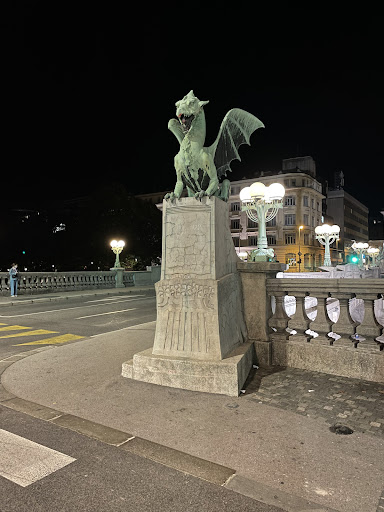
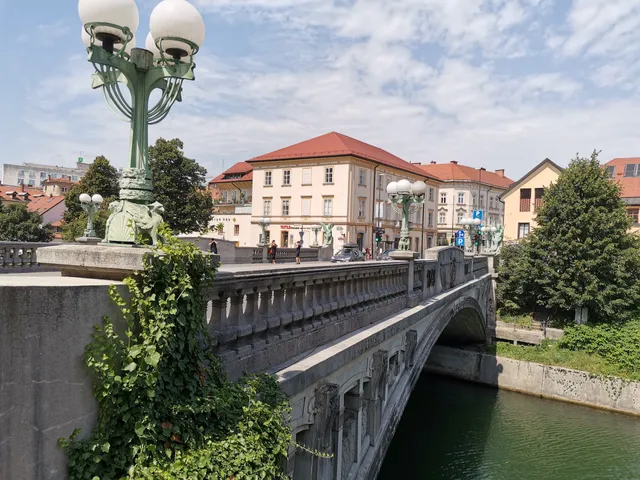
Dragon Bridge
Resljeva c. 2, 1000 Ljubljana, Slovenia
4.6(8.7K)
Open until 12:00 AM
Save
spot
spot
Ratings & Description
Info
The Dragon Bridge is a bridge over the River Hàn at Da Nang, Vietnam. Construction of the bridge began on 19 July 2009 when the former Prime Minister of Vietnam Nguyen Tan Dung and many high-ranking government officials attended the groundbreaking ceremony.
Cultural
Outdoor
Family friendly
attractions: The House of experiments, The Butchers' Bridge, Ljubljana Castle, Saint Nicholas' Cathedral, Prešernov trg, Ljubljana Castle Funicular, Vodnik Monument, Franciscan Church of the Annunciation, Robbov vodnjak, Town Hall, restaurants: Abi Falafel, Irish pub, Cafe Capri, Restavracija Most, NAMASTE Indian Express, Compa Restaurant Okrepčevalnica Čompa, Baščaršija (Ljubljana Trubarjeva), Raw Pasta - Pasta Fresca Bar, Osha Asian Bistro, Restavracija Vodnikov Hram, Ljubljana, local businesses: Ljubljana Cathedral, Trubar, Mala ulica, Triple Bridge, Plečnik's Arcades, Emporium Gallery, Sportmuseum, Pogačar Square, Ice Cream Rolls, Lush International, Zastopstvo In Trgovina, D.O.O., Ljubljana
 Learn more insights from Wanderboat AI.
Phone
+386 1 306 12 15
Website
visitljubljana.com
Open hoursSee all hours
TueOpen 24 hoursOpen
Plan your stay

Pet-friendly Hotels in Upravna Enota Ljubljana
Find a cozy hotel nearby and make it a full experience.

Affordable Hotels in Upravna Enota Ljubljana
Find a cozy hotel nearby and make it a full experience.

The Coolest Hotels You Haven't Heard Of (Yet)
Find a cozy hotel nearby and make it a full experience.

Trending Stays Worth the Hype in Upravna Enota Ljubljana
Find a cozy hotel nearby and make it a full experience.
Reviews
Live events
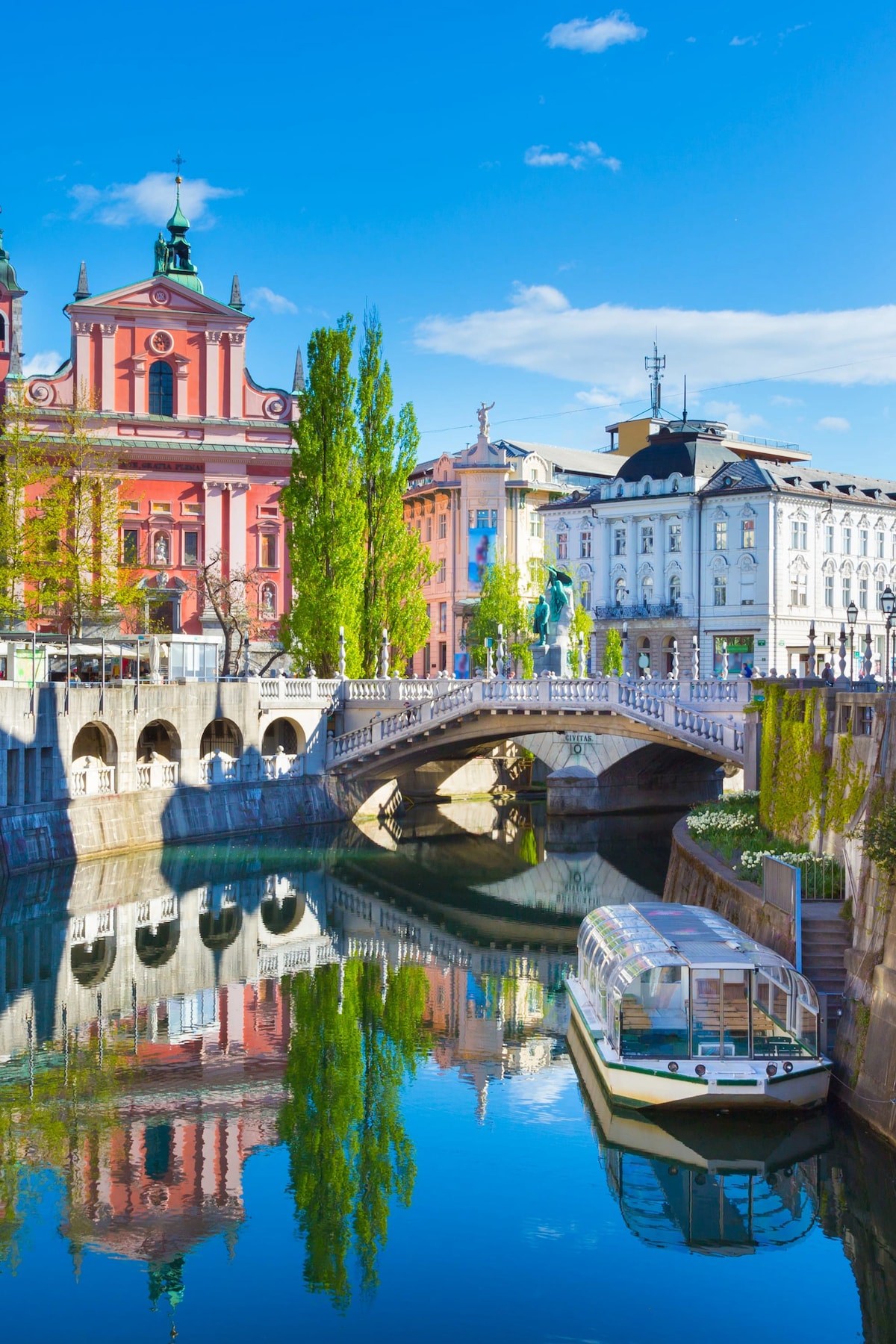
Ljubljana Boat Cruise & City Walking Tour
Wed, Feb 25 • 12:00 PM
1000, Ljubljana, Slovenia
View details
Nearby attractions of Dragon Bridge
The House of experiments
The Butchers' Bridge
Ljubljana Castle
Saint Nicholas' Cathedral
Prešernov trg
Ljubljana Castle Funicular
Vodnik Monument
Franciscan Church of the Annunciation
Robbov vodnjak
Town Hall
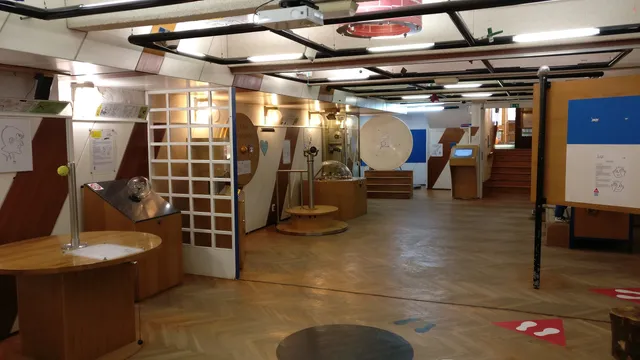
The House of experiments
4.7
(427)
Open until 12:00 AM
Click for details
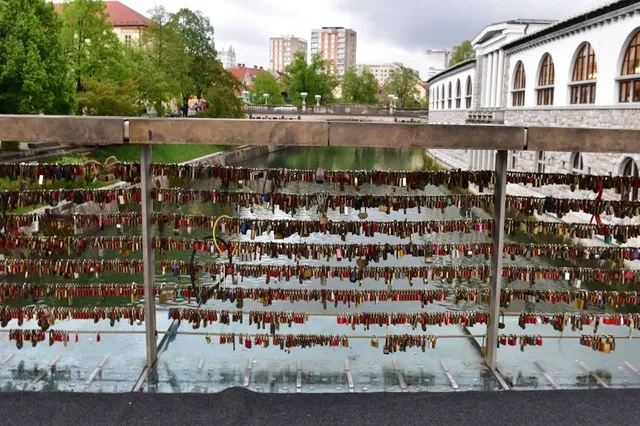
The Butchers' Bridge
4.6
(497)
Open 24 hours
Click for details
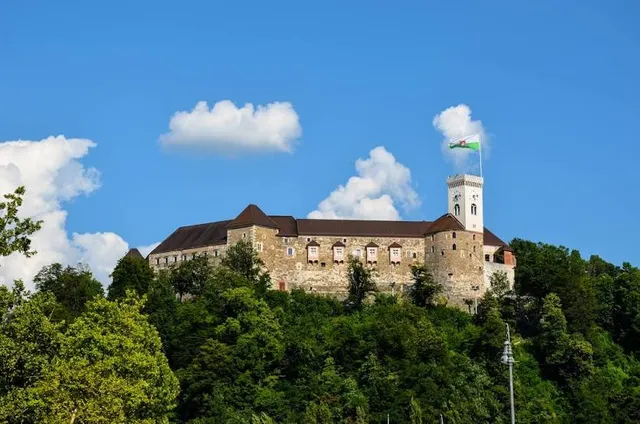
Ljubljana Castle
4.4
(15.5K)
Open until 7:00 PM
Click for details
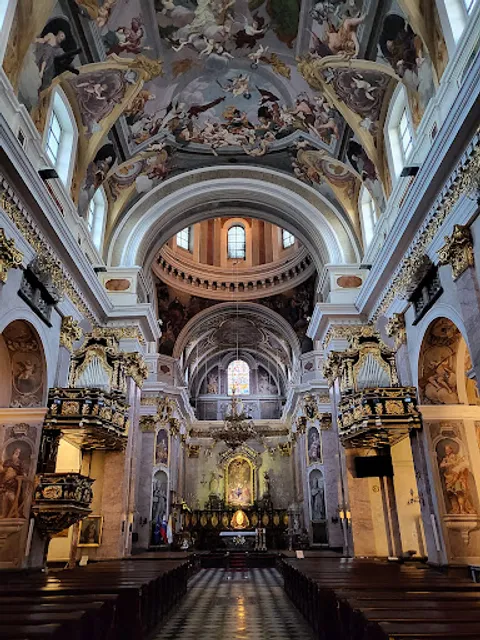
Saint Nicholas' Cathedral
4.5
(1.3K)
Closed
Click for details
Nearby restaurants of Dragon Bridge
Abi Falafel
Irish pub
Cafe Capri
Restavracija Most
NAMASTE Indian Express
Compa Restaurant Okrepčevalnica Čompa
Baščaršija (Ljubljana Trubarjeva)
Raw Pasta - Pasta Fresca Bar
Osha Asian Bistro
Restavracija Vodnikov Hram, Ljubljana
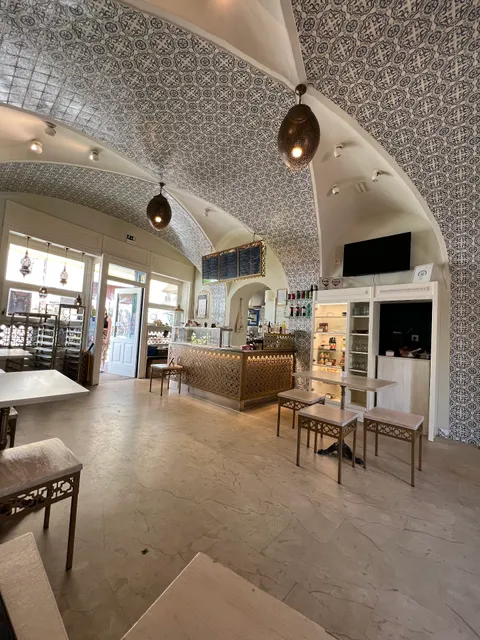
Abi Falafel
4.6
(1.6K)
Open until 10:00 PM
Click for details
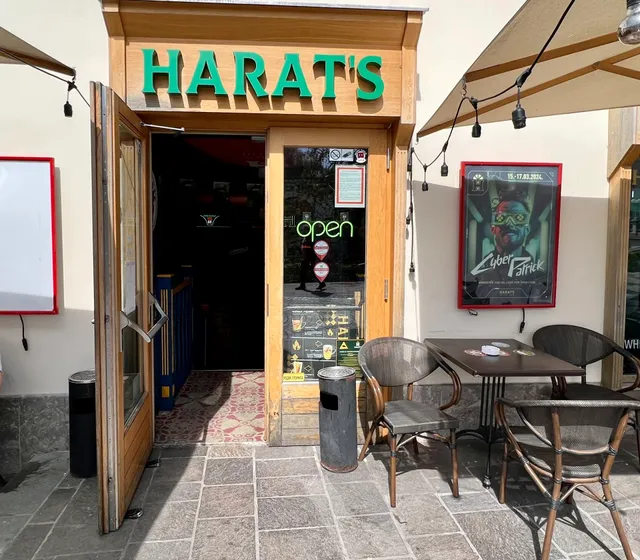
Irish pub
4.3
(475)
$$
Open until 1:00 AM
Click for details
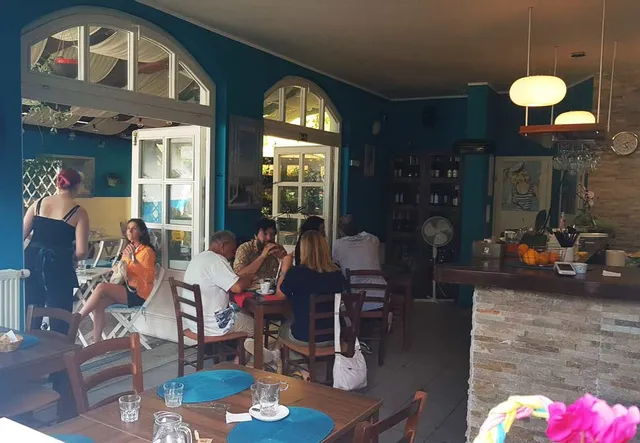
Cafe Capri
4.6
(315)
Closed
Click for details
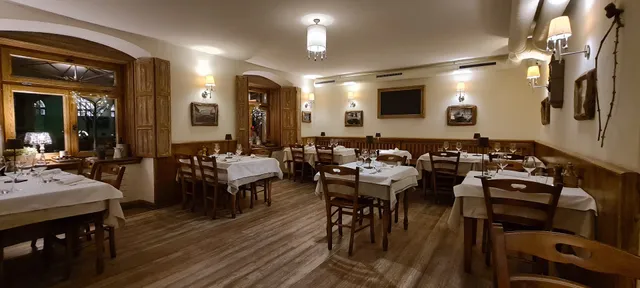
Restavracija Most
4.5
(1.1K)
$$
Open until 11:00 PM
Click for details
Nearby local services of Dragon Bridge
Ljubljana Cathedral
Trubar
Mala ulica
Triple Bridge
Plečnik's Arcades
Emporium Gallery
Sportmuseum
Pogačar Square
Ice Cream Rolls
Lush International, Zastopstvo In Trgovina, D.O.O., Ljubljana
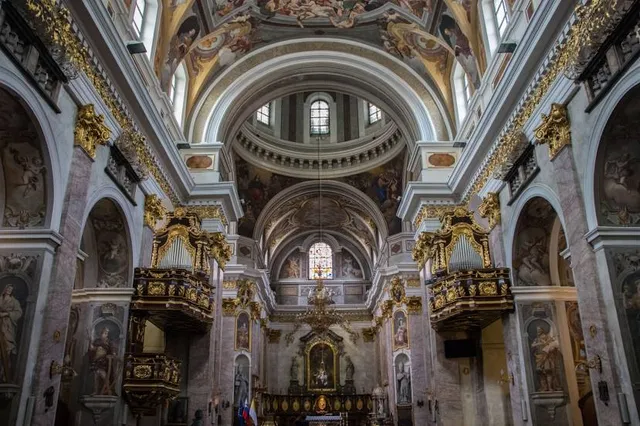
Ljubljana Cathedral
4.5
(929)
Click for details
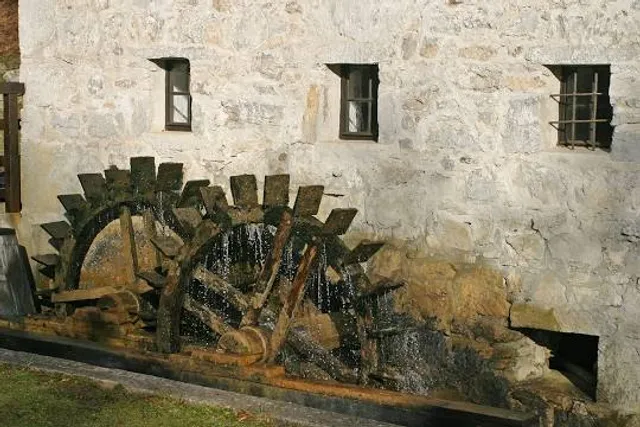
Trubar
4.5
(266)
Click for details
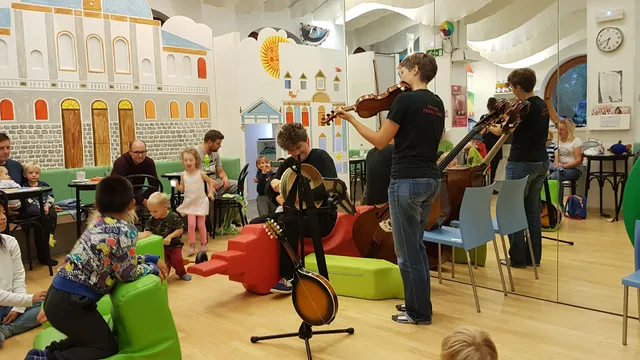
Mala ulica
4.8
(170)
Click for details
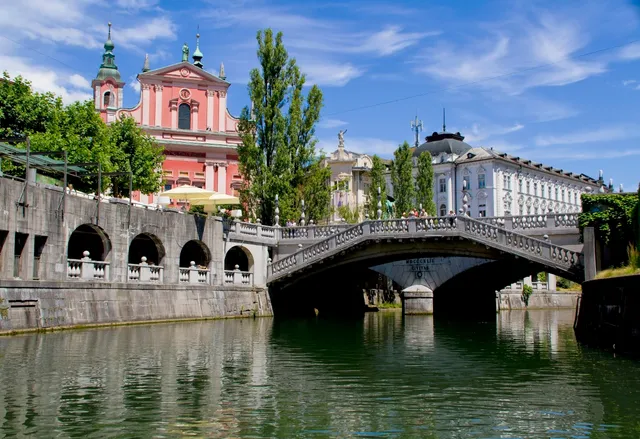
Triple Bridge
4.7
(1.4K)
Click for details