Robbov vodnjak things to do, attractions, restaurants, events info and trip planning
Basic Info
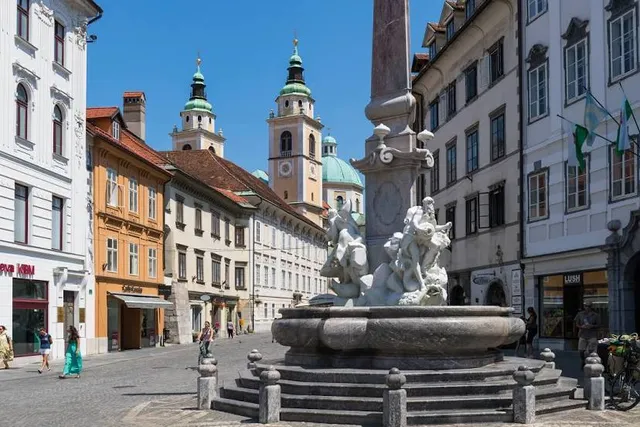
Robbov vodnjak
Mestni trg, 1000 Ljubljana, Slovenia
4.6(373)
Open until 12:00 AM
Save
spot
spot
Ratings & Description
Info
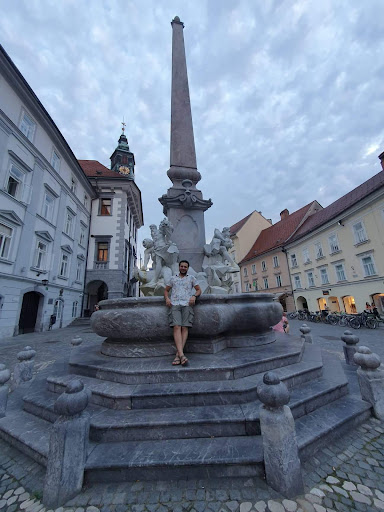
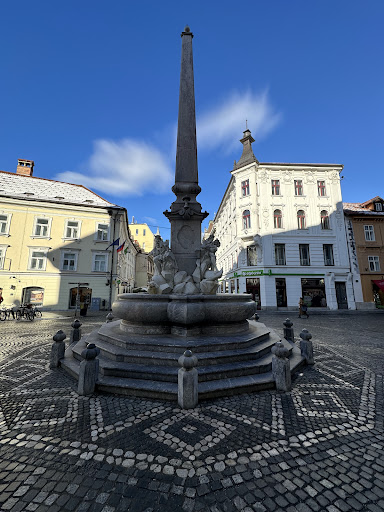
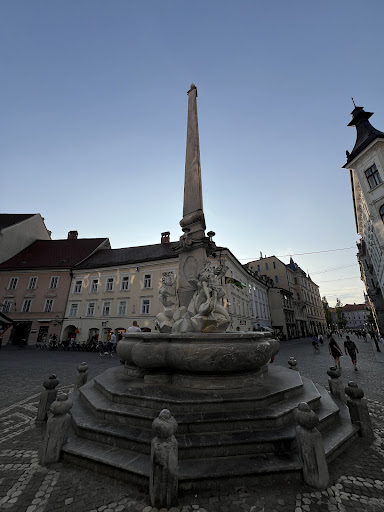
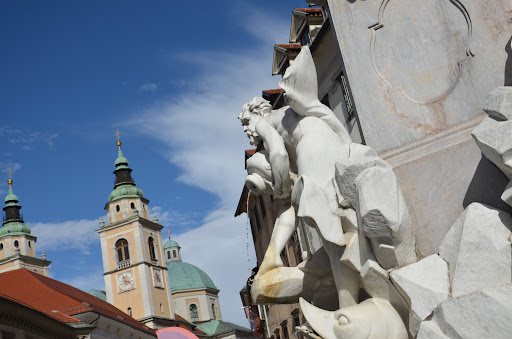
The Robba Fountain, since the first half of the 20th century also known as the Fountain of the Three Carniolan Rivers, is the fountain that stands in front of Ljubljana Town Hall at Town Square in Ljubljana, the capital of Slovenia.
Cultural
Scenic
Accessibility
Family friendly
attractions: Ljubljana Castle, Prešernov trg, Town Square, Saint Nicholas' Cathedral, Town Hall, Kongresni Trg, Dragon Bridge, Ljubljana Castle Funicular, House of illusions, The Butchers' Bridge, restaurants: Gostilna Sokol, Pop's place, Vigò, Pritličje, Klobasarna, Cacao Ljubljana, Slovenska Hiša, Divine, Captain's Cabin, Moji štruklji Slovenije, local businesses: Triple Bridge, Ljubljana Cathedral, Lush International, Zastopstvo In Trgovina, D.O.O., Ljubljana, Emporium Gallery, Čokoladnica Ljubljana, ČAJNICA CHAI Ljubljana, Pogačar Square, Nebotičnik, Roman Catholic Archdiocese of Ljubljana, Nazorjeva ulica 3
 Learn more insights from Wanderboat AI.
Open hoursSee all hours
SunOpen 24 hoursOpen
Plan your stay

Pet-friendly Hotels in Upravna Enota Ljubljana
Find a cozy hotel nearby and make it a full experience.

Affordable Hotels in Upravna Enota Ljubljana
Find a cozy hotel nearby and make it a full experience.

The Coolest Hotels You Haven't Heard Of (Yet)
Find a cozy hotel nearby and make it a full experience.

Trending Stays Worth the Hype in Upravna Enota Ljubljana
Find a cozy hotel nearby and make it a full experience.
Reviews
Live events
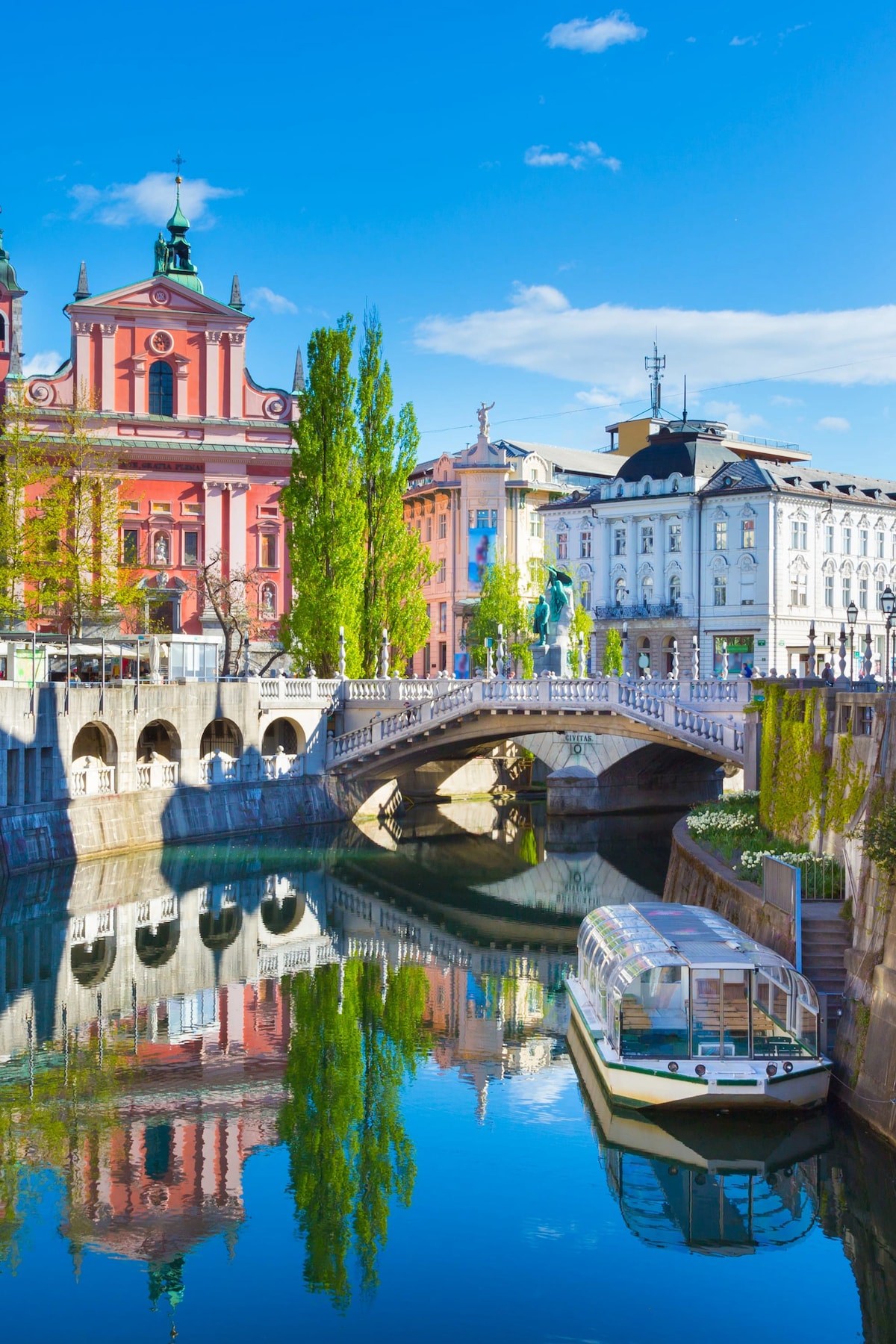
Ljubljana Boat Cruise & City Walking Tour
Thu, Feb 19 • 12:00 PM
1000, Ljubljana, Slovenia
View details
Candlelight: Poklon skupini Queen
Fri, Feb 20 • 6:00 PM
Miklošičeva cesta 1, Ljubljana, 1000
View details
Nearby attractions of Robbov vodnjak
Ljubljana Castle
Prešernov trg
Town Square
Saint Nicholas' Cathedral
Town Hall
Kongresni Trg
Dragon Bridge
Ljubljana Castle Funicular
House of illusions
The Butchers' Bridge
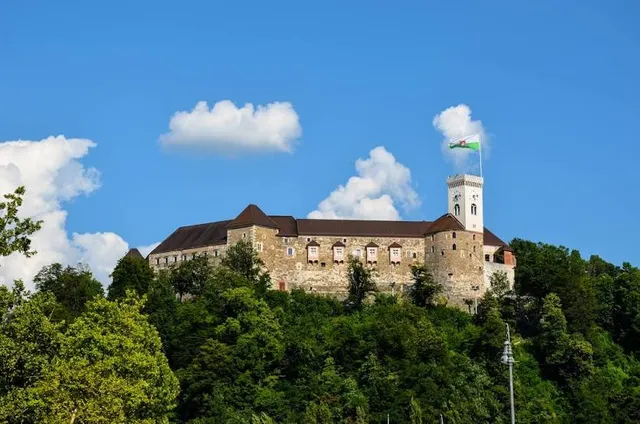
Ljubljana Castle
4.4
(14.7K)
Closed
Click for details
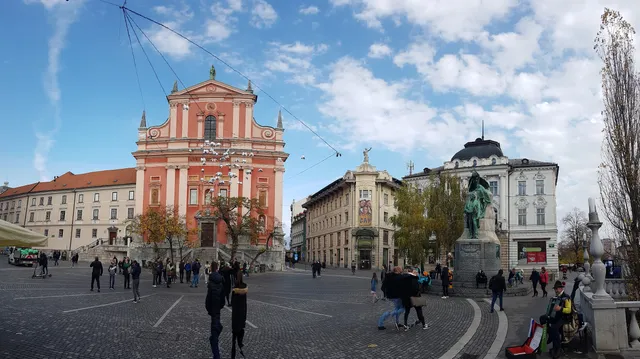
Prešernov trg
4.7
(5.2K)
Open until 12:00 AM
Click for details
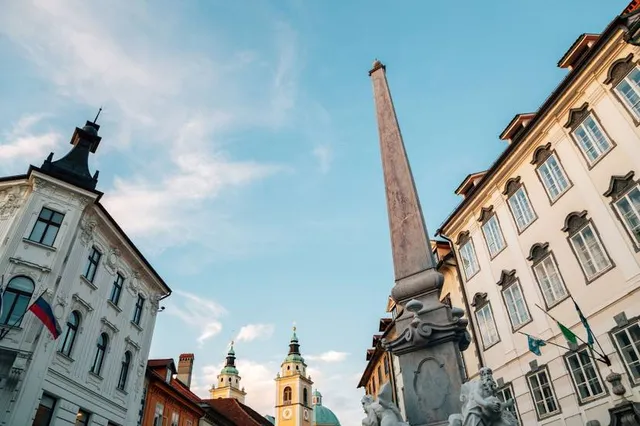
Town Square
4.7
(505)
Open until 12:00 AM
Click for details
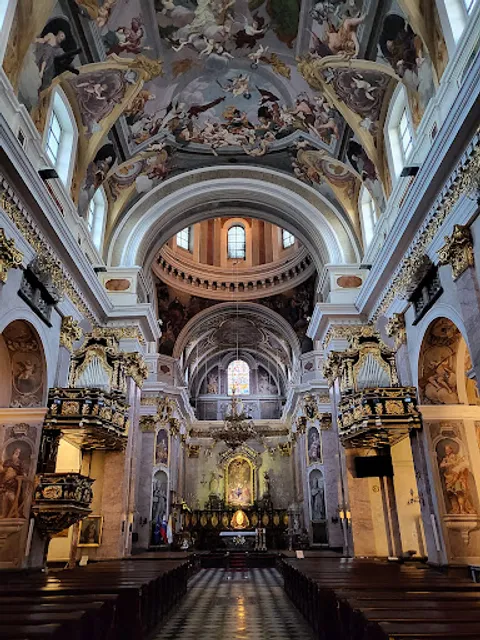
Saint Nicholas' Cathedral
4.5
(1.2K)
Closed
Click for details
Nearby restaurants of Robbov vodnjak
Gostilna Sokol
Pop's place
Vigò
Pritličje
Klobasarna
Cacao Ljubljana
Slovenska Hiša
Divine
Captain's Cabin
Moji štruklji Slovenije
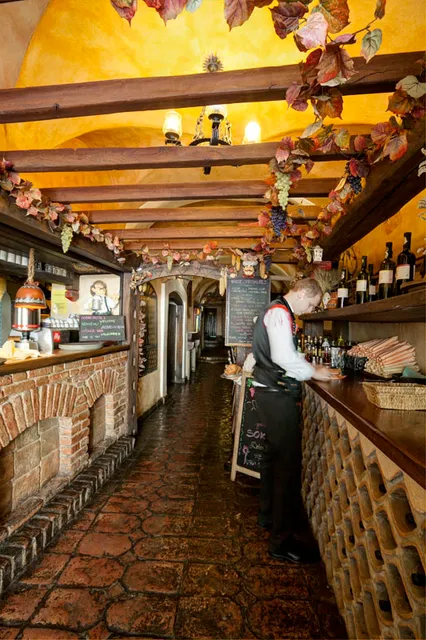
Gostilna Sokol
4.3
(3.6K)
Closed
Click for details
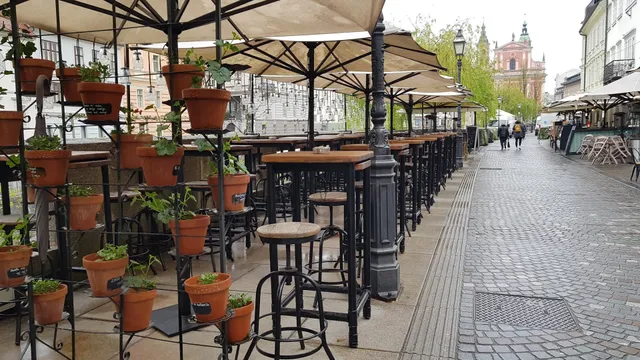
Pop's place
4.5
(2.9K)
Closed
Click for details
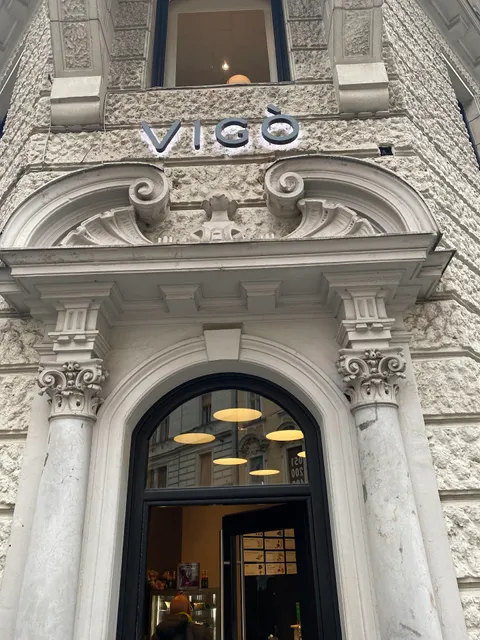
Vigò
4.6
(1.5K)
$$
Closed
Click for details
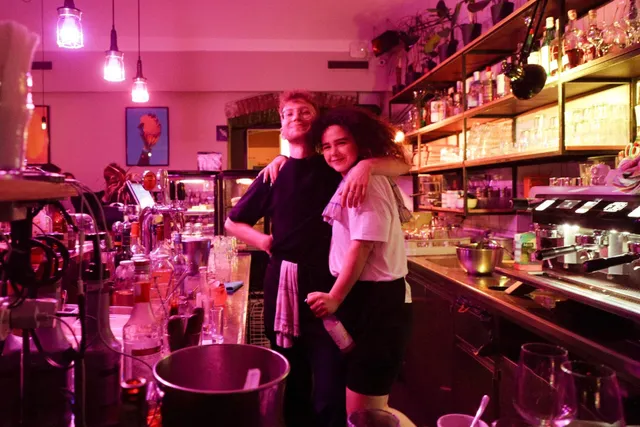
Pritličje
4.5
(641)
Closed
Click for details
Nearby local services of Robbov vodnjak
Triple Bridge
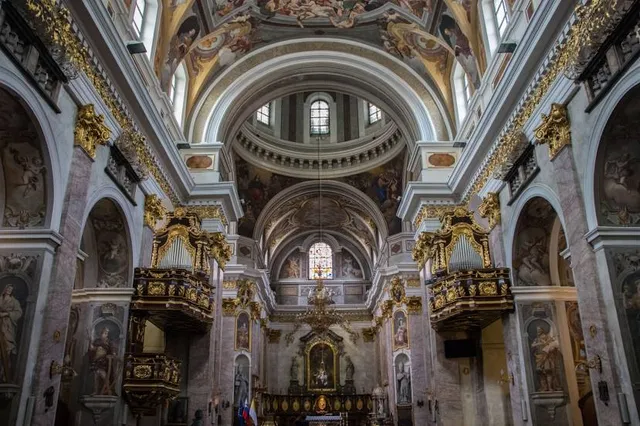
Ljubljana Cathedral
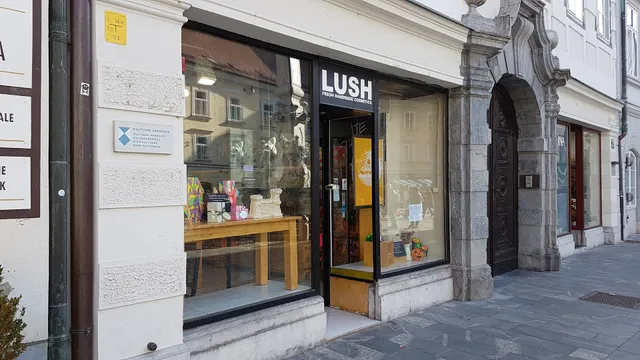
Lush International, Zastopstvo In Trgovina, D.O.O., Ljubljana
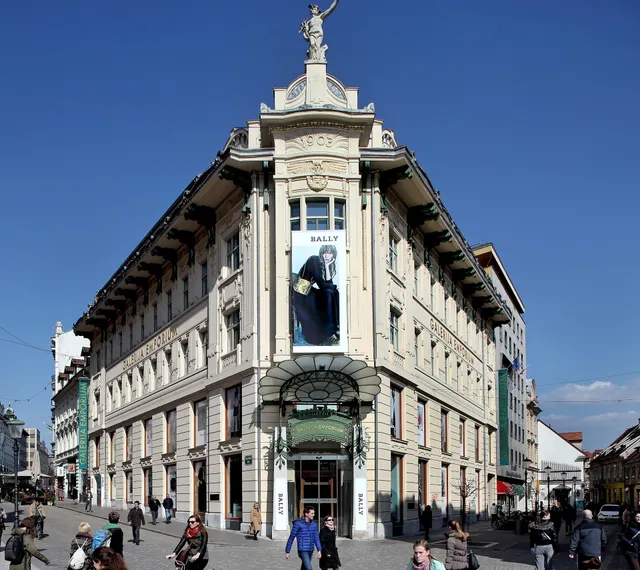
Emporium Gallery
Čokoladnica Ljubljana
ČAJNICA CHAI Ljubljana
Pogačar Square
Nebotičnik
Roman Catholic Archdiocese of Ljubljana
Nazorjeva ulica 3
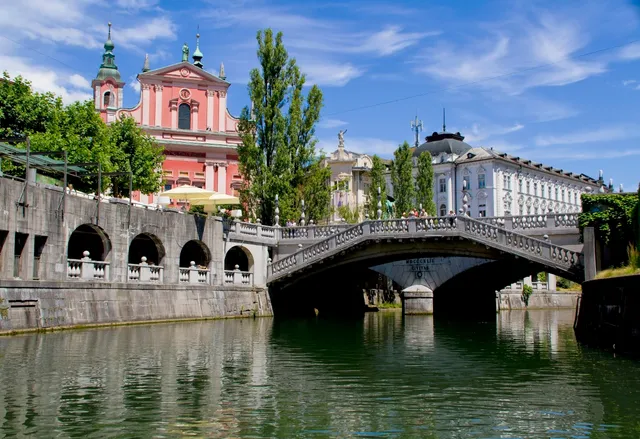
Triple Bridge
4.7
(1.4K)
Click for details
Ljubljana Cathedral
4.5
(1.0K)
Click for details
Lush International, Zastopstvo In Trgovina, D.O.O., Ljubljana
4.7
(79)
Click for details
Emporium Gallery
4.4
(351)
Click for details