Palau Moja things to do, attractions, restaurants, events info and trip planning
Basic Info
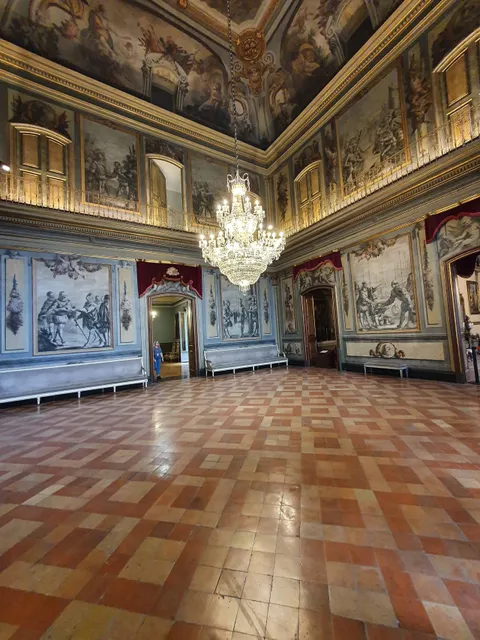
Palau Moja
Carrer de la Portaferrissa, 1, Ciutat Vella, 08002 Barcelona, Spain
4.4(521)
Open until 12:00 AM
Save
spot
spot
Ratings & Description
Info
Cultural
Accessibility
attractions: Barcelona Erotic Museum, Teatre Poliorama, Virreina Palace, Basílica de Santa Maria del Pi, Cathedral of Barcelona, Museum of Illusions, Big Fun Museum, Plaça de Catalunya, Font de la Portaferrissa, Font de Canaletes, restaurants: Bar Lobo, La Pallaresa Xocolateria Xurreria, Granja M. Viader, El Pintxo De Petritxol - Tapas & Pintxos Restaurant Barcelona, Alegoria Restaurant, Gats, Corgi Cafe | Gótico, Chök Carme | Pastisseria Barcelona, Wok to Walk Boqueria, La Poma Restaurant, local businesses: Mercado de La Boqueria, Decathlon, Barça Store, Primark, CARMEN Barcelona, ZARA, Käthe Wohlfahrt, DesignPlace, Centre Comercial El Triangle, C&A
 Learn more insights from Wanderboat AI.
Phone
+34 933 16 27 40
Website
patrimoni.gencat.cat
Open hoursSee all hours
ThuClosedOpen
Plan your stay

Pet-friendly Hotels in Barcelona
Find a cozy hotel nearby and make it a full experience.

Affordable Hotels in Barcelona
Find a cozy hotel nearby and make it a full experience.

The Coolest Hotels You Haven't Heard Of (Yet)
Find a cozy hotel nearby and make it a full experience.

Trending Stays Worth the Hype in Barcelona
Find a cozy hotel nearby and make it a full experience.
Reviews
Live events
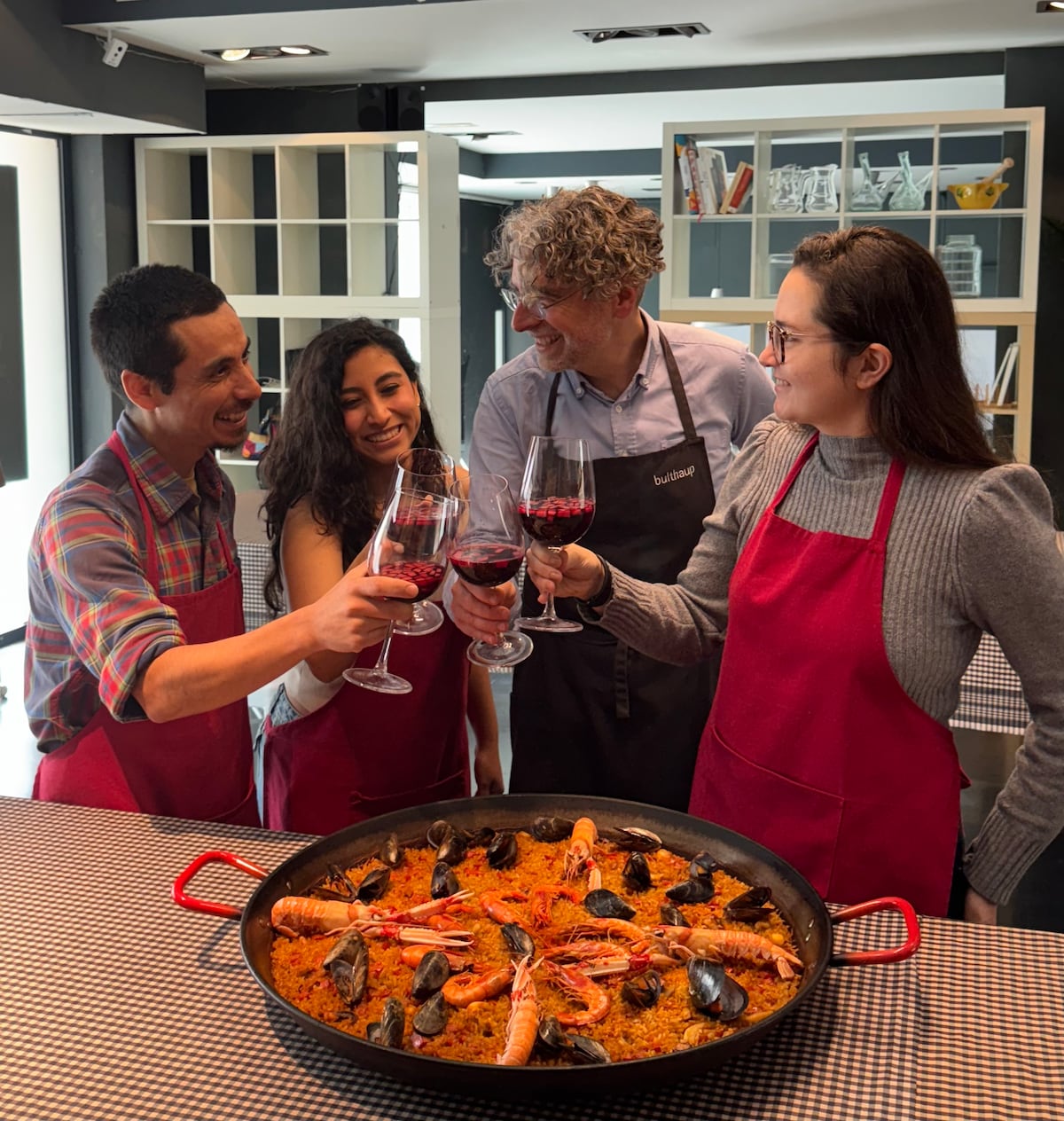
Paella Maestro Tapas & Sangria Barcelona
Thu, Jan 15 • 12:00 PM
08034, Barcelona, Catalonia, Spain
View details

Intro to Barcelona: Old Town Gothic Quarter Tour
Thu, Jan 15 • 9:30 AM
08001, Barcelona, Catalonia, Spain
View details
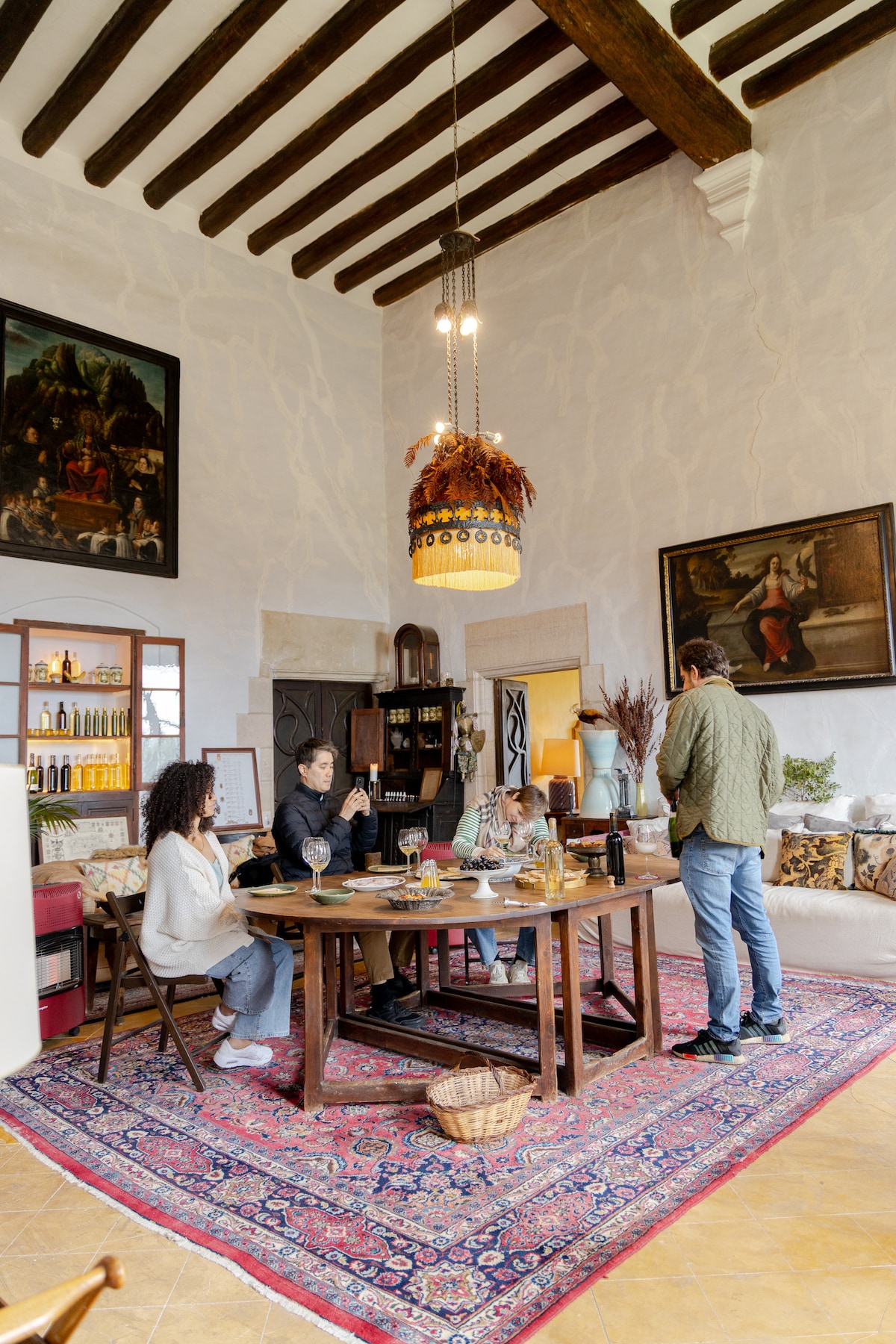
The Castle Wine Tour in Penedès, Wine & Tapas
Fri, Jan 16 • 10:00 AM
08021, Barcelona, Catalonia, Spain
View details
Nearby attractions of Palau Moja
Barcelona Erotic Museum
Teatre Poliorama
Virreina Palace
Basílica de Santa Maria del Pi
Cathedral of Barcelona
Museum of Illusions
Big Fun Museum
Plaça de Catalunya
Font de la Portaferrissa
Font de Canaletes
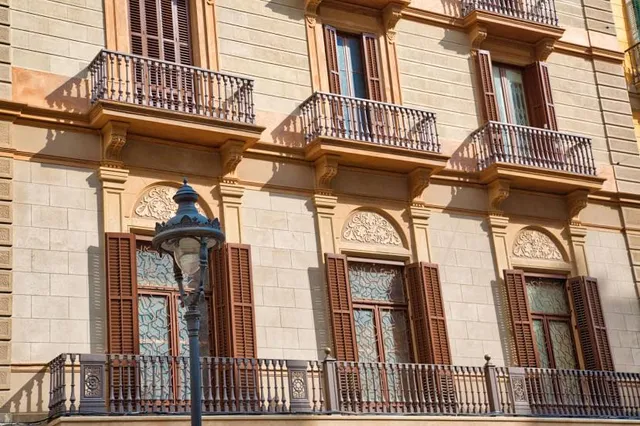
Barcelona Erotic Museum
4.5
(3K)
Closed
Click for details
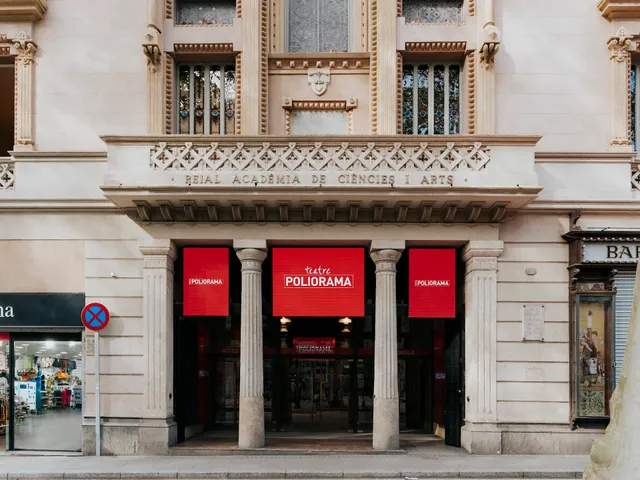
Teatre Poliorama
4.4
(2.9K)
Open 24 hours
Click for details
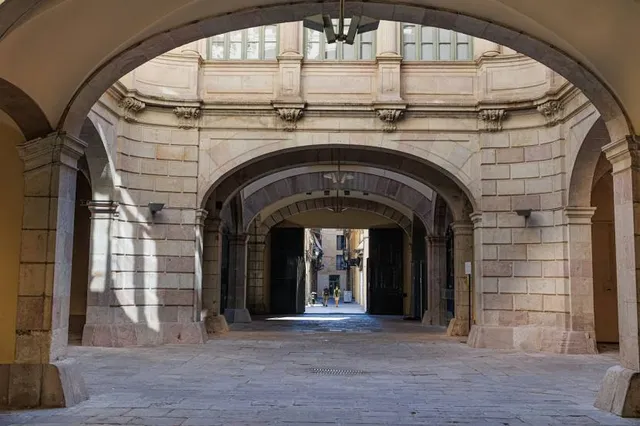
Virreina Palace
4.4
(1.2K)
Closed
Click for details
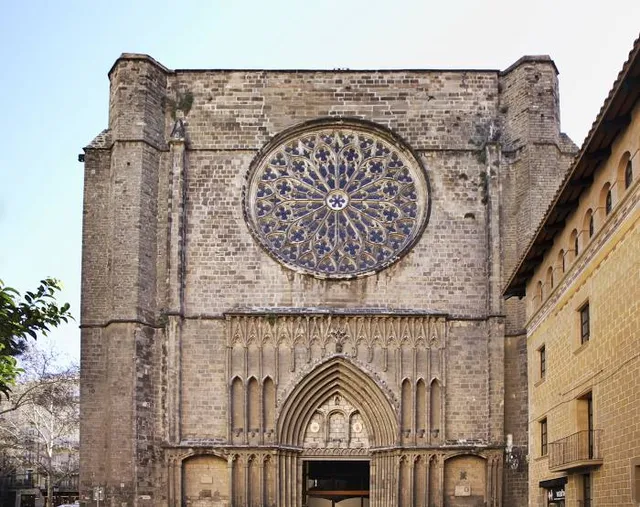
Basílica de Santa Maria del Pi
4.6
(2.8K)
Open 24 hours
Click for details
Nearby restaurants of Palau Moja
Bar Lobo
La Pallaresa Xocolateria Xurreria
Granja M. Viader
El Pintxo De Petritxol - Tapas & Pintxos Restaurant Barcelona
Alegoria Restaurant
Gats
Corgi Cafe | Gótico
Chök Carme | Pastisseria Barcelona
Wok to Walk Boqueria
La Poma Restaurant
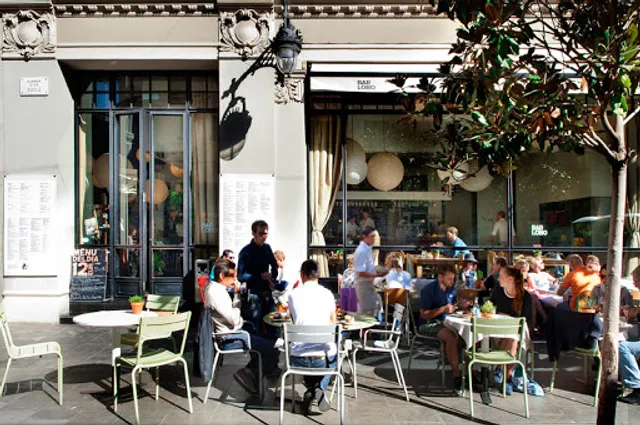
Bar Lobo
4.5
(4.6K)
Open until 1:00 AM
Click for details
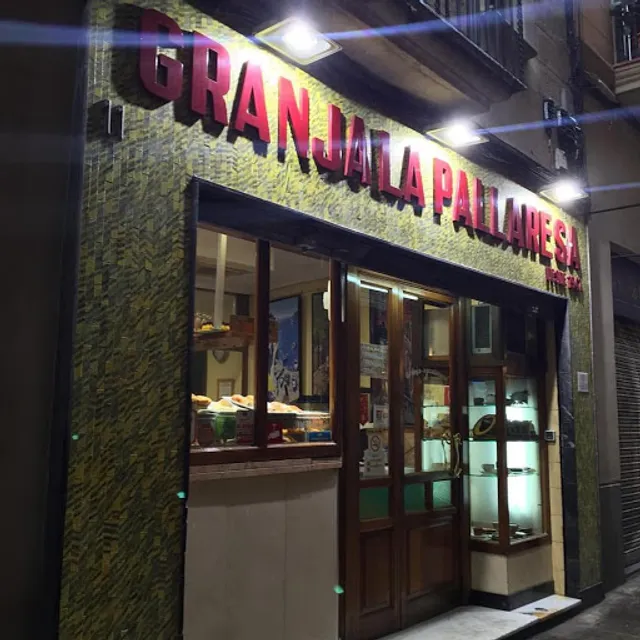
La Pallaresa Xocolateria Xurreria
4.2
(2.5K)
Closed
Click for details
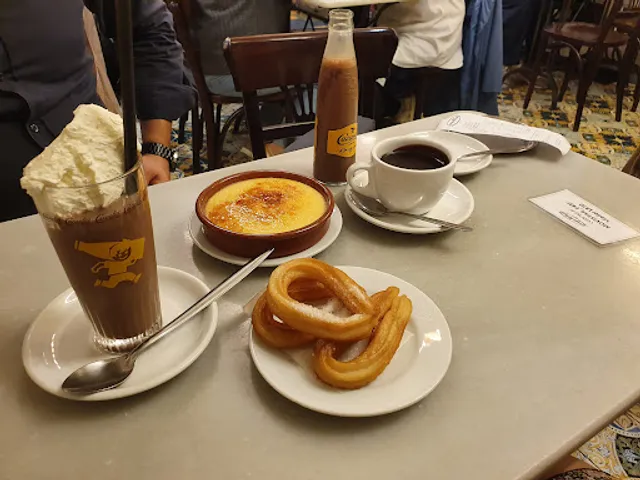
Granja M. Viader
4.4
(1.9K)
Closed
Click for details
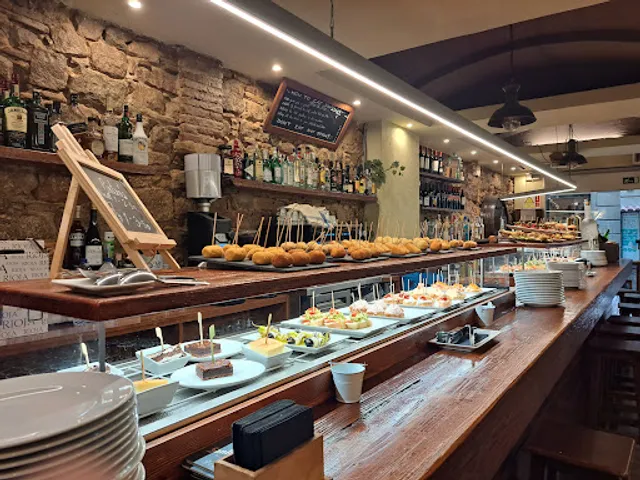
El Pintxo De Petritxol - Tapas & Pintxos Restaurant Barcelona
4.5
(1.8K)
Closed
Click for details
Nearby local services of Palau Moja
Mercado de La Boqueria
Decathlon
Barça Store
Primark
CARMEN Barcelona
ZARA
Käthe Wohlfahrt
DesignPlace
Centre Comercial El Triangle
C&A
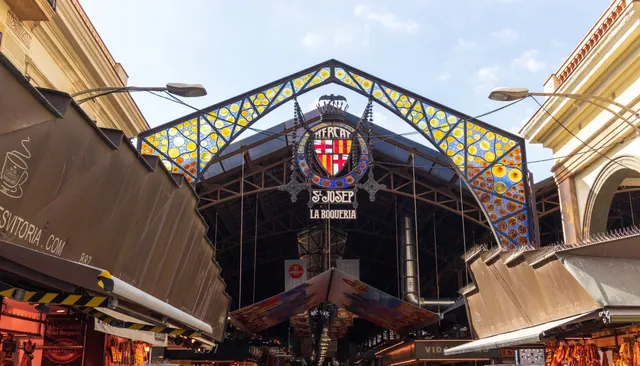
Mercado de La Boqueria
4.5
(65.2K)
Click for details
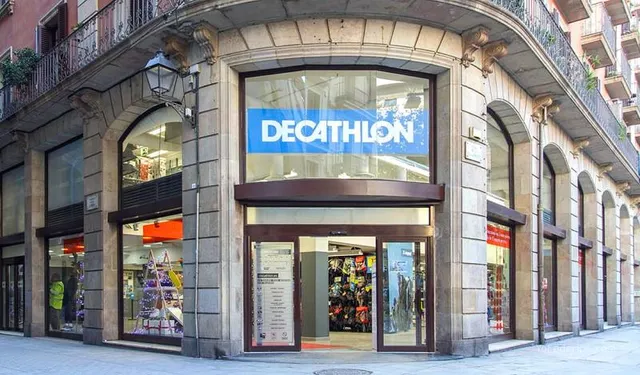
Decathlon
4.3
(8.2K)
Click for details

Barça Store
4.5
(919)
Click for details
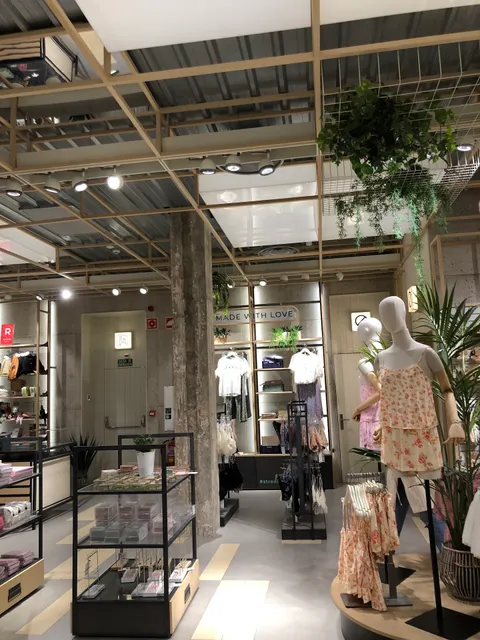
Primark
4.1
(6.1K)
Click for details