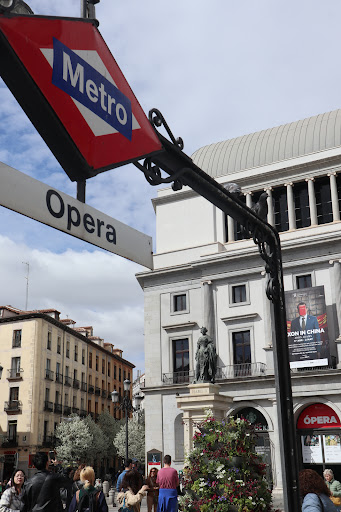
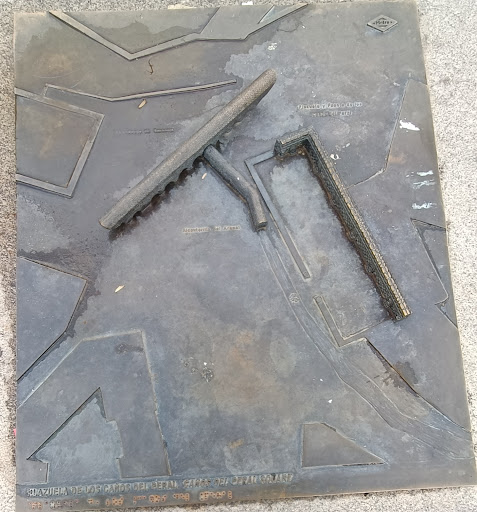
Museo de los Caños del Peral things to do, attractions, restaurants, events info and trip planning
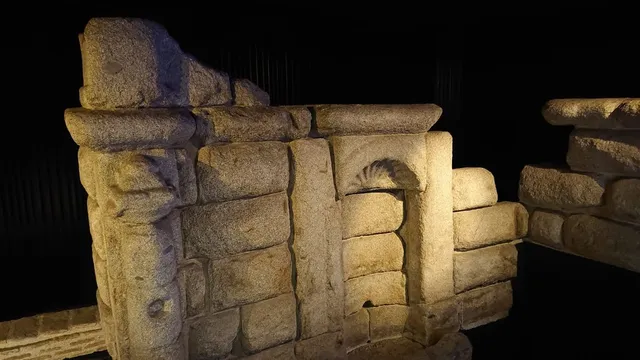
Basic Info
Museo de los Caños del Peral
Metro Ópera, Pl. de Isabel II, 8, Centro, 28013 Madrid, Spain
4.7(228)
Closed
Save
spot
spot
Ratings & Description
Info
Cultural
Accessibility
attractions: Teatro Real, Plaza Mayor, Joy Eslava Madrid, Monasterio de las Descalzas Reales, Puerta del Sol, Palacio de Las Alhajas, Casita-Museo de Ratón Pérez, Monument to Felipe IV, Real Monasterio de la Encarnación, Free Walking Tours Madrid, restaurants: Taberna Real Restaurante, Chocolatería San Ginés, El Rey de los Tacos, Hamburguesas | QW Foodtruck Ópera, Mercado de San Miguel, Asador Real, Cantina 33 - Café - Restaurante Venezolano, Mar Mía - Brasas Mediterráneas, Ouh...Babbo!, Ramen Kagura Ópera, local businesses: Torrons Vicens Arenal, Fnac, Church of Saint Genesius, Sabor a España, El Corte Inglés Preciados, GAME, Cine Callao, Palacio de Gaviria, Madrid Souvenirs, Nüwa Jewelry
 Learn more insights from Wanderboat AI.
Phone
+34 644 16 95 31
Website
museosmetromadrid.es
Open hoursSee all hours
Sat10 AM - 2 PMClosed
Plan your stay

Pet-friendly Hotels in Madrid
Find a cozy hotel nearby and make it a full experience.

Affordable Hotels in Madrid
Find a cozy hotel nearby and make it a full experience.

The Coolest Hotels You Haven't Heard Of (Yet)
Find a cozy hotel nearby and make it a full experience.

Trending Stays Worth the Hype in Madrid
Find a cozy hotel nearby and make it a full experience.
Reviews
Live events

Mercado de Motores Madrid · 7 y 8 de Febrero · Entrada GRATIS
Sat, Feb 7 • 11:00 AM
61 Paseo de las Delicias 28045 Madrid
View details

Conferencia | La mitad femenina del cosmos entre los nahuas
Thu, Feb 12 • 7:00 PM
20 Calle de Alberto Aguilera 28015 Madrid
View details
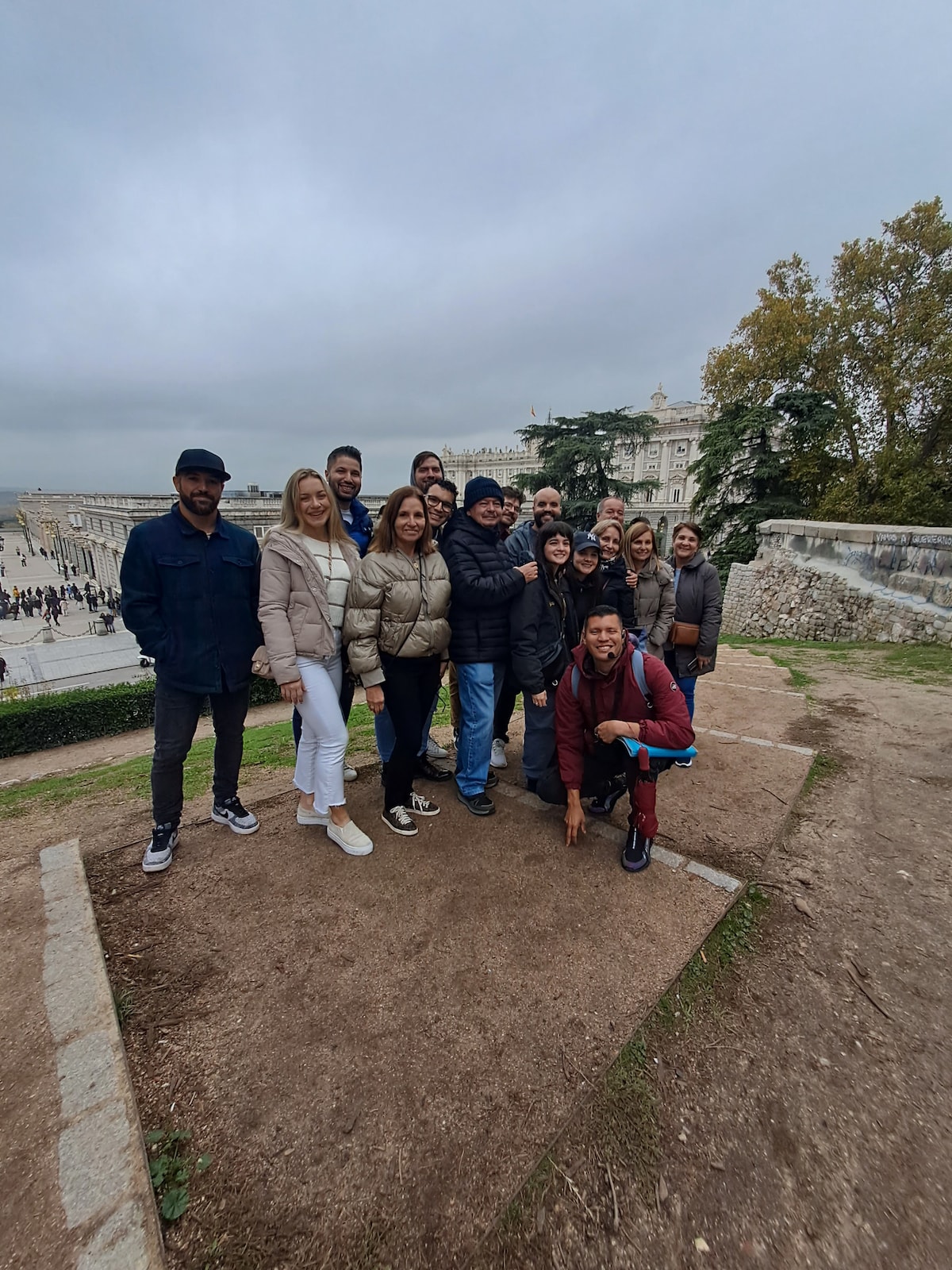
Freetour Discover the historic Madrid
Sat, Feb 7 • 4:30 PM
28000, Madrid, Community of Madrid, Spain
View details
Nearby attractions of Museo de los Caños del Peral
Teatro Real
Plaza Mayor
Joy Eslava Madrid
Monasterio de las Descalzas Reales
Puerta del Sol
Palacio de Las Alhajas
Casita-Museo de Ratón Pérez
Monument to Felipe IV
Real Monasterio de la Encarnación
Free Walking Tours Madrid
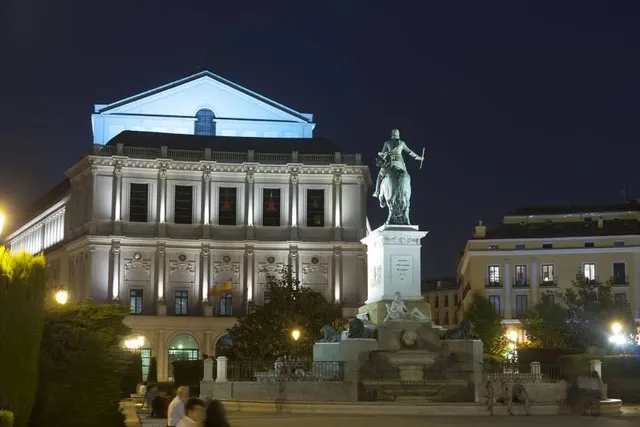
Teatro Real
4.6
(5.8K)
Open 24 hours
Click for details
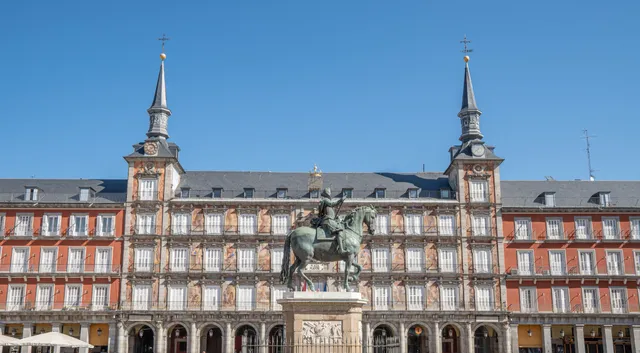
Plaza Mayor
4.6
(59.3K)
Open 24 hours
Click for details
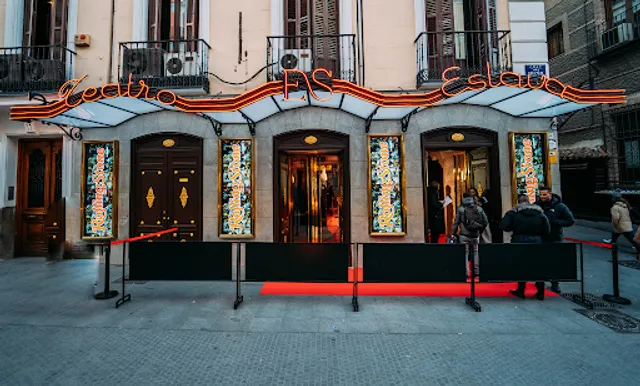
Joy Eslava Madrid
3.9
(2.5K)
Open 24 hours
Click for details
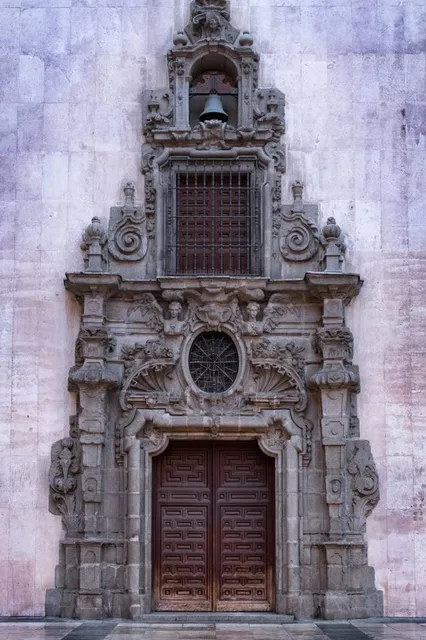
Monasterio de las Descalzas Reales
4.4
(1.5K)
Open until 6:30 PM
Click for details
Nearby restaurants of Museo de los Caños del Peral
Taberna Real Restaurante
Chocolatería San Ginés
El Rey de los Tacos
Hamburguesas | QW Foodtruck Ópera
Mercado de San Miguel
Asador Real
Cantina 33 - Café - Restaurante Venezolano
Mar Mía - Brasas Mediterráneas
Ouh...Babbo!
Ramen Kagura Ópera
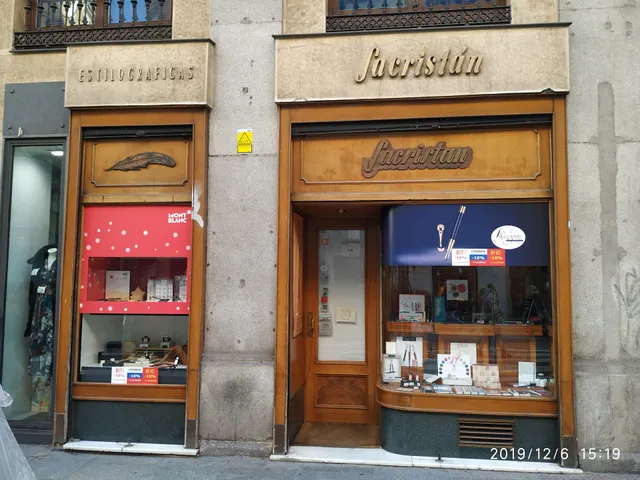
Taberna Real Restaurante
3.5
(1.9K)
$$$
Open until 1:30 AM
Click for details
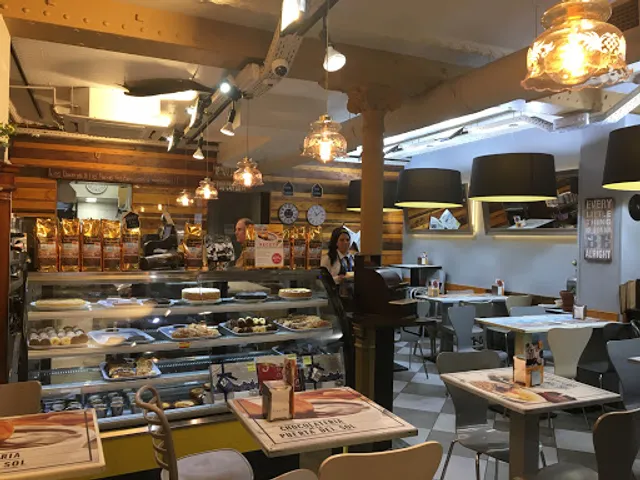
Chocolatería San Ginés
4.3
(23.4K)
Open until 12:00 AM
Click for details
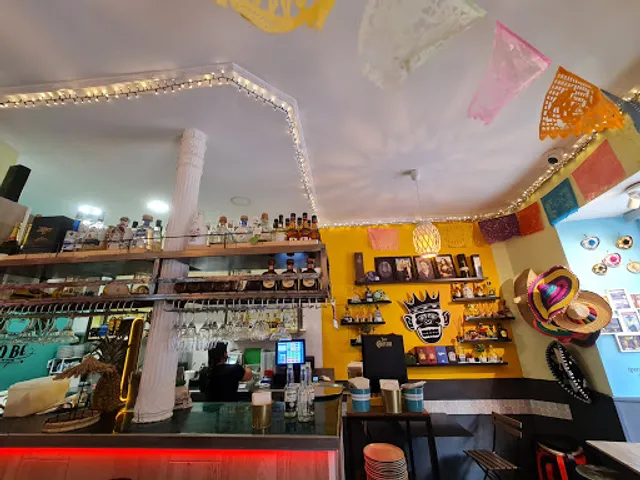
El Rey de los Tacos
4.7
(4.6K)
Open until 2:30 AM
Click for details
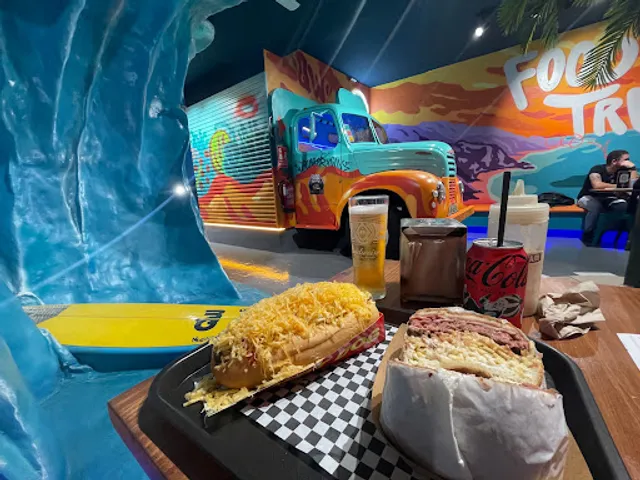
Hamburguesas | QW Foodtruck Ópera
4.8
(1.8K)
Open until 1:00 AM
Click for details
Nearby local services of Museo de los Caños del Peral
Torrons Vicens Arenal
Fnac
Church of Saint Genesius
Sabor a España
El Corte Inglés Preciados
GAME
Cine Callao
Palacio de Gaviria
Madrid Souvenirs
Nüwa Jewelry
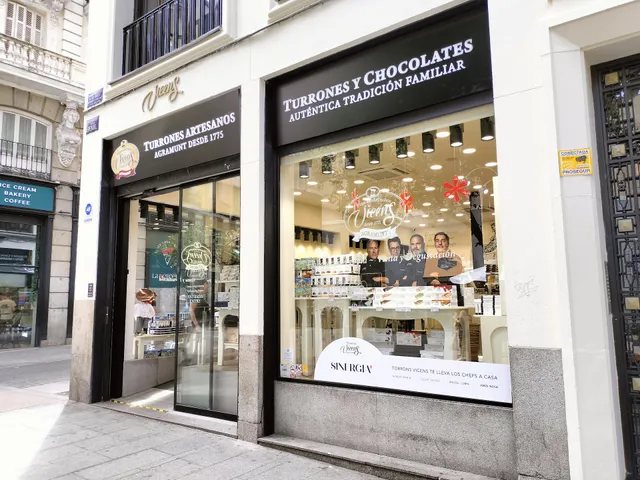
Torrons Vicens Arenal
4.5
(477)
Click for details
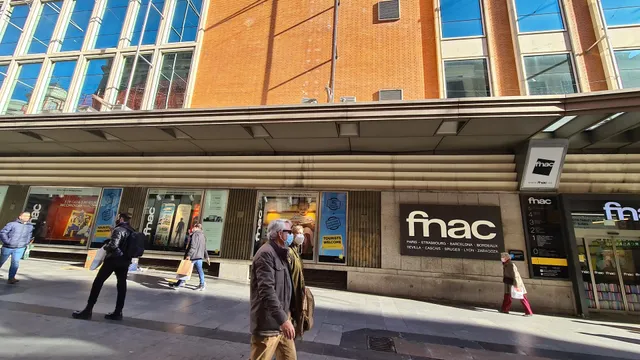
Fnac
4.2
(13.3K)
Click for details
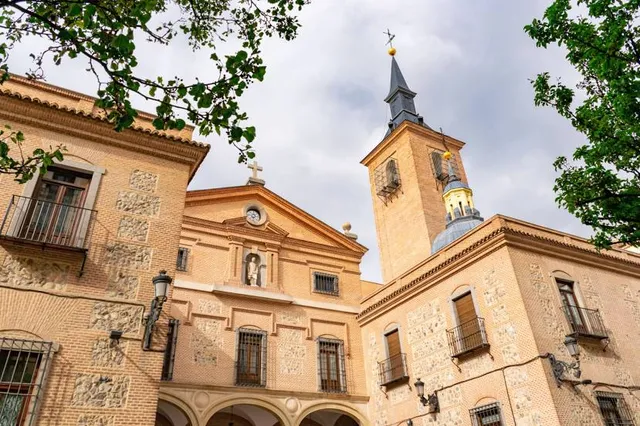
Church of Saint Genesius
4.6
(722)
Click for details
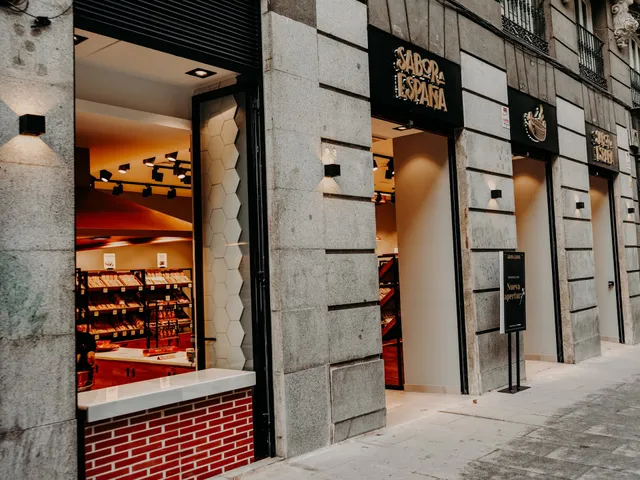
Sabor a España
4.8
(108)
Click for details