Museum of Pilgrimage things to do, attractions, restaurants, events info and trip planning
Basic Info
Museum of Pilgrimage
Praza das Praterías, 2, 15704 Santiago de Compostela, A Coruña, Spain
4.5(195)
Open until 12:00 AM
Save
spot
spot
Ratings & Description
Info
Cultural
Family friendly
Accessibility
attractions: Porch of the Glory, Fountain of Horses, Cathedral Museum, Palace of Fonseca, Obradoiro Square, Monasterio de San Paio de Antealtares, Praza de Galicia, Joyas del Camino - Tienda Berenguela, Praza de Cervantes, Parque da Alameda, restaurants: Restaurante San Jaime, Airas Nunes ~ Café (Santiago de Compostela), Bar Charra (Santiago de Compostela), Cre·Cotte, Los Caracoles Restaurante, A Curtidoría, Restaurante María Castaña, Tapas Petiscos Do Cardeal, Pedra. Restaurante en Santiago de Compostela, Restaurante La Piccola Italia scq Pizzeria, local businesses: Cathedral of Santiago de Compostela, Praza da Quintana de Vivos, Pilgrim - Camino de Santiago, We Galicia, Fonte dos Cabalos, Andaspain Walking Adventures, Sindueña, Xuntanza, Aparcadoiro PARKIA - Santo Clemente - Praza do Obradoiro, Tren Turístico Santiago
 Learn more insights from Wanderboat AI.
Phone
+34 881 86 73 15
Website
museoperegrinacions.xunta.gal
Open hoursSee all hours
Tue9:30 AM - 8:30 PMOpen
Plan your stay

Pet-friendly Hotels in Santiago de Compostela
Find a cozy hotel nearby and make it a full experience.

Affordable Hotels in Santiago de Compostela
Find a cozy hotel nearby and make it a full experience.

The Coolest Hotels You Haven't Heard Of (Yet)
Find a cozy hotel nearby and make it a full experience.

Trending Stays Worth the Hype in Santiago de Compostela
Find a cozy hotel nearby and make it a full experience.
Reviews
Live events

Candlelight: Especial de San Valentín
Sat, Feb 28 • 7:00 PM
Campillo de, Costa de San Francisco, 3, Santiago de Compostela, 15705
View details
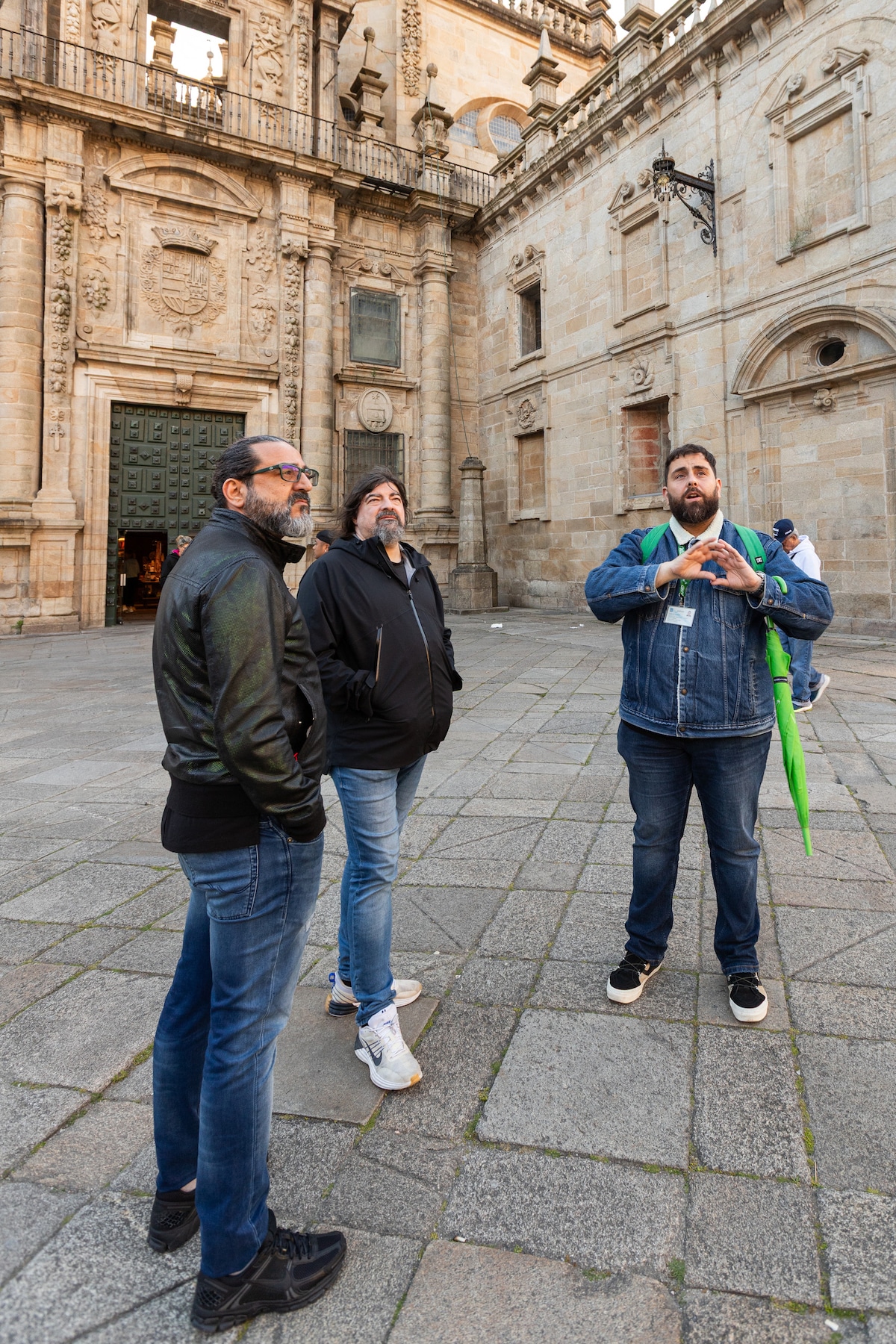
Secrets of Compostela Night Tour
Tue, Feb 24 • 8:00 PM
15704, Santiago de Compostela, ES, Spain
View details

Santiago Outdoor Exploration Game
Sun, Feb 1 • 12:00 AM
Praza da Inmaculada, 2, Santiago de Compostela, 15704
View details
Nearby attractions of Museum of Pilgrimage
Porch of the Glory
Fountain of Horses
Cathedral Museum
Palace of Fonseca
Obradoiro Square
Monasterio de San Paio de Antealtares
Praza de Galicia
Joyas del Camino - Tienda Berenguela
Praza de Cervantes
Parque da Alameda
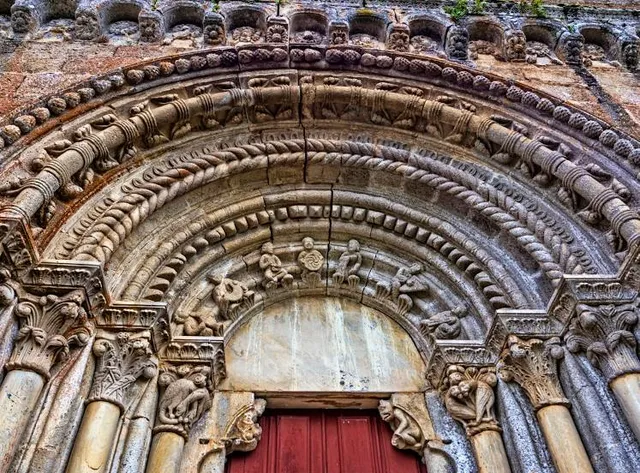
Porch of the Glory
4.6
(574)
Closed
Click for details
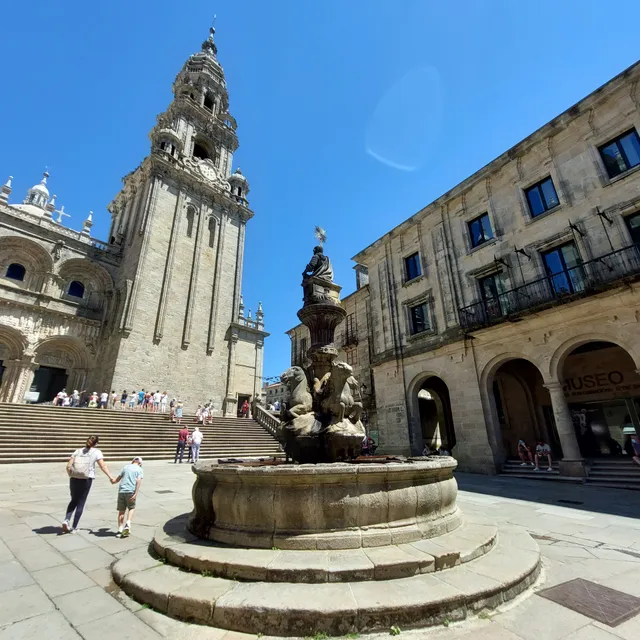
Fountain of Horses
4.7
(104)
Open 24 hours
Click for details
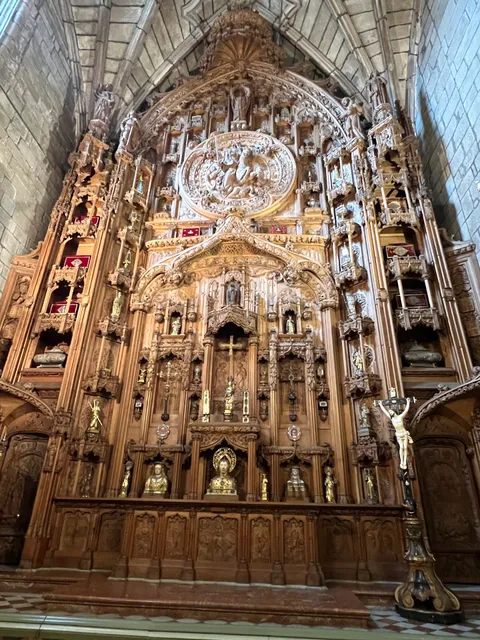
Cathedral Museum
4.3
(315)
Closed
Click for details
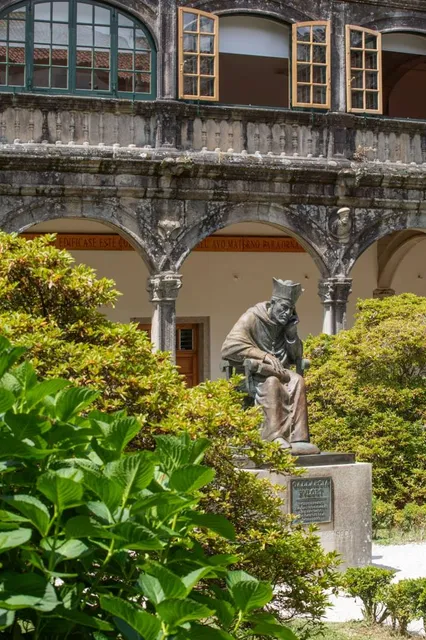
Palace of Fonseca
4.6
(290)
Open until 12:00 AM
Click for details
Nearby restaurants of Museum of Pilgrimage
Restaurante San Jaime
Airas Nunes ~ Café (Santiago de Compostela)
Bar Charra (Santiago de Compostela)
Cre·Cotte
Los Caracoles Restaurante
A Curtidoría
Restaurante María Castaña
Tapas Petiscos Do Cardeal
Pedra. Restaurante en Santiago de Compostela
Restaurante La Piccola Italia scq Pizzeria
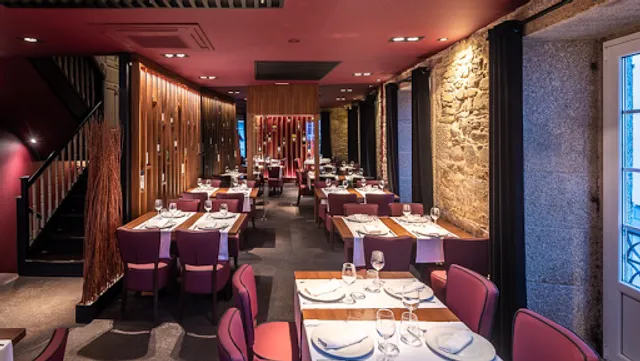
Restaurante San Jaime
4.4
(1.1K)
$$
Open until 12:00 AM
Click for details
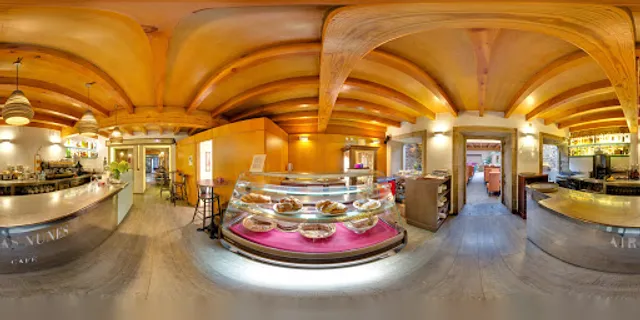
Airas Nunes ~ Café (Santiago de Compostela)
4.3
(1.4K)
Closed
Click for details
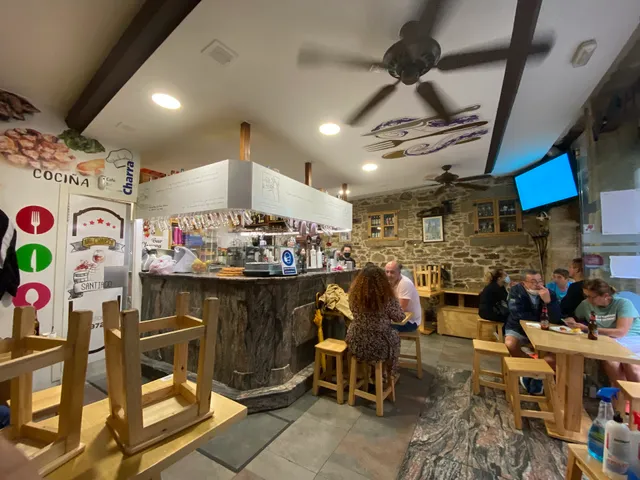
Bar Charra (Santiago de Compostela)
3.6
(793)
Closed
Click for details
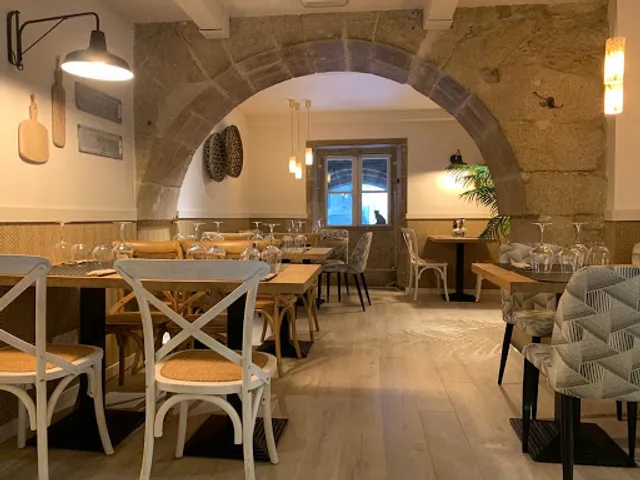
Cre·Cotte
4.4
(514)
$$
Open until 12:00 AM
Click for details
Nearby local services of Museum of Pilgrimage
Cathedral of Santiago de Compostela
Praza da Quintana de Vivos
Pilgrim - Camino de Santiago
We Galicia
Fonte dos Cabalos
Andaspain Walking Adventures
Sindueña
Xuntanza
Aparcadoiro PARKIA - Santo Clemente - Praza do Obradoiro
Tren Turístico Santiago
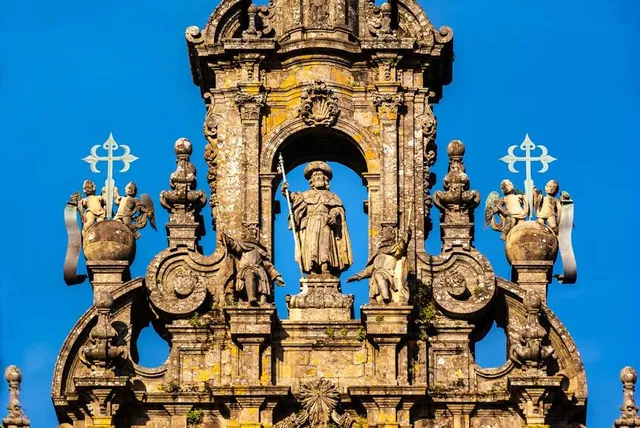
Cathedral of Santiago de Compostela
4.7
(27.5K)
Click for details
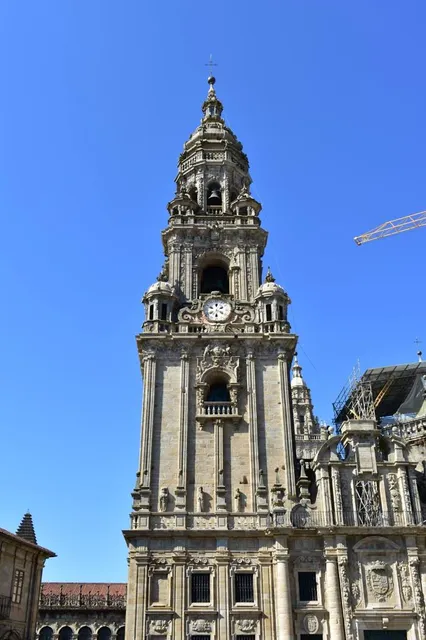
Praza da Quintana de Vivos
4.7
(1.9K)
Click for details

Pilgrim - Camino de Santiago
4.8
(290)
Click for details
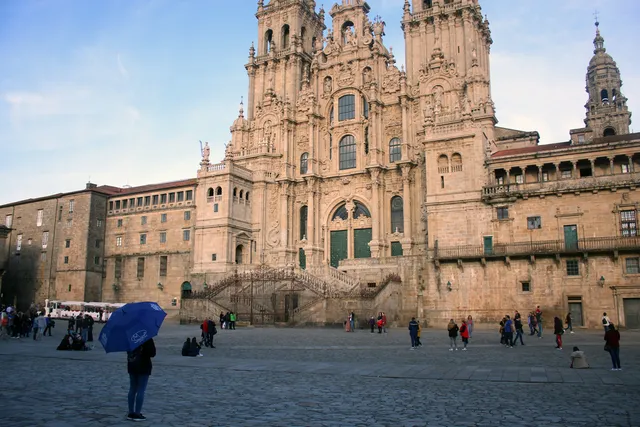
We Galicia
4.8
(3K)
Click for details