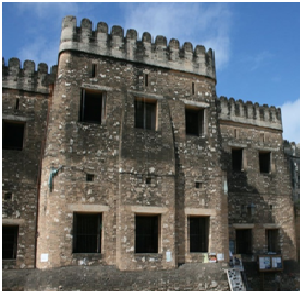
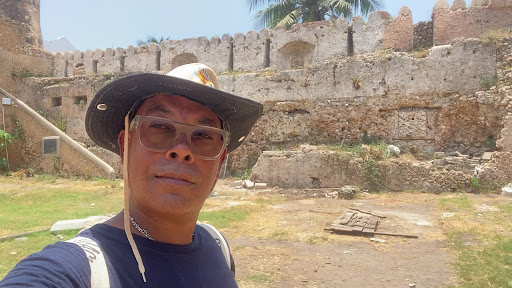
Old Fort things to do, attractions, restaurants, events info and trip planning
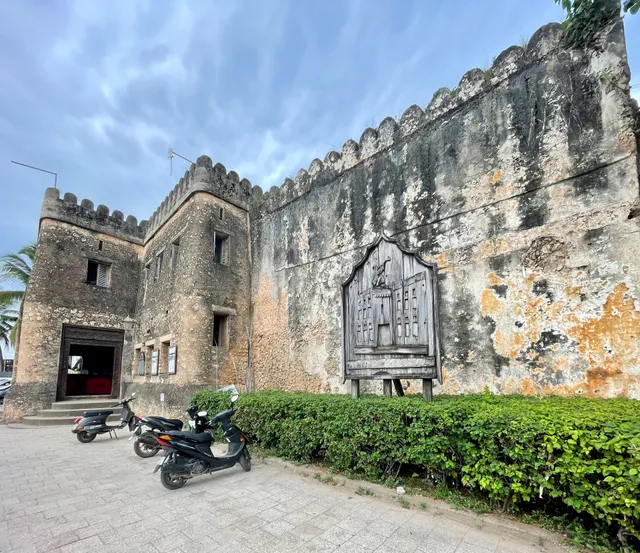
Basic Info
Old Fort
Mizingani Rd, Zanzibar, Tanzania
4.3(2.1K)
Open until 6:00 PM
Save
spot
spot
Ratings & Description
Info
Cultural
Entertainment
Family friendly
attractions: The Forodhani of Zanzibar, House of Wonders, Freddie Mercury Museum, Saint Joseph's Cathedral, People's Palace Museum, Nakupenda Island Beach Tours, Sunset jump spot, Jaw's Corner, The Gallery Curio Shop, Zanzibar Cannons, restaurants: Cape Town Fish Market Zanzibar, The Silk Route, Harbour Indian Kitchen by Chili & Lime, Krishna Food House, Mama Mia - Gelato Italiano, Out of Afrika, Ocean Grill Stone Town Beach, Livingstone Beach Restaurant, Masa Japanese Restaurant, Night Food Market, local businesses: Ngome Kongwe, One Ocean Dive Centre - Stone Town, Memories Of Zanzibar, Colors of Zanzibar, The Zanzibar Curio Shop, aromas of zanzibar, The Coins Shop, 1001 Organic Spicery (at Hurumzi), Zan island taxi and tours, Stonetown Traders
 Learn more insights from Wanderboat AI.
Phone
+255 24 223 8516
Open hoursSee all hours
Mon8 AM - 6 PMOpen
Plan your stay

Pet-friendly Hotels in Shangani
Find a cozy hotel nearby and make it a full experience.

Affordable Hotels in Shangani
Find a cozy hotel nearby and make it a full experience.

The Coolest Hotels You Haven't Heard Of (Yet)
Find a cozy hotel nearby and make it a full experience.

Trending Stays Worth the Hype in Shangani
Find a cozy hotel nearby and make it a full experience.
Reviews
Live events
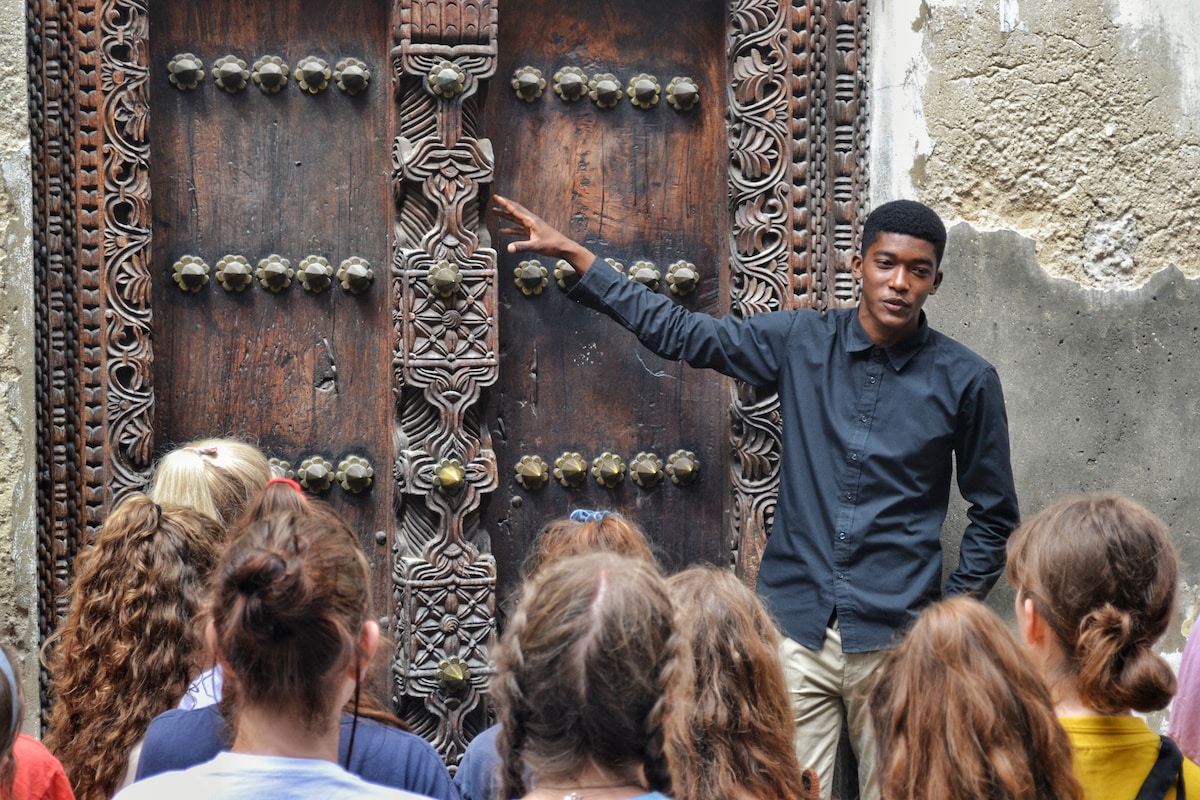
Step into the heart of Stone Town
Mon, Feb 23 • 9:30 AM
Zanzibar, Mjini Magharibi Region 00000, Tanzania
View details

Stone Towns Hidden History: Private walking Tour
Mon, Feb 23 • 8:45 AM
Zanzibar, Mjini Magharibi Region , Tanzania
View details
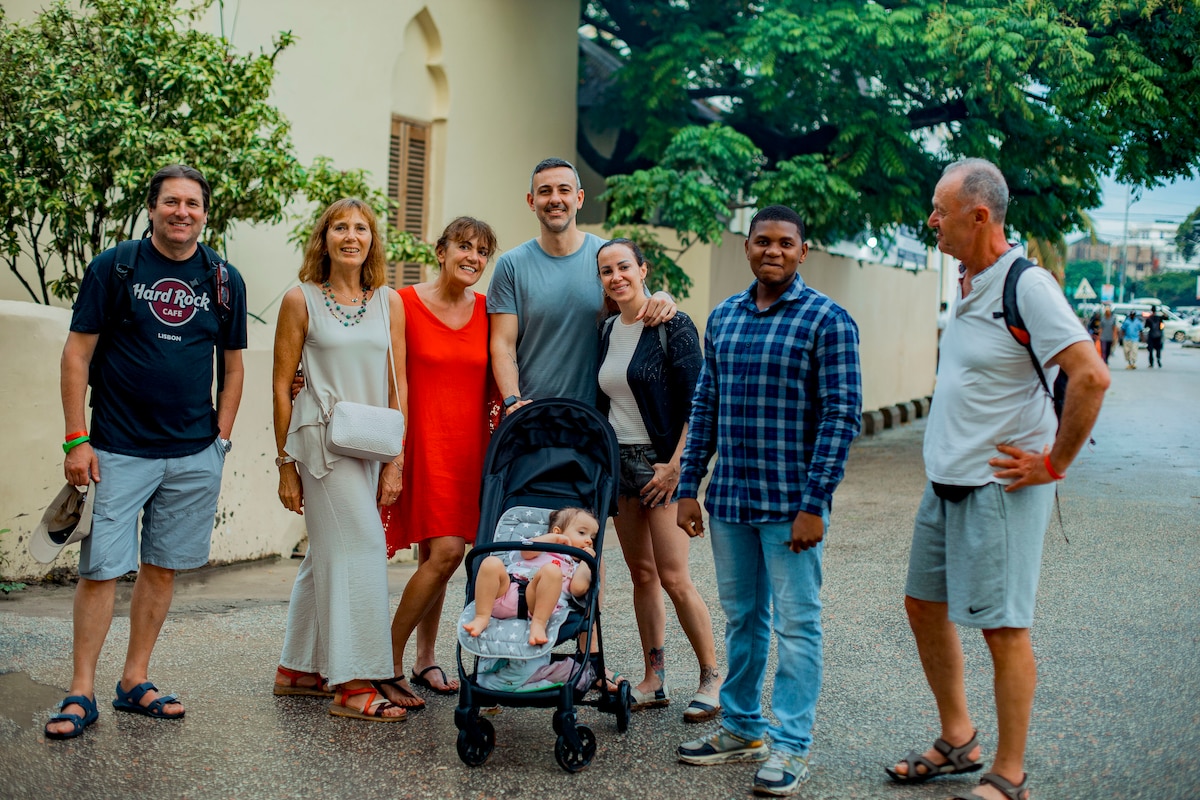
Explore intangible cultural history
Mon, Feb 23 • 9:00 AM
Zanzibar, Mjini Magharibi Region -, Tanzania
View details
Nearby attractions of Old Fort
The Forodhani of Zanzibar
House of Wonders
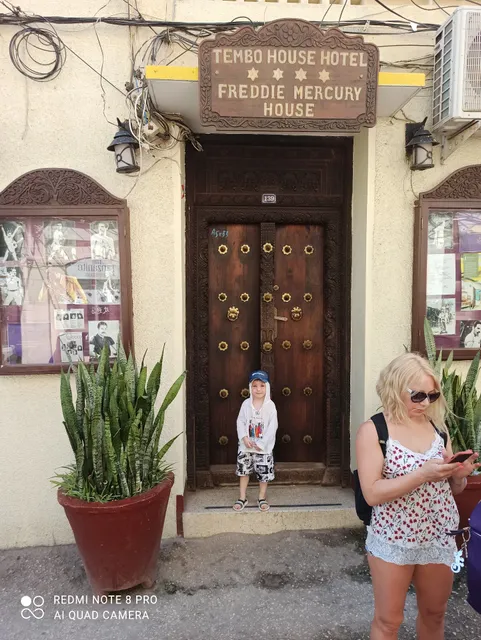
Freddie Mercury Museum
Saint Joseph's Cathedral
People's Palace Museum
Nakupenda Island Beach Tours
Sunset jump spot
Jaw's Corner
The Gallery Curio Shop
Zanzibar Cannons
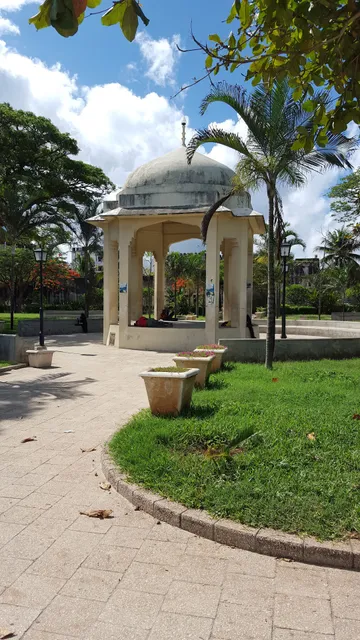
The Forodhani of Zanzibar
4.4
(428)
Open until 11:40 PM
Click for details
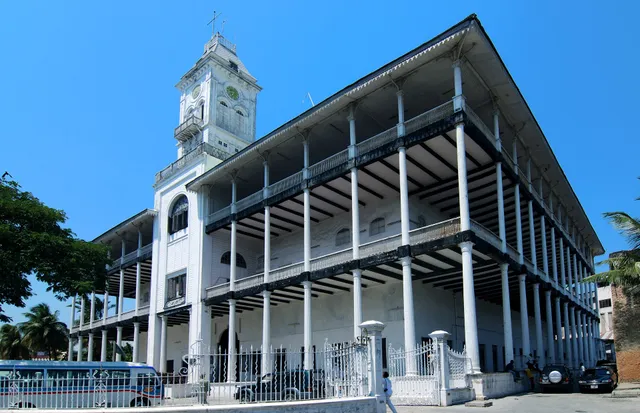
House of Wonders
3.6
(174)
Open 24 hours
Click for details

Freddie Mercury Museum
4.0
(449)
Open until 6:00 PM
Click for details
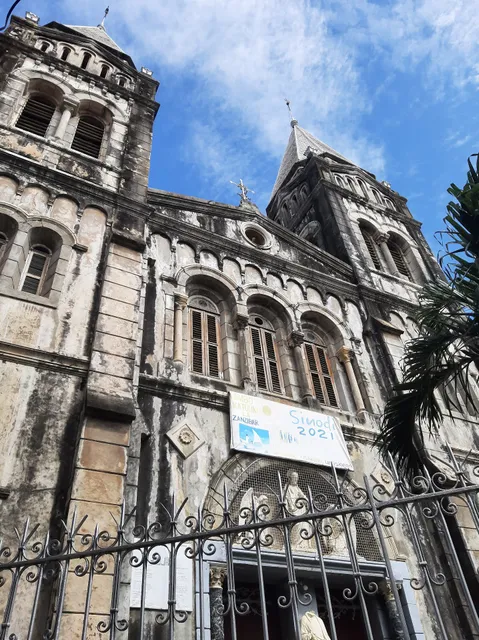
Saint Joseph's Cathedral
4.4
(204)
Open until 12:30 PM
Click for details
Nearby restaurants of Old Fort
Cape Town Fish Market Zanzibar
The Silk Route
Harbour Indian Kitchen by Chili & Lime
Krishna Food House
Mama Mia - Gelato Italiano
Out of Afrika
Ocean Grill Stone Town Beach
Livingstone Beach Restaurant
Masa Japanese Restaurant
Night Food Market
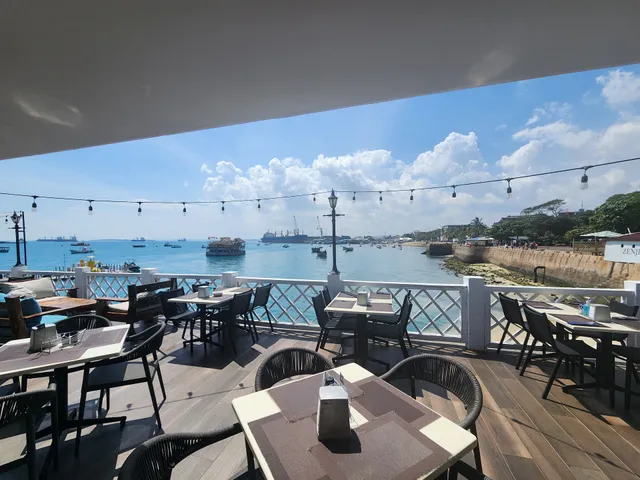
Cape Town Fish Market Zanzibar
4.4
(1.5K)
$$
Open until 11:00 PM
Click for details
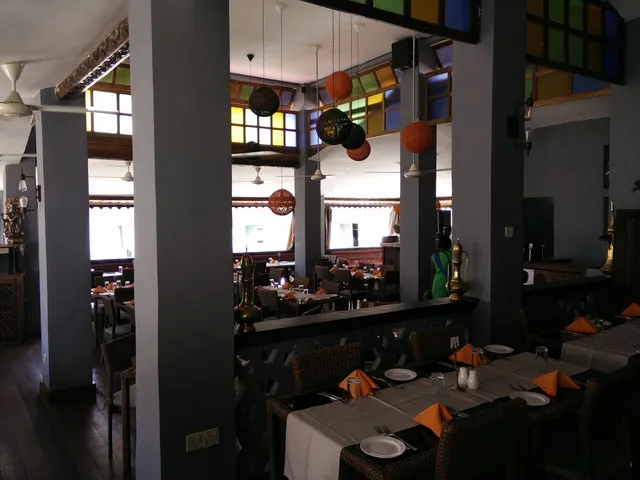
The Silk Route
4.0
(411)
Open until 11:30 PM
Click for details
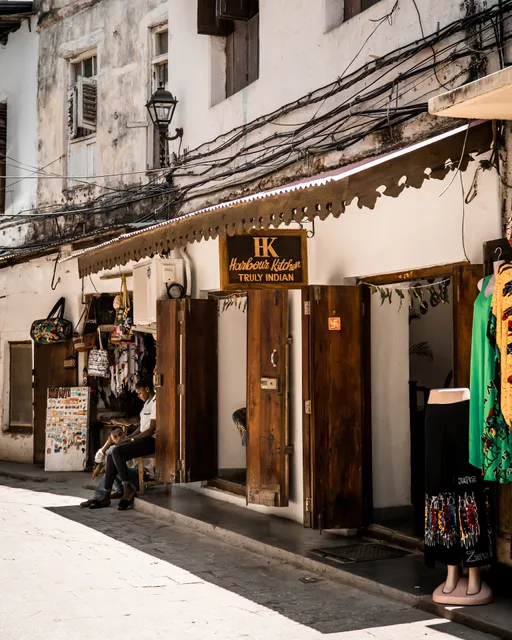
Harbour Indian Kitchen by Chili & Lime
4.6
(296)
$$
Open until 10:00 PM
Click for details
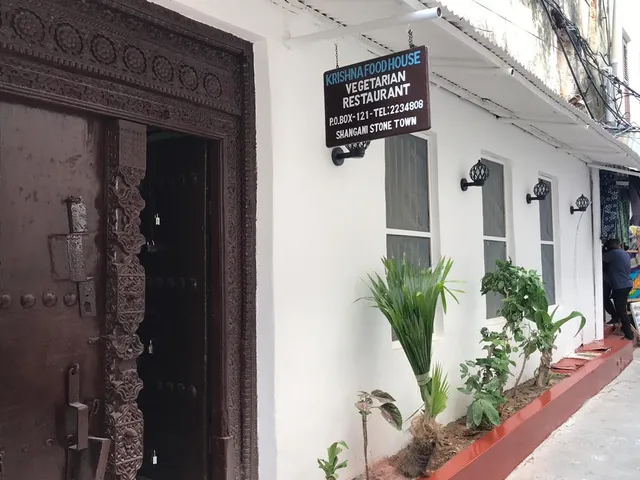
Krishna Food House
4.2
(242)
$$
Open until 10:00 PM
Click for details
Nearby local services of Old Fort
Ngome Kongwe
One Ocean Dive Centre - Stone Town
Memories Of Zanzibar
Colors of Zanzibar
The Zanzibar Curio Shop
aromas of zanzibar
The Coins Shop
1001 Organic Spicery (at Hurumzi)
Zan island taxi and tours
Stonetown Traders

Ngome Kongwe
4.1
(19)
Click for details

One Ocean Dive Centre - Stone Town
4.7
(117)
Click for details
Memories Of Zanzibar
4.2
(340)
Click for details
Colors of Zanzibar
4.4
(38)
Click for details