Beyazıt Mosque things to do, attractions, restaurants, events info and trip planning
Basic Info
Beyazıt Mosque
Beyazıt, Yeniçeriler Cd., 34126 Fatih/İstanbul, Türkiye
4.8(3.1K)
Open 24 hours
Save
spot
spot
Ratings & Description
Info
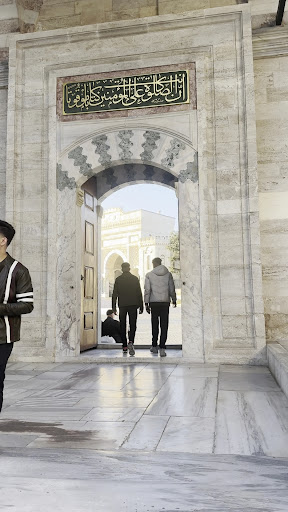
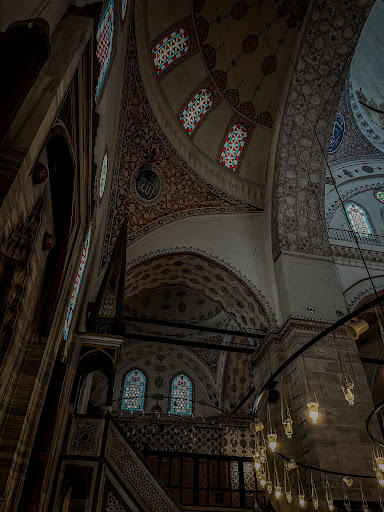
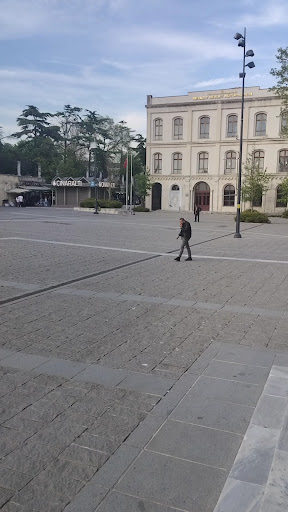
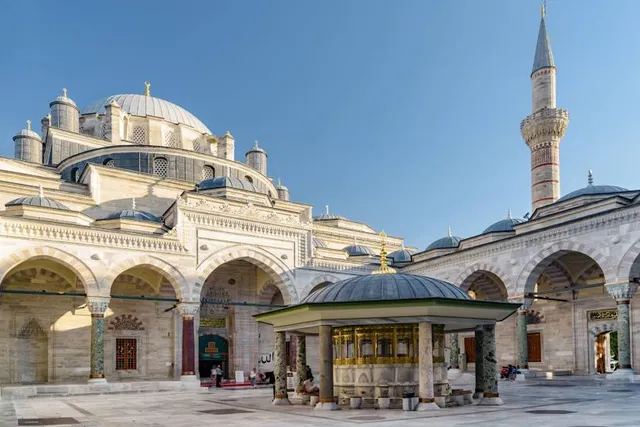
The Bayezid II Mosque is an early 16th-century Ottoman imperial mosque located in Beyazıt Square in Istanbul, Turkey, near the ruins of the Forum of Theodosius of ancient Constantinople.
Cultural
Family friendly
attractions: Beyazit Square, Grand Bazaar, Çorlulu Ali Pasha Mosque, Beyazıt Tower, Nuruosmaniye Mosque, Büyük Valide Han, Historical Vezneciler Bath, Suleymaniye Mosque, Column of Constantine, Forum of Theodosius, restaurants: Seos Cafe Restaurant, Hafız Mustafa 1864 Beyazıt, Sark Kahvesi, Roofstar Bosphorus Lounge Restaurant, Havuzlu Restaurant, ANTAKYA RESTAURANT, Burger King - Beyazıt Kapalıçarşı, Anadolu Nargile Çorlulu Ali Paşa Medresesi, Şah Sultan Hookah Lounge Beyazıt, Nusr-Et Steakhouse Kapalıçarşı, local businesses: Youssef Shahin Grand Bazar, GRAND BAZAR BEYAZIT, Beyazıt Tower, Gelgör Kebap Salonu, Yeni Polonya Pazarı, Şeyhmuz Kebap Salonu, Aynen Kebap, Delight Pashazade, Yayla Turkish Delight & Spice, La Moda deri
 Learn more insights from Wanderboat AI.
Plan your stay

Pet-friendly Hotels in Fatih
Find a cozy hotel nearby and make it a full experience.

Affordable Hotels in Fatih
Find a cozy hotel nearby and make it a full experience.

The Coolest Hotels You Haven't Heard Of (Yet)
Find a cozy hotel nearby and make it a full experience.

Trending Stays Worth the Hype in Fatih
Find a cozy hotel nearby and make it a full experience.
Reviews
Live events
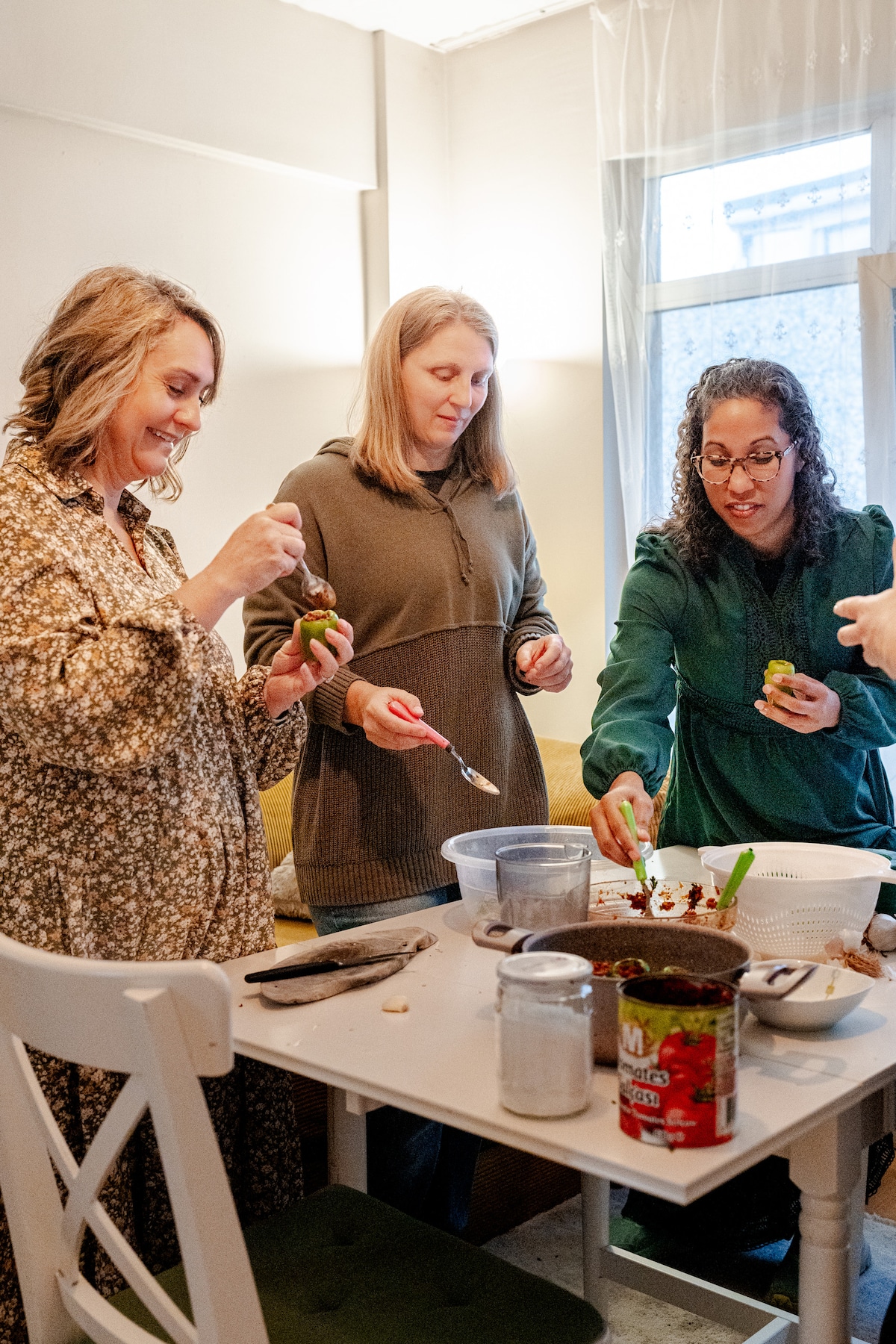
Authentic Turkish cooking in a local Istanbul home
Sat, Feb 21 • 5:00 PM
34353, Beşiktaş, İstanbul, Turkey
View details
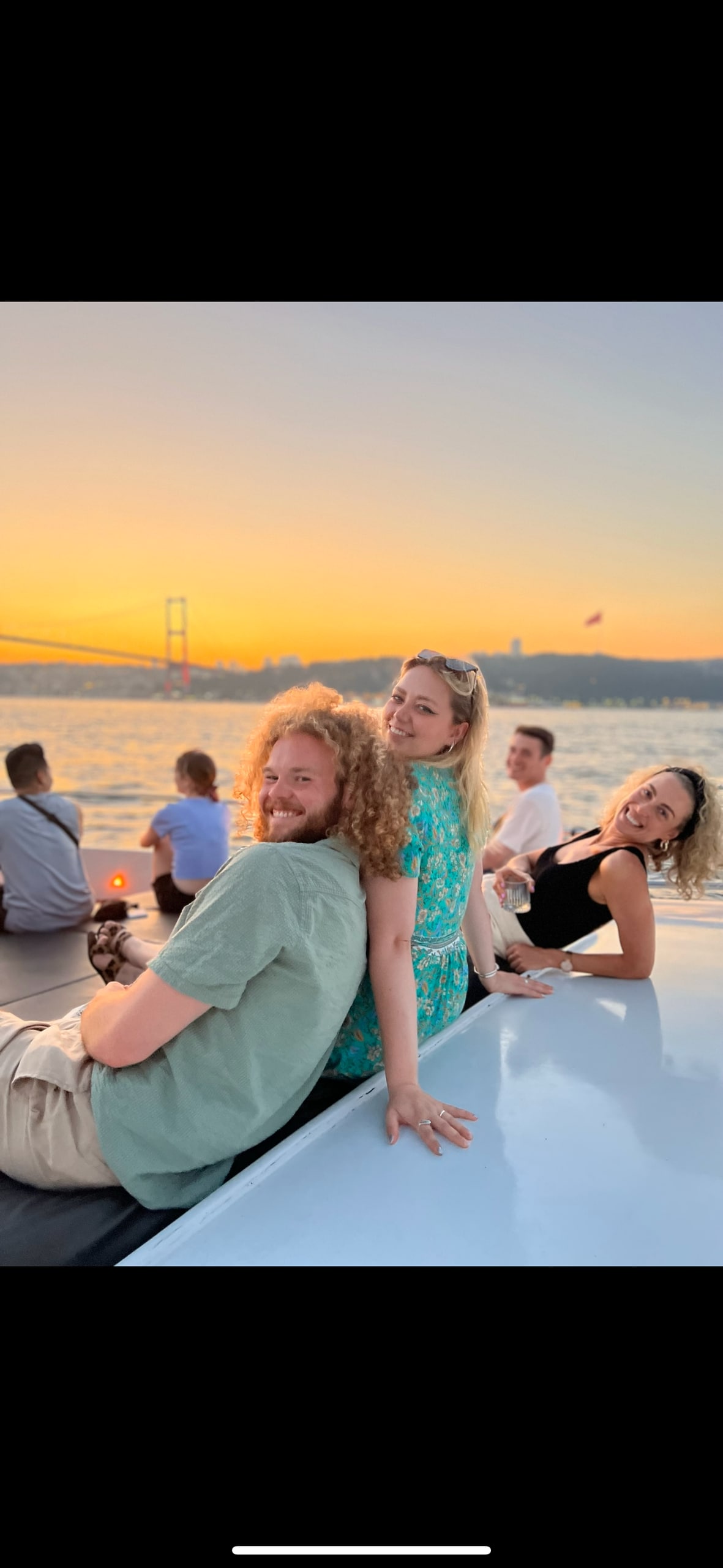
Istanbul Sunset Yacht Tour – Wine, Music & Photos
Sat, Feb 21 • 4:30 PM
34200, Beyoğlu, İstanbul, Turkey
View details
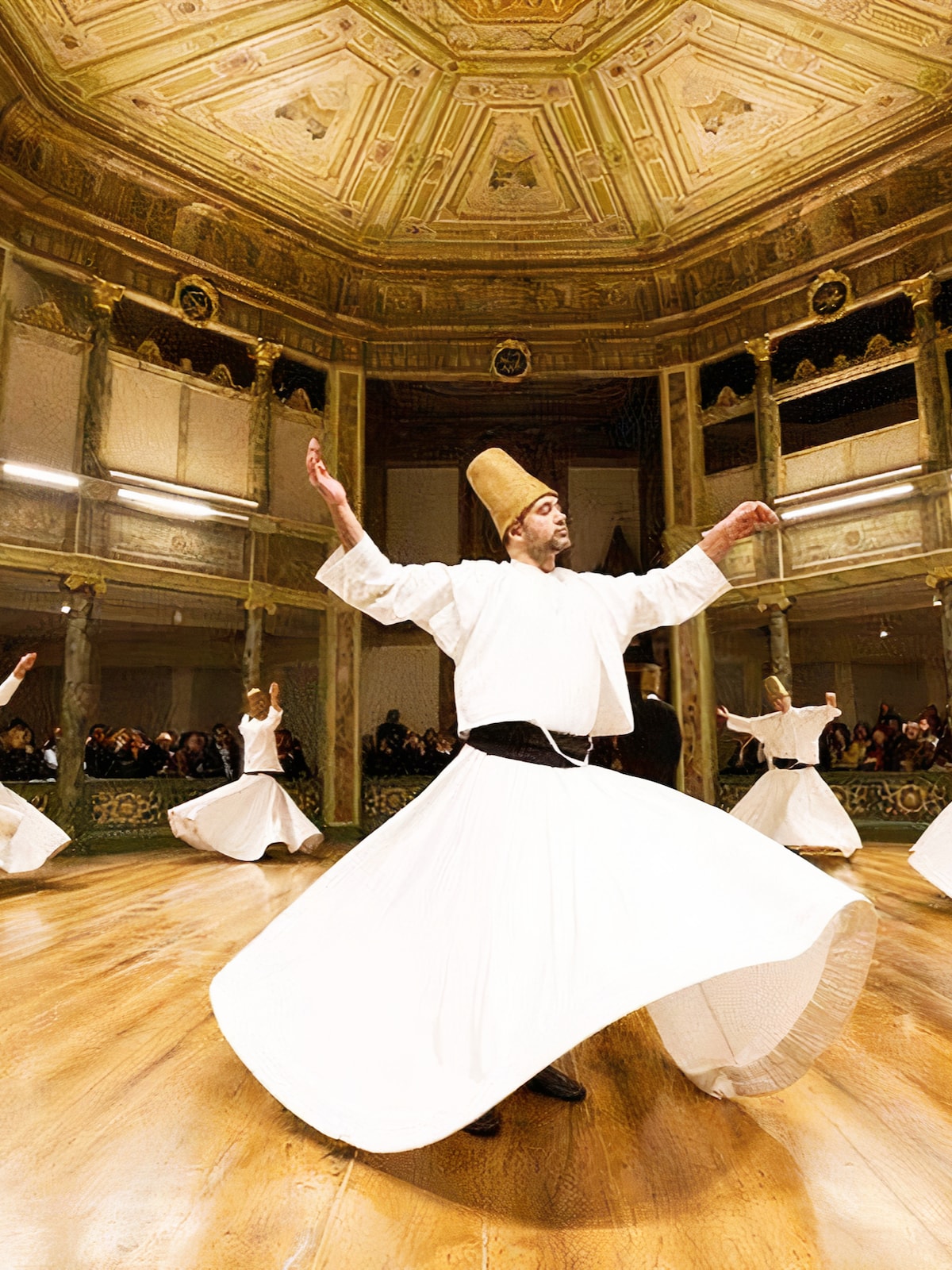
Traditional Turkish Dinner & Dervish Experience
Sat, Feb 21 • 4:30 PM
34110, Fatih, İstanbul, Turkey
View details
Nearby attractions of Beyazıt Mosque
Beyazit Square
Grand Bazaar
Çorlulu Ali Pasha Mosque
Beyazıt Tower
Nuruosmaniye Mosque
Büyük Valide Han
Historical Vezneciler Bath
Suleymaniye Mosque
Column of Constantine
Forum of Theodosius
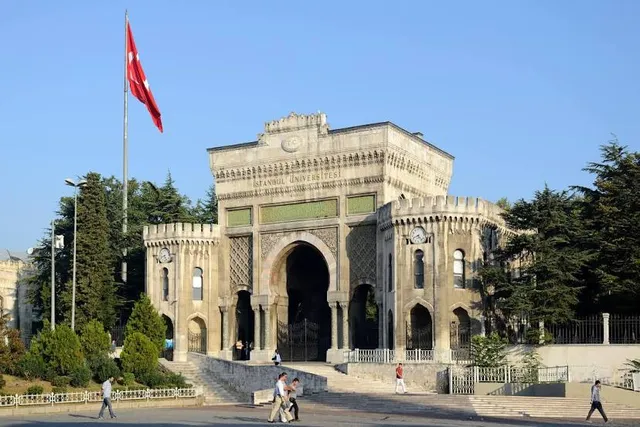
Beyazit Square
4.6
(10.6K)
Open until 12:00 AM
Click for details
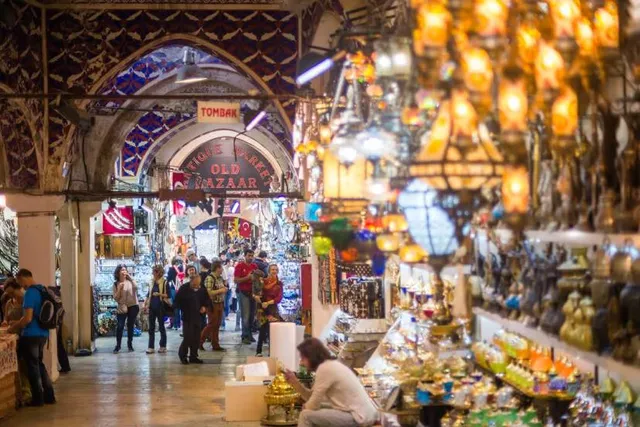
Grand Bazaar
4.4
(54.9K)
Closed
Click for details
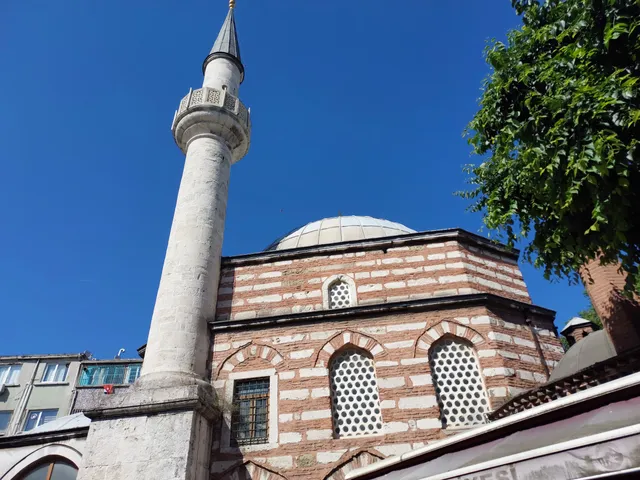
Çorlulu Ali Pasha Mosque
4.6
(960)
Open 24 hours
Click for details
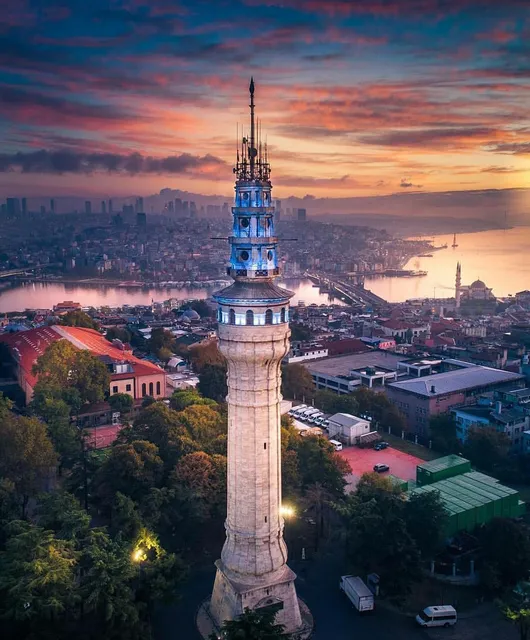
Beyazıt Tower
4.5
(671)
Open 24 hours
Click for details
Nearby restaurants of Beyazıt Mosque
Seos Cafe Restaurant
Hafız Mustafa 1864 Beyazıt
Sark Kahvesi
Roofstar Bosphorus Lounge Restaurant
Havuzlu Restaurant
ANTAKYA RESTAURANT
Burger King - Beyazıt Kapalıçarşı
Anadolu Nargile Çorlulu Ali Paşa Medresesi
Şah Sultan Hookah Lounge Beyazıt
Nusr-Et Steakhouse Kapalıçarşı
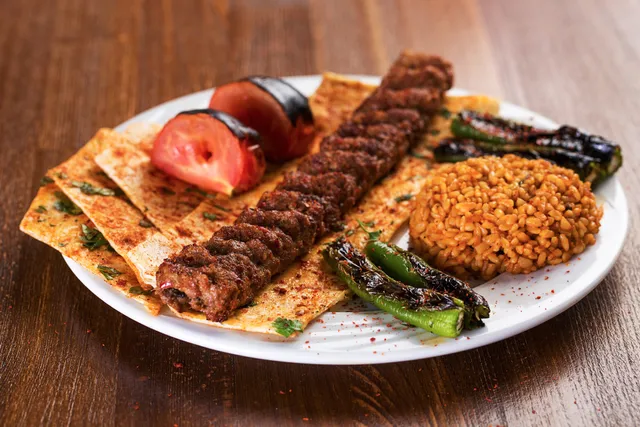
Seos Cafe Restaurant
4.1
(823)
Open until 1:00 AM
Click for details
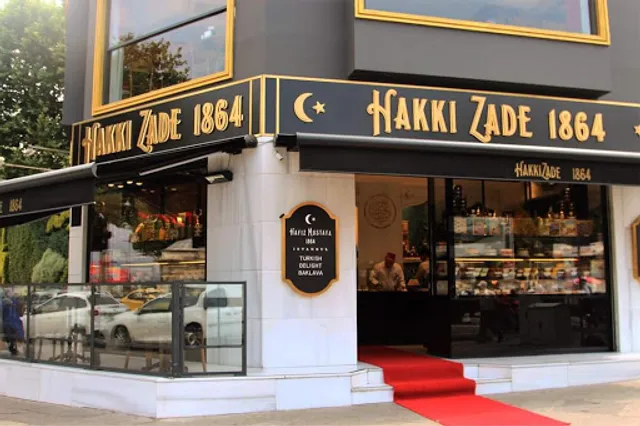
Hafız Mustafa 1864 Beyazıt
4.8
(7.4K)
$$
Open until 2:00 AM
Click for details

Sark Kahvesi
3.8
(904)
Closed
Click for details
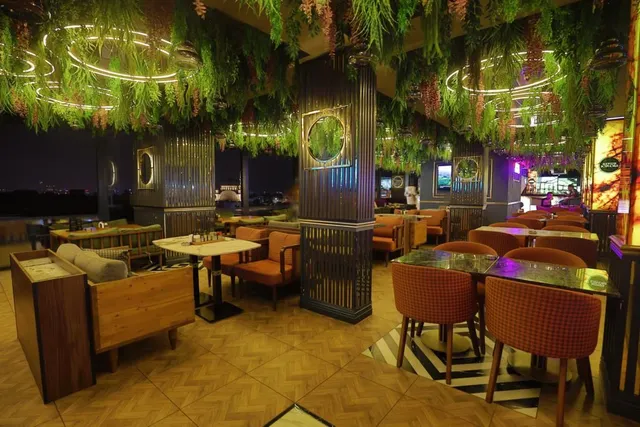
Roofstar Bosphorus Lounge Restaurant
4.9
(1.5K)
Open until 1:00 AM
Click for details
Nearby local services of Beyazıt Mosque
Youssef Shahin Grand Bazar
GRAND BAZAR BEYAZIT
Beyazıt Tower
Gelgör Kebap Salonu
Yeni Polonya Pazarı
Şeyhmuz Kebap Salonu
Aynen Kebap
Delight Pashazade
Yayla Turkish Delight & Spice
La Moda deri
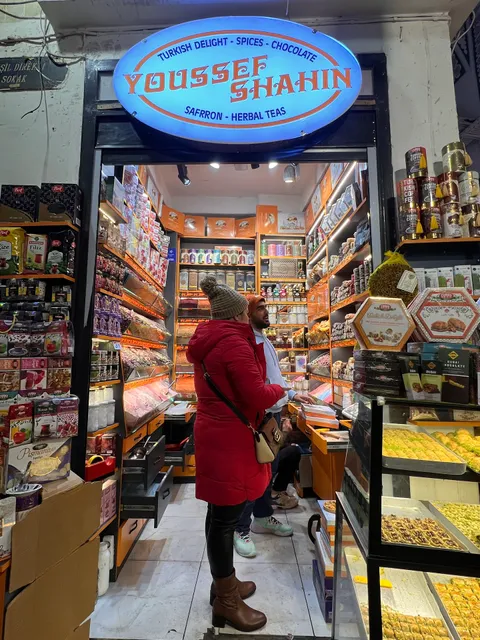
Youssef Shahin Grand Bazar
4.8
(240)
Click for details
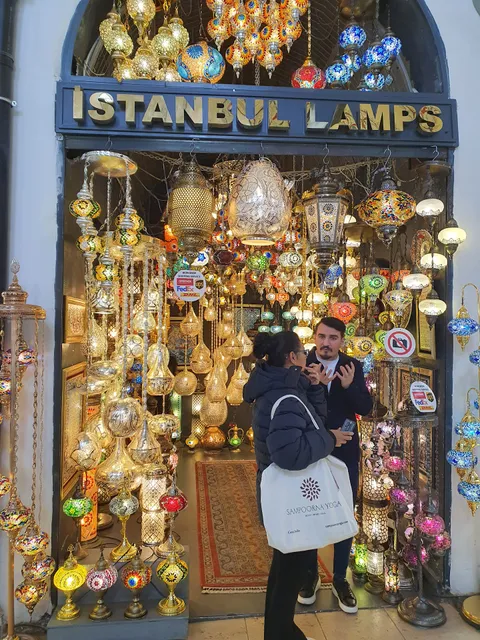
GRAND BAZAR BEYAZIT
4.4
(79)
Click for details
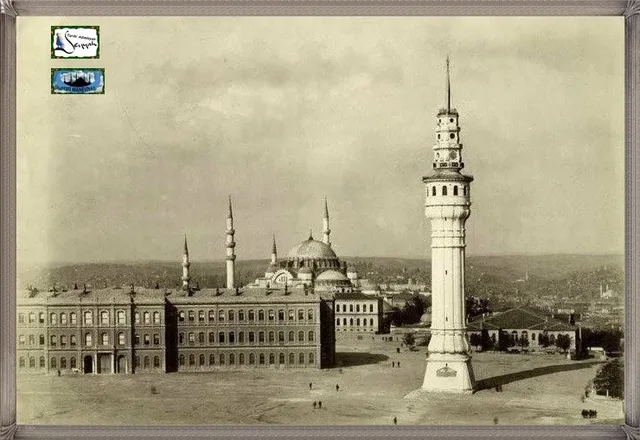
Beyazıt Tower
4.5
(553)
Click for details
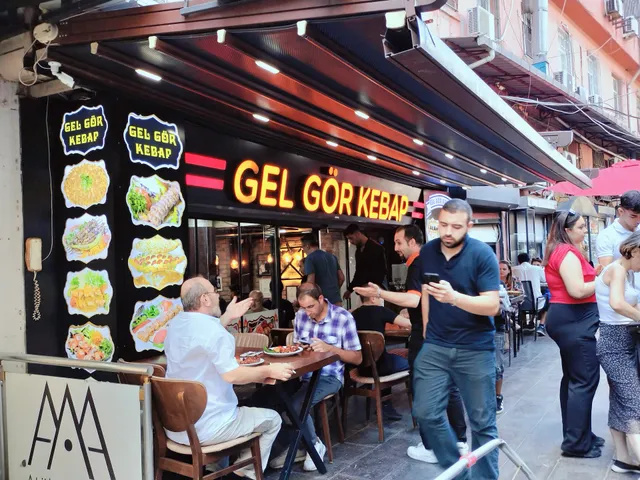
Gelgör Kebap Salonu
4.6
(470)
Click for details