The Stone of Million things to do, attractions, restaurants, events info and trip planning
Basic Info
The Stone of Million
Alemdar, Divan Yolu Cd. No:2, 34110 Fatih/İstanbul, Türkiye
4.5(215)
Open until 12:00 AM
Save
spot
spot
Ratings & Description
Info
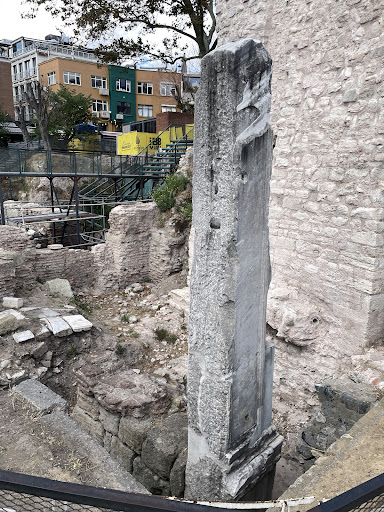
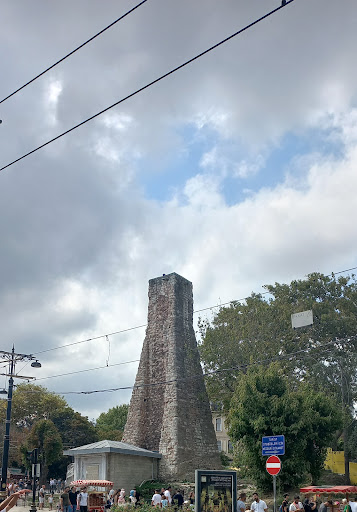
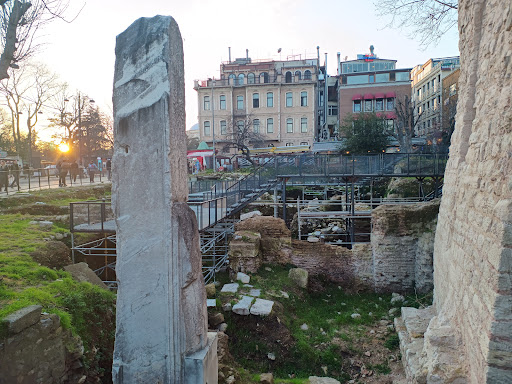
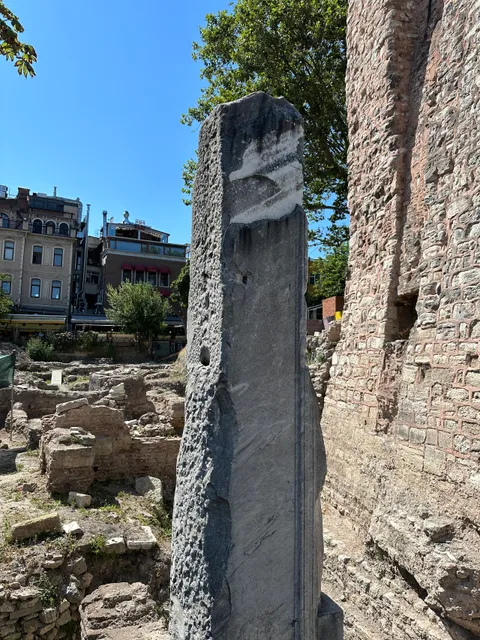
The Milion was a marker from which all distances across the Roman Empire were measured. Erected by Septimus Severus in the 3rd century AD, it was the Byzantine zero-mile marker. The starting-place for the measurement of distances for all the roads leading to the cities of the Byzantine Empire.
Cultural
Scenic
attractions: Basilica Cistern, Hagia Sophia, The Blue Mosque, Sultanahmet Square, Sultan Ahmet Park, German Fountain, Sultan Ahmet Tomb, Cafer Ağa Madrasa, Talat Pasha Mansion, Turkish and Islamic Arts Museum, restaurants: Hafız Mustafa, Tarihi Sultanahmet Köftecisi Selim Usta, dubb Indian Restaurant (Sultanahmet), Ayasofya kebap house, Meşhur Sultanahmet Köftecisi, 360 Panorama Restaurant, Fuego Cafe & Restaurant, Pudding Shop Lale Restaurant, Harab'be Cafe, Seven Hills Restaurant, local businesses: Hurrem Sultan Hammam, Cappadocia Balloon, Arasta Bazaar, Sultanahmet, Turkish Literature Foundation, Free Tour in Istanbul, Guided Istanbul Tours, Sultanahmet, Cağaloğlu Hamam, GRAND BOAT LİNE BOSPHORUS CRUISE TOUR
 Learn more insights from Wanderboat AI.
Open hoursSee all hours
SatOpen 24 hoursOpen
Plan your stay

Pet-friendly Hotels in Fatih
Find a cozy hotel nearby and make it a full experience.

Affordable Hotels in Fatih
Find a cozy hotel nearby and make it a full experience.

The Coolest Hotels You Haven't Heard Of (Yet)
Find a cozy hotel nearby and make it a full experience.

Trending Stays Worth the Hype in Fatih
Find a cozy hotel nearby and make it a full experience.
Reviews
Live events

Perfume Making Workshop with Bosphorus View
Sun, Feb 8 • 10:00 AM
34425, Beyoğlu, İstanbul, Turkey
View details

Create a signature scent in Istanbul
Sun, Feb 8 • 10:00 AM
34110, Fatih, İstanbul, Turkey
View details

Small Group Yacht Tour, Unlimited Wine & Fruits
Sun, Feb 8 • 5:00 PM
34421, Beyoğlu, İstanbul, Turkey
View details
Nearby attractions of The Stone of Million
Basilica Cistern
Hagia Sophia
The Blue Mosque
Sultanahmet Square
Sultan Ahmet Park
German Fountain
Sultan Ahmet Tomb
Cafer Ağa Madrasa
Talat Pasha Mansion
Turkish and Islamic Arts Museum
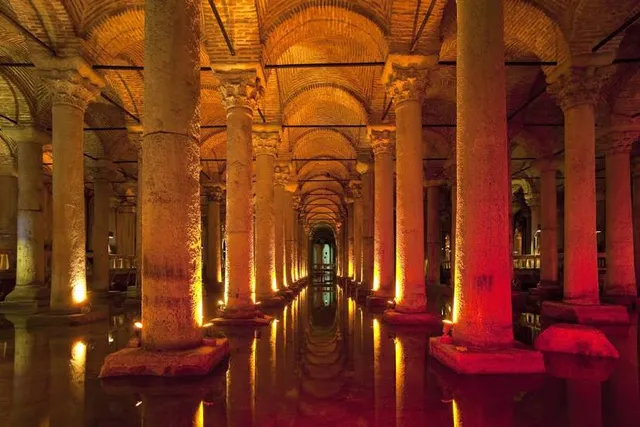
Basilica Cistern
4.6
(31.1K)
Open until 10:00 PM
Click for details
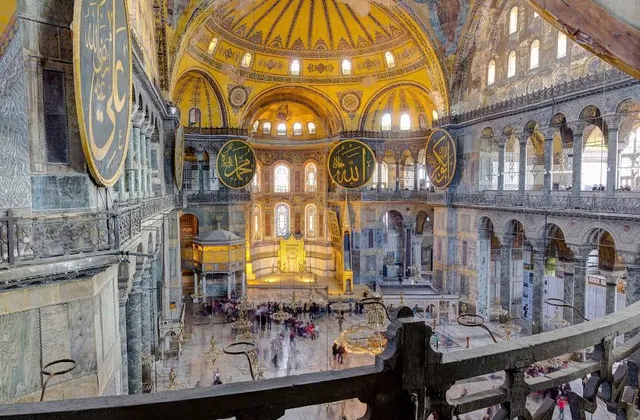
Hagia Sophia
4.8
(41.2K)
Open until 12:00 AM
Click for details

The Blue Mosque
4.7
(39.2K)
Open 24 hours
Click for details

Sultanahmet Square
4.7
(13K)
Open 24 hours
Click for details
Nearby restaurants of The Stone of Million
Hafız Mustafa
Tarihi Sultanahmet Köftecisi Selim Usta
dubb Indian Restaurant (Sultanahmet)
Ayasofya kebap house
Meşhur Sultanahmet Köftecisi
360 Panorama Restaurant
Fuego Cafe & Restaurant
Pudding Shop Lale Restaurant
Harab'be Cafe
Seven Hills Restaurant
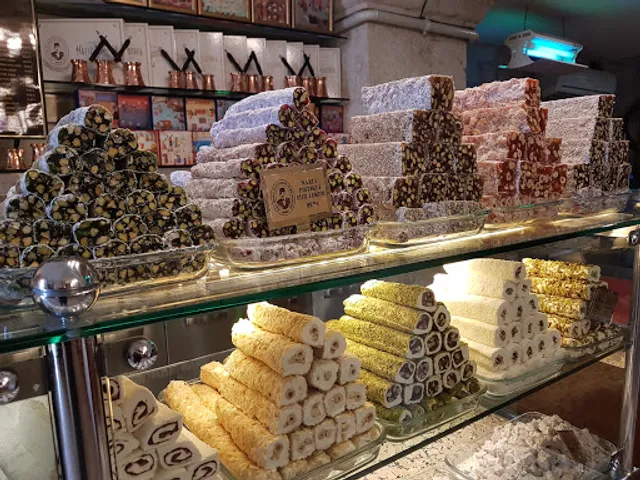
Hafız Mustafa
4.7
(5.7K)
$$
Open until 2:00 AM
Click for details
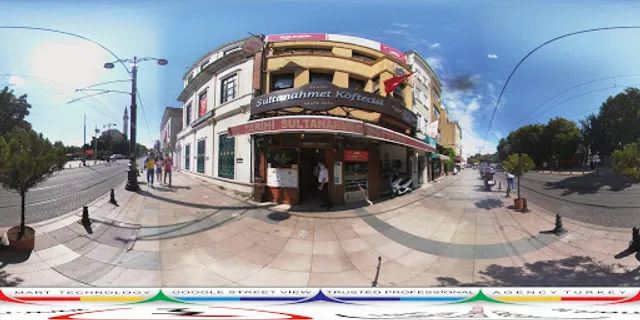
Tarihi Sultanahmet Köftecisi Selim Usta
4.1
(4.1K)
$$
Open until 10:30 PM
Click for details
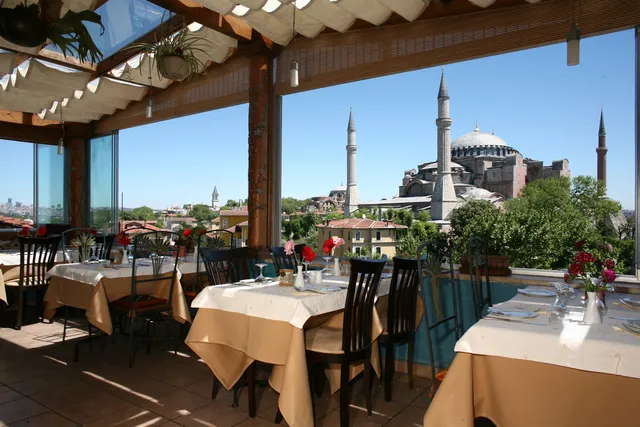
dubb Indian Restaurant (Sultanahmet)
4.4
(1.1K)
$$
Open until 10:30 PM
Click for details

Ayasofya kebap house
4.8
(868)
Open until 11:00 PM
Click for details
Nearby local services of The Stone of Million
Hurrem Sultan Hammam
Cappadocia Balloon
Arasta Bazaar
Sultanahmet
Turkish Literature Foundation
Free Tour in Istanbul
Guided Istanbul Tours
Sultanahmet
Cağaloğlu Hamam
GRAND BOAT LİNE BOSPHORUS CRUISE TOUR
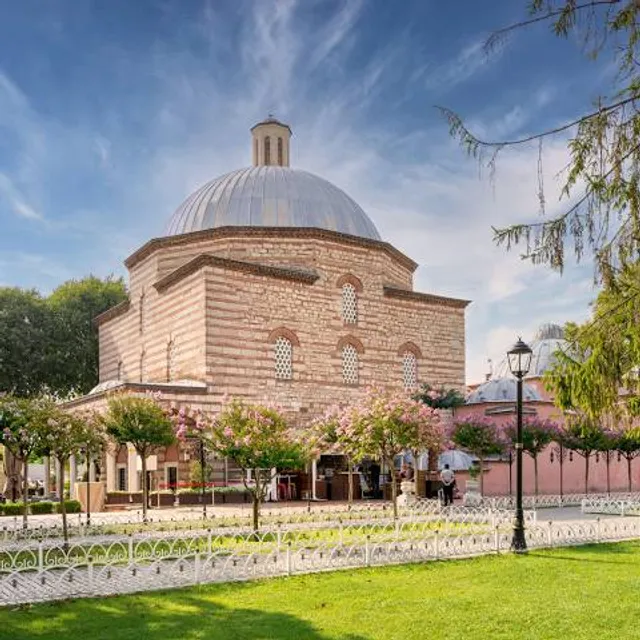
Hurrem Sultan Hammam
4.6
(1.7K)
Click for details

Cappadocia Balloon
4.7
(106)
Click for details
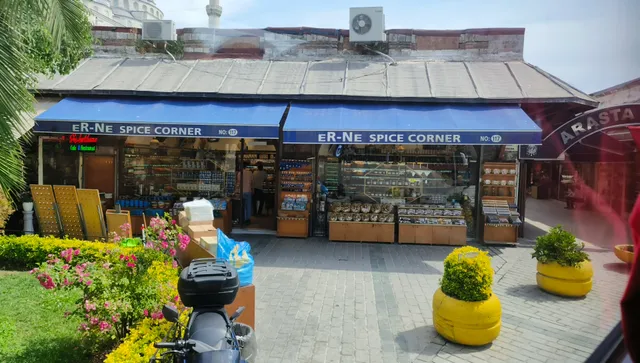
Arasta Bazaar
4.4
(1.7K)
Click for details
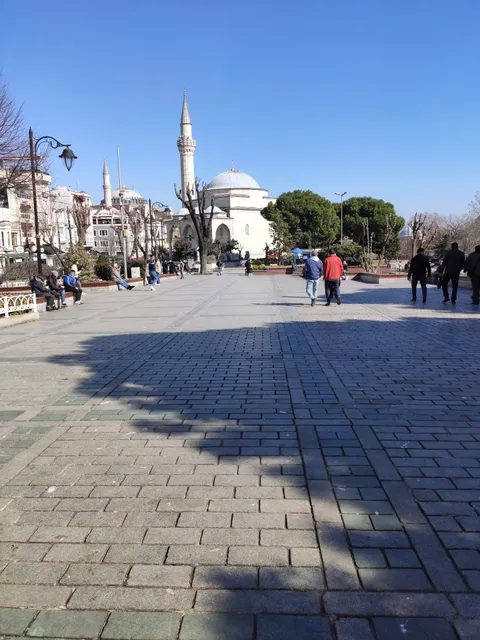
Sultanahmet
4.7
(296)
Click for details