HTML SitemapExplore
logo
Find Things to DoFind The Best Restaurants

Brighton West Pier — Attraction in England

Name
Brighton West Pier
Description
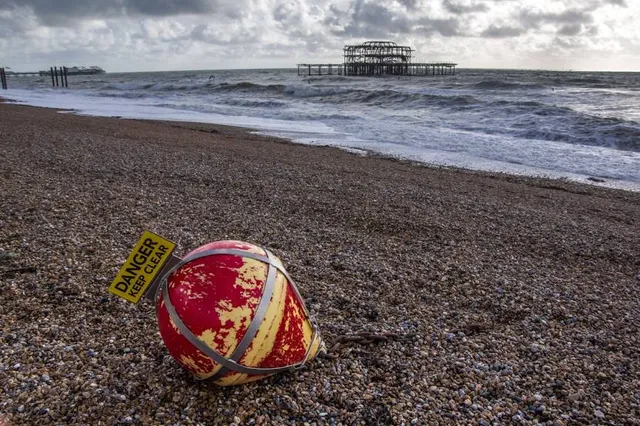
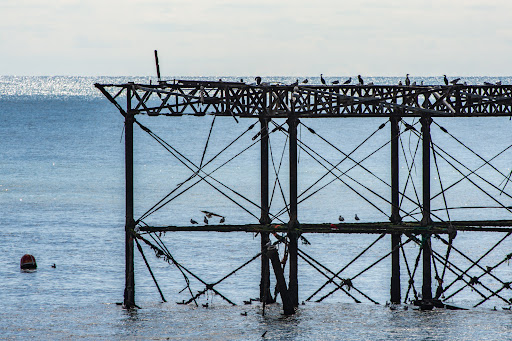
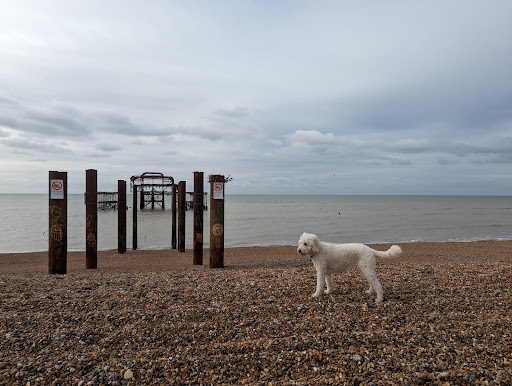
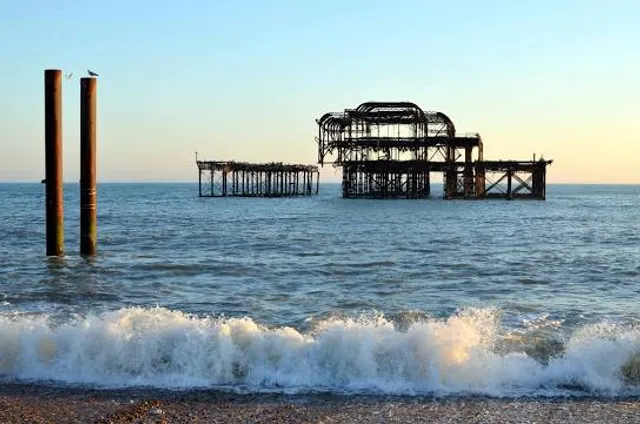
The West Pier is a ruined pier in Brighton, England. It was designed by Eugenius Birch and opened in 1866. It was the first pier to be Grade I listed in England but has become increasingly derelict since its closure to the public in 1975. As of 2023 only a partial metal framework remains.
Nearby attractions
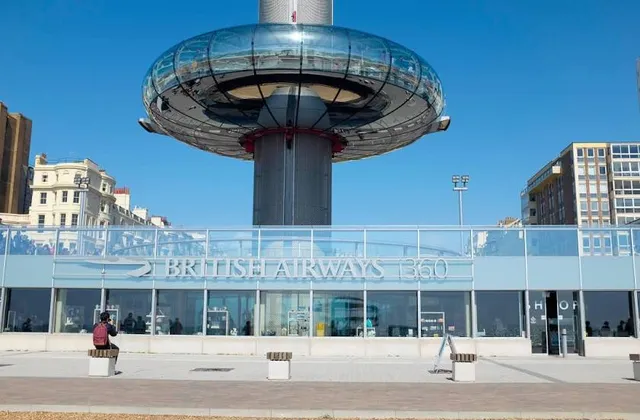
Brighton i360
Lower Kings Road, Brighton BN1 2LN, United Kingdom
Upside Down House - Brighton
42-43, Kings Road Arches, Brighton BN1 2LN, United Kingdom
Brighton Centre
Kings Rd, Brighton and Hove, Brighton BN1 2GR, United Kingdom
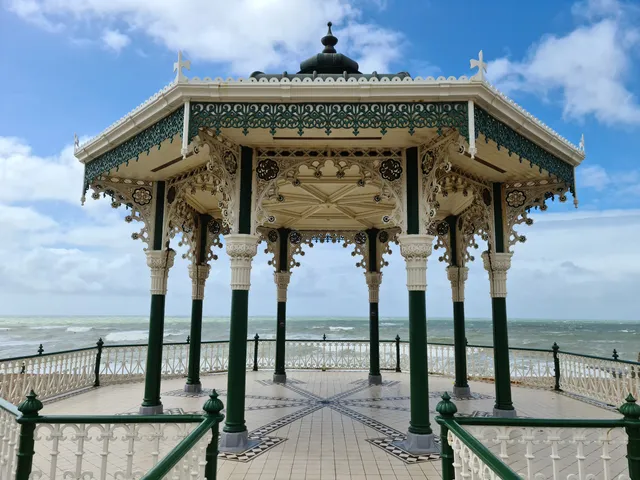
Brighton Beach Bandstand
Kings Rd, Brighton BN1 2PQ, United Kingdom
Rampion Visitor Centre
76, Kings Road Arches, Brighton BN1 2FN, United Kingdom
LaserZone
76 West St, Brighton and Hove, Brighton BN1 2RA, United Kingdom
Saint Paul’s Parish Church
St Paul's Church, West St, Brighton and Hove, Brighton BN1 2RE, United Kingdom
Brighton Fishing Museum
201, Kings Road Arches, 202 Seafront, Brighton BN1 1NB, United Kingdom
Two Kats and a Cow
167, Kings Road Arches, Brighton BN1 3HP, United Kingdom
Bewilder Box Escape Room Brighton
The Brunswick, 1 Holland Rd, Brighton and Hove, Hove BN3 1JF, United Kingdom
Nearby restaurants
Regency Seafood Restaurant
131 Kings Rd, Brighton and Hove, Brighton BN1 2HH, United Kingdom
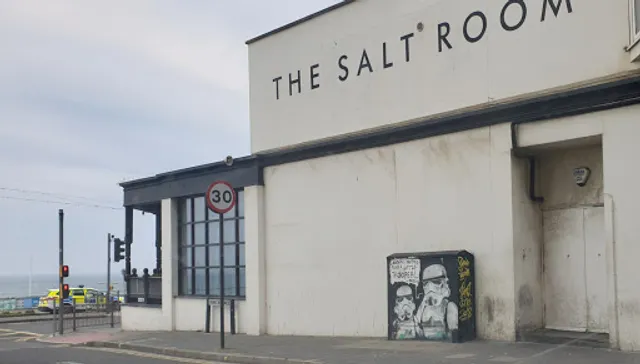
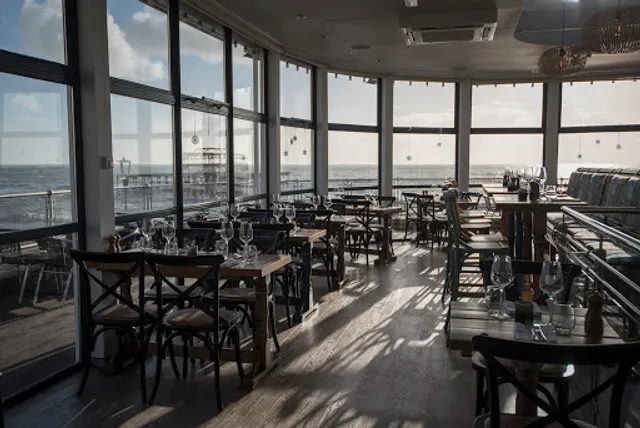
The Salt Room
106 Kings Rd, Brighton and Hove, Brighton BN1 2FU, United Kingdom
The Seahorse
26 Kings Rd, Brighton BN1 2LN, United Kingdom
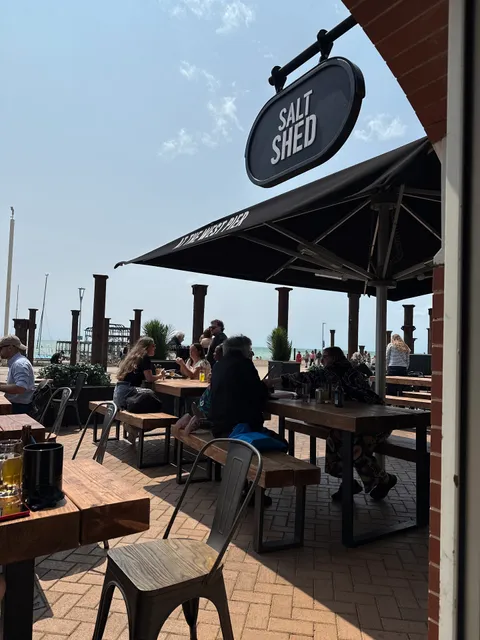
Salt Shed at The West Pier
91-96, Kings Road Arches, Brighton and Hove, Brighton BN1 2FN, United Kingdom
The Flour Pot Bakery - The Beach
85-90, Kings Road Arches, Brighton BN1 2FN, United Kingdom
Adelfia Brighton
13-14 Preston St, Brighton and Hove, Brighton BN1 2HN, United Kingdom
SHELTER HALL
Kings Road Arches, Shelter Hall, Brighton BN1 1NB, United Kingdom
Pearly Cow Brighton
123 Kings Rd, Brighton and Hove, Brighton BN1 2FA, United Kingdom
Pinello Restaurant
132 Kings Rd, Brighton and Hove, Brighton BN1 2HH, United Kingdom
Ephesus
80-82 Preston St, Brighton and Hove, Brighton BN1 2HG, United Kingdom
Nearby hotels
The Grand Brighton
97-99 Kings Rd, Brighton and Hove, Brighton BN1 2FW, United Kingdom
Beach Hotel
1-4 Regency Square, Brighton and Hove, Brighton BN1 2FG, United Kingdom
Mercure Brighton Seafront Hotel
149 Kings Rd, Brighton and Hove, Brighton BN1 2PP, United Kingdom
The Queensbury Hotel
58 Regency Square, Brighton and Hove, Brighton BN1 2FF, United Kingdom
The Brighton Hotel
143-145 Kings Rd, Brighton and Hove, Brighton BN1 2PQ, United Kingdom
No.124 by GuestHouse, Brighton
124 Kings Rd, Brighton and Hove, Brighton BN1 2FA, United Kingdom
Maldron Hotel Brighton City Centre
31 Cannon Pl, Brighton and Hove, Brighton BN1 2FB, United Kingdom
Hotel Una
55-56 Regency Square, Brighton and Hove, Brighton BN1 2FF, United Kingdom
Artist Residence Brighton
33 Regency Square, Brighton and Hove, Brighton BN1 2GG, United Kingdom
Harbour Hotel Brighton
64 Kings Rd, Brighton and Hove, Brighton BN1 1NA, United Kingdom
Related posts
Keywords
Brighton West Pier tourism.Brighton West Pier hotels.Brighton West Pier bed and breakfast. flights to Brighton West Pier.Brighton West Pier attractions.Brighton West Pier restaurants.Brighton West Pier travel.Brighton West Pier travel guide.Brighton West Pier travel blog.Brighton West Pier pictures.Brighton West Pier photos.Brighton West Pier travel tips.Brighton West Pier maps.Brighton West Pier things to do.
Brighton West Pier things to do, attractions, restaurants, events info and trip planning
Brighton West Pier
United KingdomEnglandBrighton West Pier

Basic Info

Brighton West Pier

Kings Rd, Brighton BN1 2FL, United Kingdom
4.5(268)
Open 24 hours
Save
spot

Ratings & Description

Info

The West Pier is a ruined pier in Brighton, England. It was designed by Eugenius Birch and opened in 1866. It was the first pier to be Grade I listed in England but has become increasingly derelict since its closure to the public in 1975. As of 2023 only a partial metal framework remains.

Cultural
Scenic
attractions: Brighton i360, Upside Down House - Brighton, Brighton Centre, Brighton Beach Bandstand, Rampion Visitor Centre, LaserZone, Saint Paul’s Parish Church, Brighton Fishing Museum, Two Kats and a Cow, Bewilder Box Escape Room Brighton, restaurants: Regency Seafood Restaurant, The Salt Room, The Seahorse, Salt Shed at The West Pier, The Flour Pot Bakery - The Beach, Adelfia Brighton, SHELTER HALL, Pearly Cow Brighton, Pinello Restaurant, Ephesus
logoLearn more insights from Wanderboat AI.
Phone
+44 1273 321499
Website
westpier.co.uk

Plan your stay

hotel
Pet-friendly Hotels in England
Find a cozy hotel nearby and make it a full experience.

hotel
Affordable Hotels in England
Find a cozy hotel nearby and make it a full experience.

hotel
The Coolest Hotels You Haven't Heard Of (Yet)
Find a cozy hotel nearby and make it a full experience.

hotel
Trending Stays Worth the Hype in England
Find a cozy hotel nearby and make it a full experience.

Reviews

Nearby attractions of Brighton West Pier

Brighton i360

Upside Down House - Brighton

Brighton Centre

Brighton Beach Bandstand

Rampion Visitor Centre

LaserZone

Saint Paul’s Parish Church

Brighton Fishing Museum

Two Kats and a Cow
Bewilder Box Escape Room Brighton

Brighton i360

Brighton i360

4.5

(6K)

Open until 8:00 PM
Click for details
Upside Down House - Brighton

Upside Down House - Brighton

4.4

(1.1K)

Open 24 hours
Click for details
Brighton Centre

Brighton Centre

4.4

(2.5K)

Open 24 hours
Click for details
Brighton Beach Bandstand

Brighton Beach Bandstand

4.6

(440)

Open 24 hours
Click for details

Things to do nearby

Candlelight: Tribute to Queen
Sun, Dec 14 • 7:00 PM
4/5 Pavilion Buildings, Brighton, BN1 1EE
View details
Ride Brighton’s coastline on electric bikes
Wed, Dec 10 • 10:00 AM
Brighton and Hove, BN3 1TH, United Kingdom
View details
Mindful Marbling Workshop
Wed, Dec 10 • 10:45 AM
Brighton and Hove, BN2 9YU, United Kingdom
View details

Nearby restaurants of Brighton West Pier

Regency Seafood Restaurant

The Salt Room

The Seahorse

Salt Shed at The West Pier

The Flour Pot Bakery - The Beach

Adelfia Brighton

SHELTER HALL

Pearly Cow Brighton

Pinello Restaurant

Ephesus

Regency Seafood Restaurant

Regency Seafood Restaurant

4.2

(1.9K)

$$

Click for details
The Salt Room

The Salt Room

4.5

(1.3K)

$$$

Click for details
The Seahorse

The Seahorse

4.1

(351)

$$

Click for details
Salt Shed at The West Pier

Salt Shed at The West Pier

4.8

(323)

Click for details
Get the Appoverlay
Get the AppOne tap to find yournext favorite spots!
Wanderboat LogoWanderboat

Your everyday Al companion for getaway ideas

CompanyAbout Us
InformationAI Trip PlannerSitemap
SocialXInstagramTiktokLinkedin
LegalTerms of ServicePrivacy Policy

Get the app

© 2025 Wanderboat. All rights reserved.
logo

Reviews of Brighton West Pier

4.5
(268)
avatar
5.0
7y

The West Pier was the finest pier in the UK by a very wide margin, with the most elegant pavilions, the best ornamentation, and just the right amount of profitable amusements of the period. The pier began as a straightforward promenading pier, with seating and sheltering screens, being a venue regarded as improving one's health. The construction of the Palace pier in 1891-99 introduced a threat to the pier's success, prompting the pier to develop its amusements (including the construction of the pavilion in 1893 and the concert hall in 1916), which advanced the pier into its most prosperous years. After re-opening after World War II, the pier saw less success than before. Its entertainment facilities were beginning to become dated, especially when compared to the Palace Pier. After a period of neglect and deterioration through the 1960s, the seaward end closed in 1970, followed by the entire pier in 1975. The West Pier Trust was formed shortly afterwards, eventually gaining ownership of the pier. By 1984, most of the landing stage had collapsed and one of the seaward toll booths fell cleanly through the deck, leaving a perfect octagonal hole. Progress towards restoration was slow through the 1980s, although the shoreward entrance section re-opened in 1987. Storms in the same year destroyed the shoreward neck section, and brought general damage to the rest of the pier.

The 1990s was more productive, beginning with the dismantling and storage of one of the original kiosks at the seaward end in 1992. By 1996, large quantities of heritage funding had been promised by several bodies, and in the same year a temporary bridge had been built over the damaged section, allowing a series of public tours of the pier to take place. During this time, the future was looking very positive, with the pier expected to re-open by 2000. Over the next few years, a series of setbacks prevented the pier from being saved. First, complaints from The Noble Organisation, owners of Palace Pier, about unfair competition delayed progress. This resulted in some of the funding sources to withdraw. Then, the pier tours had to end due to the pier's critically poor structural condition. Following this were the two storms in late 2002 and early 2003, which caused the concert hall to collapse, followed by the two arson attacks in 2003. By this time, the main elements of both buildings were destroyed, leaving the steel structural frames. The majority of the deck had been destroyed, and the only un-burnt thing was a very small kiosk at the seaward end, which survived until falling off the pier in 2005. By this time, all funding had been withdrawn. Over the next 10 years, the remains gradually fell into the sea. Currently, only the pavilion and its supporting piles remain. The majority of the structure surrounding the pavilion (formerly decking areas) have collapsed. The West Pier Trust are not intending to interrupt its decay, mainly because they recognise that it is a major monument to Brighton, but also because it would be too dangerous to repair or demolish it.

Most people see the remains as an unrecognisable mangled mass of iron. However, if you look closely enough, you can make out important elements of the pier, such as the colonnade structure by the pavilion, which can be clearly seen to the right end of the superstructure tier. Ornamental railings and ceiling brackets are also visible. It is quite exciting to discover genuinely recognisable artefacts - things which can be placed into context using old photographs - on something that looks as disorderly as this. I have never been on the pier, nor have I ever seen it in any other form than this. However, if you have an imagination, and are able to appreciate these things, then you will enjoy seeing the West Pier...

   Read more
avatar
5.0
14w

There’s something eerily magnetic about Brighton’s West Pier. It doesn’t welcome you with amusements or cafés—it confronts you with absence. A skeletal silhouette rising from the sea, it’s less a structure than a memory made visible. And yet, I find it strangely captivating.

Once a masterpiece of Victorian engineering, today, it’s a ruin, charred by fire, battered by storms, and slowly reclaimed by the sea. But in its decay, it has become something more: a monument to impermanence.

At sunset, the twisted ironwork glows like a cathedral of rust. Seagulls circle its broken spires. Waves crash through its ribs. It’s cinematic, poetic, almost mythic. You don’t just look at it, you feel it. It’s as if the pier is performing its final act, night after night, for anyone willing to watch.

The West Pier doesn’t offer entertainment. It offers reflection. It reminds us that beauty isn’t always polished, and that ruins can be more evocative than restorations. For me, it’s one of Brighton’s most compelling landmarks, not in spite of its collapse, but...

   Read more
avatar
5.0
2y

Visited April 16, 2019: Something about destruction and memory that conjures up vivid mental images of what was and what could have been, remnants standing (and trying) the tests of nature and time. The pier really does capture the eye and imagination, sticking out like a blot due to its appearance, and yet it doesn't at the same time. If anything, it becomes even more captivating, its beauty rising from the ashes of disrepair and rust. It's like a ghost, an enchanting one, one that, by its proximity, instills wonder, but stops at the threshold of complete understanding and knowledge, and rests there, as if it were meant to be a lesson from...

   Read more
Page 1 of 7
Previous
Next

Posts

Oliver MillsOliver Mills
The West Pier was the finest pier in the UK by a very wide margin, with the most elegant pavilions, the best ornamentation, and just the right amount of profitable amusements of the period. The pier began as a straightforward promenading pier, with seating and sheltering screens, being a venue regarded as improving one's health. The construction of the Palace pier in 1891-99 introduced a threat to the pier's success, prompting the pier to develop its amusements (including the construction of the pavilion in 1893 and the concert hall in 1916), which advanced the pier into its most prosperous years. After re-opening after World War II, the pier saw less success than before. Its entertainment facilities were beginning to become dated, especially when compared to the Palace Pier. After a period of neglect and deterioration through the 1960s, the seaward end closed in 1970, followed by the entire pier in 1975. The West Pier Trust was formed shortly afterwards, eventually gaining ownership of the pier. By 1984, most of the landing stage had collapsed and one of the seaward toll booths fell cleanly through the deck, leaving a perfect octagonal hole. Progress towards restoration was slow through the 1980s, although the shoreward entrance section re-opened in 1987. Storms in the same year destroyed the shoreward neck section, and brought general damage to the rest of the pier. The 1990s was more productive, beginning with the dismantling and storage of one of the original kiosks at the seaward end in 1992. By 1996, large quantities of heritage funding had been promised by several bodies, and in the same year a temporary bridge had been built over the damaged section, allowing a series of public tours of the pier to take place. During this time, the future was looking very positive, with the pier expected to re-open by 2000. Over the next few years, a series of setbacks prevented the pier from being saved. First, complaints from The Noble Organisation, owners of Palace Pier, about unfair competition delayed progress. This resulted in some of the funding sources to withdraw. Then, the pier tours had to end due to the pier's critically poor structural condition. Following this were the two storms in late 2002 and early 2003, which caused the concert hall to collapse, followed by the two arson attacks in 2003. By this time, the main elements of both buildings were destroyed, leaving the steel structural frames. The majority of the deck had been destroyed, and the only un-burnt thing was a very small kiosk at the seaward end, which survived until falling off the pier in 2005. By this time, all funding had been withdrawn. Over the next 10 years, the remains gradually fell into the sea. Currently, only the pavilion and its supporting piles remain. The majority of the structure surrounding the pavilion (formerly decking areas) have collapsed. The West Pier Trust are not intending to interrupt its decay, mainly because they recognise that it is a major monument to Brighton, but also because it would be too dangerous to repair or demolish it. Most people see the remains as an unrecognisable mangled mass of iron. However, if you look closely enough, you can make out important elements of the pier, such as the colonnade structure by the pavilion, which can be clearly seen to the right end of the superstructure tier. Ornamental railings and ceiling brackets are also visible. It is quite exciting to discover genuinely recognisable artefacts - things which can be placed into context using old photographs - on something that looks as disorderly as this. I have never been on the pier, nor have I ever seen it in any other form than this. However, if you have an imagination, and are able to appreciate these things, then you will enjoy seeing the West Pier remains much more.
Aseem SharmaAseem Sharma
There’s something eerily magnetic about Brighton’s West Pier. It doesn’t welcome you with amusements or cafés—it confronts you with absence. A skeletal silhouette rising from the sea, it’s less a structure than a memory made visible. And yet, I find it strangely captivating. Once a masterpiece of Victorian engineering, today, it’s a ruin, charred by fire, battered by storms, and slowly reclaimed by the sea. But in its decay, it has become something more: a monument to impermanence. At sunset, the twisted ironwork glows like a cathedral of rust. Seagulls circle its broken spires. Waves crash through its ribs. It’s cinematic, poetic, almost mythic. You don’t just look at it, you feel it. It’s as if the pier is performing its final act, night after night, for anyone willing to watch. The West Pier doesn’t offer entertainment. It offers reflection. It reminds us that beauty isn’t always polished, and that ruins can be more evocative than restorations. For me, it’s one of Brighton’s most compelling landmarks, not in spite of its collapse, but because of it.
David Joseph MarallagDavid Joseph Marallag
Visited April 16, 2019: Something about destruction and memory that conjures up vivid mental images of what was and what could have been, remnants standing (and trying) the tests of nature and time. The pier really does capture the eye and imagination, sticking out like a blot due to its appearance, and yet it doesn't at the same time. If anything, it becomes even more captivating, its beauty rising from the ashes of disrepair and rust. It's like a ghost, an enchanting one, one that, by its proximity, instills wonder, but stops at the threshold of complete understanding and knowledge, and rests there, as if it were meant to be a lesson from anyone who sees.
See more posts
See more posts
hotel
Find your stay

Pet-friendly Hotels in England

Find a cozy hotel nearby and make it a full experience.

The West Pier was the finest pier in the UK by a very wide margin, with the most elegant pavilions, the best ornamentation, and just the right amount of profitable amusements of the period. The pier began as a straightforward promenading pier, with seating and sheltering screens, being a venue regarded as improving one's health. The construction of the Palace pier in 1891-99 introduced a threat to the pier's success, prompting the pier to develop its amusements (including the construction of the pavilion in 1893 and the concert hall in 1916), which advanced the pier into its most prosperous years. After re-opening after World War II, the pier saw less success than before. Its entertainment facilities were beginning to become dated, especially when compared to the Palace Pier. After a period of neglect and deterioration through the 1960s, the seaward end closed in 1970, followed by the entire pier in 1975. The West Pier Trust was formed shortly afterwards, eventually gaining ownership of the pier. By 1984, most of the landing stage had collapsed and one of the seaward toll booths fell cleanly through the deck, leaving a perfect octagonal hole. Progress towards restoration was slow through the 1980s, although the shoreward entrance section re-opened in 1987. Storms in the same year destroyed the shoreward neck section, and brought general damage to the rest of the pier. The 1990s was more productive, beginning with the dismantling and storage of one of the original kiosks at the seaward end in 1992. By 1996, large quantities of heritage funding had been promised by several bodies, and in the same year a temporary bridge had been built over the damaged section, allowing a series of public tours of the pier to take place. During this time, the future was looking very positive, with the pier expected to re-open by 2000. Over the next few years, a series of setbacks prevented the pier from being saved. First, complaints from The Noble Organisation, owners of Palace Pier, about unfair competition delayed progress. This resulted in some of the funding sources to withdraw. Then, the pier tours had to end due to the pier's critically poor structural condition. Following this were the two storms in late 2002 and early 2003, which caused the concert hall to collapse, followed by the two arson attacks in 2003. By this time, the main elements of both buildings were destroyed, leaving the steel structural frames. The majority of the deck had been destroyed, and the only un-burnt thing was a very small kiosk at the seaward end, which survived until falling off the pier in 2005. By this time, all funding had been withdrawn. Over the next 10 years, the remains gradually fell into the sea. Currently, only the pavilion and its supporting piles remain. The majority of the structure surrounding the pavilion (formerly decking areas) have collapsed. The West Pier Trust are not intending to interrupt its decay, mainly because they recognise that it is a major monument to Brighton, but also because it would be too dangerous to repair or demolish it. Most people see the remains as an unrecognisable mangled mass of iron. However, if you look closely enough, you can make out important elements of the pier, such as the colonnade structure by the pavilion, which can be clearly seen to the right end of the superstructure tier. Ornamental railings and ceiling brackets are also visible. It is quite exciting to discover genuinely recognisable artefacts - things which can be placed into context using old photographs - on something that looks as disorderly as this. I have never been on the pier, nor have I ever seen it in any other form than this. However, if you have an imagination, and are able to appreciate these things, then you will enjoy seeing the West Pier remains much more.
Oliver Mills

Oliver Mills

hotel
Find your stay

Affordable Hotels in England

Find a cozy hotel nearby and make it a full experience.

Get the Appoverlay
Get the AppOne tap to find yournext favorite spots!
There’s something eerily magnetic about Brighton’s West Pier. It doesn’t welcome you with amusements or cafés—it confronts you with absence. A skeletal silhouette rising from the sea, it’s less a structure than a memory made visible. And yet, I find it strangely captivating. Once a masterpiece of Victorian engineering, today, it’s a ruin, charred by fire, battered by storms, and slowly reclaimed by the sea. But in its decay, it has become something more: a monument to impermanence. At sunset, the twisted ironwork glows like a cathedral of rust. Seagulls circle its broken spires. Waves crash through its ribs. It’s cinematic, poetic, almost mythic. You don’t just look at it, you feel it. It’s as if the pier is performing its final act, night after night, for anyone willing to watch. The West Pier doesn’t offer entertainment. It offers reflection. It reminds us that beauty isn’t always polished, and that ruins can be more evocative than restorations. For me, it’s one of Brighton’s most compelling landmarks, not in spite of its collapse, but because of it.
Aseem Sharma

Aseem Sharma

hotel
Find your stay

The Coolest Hotels You Haven't Heard Of (Yet)

Find a cozy hotel nearby and make it a full experience.

hotel
Find your stay

Trending Stays Worth the Hype in England

Find a cozy hotel nearby and make it a full experience.

Visited April 16, 2019: Something about destruction and memory that conjures up vivid mental images of what was and what could have been, remnants standing (and trying) the tests of nature and time. The pier really does capture the eye and imagination, sticking out like a blot due to its appearance, and yet it doesn't at the same time. If anything, it becomes even more captivating, its beauty rising from the ashes of disrepair and rust. It's like a ghost, an enchanting one, one that, by its proximity, instills wonder, but stops at the threshold of complete understanding and knowledge, and rests there, as if it were meant to be a lesson from anyone who sees.
David Joseph Marallag

David Joseph Marallag

See more posts
See more posts