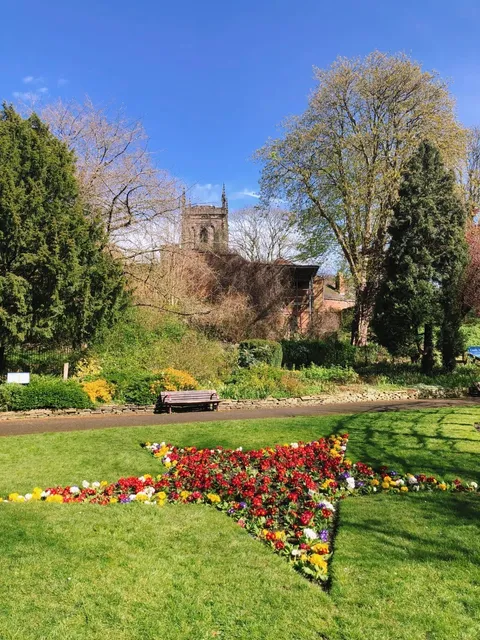
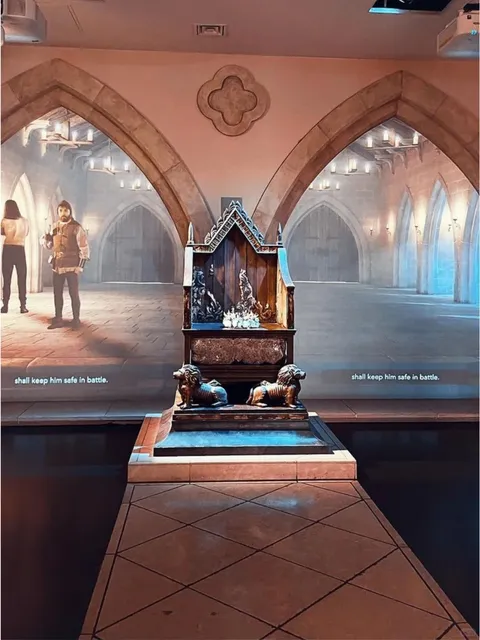
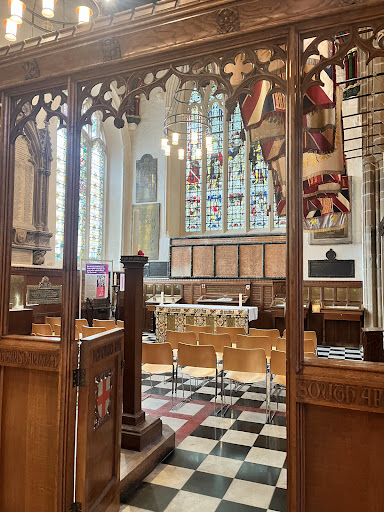
Leicester Cathedral things to do, attractions, restaurants, events info and trip planning
Basic Info
Leicester Cathedral
St Martins House, 2 Peacock Ln, Leicester LE1 5PZ, United Kingdom
4.6(703)
Open until 4:30 PM

tickets
Save
spot
spot
Ratings & Description
Info
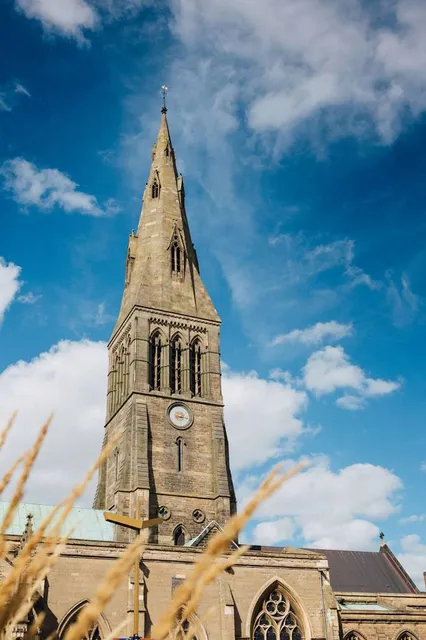
The Cathedral Church of Saint Martin, Leicester, commonly known as Leicester Cathedral, is a Church of England cathedral in Leicester, England and the seat of the Bishop of Leicester.
Cultural
Family friendly
Accessibility
attractions: The Guildhall Museum, King Richard III Visitor Centre, Jubilee Square, Visit Leicester Information Centre, Leicester Art Zone, Break Free Escape Room Leicester, Game of Throwing Leicester/House of Rage - Axe Throwing and Rage Rooms, Town Hall Square Fountain, Jewry Wall & Roman Baths, Newarke Houses Museum, restaurants: The Thai Classic Leicester, ALCOVE, Turtle Bay Leicester, O'Neill's Leicester, Pho Leicester, The High Cross - JD Wetherspoon, The Globe - Pub & Kitchen, Varanasi Boutique Restaurant, Veeno Leicester, Sonrisa Comida Argentina, local businesses: Highcross Leicester, St Martin's Square, ZARA, Forbidden Planet Leicester, Homme & Co, St. Peter's Square, Samsung Experience Store, Flowerworks, Korea Super 韩品超市, Xoshk Salon
 Learn more insights from Wanderboat AI.
Phone
+44 116 261 5389
Website
leicestercathedral.org
Open hoursSee all hours
Mon10:30 a.m. - 4:30 p.m.Open
Plan your stay

Pet-friendly Hotels in England
Find a cozy hotel nearby and make it a full experience.

Affordable Hotels in England
Find a cozy hotel nearby and make it a full experience.

The Coolest Hotels You Haven't Heard Of (Yet)
Find a cozy hotel nearby and make it a full experience.

Trending Stays Worth the Hype in England
Find a cozy hotel nearby and make it a full experience.
Reviews
Live events

Candlelight: Queen vs. ABBA
Sat, Feb 14 • 9:30 PM
Guildhall Ln, Leicester LE1 5FQ, United Kingdom, LE1 5FQ
View details

Design and make silver jewellery
Wed, Feb 11 • 10:00 AM
Market Bosworth, CV13 0NB, United Kingdom
View details
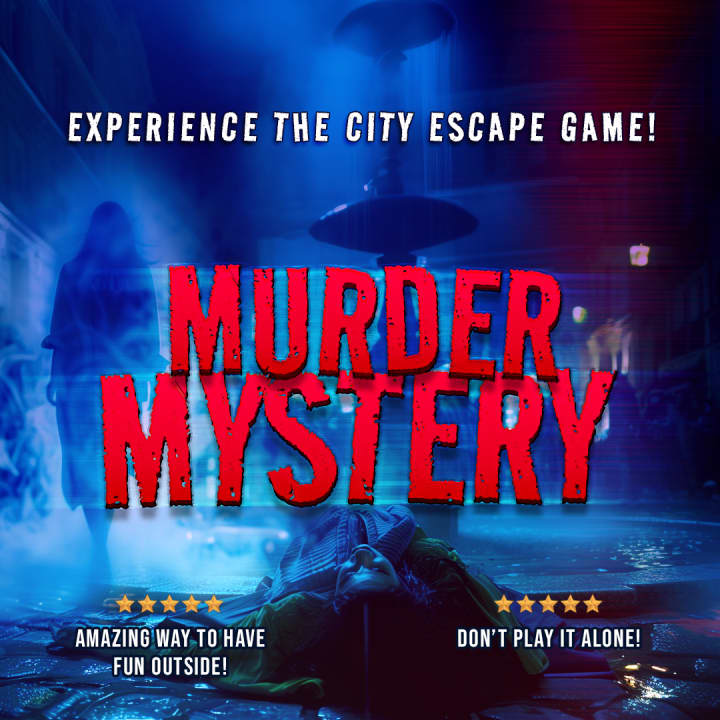
Leicester Murder Mystery: Death in the Shadows
Sun, Feb 1 • 12:00 AM
19-21 Saint Nicholas Place, Leicester, LE1 4LD
View details
Nearby attractions of Leicester Cathedral
The Guildhall Museum
King Richard III Visitor Centre
Jubilee Square
Visit Leicester Information Centre
Leicester Art Zone
Break Free Escape Room Leicester
Game of Throwing Leicester/House of Rage - Axe Throwing and Rage Rooms
Town Hall Square Fountain
Jewry Wall & Roman Baths
Newarke Houses Museum
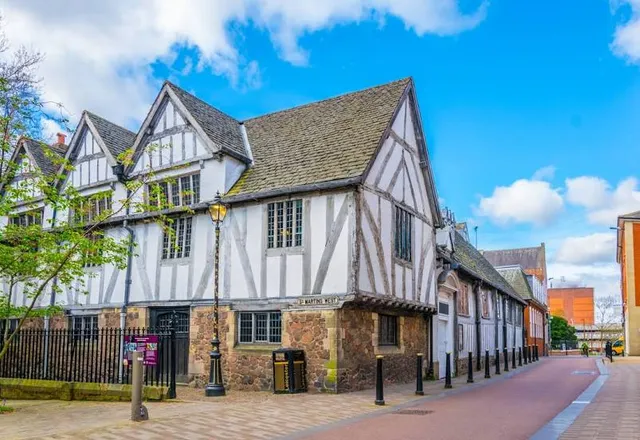
The Guildhall Museum
4.7
(450)
Open until 4:30 PM
Click for details

King Richard III Visitor Centre
4.6
(970)
Open until 4:00 PM
Click for details
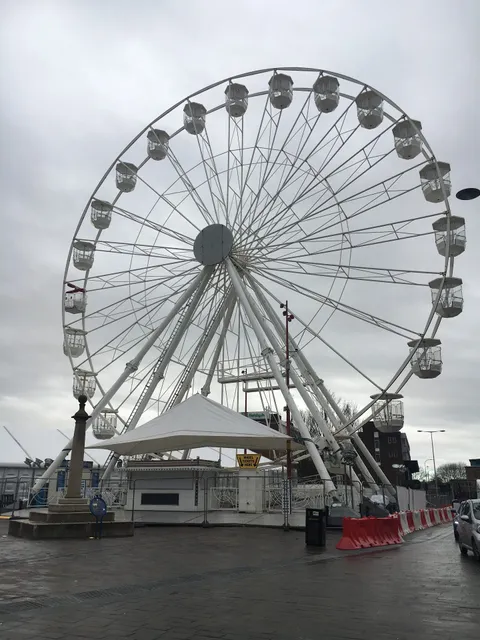
Jubilee Square
4.2
(340)
Open until 12:00 AM
Click for details

Visit Leicester Information Centre
4.4
(125)
Open until 4:00 PM
Click for details
Nearby restaurants of Leicester Cathedral
The Thai Classic Leicester
ALCOVE
Turtle Bay Leicester
O'Neill's Leicester
Pho Leicester
The High Cross - JD Wetherspoon
The Globe - Pub & Kitchen
Varanasi Boutique Restaurant
Veeno Leicester
Sonrisa Comida Argentina

The Thai Classic Leicester
4.5
(20)
Open until 12:00 AM
Click for details

ALCOVE
5.0
(14)
Open until 12:00 AM
Click for details
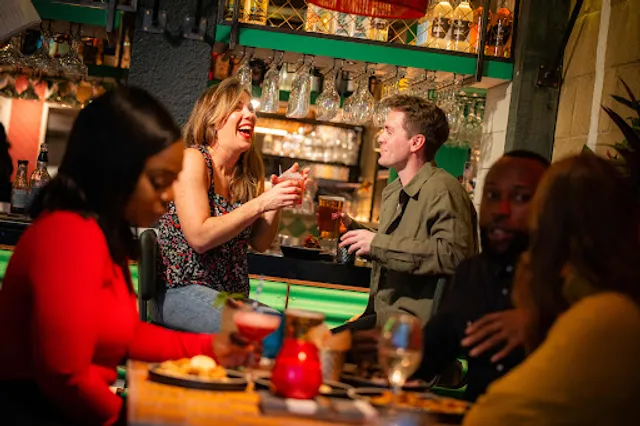
Turtle Bay Leicester
4.8
(5.7K)
Open until 10:30 PM
Click for details
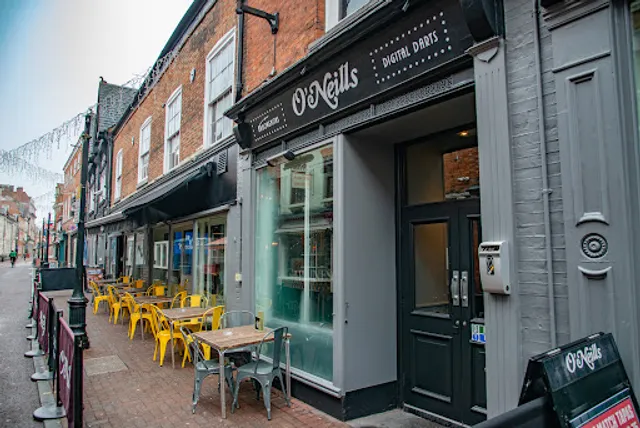
O'Neill's Leicester
4.4
(837)
Open until 11:00 PM
Click for details
Nearby local services of Leicester Cathedral
Highcross Leicester
St Martin's Square
ZARA
Forbidden Planet Leicester
Homme & Co
St. Peter's Square
Samsung Experience Store
Flowerworks
Korea Super 韩品超市
Xoshk Salon
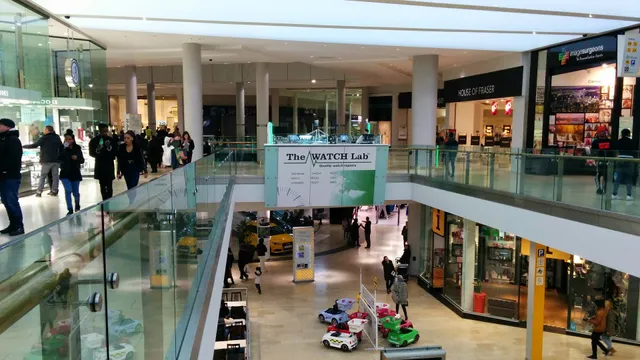
Highcross Leicester
4.4
(6.8K)
Click for details

St Martin's Square
4.5
(854)
Click for details

ZARA
3.8
(527)
Click for details
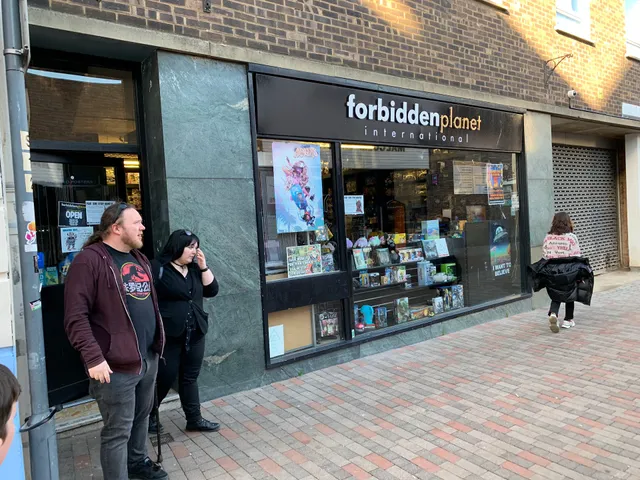
Forbidden Planet Leicester
4.6
(386)
Click for details