Cummings Center for the History of Psychology things to do, attractions, restaurants, events info and trip planning
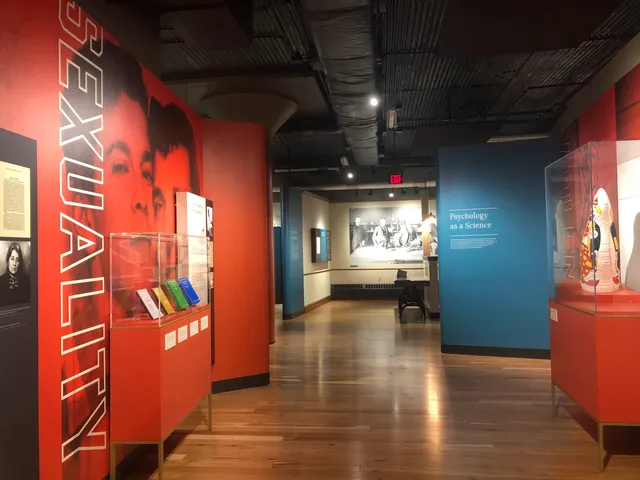
Basic Info
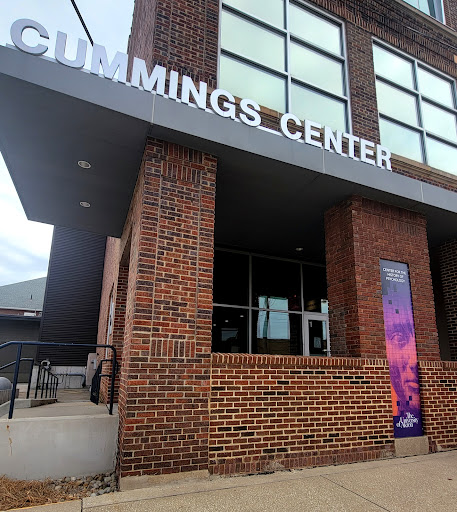
Cummings Center for the History of Psychology
73 S College St, Akron, OH 44325
4.8(91)
Open until 12:00 AM

tickets
Save
spot
spot
Ratings & Description
Info
Cultural
Family friendly
Accessibility
attractions: Annunciation Greek Orthodox Church, Hower House Museum, John S. Knight Center, EJ Thomas Hall, Edwin J. Thomas Performing Arts Hall, Rubber City Theatre, Akron Art Museum, Street Craftery, Summit Artspace, Ohio Shakespeare Festival, restaurants: Wendy's, Sweet Mary's Bakery, The Green Dragon Inn, HEERA INDIAN CUISINE, El Patron Tequileria, Totally Baked Pizza, Akronym Brewing, Pizza Hut, BLU Jazz+, Essential Dipped Delights, local businesses: Quaker Station Catering, Full Grip Games, Rubber City Comics, ZaBre Inspire, LLC, The University of Akron, Sweet Modern, Akron Municipal Court, Musica, The Nightlight, Stark State College Akron
 Learn more insights from Wanderboat AI.
Phone
(330) 972-7285
Website
uakron.edu
Open hoursSee all hours
SunClosedOpen
Plan your stay

Pet-friendly Hotels in Akron
Find a cozy hotel nearby and make it a full experience.

Affordable Hotels in Akron
Find a cozy hotel nearby and make it a full experience.

The Coolest Hotels You Haven't Heard Of (Yet)
Find a cozy hotel nearby and make it a full experience.

Trending Stays Worth the Hype in Akron
Find a cozy hotel nearby and make it a full experience.
Reviews
Live events

PBS Feature: Monochrome Canvas Watch Night
Fri, Jan 30 • 7:30 PM
526 South Main Street Akron, OH 44311
View details

Sacred Nature Center - Poetry Reading
Mon, Jan 26 • 12:00 PM
126 South Lincoln Street, Kent, OH 44242
View details

Poetic Justice Comedy Show
Sun, Jan 25 • 8:00 PM
1757 State Road Cuyahoga Falls, OH 44223
View details
Nearby attractions of Cummings Center for the History of Psychology
Annunciation Greek Orthodox Church
Hower House Museum
John S. Knight Center
EJ Thomas Hall
Edwin J. Thomas Performing Arts Hall
Rubber City Theatre
Akron Art Museum
Street Craftery
Summit Artspace
Ohio Shakespeare Festival
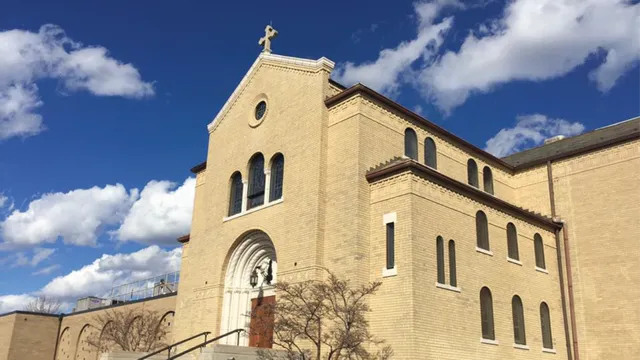
Annunciation Greek Orthodox Church
4.9
(62)
Open until 12:00 AM
Click for details
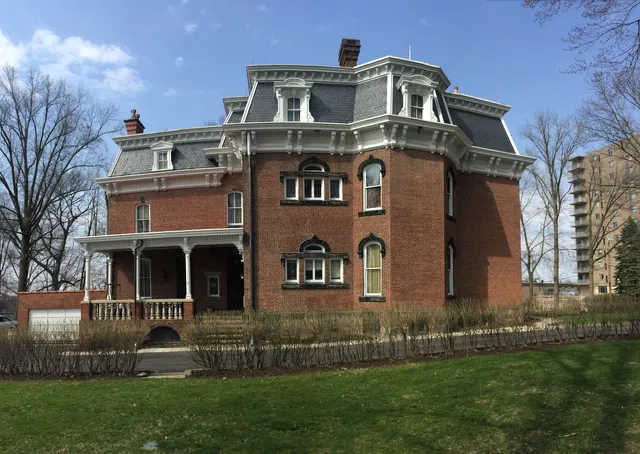
Hower House Museum
4.6
(40)
Open until 12:00 AM
Click for details
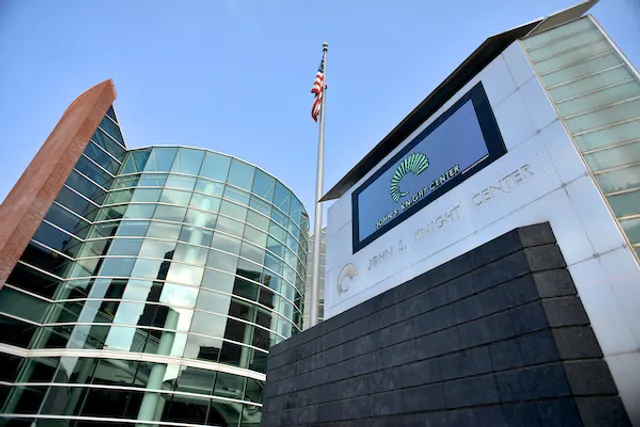
John S. Knight Center
4.5
(525)
Open until 12:00 AM
Click for details
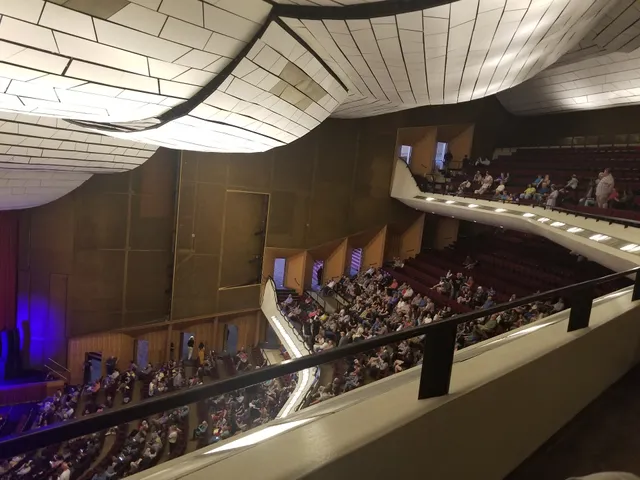
EJ Thomas Hall
4.7
(156)
Open 24 hours
Click for details
Nearby restaurants of Cummings Center for the History of Psychology
Wendy's
Sweet Mary's Bakery
The Green Dragon Inn
HEERA INDIAN CUISINE
El Patron Tequileria
Totally Baked Pizza
Akronym Brewing
Pizza Hut
BLU Jazz+
Essential Dipped Delights
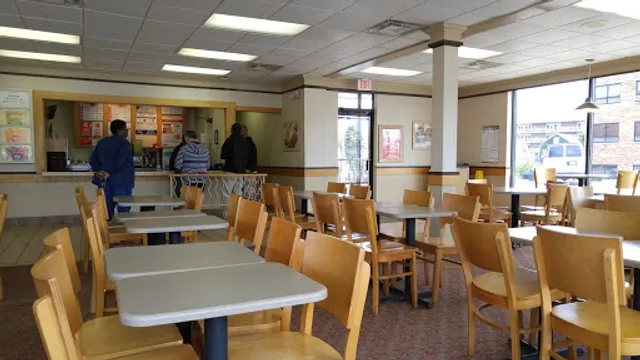
Wendy's
3.4
(642)
$
Open until 2:00 AM
Click for details
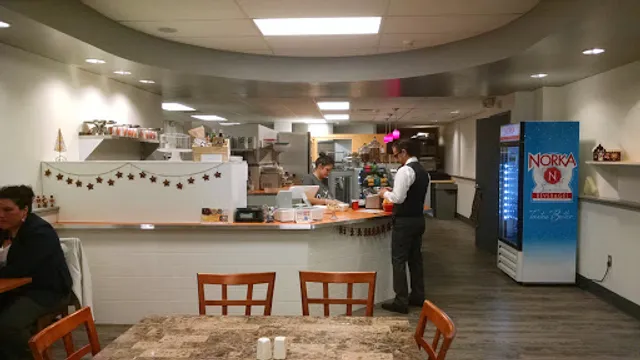
Sweet Mary's Bakery
4.4
(229)
$
Open until 12:00 AM
Click for details
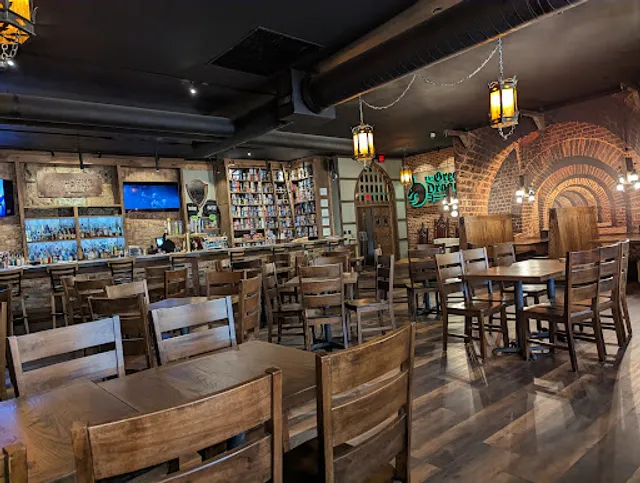
The Green Dragon Inn
4.7
(248)
$
Open until 10:00 PM
Click for details
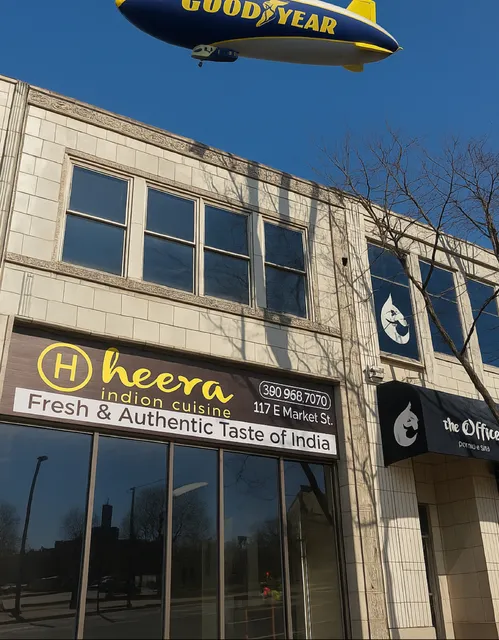
HEERA INDIAN CUISINE
4.7
(197)
$
Open until 9:30 PM
Click for details
Nearby local services of Cummings Center for the History of Psychology
Quaker Station Catering
Full Grip Games
Rubber City Comics
ZaBre Inspire, LLC
The University of Akron
Sweet Modern
Akron Municipal Court
Musica
The Nightlight
Stark State College Akron
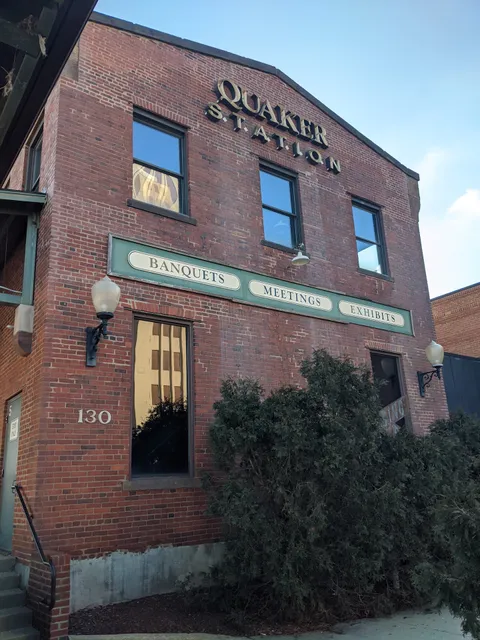
Quaker Station Catering
4.3
(40)
Click for details
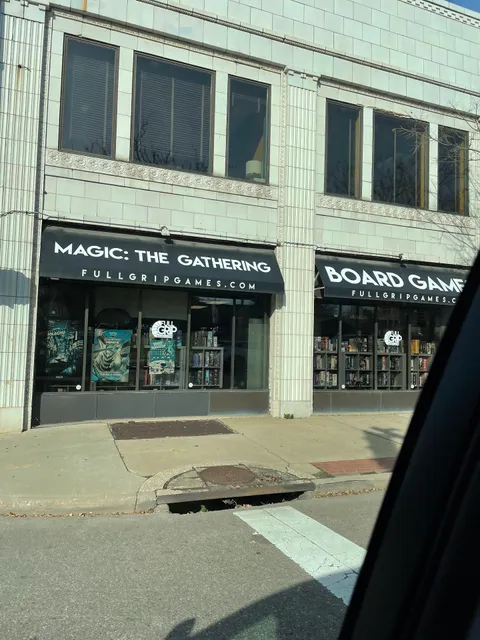
Full Grip Games
4.5
(373)
Click for details
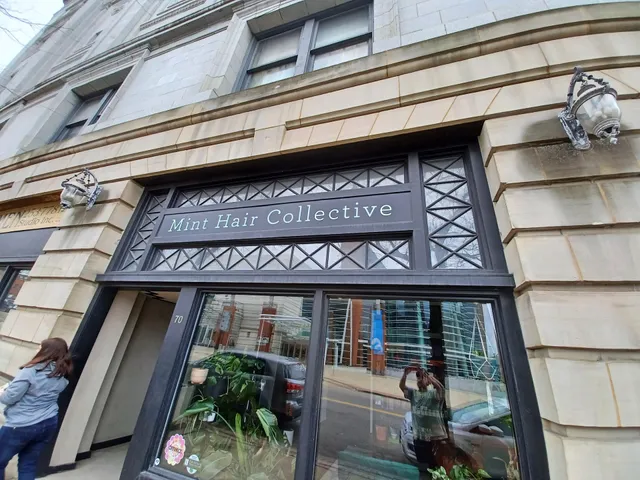
Rubber City Comics
4.6
(105)
Click for details
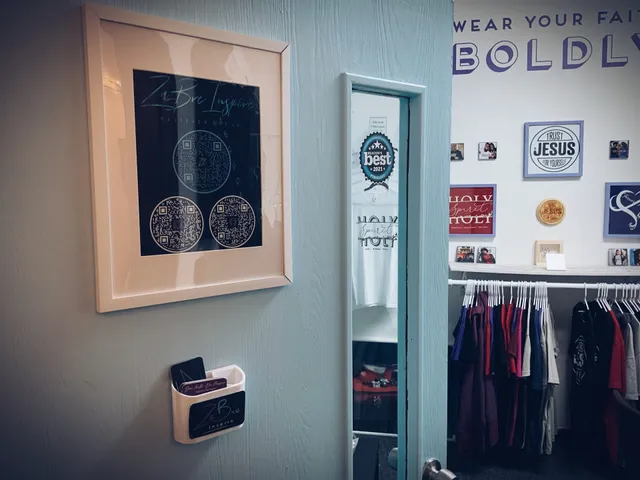
ZaBre Inspire, LLC
4.8
(15)
Click for details