Commonwealth Avenue Mall things to do, attractions, restaurants, events info and trip planning
Basic Info
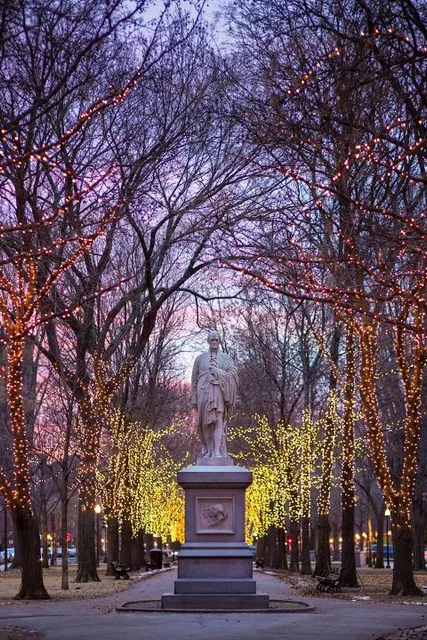
Commonwealth Avenue Mall
484 Commonwealth Ave, Boston, MA 02116
4.7(301)
Closed
Save
spot
spot
Ratings & Description
Info
Cultural
Outdoor
Scenic
Relaxation
Family friendly
Accessibility
Pet friendly
attractions: Boston Women's Memorial, Hynes Convention Center, Boston Public Library - Central Library, CandleLux - Boston Candle-Making Studio & Gift Shop, Pucker Gallery, Vose Galleries LLC, Old South Church in Boston, Copley Square Park, Brodney Antiques & Jewelry, Charles River Esplanade, restaurants: Amorino Gelato - Boston Newbury Street, Atlantic Fish Company, Shake Shack Newbury Street, La Neta, Abe & Louie's, La Voile, Piattini, Serafina Back Bay, Dirty Water Dough Company, heytea (Newbury), local businesses: Suitsupply Boston, Apple Boylston Street, CPR Cell Phone Repair, The Pink Swan Shop, ZARA, Newbury St, SAFAR SALON BOSTON, Michael Albor Salon - Back Bay Boston, Rainbows Pottery Studio, Pathos Salon Boston
 Learn more insights from Wanderboat AI.
Phone
(617) 635-4505
Website
cityofboston.gov
Open hoursSee all hours
Sun6 AM - 11:30 PMClosed
Plan your stay

Pet-friendly Hotels in Boston
Find a cozy hotel nearby and make it a full experience.

Affordable Hotels in Boston
Find a cozy hotel nearby and make it a full experience.

The Coolest Hotels You Haven't Heard Of (Yet)
Find a cozy hotel nearby and make it a full experience.

Trending Stays Worth the Hype in Boston
Find a cozy hotel nearby and make it a full experience.
Reviews
Live events
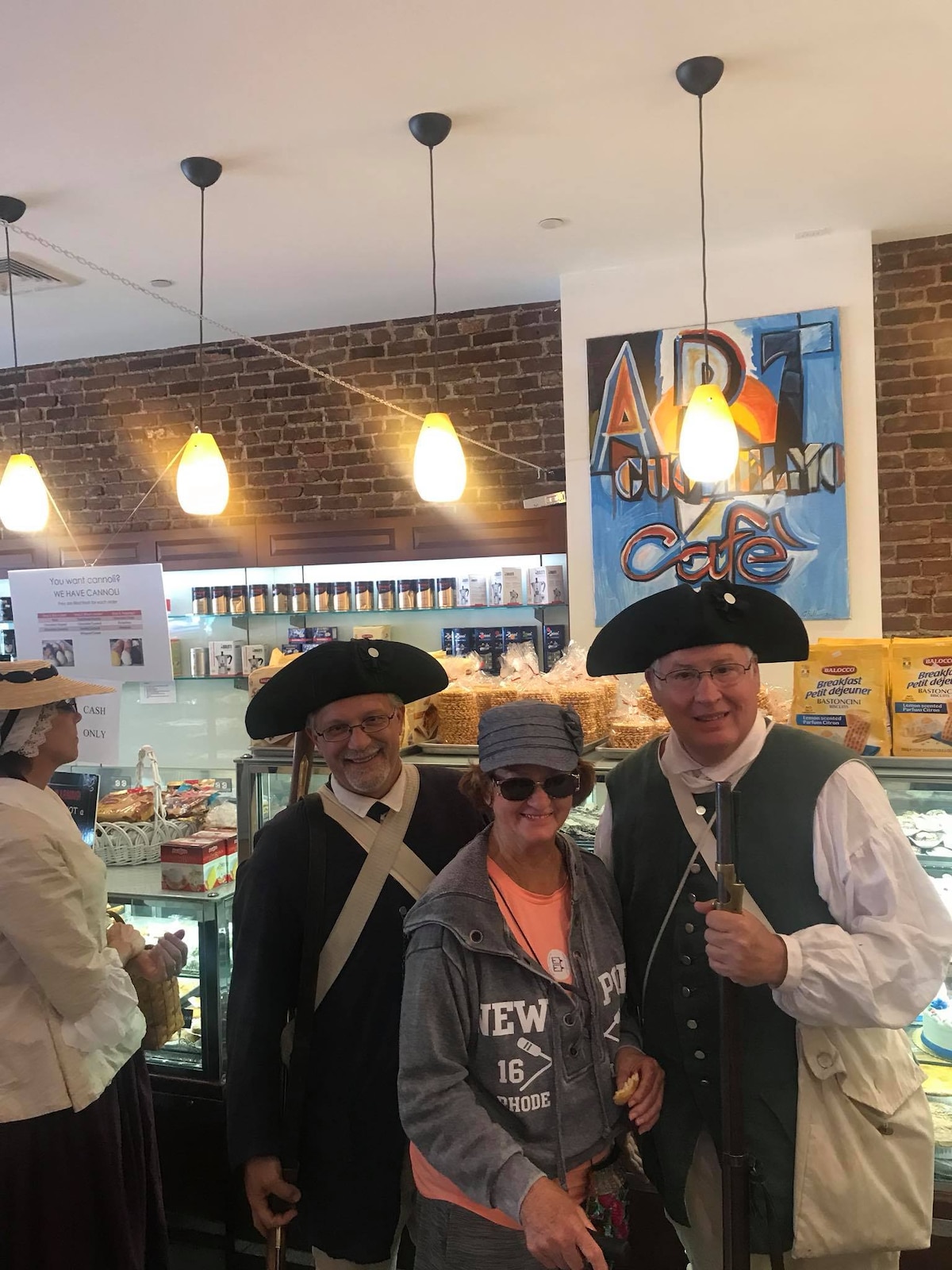
Bostons Politically Incorrect North End Food Tour
Sun, Feb 8 • 11:30 AM
Boston, Massachusetts, 02113
View details

Reiki Energized Tibetan Bowl Sound Bath (2 sessions) 3p & 4pm
Sun, Feb 8 • 3:00 PM
395 Massachusetts Avenue Arlington, MA 02474
View details

SABROSURA: Bad Bunny Super Bowl Watch Party
Sun, Feb 8 • 6:00 PM
916 Commonwealth Avenue Boston, MA 02215
View details
Nearby attractions of Commonwealth Avenue Mall
Boston Women's Memorial
Hynes Convention Center
Boston Public Library - Central Library
CandleLux - Boston Candle-Making Studio & Gift Shop
Pucker Gallery
Vose Galleries LLC
Old South Church in Boston
Copley Square Park
Brodney Antiques & Jewelry
Charles River Esplanade
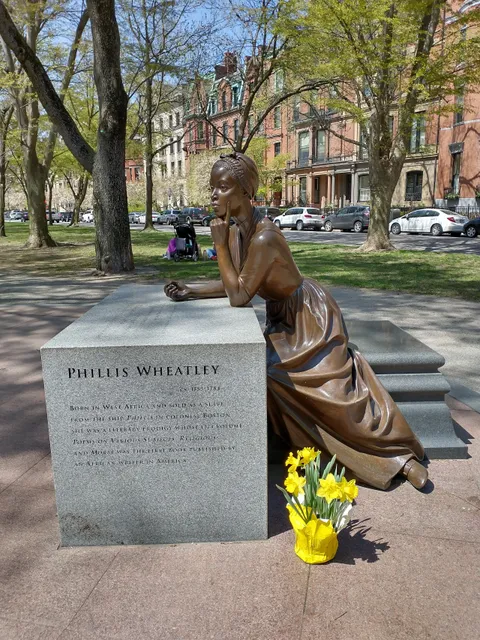
Boston Women's Memorial
4.7
(76)
Closed
Click for details
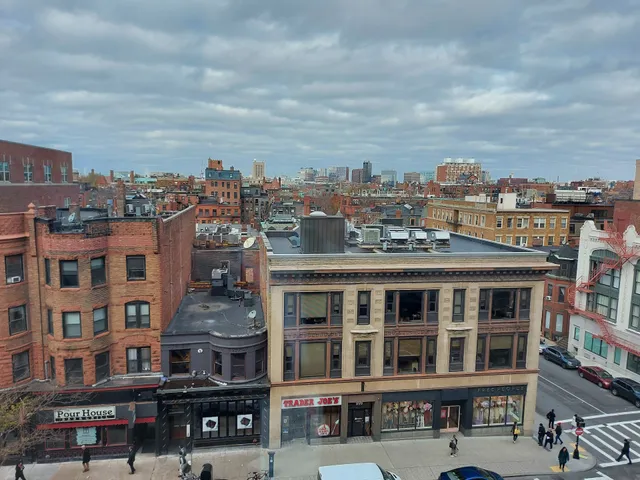
Hynes Convention Center
4.5
(973)
Open 24 hours
Click for details
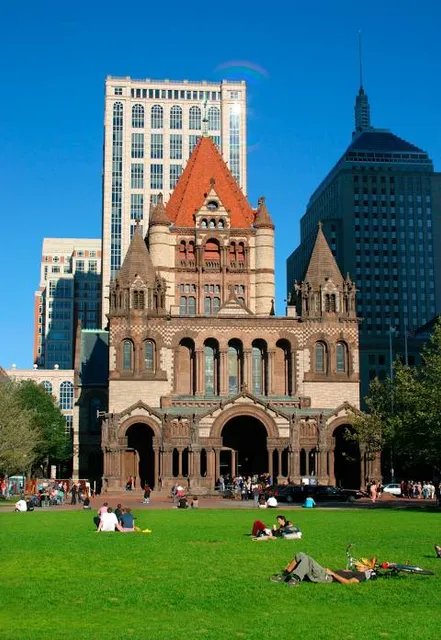
Boston Public Library - Central Library
4.8
(1.6K)
Closed
Click for details

CandleLux - Boston Candle-Making Studio & Gift Shop
5.0
(349)
Closed
Click for details
Nearby restaurants of Commonwealth Avenue Mall
Amorino Gelato - Boston Newbury Street
Atlantic Fish Company
Shake Shack Newbury Street
La Neta
Abe & Louie's
La Voile
Piattini
Serafina Back Bay
Dirty Water Dough Company
heytea (Newbury)
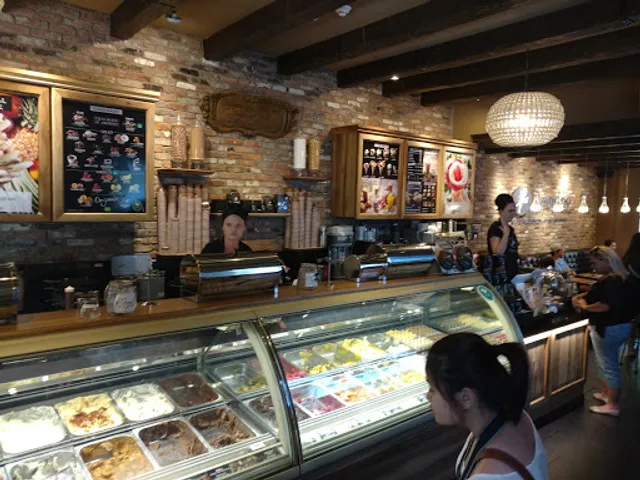
Amorino Gelato - Boston Newbury Street
4.6
(980)
$$
Closed
Click for details
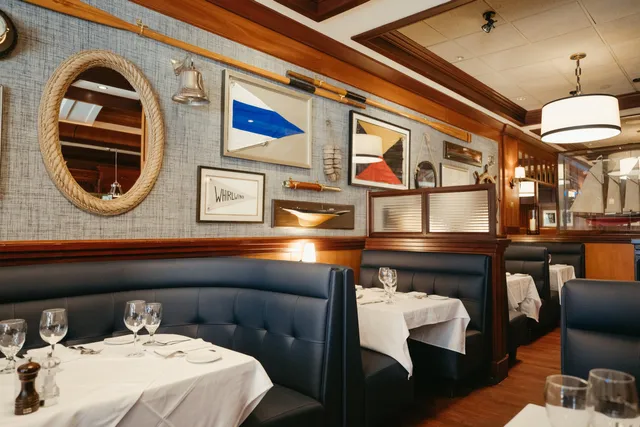
Atlantic Fish Company
4.6
(1.9K)
$$$$
Closed
Click for details
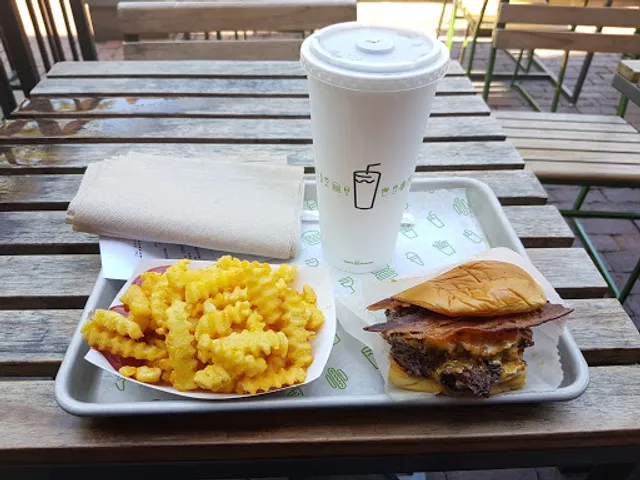
Shake Shack Newbury Street
4.3
(1.5K)
$
Closed
Click for details
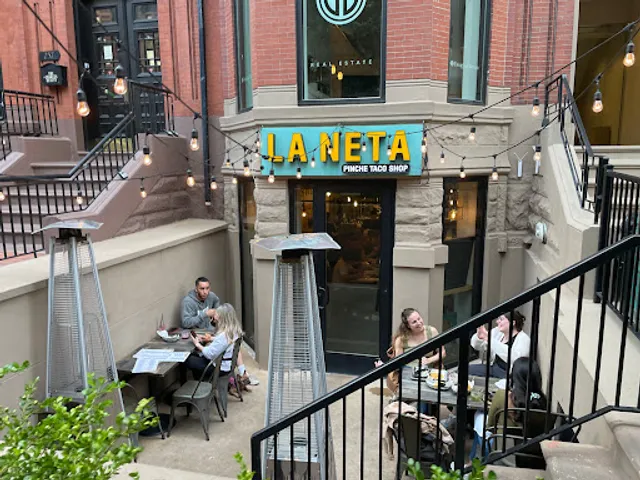
La Neta
4.1
(384)
$
Closed
Click for details
Nearby local services of Commonwealth Avenue Mall
Suitsupply Boston
Apple Boylston Street
CPR Cell Phone Repair
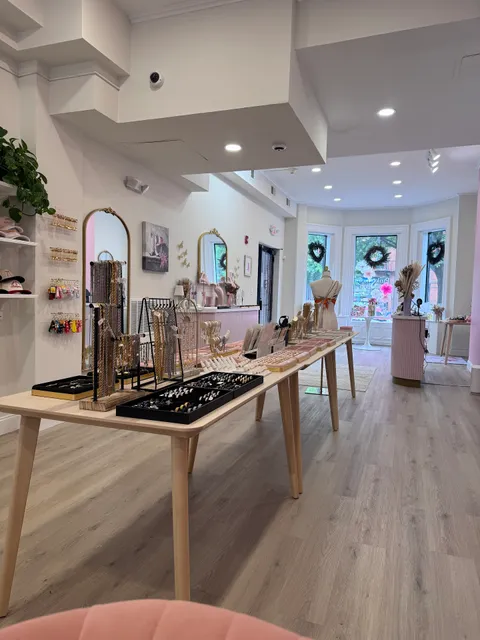
The Pink Swan Shop
ZARA
Newbury St
SAFAR SALON BOSTON
Michael Albor Salon - Back Bay Boston
Rainbows Pottery Studio
Pathos Salon Boston
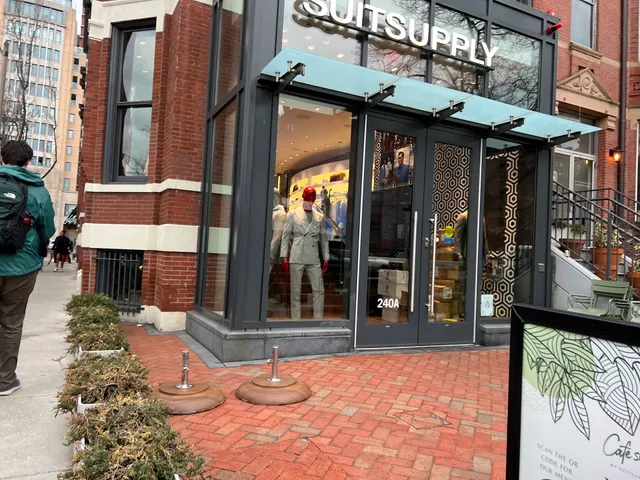
Suitsupply Boston
4.7
(868)
Click for details
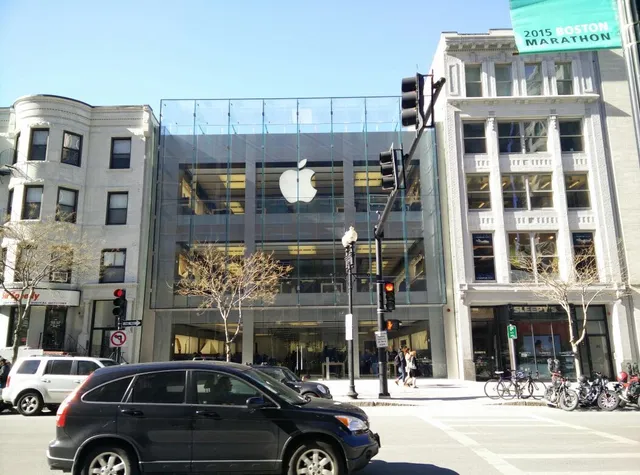
Apple Boylston Street
4.0
(1.4K)
Click for details
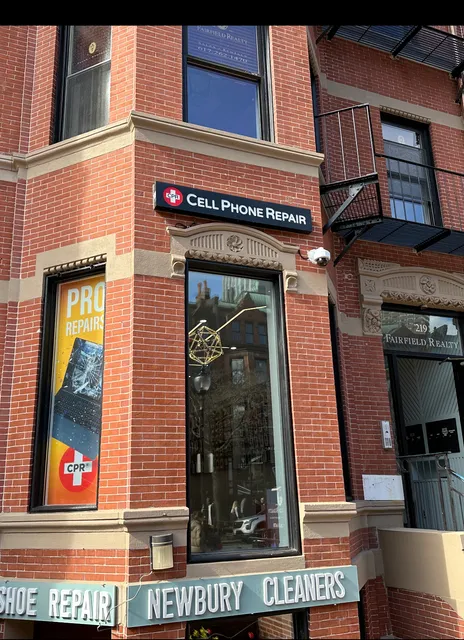
CPR Cell Phone Repair
4.8
(546)
Click for details
The Pink Swan Shop
5.0
(162)
Click for details


The hit list

Plan your trip with Wanderboat
Welcome to Wanderboat AI, your AI search for local Eats and Fun, designed to help you explore your city and the world with ease.
Powered by Wanderboat AI trip planner.