Spanish Military Hospital Museum things to do, attractions, restaurants, events info and trip planning
Basic Info
Spanish Military Hospital Museum
3 Aviles St, St. Augustine, FL 32084
4.7(353)
Closed
tickets
Save
spot
spot
Ratings & Description
Info
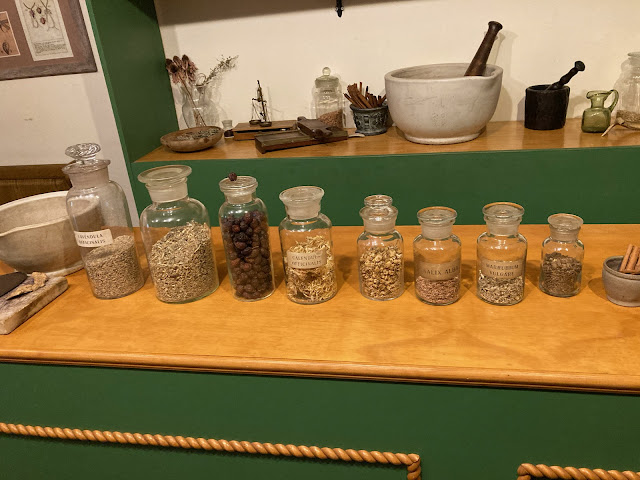
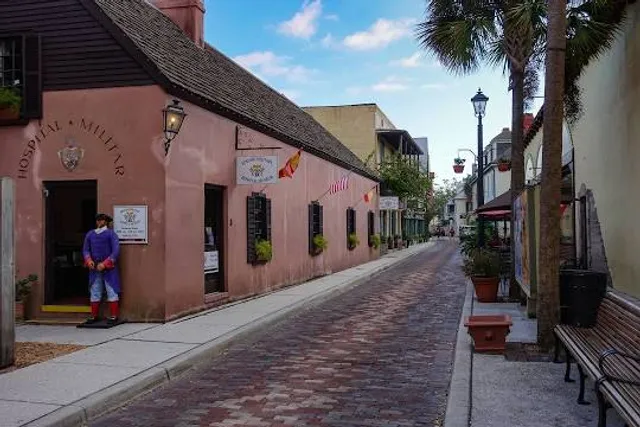
The Spanish Military Hospital Museum is located at 3 Aviles Street, St. Augustine, Florida. The museum covers the Second Spanish Period medical practices. The museum is open seven days a week from 9am to 5pm.
Cultural
Family friendly
Accessibility
attractions: The White Room, Plaza de la Constitución, Lightner Museum, Phillip Anthony Signature Gallery, Nights of Lights, St. Augustine Scenic Cruise, The Treasury on the Plaza, Ripley's Bayfront Mini Golf, Ximenez-Fatio House Museum, Cutter & Cutter Fine Art, restaurants: Nonnas Trattoria, Forgotten Tonic, Harry's Seafood, Bar & Grille, O C White's Seafood & Spirits, Gaufres and Goods, South-A-Philly Steaks & Hoagies, The Kookaburra Downtown, Grilled Cheese Gallery, The Chatsworth Pub and Tea Room, Casa Reina Taqueria & Tequila, local businesses: St. Augustine Experiences, Frank Reubel Fine Jewelry, Cathedral Basilica of St. Augustine, Le Macaron, Two Sparrows, LOA, Plaza de la Constitución, Heritage Walk, The Ancient Olive of St. Augustine, Aromas de Jabon
 Learn more insights from Wanderboat AI.
Phone
(904) 342-7730
Website
spanishmilitaryhospitalmuseum.com
Open hoursSee all hours
Tue9 AM - 5 PMClosed
Plan your stay

Pet-friendly Hotels in Saint Augustine
Find a cozy hotel nearby and make it a full experience.

Affordable Hotels in Saint Augustine
Find a cozy hotel nearby and make it a full experience.

The Coolest Hotels You Haven't Heard Of (Yet)
Find a cozy hotel nearby and make it a full experience.

Trending Stays Worth the Hype in Saint Augustine
Find a cozy hotel nearby and make it a full experience.
Reviews
Live events

Morrissey Makeup Is A Lie Early Listening Party
Sat, Feb 28 • 6:00 PM
81d King Street St. Augustine, FL 32084
View details

Kayak Wild St Augustine
Tue, Feb 24 • 6:00 AM
St. Augustine, Florida, 32080
View details
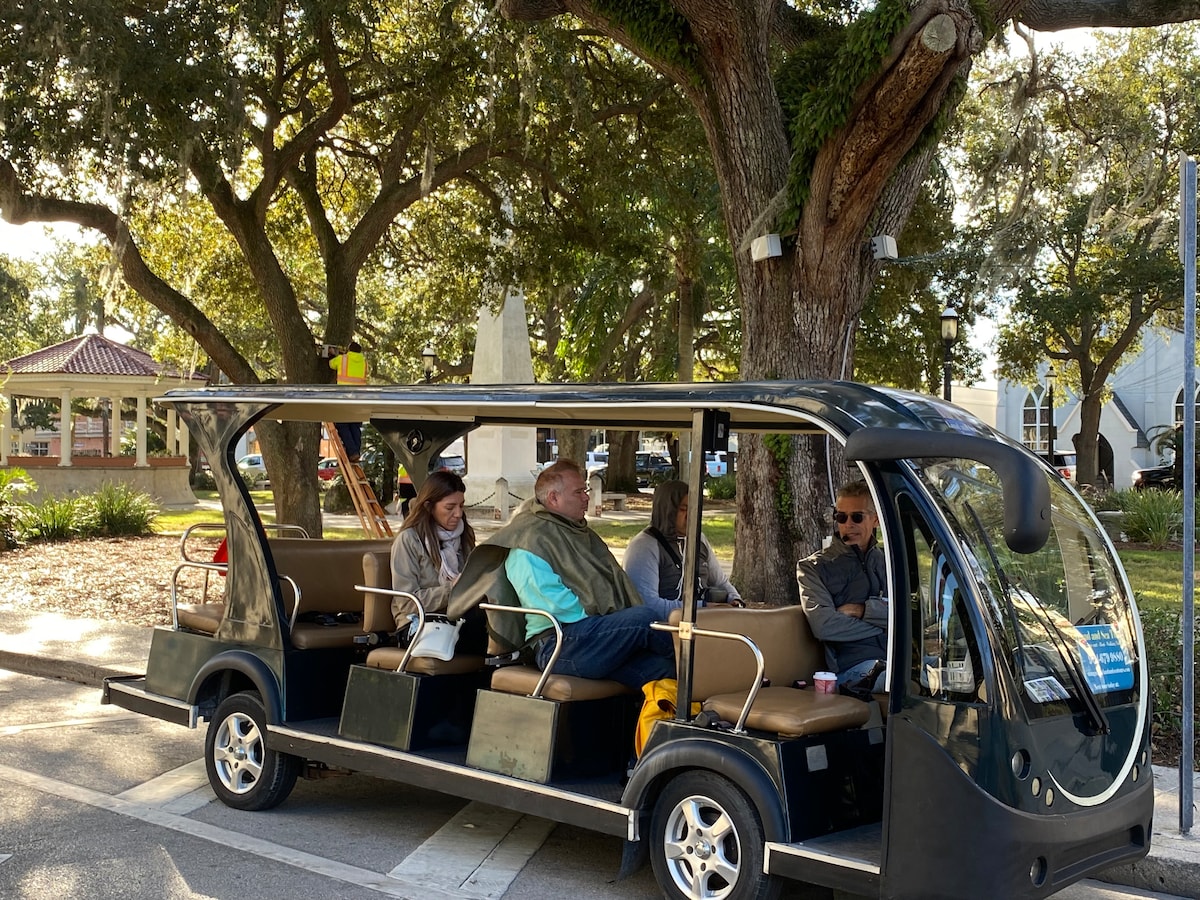
Explore St. Augustine via golf cart
Wed, Feb 25 • 11:00 AM
St. Augustine, Florida, 32084
View details
Nearby attractions of Spanish Military Hospital Museum
The White Room
Plaza de la Constitución
Lightner Museum
Phillip Anthony Signature Gallery
Nights of Lights
St. Augustine Scenic Cruise
The Treasury on the Plaza
Ripley's Bayfront Mini Golf
Ximenez-Fatio House Museum
Cutter & Cutter Fine Art
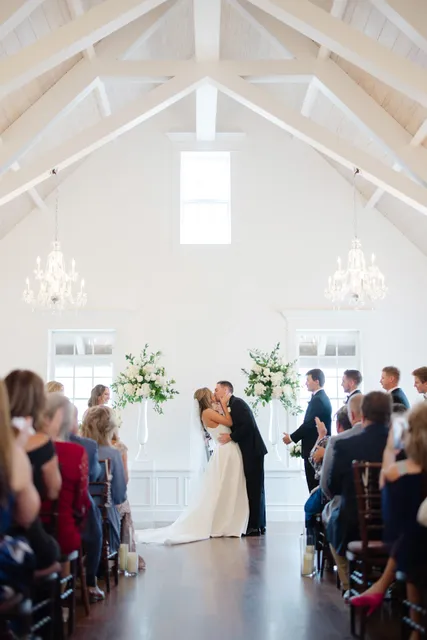
The White Room
4.8
(334)
Closed
Click for details
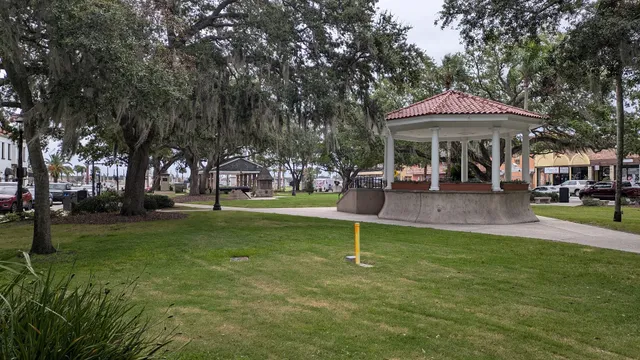
Plaza de la Constitución
4.7
(265)
Open until 12:00 AM
Click for details
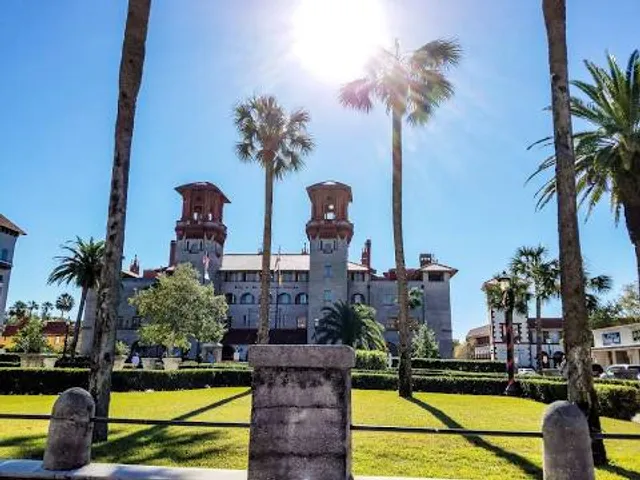
Lightner Museum
4.7
(2.2K)
Closed
Click for details
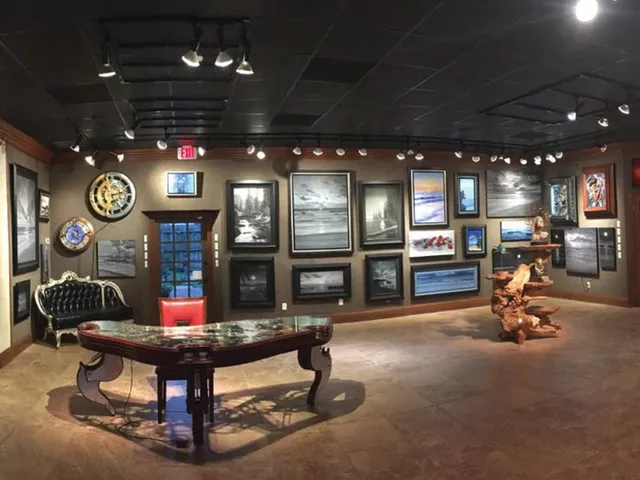
Phillip Anthony Signature Gallery
4.8
(103)
Closed
Click for details
Nearby restaurants of Spanish Military Hospital Museum
Nonnas Trattoria
Forgotten Tonic
Harry's Seafood, Bar & Grille
O C White's Seafood & Spirits
Gaufres and Goods
South-A-Philly Steaks & Hoagies
The Kookaburra Downtown
Grilled Cheese Gallery
The Chatsworth Pub and Tea Room
Casa Reina Taqueria & Tequila
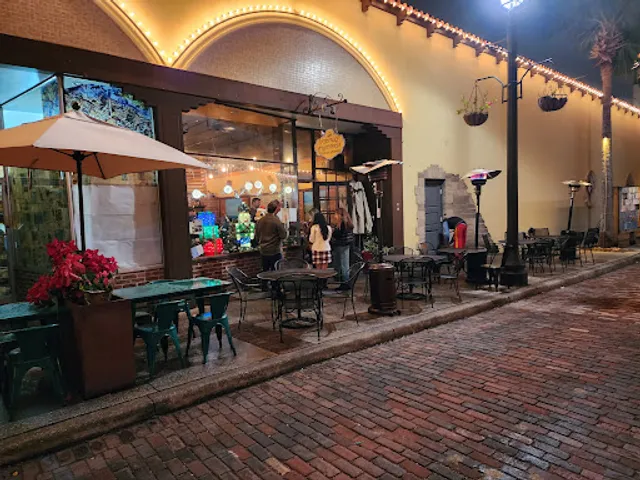
Nonnas Trattoria
4.6
(863)
$$
Closed
Click for details
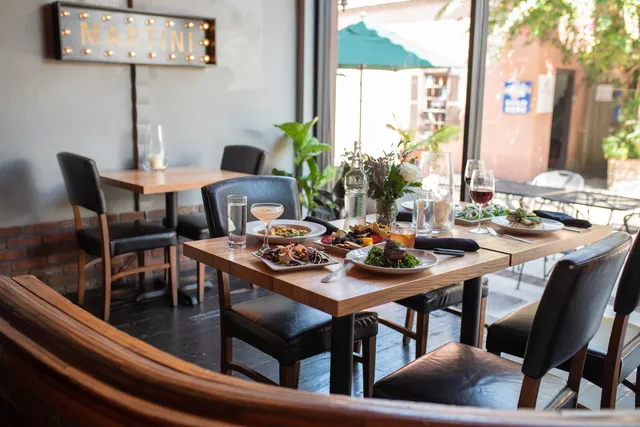
Forgotten Tonic
4.5
(876)
$$
Closed
Click for details
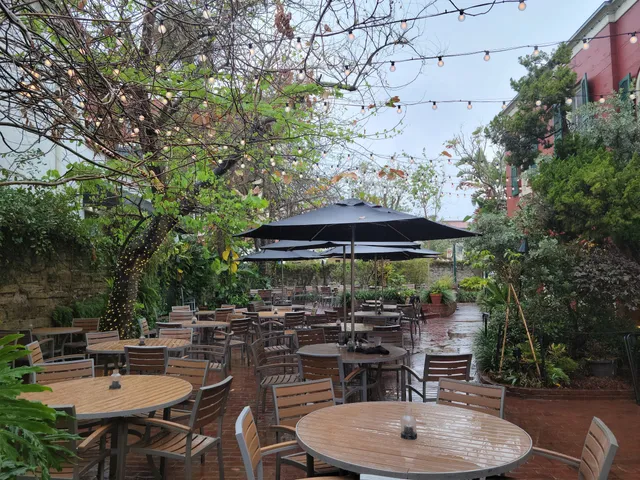
Harry's Seafood, Bar & Grille
4.6
(6.4K)
$$
Closed
Click for details
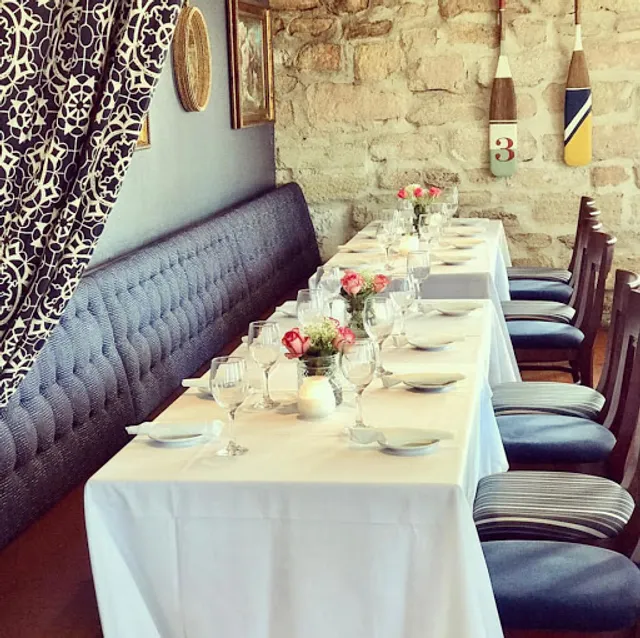
O C White's Seafood & Spirits
4.2
(1.8K)
$$
Closed
Click for details
Nearby local services of Spanish Military Hospital Museum
St. Augustine Experiences
Frank Reubel Fine Jewelry
Cathedral Basilica of St. Augustine
Le Macaron
Two Sparrows
LOA
Plaza de la Constitución
Heritage Walk
The Ancient Olive of St. Augustine
Aromas de Jabon

St. Augustine Experiences
5.0
(345)
Click for details

Frank Reubel Fine Jewelry
4.9
(331)
Click for details
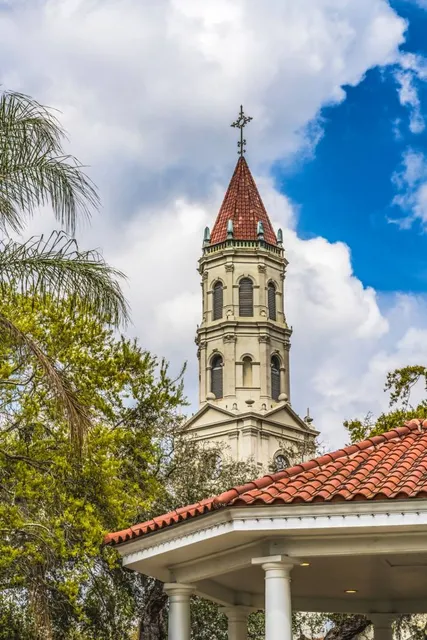
Cathedral Basilica of St. Augustine
4.8
(1.6K)
Click for details
Le Macaron
4.1
(366)
Click for details