New Mexico History Museum things to do, attractions, restaurants, events info and trip planning
Basic Info
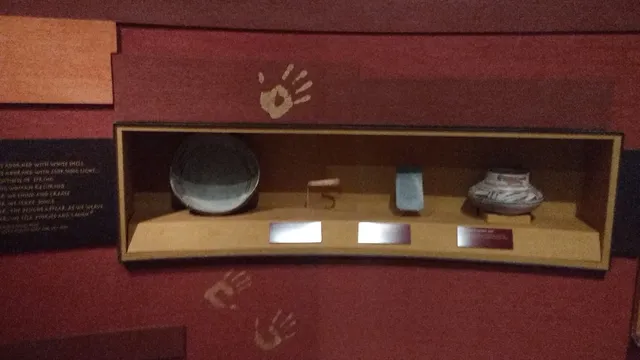
New Mexico History Museum
113 Lincoln Ave, Santa Fe, NM 87501
4.6(125)
Closed

tickets
Save
spot
spot
Ratings & Description
Info
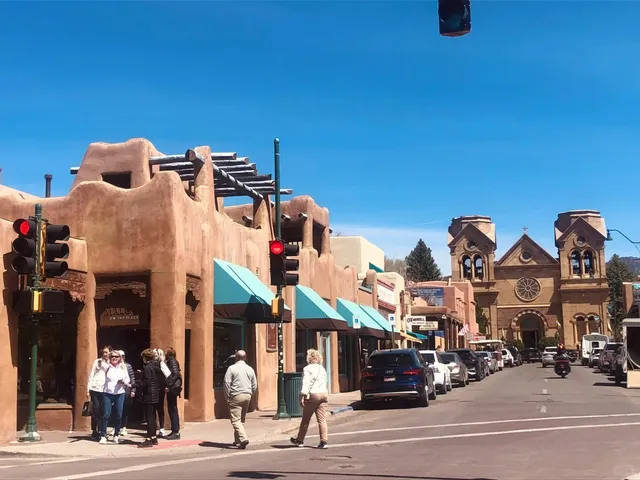
The New Mexico History Museum is a history museum in Santa Fe, New Mexico. It is part of the state-run Museum of New Mexico system operated by the New Mexico Department of Cultural Affairs.
Cultural
Family friendly
Accessibility
attractions: Santa Fe Plaza, New Mexico Museum of Art, Georgia O'Keeffe Museum, The Cathedral Basilica of St. Francis of Assisi, Loretto Chapel Museum, IAIA Museum of Contemporary Native Arts (MoCNA), Lensic Performing Arts Center, Hecho a Mano, Palace of the Governors Photo Archives at New Mexico History Museum, King Galleries - Santa Fe, restaurants: Plaza Cafe Downtown, The Bull Ring, Thunderbird Bar & Grill, La Boca, Tres Colores, The Burrito Company, Cafe Pasqual's, The Shed, Cafe Des Artistes, La Plazuela At La Fonda, local businesses: New Mexico Museum of Art, Ortega's On the Plaza, Palace of the Governors, 126-138 W Water St, Five & Dime General Store, Pinto Ranch, Malouf on the Plaza, Design Warehouse, Santa Fe Dry Goods, Workshop & Wild Life, Sena Plaza
 Learn more insights from Wanderboat AI.
Phone
(505) 476-5200
Website
nmhistorymuseum.org
Open hoursSee all hours
Sat10 AM - 5 PMClosed
Plan your stay

Pet-friendly Hotels in Santa Fe
Find a cozy hotel nearby and make it a full experience.

Affordable Hotels in Santa Fe
Find a cozy hotel nearby and make it a full experience.

The Coolest Hotels You Haven't Heard Of (Yet)
Find a cozy hotel nearby and make it a full experience.

Trending Stays Worth the Hype in Santa Fe
Find a cozy hotel nearby and make it a full experience.
Reviews
Live events

FREE Santa Fe Home & Lifestyle Show, February 2026
Fri, Feb 13 • 11:00 AM
201 West Marcy Street, Santa Fe, NM 87501
View details
Sip and explore Tumbleroot Brewery and Distillery
Wed, Feb 11 • 3:00 PM
Santa Fe, New Mexico, 87508
View details
Santa Fe After Dark: Spirits, Secrets, and Sorrow
Sat, Feb 7 • 6:00 PM
Santa Fe, New Mexico, 87501
View details
Nearby attractions of New Mexico History Museum
Santa Fe Plaza
New Mexico Museum of Art
Georgia O'Keeffe Museum
The Cathedral Basilica of St. Francis of Assisi
Loretto Chapel Museum
IAIA Museum of Contemporary Native Arts (MoCNA)
Lensic Performing Arts Center
Hecho a Mano
Palace of the Governors Photo Archives at New Mexico History Museum
King Galleries - Santa Fe
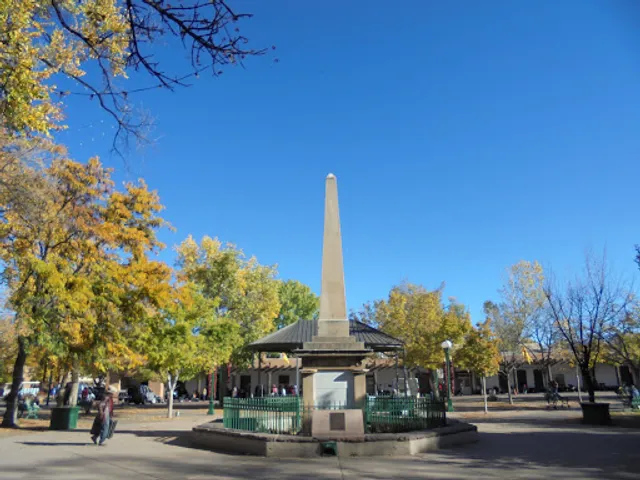
Santa Fe Plaza
4.7
(4.8K)
Open until 12:00 AM
Click for details
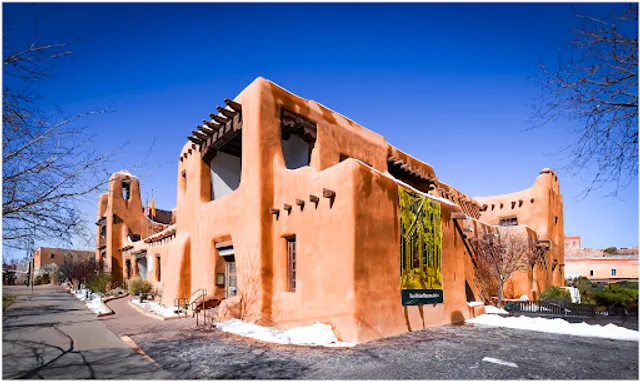
New Mexico Museum of Art
4.6
(398)
Closed
Click for details

Georgia O'Keeffe Museum
4.6
(1.8K)
Closed
Click for details

The Cathedral Basilica of St. Francis of Assisi
4.8
(1.1K)
Open until 3:00 PM
Click for details
Nearby restaurants of New Mexico History Museum
Plaza Cafe Downtown
The Bull Ring
Thunderbird Bar & Grill
La Boca
Tres Colores
The Burrito Company
Cafe Pasqual's
The Shed
Cafe Des Artistes
La Plazuela At La Fonda
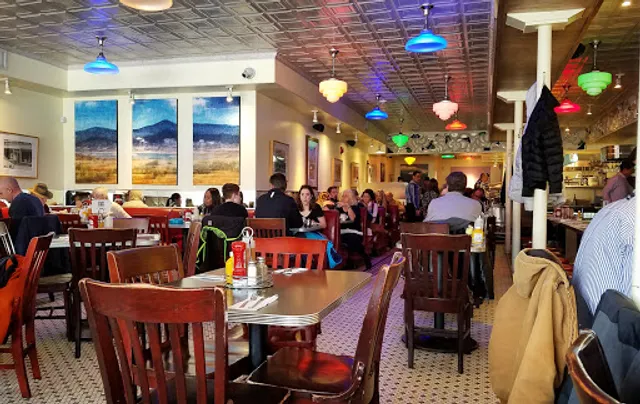
Plaza Cafe Downtown
4.5
(1.5K)
$
Open until 8:00 PM
Click for details
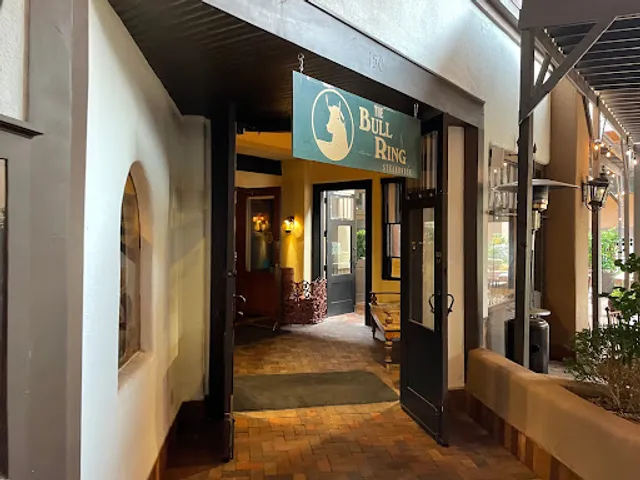
The Bull Ring
4.4
(472)
$$$
Closed
Click for details
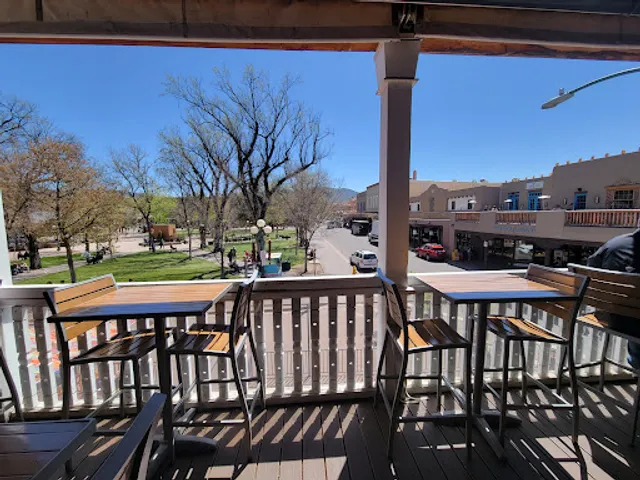
Thunderbird Bar & Grill
3.9
(741)
$$
Closed
Click for details
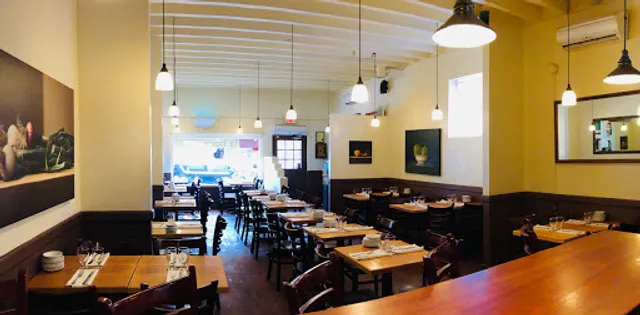
La Boca
4.5
(774)
$$$
Closed
Click for details
Nearby local services of New Mexico History Museum
New Mexico Museum of Art
Ortega's On the Plaza
Palace of the Governors
126-138 W Water St
Five & Dime General Store
Pinto Ranch
Malouf on the Plaza
Design Warehouse
Santa Fe Dry Goods, Workshop & Wild Life
Sena Plaza
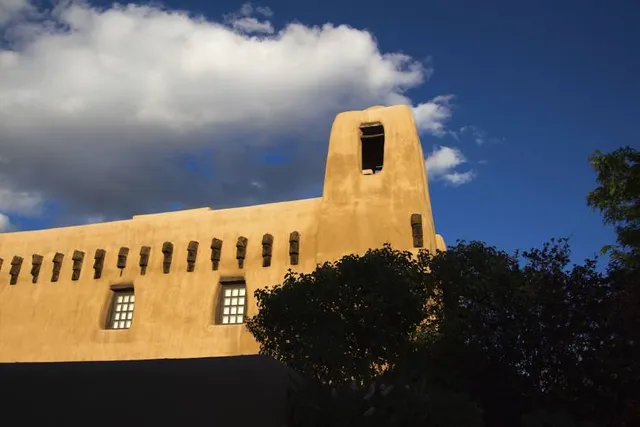
New Mexico Museum of Art
4.6
(312)
Click for details
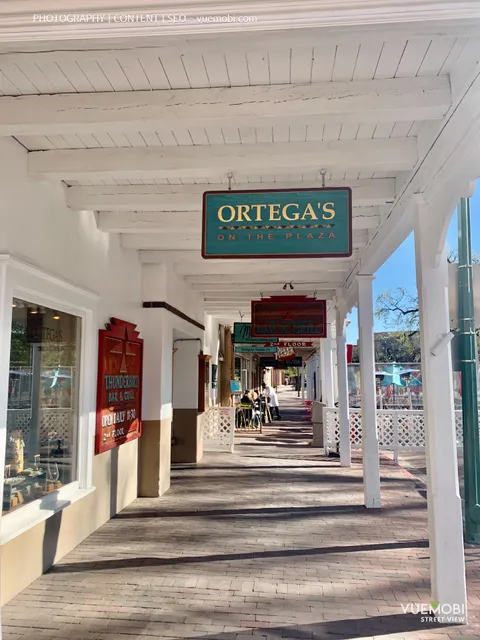
Ortega's On the Plaza
4.1
(736)
Click for details
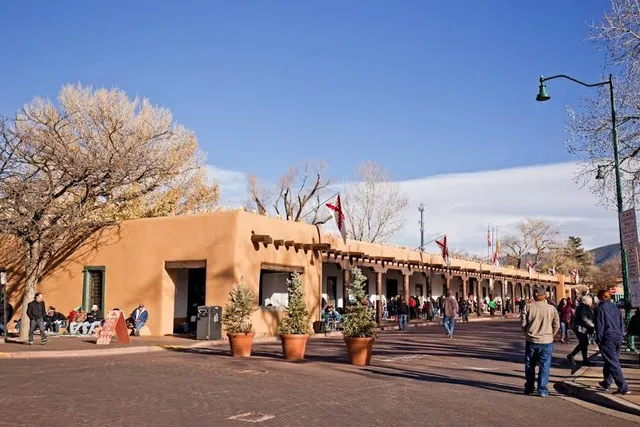
Palace of the Governors
4.4
(64)
Click for details
126-138 W Water St
4.5
(1.3K)
Click for details