Museum of History & Industry (MOHAI) things to do, attractions, restaurants, events info and trip planning
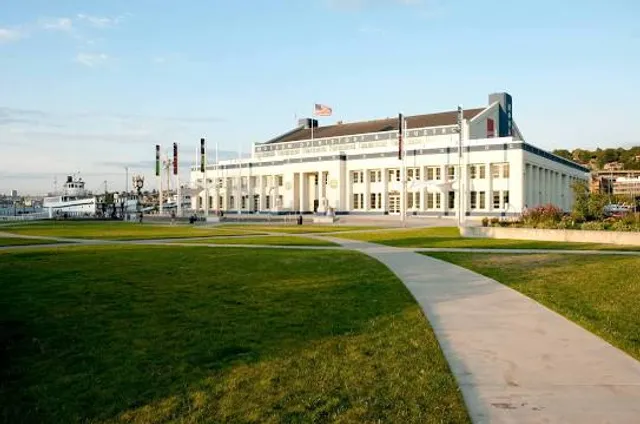
Basic Info
Museum of History & Industry (MOHAI)
860 Terry Ave N, Seattle, WA 98109
4.6(969)
Closed

tickets
Save
spot
spot
Ratings & Description
Info
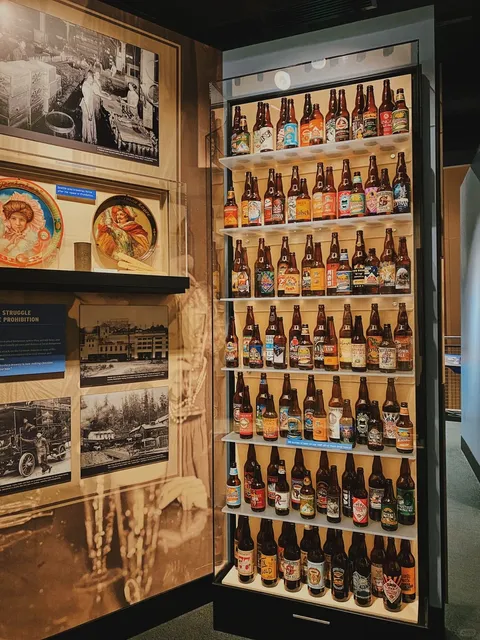
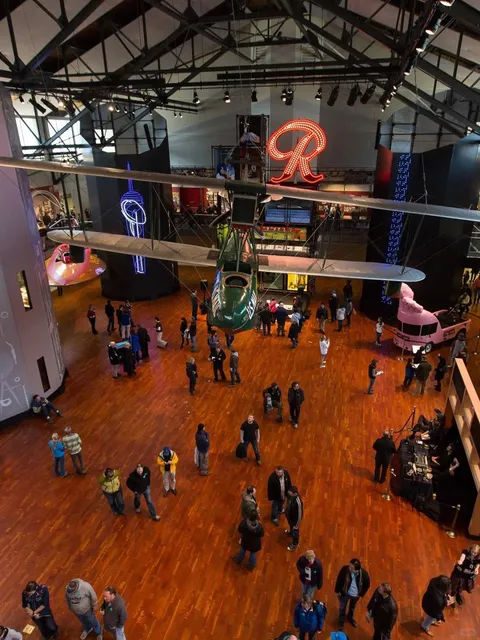
The Museum of History & Industry is a history museum in the South Lake Union neighborhood of Seattle, Washington, United States.
Cultural
Accessibility
Family friendly
attractions: Lake Union Park, The Steamer Virginia V, Northwest Seaport, Sandbox VR, Goose Beach, Ocean Alexander Marina, Northeastern University Seattle, Cascade Playground, Emerald City Music, Bellevue Place, restaurants: Daniel's Broiler, Art Marble 21, Gourmondo at MOHAI, Buca di Beppo Italian Restaurant, Flatstick Pub - South Lake Union, Tapster, Maria Sabina Mexican Restaurant & Bar, 203° Fahrenheit Coffee Company, Tacos Chukis, tanoor Seattle, local businesses: Emerald City Pirates, The Center for Wooden Boats, Seattle Ferry Service, Kenmore Air - Lake Union, Google South Lake Union, Soundview Sunset Cruises, Shop Task - Inline Skate Shop, Pro Fit Training Gym, Seattle Orca Whale Watching, JUXT
 Learn more insights from Wanderboat AI.
Phone
(206) 324-1126
Website
mohai.org
Open hoursSee all hours
Tue10 AM - 5 PMClosed
Plan your stay

Pet-friendly Hotels in Seattle
Find a cozy hotel nearby and make it a full experience.

Affordable Hotels in Seattle
Find a cozy hotel nearby and make it a full experience.

The Coolest Hotels You Haven't Heard Of (Yet)
Find a cozy hotel nearby and make it a full experience.

Trending Stays Worth the Hype in Seattle
Find a cozy hotel nearby and make it a full experience.
Reviews
Live events
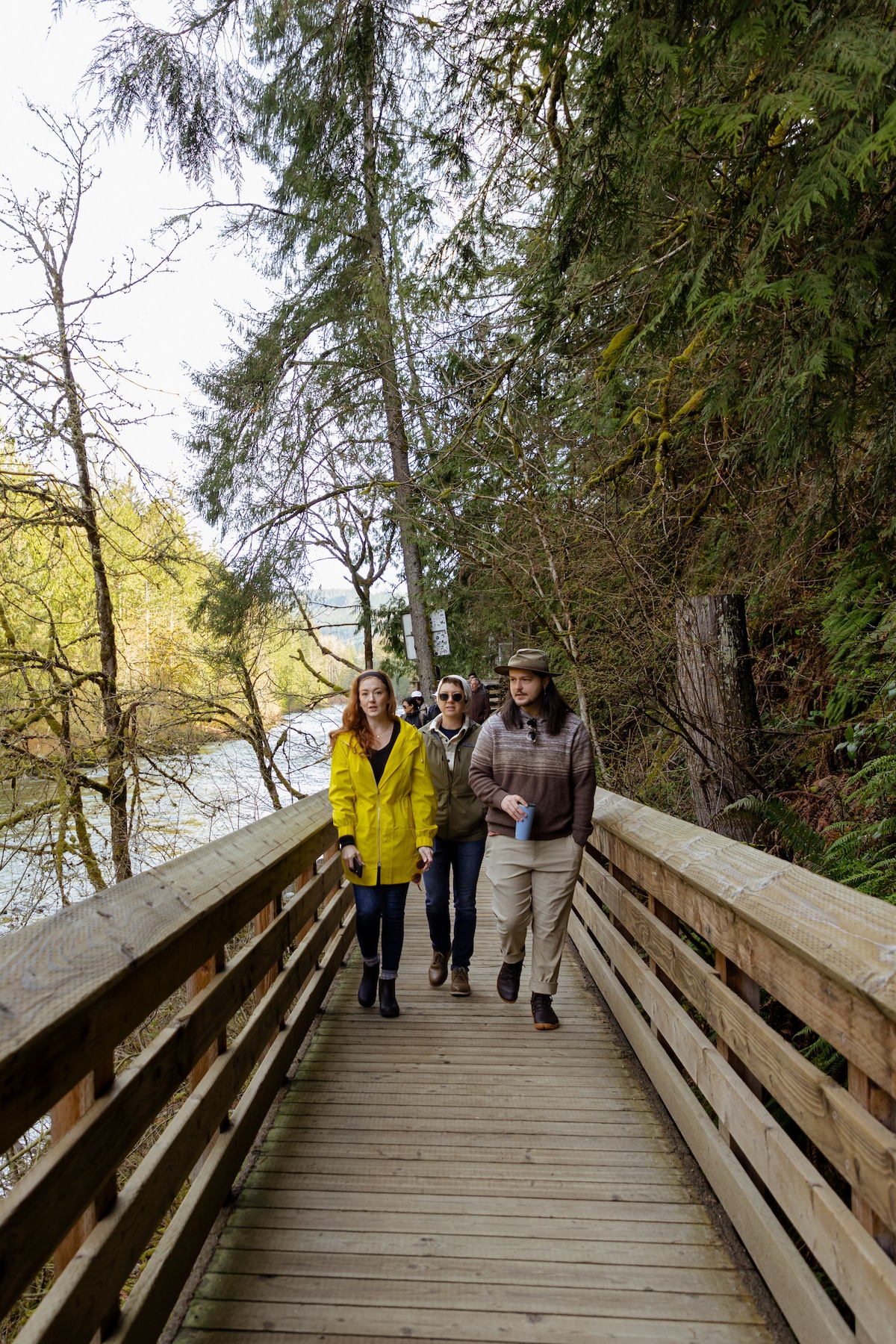
Transport to Snoqualmie & Hike Twin Falls w/ Guide
Tue, Feb 24 • 8:00 AM
Seattle, Washington, 98104, United States
View details
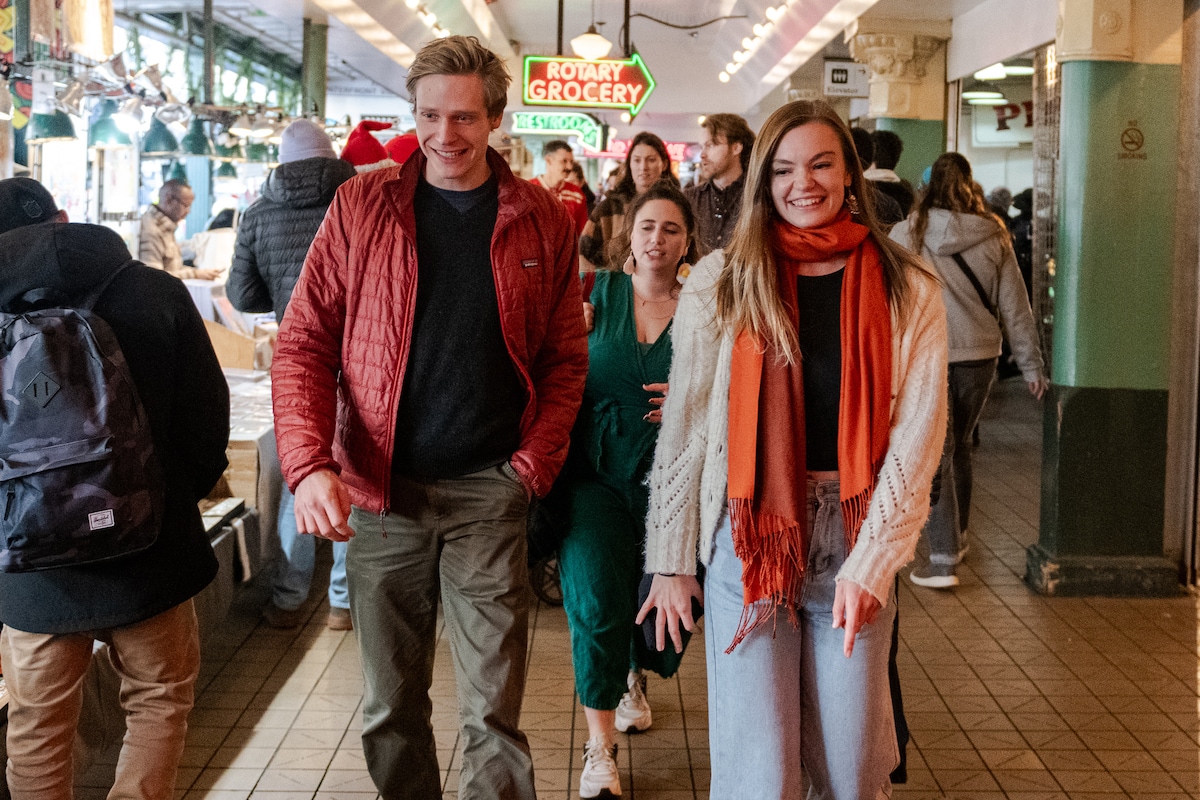
Taste Pike Place Market
Wed, Feb 25 • 2:00 PM
Seattle, Washington, 98101
View details

Mad Scientist Cocktail and Mocktail Lab
Sat, Feb 28 • 6:00 PM
Seattle, Washington, 98122
View details
Nearby attractions of Museum of History & Industry (MOHAI)
Lake Union Park
The Steamer Virginia V
Northwest Seaport
Sandbox VR
Goose Beach
Ocean Alexander Marina
Northeastern University Seattle
Cascade Playground
Emerald City Music
Bellevue Place
Lake Union Park
4.6
(2.3K)
Open until 11:30 PM
Click for details
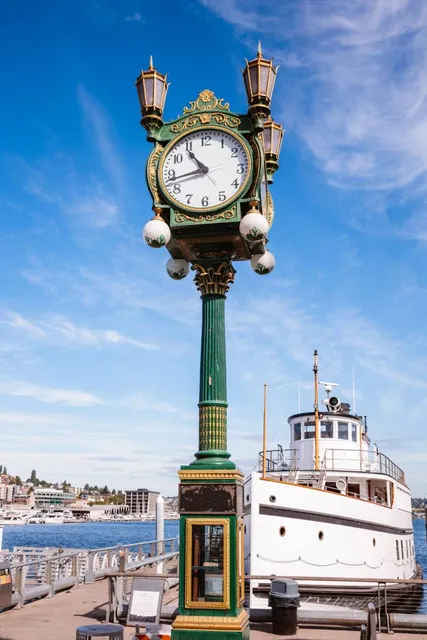
The Steamer Virginia V
4.8
(55)
Open 24 hours
Click for details
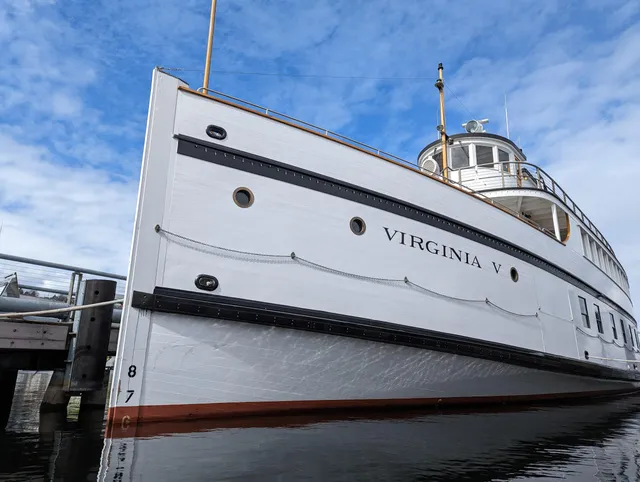
Northwest Seaport
4.8
(10)
Open until 12:00 AM
Click for details

Sandbox VR
4.9
(1.9K)
Closed
Click for details
Nearby restaurants of Museum of History & Industry (MOHAI)
Daniel's Broiler
Art Marble 21
Gourmondo at MOHAI
Buca di Beppo Italian Restaurant
Flatstick Pub - South Lake Union
Tapster
Maria Sabina Mexican Restaurant & Bar
203° Fahrenheit Coffee Company
Tacos Chukis
tanoor Seattle
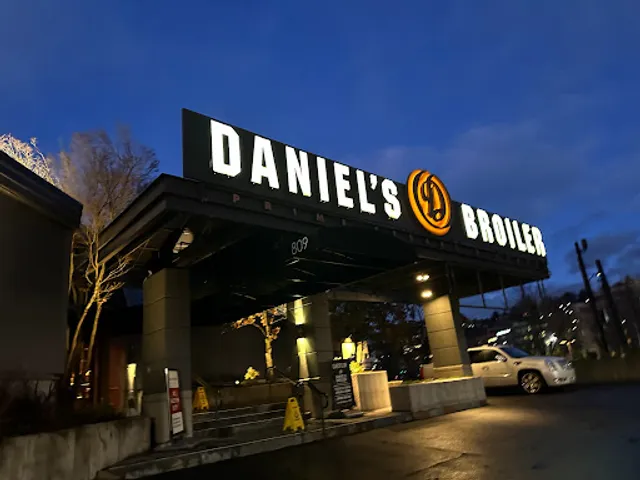
Daniel's Broiler
4.3
(1.0K)
$$$$
Closed
Click for details
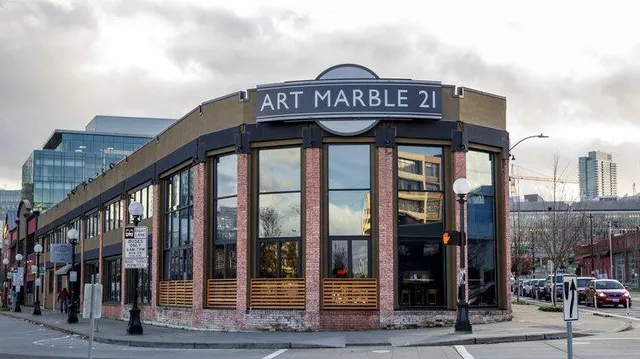
Art Marble 21
4.1
(945)
$$
Closed
Click for details
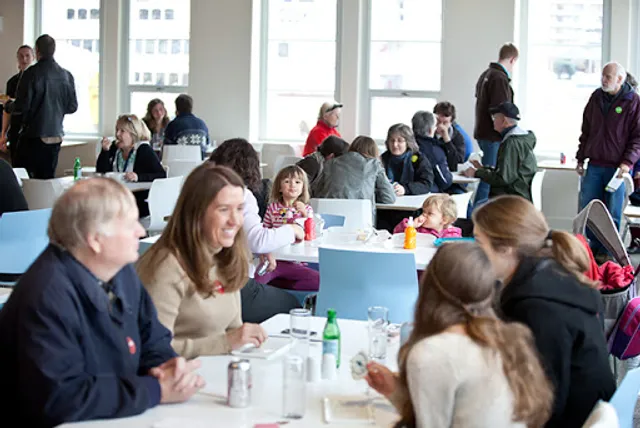
Gourmondo at MOHAI
4.1
(30)
$
Closed
Click for details
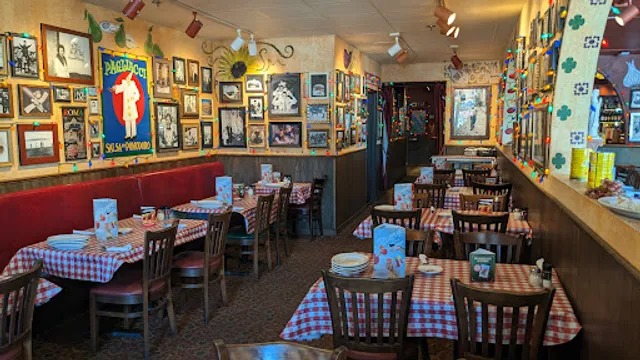
Buca di Beppo Italian Restaurant
4.2
(1.4K)
$$
Closed
Click for details
Nearby local services of Museum of History & Industry (MOHAI)
Emerald City Pirates
The Center for Wooden Boats
Seattle Ferry Service
Kenmore Air - Lake Union
Google South Lake Union
Soundview Sunset Cruises
Shop Task - Inline Skate Shop
Pro Fit Training Gym
Seattle Orca Whale Watching
JUXT
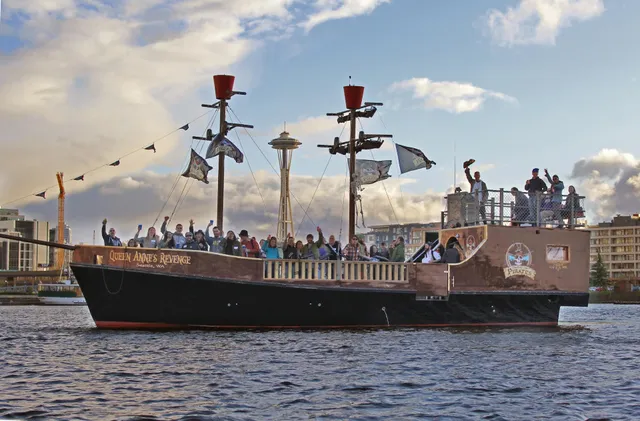
Emerald City Pirates
4.8
(67)
Click for details
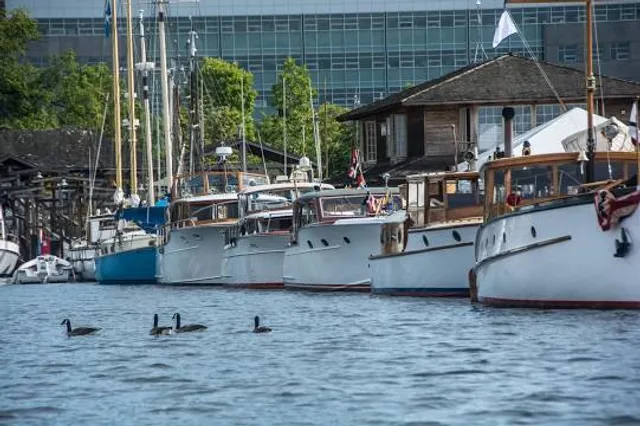
The Center for Wooden Boats
4.7
(241)
Click for details
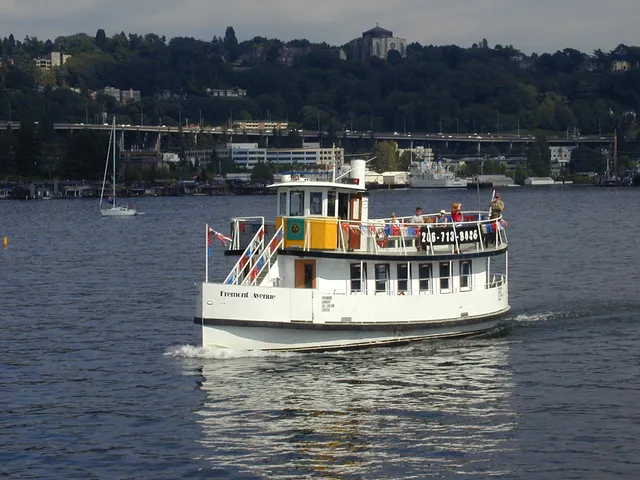
Seattle Ferry Service
4.2
(29)
Click for details
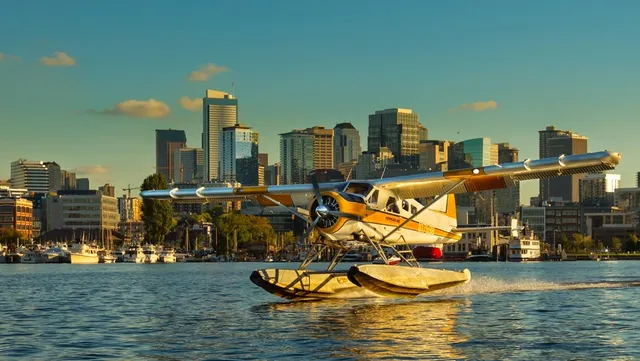
Kenmore Air - Lake Union
4.6
(215)
Click for details