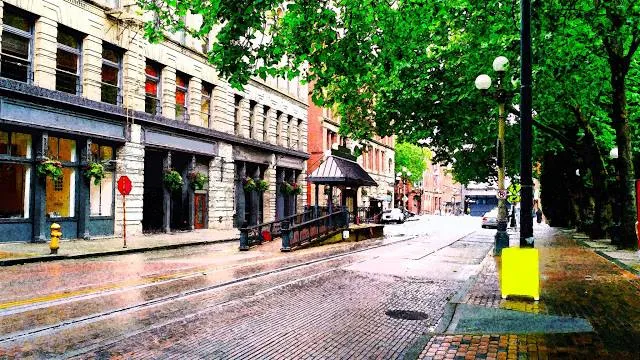
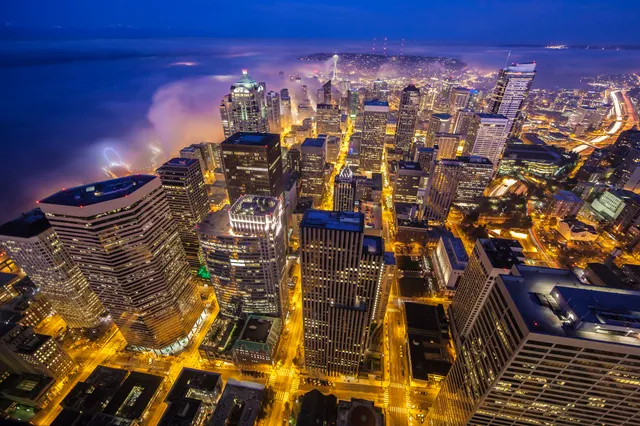
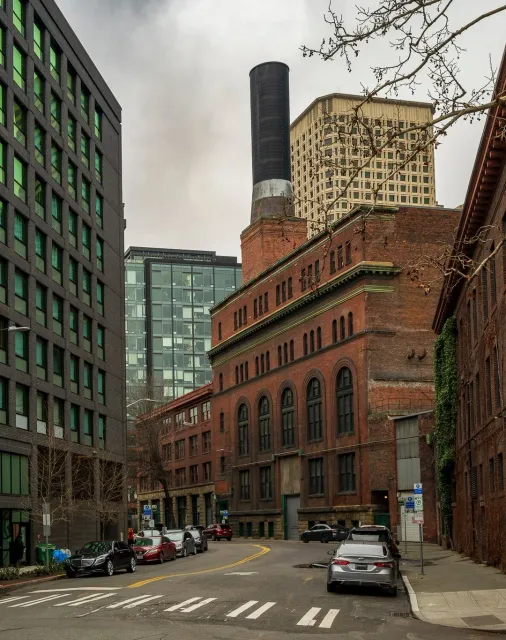
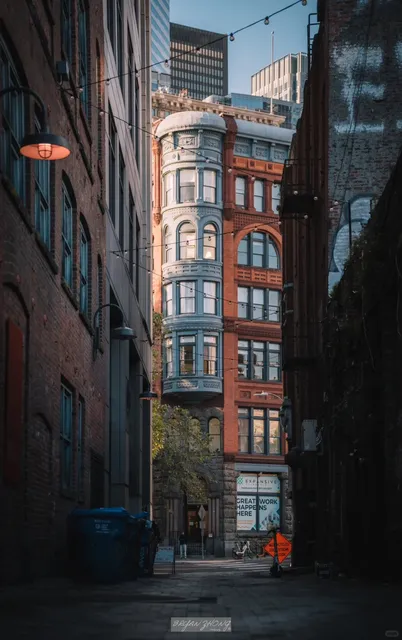
Pioneer Square is Seattle’s oldest neighborhood and a vibrant cultural and historical hub. Known for its rich history, distinctive architecture, and lively atmosphere, Pioneer Square offers a unique blend of past and present. This neighborhood is characterized by its beautiful Romanesque Revival buildings, charming cobblestone streets, and a variety of attractions that draw both locals and tourists.
Historical Significance: Pioneer Square is where Seattle's modern history began. Established in 1852, it was the city's original downtown area. The neighborhood played a crucial role during the Klondike Gold Rush of the late 1890s, serving as a gateway for prospectors heading to Alaska. Many of the historic buildings in Pioneer Square were constructed after the Great Seattle Fire of 1889, which destroyed much of the original wooden city. The area was rebuilt with brick and stone, leading to the distinctive architecture that defines the neighborhood today.
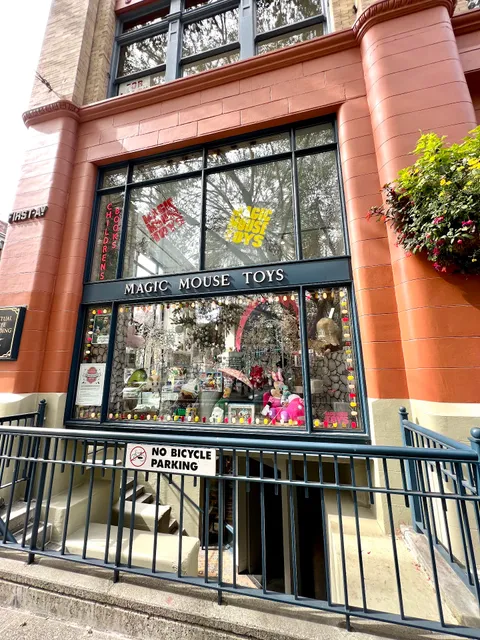
Architecture and Design: Pioneer Square is renowned for its well-preserved Romanesque Revival architecture. The buildings feature intricate brickwork, arched windows, and ornate facades. Notable structures include the Pioneer Building, the Smith Tower, and the iconic Pioneer Square Pergola. The architectural charm of the neighborhood is complemented by tree-lined streets and vintage lampposts, creating a picturesque urban landscape.
Cultural and Artistic Hub: Pioneer Square is a thriving cultural and artistic center. The neighborhood is home to numerous art galleries, studios, and exhibition spaces, showcasing works by both established and emerging artists. The First Thursday Art Walk, held on the first Thursday of every month, is a popular event that allows visitors to explore the local art scene and enjoy gallery receptions and special exhibits. Public art installations, sculptures, and murals are also scattered throughout the neighborhood, adding to its creative vibe.
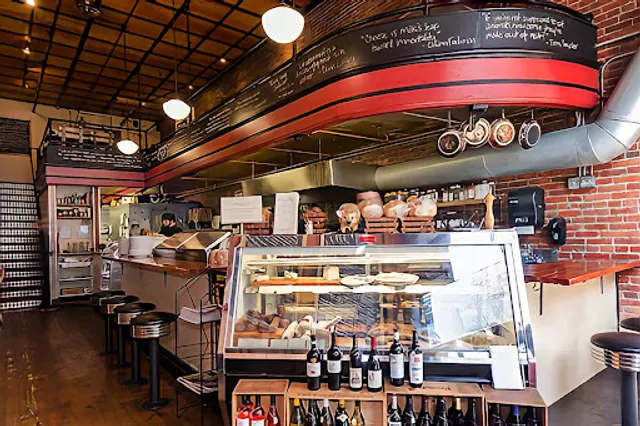
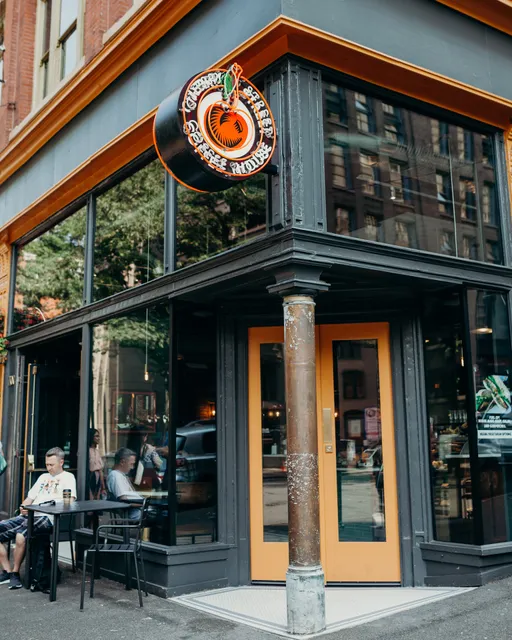
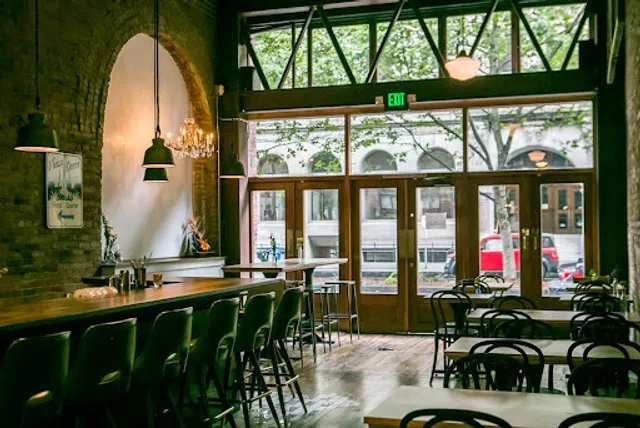
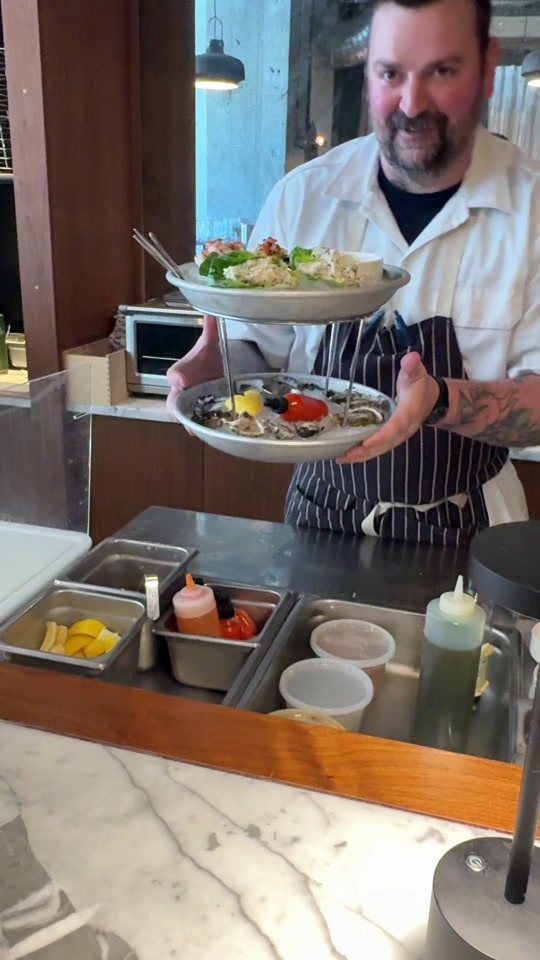
Dining and Nightlife: Pioneer Square offers a diverse array of dining options, ranging from cozy cafes and casual eateries to upscale restaurants and trendy bars. The neighborhood is known for its vibrant nightlife, with a variety of bars, pubs, and live music venues that cater to different tastes. Whether you’re looking for a quiet spot to enjoy a coffee or a lively place to experience Seattle’s nightlife, Pioneer Square has something to offer.
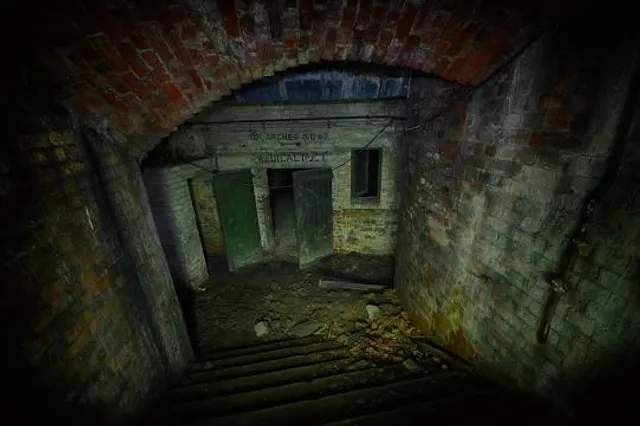
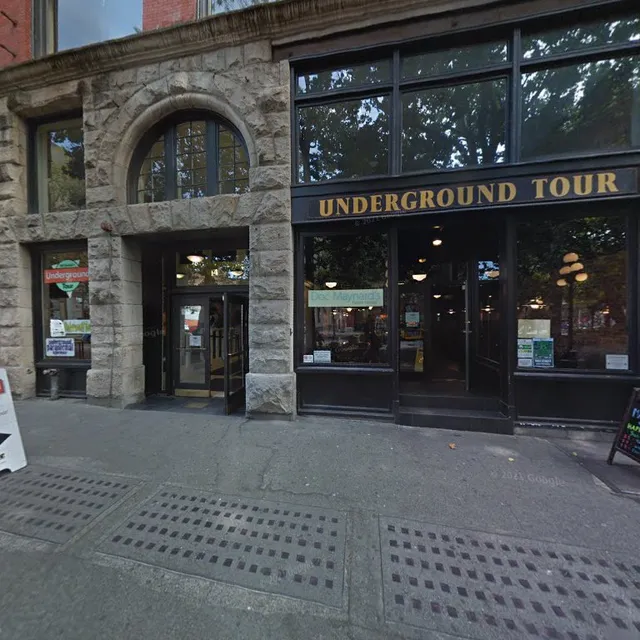
Tourist Attractions: The neighborhood is home to several notable tourist attractions. The Klondike Gold Rush National Historical Park offers exhibits and interactive displays that tell the story of Seattle’s role in the gold rush era. The Underground Tour is another must-see attraction, taking visitors through the subterranean passages beneath the streets of Pioneer Square and providing a fascinating glimpse into the city's past. The Smith Tower, once the tallest building west of the Mississippi River, offers an observation deck with panoramic views of Seattle.
Proximity and Accessibility: Located just south of downtown Seattle, Pioneer Square is easily accessible by public transportation, including buses, light rail, and ferries. The neighborhood’s central location makes it a convenient starting point for exploring other parts...
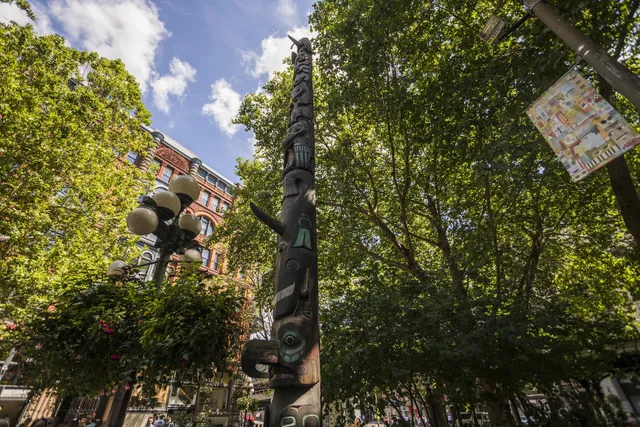
Read moreDer Pioneer Square war vor einem Jahrhundert noch der zentrale Platz in Seattle. Mit dem Wachstum der Stadt hat sich dies verschoben, doch die historische Erscheinung ist noch recht gut in den Backsteingebäuden erkennbar. Die heutige Atmosphäre wird durch kulinarisch trendige Lokale und Einkaufsgeschäften bestimmt, die zahlreichen Bäume zaubern ein romantisch wirkendes Licht, wenn man bei Sonnenschein hier flaniert. Was mich besonders fasziniert, ist jedoch ein Zeichen der amerikanischen Ureinwohner, das hier platziert ist. Es handelt sich um einen interessant anzublickenden, reich verzierten Totempfahl. Entgegen den frühen Annahmen von Missionaren, die in einem Totempfahl ein heidnisches Symbol zu erkennen glaubten, handelt es sich bei diesen Objekten nicht um religiöse Kultinstrumente oder Götterdarstellungen. Ebensowenig um Marterpfähle, wie fantasiebegabte Autoren die "Westerngeschichten" ohne jegliches kulturelles oder historisches Verständnis verfassten. Der Totempfahl hatte bei den indianischen Ureinwohnern Nordamerikas einzig eine höchst profane Bedeutung. Sie wiesen auf die Stellung einer Familie (Clan) hin, weshalb es in Indianerdörfern auch meist mehr als ein Totem gab. Dem Totempfahl, welcher im Jahr 1899 in Seattle errichtet wurde, liegt jedoch eine nachdenklich stimmende Geschichte zugrunde. Er wurde von einer Delegation von Geschäftsleuten, die mit dem Dampfschiff "City of Seattle" unterwegs war um Geschäftsmöglichkeiten zwischen Alaska und Seattle zu prüfen, bei einem Halt in Fort Tongass auf Tongass Island, aus einem Dorf der Tlingit-Indianer gestohlen. Der juristische Rechtsanspruch welcher ein Familienmitglied des Raben-Clan einlegte, blieb erfolglos, da, wie sich Jahrzehnte später herausstellte, ein Richter durch die honoren Geschäftsleute in Seattle bestochen worden war. Ein schaler Geschmack erzeugt dies heute noch. Das besondere an diesem Totempfahl des Raben-Clan ist, dass die Geschichten, welcher er in seinen Darstellungen, die mehr als nur Verzierungen sind, erzählt, bekannt sind. Meist ist dies nicht der Fall. Der abgehandelte Totempfahl war um 1870 zu Ehren der Mutter von Mary Ebbets Hunt errichtet worden. Über ihren Sohn Georg Hunt ist die mit dem Totempfahl verbundene Geschichte überliefert. Das obere Ende des Pfahl ziert ein Rabe, der den Mond im Schnabel trägt. Die Figur symbolisiert die Geschichte, nach der der Rabe die Sonne, den Mond und die Sterne von einem reichen Mann stahl, der sie in einer Kiste versteckt hielt. Unterhalb des Raben ist eine Frau mit einem Frosch dargestellt. Die beiden repräsentieren die Geschichte einer Frau aus dem Raben-Clan, die einen Frosch neckte und daraufhin vom Frosch zu seinem Dorf getragen wurde. Er heiratete sie und sie bekam zwei Froschkinder. Sie entkam ihrem Schicksal, indem sie ihre zwei Kinder zu ihrem Vater sandte, um einen Knochen zum durchbohren von Haut zu holen. Ihre Söhne überredeten jedoch deren Vater, einen Damm zu durchbrechen, damit der See in dem das Froschdorf lag, auslief. Alle Frösche bis auf die zwei Froschkinder starben. Die Figuren am unteren Ende des Totempfahls beziehen sich auf andere Geschichten des Raben-Clans, die nicht weniger eigenartig sind. 1938 setzte ein Brandstifter den am Pioneer Square stehenden Totempfahl in Brand, der dadurch irreparablen Schaden nahm. Die Stadtbehörden liessen den geschändeten Totempfahl nach Ketchikan (Alaska) bringen, da dort entsprechende Fachleute vorhanden waren, die eine Kopie des Pfahls anfertigten. Im Verlauf des 19. Jahrhunderts war es auch unter indigenen Völkern der Nordwestküste Nordamerikas üblich geworden, Totempfähle zu reproduzieren. Seit Juli 1940 steht seitdem eine originalgetreue Kopie des Totempfahls am Pioneer Square, die vom Aussehen her den gleichen Wert darstellt. Es ist ein seltsames und zugleich schönes Objekt, dass künstlerisch und ästhetisch gestaltet hier...
Read moreWent here as a stop on 2 walking tours that I went on on 1/16/2017 and stopped by again on 9/19/2021. It's a very small plaza with a single totem pole from Alaska. There's not much else here, except for a gigantic homeless camp, so definitely don't go out of your way to visit this place.
So the original totem pole was stolen from Alaska by the Seattle Chamber of Commerce. The tribe sued them in court and won, but didn't receive their pole back or any financial compensation. Then in the 1930's, someone burned down the totem pole and the Chamber of Commerce had the audacity to send the ashes back per their lawsuit. Then, they asked for a replacement from the tribe they stole the first one from. I've worked with some brash fools before, but that request takes the cake. The tribe agreed on the condition that they get financial compensation and that's how the totem pole in Pioneer Square came to be.
Be super careful because the cobblestone plaza is incredibly dangerous if you wear healed boots or high heels. Thanks to tree roots, it's incredibly uneven as it looks like they've never resurfaced the area to make it safer to walk.
At sundown the plaza is filled with homeless people that are yelling and smoking, so it's best to be out...
Read more