Saccharomyces Beer Cafe things to do, attractions, restaurants, events info and trip planning
Basic Info
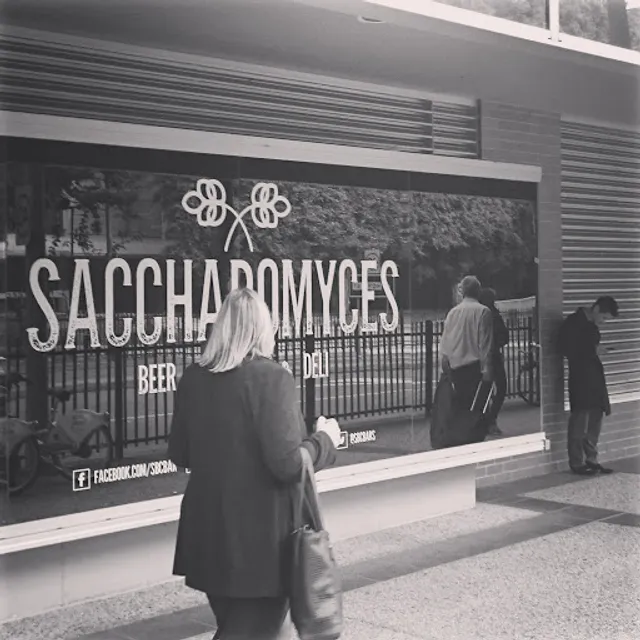
Saccharomyces Beer Cafe
Fish Ln, South Brisbane QLD 4101, Australia
4.5(689)
Closed
Save
spot
spot
Ratings & Description
Info
Unfussy outpost serving an array of beers alongside hearty burgers, sandwiches & pub fare.
attractions: Queensland Museum Kurilpa, Cultural Centre, Brisbane Convention & Exhibition Centre, Fish Lane, Town Square, South Brisbane, The Wheel of Brisbane, Lyric Theatre, Queensland Art Gallery, Brisbane Sign, South Bank Parklands, State Library of Queensland, restaurants: Chu The Phat, Gelato Messina South Brisbane, Pig 'N' Whistle West End, Julius Pizzeria, Southside Restaurant, Yababa, Clarence Restaurant, El Planta, Hello Please, La Lune Wine Co, local businesses: Mystic Escape, Pilgrim Hot Yoga | South Brisbane, SparkLab, 9 Edmondstone St, Queensland Theatre Company, South Bank Cultural Forecourt, QAGOMA Store, West Village Shopping Precinct, Victoria Bridge, ABC Brisbane Centre
 Learn more insights from Wanderboat AI.
Phone
+61 403 000 140
Website
saccharomyces.com.au
Open hoursSee all hours
Mon3 - 10 PMClosed
Plan your stay

Pet-friendly Hotels in Brisbane City
Find a cozy hotel nearby and make it a full experience.

Affordable Hotels in Brisbane City
Find a cozy hotel nearby and make it a full experience.

The Coolest Hotels You Haven't Heard Of (Yet)
Find a cozy hotel nearby and make it a full experience.

Trending Stays Worth the Hype in Brisbane City
Find a cozy hotel nearby and make it a full experience.
Featured dishes
View full menu
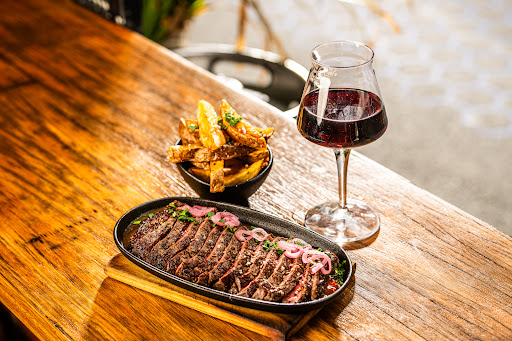
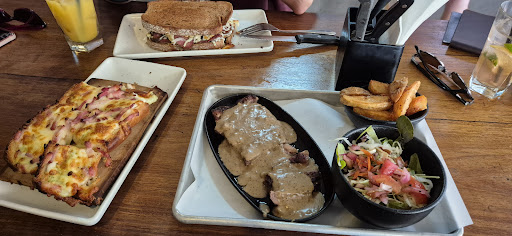
Beef Steak-Frites
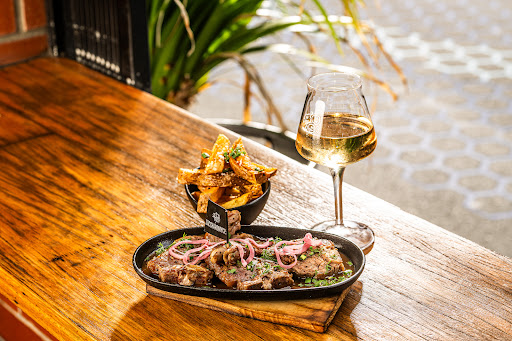
Lamb Chops
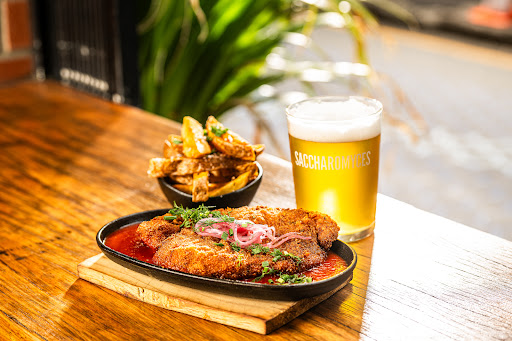
Chicken Schnitzel
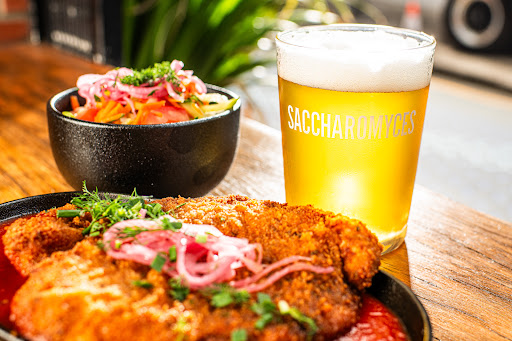
Pork Cutlet Schnitzel
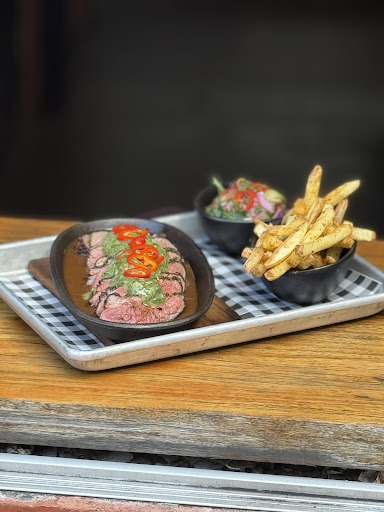
Beef Petite Shoulder Tender
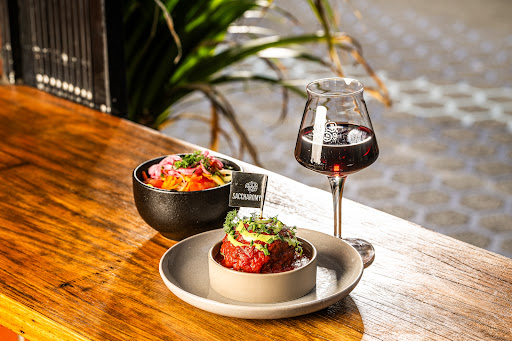
BOULET AND SIDE
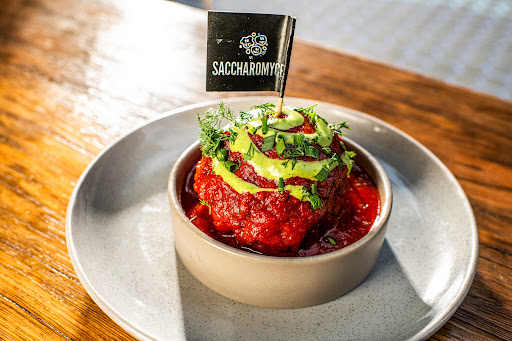
DOUBLE BOULET
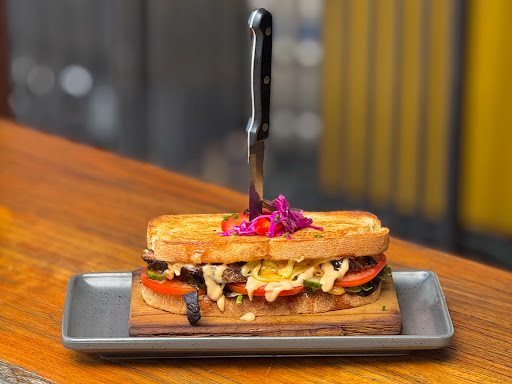
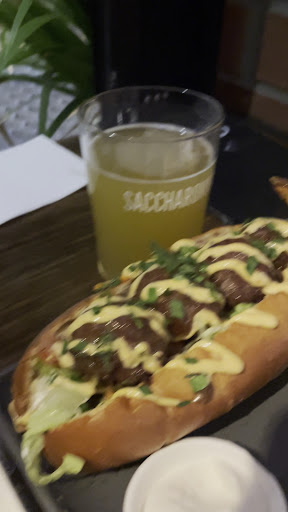
Meatball (Belgian Boulet)
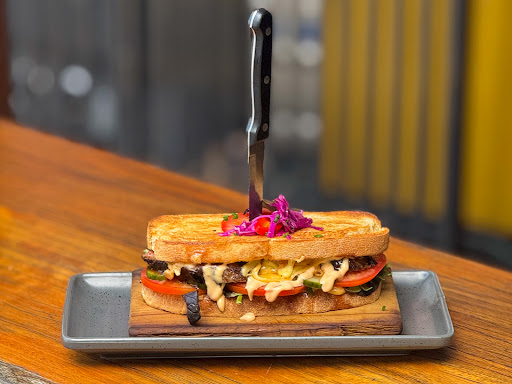
Vegan Ball
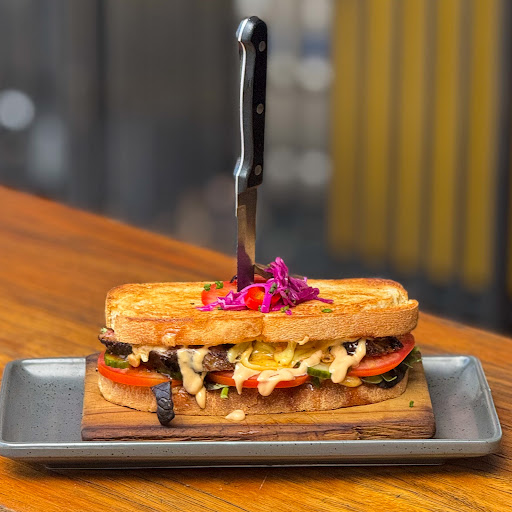
Fried Chicken Sandwich
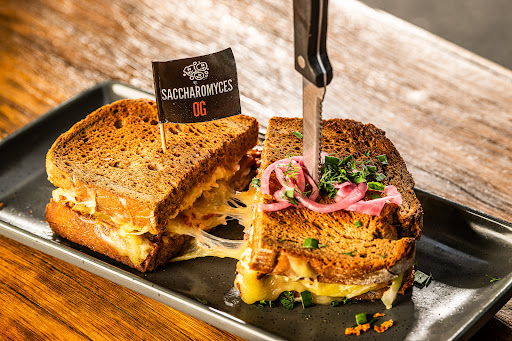
Sorta Reuben
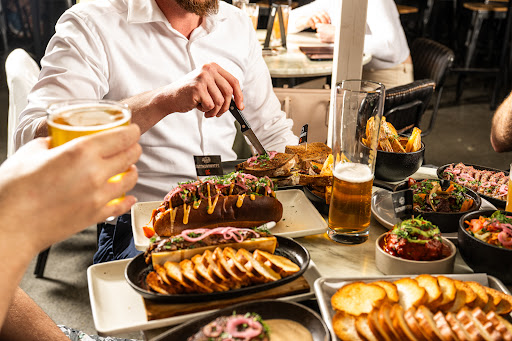
Snack Platter
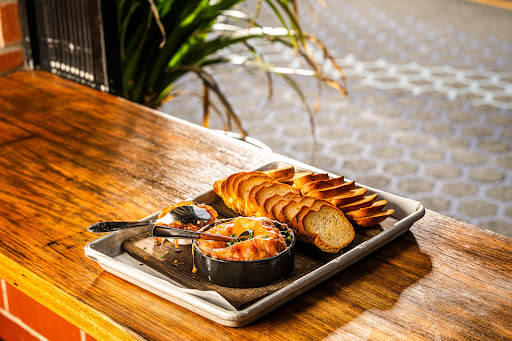
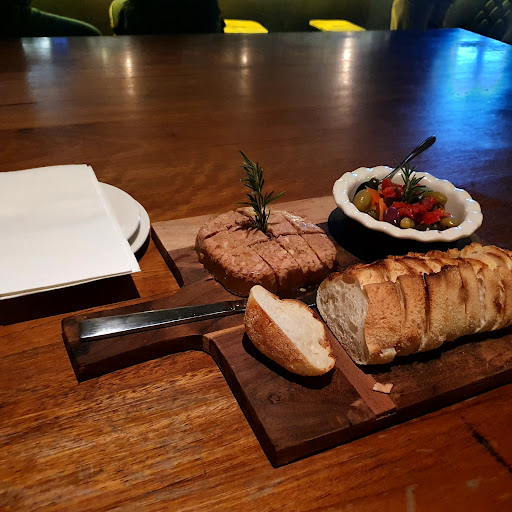
Baked Brie
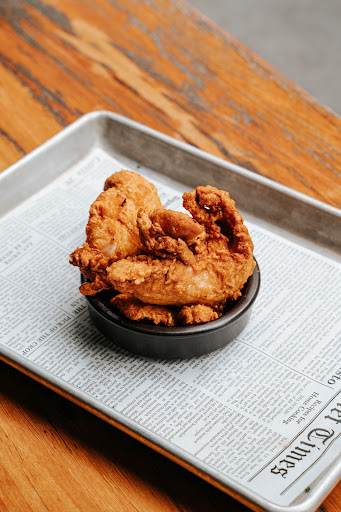
Fried Chicken Bites
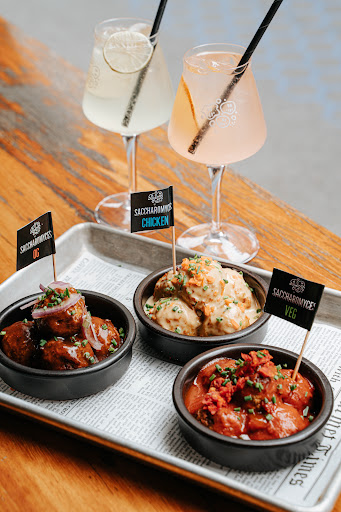
BELGIAN BOULETTES (MINI MEATBALLS)
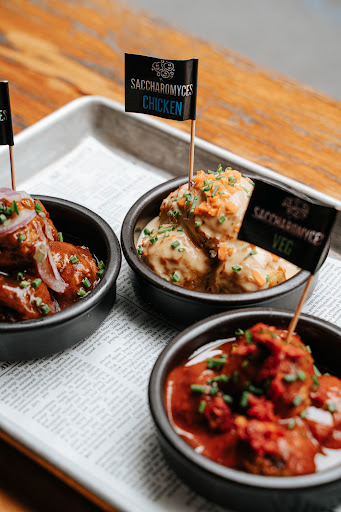
VEGAN BOULETTES (MINI MEATBALLS)
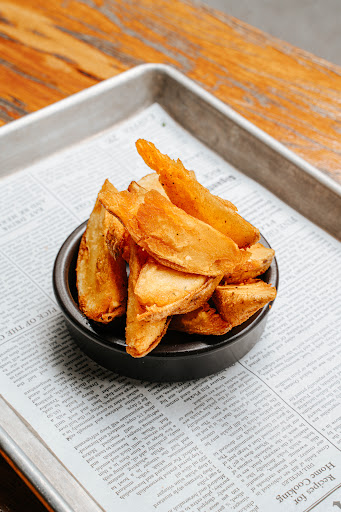
House Made Frites
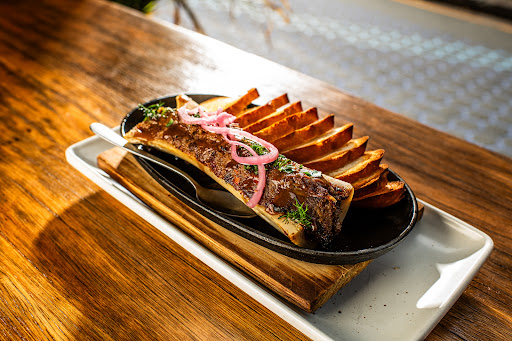
Bone Marrow & Brisket Rillettes
Reviews
Live events
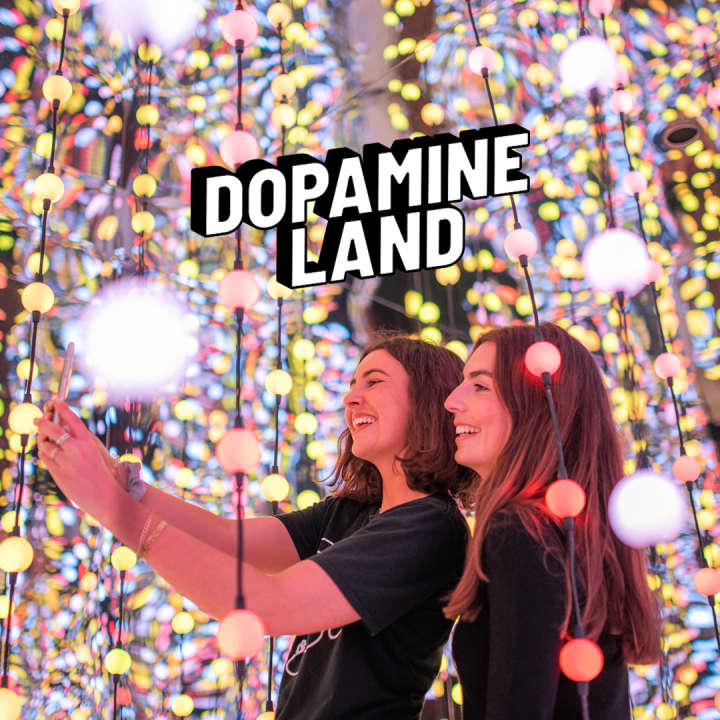
Dopamine Land: A Multisensory Experience
Wed, Feb 11 • 11:00 AM
91 Queen Street, Brisbane City, 4000
View details
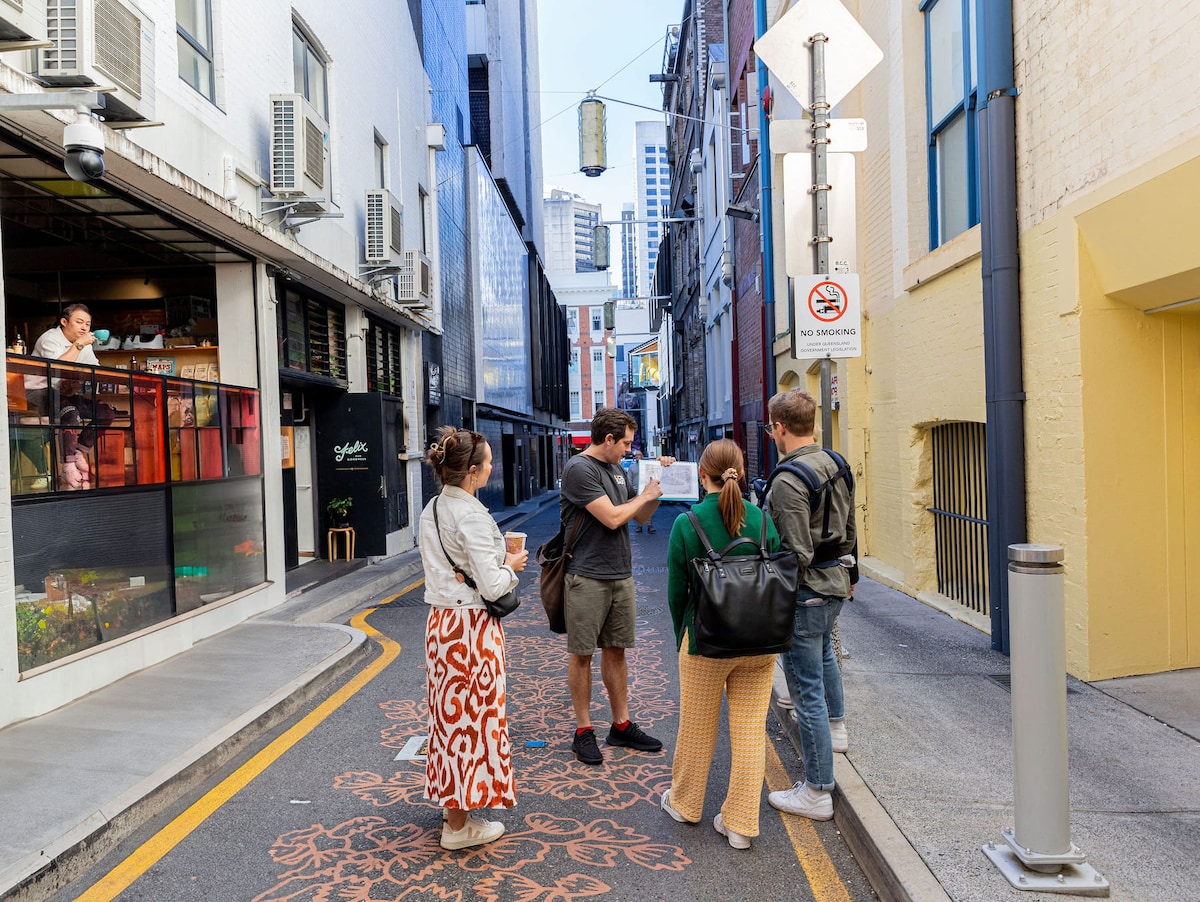
Ultimate Brisbane Walking Tour
Mon, Feb 9 • 11:00 AM
Brisbane City, Queensland, 4000, Australia
View details
Prison Island Brisbane
Tue, Feb 10 • 3:00 PM
162 Alfred St Fortitude Valley QLD 4006, Australia, 4006
View details
Nearby attractions of Saccharomyces Beer Cafe
Queensland Museum Kurilpa
Cultural Centre
Brisbane Convention & Exhibition Centre
Fish Lane, Town Square, South Brisbane
The Wheel of Brisbane
Lyric Theatre
Queensland Art Gallery
Brisbane Sign
South Bank Parklands
State Library of Queensland
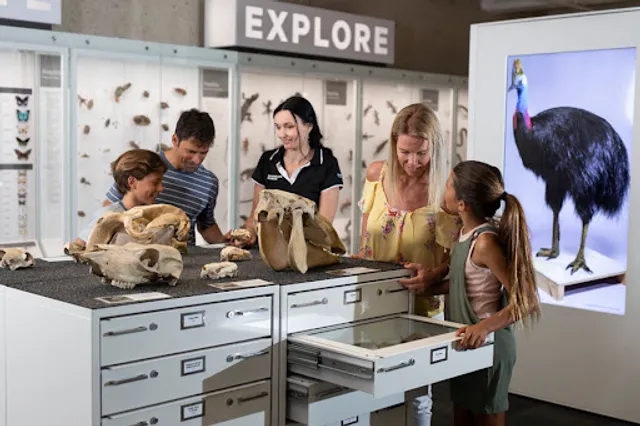
Queensland Museum Kurilpa
4.6
(4K)
Closed
Click for details
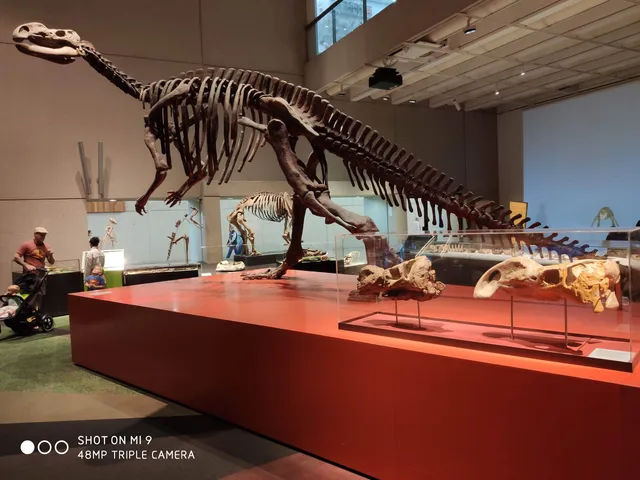
Cultural Centre
4.7
(4K)
Open until 12:00 AM
Click for details
Brisbane Convention & Exhibition Centre
4.5
(2.9K)
Open until 12:00 AM
Click for details
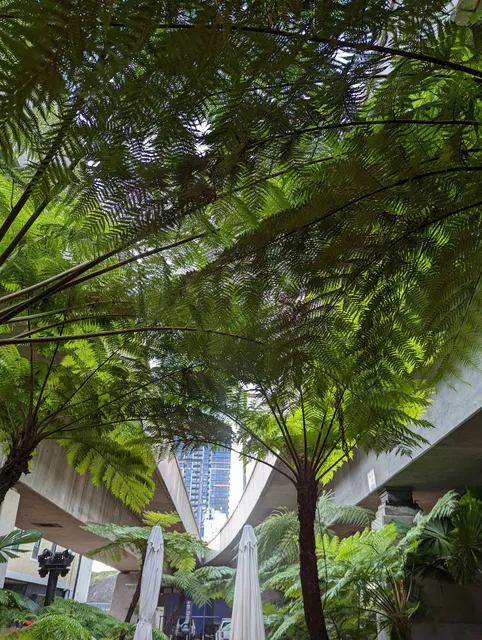
Fish Lane, Town Square, South Brisbane
4.9
(74)
Open 24 hours
Click for details
Nearby restaurants of Saccharomyces Beer Cafe
Chu The Phat
Gelato Messina South Brisbane
Pig 'N' Whistle West End
Julius Pizzeria
Southside Restaurant
Yababa
Clarence Restaurant
El Planta
Hello Please
La Lune Wine Co
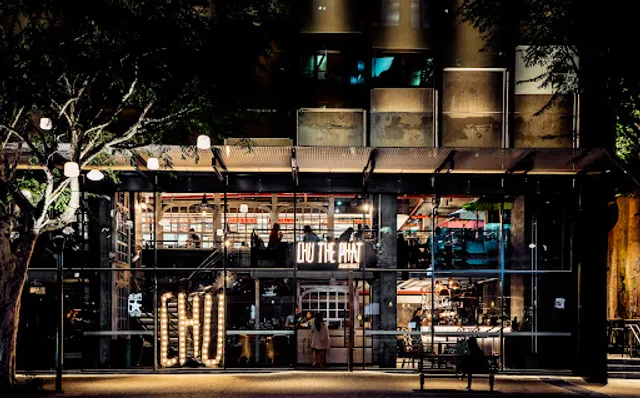
Chu The Phat
4.5
(1.5K)
Closed
Click for details
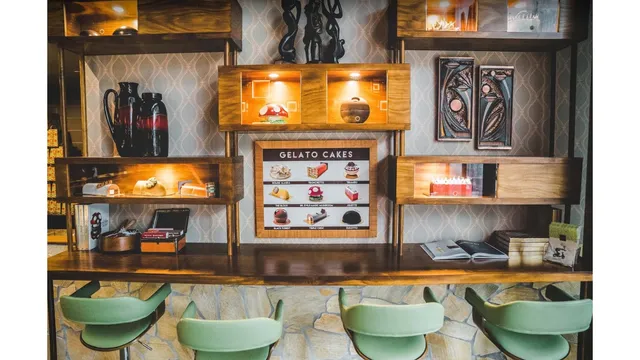
Gelato Messina South Brisbane
4.7
(1.4K)
$$
Closed
Click for details
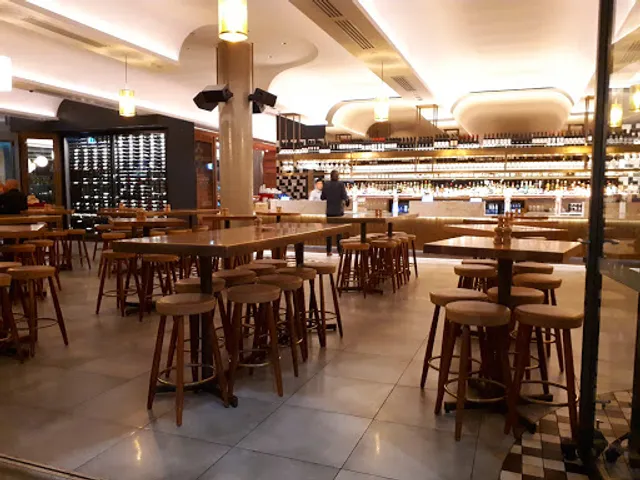
Pig 'N' Whistle West End
3.9
(1.2K)
Closed
Click for details
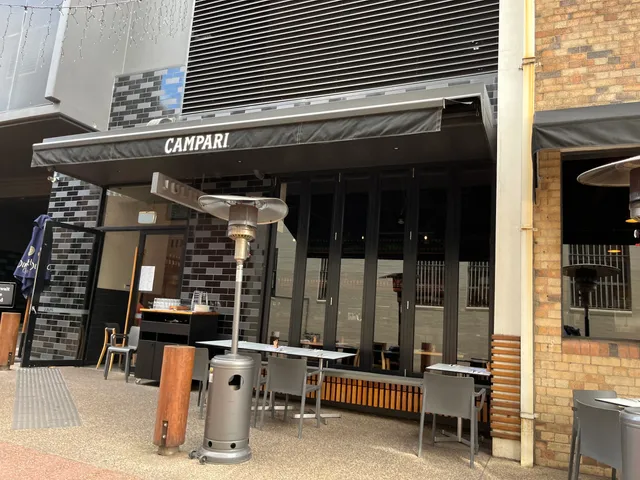
Julius Pizzeria
4.6
(1.8K)
Open until 12:00 AM
Click for details
Nearby local services of Saccharomyces Beer Cafe
Mystic Escape
Pilgrim Hot Yoga | South Brisbane
SparkLab
9 Edmondstone St
Queensland Theatre Company
South Bank Cultural Forecourt
QAGOMA Store
West Village Shopping Precinct
Victoria Bridge
ABC Brisbane Centre
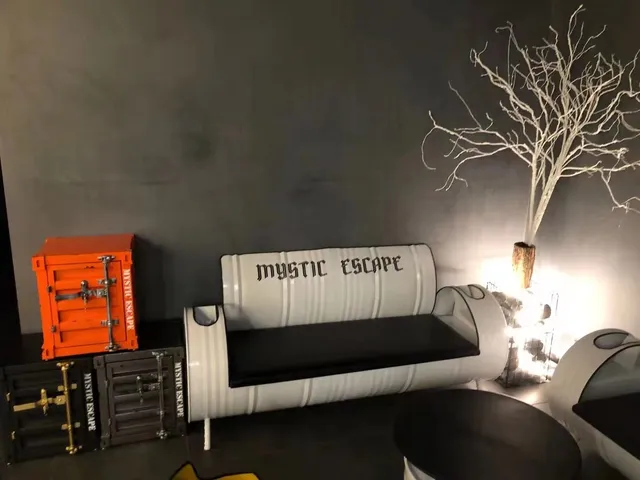
Mystic Escape
4.9
(134)
Click for details
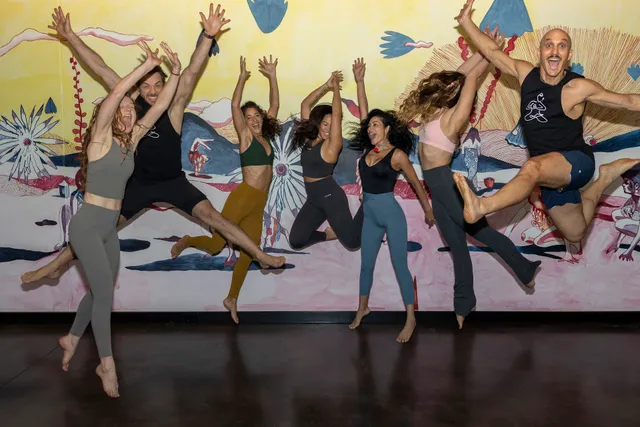
Pilgrim Hot Yoga | South Brisbane
4.9
(103)
Click for details
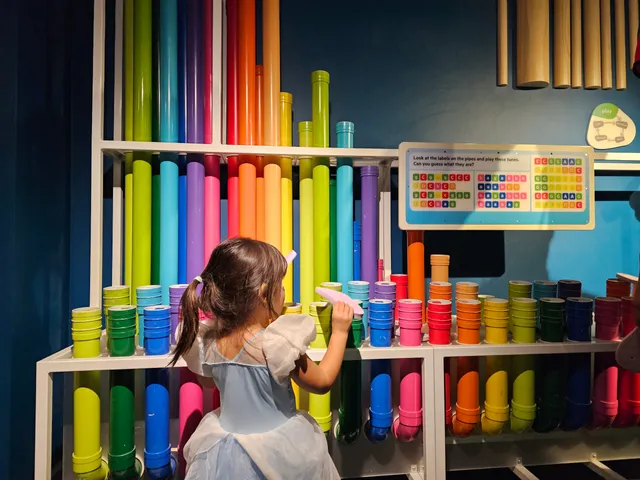
SparkLab
4.5
(358)
Click for details

9 Edmondstone St
4.1
(326)
Click for details