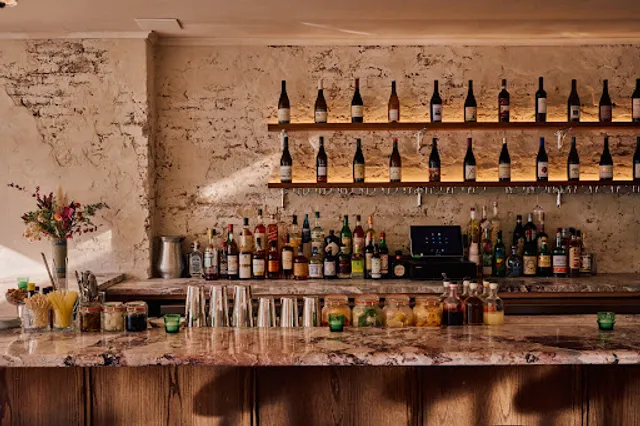
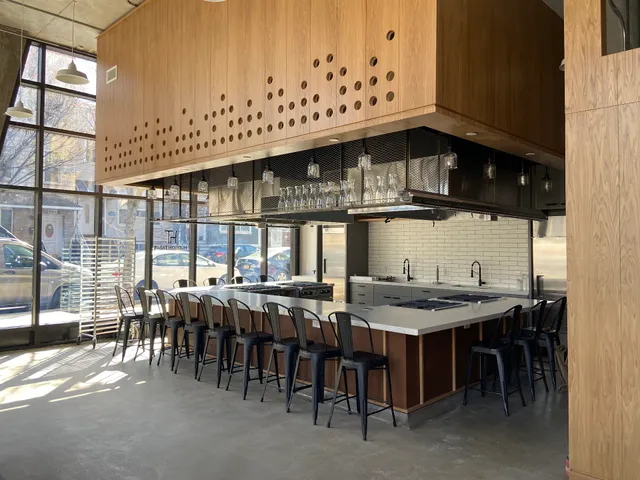
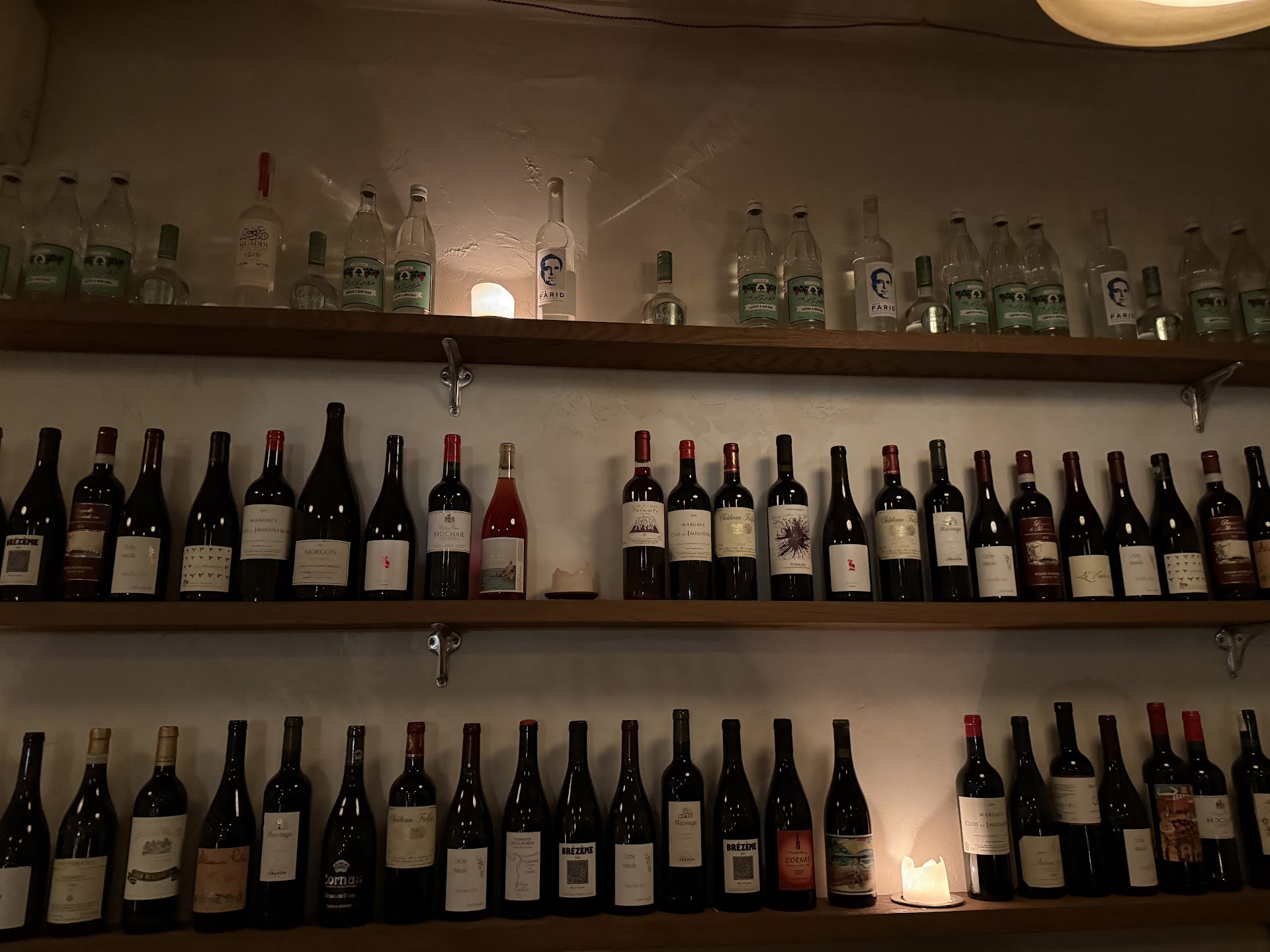
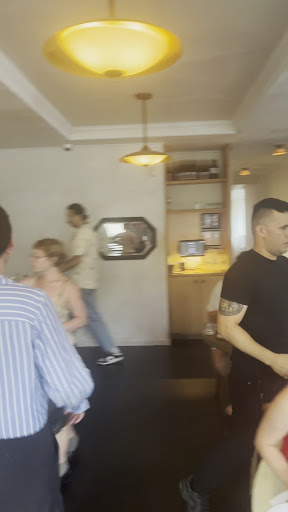
A quaint neighborhood spot that serves the most delicious middle eastern food. The inside is dimly lit, with flickering candles on each table. A sleek bar is in the center of the main dining room with candles on the shelves with wine, and spirits and liqueur and the counter, it is very inviting and makes you want to sit down for a drink. There’s also a back room for larger parties.
The menu is a beautifully curated fusion of Middle Eastern and Mediterranean flavors with a contemporary twist. The dishes are vibrant and feature a mix of traditional ingredients like labne, harissa, and sumac, elevated with modern techniques and unexpected pairings. The culinary experience was amazing and makes this restaurant a must-try!
Starters & Small Plates • Pita • Smashed Cucumbers: A refreshing and smoky starter with creamy labne and aromatic chamomile. • Batata Harra: A bold dish of crispy shredded potatoes enhanced by spicy harissa and tangy labne.
Vegetarian Highlights • Charred Eggplant: Smoky and earthy, complemented by garlicky toum and aromatic nigella seeds. • Carrot Salad: A sweet and savory combination of zucchini, golden raisins, and honey-sumac dressing. • Freekah: A hearty grain dish with layers of nuttiness and crunch from pistachios and pecorino. • Charred Malfouf: A standout, featuring caramelized cabbage glazed in harissa and paired with the creamy nuttiness of ajo blanco.
Seafood Delicacies • Crudo: A refreshing plate of fluke with an aguachile kick and the sweetness of gold rush apples. • Kalamari Mishwi: Grilled calamari atop creamy hummus and a tangy olive vinaigrette. • Samak Bil Warak: An elegant branzino dish wrapped in grape leaves, elevated by a rich béarnaise sauce.
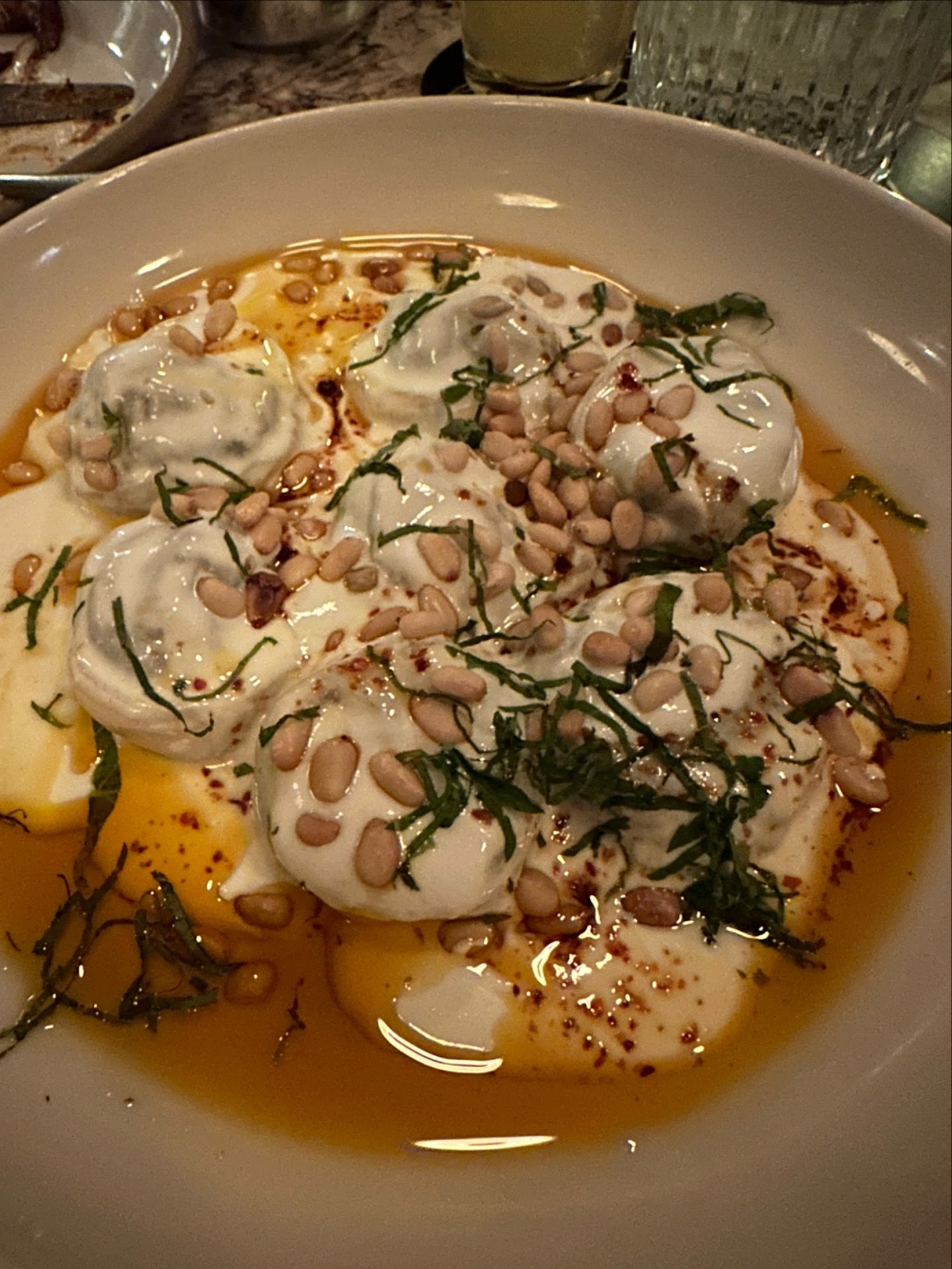
Meat Specialties • Kibbe: A classic Syrian meatball dish with sweet-tart pomegranate and pine nuts. • Shish Barak: Decadent beef-stuffed tortellini in a tangy yogurt sauce with a hint of spice from harissa oil. • Kebab Karaz: Tender lamb meatballs paired with sour cherries for a rich, sweet-savory profile. • Msakhan: A luxurious take on duck confit, with sumac and tahini lending depth to the traditional taboon bread.
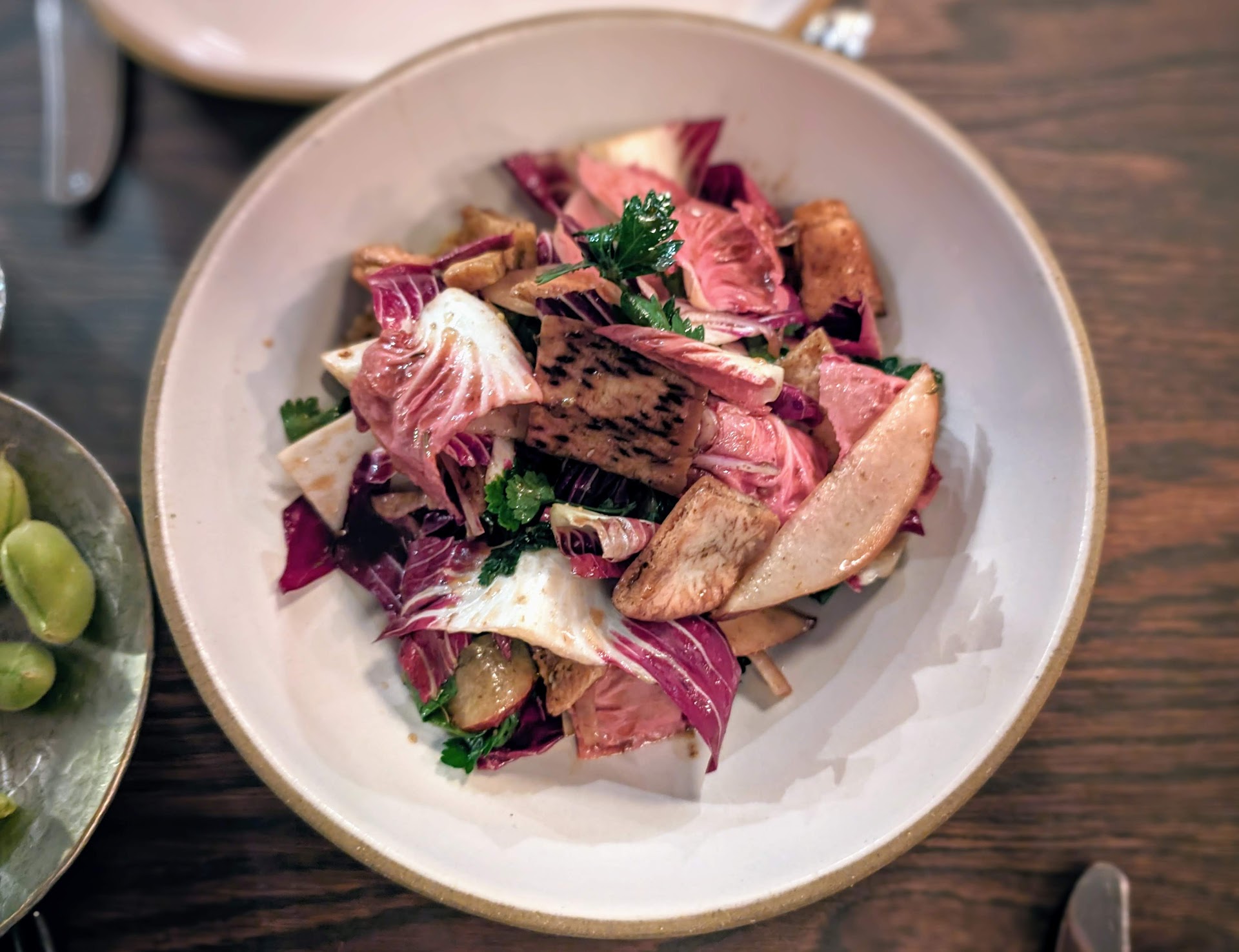
Pasta & Baked Goods • Macarona Bil Toum: A comforting Levantine pasta dish with a bold, garlicky lemon sauce. • Rakakat: Crispy filo-wrapped Syrian cheese, drizzled with hot honey and muhammara for a spicy-sweet balance. • Fattoush: A fresh winter salad featuring seasonal chicories, persimmons, and a pomegranate vinaigrette.
This menu is perfect for diners seeking rich, layered flavors in a refined yet approachable format. It celebrates regional Middle Eastern traditions while embracing modern culinary innovation.
This restaurant is the best spot for romantic dates, intimate celebrations, or indulgent evenings with good vibes. The desserts are also very good and worth trying. The presentation of the dishes were 10/10. The team also provided exceptional service!!!! We can’t wait to come back and try more dishes, I also want to give a shoutout to the Head Chef, Omneyah!!!! She was incredibly warm and gracious, taking the time to personally explain some of the dishes when we inquired. My favorites were the cabbage (charred malfou), and...
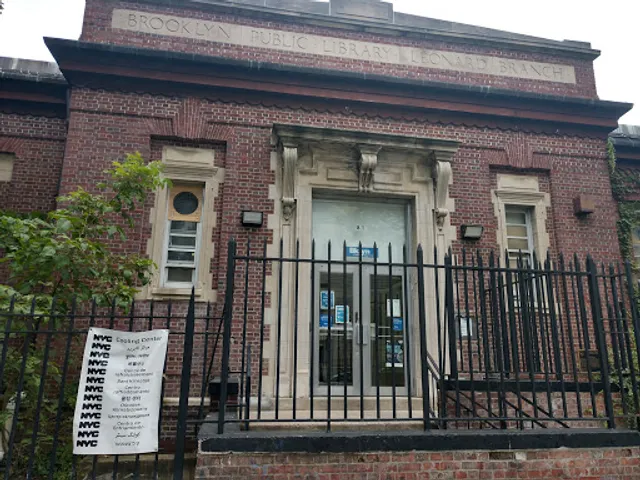
Read moreNext up is Huda New Levantine Bistro,a modern Levantine spot quietly tucked into Leonard Street, where Brooklyn meets the flavors of Damascus, Beirut, and beyond. I had passed by the place before without stepping in, and now I regret not visiting sooner. On this evening, we finally wandered in, and it proved to be one of those experiences that is both pleasantly surprising and thoughtfully curated.
The interior strikes a balance between Brooklyn minimalism and Levantine warmth. Soft lighting, intimate tables, and subtle design accents make it feel both sophisticated and welcoming. It’s the kind of restaurant you could come to for a celebratory dinner but also feel equally at home on a casual evening out.
We began with freshly baked pita alongside marinated olives and seasonal cherries — a simple yet grounding start that immediately set the Levantine tone. From there, we moved through a thoughtful progression of dishes:
– Freekeh:a grain deeply rooted in Levantine tradition, here elevated with pistachios, pecorino, charred romano beans, and radishes. Smoky, nutty, with a hint of brightness. – Rakakat: crisp filo rolls filled with Syrian cheese, paired with black garlic toum, hot honey, nigella, and muhammara. A familiar dish presented with a creative twist, at once nostalgic and innovative. – Kebab Karaz:lamb meatballs layered with sour cherries and roasted pistachios. A true Levantine classic, and one of my favorites on the table. The tartness of the cherries cut beautifully through the richness of the lamb. – Shish Barak: a Levantine beef-stuffed tortellini swimming in a warm yogurt sauce. Comforting, hearty, and unmistakably tied to the kitchens of home.
To drink, we tried two cocktails: one built around zaatar, the other hibiscus. Both were refreshing and inventive, though I can’t recall their exact names; they were memorable more for the way they tied regional flavors into modern mixology.
If I were to be critical, I’d say the food leaned slightly “white-washed” in its execution, toned down in certain places where Levantine cuisine is typically bolder and more unapologetic. As someone Middle Eastern myself, I found myself wanting just a bit more intensity, that punch of spice and heritage I grew up with. Still, it was clear that the chef had put thought and care into balancing authenticity with accessibility, and the result was enjoyable nonetheless.
The service added a great deal to the evening. We were sat and looked after by Emiliyen and Effy, who were both gracious, attentive, and genuinely warm, qualities that always leave an impression long after the meal ends.
Overall, Huda offers Brooklyn an approachable yet elegant window into Levantine flavors. While it may soften the edges of tradition for a wider audience, it remains a place worth experiencing for its atmosphere, hospitality, and thoughtful interpretations of dishes I hold...
Read moreIs this worth a schlep to BK if you live in Manhattan? Probably not.
But if you don't mind a field trip or just happen to be in the area, Huda is a better bang for your buck than most of the other buzz-worthy spots in Billyburg. Just keep in mind that Huda--as with most Middle Eastern / Levantine restaurants in NYC--serves more upscale, fancified, Westernized fare rather than the Maqluba your Jordanian grandma used to make.
Case in point: Huda's Fattoush. Almost every version of fattoush I've had in NYC strays far from the original mixture of parsley, dill, other herbs and pita croutons. Huda's was no different. It had way too many red winter chicories and anjou pears, not enough parsley and other green herbs, and an overly tart and pungent dressing that made me gag as we neared the bottom. Grade: F
The Mansef, thankfully, was better--served with a hugely generous chunk of perfectly cooked lamb, loads of fried onions/shallots and lots of springy rice. My one quibble--having had the real deal several times in Jordan and other Middle Eastern countries--is that the rice wasn't spiced enough. I should be able to SMELL the cinnamon a mile away. Grade: B
The winner of our meal was undoubtedly the Msakhan, a gorgeous marriage of perfectly toasted handmade bread with perfectly roasted sea-caught branzino, with sumac, tahini and taboon acting as the flower girl, ringbearer and usher. I thought I was sick of branzino. Every restaurant has a branzino dish these days--it's the Taylor Swift of fish. But apparently I wasn't because I could've died happy if Huda's Msakhan was my last bite on earth.
For libations, do yourself a favor and get the mint tea. The pot might be hot (it should be, if it's made of real pewter), but you won't regret the brew. Plus,...
Read more