Ban Josip Jelačić Statue things to do, attractions, restaurants, events info and trip planning
Basic Info
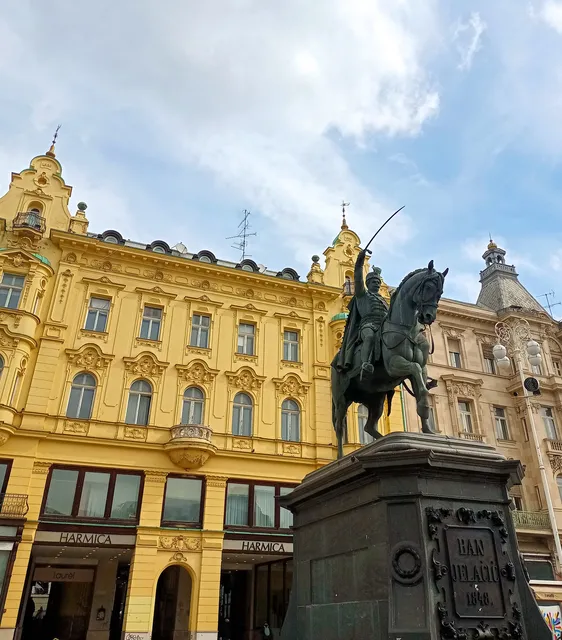
Ban Josip Jelačić Statue
Trg bana Josipa Jelačića 15, 10000, Zagreb, Croatia
4.7(3K)
Open until 12:00 AM
Save
spot
spot
Ratings & Description
Info
Cultural
Family friendly
attractions: Cathedral of Zagreb, Zagreb 360° observation deck, Manduševac, Mushroom Museum, Arheološki muzej u Zagrebu, Oktogon, Stone Gate, Klovićevi Dvori Gallery, Monument of the Assumption of the Blessed Virgin Mary, Lotrščak Tower, restaurants: Plac Kitchen & Grill, Pod Zidom Bistro, Boban, Cro.K Restaurant, Kai Street Food, American Steak & Grill House Zagreb Restaurant, Vinodol, Oranž Bistro & Wine Bar, Kaptolska Klet, Otto & Frank, local businesses: Müller, Douglas perfumery, Tržnica Dolac - Ribarnica, LUSH Fresh Handmade Cosmetics, Crkva sv. Marije, Muzej čokolade Zagreb (Chocolate Museum Zagreb), DM - drogerie markt, Bio Trgovina Bio Terra d.o.o., St. Catherine's Church, St. Mark's Church
 Learn more insights from Wanderboat AI.
Website
zagreb-touristinfo.hr
Open hoursSee all hours
FriOpen 24 hoursOpen
Plan your stay

Pet-friendly Hotels in City of Zagreb
Find a cozy hotel nearby and make it a full experience.

Affordable Hotels in City of Zagreb
Find a cozy hotel nearby and make it a full experience.

The Coolest Hotels You Haven't Heard Of (Yet)
Find a cozy hotel nearby and make it a full experience.

Trending Stays Worth the Hype in City of Zagreb
Find a cozy hotel nearby and make it a full experience.
Reviews
Live events
Candlelight: Tribute to Queen
Sun, Feb 22 • 7:00 PM
Mihanovićeva ulica 1, Zagreb, 10000
View details
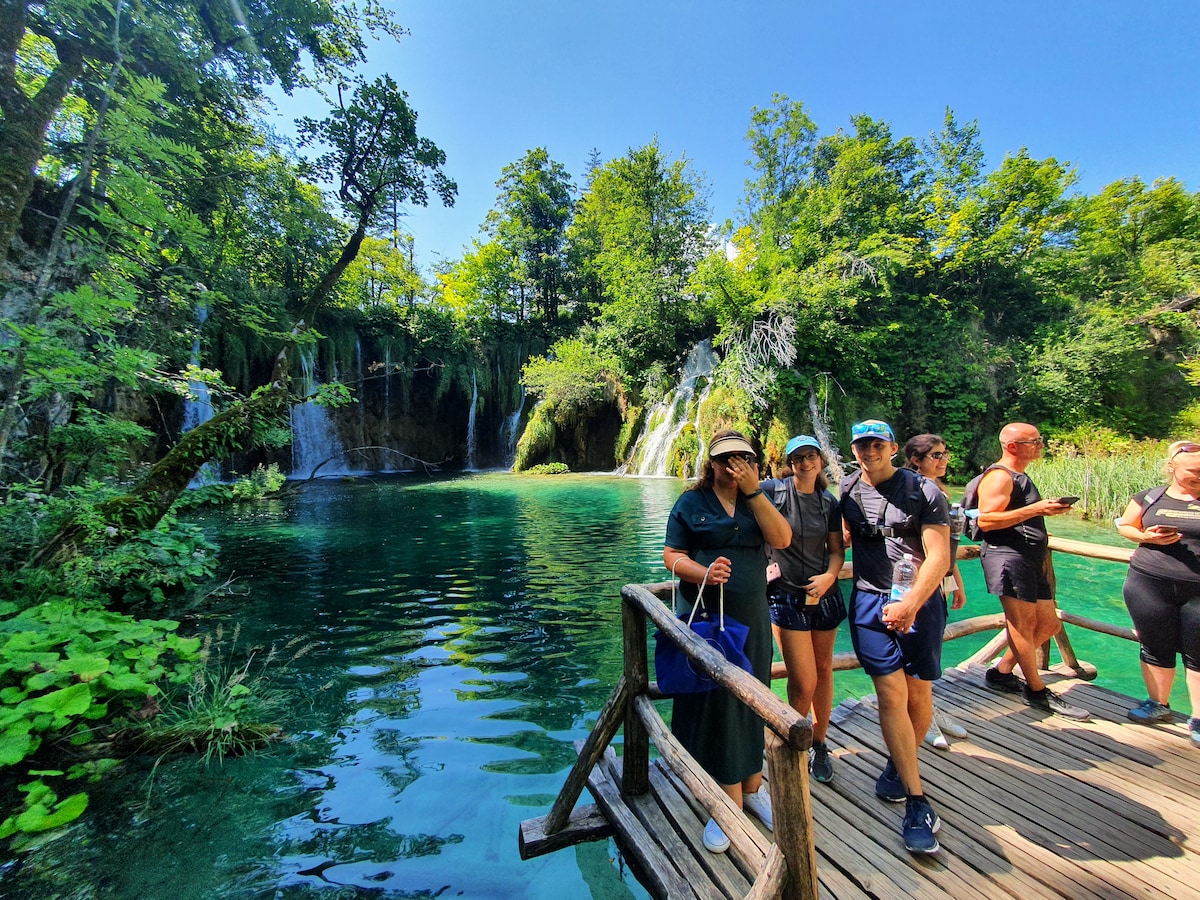
Explore Plitvice Lakes and the village of Rastoke
Fri, Feb 20 • 8:00 AM
10000, Zagreb, Croatia
View details
Nearby attractions of Ban Josip Jelačić Statue
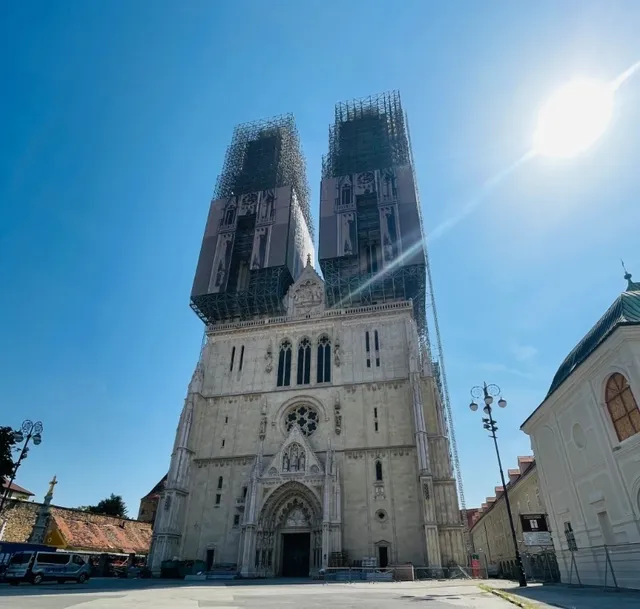
Cathedral of Zagreb
Zagreb 360° observation deck
Manduševac
Mushroom Museum
Arheološki muzej u Zagrebu
Oktogon
Stone Gate
Klovićevi Dvori Gallery
Monument of the Assumption of the Blessed Virgin Mary
Lotrščak Tower
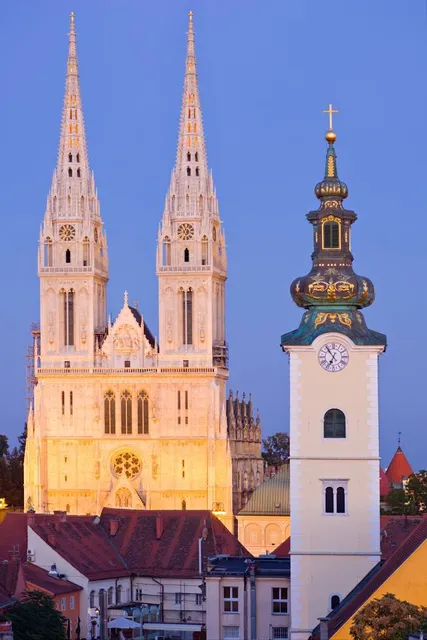
Cathedral of Zagreb
4.6
(6.7K)
Open 24 hours
Click for details
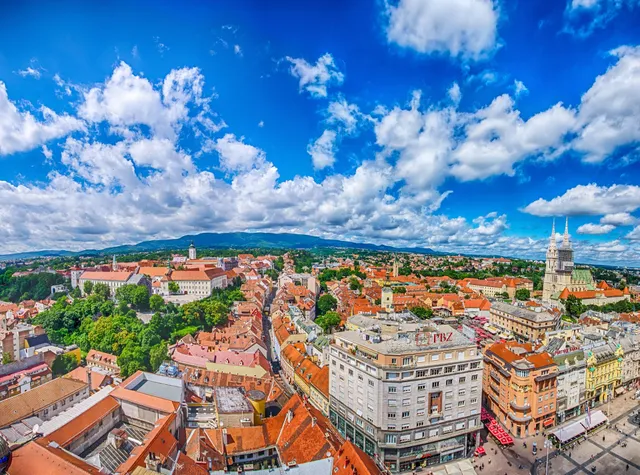
Zagreb 360° observation deck
4.4
(1.1K)
Open 24 hours
Click for details
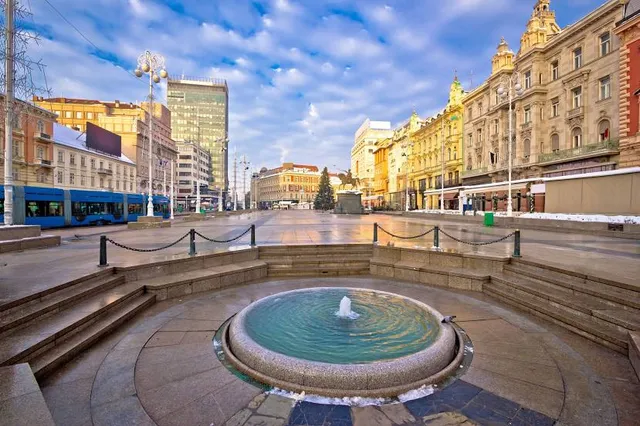
Manduševac
4.7
(416)
Open until 12:00 AM
Click for details
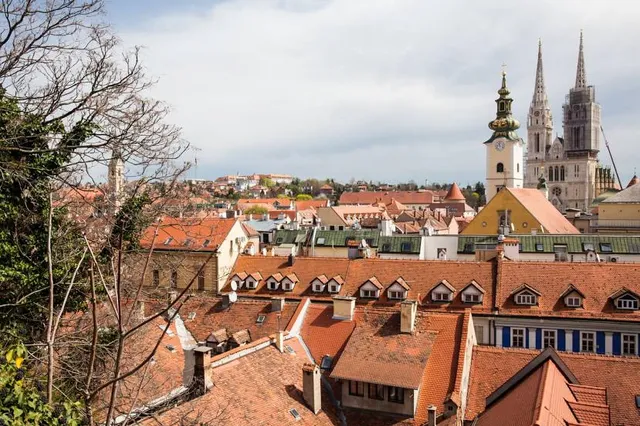
Mushroom Museum
4.8
(161)
Open 24 hours
Click for details
Nearby restaurants of Ban Josip Jelačić Statue
Plac Kitchen & Grill
Pod Zidom Bistro
Boban
Cro.K Restaurant
Kai Street Food
American Steak & Grill House Zagreb Restaurant
Vinodol
Oranž Bistro & Wine Bar
Kaptolska Klet
Otto & Frank
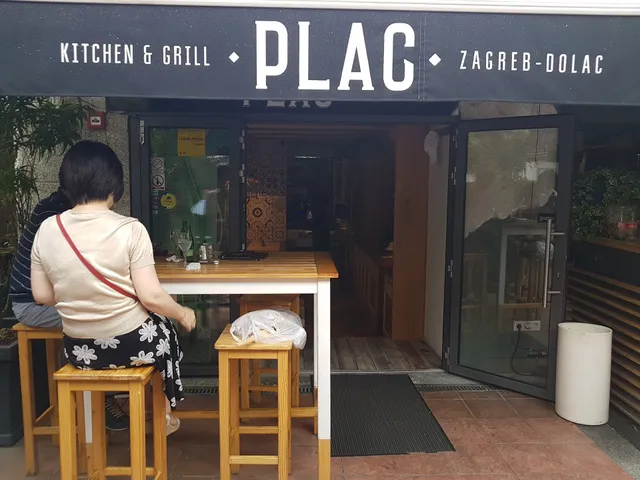
Plac Kitchen & Grill
4.5
(1.2K)
Closed
Click for details
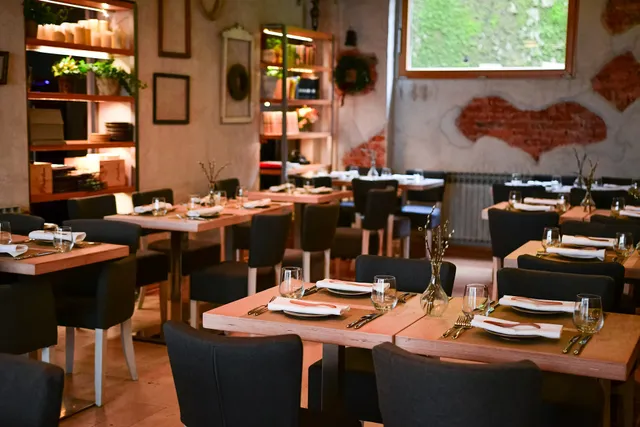
Pod Zidom Bistro
4.7
(1.1K)
$$
Closed
Click for details
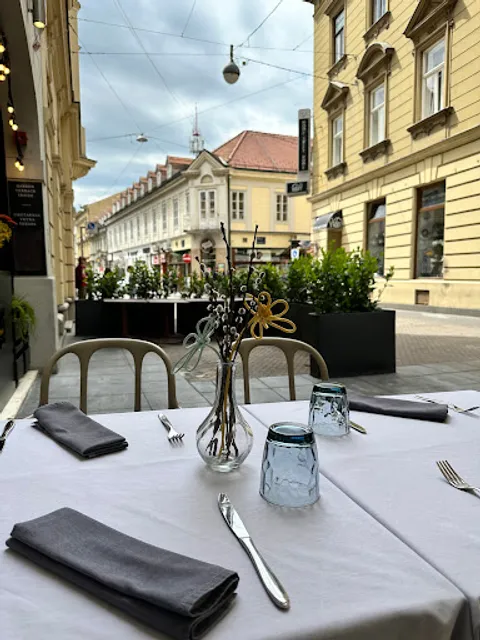
Boban
4.5
(2.4K)
$$
Closed
Click for details
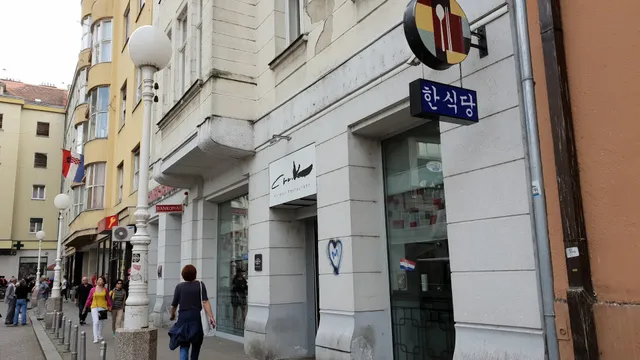
Cro.K Restaurant
4.0
(404)
Closed
Click for details
Nearby local services of Ban Josip Jelačić Statue
Müller
Douglas perfumery
Tržnica Dolac - Ribarnica
LUSH Fresh Handmade Cosmetics
Crkva sv. Marije
Muzej čokolade Zagreb (Chocolate Museum Zagreb)
DM - drogerie markt
Bio Trgovina Bio Terra d.o.o.
St. Catherine's Church
St. Mark's Church
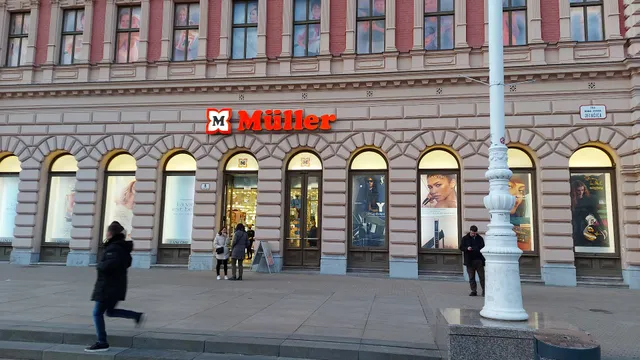
Müller
4.6
(1.4K)
Click for details
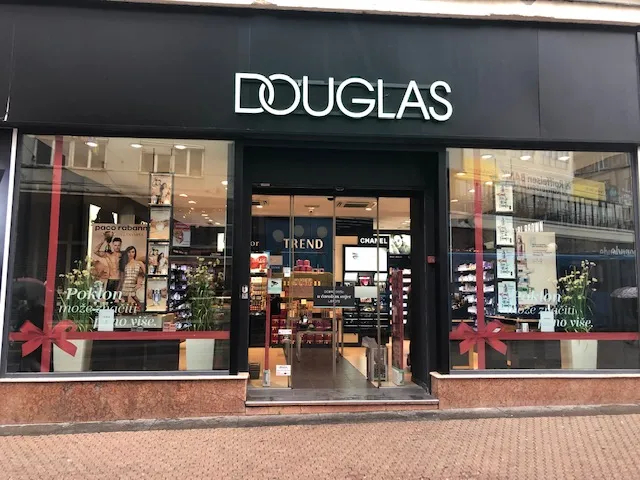
Douglas perfumery
3.5
(119)
Click for details
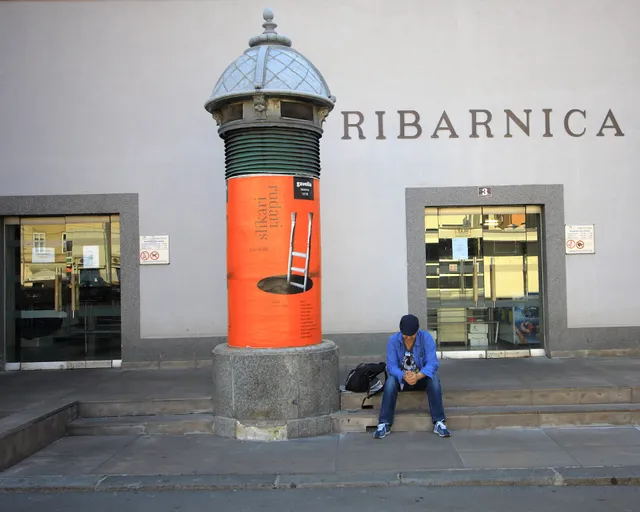
Tržnica Dolac - Ribarnica
4.4
(129)
Click for details
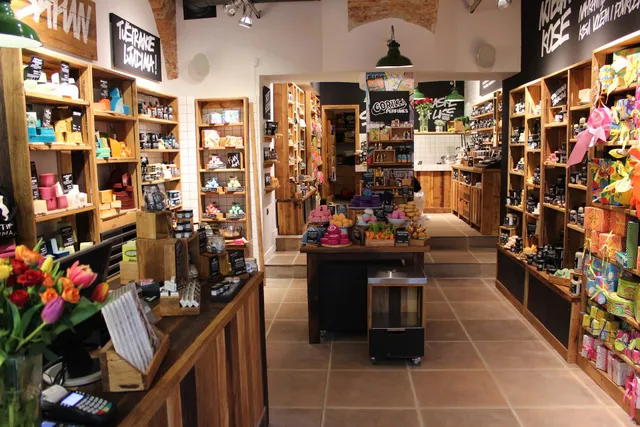
LUSH Fresh Handmade Cosmetics
4.8
(173)
Click for details