Franciscan Church and Monastery things to do, attractions, restaurants, events info and trip planning
Basic Info
Franciscan Church and Monastery
Poljana Paska Miličevića 4, 20000, Dubrovnik, Croatia
4.4(632)
Closed
Save
spot
spot
Ratings & Description
Info
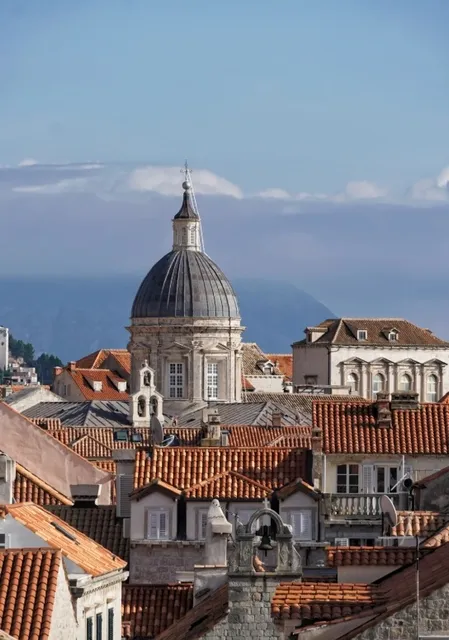
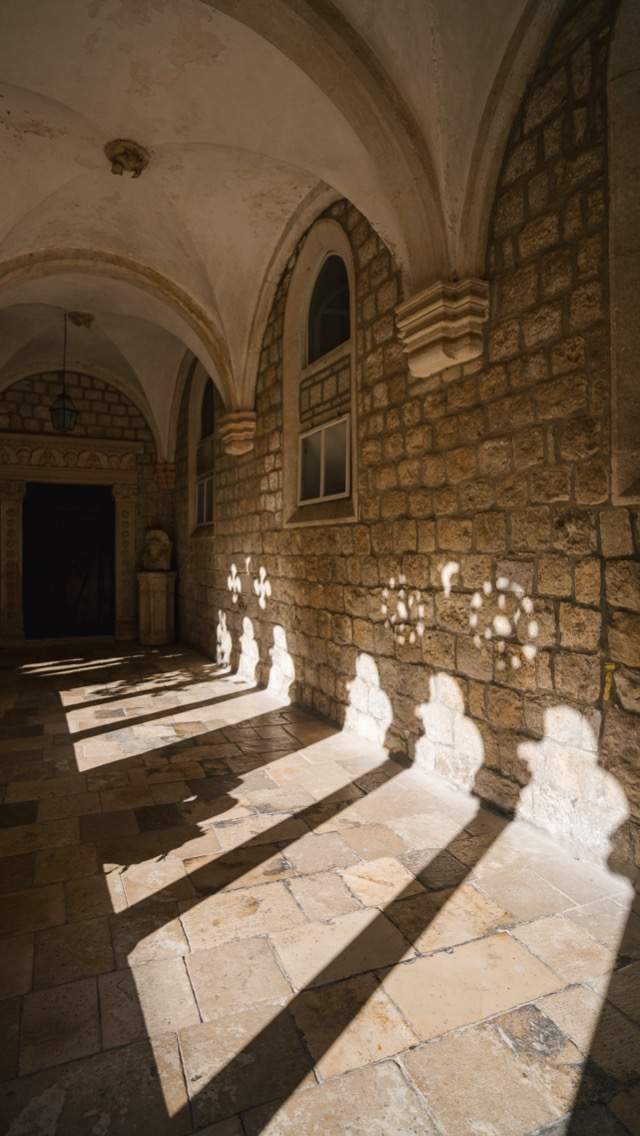
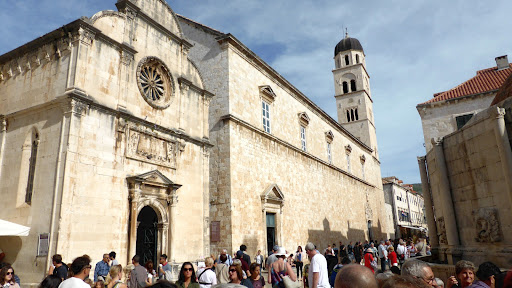
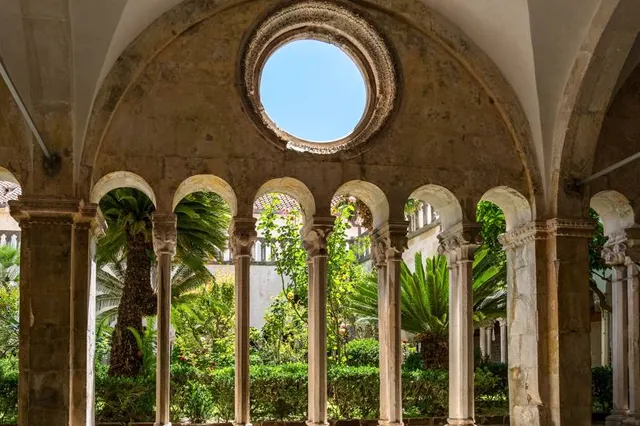
The Franciscan friary and church is a large complex belonging to the Order of the Friars Minor. It consists of a friary, a church, a library, and a pharmacy. It is situated at the Placa, the main street of Dubrovnik, Croatia.
Cultural
Scenic
Family friendly
Accessibility
attractions: Pile Gate, Walls of Dubrovnik, Onofrio's Large Fountain, WAR PHOTO LIMITED, Church of St. Salvation, Stradun Dubrovnik, Tvrđava Minčeta, House of Marin Držić, Fort Lovrijenac, Dubrovnik porta pile, restaurants: Lucin Kantun Dubrovnik, Dubravka 1836 Restaurant & Cafe, Fish Restaurant Proto, Portun, Konoba Nava, Mama's Pot Tavern, Holy Burek, Taj Mahal Old Town, Heritage of Dubrovnik, Lady Pi-Pi, local businesses: Dubrovnik Walking Tours, D'VINO WINE BAR DUBROVNIK, Stradun, Dubrovnik Blue Cave, Dubrovnik Cable Car, Dubrovnik City Walls, Dubrovnik Old Town, St. Blaise's Church, Buža Bar, Game Of Thrones Dubrovnik
 Learn more insights from Wanderboat AI.
Open hoursSee all hours
Sat7 AM - 8 PMClosed
Plan your stay

Pet-friendly Hotels in Dubrovnik
Find a cozy hotel nearby and make it a full experience.

Affordable Hotels in Dubrovnik
Find a cozy hotel nearby and make it a full experience.

The Coolest Hotels You Haven't Heard Of (Yet)
Find a cozy hotel nearby and make it a full experience.

Trending Stays Worth the Hype in Dubrovnik
Find a cozy hotel nearby and make it a full experience.
Reviews
Live events

Blue & Green caves, Sunj beach tour with speedboat
Sun, Mar 1 • 1:30 PM
20000, Dubrovnik, Croatia
View details

Dubrovnik Countryside Tasting: Wine & Olive Oil
Sat, Feb 28 • 2:00 PM
20217, Mihanići, Croatia
View details
Nearby attractions of Franciscan Church and Monastery
Pile Gate
Walls of Dubrovnik
Onofrio's Large Fountain
WAR PHOTO LIMITED
Church of St. Salvation
Stradun Dubrovnik
Tvrđava Minčeta
House of Marin Držić
Fort Lovrijenac
Dubrovnik porta pile
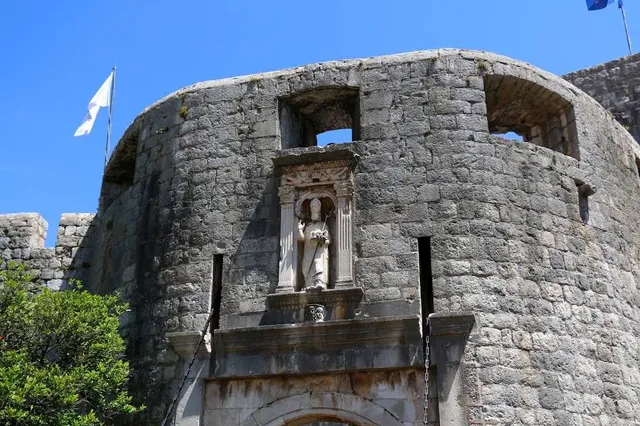
Pile Gate
4.7
(1.8K)
Open until 12:00 AM
Click for details

Walls of Dubrovnik
4.5
(744)
Closed
Click for details
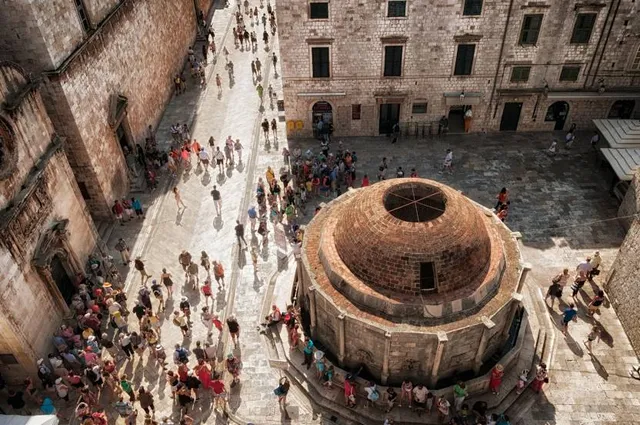
Onofrio's Large Fountain
4.7
(704)
Open until 12:00 AM
Click for details
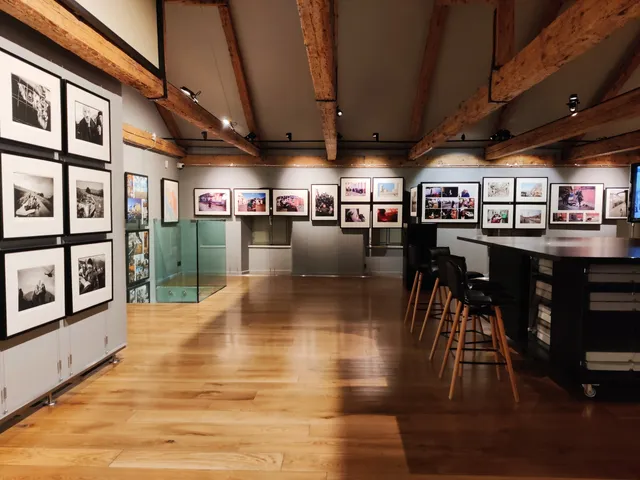
WAR PHOTO LIMITED
4.8
(446)
Open 24 hours
Click for details
Nearby restaurants of Franciscan Church and Monastery
Lucin Kantun Dubrovnik
Dubravka 1836 Restaurant & Cafe
Fish Restaurant Proto
Portun
Konoba Nava
Mama's Pot Tavern
Holy Burek
Taj Mahal Old Town
Heritage of Dubrovnik
Lady Pi-Pi
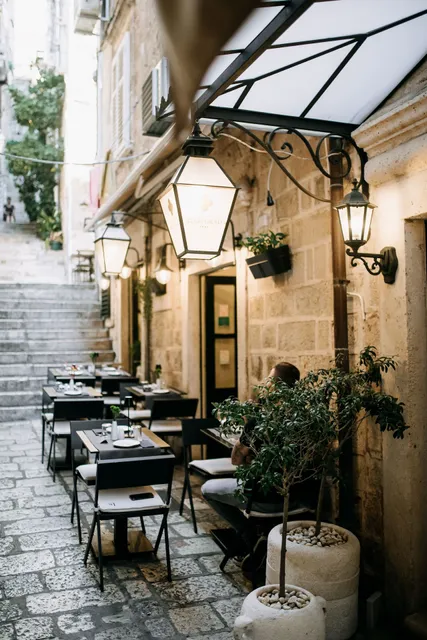
Lucin Kantun Dubrovnik
4.6
(1.0K)
$$
Closed
Click for details
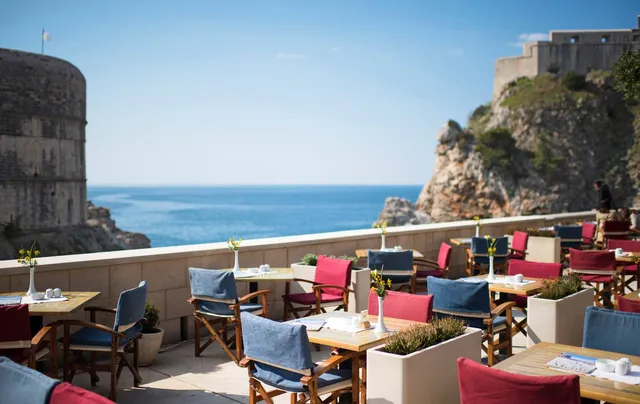
Dubravka 1836 Restaurant & Cafe
4.6
(3.2K)
$$
Closed
Click for details
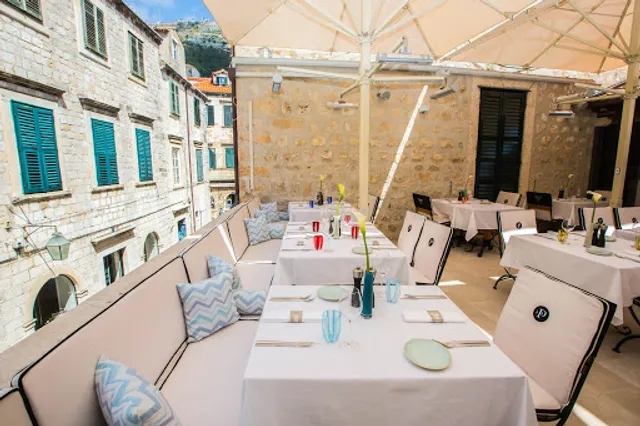
Fish Restaurant Proto
4.4
(759)
Click for details
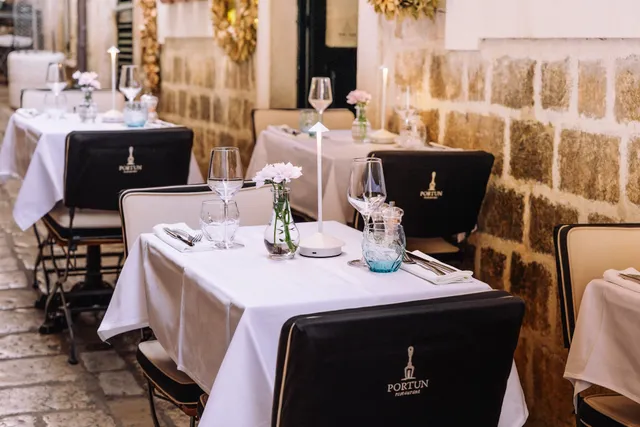
Portun
4.4
(483)
Closed
Click for details
Nearby local services of Franciscan Church and Monastery
Dubrovnik Walking Tours
D'VINO WINE BAR DUBROVNIK
Stradun
Dubrovnik Blue Cave
Dubrovnik Cable Car
Dubrovnik City Walls
Dubrovnik Old Town
St. Blaise's Church
Buža Bar
Game Of Thrones Dubrovnik
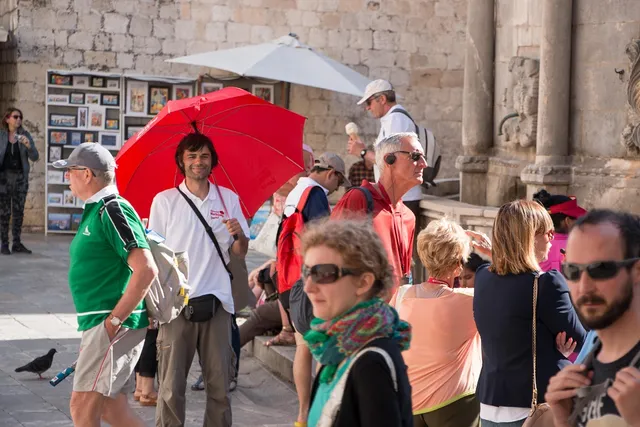
Dubrovnik Walking Tours
5.0
(2.6K)
Click for details
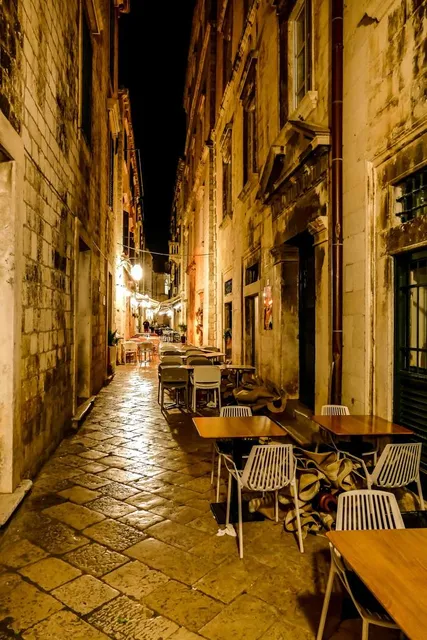
D'VINO WINE BAR DUBROVNIK
4.6
(414)
Click for details

Stradun
4.8
(415)
Click for details

Dubrovnik Blue Cave
4.9
(573)
Click for details