Dancing House things to do, attractions, restaurants, events info and trip planning
Basic Info
Dancing House
Jiráskovo nám. 1981/6, 120 00 Nové Město, Czechia
4.3(1.4K)
Open 24 hours
Save
spot
spot
Ratings & Description
Info
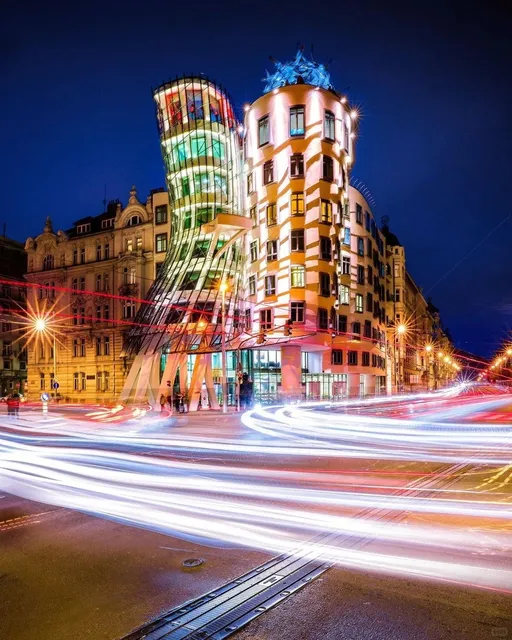
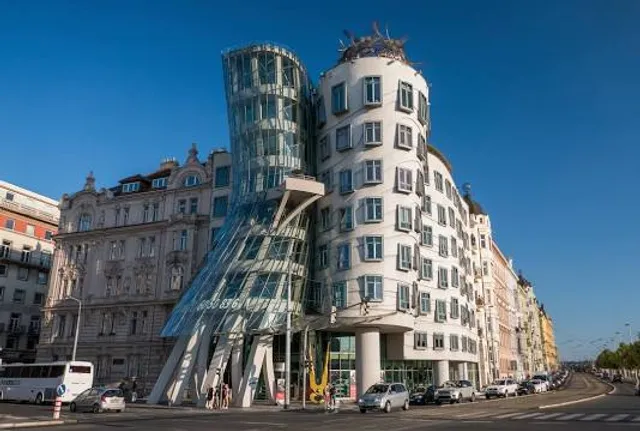
The Dancing House, or Ginger and Fred, is the nickname given to the Nationale-Nederlanden building on the Rašínovo nábřeží in Prague, Czech Republic. It was designed by the Croatian-Czech architect Vlado Milunić in cooperation with Canadian-American architect Frank Gehry on a vacant riverfront plot.
Cultural
Accessibility
attractions: National Memorial to the Heroes of the Heydrich Terror, Ss. Cyril and Methodius Cathedral, Statue of Alois Jirásek, Manes Exhibition Hall, Karlovo náměstí, František Palacký Monument, National Theatre, Brewery Museum U Fleků, Slight Uncertainty Man - Michal Trpák, Church of St. Ignatius, restaurants: Tančící dům - Ginger & Fred Restaurant, (A)void cafe, CatCafePrague, San Carlo Dittrichova, Restaurant Stará Doba, Indian Restaurant Taaj Palace, Restaurace U Matějíčků, Krčma u Parašutistů, Dancing House Café v Tančícím domě, Restaurace Vltava, local businesses: Prague Steamboat Company, THE REAL MEAT SOCIETY, Billa, Vltava Cruise Boat, MR.PARKIT - Parking Karlovo náměstí 17, Malostranska Wasserturm, Náplavka, SAUNY BEER SPA | Prague, Dětský Island, Střelecký ostrov 336
 Learn more insights from Wanderboat AI.
Website
tancici-dum.cz
Plan your stay

Pet-friendly Hotels in Prague
Find a cozy hotel nearby and make it a full experience.

Affordable Hotels in Prague
Find a cozy hotel nearby and make it a full experience.

The Coolest Hotels You Haven't Heard Of (Yet)
Find a cozy hotel nearby and make it a full experience.

Trending Stays Worth the Hype in Prague
Find a cozy hotel nearby and make it a full experience.
Reviews
Live events
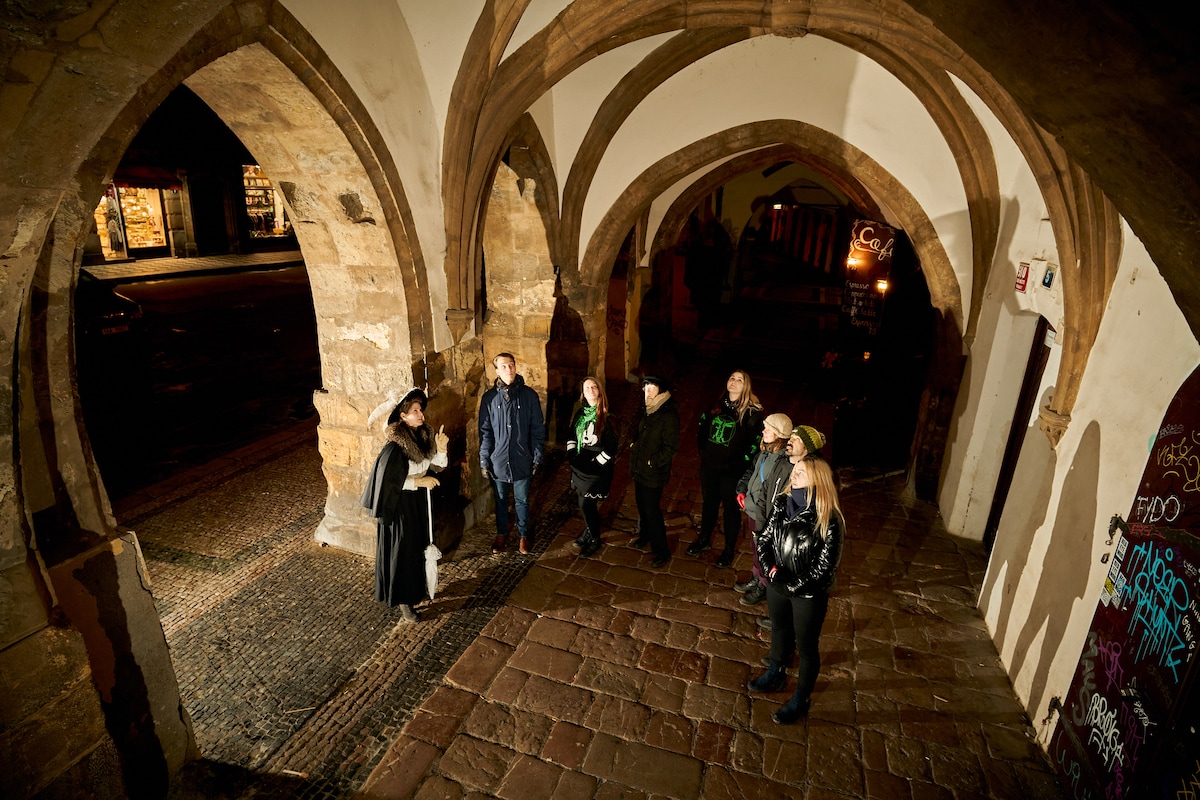
Telltale Ghost Tour
Sat, Feb 21 • 7:00 PM
110 00, Prague 1, Czechia
View details
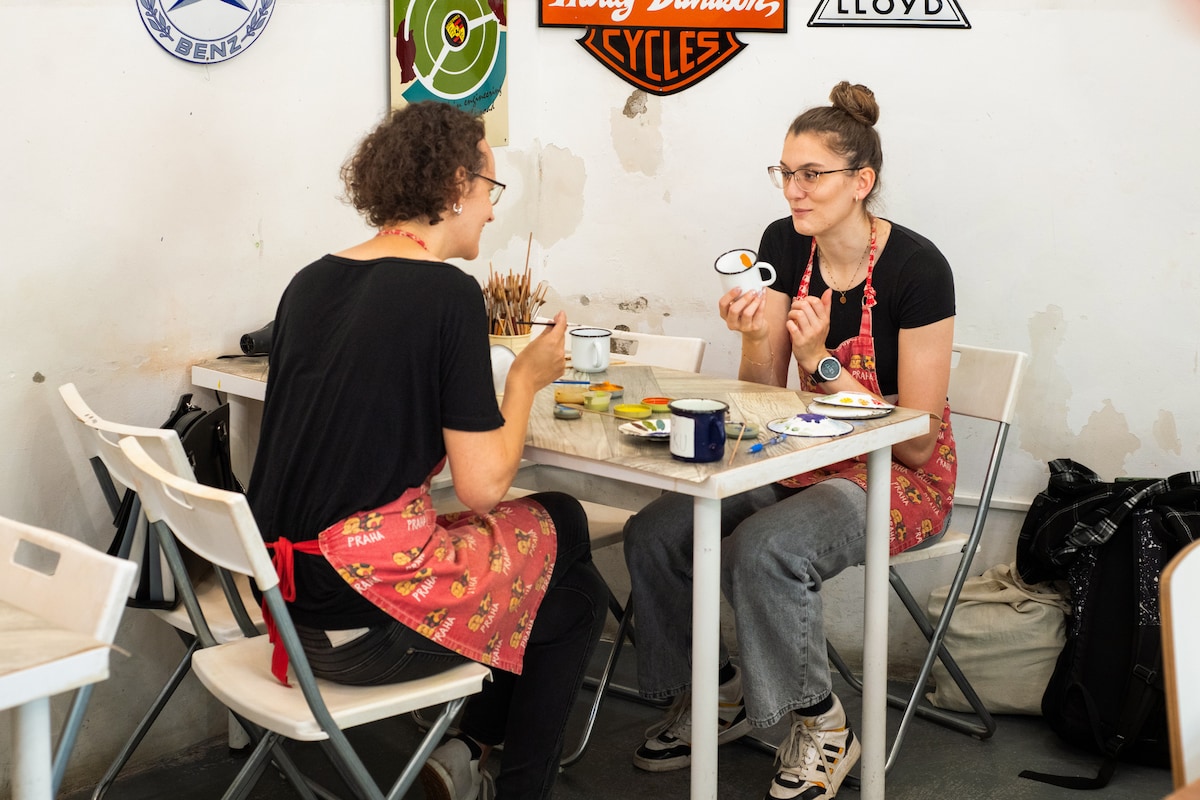
Paint Your Own Enamel Mug in Prague
Sat, Feb 21 • 10:30 AM
118 00, Prague 1, Czechia
View details
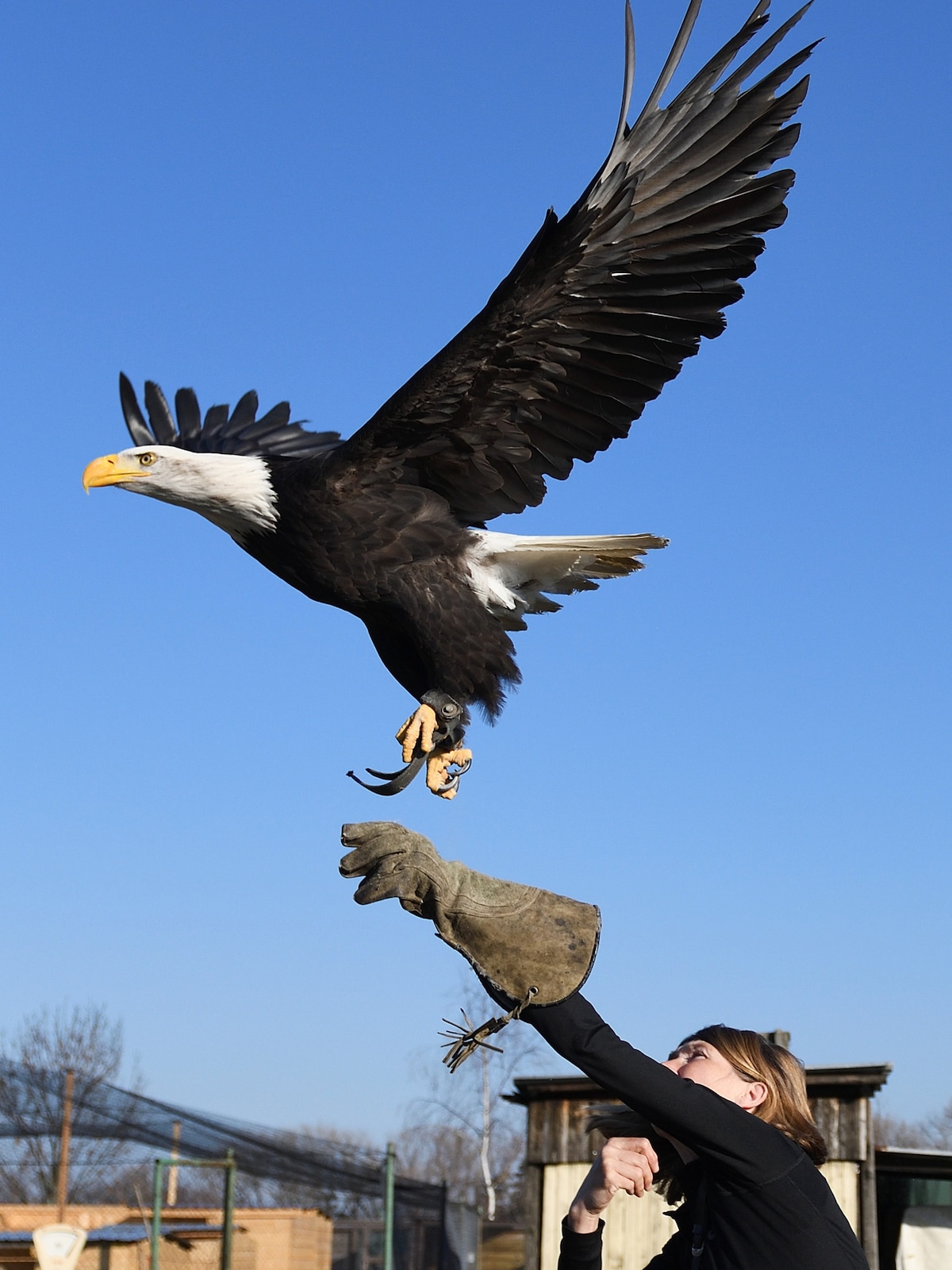
Learn All About Falconry and Birds of Prey
Sat, Feb 21 • 9:00 AM
150 00, Prague 5, Czechia
View details
Nearby attractions of Dancing House
National Memorial to the Heroes of the Heydrich Terror
Ss. Cyril and Methodius Cathedral
Statue of Alois Jirásek
Manes Exhibition Hall
Karlovo náměstí
František Palacký Monument
National Theatre
Brewery Museum U Fleků
Slight Uncertainty Man - Michal Trpák
Church of St. Ignatius
National Memorial to the Heroes of the Heydrich Terror
4.8
(1.1K)
Closed
Click for details
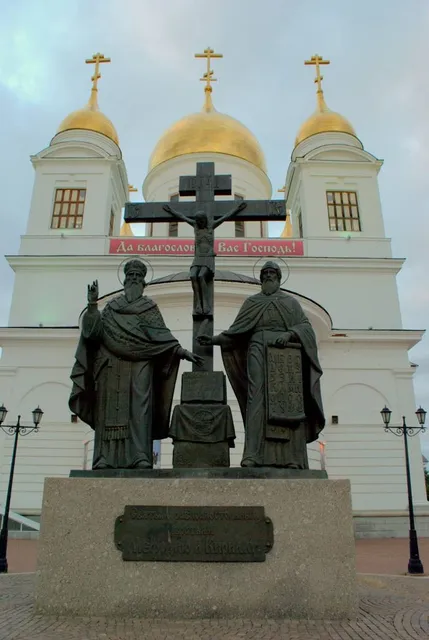
Ss. Cyril and Methodius Cathedral
4.8
(1.6K)
Closed
Click for details
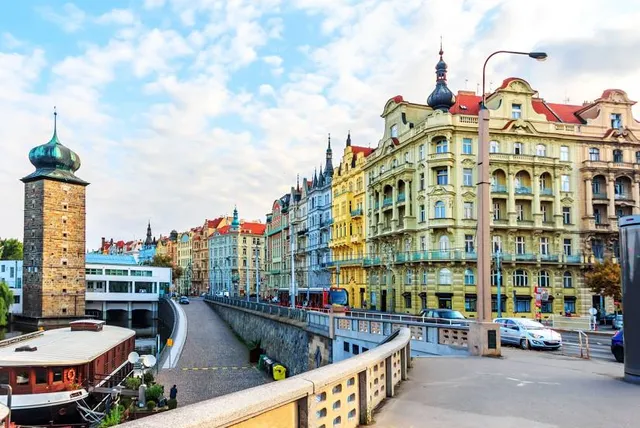
Statue of Alois Jirásek
4.4
(70)
Open until 12:00 AM
Click for details
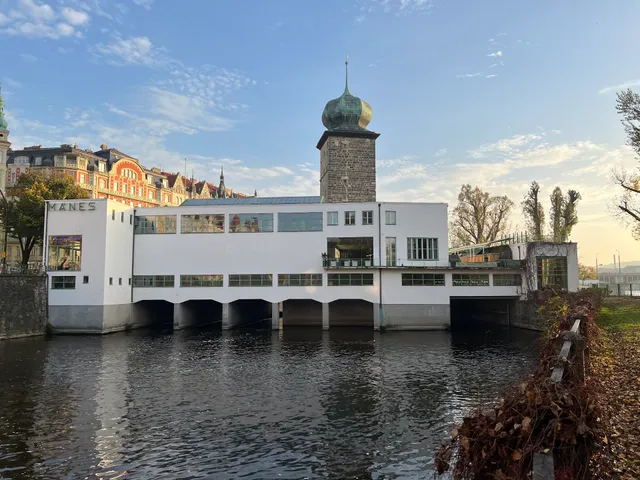
Manes Exhibition Hall
4.5
(806)
Open 24 hours
Click for details
Nearby restaurants of Dancing House
Tančící dům - Ginger & Fred Restaurant
(A)void cafe
CatCafePrague
San Carlo Dittrichova
Restaurant Stará Doba
Indian Restaurant Taaj Palace
Restaurace U Matějíčků
Krčma u Parašutistů
Dancing House Café v Tančícím domě
Restaurace Vltava

Tančící dům - Ginger & Fred Restaurant
4.3
(913)
Closed
Click for details
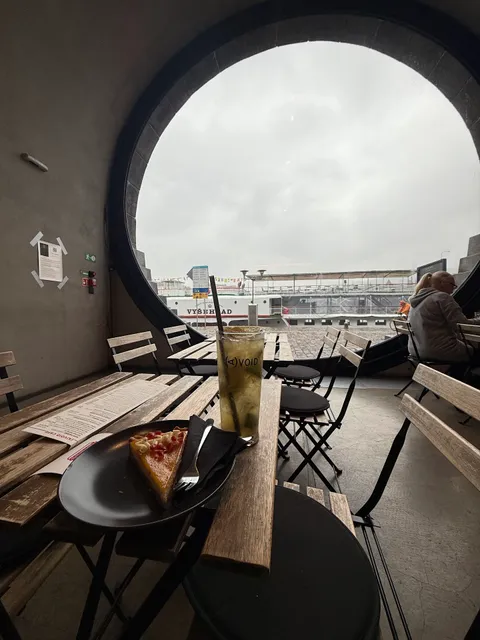
(A)void cafe
4.5
(647)
Open until 12:00 AM
Click for details
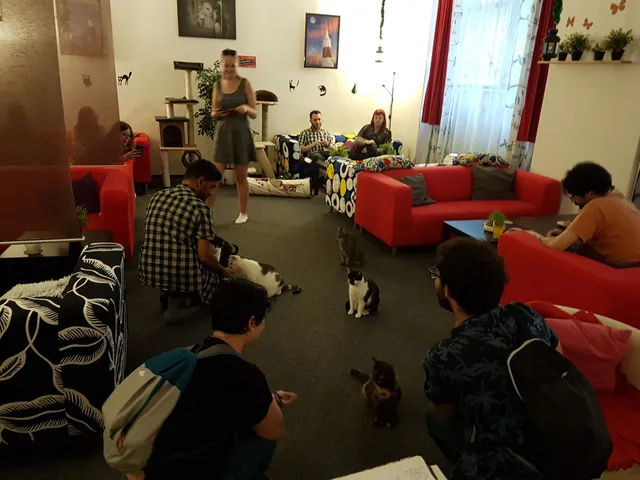
CatCafePrague
4.3
(851)
Closed
Click for details
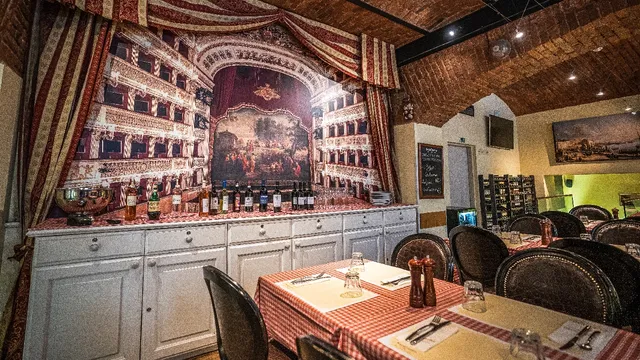
San Carlo Dittrichova
4.6
(1.8K)
Closed
Click for details
Nearby local services of Dancing House
Prague Steamboat Company
THE REAL MEAT SOCIETY
Billa
Vltava Cruise Boat
MR.PARKIT - Parking Karlovo náměstí 17
Malostranska Wasserturm
Náplavka
SAUNY BEER SPA | Prague
Dětský Island
Střelecký ostrov 336
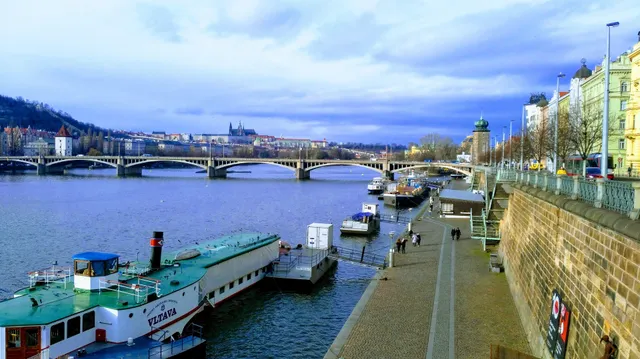
Prague Steamboat Company
4.4
(337)
Click for details
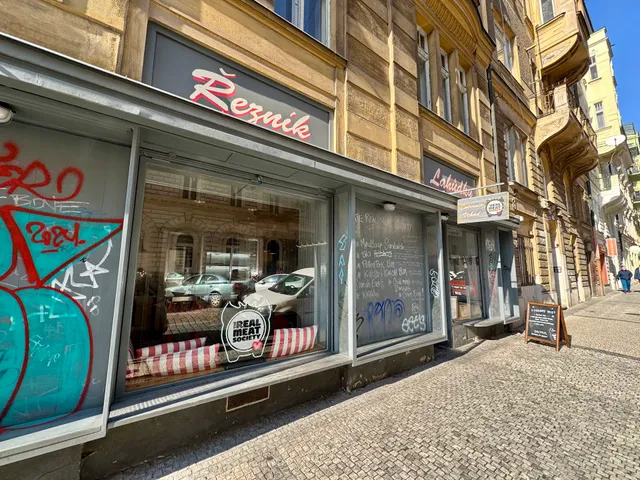
THE REAL MEAT SOCIETY
4.8
(179)
Click for details
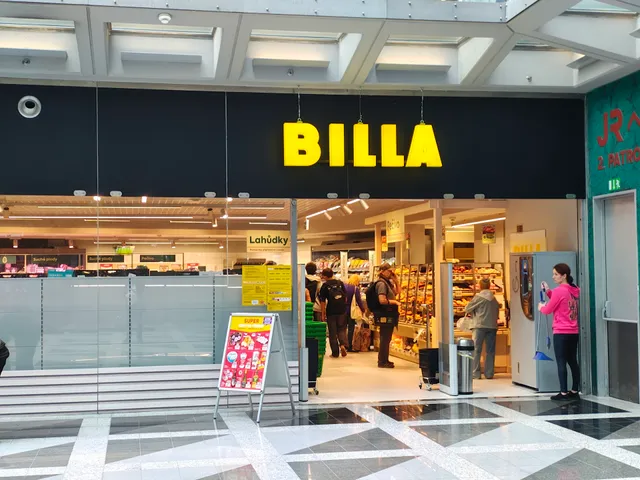
Billa
3.8
(856)
Click for details
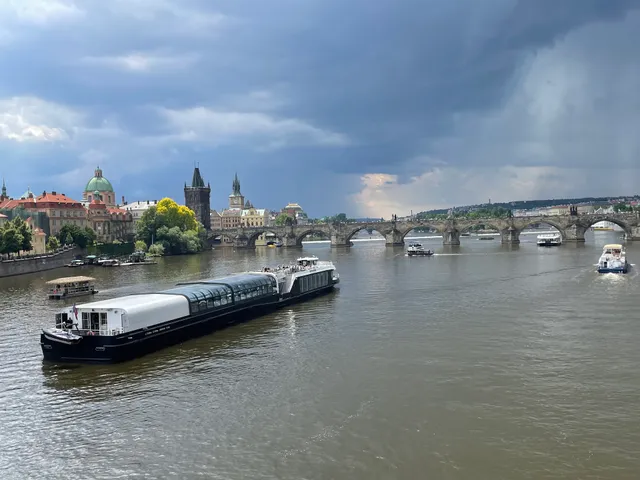
Vltava Cruise Boat
4.2
(23)
Click for details