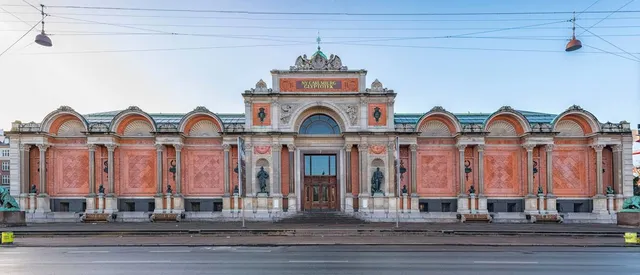
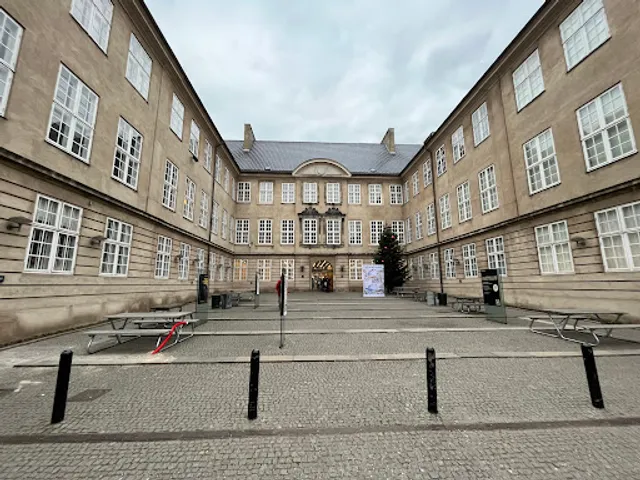
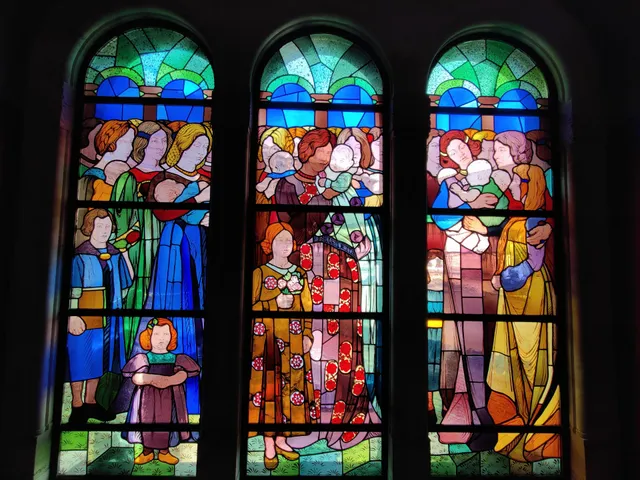
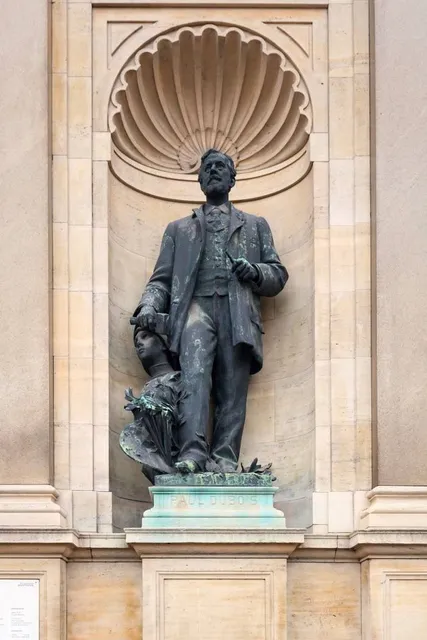
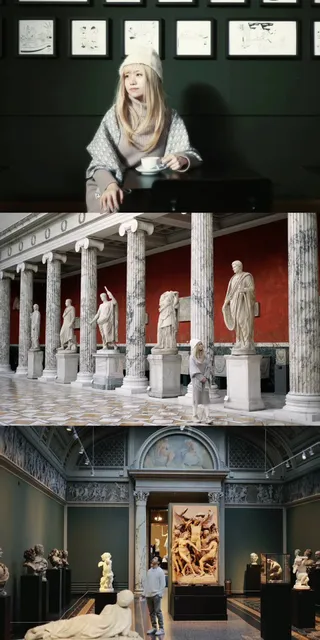
This museum was one of the best I had ever visited. The amount of artifacts, sculptures, information, paintings, and exhibits was astounding and almost overwhelming.
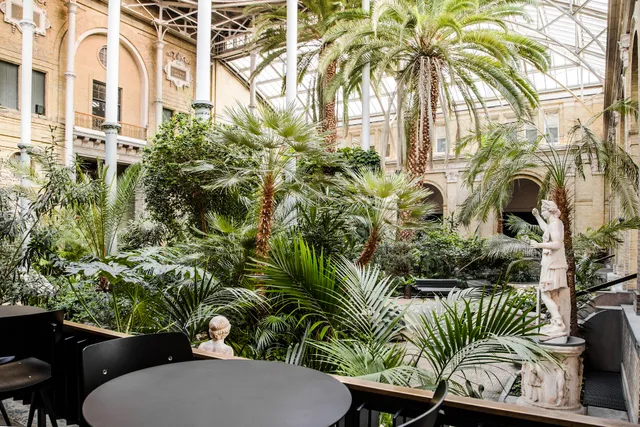
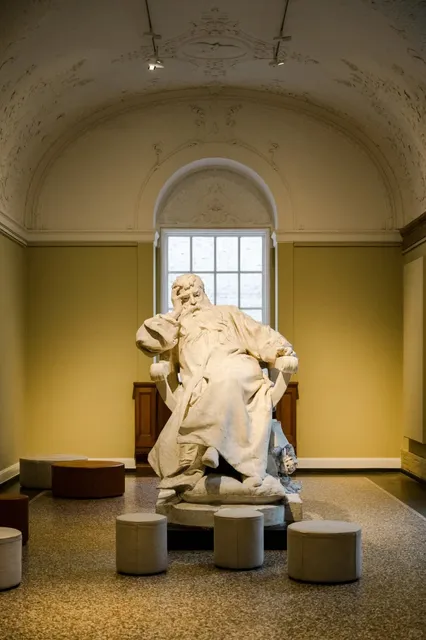
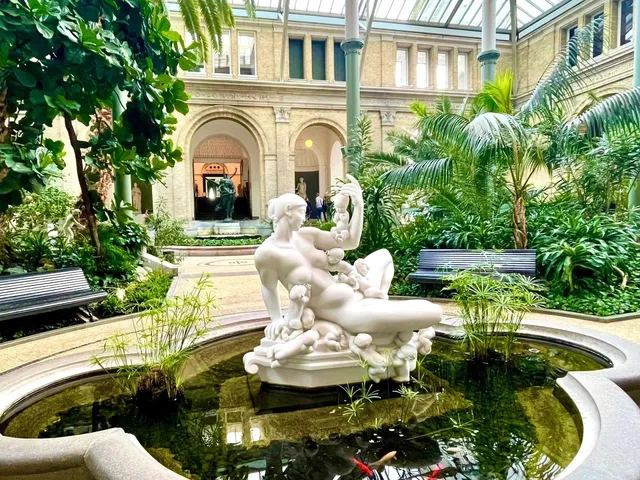
When you first walk in, you enter the large, wood-paneled reception hall. After you go down to buy your ticket, you have access to several different exhibits. You can go to the history of the building, an exhibit of a famous Danish painter & sculptor (I forgot his name...), and a few other, smaller exhibits. Of course, if you go straight, you run into the center greenhouse. Although it might not be as expansive as some other stand-alone greenhouses/botanical gardens, it is beautiful nonetheless. It is situated in the center of the museum, and from there, you have access to the café, and of course... More exhibits!
The first exhibit I went to (or rather, the first chain of exhibits), was that displaying Danish and French sculptures, which you reached through the reception hall. Honestly, I was not an enormous fan of this exhibit. I thought it was interesting, however, the oldest sculptures here were from the 1700s. It makes sense because that was the period that the exhibit displayed, but even so, it did not grab my attention as did some of the others. However, it nonetheless had beautiful works of art, and the rooms were beautiful, too.
After this, I headed over to the exhibit containing Mesopotamian (and many other cultures) artifacts. The quality of this exhibit was astounding, and you could spend a decent chunk of time just looking at everything. My favorite artifact here was probably the Babylonian brick relief (in the picture attached to the review), as it was super colorful, and honestly, just cool.
When you continue to walk through this section you begin changing regions of the world. Soon enough, you see relics from civilizations such as Ancient Greece, Phonecia, etc. All these displays are unique and loaded with stuff, which was great. The explanations of everything had great clarifications and extra tidbits of information.
Finally making my way through this exhibit, I moved on to the Ancient Egyptian section. Absolutely incredible. You are immediately met with statues, rocks covered with hieroglyphics, and smaller rooms with artifacts like toys, figures of gods and goddesses, and jewelry. All of this was fantastic. Unfortunately, I forgot to go to the mummy exhibit (which is connected to this), so I had to come back after the rest.
Following the Ancient Egyptians are rooms upon rooms of Greek and (especially) Roman statues. We're talking about Roman emperors, gods, famous and influential people, and everything in between. Again, the descriptions of these statues helped connect them to what you already know and helped you learn new things. My issue with this exhibit is towards the end, you started getting tired of seeing all the statues. There were so many that your eyes started to glaze over, and they lost their initial splendor. But this is just suffering from success. Differently, this just means that you get to spend an extra long time looking at them because there is so much stuff to see.
That section took a long time to walk through, and by this point, I was losing steam. Thankfully, I remembered that I hadn't seen the mummies yet, so I went back to the Egyptian section and was amazed.
To go to this section, you need to walk down ~25, maybe 30 stairs. This creates a really interesting atmosphere, as it's secluded, quiet, and quite crypt-like, which was obviously what the designers were going for. The sarcophagi here were beautiful, and although they weren't the gold and ruby-studded sarcophagi you might be used to, they were still unbelievable. It is a small room, but it is packed with things to see. When you ascend again, there is a side room displaying items that the pharaohs would be buried with, such as miniature ships and houses (with miniature servants) to help them in the afterlife. Everything here was well-preserved and...
Read moreThe Ny Carlsberg Glyptotek is a true treasure in Copenhagen, offering an extraordinary collection that spans both classical antiquities and modern art. As someone with a deep appreciation for art history, this museum never fails to captivate me. The collection of ancient Greek and Roman sculptures is nothing short of awe-inspiring. The classical pieces—especially those in the museum’s iconic Winter Garden—are not just beautiful but provide an intimate connection to the past. The marble statues, with their grace and detail, bring history to life in a way that few other places can replicate.
However, what really sets Ny Carlsberg Glyptotek apart for me is its impressive collection of modern art, particularly from the late 19th and early 20th centuries. The works of artists like Paul Gauguin, Henri Toulouse-Lautrec, and Pierre-Auguste Renoir are beautifully represented here. I’m particularly drawn to Gauguin’s evocative use of color and form, which conveys emotion with such depth. There’s something about his post-impressionist pieces that feels both timeless and ahead of their time. The museum’s collection of French paintings is a vibrant journey through the evolution of modern art.
One standout piece that continues to draw me back is Toulouse-Lautrec’s depictions of Parisian nightlife. His ability to capture the energy and decadence of the time is simply mesmerizing. And the intimate nature of the Glyptotek—compared to other larger institutions—makes the experience of viewing these masterpieces feel more personal, allowing you to linger and truly absorb the atmosphere of the work.
Beyond the art, the museum itself is a work of art. The architecture is stunning, with its airy, open galleries and the striking Winter Garden—a lush, tranquil oasis right in the heart of Copenhagen. The ambiance here is calm and inspiring, and the museum’s staff are always welcoming and willing to share insights about the collections.
Whether you’re an admirer of classical sculpture or a lover of modern masterpieces, Ny Carlsberg Glyptotek offers a remarkable journey through time and art. It’s a must-visit for anyone seeking to understand the rich cultural tapestry that has shaped not only Denmark but the...
Read moreNy Carlsberg Glyptotek is an absolute treasure for anyone who appreciates timeless art and refined curation. From the moment you walk through its grand halls, you’re transported into a world of elegance, history, and cultural richness. The museum is beautifully maintained, and every space — from the central winter garden to the majestic marble galleries — feels thoughtfully preserved and respectfully presented.
I especially loved the vast collection of classical art — Greek, Roman, and Egyptian antiquities that are truly world-class. The 19th-century Danish and French collections, with works by artists like Rodin, Degas, and Gauguin, are equally impressive and thoughtfully displayed.
One of the biggest highlights is the rooftop terrace, which offers stunning panoramic views over Copenhagen. It’s peaceful, not overly crowded, and provides a perfect pause between exhibits.
I truly appreciated that this museum didn’t overload the experience with disjointed, ultra-modern bizarre conceptual art that many other museums now seem obsessed with. Here, the focus remains where it should: on quality, craftsmanship, and the enduring power of the classical tradition. The Nordic and Germanic nations have a rich cultural legacy, and the Glyptotek honors that brilliantly.
The staff was kind, professional, and welcoming — clearly proud of the institution they help run. Whether you’re an art lover, a history enthusiast, or simply someone who values beauty over trends, this place is a must-visit...
Read more