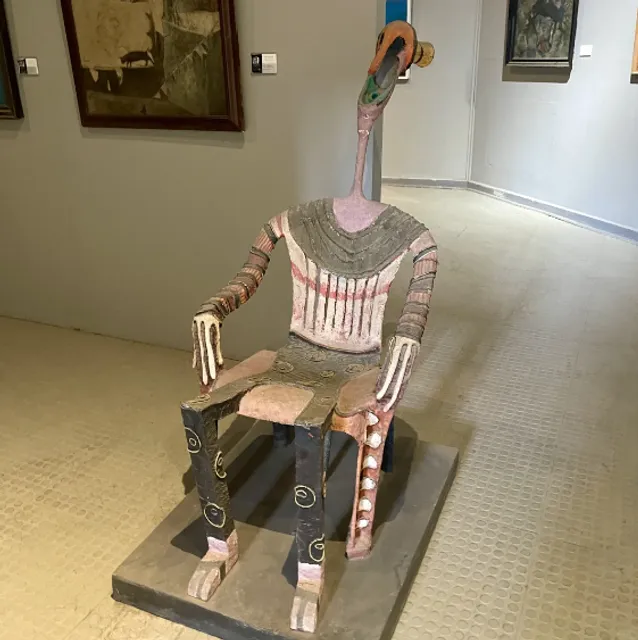
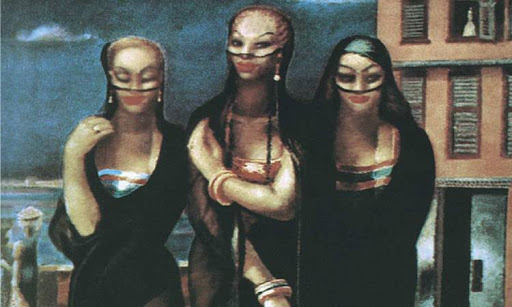
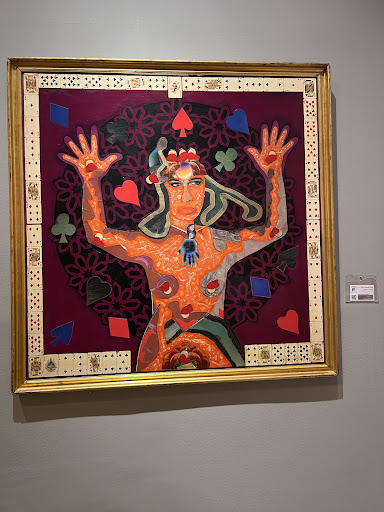
Museum Of Modern Egyptian Art things to do, attractions, restaurants, events info and trip planning

Basic Info
Museum Of Modern Egyptian Art
Inside the Egyptian Opera House, campus in, Al-Gezira Land, Zamalek, Cairo Governorate 4270020, Egypt
4.4(233)
Closed
Save
spot
spot
Ratings & Description
Info
The Museum of Modern Egyptian Art, is Cairo, Egypt's main modern art museum holding collections of early 20th Century contemporary art pioneers, including Mahmoud Said, Ragheb Ayad, Gazbeya Sirry, Abdel Hadi Al-Gazzar, among others.
Cultural
Entertainment
Family friendly
Accessibility
attractions: Al Horreya Garden, Cairo Tower, Cairo Opera House, The Palace Of Arts, El Andalos Park, Saad Zaghloul Statue, Rod Garden Faraj and rental boats Nile, Al Zohriya Garden حديقة الزهرية, Mahmoud Mukhtar Museum, Lion statue Qasr al-Nil, restaurants: Tree Lounge Cairo Tower Branch, Blue Nile Boat, Ms Fathiya فتحية - Zamalek, Blend, Moon Deck, Stage El Nile, Seekh Mashwy Dokki, Adeemo, Seagull Restaurant Dokki, Latino Cafe & Restaurant - مطعم و كافيه لاتينو, local businesses: Andalusian Garden, Nile Boat Trip Station, Qasr El Nil Bridge, Felucca Ride, 1OK Club Cairo, Katlia, روش سبا, International House Cairo, Houseboat65, Pyramids
 Learn more insights from Wanderboat AI.
Phone
+20 2 27366665
Website
m.facebook.com
Open hoursSee all hours
Wed10 AM - 3 PM, 5 - 8 PMClosed
Plan your stay

Pet-friendly Hotels in Geziret al Zamalik, Jazirat al Zamalik
Find a cozy hotel nearby and make it a full experience.

Affordable Hotels in Geziret al Zamalik, Jazirat al Zamalik
Find a cozy hotel nearby and make it a full experience.

The Coolest Hotels You Haven't Heard Of (Yet)
Find a cozy hotel nearby and make it a full experience.

Trending Stays Worth the Hype in Geziret al Zamalik, Jazirat al Zamalik
Find a cozy hotel nearby and make it a full experience.
Reviews
Live events
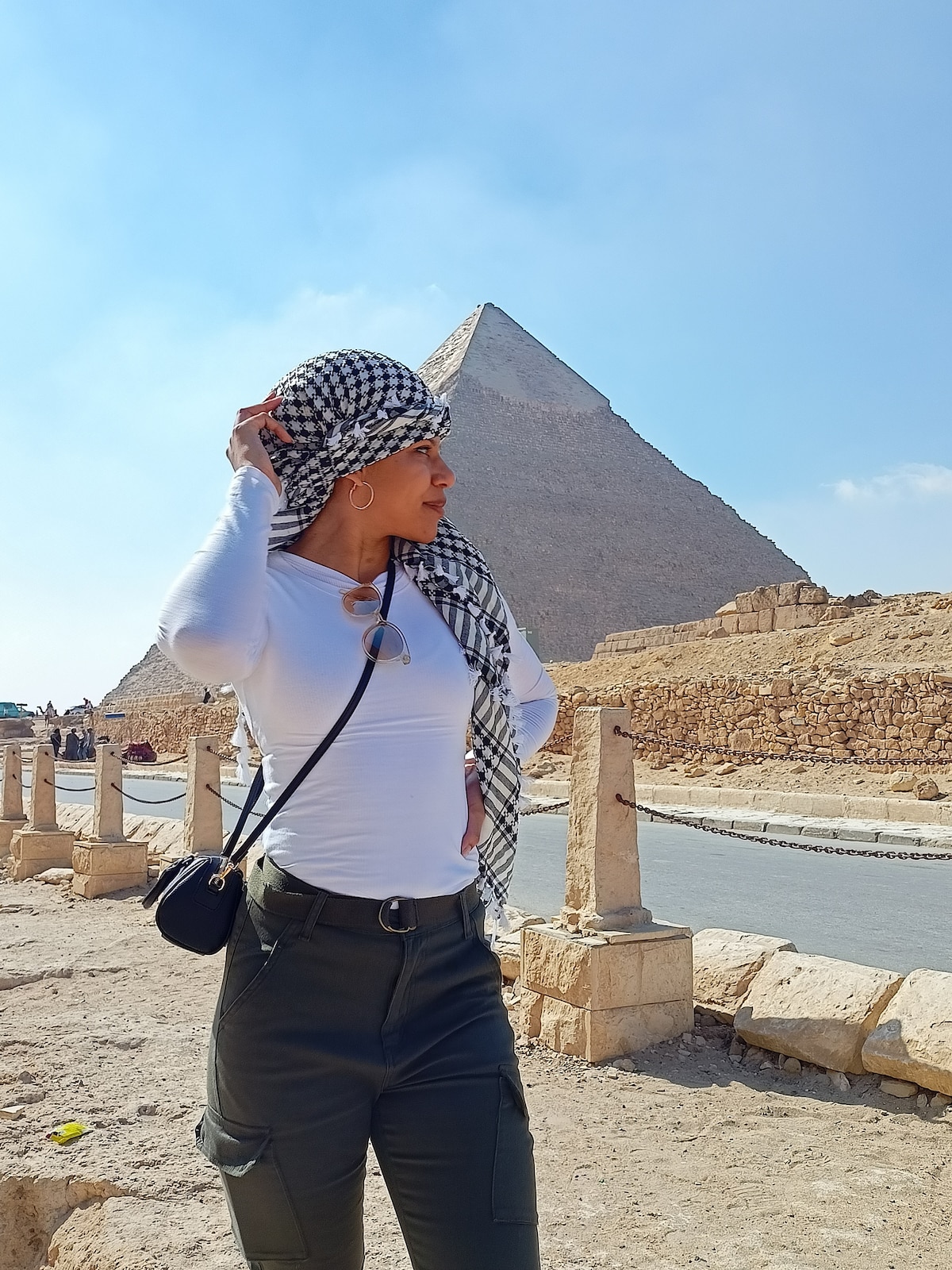
Private tour to Giza Pyramids, Sphinx, ATVs& Lunch
Thu, Jan 29 • 8:00 AM
Qasr Ad Dobarah, Cairo Governorate, 11512, Egypt
View details
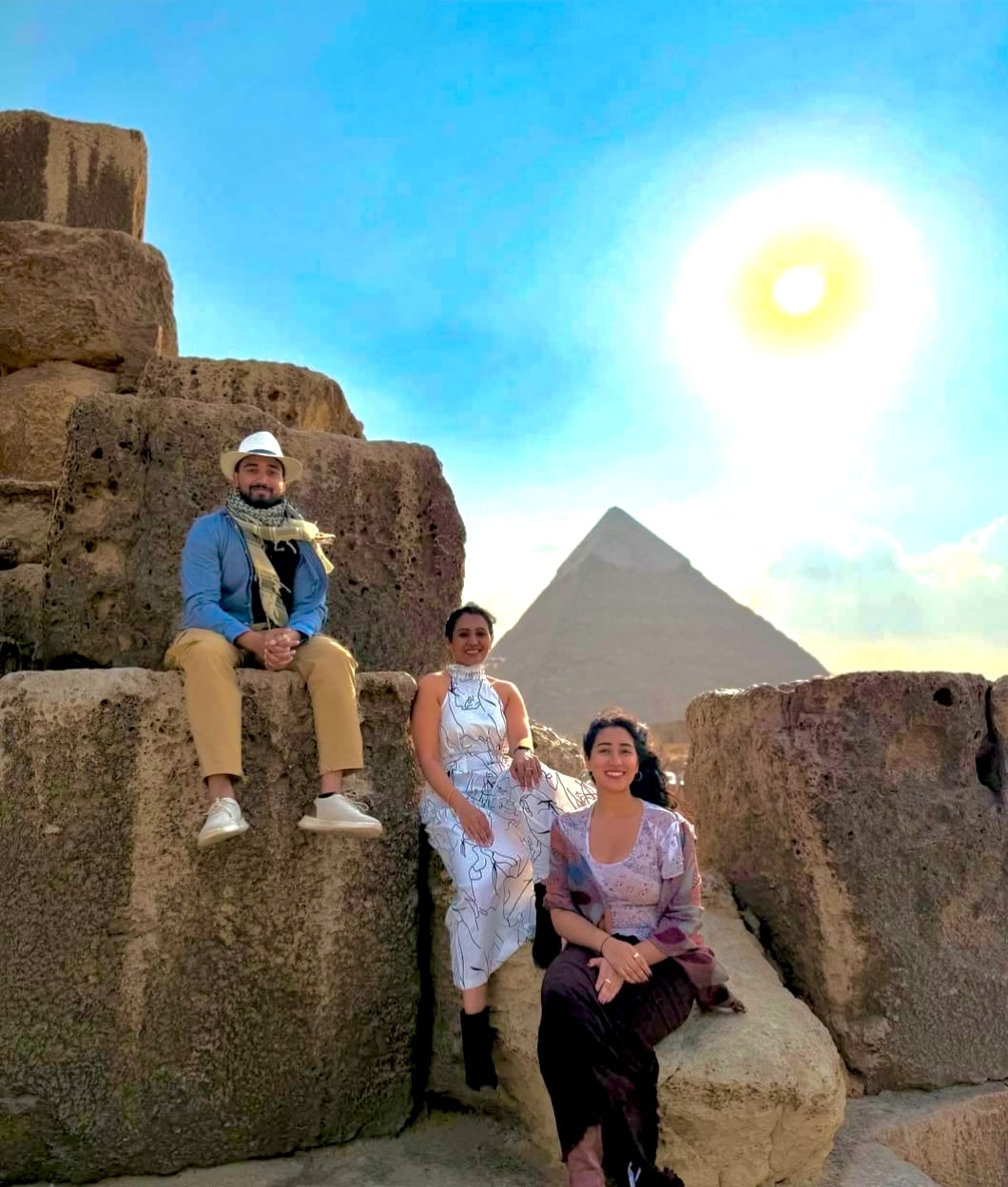
Half day tour to great pyramids and sphinx
Thu, Jan 29 • 5:45 AM
Nazlet El-Semman, Giza Governorate, 3514550, Egypt
View details
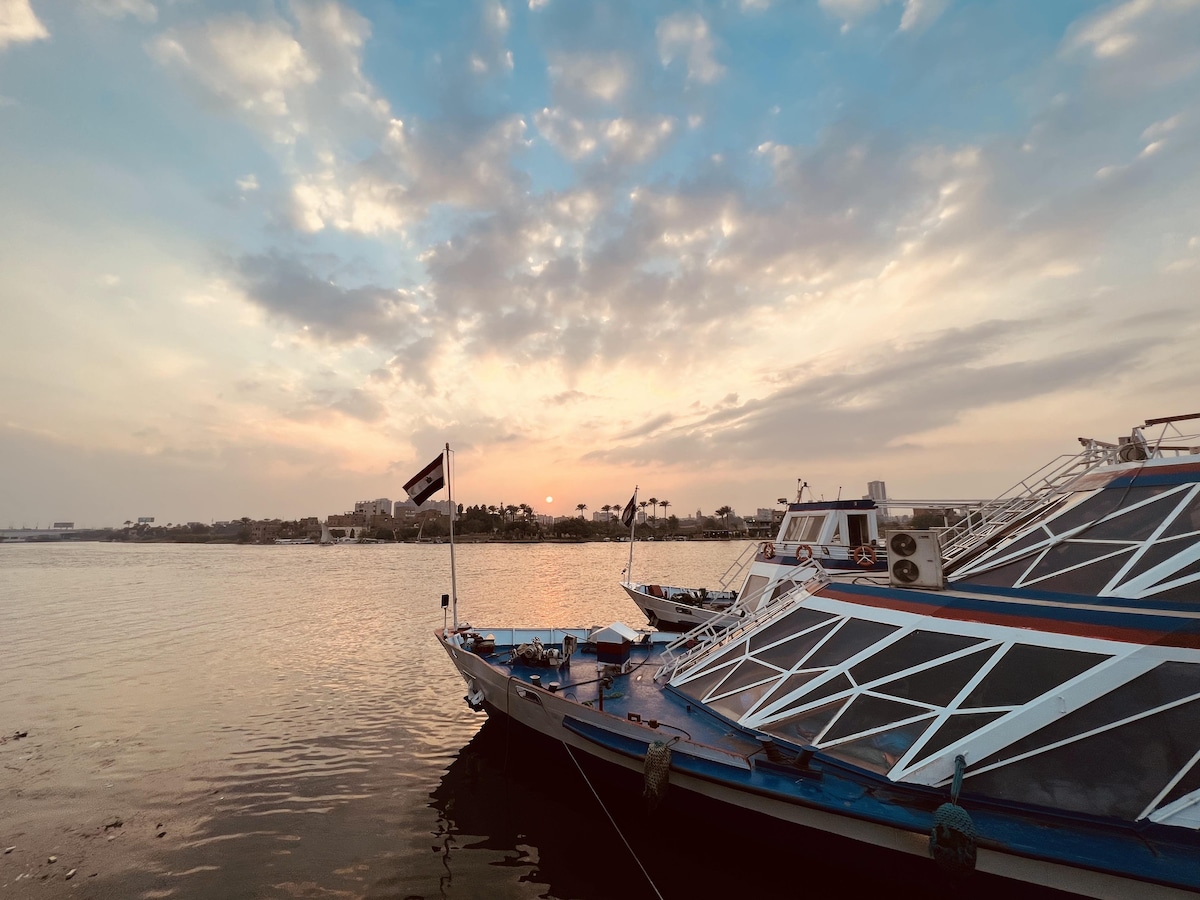
Cruise the Nile with a dinner show
Thu, Jan 29 • 4:00 PM
As Sarayat, Cairo Governorate, 11512, Egypt
View details
Nearby attractions of Museum Of Modern Egyptian Art
Al Horreya Garden
Cairo Tower
Cairo Opera House
The Palace Of Arts
El Andalos Park
Saad Zaghloul Statue
Rod Garden Faraj and rental boats Nile
Al Zohriya Garden حديقة الزهرية
Mahmoud Mukhtar Museum
Lion statue Qasr al-Nil
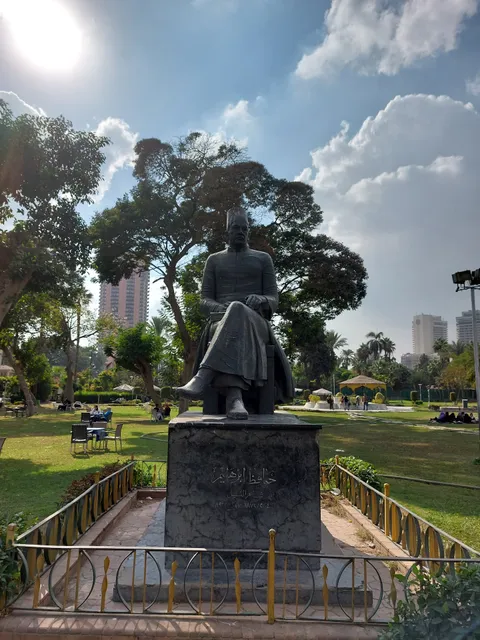
Al Horreya Garden
4.1
(2.6K)
Closed
Click for details
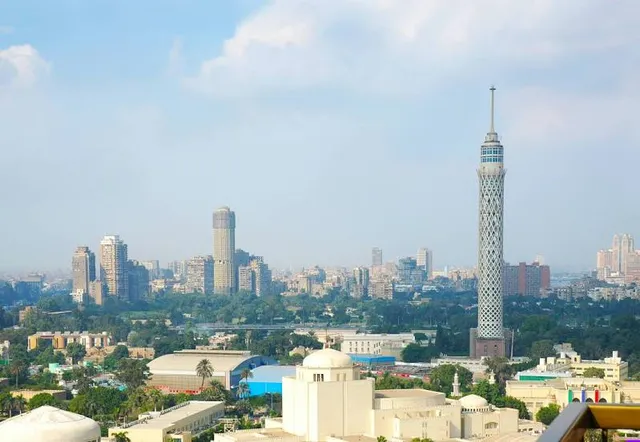
Cairo Tower
4.3
(11.3K)
Open until 1:00 AM
Click for details
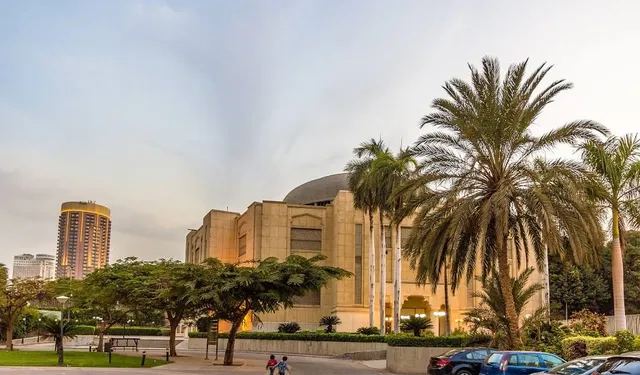
Cairo Opera House
4.7
(354)
Open 24 hours
Click for details
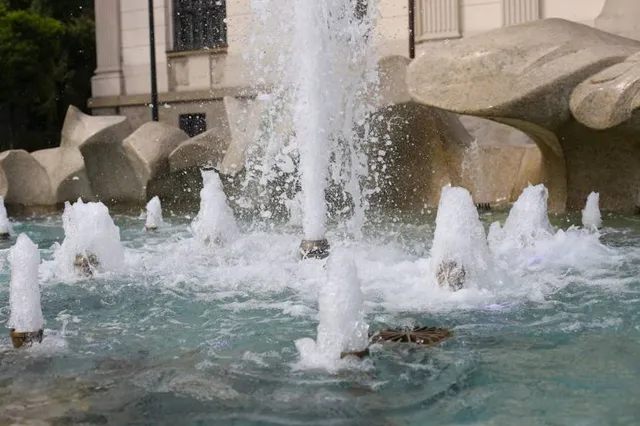
The Palace Of Arts
4.6
(139)
Open 24 hours
Click for details
Nearby restaurants of Museum Of Modern Egyptian Art
Tree Lounge Cairo Tower Branch
Blue Nile Boat
Ms Fathiya فتحية - Zamalek
Blend
Moon Deck
Stage El Nile
Seekh Mashwy Dokki
Adeemo
Seagull Restaurant Dokki
Latino Cafe & Restaurant - مطعم و كافيه لاتينو

Tree Lounge Cairo Tower Branch
4.5
(240)
Open until 12:00 AM
Click for details
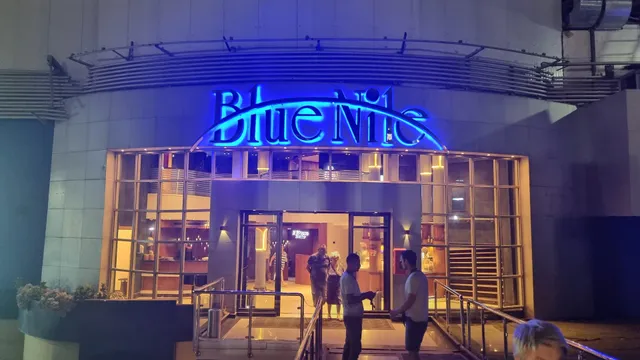
Blue Nile Boat
4.1
(2.4K)
$$$
Open until 3:00 AM
Click for details
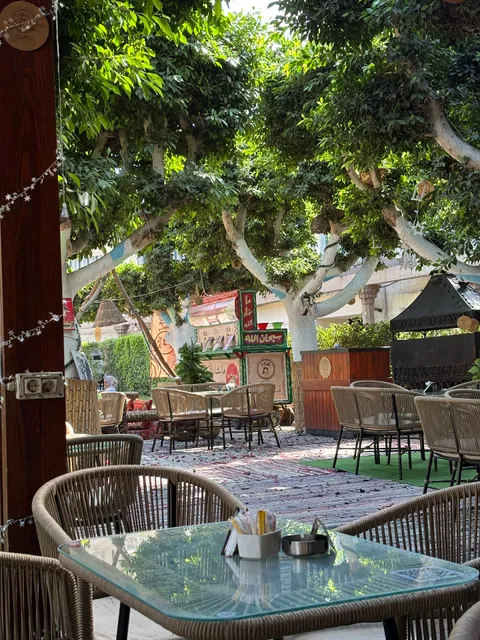
Ms Fathiya فتحية - Zamalek
4.3
(476)
Open until 3:00 AM
Click for details
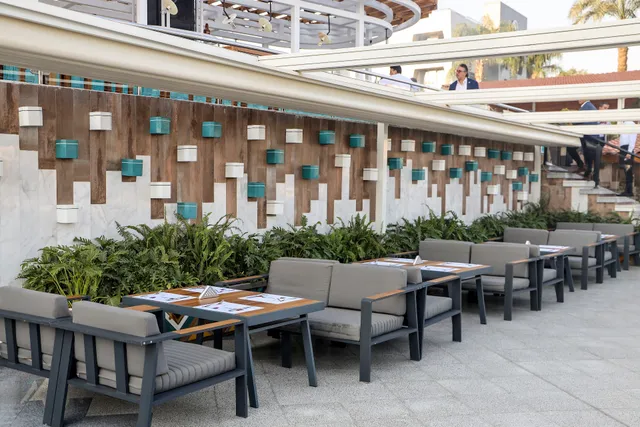
Blend
3.9
(1.4K)
Open until 4:00 AM
Click for details
Nearby local services of Museum Of Modern Egyptian Art
Andalusian Garden
Nile Boat Trip Station
Qasr El Nil Bridge
Felucca Ride
1OK Club Cairo
Katlia
روش سبا
International House Cairo
Houseboat65
Pyramids
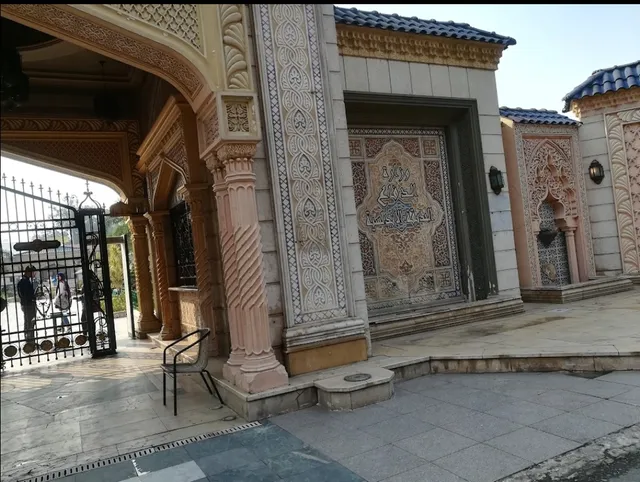
Andalusian Garden
4.1
(1.5K)
Click for details
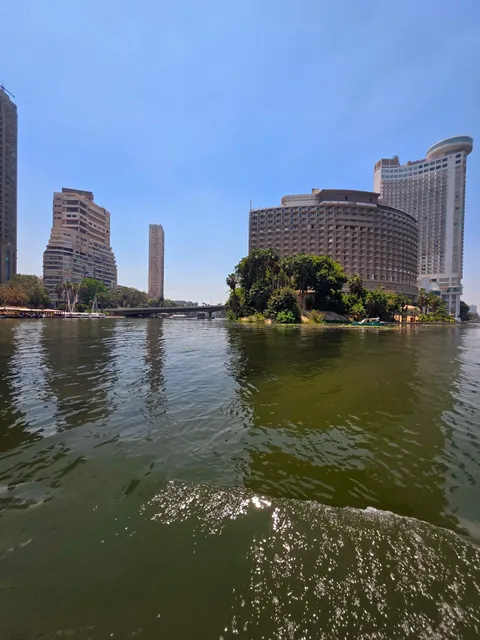
Nile Boat Trip Station
3.8
(81)
Click for details
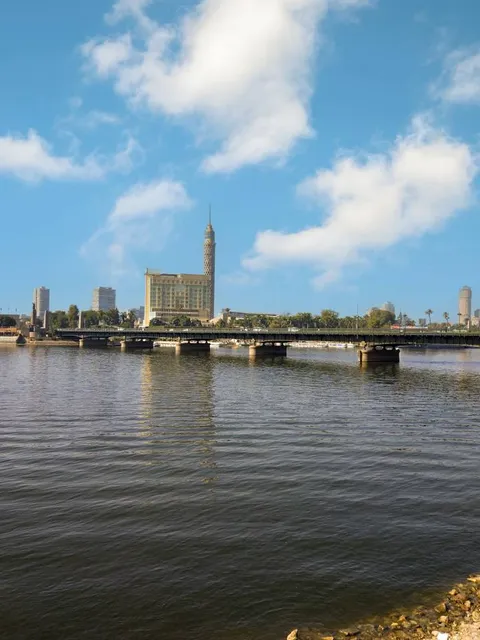
Qasr El Nil Bridge
4.6
(1.7K)
Click for details
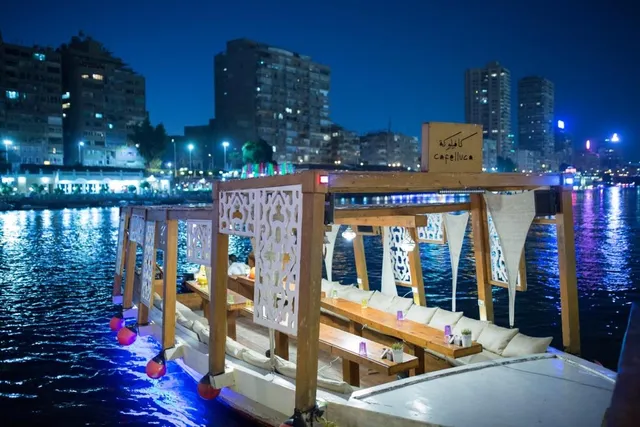
Felucca Ride
4.2
(46)
Click for details