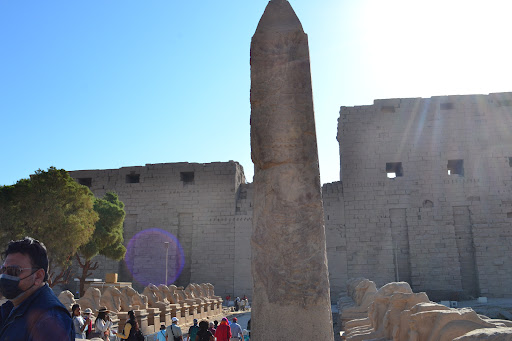
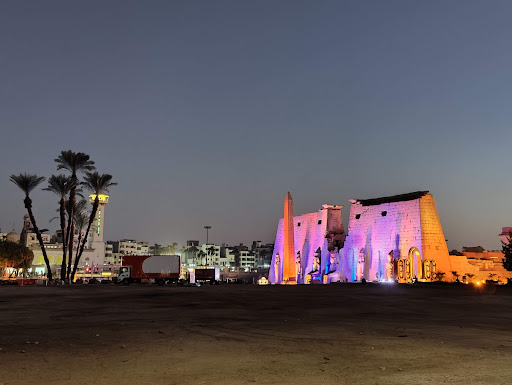
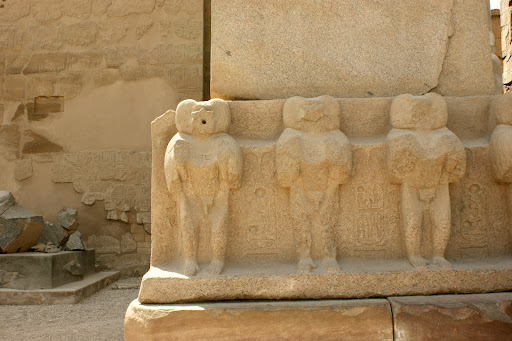
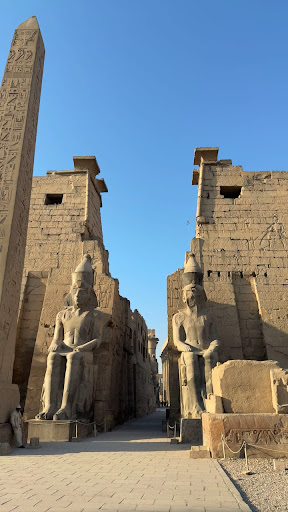
Remaining Luxor Obelisk things to do, attractions, restaurants, events info and trip planning
Basic Info
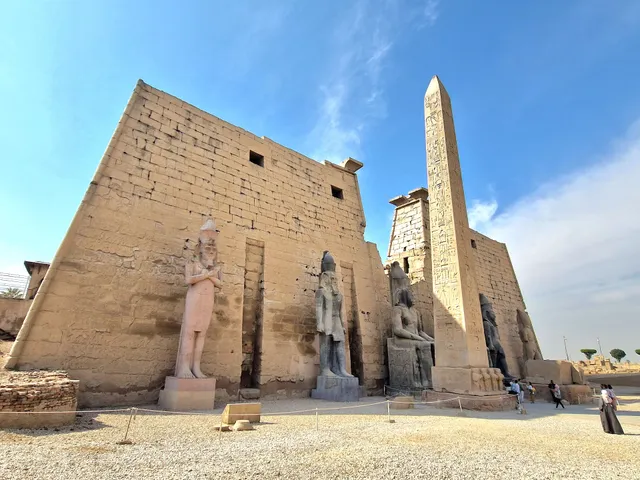
Remaining Luxor Obelisk
PJ2Q+4WG, Luxor City, Luxor, Luxor Governorate 1362501, Egypt
4.8(27)
Open 24 hours
Save
spot
spot
Ratings & Description
Info
Cultural
Scenic
attractions: Luxor Temple, Abou al-Haggag Mosque, Luxor Temple Ticket Office, First Pylon Luxor Temple, Mummification Museum, Lotus Papyrus Luxor, ميدان أبوالحجاج, River Nile, Nobles Art Gallery, Luxor Museum, restaurants: Al Sahaby Lane Restaurant, Aboudi Coffee Break, McDonald's Luxor, Flafel, Fish House, Metro Restaurant, مطعم بندق Bondok Resturant, الخيمة العربية - ALKHAYMA ALARABIA, Golden Mug, Abydos Nile View, local businesses: Luxor Obelisk, Ata Bazar, السوق السياحي بالاقصر, El - Souk, Habiba Gallery, Sayed felucca Luxor, SkyScape Hot Air Balloon, Horus Cafe, Luxor City, Egypt, Go Bus
 Learn more insights from Wanderboat AI.
Plan your stay

Pet-friendly Hotels in Luxor City
Find a cozy hotel nearby and make it a full experience.

Affordable Hotels in Luxor City
Find a cozy hotel nearby and make it a full experience.

The Coolest Hotels You Haven't Heard Of (Yet)
Find a cozy hotel nearby and make it a full experience.

Trending Stays Worth the Hype in Luxor City
Find a cozy hotel nearby and make it a full experience.
Reviews
Live events
Private customized day trip in Luxor with Lunch
Thu, Feb 26 • 6:00 AM
Al Qarna, Luxor Governorate, 1340413, Egypt
View details

Balloons ride over luxor, Fly with Captain Moo
Thu, Feb 26 • 4:00 AM
Luxor City, Luxor Governorate, 00000, Egypt
View details
Luxor full-day sightseeing tour
Thu, Feb 26 • 7:00 AM
Luxor City, Luxor Governorate, 1362514, Egypt
View details
Nearby attractions of Remaining Luxor Obelisk
Luxor Temple
Abou al-Haggag Mosque
Luxor Temple Ticket Office
First Pylon Luxor Temple
Mummification Museum
Lotus Papyrus Luxor
ميدان أبوالحجاج
River Nile
Nobles Art Gallery
Luxor Museum
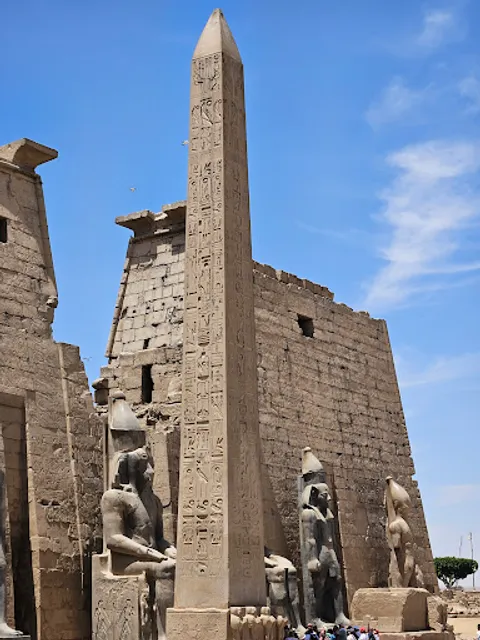
Luxor Temple
4.8
(12.3K)
Closed
Click for details
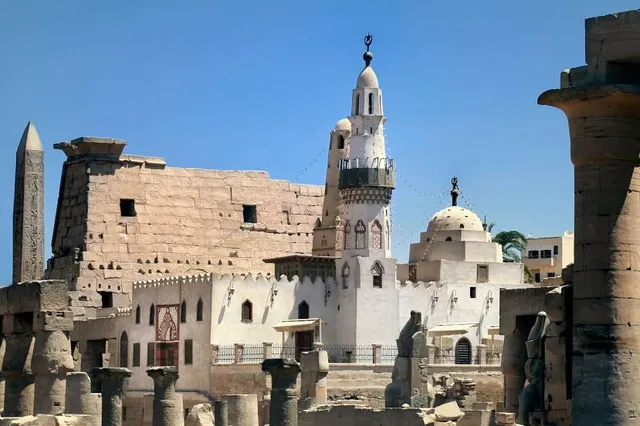
Abou al-Haggag Mosque
4.7
(874)
Open until 12:00 AM
Click for details
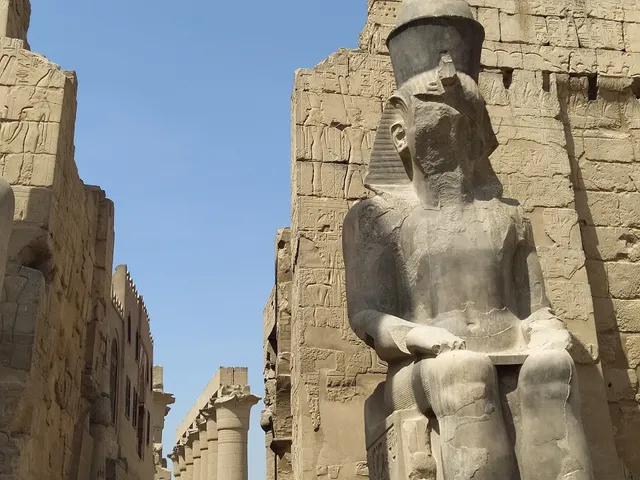
Luxor Temple Ticket Office
4.7
(474)
Closed
Click for details
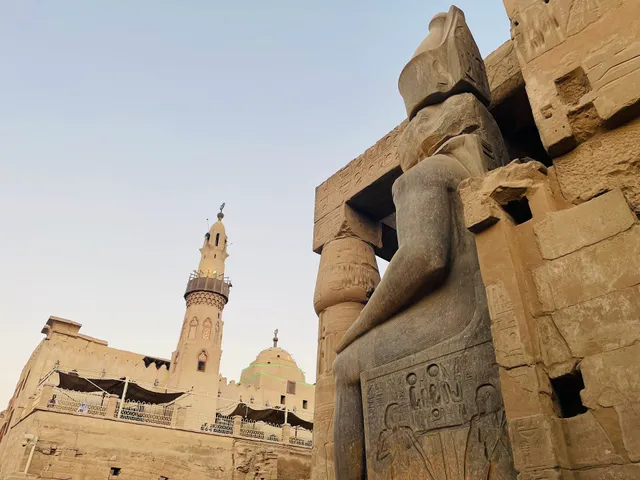
First Pylon Luxor Temple
4.7
(40)
Open 24 hours
Click for details
Nearby restaurants of Remaining Luxor Obelisk
Al Sahaby Lane Restaurant
Aboudi Coffee Break
McDonald's Luxor
Flafel
Fish House
Metro Restaurant
مطعم بندق Bondok Resturant
الخيمة العربية - ALKHAYMA ALARABIA
Golden Mug
Abydos Nile View
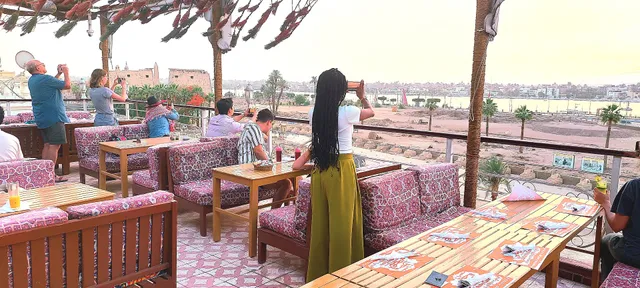
Al Sahaby Lane Restaurant
4.6
(1.8K)
Closed
Click for details
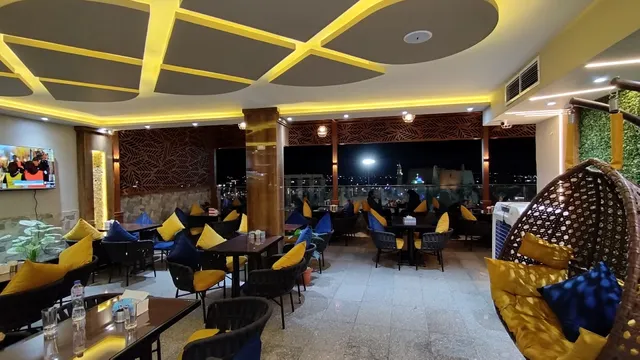
Aboudi Coffee Break
4.3
(453)
Closed
Click for details
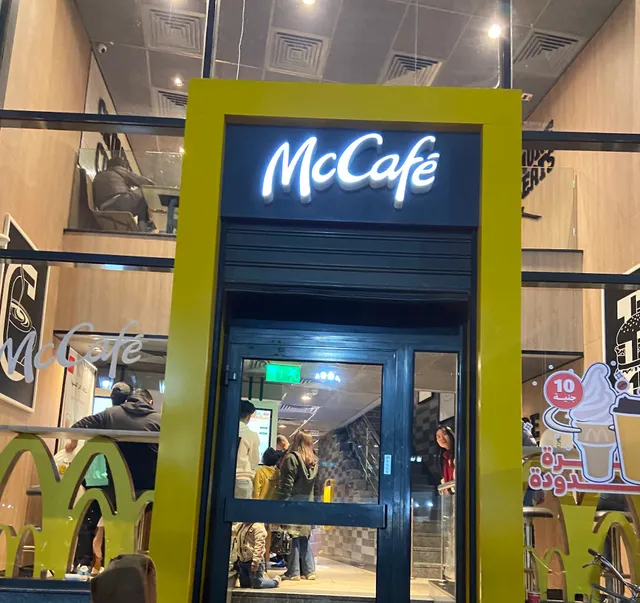
McDonald's Luxor
4.1
(986)
Closed
Click for details
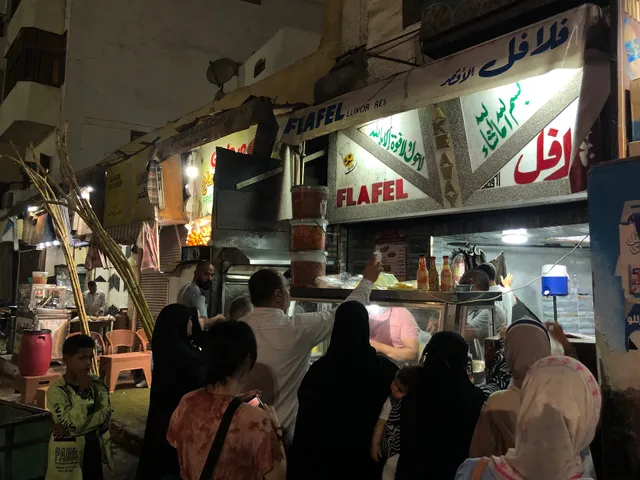
Flafel
4.7
(102)
Open until 12:00 AM
Click for details
Nearby local services of Remaining Luxor Obelisk
Luxor Obelisk
Ata Bazar
السوق السياحي بالاقصر
El - Souk
Habiba Gallery
Sayed felucca Luxor
SkyScape Hot Air Balloon
Horus Cafe
Luxor City, Egypt
Go Bus
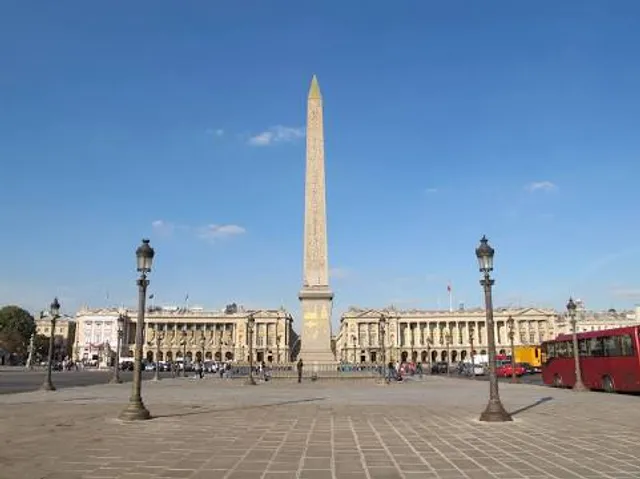
Luxor Obelisk
4.6
(640)
Click for details
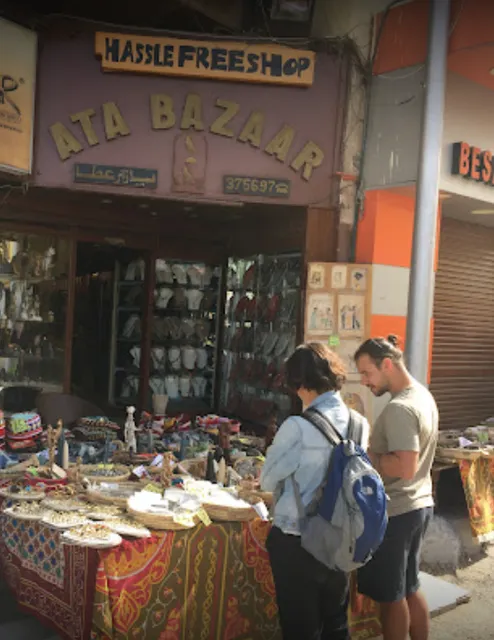
Ata Bazar
4.9
(376)
Click for details
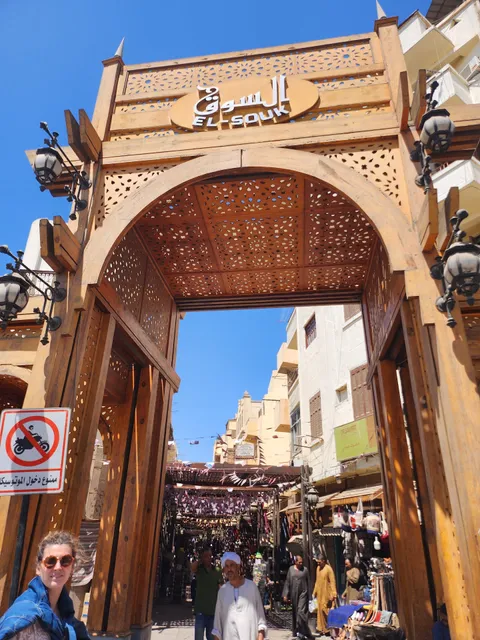
السوق السياحي بالاقصر
4.4
(444)
Click for details
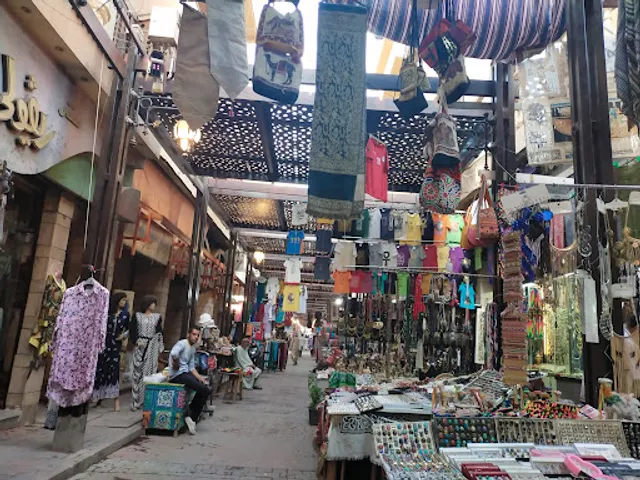
El - Souk
4.0
(284)
Click for details