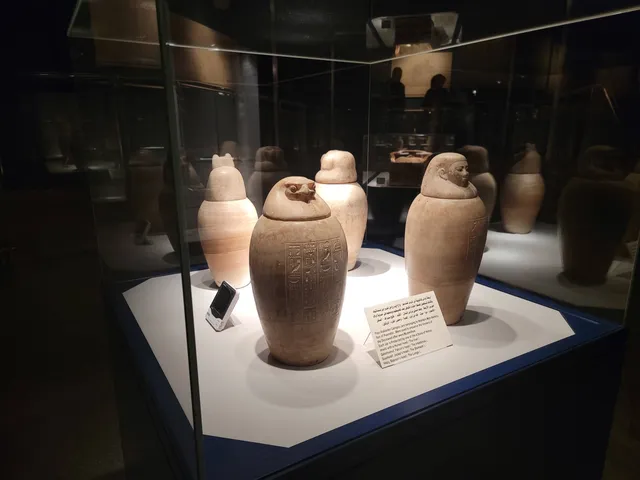
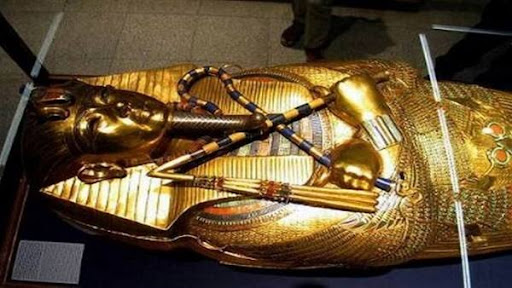
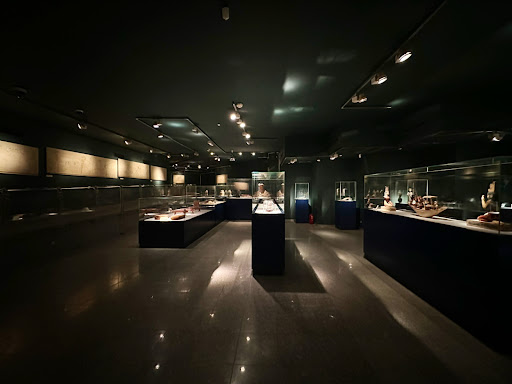
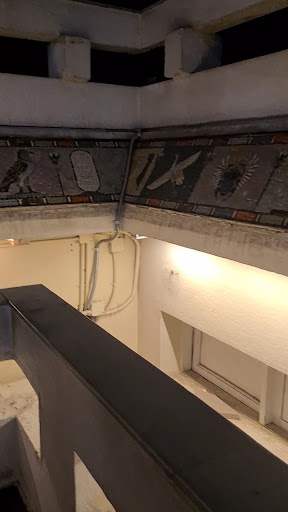
The Mummification Museum is one of the most important museums in the charming city of Luxor, which is witnessing a large turnout of Egyptians and foreigners in general, especially the art of mummification has puzzled scientists from all over the world for many and many years and perhaps some points related to mummification are still vague until now the museum displays a large number of mummies that return Various humans and animals belong to different eras, where the ancient Egyptians embalmed it up to the present time. The area of the museum is about 2035 square meters. The museum includes paintings that illustrate the religious and funerary rituals used in the past and the ways of burying the dead through the papyrus inside the museum. The museum also displays more than 60 pieces in glass windows. The museum includes the embalming bed that was the process of embalming as well as a number of tools used in embalming in the past such as Isabelle to break up the brain and aromatic residues and residues of resinous materials on linen wraps, nitrous salt and sawdust, which was used as a temporary filling in the chest and abdominal cavity and other tools Without it, the embalming process will not be complete or completed. It is worth noting that the British Museum includes a number of holdings that were found inside the Planning Museum, and it is striking that most of the exhibits inside the Mummification Museum revolve between the gods of ancient Egypt and mummification materials and embalming liquids and organic materials and others. The museum includes a number of stuffed animals and birds that may have lived in the age of the Pharaohs only, such as the machete of the “ibis” and the mummy of a monkey in the naos, as well as the mummy of a newborn crocodile and the mummy of a white scallion fish found in Esna and the mummy of a cat tha
متحف التحنيط من أهم المتاحف الموجودة في مدينة الأقصر الساحرة والذي يشهد اقبالاً كبيراً من المصريين والأجانب بشكل عام لاسيما وفن التحنيط قد حير العلماء من مختلف أنحاء العالم لسنوات طويلة ومتعددة وربما مازالت بعض النقاط المتعلقة بالتحنيط مازالت مبهمة حتى الآن يعرض المتحف عدد كبير من المومياوات التي تعود لآدميين وحيوانات مختلفة تعود لعصور مختلفة حيث قام قدماء المصريين بتحنيطها حتى وقتنا الآن . وتصل مساحة المتحف حوالي 2035 متر مربع ويضم المتحف عبر ساحاته لوحات توضح الطقوس الدينية والجنائزية المتبعة قديما وطرق دفن الموتى من خلال البرديات الموجودة داخل المتحف كما يعرض المتحف أكثر من 60 قطعة في نوافذ عرض زجاجية. يضم المتحف سرير التحنيط الذي كانت تتم عليه عملية التحنيط فضلاً عن وجود عدد من الأدوات المستخدمة في التحنيط قديماً مثل الإيزابيل لتفتيت المخ و بقايا دهون عطرية وبقايا مواد راتنجية على ولفائف كتانية وملح النطرون ونشارة الخشب الذي كان يستخدم كحشو مؤقت فى التجويف الصدري والبطني وغيرها من الأدوات التي بدونها لن تكتمل او تتم عملية التحنيط. جدير بالذكر أن المتحف البريطاني يضم عدد من المقتنيات التي تم العثور عليها من داخل متحف التخطيط، ومن اللافت للنظر أن أغلب المعروضات داخل متحف التحنيط تدور ما بين آلهة مصر القديمة ومواد التحنيط و سوائل التحنيط والمواد العضوية وغيرها . يضم المتحف عدد من الحيوانات والطيور المحنطة التي ربما كانت تعيش في عصر الفراعنة فقط مثل مومياء طائر “أبو منجل” و ومومياء لقرد فى الناووس فضلاً عن مومياء تمساح حديث الولادة و ومومياء سمكة قشر بياض وجدت فى إسنا ومومياء لقطة كان يرمز بها فى مصر القديمة بـ”باستت”.
تم العثور على عدد من المقتنيات التي تخص التحنيط في أماكن متفرقة فيما تم جمعها بالكامل وعرضها في متحف التحنيط منها كبش محنط مغطى بقناع مذهب من الكرتوناج وجد فى جزيرة الفنتين، علامة “العنخ” رمز الحياة عند المصري القديم و العمود “جد” رمز الثبات والاستمرار.
ويوجد أيضاً تمثالى “نفتيس” و”إيزيس” إلهى حماية المتوفى، كما يوجد نموذج لمركب جنائزى لنقل جثمان المتوفى عبر النيل إلى البر الغربى وغيرها من المقتنيات القديمة التي توضح مظاهر الحياة الدينية والاجتماعية عند المصريين القدماء وكيفية تقديسهم للإله وحرصهم على أداء الشعائر والطقوس الدينية المختلفة .
ذكرنا عدد من المعلومات حول متحف التحنيط الساحر الذي يجذب الملايين من محبي التحنيط والفن القديم عن الفراعنة القدماء حيث يوضح المتحف تفاصيل متعددة حول الحياة الدينية في مصر القديمة، متحف التحنيط جدير بالفعل...
Read moreAn interesting, though very tiny, museum near Luxor Temple which could serve as a nice place to take a half hour break from the heat. To thoroughly experience this museum, one only needs 30 minutes at most - and that’s being generous as it’s only a single room rather than an expansive museum. With this in mind, the entrance fee of 140 EGP for foreigners feels a bit steep, though we didn’t mind.
One thing that I didn’t like was the gentleman inside the museum who followed us around offering useless tips/info and didn’t take the polite cues that we wanted to be left alone. For example, I was standing at an exhibit of tools used in the mummification process, each with detailed written descriptions, and this guy came up behind me to tell me, “these are tools for making mummies” as if I couldn’t read for myself. He would also follow us around and anytime we’d start to take a photo, he’d confirm that it’s ok to take photos. News flash, guests are allowed to take photos of anything and everything in this museum, so it’s unnecessary and bothersome to constantly advise that it’s ok to take photos. We asked him if he worked in the museum and he said he did, though I suspect he didn’t actually work there and was simply angling for a tip. In any case, based on this museum only being a single room, I’m not sure why staff allowed this gentleman inside where he bothered both of us, as well as the only other guest there whose body language evidently showed that she wasn’t interested in this...
Read moreThe Mummification Museum, located in Luxor, Egypt, is dedicated to the ancient Egyptian practice of mummification and the rituals associated with it. The museum provides a fascinating insight into the embalming process, the religious significance of mummification, and the tools and materials used by ancient Egyptians to preserve the bodies of the deceased.
The museum is housed in a building that once served as a traditional cultural center. It displays a range of mummies, along with detailed exhibits showing the stages of the mummification process. Visitors can learn about the methods used to preserve the body, including the removal of internal organs, the use of natron (a salt compound) to dry out the body, and the wrapping of the body in linen bandages. Additionally, the museum showcases various embalming tools, including knives, jars for storing organs, and other items used in the mummification process.
The museum also includes information about the religious and cultural beliefs surrounding death in ancient Egypt, especially the concept of the afterlife and the importance of preserving the body for the journey to the next world. The collection features mummies of animals, such as cats and birds, as well as human mummies, providing visitors with a broad perspective on mummification practices.
Overall, the Mummification Museum is a must-visit for those interested in understanding one of ancient Egypt's most intriguing and...
Read more