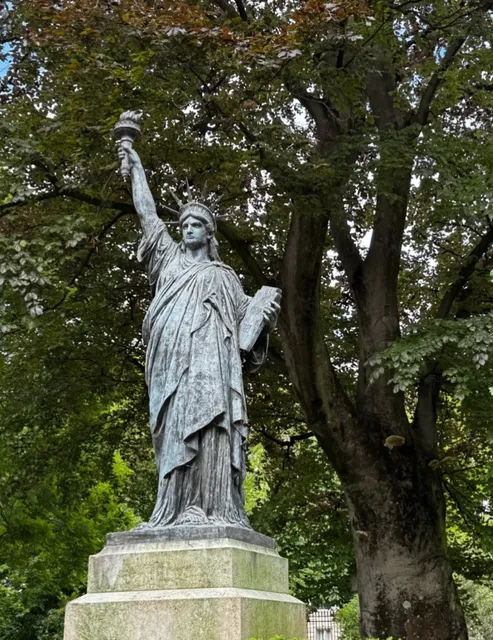
Medici Fountain things to do, attractions, restaurants, events info and trip planning
Basic Info
Medici Fountain
Rue de Médicis, 75006 Paris, France
4.8(1.8K)
Open until 7:15 PM
Save
spot
spot
Ratings & Description
Info
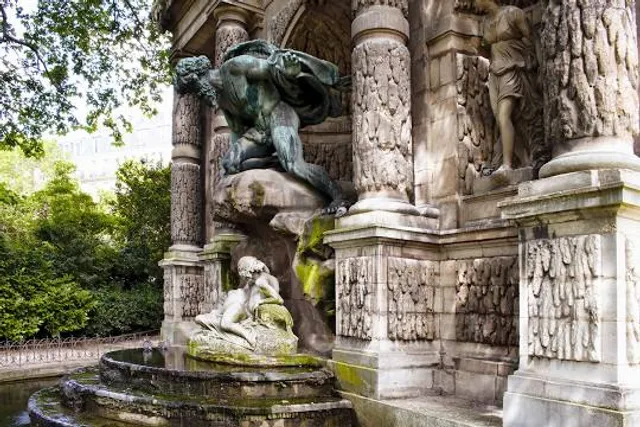
The Medici Fountain is a monumental fountain in the Jardin du Luxembourg in the 6th arrondissement in Paris. Built in about 1630, it was commissioned by Marie de' Medici, the widow of King Henry IV of France and regent of King Louis XIII of France.
Cultural
Outdoor
Accessibility
attractions: Jardin du Luxembourg, Luxembourg Palace, Odéon Theatre, Panthéon, Église Saint-Sulpice, Place de l'Odéon, Cluny Museum - National Museum of the Middle Ages, Mineralogy Museum MINES ParisTech, Musée du Luxembourg, Sorbonne Université, restaurants: Le Choupinet, Treize au Jardin, ROSEMONDE BY PATROL, Le Rostand, Le Petit Medicis, Au Petit Suisse Brasserie, Bistro des Poèmes, Au Père Louis, La Terrasse de Madame, Sushi Yaki, local businesses: The Red Wheelbarrow Bookstore, Spa 28, Troifoirien, Gibert, Le Bureau des Légendes - Escape Game Immersif Paris, Bd Saint-Michel, Sénat, DJI Store Paris, Luxembourg, Azar Barbershop - coiffeur Paris
 Learn more insights from Wanderboat AI.
Website
senat.fr
Open hoursSee all hours
Sat7:30 a.m. - 7:15 p.m.Open
Plan your stay

Pet-friendly Hotels in Paris
Find a cozy hotel nearby and make it a full experience.

Affordable Hotels in Paris
Find a cozy hotel nearby and make it a full experience.

The Coolest Hotels You Haven't Heard Of (Yet)
Find a cozy hotel nearby and make it a full experience.

Trending Stays Worth the Hype in Paris
Find a cozy hotel nearby and make it a full experience.
Reviews
Live events

A sommelier’s wine tasting tour de France
Sat, Feb 21 • 5:00 PM
75009, Paris, France
View details

Avant-première - Magic x Les Tortues Ninja
Sat, Feb 28 • 2:00 PM
27 Avenue du Général de Gaulle 77340 Pontault-Combault
View details

Dinner Cruise in the Heart of Paris with Music
Mon, Feb 23 • 8:30 PM
Port de la Bourdonnais 75007, Paris, France
View details
Nearby attractions of Medici Fountain
Jardin du Luxembourg
Luxembourg Palace
Odéon Theatre
Panthéon
Église Saint-Sulpice
Place de l'Odéon
Cluny Museum - National Museum of the Middle Ages
Mineralogy Museum MINES ParisTech
Musée du Luxembourg
Sorbonne Université
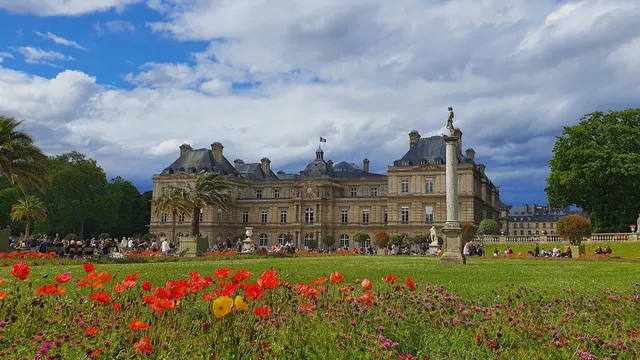
Jardin du Luxembourg
4.7
(40.9K)
Open 24 hours
Click for details
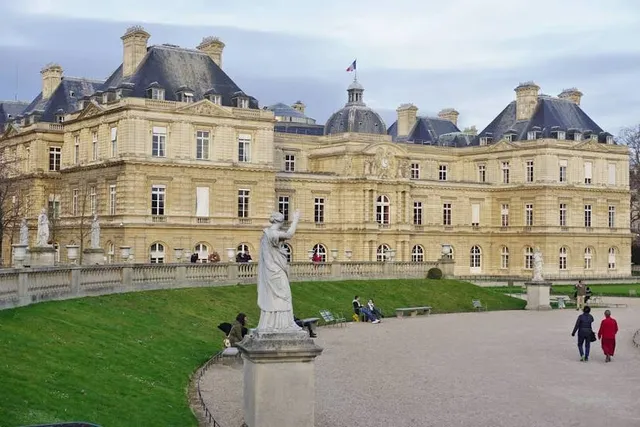
Luxembourg Palace
4.7
(1.7K)
Open 24 hours
Click for details
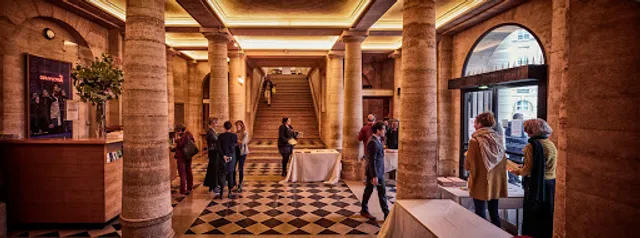
Odéon Theatre
4.6
(859)
Open 24 hours
Click for details

Panthéon
4.6
(21.7K)
Open until 6:30 PM
Click for details
Nearby restaurants of Medici Fountain
Le Choupinet
Treize au Jardin
ROSEMONDE BY PATROL
Le Rostand
Le Petit Medicis
Au Petit Suisse Brasserie
Bistro des Poèmes
Au Père Louis
La Terrasse de Madame
Sushi Yaki

Le Choupinet
4.4
(1.7K)
Open until 2:00 AM
Click for details
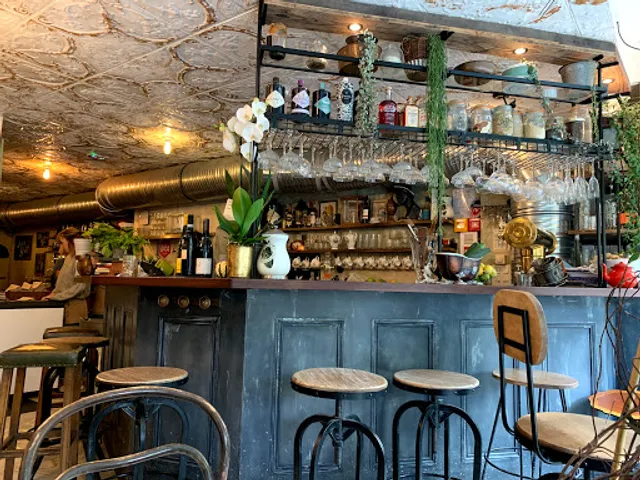
Treize au Jardin
4.1
(797)
Open until 8:30 PM
Click for details
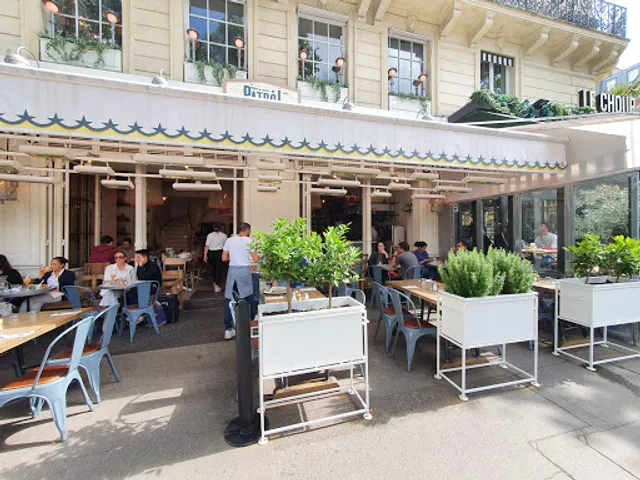
ROSEMONDE BY PATROL
4.5
(943)
Open until 2:00 AM
Click for details
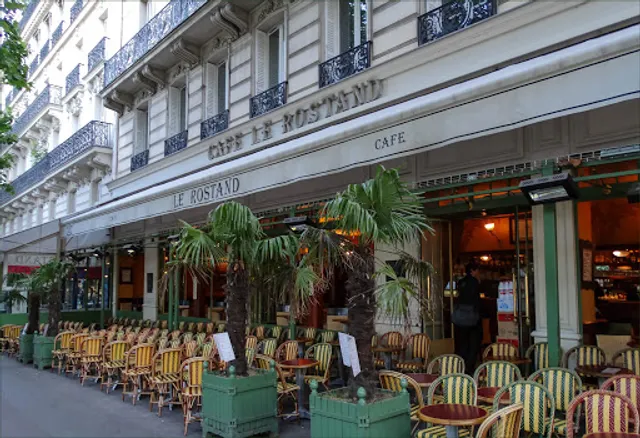
Le Rostand
3.5
(616)
$$
Open until 12:00 AM
Click for details
Nearby local services of Medici Fountain
The Red Wheelbarrow Bookstore
Spa 28
Troifoirien
Gibert
Le Bureau des Légendes - Escape Game Immersif Paris
Bd Saint-Michel
Sénat
DJI Store Paris
Luxembourg
Azar Barbershop - coiffeur Paris
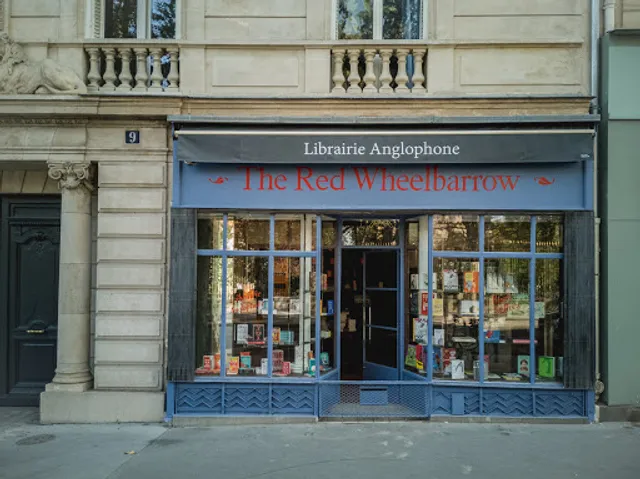
The Red Wheelbarrow Bookstore
4.7
(145)
Click for details
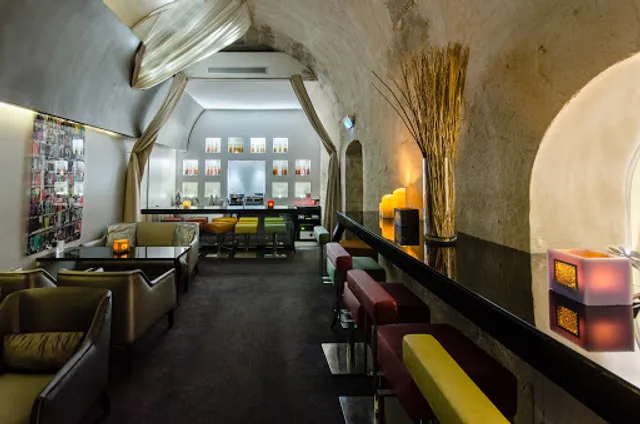
Spa 28
4.7
(299)
Click for details

Troifoirien
4.0
(255)
Click for details
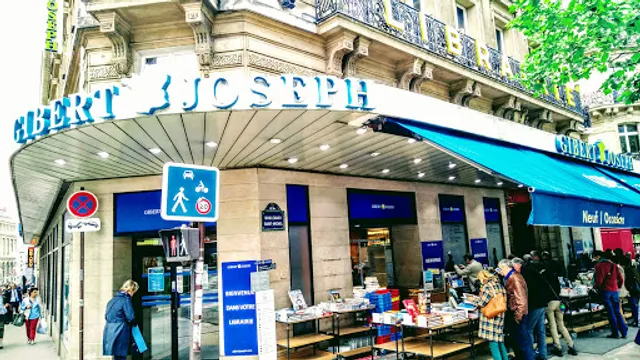
Gibert
4.5
(4K)
Click for details