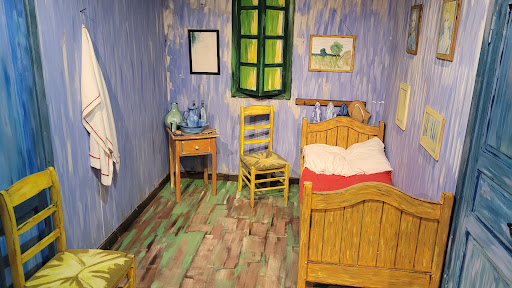
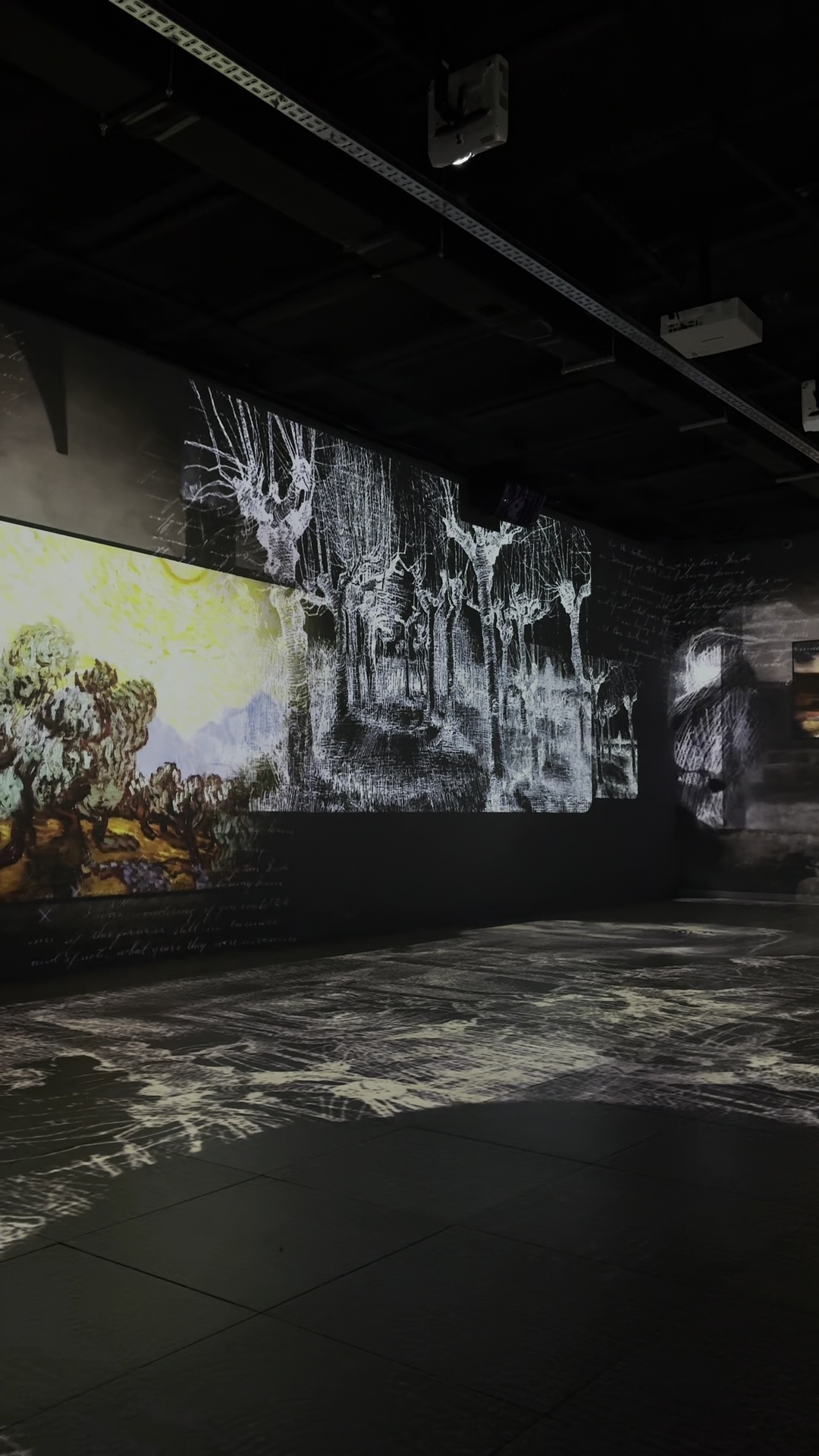
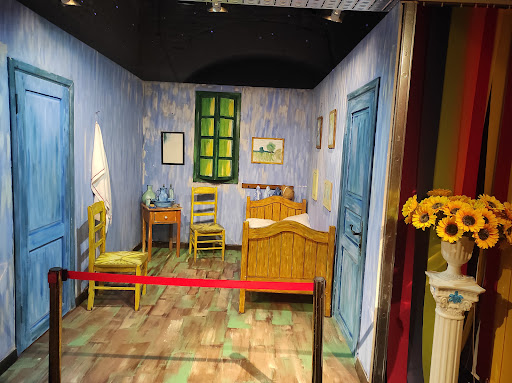
Tbilisi Digital Space things to do, attractions, restaurants, events info and trip planning
Basic Info
Tbilisi Digital Space
16 Shota Rustaveli Ave, Tbilisi 0108, Georgia
4.8(1.6K)
Open until 9:00 PM


tickets
Save
spot
spot
Ratings & Description
Info
Cultural
Entertainment
Accessibility
attractions: Rustaveli National Theatre, Opera and Ballet Theater of Tbilisi, National Gallery, Kashueti St. George Church, MoMA Tbilisi, 9 April Garden, G. Leonidze Museum of Georgian Literature, Georgian National Museum, Dry Bridge Market, Experimentorium - Science Museum, restaurants: TANNINI, Bar-Restaurant, Burger House, Restaurant Margalita, Sofia Melnikova’s Fantastic Douqan, Kvarts coffee, The Cone Culture, Ruby Cafe, რესტორანი ძუძუები და დრაკონები, New Asia, DecanTer, local businesses: Shota Rustaveli Ave, Opera and Ballet Theater of Tbilisi, Shota Rustaveli Avenue, Remarket Vintage Shop, Georgian Museum of Fine Arts, AMI & VINTAGE, Galleria Tbilisi, Merani Mall, Humana, Metro Vintage store
 Learn more insights from Wanderboat AI.
Phone
+995 577 00 07 05
Website
digitalmuseum.ge
Open hoursSee all hours
Thu11 AM - 9 PMOpen
Plan your stay

Pet-friendly Hotels in Tbilisi
Find a cozy hotel nearby and make it a full experience.

Affordable Hotels in Tbilisi
Find a cozy hotel nearby and make it a full experience.

The Coolest Hotels You Haven't Heard Of (Yet)
Find a cozy hotel nearby and make it a full experience.

Trending Stays Worth the Hype in Tbilisi
Find a cozy hotel nearby and make it a full experience.
Reviews
Live events

Learn Georgian grannys recipes
Thu, Feb 12 • 6:00 PM
Tbilisi, 0108, Georgia
View details
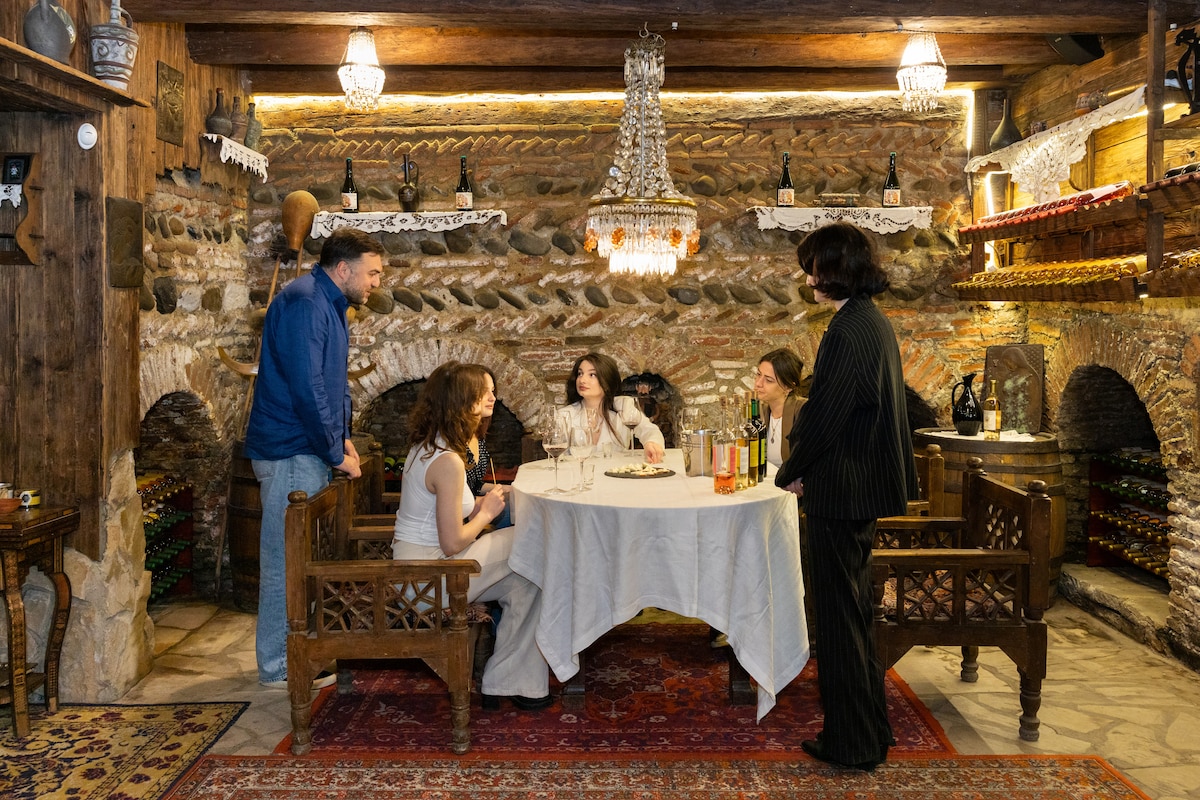
Wine tasting in historic cellar
Thu, Feb 12 • 1:00 PM
Tbilisi, 0105, Georgia
View details
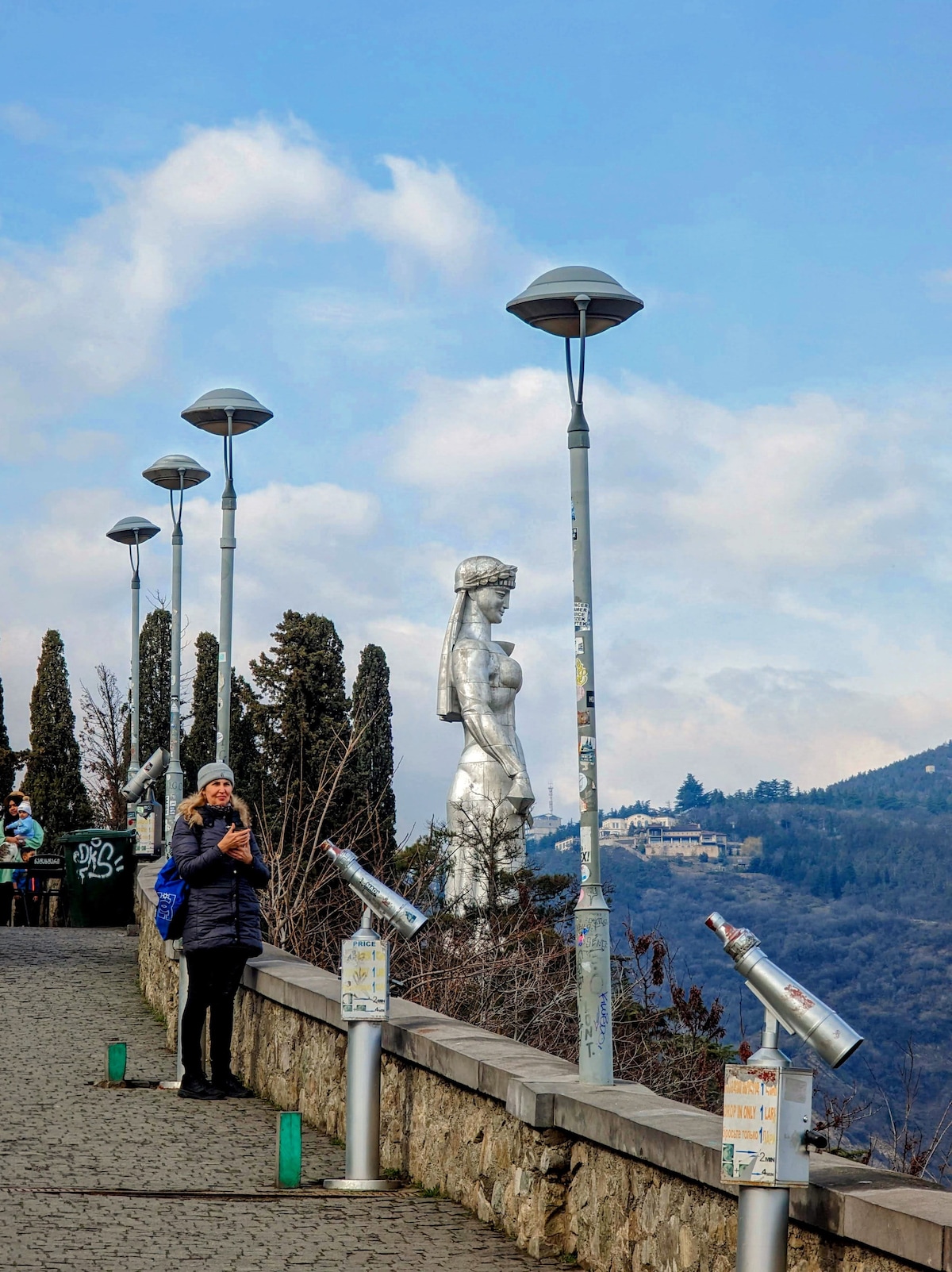
Walk Tbilisi Old Town with curated stops & stories
Thu, Feb 12 • 12:30 PM
Tbilisi, 1001, Georgia
View details
Nearby attractions of Tbilisi Digital Space
Rustaveli National Theatre
Opera and Ballet Theater of Tbilisi
National Gallery
Kashueti St. George Church
MoMA Tbilisi
9 April Garden
G. Leonidze Museum of Georgian Literature
Georgian National Museum
Dry Bridge Market
Experimentorium - Science Museum
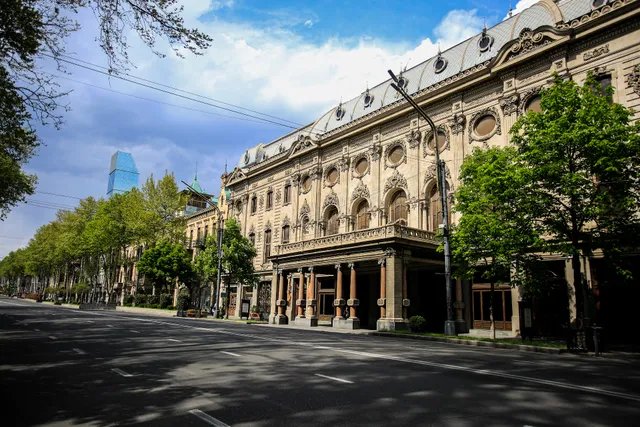
Rustaveli National Theatre
4.6
(938)
Open 24 hours
Click for details

Opera and Ballet Theater of Tbilisi
4.8
(1.8K)
Open 24 hours
Click for details
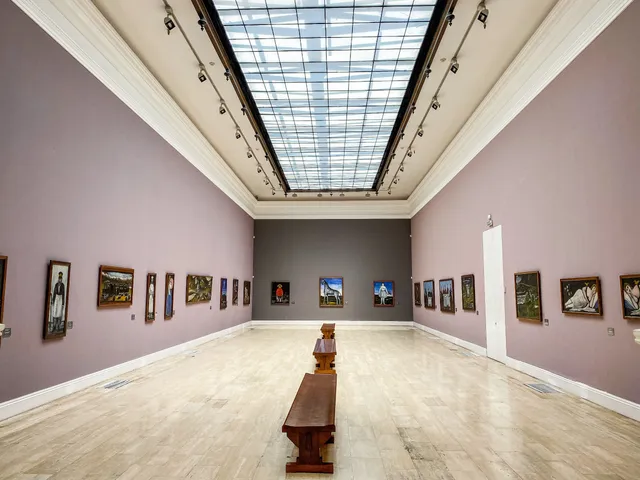
National Gallery
4.3
(747)
Open until 6:00 PM
Click for details
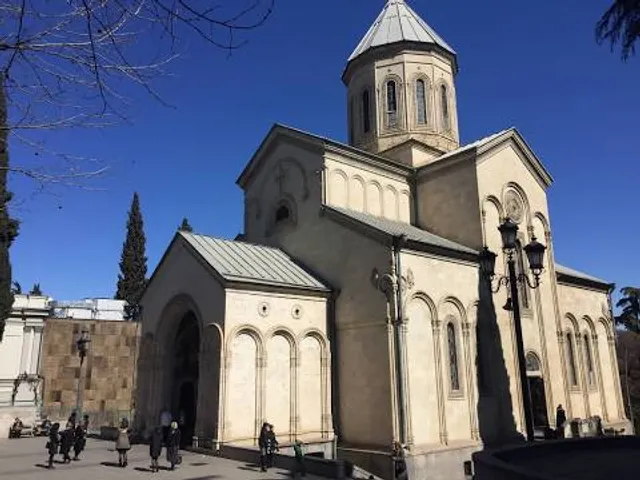
Kashueti St. George Church
4.8
(969)
Open until 8:00 PM
Click for details
Nearby restaurants of Tbilisi Digital Space
TANNINI, Bar-Restaurant
Burger House
Restaurant Margalita
Sofia Melnikova’s Fantastic Douqan
Kvarts coffee
The Cone Culture
Ruby Cafe
რესტორანი ძუძუები და დრაკონები
New Asia
DecanTer

TANNINI, Bar-Restaurant
4.6
(711)
$$
Open until 11:30 PM
Click for details
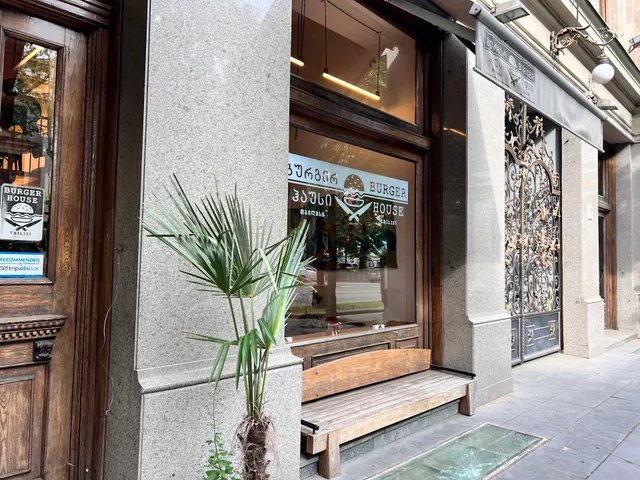
Burger House
4.6
(1.1K)
Open until 10:30 PM
Click for details

Restaurant Margalita
4.6
(665)
$$
Open until 11:30 PM
Click for details
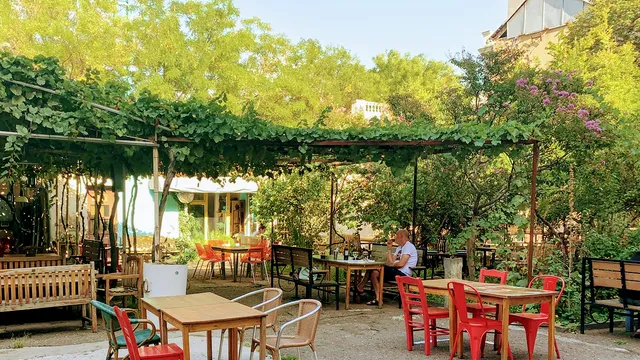
Sofia Melnikova’s Fantastic Douqan
4.2
(813)
Open until 2:00 AM
Click for details
Nearby local services of Tbilisi Digital Space
Shota Rustaveli Ave
Opera and Ballet Theater of Tbilisi
Shota Rustaveli Avenue
Remarket Vintage Shop
Georgian Museum of Fine Arts
AMI & VINTAGE
Galleria Tbilisi
Merani Mall
Humana
Metro Vintage store
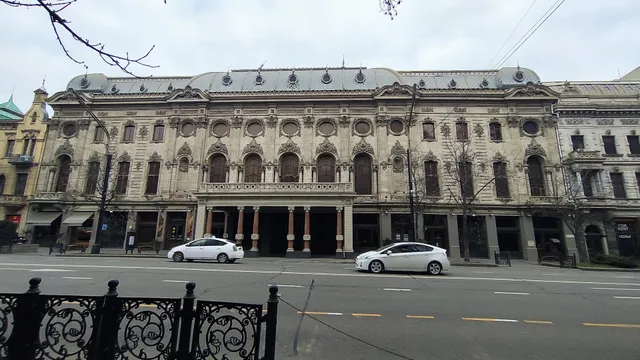
Shota Rustaveli Ave
4.7
(227)
Click for details
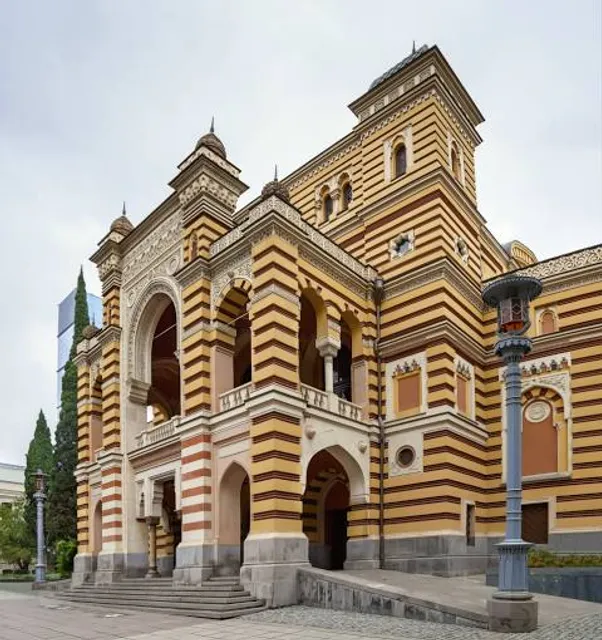
Opera and Ballet Theater of Tbilisi
4.8
(1.5K)
Click for details
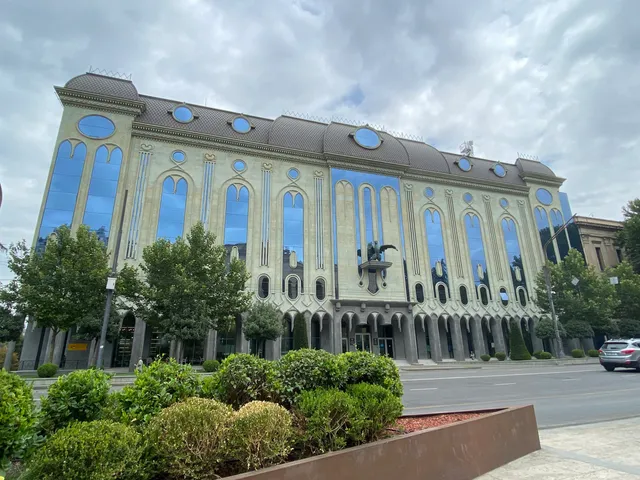
Shota Rustaveli Avenue
4.8
(107)
Click for details
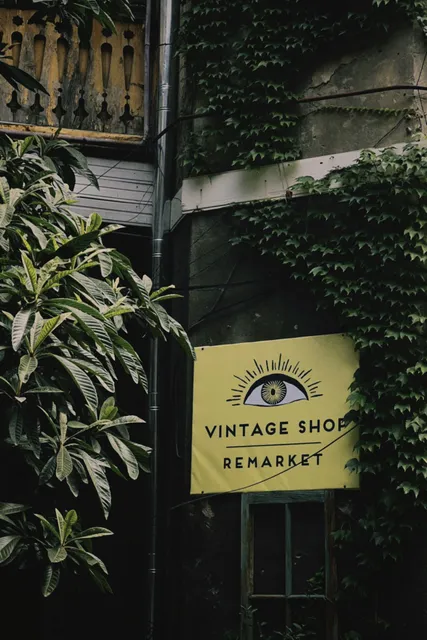
Remarket Vintage Shop
5.0
(115)
Click for details