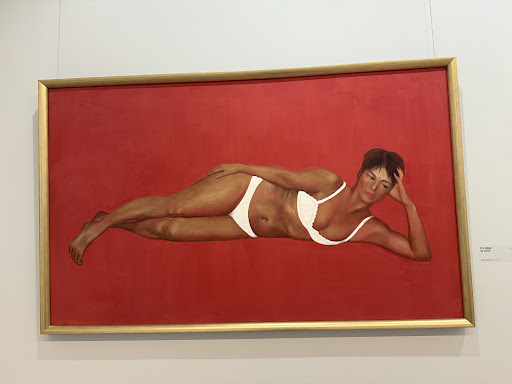
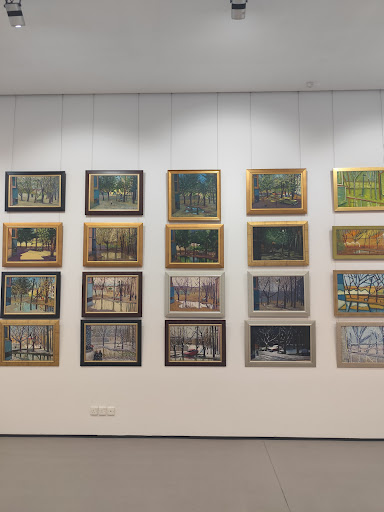
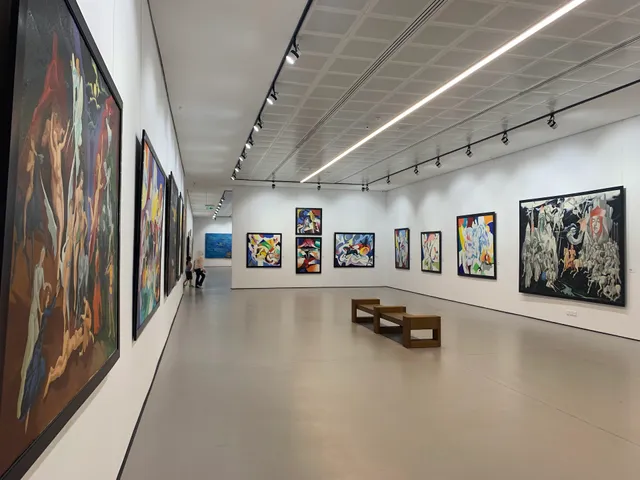
Georgian Museum of Fine Arts things to do, attractions, restaurants, events info and trip planning
Basic Info
Georgian Museum of Fine Arts
7 Shota Rustaveli Ave, Tbilisi, Georgia
4.6(849)
Open until 7:00 PM
Save
spot
spot
Ratings & Description
Info
Cultural
Accessibility
attractions: Georgian National Museum, Kashueti St. George Church, National Gallery, Orbeliani Square, Lado Gudiashvili Exhibition Hall, 9 April Garden, Tbilisi Digital Space, National Youth Palace, Rustaveli National Theatre, Liberty square, restaurants: Brasserie Buvette by ARTHOUSE, Kharcho by ARTHOUSE, TANNINI, Bar-Restaurant, Okomeya, Ramekai / Orbeliani, Sofia Melnikova’s Fantastic Douqan, Lumier’s Chimney Cake, RadioCafe, Cafe Daphna Tbilisi / კაფე დაფნა თბილისი, Sakhachapure №1, local businesses: Galleria Tbilisi, Georgian Museum of Fine Arts, Tbilisi Weekend Street Market, Art Museum of Georgia, Goodwill, Tbilisi Holy Trinity Church, Liberty Square, The Museum of books, Social Concept Store ESKI, Shota Rustaveli Ave
 Learn more insights from Wanderboat AI.
Phone
+995 591 68 00 00
Website
finearts.ge
Open hoursSee all hours
Wed10 AM - 7 PMOpen
Plan your stay

Pet-friendly Hotels in Tbilisi
Find a cozy hotel nearby and make it a full experience.

Affordable Hotels in Tbilisi
Find a cozy hotel nearby and make it a full experience.

The Coolest Hotels You Haven't Heard Of (Yet)
Find a cozy hotel nearby and make it a full experience.

Trending Stays Worth the Hype in Tbilisi
Find a cozy hotel nearby and make it a full experience.
Reviews
Live events
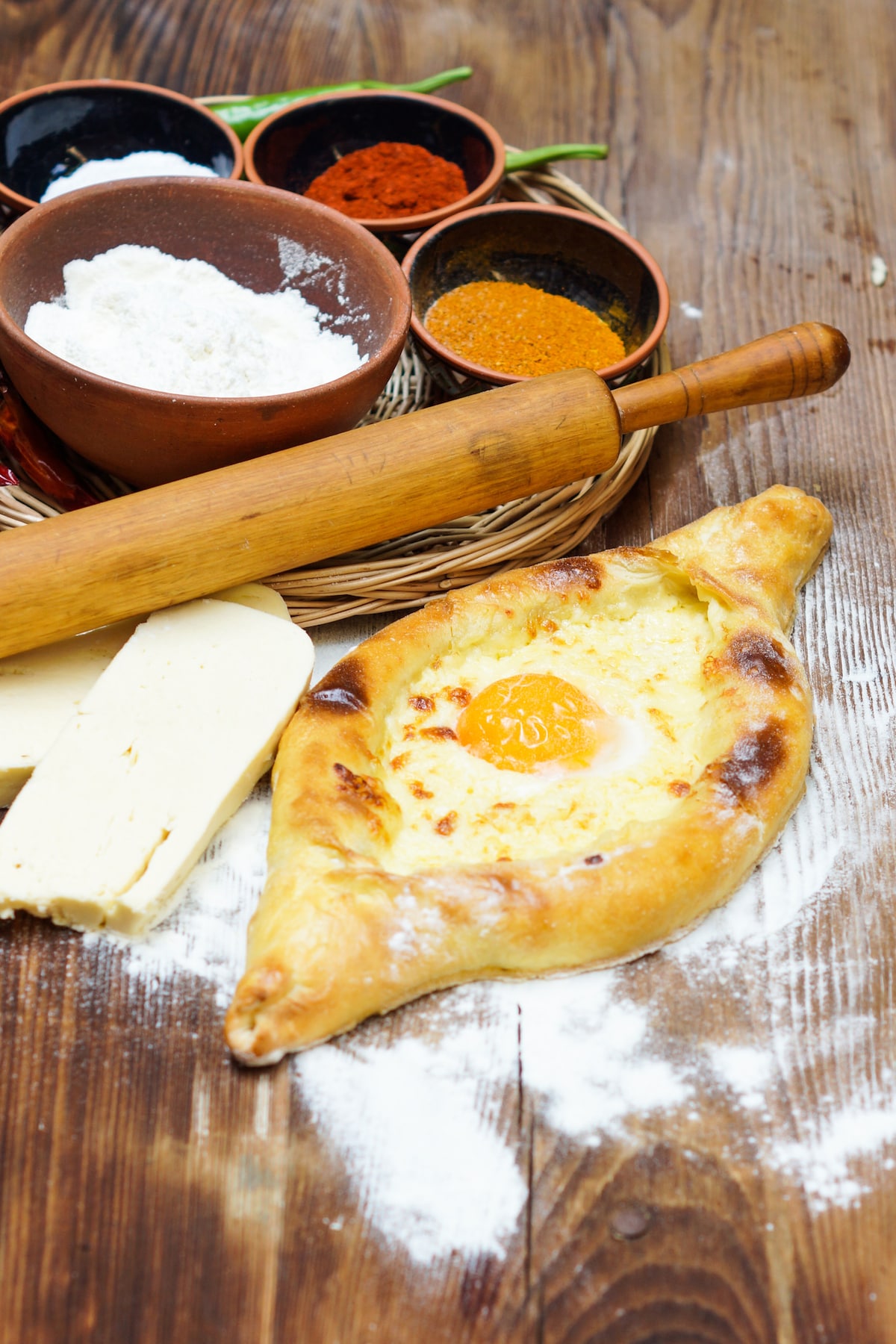
Learn Georgian grannys recipes
Thu, Jan 29 • 6:00 PM
Tbilisi, 0108, Georgia
View details

Create your own work of art in Tbilisi
Thu, Jan 29 • 12:00 PM
Tbilisi, 0105, Georgia
View details
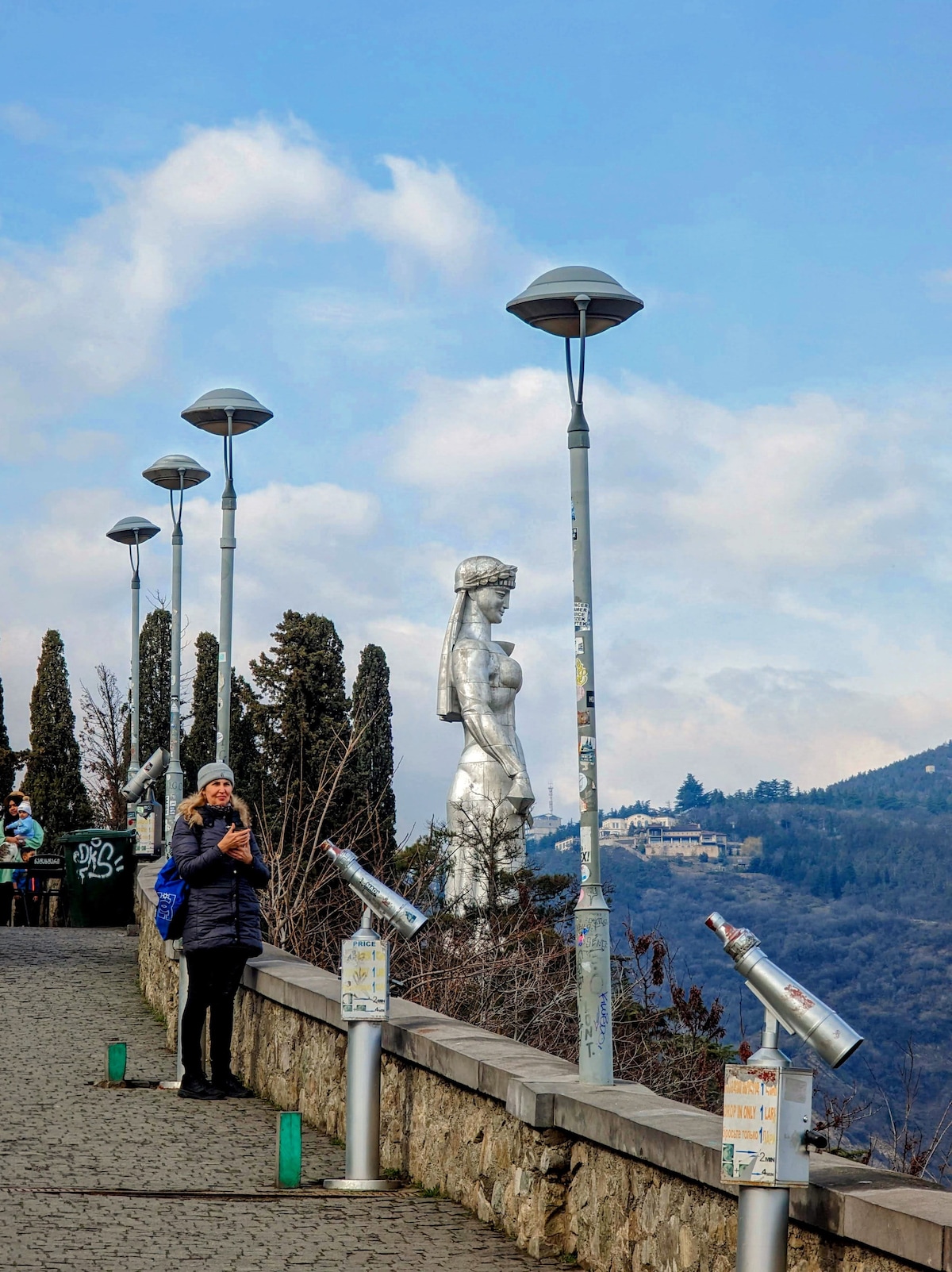
Walk Tbilisi Old Town with curated stops & stories
Thu, Jan 29 • 12:30 PM
Tbilisi, 1001, Georgia
View details
Nearby attractions of Georgian Museum of Fine Arts
Georgian National Museum
Kashueti St. George Church
National Gallery
Orbeliani Square
Lado Gudiashvili Exhibition Hall
9 April Garden
Tbilisi Digital Space
National Youth Palace
Rustaveli National Theatre
Liberty square
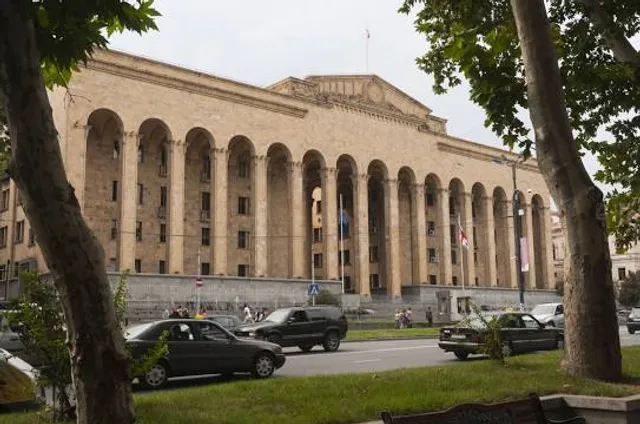
Georgian National Museum
4.5
(2.6K)
Open until 6:00 PM
Click for details
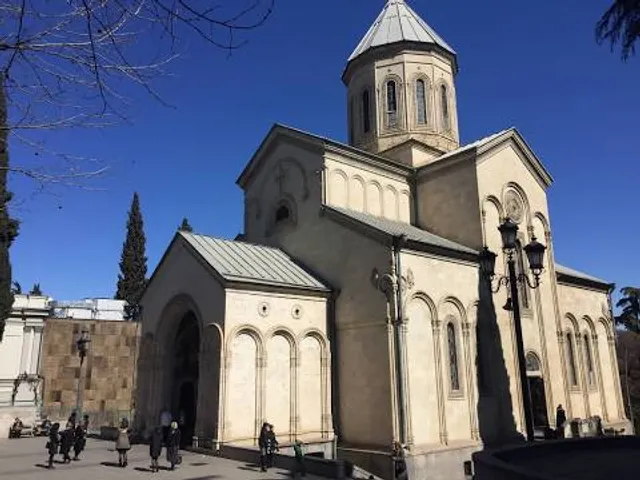
Kashueti St. George Church
4.8
(969)
Open until 8:00 PM
Click for details
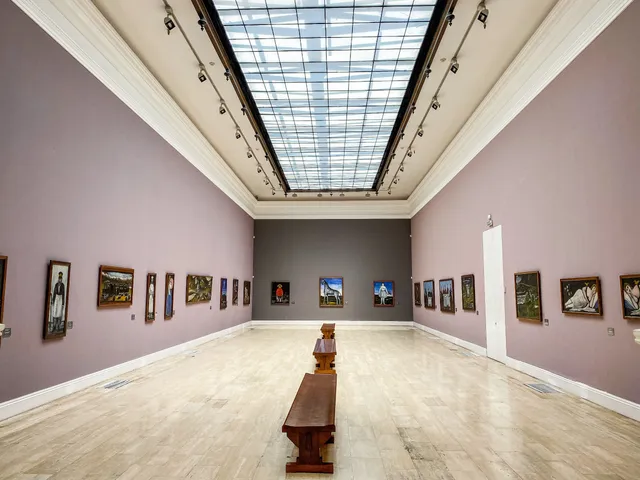
National Gallery
4.3
(747)
Open until 6:00 PM
Click for details
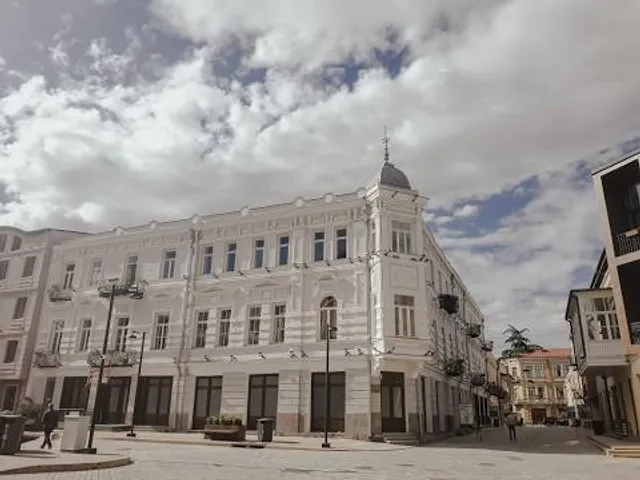
Orbeliani Square
4.7
(1.6K)
Open until 12:00 AM
Click for details
Nearby restaurants of Georgian Museum of Fine Arts
Brasserie Buvette by ARTHOUSE
Kharcho by ARTHOUSE
TANNINI, Bar-Restaurant
Okomeya
Ramekai / Orbeliani
Sofia Melnikova’s Fantastic Douqan
Lumier’s Chimney Cake
RadioCafe
Cafe Daphna Tbilisi / კაფე დაფნა თბილისი
Sakhachapure №1
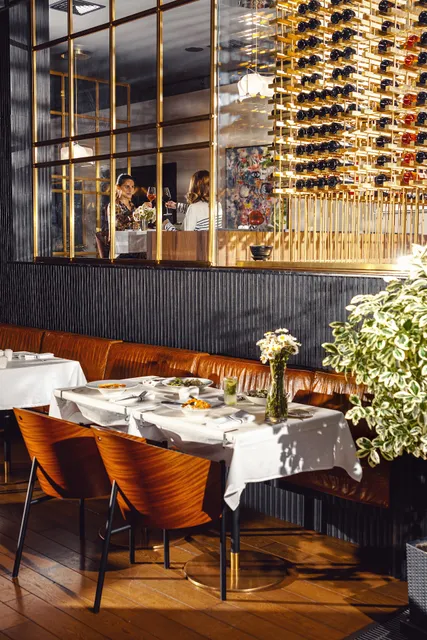
Brasserie Buvette by ARTHOUSE
4.6
(202)
Open until 12:00 AM
Click for details
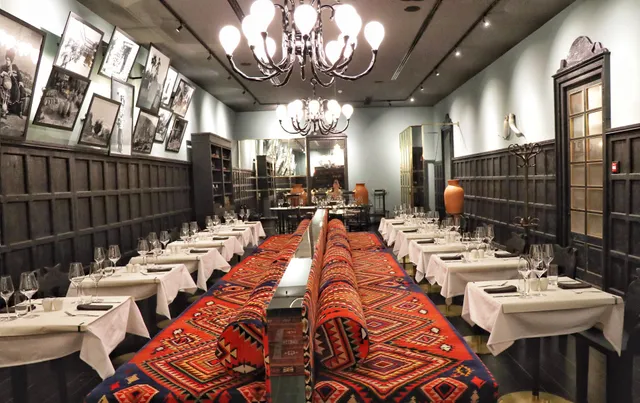
Kharcho by ARTHOUSE
4.5
(84)
Open until 12:00 AM
Click for details

TANNINI, Bar-Restaurant
4.6
(711)
$$
Open until 11:30 PM
Click for details

Okomeya
4.8
(210)
Open until 12:00 AM
Click for details
Nearby local services of Georgian Museum of Fine Arts
Galleria Tbilisi
Georgian Museum of Fine Arts
Tbilisi Weekend Street Market
Art Museum of Georgia
Goodwill
Tbilisi Holy Trinity Church
Liberty Square
The Museum of books
Social Concept Store ESKI
Shota Rustaveli Ave
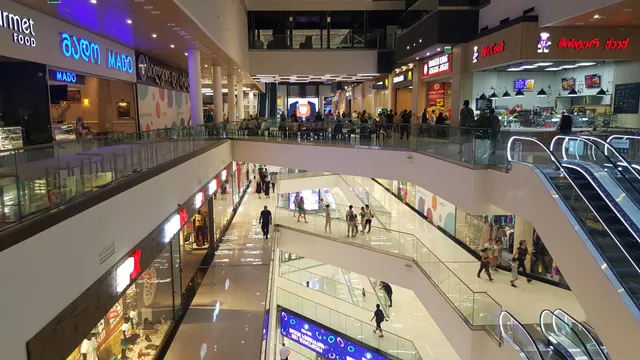
Galleria Tbilisi
4.5
(6.3K)
Click for details
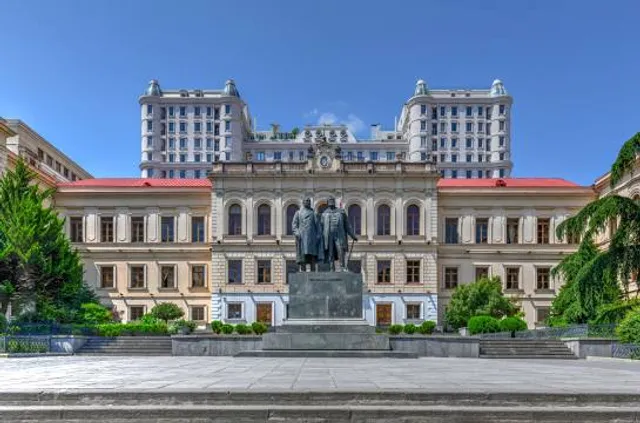
Georgian Museum of Fine Arts
4.6
(486)
Click for details
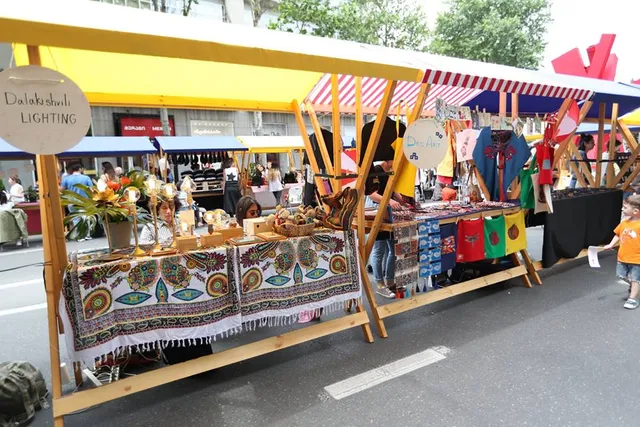
Tbilisi Weekend Street Market
4.5
(97)
Click for details
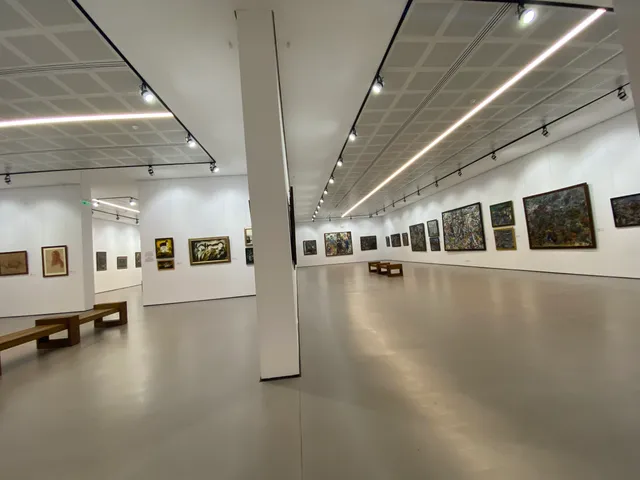
Art Museum of Georgia
4.2
(173)
Click for details